Precision-engineered computing components and thermal modules driving next-generation IoT gateways and intelligent lighting backbones.
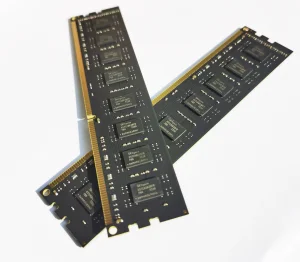
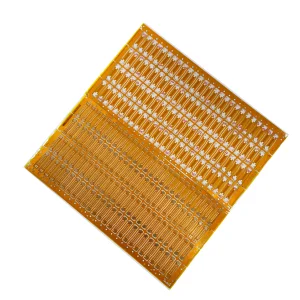
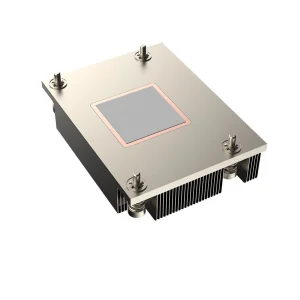
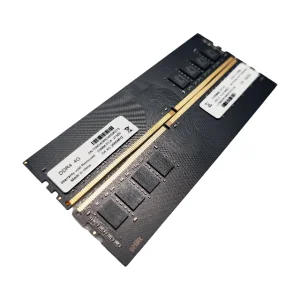
Modern smart lighting is no longer just about diodes and fixtures. It has evolved into a sophisticated sub-sector of the Internet of Things (IoT), requiring high-performance processing, edge-computing memory modules, complex printed circuit board assemblies (PCBA), and advanced thermal management to achieve industrial-grade reliability.
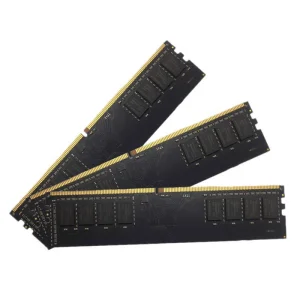
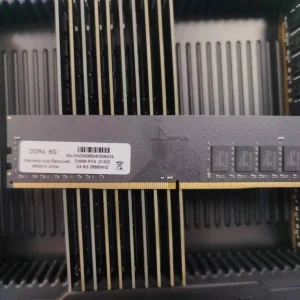
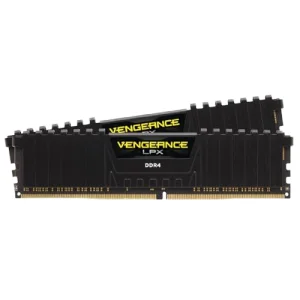
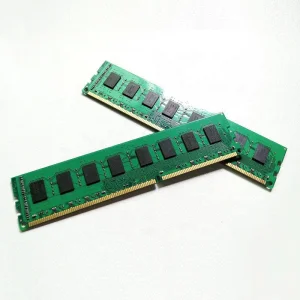
Local processing hubs and edge lighting controllers utilize High-Speed DRAM (DDR4/DDR5) to cache sensor data, manage localized wireless meshes (such as Zigbee, Thread, or Matter), and execute real-time dimming algorithms with zero latency.
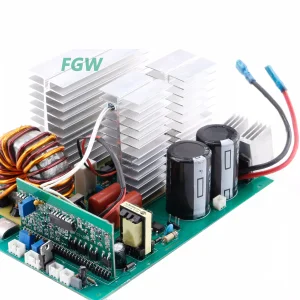
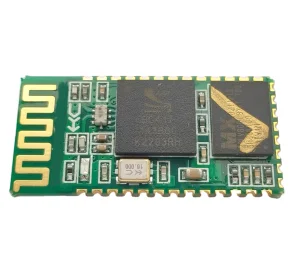
Flexible PCB (FPC) and heavy-copper PCBs form the electrical framework of modern luminaires. Complex driver configurations require precise multilayer SMD placement to maintain power factor correction and low Total Harmonic Distortion (THD).
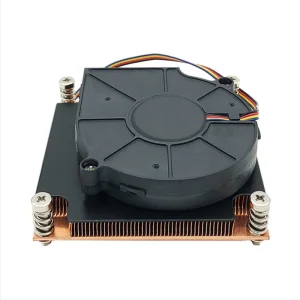
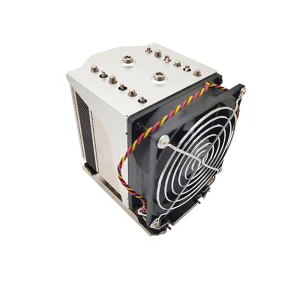
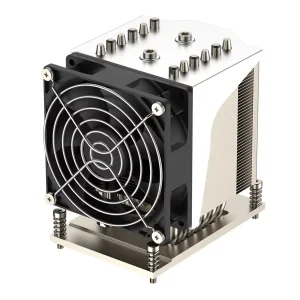
High-wattage commercial fixtures produce significant thermal load. Solid copper-based passive heatsinks and server-grade cooling systems ensure components like microcontrollers and power MOSFETs operate within safe junction temperatures.
Deploying intelligent lighting systems requires deep adaptation to regional architectural environments, power grids, and local standard operating environments.
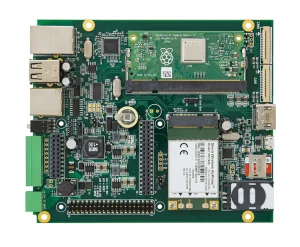
Municipalities worldwide are converting traditional sodium lamps to interconnected LED grids. Municipal hubs utilize industrial control motherboards (such as customized Raspberry Pi systems) that are integrated directly inside utility poles. These controllers process traffic flow data, ambient light levels, and air quality index parameters at the edge, sending telemetry reports back to central systems via 5G modules. This setup reduces system latency, ensures continuous operation even when remote networks fail, and optimizes regional grid demands.
Large-scale distribution centers require lighting systems integrated with Automatic Storage & Retrieval Systems (ASRS). Motion tracking via FPC-based sensory keypads and optical detectors prompts lighting systems to illuminate active aisles. To maintain 24/7 uptime in demanding environments, power modules rely on dedicated copper heat-sinks, shielding delicate driver units from high vibration, EMI fields from forklift motors, and fluctuations in ambient warehouse temperatures.
Modern commercial office spaces are shifting from traditional electrical wiring to Power over Ethernet (PoE) architectures. In a PoE lighting layout, both electrical power and data packets travel along standard Cat6 cables. System gateways require stable RAM setups to register IP addresses and manage local DALI-2 (Digital Addressable Lighting Interface) command sets. This allows facility managers to configure dynamic circadian rhythm dimming sequences, improving workplace comfort and driving down energy usage.
Indoor agricultural farms and commercial greenhouses utilize optimized light spectrums to accelerate plant growth phases. These light bars generate high heat loads and operate in high-humidity environments. Specialized PCBs designed with advanced insulation and paired with high-performance copper air-cooled heat-sinks are required to prevent thermal runaway. Automated spectrum transitions are scheduled via central microcontrollers to match specific plant stages, maximizing photosynthesis efficiency.
The roadmap for smart lighting is converging with Artificial Intelligence of Things (AIoT). The industry is transitioning from simple remote-controlled switches to fully autonomous, context-aware environments. Future developments focus on:
China remains the undisputed epicenter for smart lighting and IoT device manufacturing. Partnering with specialized manufacturers in Shenzhen provides distinct competitive advantages for global B2B procurement operations.
The Pearl River Delta offers an unparalleled hardware ecosystem. From raw copper sheet processing and multi-layer high-frequency PCB fabrication to precision surface-mount technology (SMT) and functional firmware programming, every node of the supply chain operates within a 50-kilometer radius.
With direct relations across component vendors, smart lighting factories can easily navigate chip shortages. If a particular microcontroller goes out of stock, local design teams can re-engineer the PCB traces and adapt alternative processors within days, avoiding production delays.
Modern facilities employ fully automated production lines. Robotic visual inspectors, automatic solder paste printers, and high-speed pick-and-place systems dramatically reduce human error, lowering defect rates and ensuring consistent batch-to-batch product quality.
Velmix Technology Co., Ltd. is a professional DDR5 memory manufacturer based in Shenzhen, China, specializing in the research, development, production, and global distribution of high-performance DRAM memory solutions. Since its establishment in 2017, Velmix has been committed to delivering reliable, high-speed memory products for consumer electronics, industrial applications, gaming systems, servers, and embedded computing.
Operating from a modern manufacturing facility covering 368㎡, we combine advanced production technologies with strict quality management to ensure every memory module meets international performance and reliability standards. Our experienced engineering team continuously develops innovative DDR5 memory solutions to meet the evolving demands of AI computing, edge devices, cloud infrastructure, and next-generation computing platforms.
Today, Velmix serves customers in more than 40 countries and regions, offering flexible OEM and ODM manufacturing services for global brands, distributors, system integrators, and industrial equipment manufacturers. By focusing on product consistency, fast delivery, and technical innovation, we have built long-term partnerships across Europe, North America, Southeast Asia, and the Middle East.
| Item | Information |
|---|---|
| Company Name | Velmix Technology Co., Ltd. |
| Established | 2017 |
| Facility Area | 368㎡ |
| Annual Export Revenue | USD 18.6 Million |
| Export Experience | 8 Years |
| Industry Experience | 15 Years |
| Quality Control | 100% Full Inspection Before Shipment |
| Product Inspection Methods | Signal Integrity Test, Burn-in Test, Compatibility Test, Functional Test & Random Sampling |
| QC Staff | 56 Employees |
| Business Type | Manufacturer & Exporter |
| Main Markets | North America, Europe, Southeast Asia, Middle East & South America |
| Supply Chain Partners | 986+ |
| Main Customer Types | Brand Owners, OEM Manufacturers, System Integrators, Distributors & Wholesalers |
| R&D Capability | Independent Product Design, PCB Development & Firmware Optimization |
| Customization Options | OEM, ODM, Private Label, Customized Capacity, Heat Spreader, PCB Color & Packaging |
| New Products Launched Last Year | 138 Models |
| R&D Engineers | 84 Engineers |
Driven by innovation, precision manufacturing, and customer-oriented service, Velmix continues to expand its portfolio of high-performance hardware products while helping global partners build faster, more reliable, and more efficient computing and controller systems. We are dedicated to becoming a trusted long-term supplier of premium memory and hardware solutions for customers worldwide.
The worldwide demand for smart lighting systems is growing fast. Analyzing these market differences helps international buyers customize their product strategies.
Primary focus is on commercial retrofit integration and building management system (BMS) compatibility. Systems must comply with strict FCC regulations and UL safety standards. Advanced occupancy sensing, daylight harvesting, and seamless integration with existing software protocols are key customer requirements.
Driven heavily by sustainability, carbon reduction mandates, and energy efficiency programs. Products must conform to CE, RoHS, and WEEE requirements. High-efficiency drivers, DALI-2 compatible systems, and materials that fit within a circular economy framework are highly sought after.
Regions like Southeast Asia and South America focus on smart municipal street lighting projects. High surges in grid voltages require robust design protections. Components must feature high-spec thermal dissipation and dust-proof coatings to perform reliably in extreme outdoor conditions.
Navigating global regulatory compliance is essential for international distribution. A robust product development workflow incorporates comprehensive verification steps:
We provide comprehensive assistance to global distributors and system integrators. By aligning our custom OEM/ODM solutions with target market requirements, we help ensure your products comply with local certifications such as FCC, CE, UL, and RoHS.
Our engineering support services help optimize firmware configurations to match regional standards, configure local mesh wireless protocols, and design customized heat sink accessories. This custom approach ensures our electronic components and computing modules deliver reliable performance in any climate and environment worldwide.
Memory modules, including high-performance DDR4 and DDR5 RAM, are critical for local smart lighting gateways and edge controllers. They cache sensor data, manage wireless network structures, and execute local automations instantly, ensuring system reliability even when internet connection is lost.
Yes. We provide complete OEM and ODM customization services. This includes adjusting board layers, changing PCB colors, changing firmware parameters, and redesigning component layouts to meet specific voltage and thermal requirements.
High temperatures degrade LED light output and shorten driver lifespan. Passive copper heatsinks and dedicated server-grade coolers keep operating temperatures within safe limits, helping commercial lighting systems achieve long lifespans.
We perform 100% inspections on all products. This process includes signal integrity checks, burn-in testing, compatibility verification, functional testing, and random sampling to ensure compliance with international B2B quality standards.
Take a virtual tour of our modern manufacturing facility in Shenzhen, where advanced SMT, precision testing, and high-performance assembly lines operate under strict quality management.
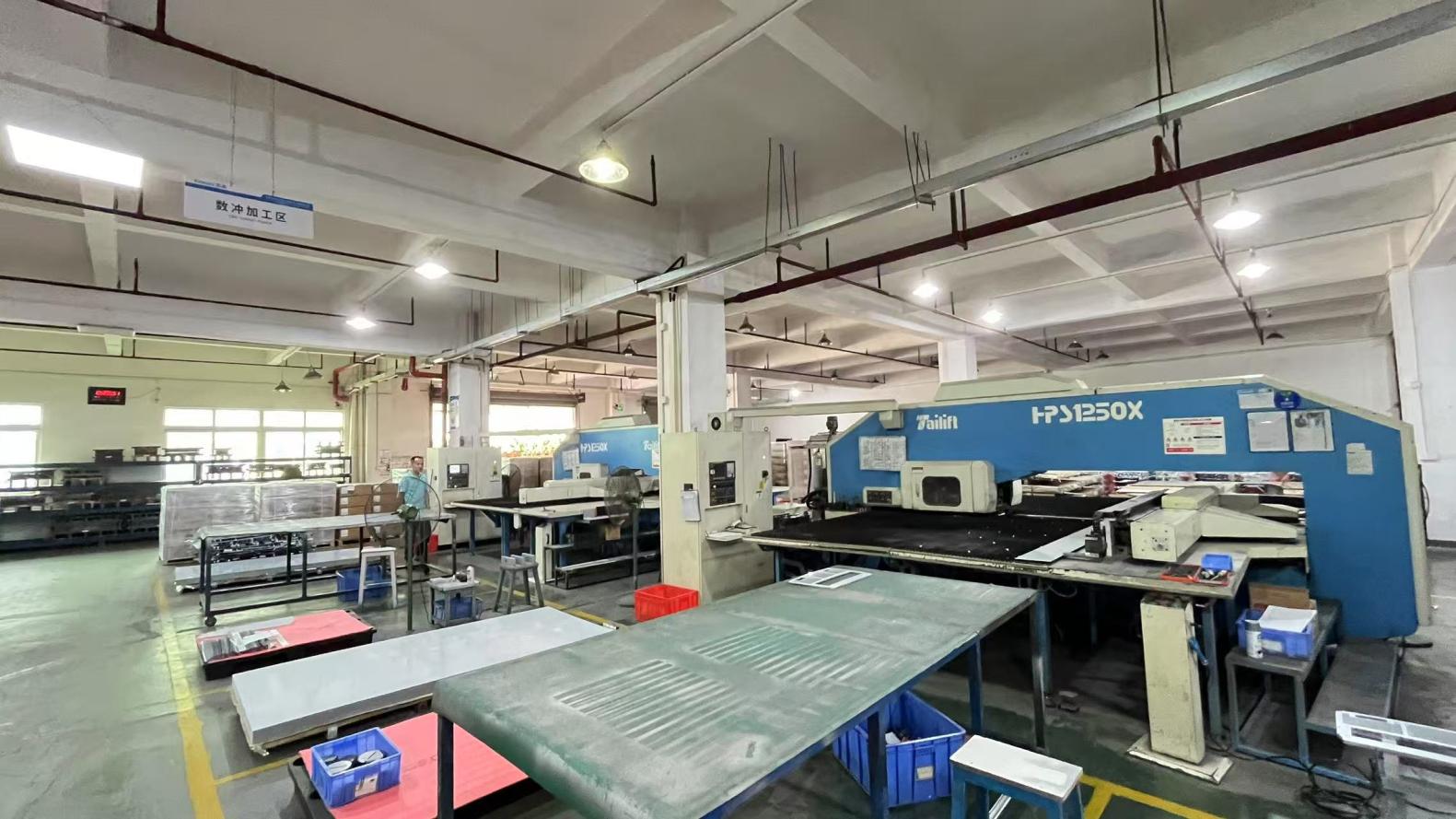
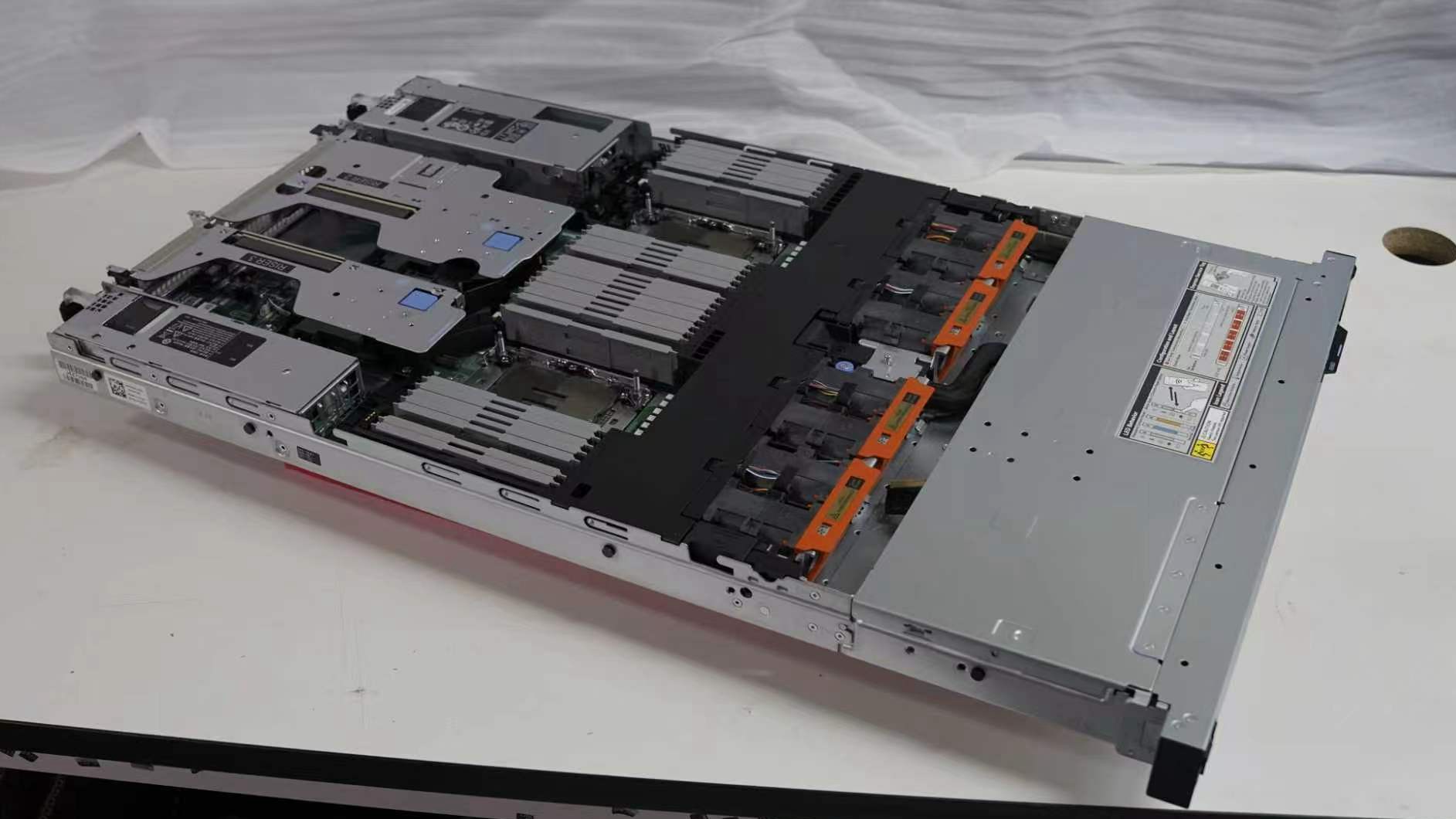
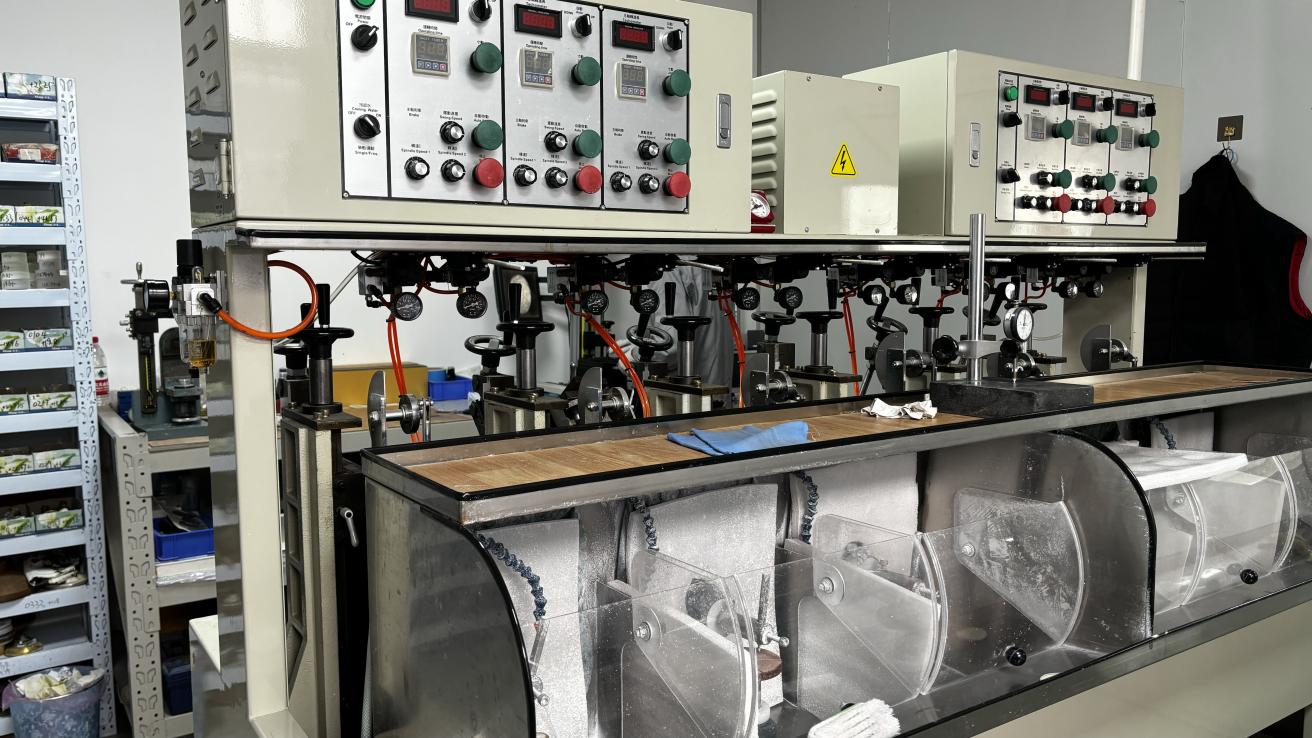
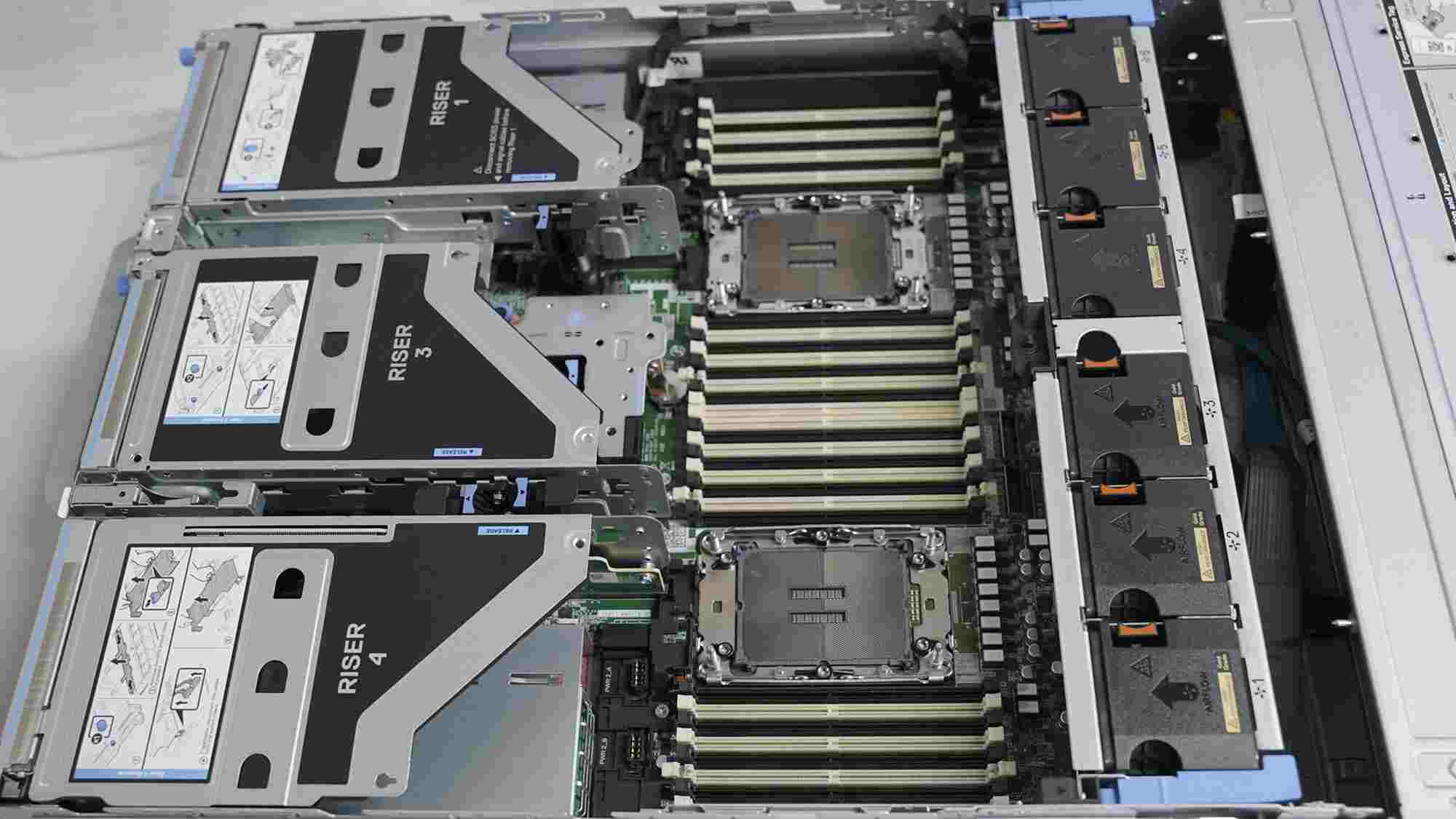
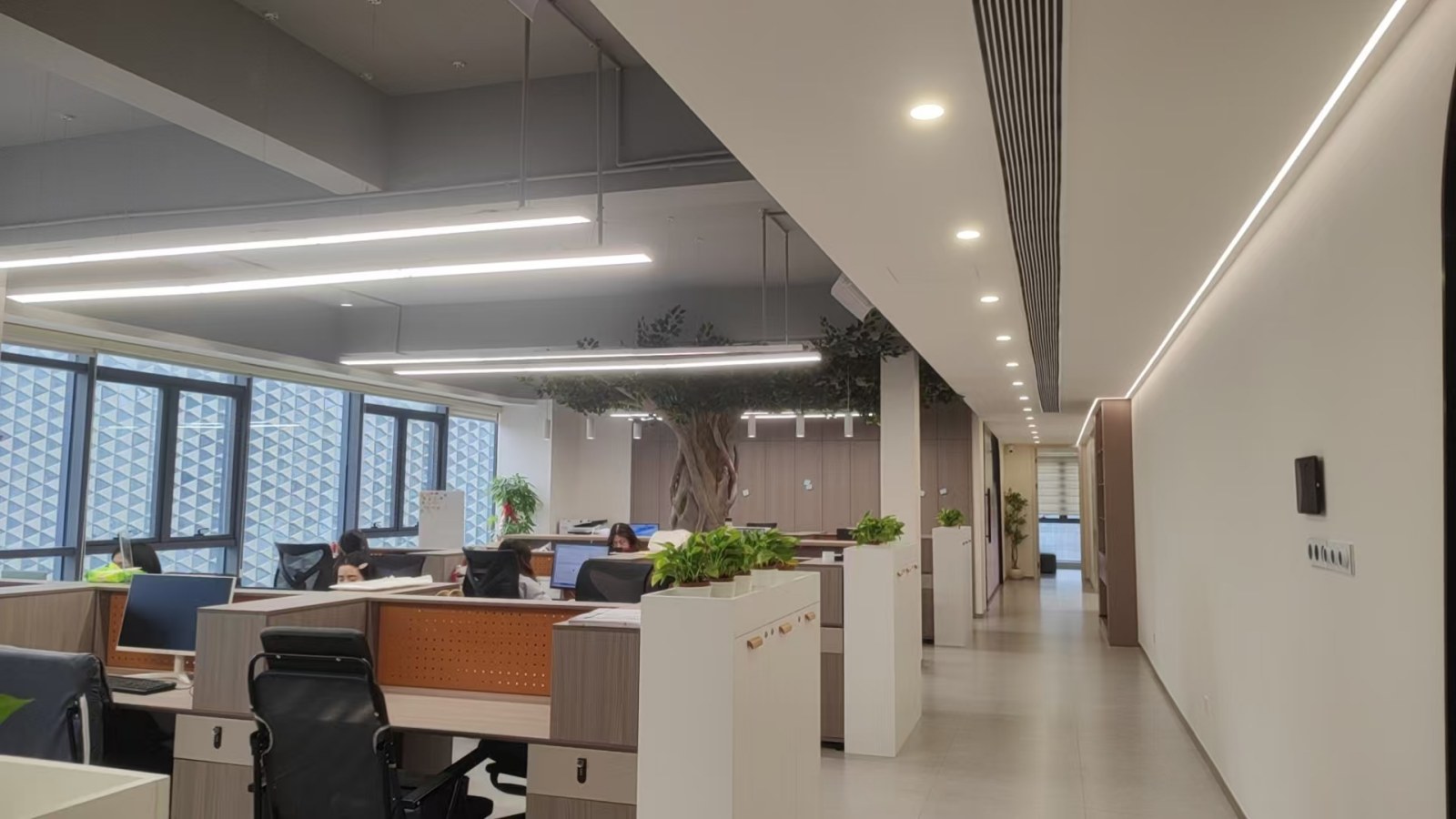
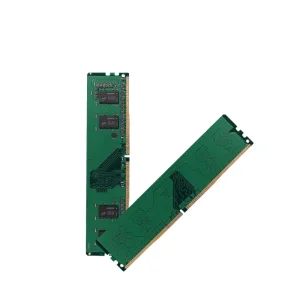
Advanced high-performance memory modules and active cooling kits designed for heavy enterprise and industrial systems.
 Velmix