How the shift to High-Thermal Conductivity Metal Clad Substrates is redefining efficiency across global industrial, automotive, and power infrastructures.
In the modern electronics landscape, thermal management has transitioned from a supporting design criteria to the principal bottleneck of hardware miniaturization and reliability. Standard FR-4 substrates, while economical, fail to dissipate high heat loads effectively due to their low thermal conductivity (~0.25 W/m·K). This mechanical limitation has driven global electronics manufacturers to adopt Metal Clad Printed Circuit Boards (MCPCBs), specifically Aluminum-backed PCBs, to preserve component integrity, maintain design footprint, and extend device service lifespans.
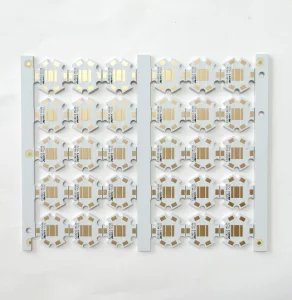
The global procurement demand for high-performance Aluminum PCBs is growing exponentially. Driven by strict energy regulations, carbon-neutral manufacturing initiatives, and the rapid pace of component density scaling, engineers rely on the superior thermal transfer metrics of premium alloy substrates. These substrates effectively draw heat away from active semiconductor components, such as high-brightness LEDs, planar transformers, power MOSFETs, and motor drives, transferring it to external heatsinks or specialized conductive chassis.
For supply chain procurement directors and global engineering firms, selecting an Aluminum PCB partner involves assessing key supply capabilities: material validation protocols, consistent supply of thermal laminates, and reliable testing systems. Key global sourcing demands typically prioritize:
An engineering deep-dive into the layering, metallurgy, thermal dynamics, and design specifications of modern Aluminum substrates.
An Aluminum PCB typically consists of three primary layers structured together through intense heat and lamination processes. Understanding the physical layout of these layers is vital for selecting the correct component specifications during high-reliability designs:
The top layer is standard copper foil (1 oz to 6 oz or more). Heavy copper layers are utilized to support high currents and lower direct resistance, ensuring optimal distribution of electricity with minimal internal heating.
The core component governing thermal transfer. This polymer-ceramic matrix provides excellent electrical isolation while displaying a low thermal resistance, bridging the heat between the copper traces and the metal base.
Usually made of 5052 or 6061 alloys. This base layer offers high mechanical strength, thermal storage capacity, and superior structural rigidity compared to FR-4 materials, resisting bending and thermal warping.
The mechanical and thermal behavior of the base substrate changes based on the selected aluminum alloy. For most standard designs, 5052 Aluminum is the default choice due to its balance of price, machinability, and thermal conductivity. 5052 contains around 2.5% magnesium, giving it high corrosion resistance and high structural integrity.
For applications requiring extreme structural strength and superior heat dissipation, 6061 Aluminum is preferred. It contains silicon and magnesium, making it heat-treatable and stronger than 5052, with a slightly higher native thermal transfer rate. This alloy is the standard for high-performance automotive and heavy industrial applications where structural load-bearing capacity is required alongside thermal management.
A high-tech manufacturer specializing in advanced hardware, memory integration, and high-performance PCB assemblies.
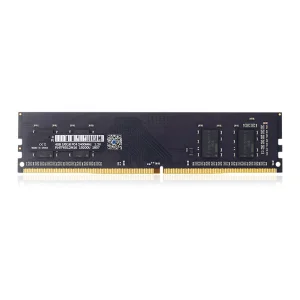
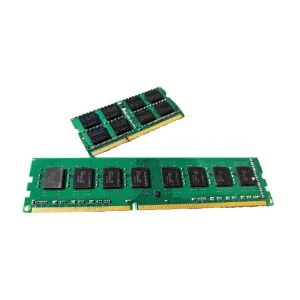
Velmix Technology Co., Ltd. is a professional developer and hardware manufacturer based in Shenzhen, China, specializing in the research, development, production, and global distribution of high-performance DRAM memory solutions and advanced printed circuit assemblies. Since its establishment in 2017, Velmix has been committed to delivering reliable, high-speed memory and thermal management products for consumer electronics, industrial applications, gaming systems, servers, and embedded computing environments.
Operating from a modern manufacturing facility covering 368㎡, we combine advanced production technologies with strict quality management to ensure every memory module and circuit assembly meets international performance and reliability standards. Our experienced engineering team continuously develops innovative DDR5 and MCPCB solutions to meet the evolving demands of AI computing, edge devices, cloud infrastructure, and next-generation computing platforms.
Today, Velmix serves customers in more than 40 countries and regions, offering flexible OEM and ODM manufacturing services for global brands, distributors, system integrators, and industrial equipment manufacturers. By focusing on product consistency, fast delivery, and technical innovation, we have built long-term partnerships across Europe, North America, Southeast Asia, and the Middle East.
| Item | Information |
|---|---|
| Company Name | Velmix Technology Co., Ltd. |
| Established | 2017 |
| Facility Area | 368㎡ |
| Annual Export Revenue | USD 18.6 Million |
| Export Experience | 8 Years |
| Industry Experience | 15 Years |
| Quality Control | 100% Full Inspection Before Shipment |
| Product Inspection Methods | Signal Integrity Test, Burn-in Test, Compatibility Test, Functional Test & Random Sampling |
| QC Staff | 56 Employees |
| Business Type | Manufacturer & Exporter |
| Main Markets | North America, Europe, Southeast Asia, Middle East & South America |
| Supply Chain Partners | 986+ |
| Main Customer Types | Brand Owners, OEM Manufacturers, System Integrators, Distributors & Wholesalers |
| R&D Capability | Independent Product Design, PCB Development & Firmware Optimization |
| Customization Options | OEM, ODM, Private Label, Customized Capacity, Heat Spreader, PCB Color & Packaging |
| New Products Launched Last Year | 138 Models |
| R&D Engineers | 84 Engineers |
Driven by innovation, precision manufacturing, and customer-oriented service, Velmix continues to expand its portfolio of advanced electronics and DDR5 memory products while helping global partners build faster, more reliable, and more efficient computing systems. We are dedicated to becoming a trusted long-term supplier of premium memory and thermal PCB solutions for customers worldwide.
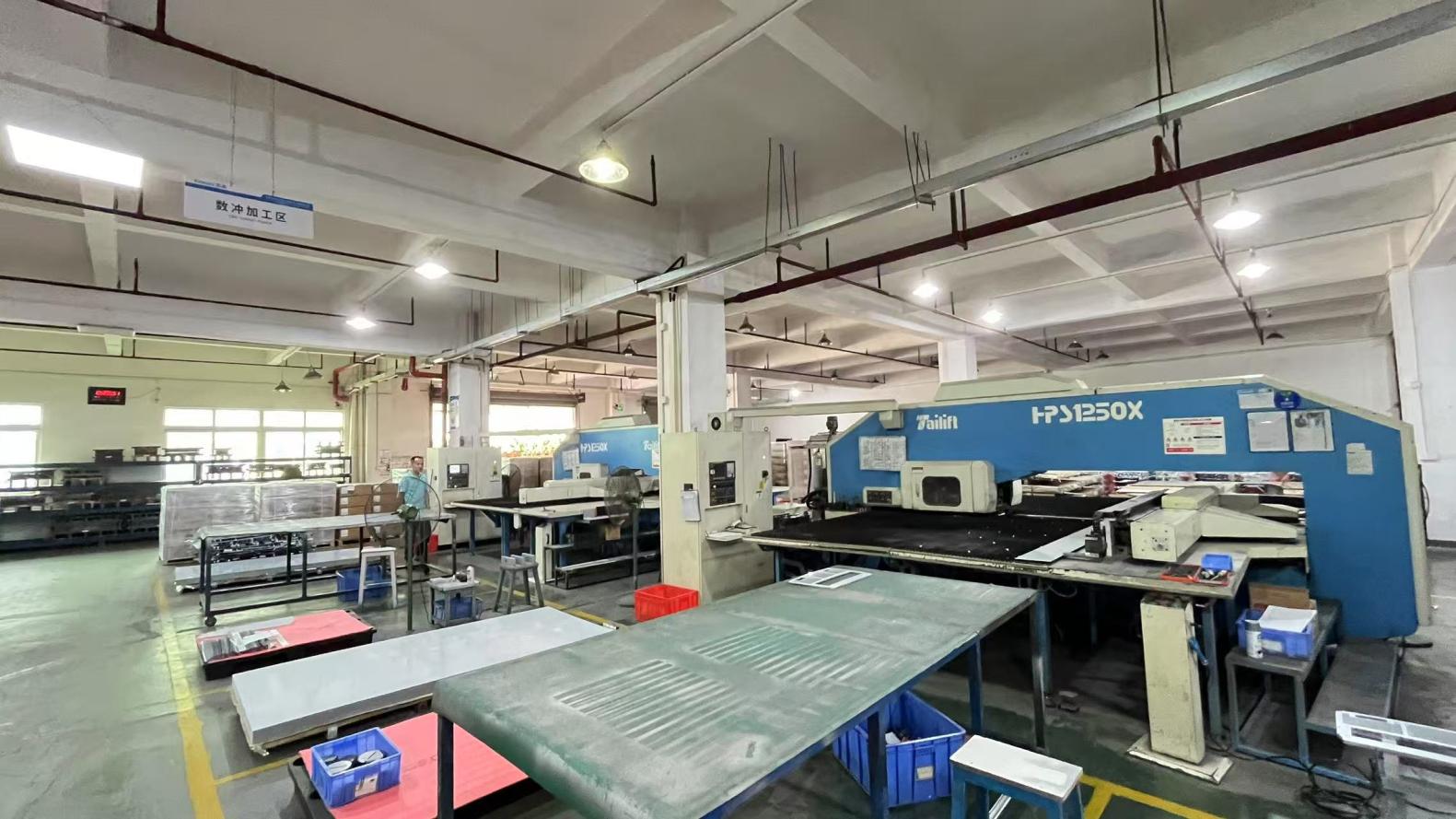
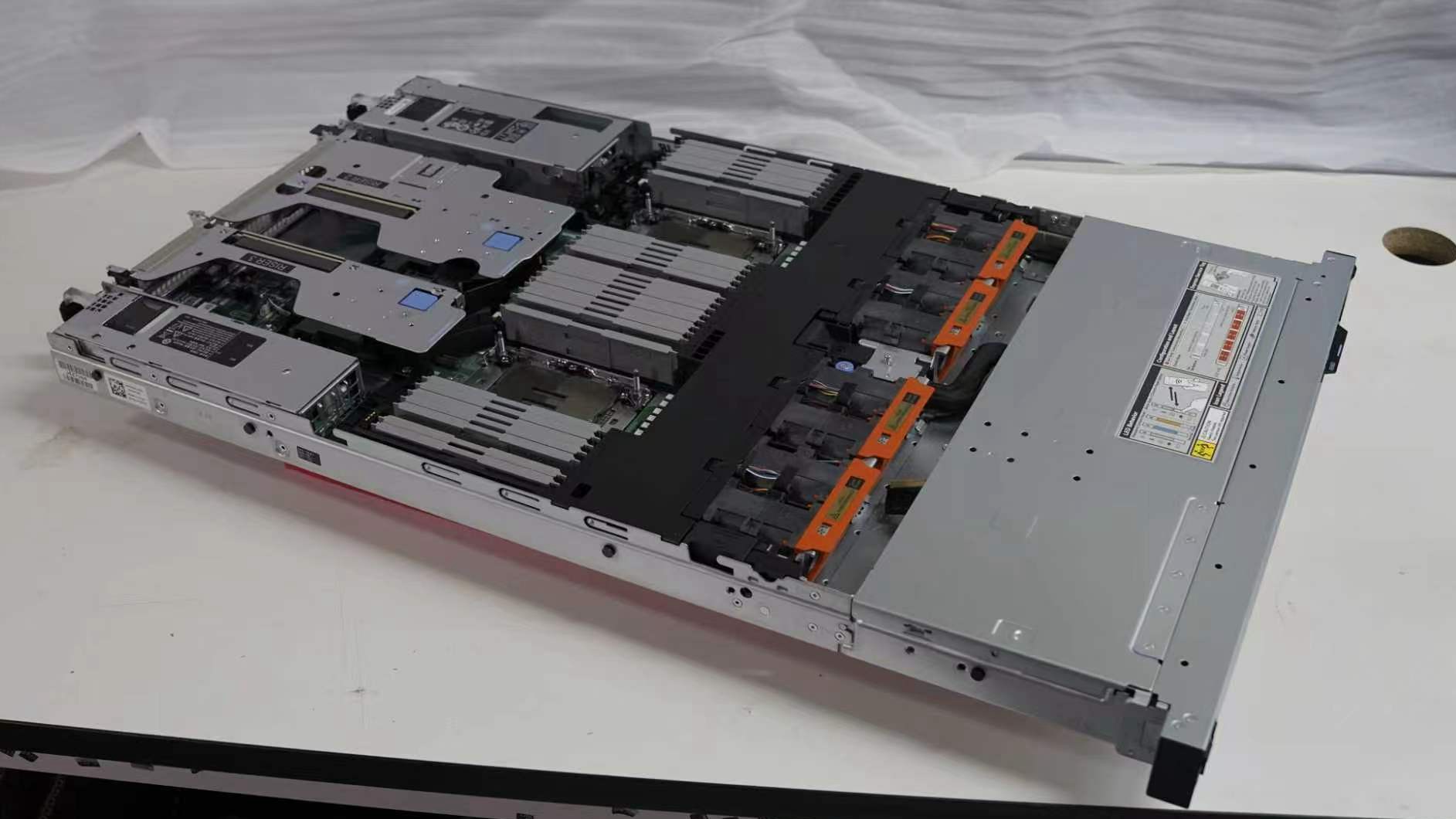
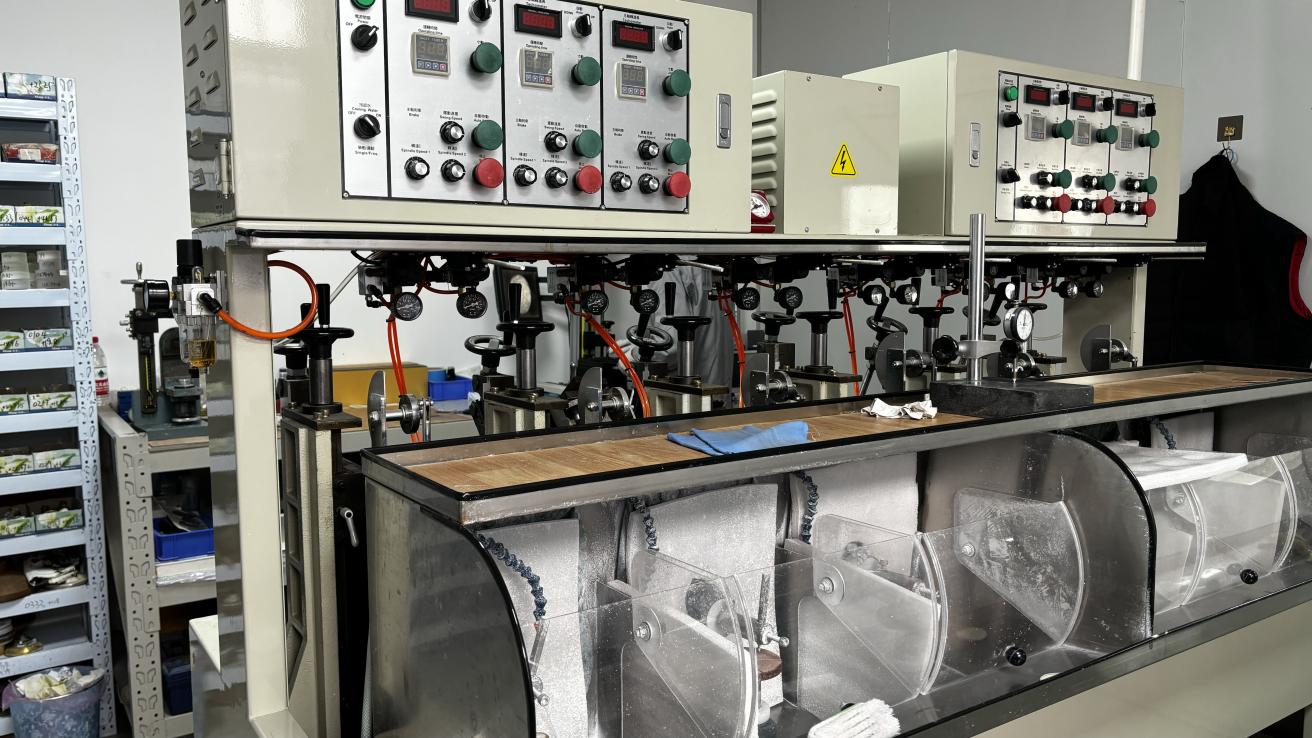
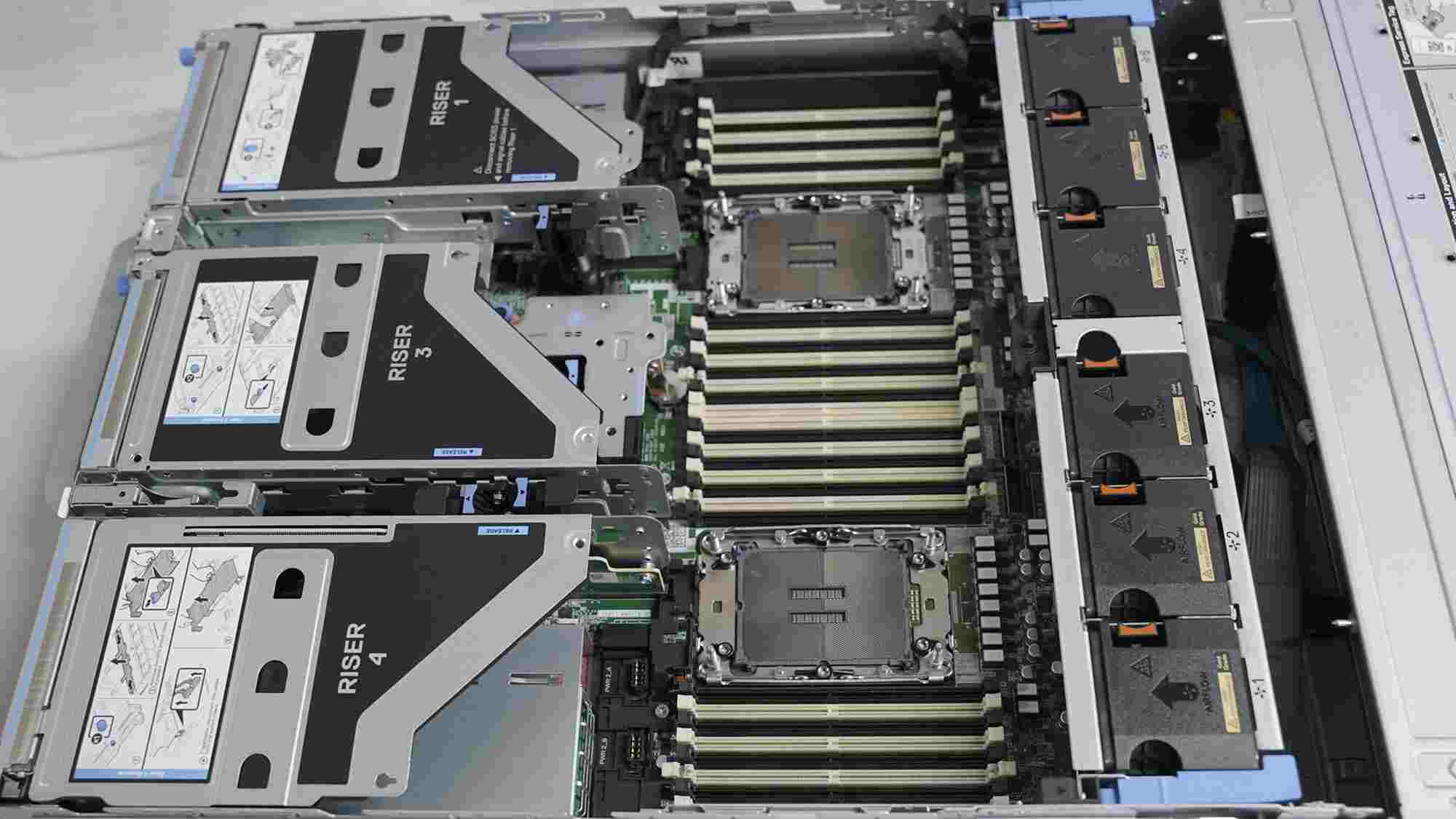
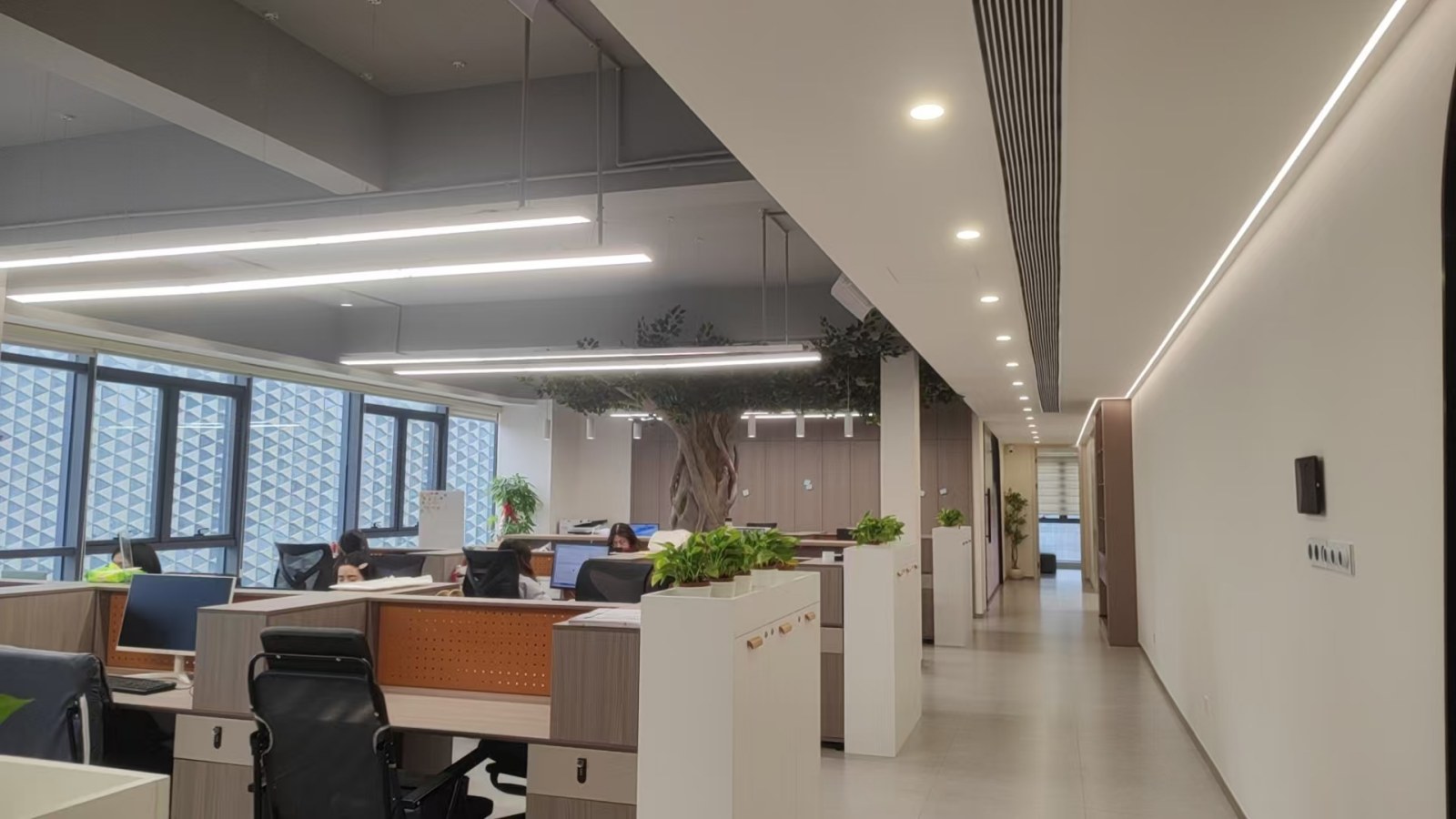
Analyzing the deployment of Aluminum PCBs across key global sectors including automotive power systems, high-power LEDs, and industrial grids.
Different industries place varying performance requirements on Aluminum PCBs. A generic solution rarely fits all application constraints. Below, we look at how specialized fields deploy these metal substrates to solve engineering challenges:
Electric Vehicles (EVs) require efficient power conversion systems to maximize range and battery performance. Aluminum PCBs are heavily utilized in On-Board Chargers (OBC), DC-DC converters, inverter modules, and Battery Management Systems (BMS). In these systems, high voltages (400V to 800V) and large currents generate massive heat loads in the MOSFETs and IGBTs. Standard substrate boards run the risk of thermal runaway, making high-thermal dielectric Aluminum PCBs essential for safe heat extraction.
In commercial lighting, street lights, and automotive headlights, high-intensity LEDs convert only 20-30% of electrical energy into visible light; the remaining 70-80% is converted into thermal waste. If this heat is not dissipated, the junction temperature of the LED increases, causing light degradation, color shifts, and premature diode failure. Utilizing Aluminum PCBs (with 3535 or 5050 lamp bead arrays) ensures heat is transferred directly to the chassis, keeping junction temperatures low and ensuring consistent illumination.
In automated manufacturing lines, high-frequency switches and motor driver systems run continuously. Motor control units, high-capacity AC/DC power supplies, and solar micro-inverters require reliable substrate layouts. Aluminum PCBs offer a solid thermal grounding plane, high mechanical support, and excellent noise filtering, mitigating electromagnetic interference (EMI) while optimizing heat dissipation.
Innovation pathways for Metal Clad PCBs in an era of high-frequency power semiconductors and green logistics.
The rapid commercialization of Wide Bandgap (WBG) semiconductors, specifically Silicon Carbide (SiC) and Gallium Nitride (GaN), is shifting the performance envelope of modern power electronics. These advanced chips operate at higher switching frequencies and temperatures (often exceeding 175°C) compared to traditional silicon devices. To match this performance, Aluminum PCBs are evolving across three main design areas:
In standard MCPCB designs, the dielectric insulation layer remains the main point of thermal resistance. The industry is actively shifting toward Direct Thermal Path (DTP) technology, also known as pedestal-style PCBs. In a DTP stackup, the dielectric layer is removed under the thermal pad of the active component. The copper pad of the component is soldered directly to the raised aluminum base, lowering thermal resistance close to 0 and providing excellent heat transfer performance.
Historically, Aluminum PCBs were limited to single-sided designs because of the challenge of routing traces through a conductive metal core. Modern processing techniques now allow for multi-layer designs (2 to 4 copper layers) and hybrid configurations (bonding an FR-4 multi-layer board to an aluminum base). These hybrids combine the trace-routing density of FR-4 with the heat-dissipating performance of an aluminum backing.
With the global push toward carbon-neutral product lifecycles, end-of-life recycling for electronics is a major priority. Aluminum has a low melting point and is highly recyclable compared to traditional fiberglass-epoxy (FR-4) matrixes. Manufacturers are actively optimizing green dielectric resins that allow for easier separation of copper, polymer, and aluminum during processing, supporting a circular economy.
Ensuring reliability and regulatory compliance across international borders through established testing protocols.
As a global exporter with over 8 years of international experience, Velmix Technology understands that compliance is a non-negotiable requirement for enterprise supply chains. A high-quality Aluminum PCB is only as good as its certifications. We maintain a robust quality management framework designed to meet the strict regulatory requirements of North American, European, and Asia-Pacific markets.
Our validation cycle covers every stage of production. Incoming materials must pass strict inspection parameters, including checks on copper purity and the thermal properties of the raw laminates. During production, automatic optical inspection (AOI) scans the circuit layer for micro-cracks or copper bridge shorts. Post-production testing includes high-potential dielectric breakdown testing, solderability checks, and thermal stress tests to verify performance under high temperature and humidity.
Furthermore, our manufacturing processes comply with IPC-A-600 Class 2 and Class 3 guidelines, UL 94V-0 flame ratings, and the ISO 9001:2015 standard. By eliminating hazardous materials and meeting RoHS/REACH standards, we guarantee that all exported products flow smoothly through global customs, minimizing supply chain friction and lead-time delays.
Answering the most critical engineering and sourcing questions about Metal Clad PCBs.
 Velmix