High-density multi-layer PCBs, high-performance DRAM memory architectures, and state-of-the-art server thermal modules engineered to demanding industrial specifications.
Velmix Technology Co., Ltd. combines fifteen years of manufacturing heritage with an agile supply chain to ship enterprise hardware to clients across 40+ countries.
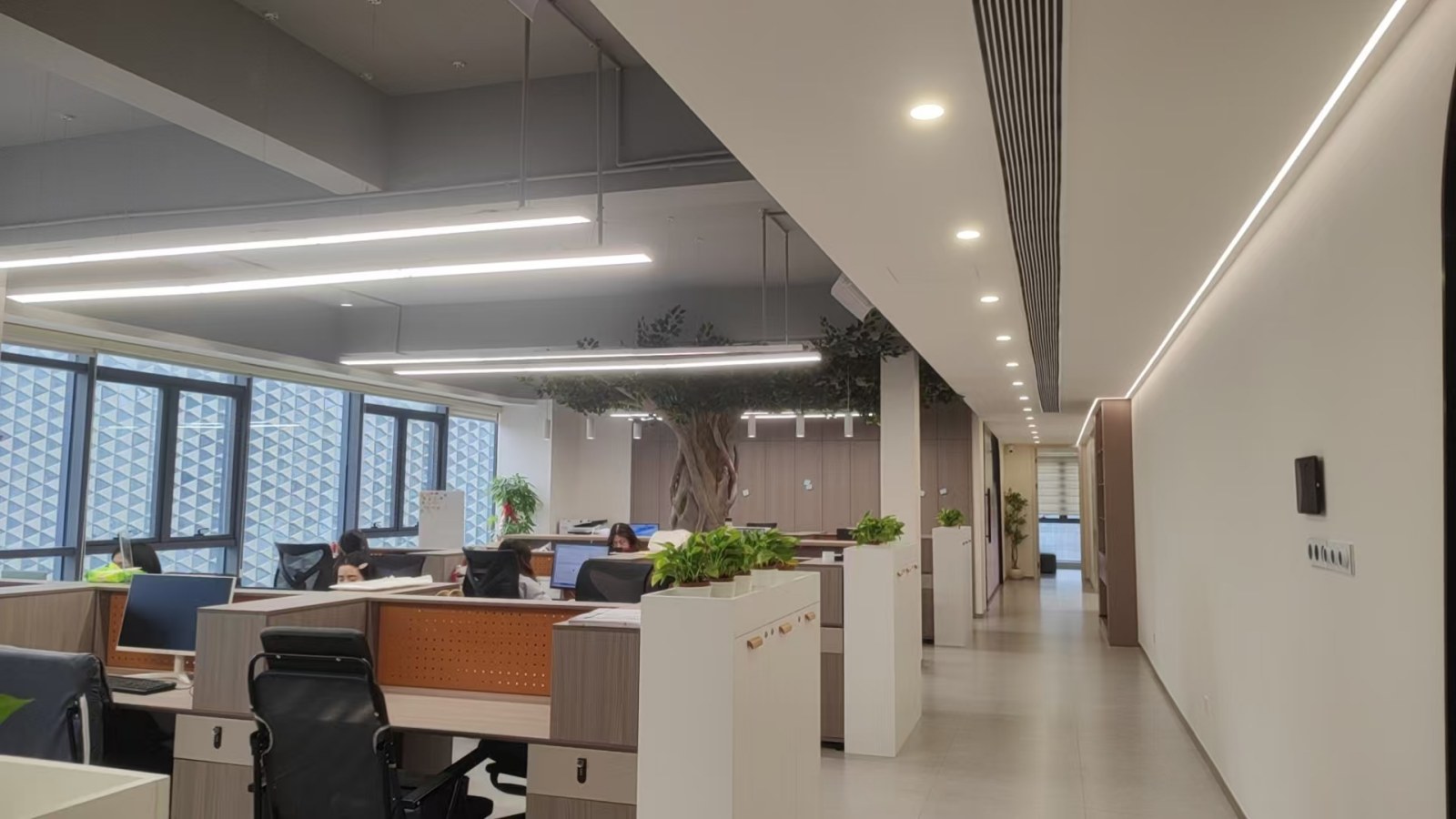
Operating as a premier hardware design innovator and specialized manufacturer in Shenzhen, China, Velmix Technology Co., Ltd. has established an integrated production vertical since its inception in 2017. Specializing in high-performance DRAM memory layouts, customized multi-layer Printed Circuit Board Assemblies (PCBA), and thermal solutions, our engineering workflows address the rigorous requirements of global industrial computing, server environments, and advanced consumer systems.
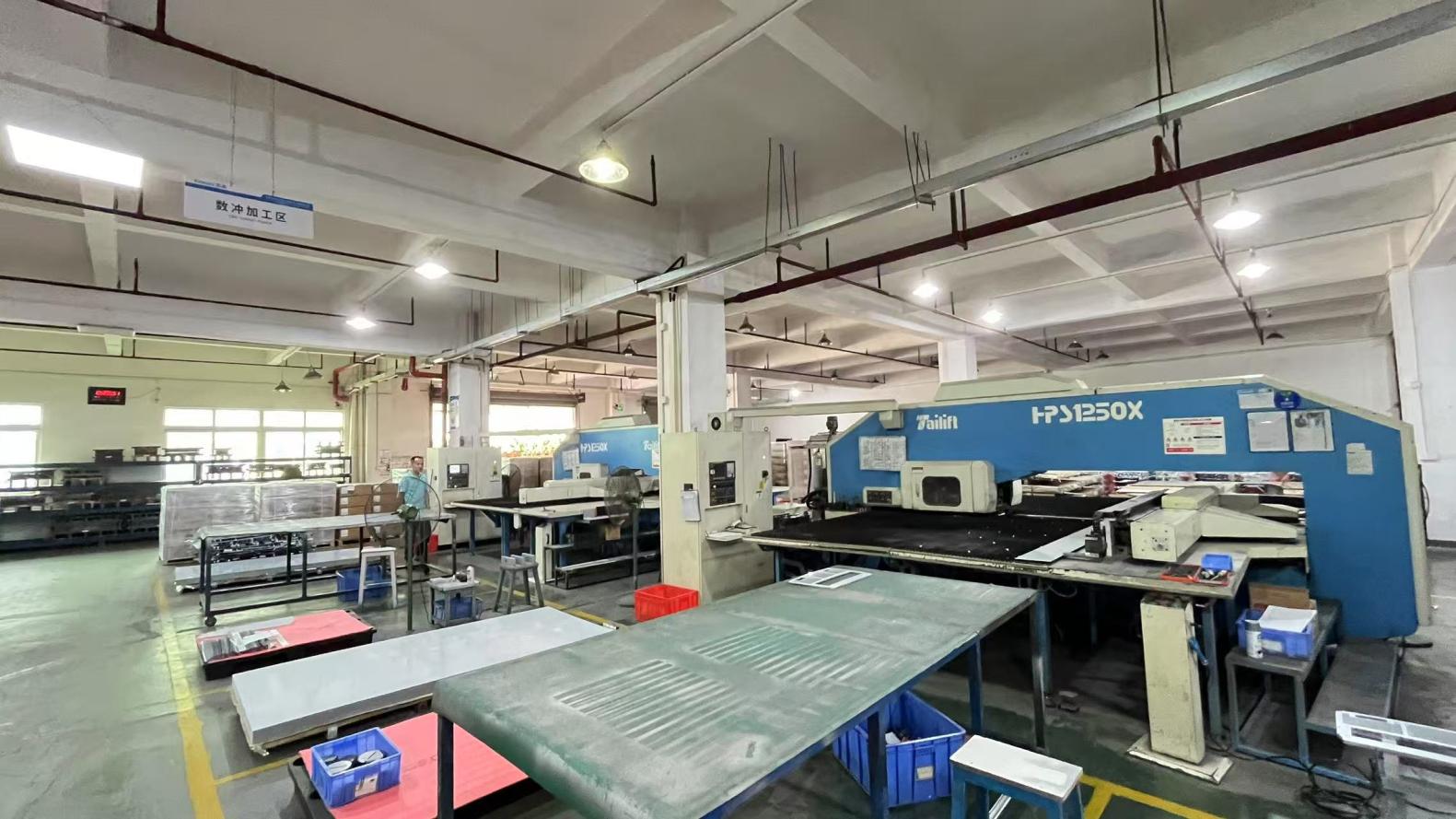
Operating out of a modern manufacturing facility covering 368㎡, we optimize every square foot for high-precision SMT (Surface Mount Technology), DIP (Dual In-line Package) plug-in soldering, and thermal module assembly. With a robust engineering foundation backed by 84 specialized R&D engineers, Velmix released 138 new hardware models last year alone, solidifying our reputation as an agile technology partner for international OEMs and ODMs.
| Strategic & Quality Parameters | Operational Data Specifications |
|---|---|
| Company Name | Velmix Technology Co., Ltd. |
| Established Year | 2017 |
| Facility Area | 368㎡ (Engineered for High-Density SMT & Assembly) |
| Export Heritage | 8 Years of Direct Global Compliance & Export Operations |
| Quality Control Framework | 100% Full Pre-Shipment Inspection Protocols |
| Inspection Methodologies | Signal Integrity Testing, Multi-Hour Burn-in Testing, Platform Compatibility Diagnostics, Functional System Tests & Statistical Process Control (SPC) |
| Dedicated Quality Staff | 56 Dedicated QC Inspectors and Process Engineers |
| Core Markets Served | North America, Western Europe, Southeast Asia, Middle East & South America |
| R&D Capability | End-to-End Schematic capture, Multilayer PCB Design, Signal Integrity Modeling & Customized BIOS/Firmware Optimization |
| Customization Breadth | Full OEM/ODM, Private Label, Capacity Adjustments, Bespoke Thermal Spreaders, Structural Heatsinks & Custom Materials |
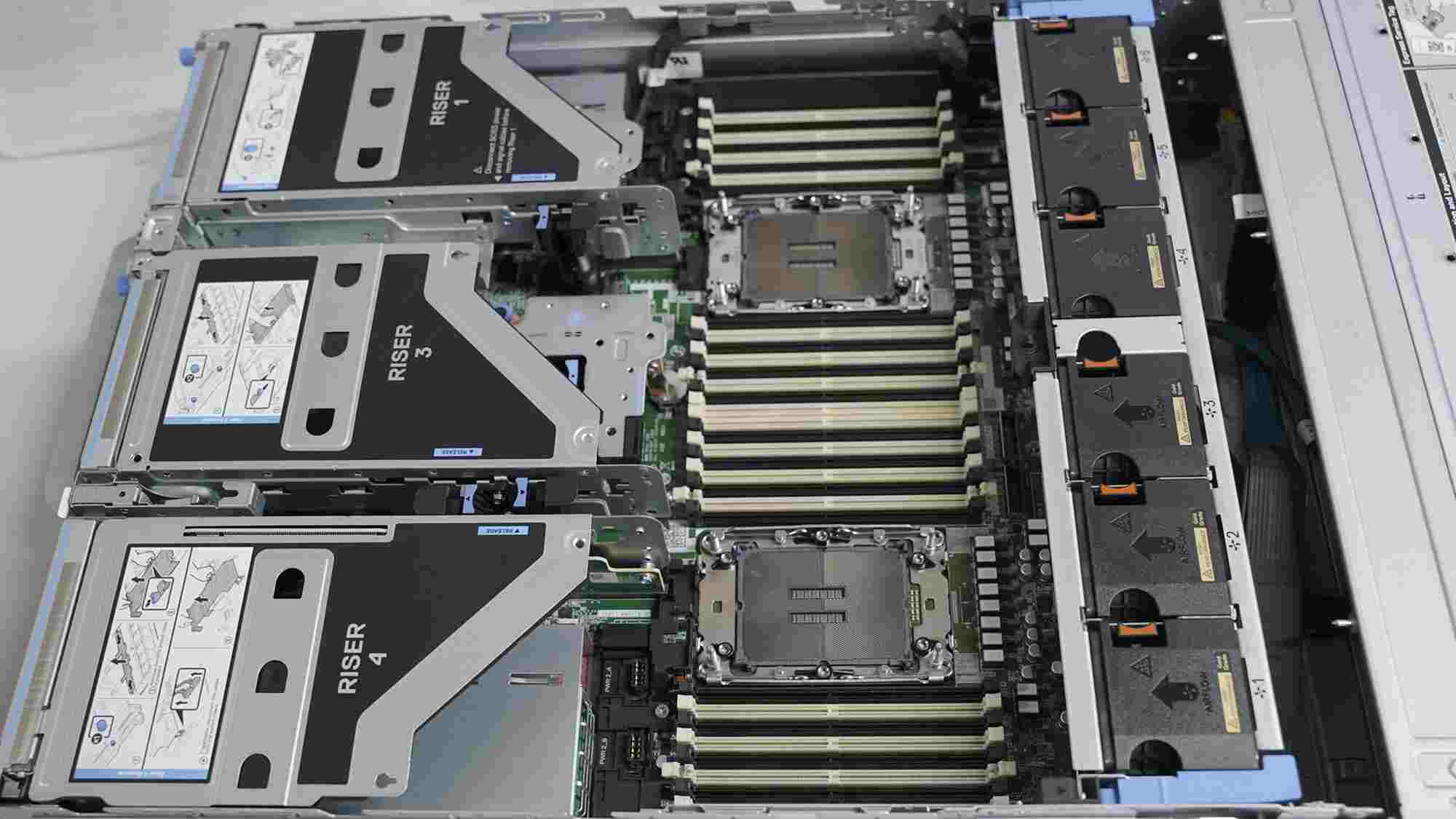
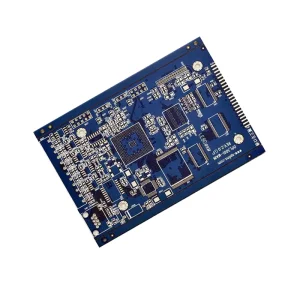
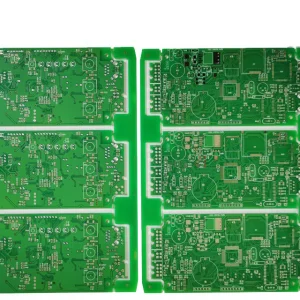
The global electronics landscape is undergoing an irreversible transition toward high-density interconnect (HDI) substrates, high-speed multi-layer configurations, and sophisticated rigid-flex hybrid materials. Modern industrial systems, IoT networks, automotive ECUs, and high-frequency communication rigs require signal transfer interfaces with minimal parasitic capacitance and maximum electromagnetic compatibility (EMC). High-layer PCBs (such as 4-layer, 8-layer, and up to 32-layer architectures) utilize high-Tg FR-4 formulations (e.g., Kingboard KB6160) to resist delamination under thermal strain. A critical element in maintaining layout integrity is the careful control of the dielectric constant (Dk) and loss tangent (Df), preventing attenuation of high-speed transmission lines such as PCIe Gen5 and DDR5 memory channels.
Choosing the correct surface finish determines the lifespan, coplanarity, and solderability of a printed circuit board. Hot Air Solder Leveling (HASL) remains a robust, cost-effective method for standard layout components, providing an excellent solderable intermetallic layer. However, the uneven surface distribution of HASL is unsuitable for fine-pitch SMT components and Ball Grid Array (BGA) packages. Immersion Silver (ImAg) provides a flat, coplanar surface ideal for modern micro-vias and high-frequency signal lines. The thin silver deposit (typically 0.15 to 0.45 microns) forms a dense layer on top of the copper, preserving trace geometries and minimizing high-frequency insertion loss through skin effect minimization.
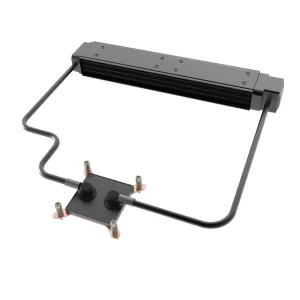
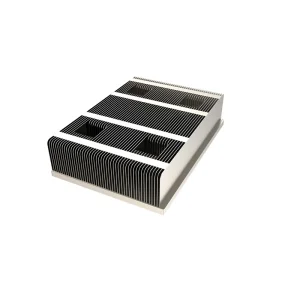
With CPU thermal design power (TDP) thresholds rising beyond 350W in server environments (such as LGA4677 and LGA1700 sockets), the integration of thermal dissipation systems directly into the board and chassis design is crucial. Modern system designs rely on high-thermal-conductivity aluminum substrates, vapor chambers, multi-pipe copper heatsinks, and custom liquid-cooling radiators to manage heat. Achieving reliable performance requires a low interface resistance thermal paste combined with precisely flat copper blocks, protecting computing engines from localized hot spots that lead to thermal throttling.
Leveraging highly integrated industrial ecosystems to accelerate NPI, component sourcing, and mass assembly.
Shenzhen's industrial clusters contain all levels of the manufacturing chain—from raw laminates to packaging—within a two-hour transit radius. Velmix relies on over 986 certified supply chain partners to quickly secure specialized parts, preventing the delays common in other manufacturing centers.
Shenzhen’s manufacturing base balances advanced machinery (like automated pick-and-place systems and 3D SPI/AOI lines) with efficient production layouts. This structural advantage helps lower per-unit costs for complex, high-mix, low-volume (HMLV) orders.
Transitioning from design schematics to fully assembled board prototypes is accelerated by localized engineering teams. Velmix's 84 R&D engineers analyze design files for manufacturability (DFM), verifying trace spacings and pad dimensions before starting production.
In manufacturing environments, control systems must withstand persistent vibrations, wide temperature ranges, and electromagnetic interference. Power supply instrumentation PCBs require heavy copper cladding (up to 3 oz or more) to handle high current demands, coupled with immersion silver or gold surface finishes to ensure reliable contact over long lifespans. Integrating thick-film resistors, ESD shielding planes, and stable DIP plug-in components ensures system reliability in continuous operation.
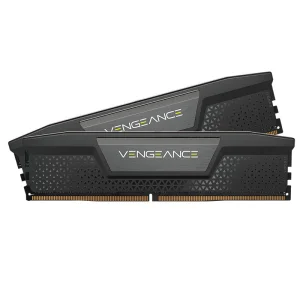
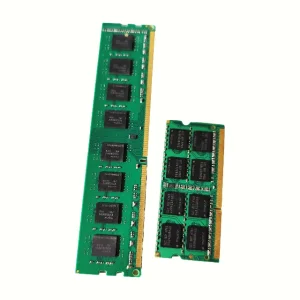
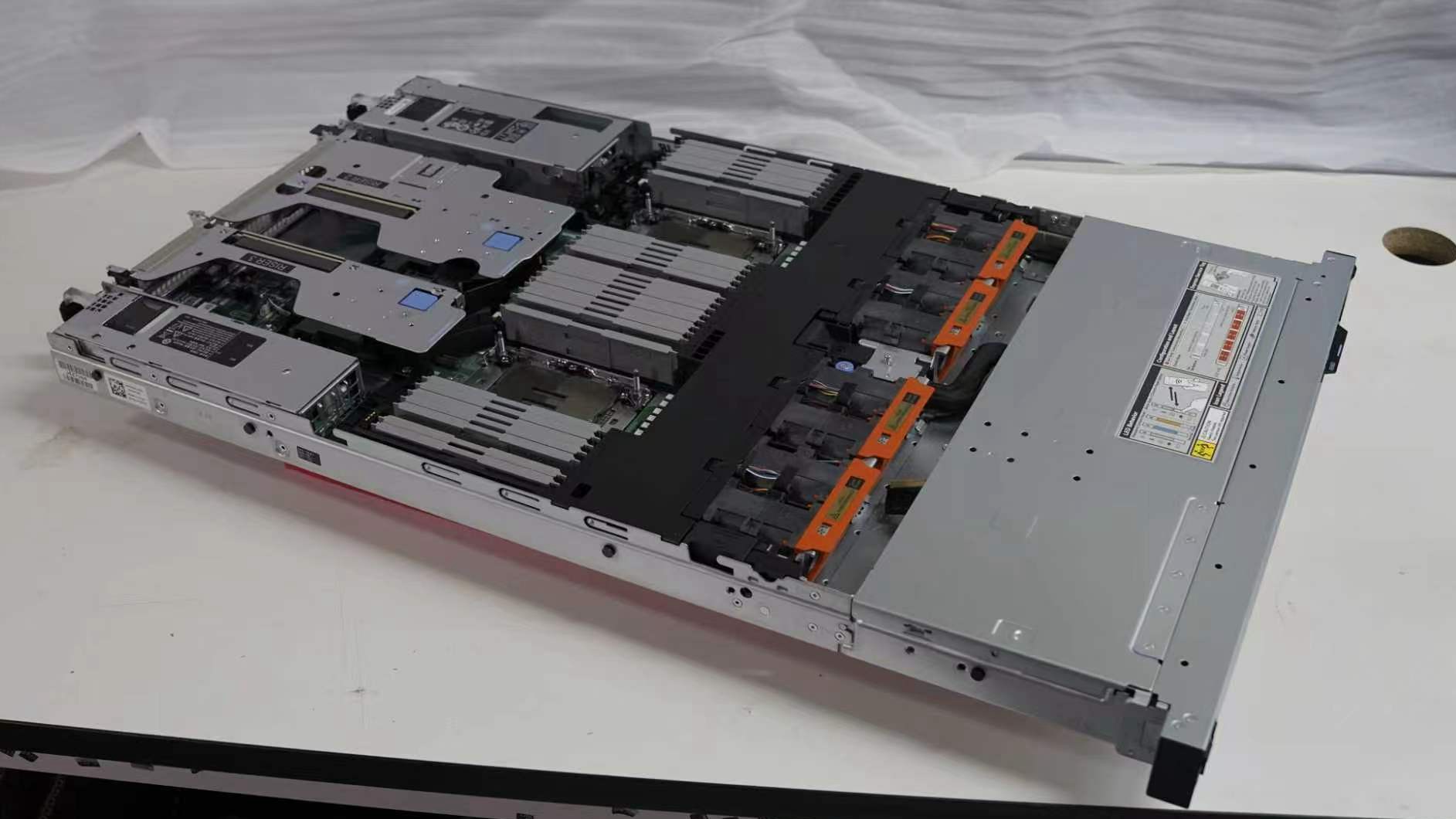
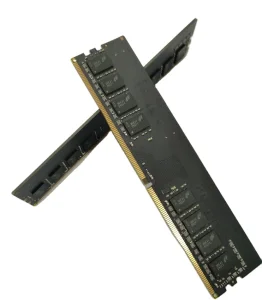
Modern servers require high-speed data paths to process workloads without data bottlenecks. For instance, designing memory systems with DDR5 running at 6000MHz requires precise layout strategies: keeping trace lengths matched, routing signals over ground reference planes, and using low-loss materials to avoid impedance changes. Using ECC (Error Correcting Code) RAM modules further reduces system memory errors, which is critical for cloud platforms, financial databases, and AI model training setups.
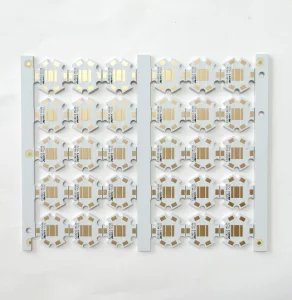
High-power LED arrays generate concentrated heat that can shorten component lifespans if not managed. Aluminum-backed PCBs (MCPCBs) help dissipate this heat by providing a direct path away from the light-emitting diodes. These substrates utilize a thin, thermally conductive dielectric layer bonded to an aluminum base, allowing heat to flow efficiently to external heatsinks.
Detailed technical analysis addressing common questions from electronics engineers and procurement managers.
HASL (Hot Air Solder Leveling) involves dipping the board in molten solder and clearing the excess with high-pressure air knives. This process creates an uneven, domed profile on SMT pads, which can lead to solder bridging or component misalignment on fine-pitch components (like 0201 packages or BGAs). Immersion Silver is a chemical replacement finish that deposits a flat, uniform layer of silver. This planarity is essential for high-speed SMT placement, while also minimizing signal attenuation at high frequencies by reducing skin-effect resistance.
At high speeds like 6000MHz, signal lines must maintain consistent impedance (typically 50 ohms single-ended, 100 ohms differential) to prevent signal reflections. We achieve this by running electromagnetic simulations during layout design, specifying dielectric thicknesses, and using automatic optical inspection (AOI) to verify trace widths. Additionally, we run physical tests with time-domain reflectometers (TDR) and perform system compatibility checks on Intel and AMD platforms to ensure stable signal margins.
For high-reliability applications, we use high-Tg laminates such as Kingboard KB6160, which features a Glass Transition Temperature (Tg) exceeding 170°C. High-Tg materials maintain their structural shape and electrical performance under thermal stress. They also offer low Coefficients of Thermal Expansion (CTE) in the Z-axis, reducing stress on plated copper vias during temperature cycles.
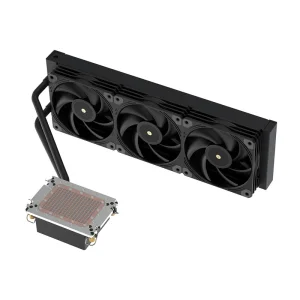
Dissipating 350W requires efficient heat transfer away from the CPU die. Our radiators use a micro-channel copper cold plate that contacts the CPU. A low-viscosity coolant absorbs the heat and carries it to a high-density aluminum radiator, where cooling fans dissipate the thermal energy. This continuous liquid loop provides much higher heat transfer rates than standard air heatsinks, preventing thermal throttling in high-performance computing setups.
We use a multi-stage quality control process: 3D solder paste inspection (SPI) after stencil printing, Automated Optical Inspection (AOI) after reflow, X-ray inspection for BGA connections, and functional testing on dedicated test rigs. Finally, memory modules and compute boards undergo thermal burn-in testing to identify and eliminate early-life component failures before shipment.
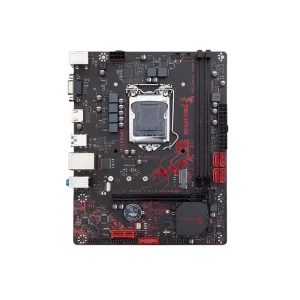
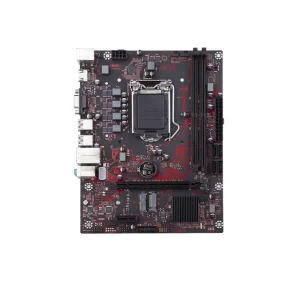
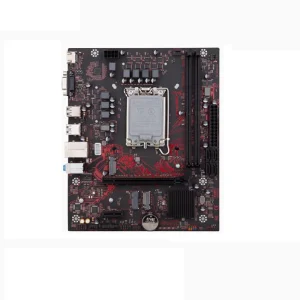
Industrial-grade motherboards, memory modules, server cooling solutions, and metal-core PCBs engineered for high reliability.
 Velmix