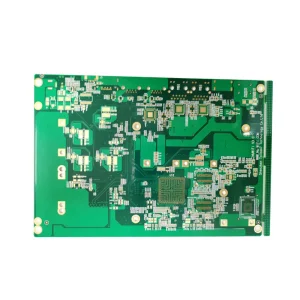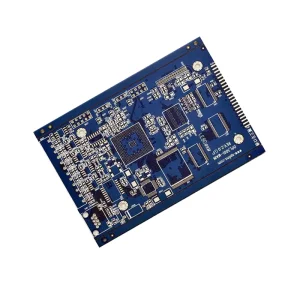
In the rapidly advancing landscape of high-performance computing, artificial intelligence (AI), edge computing, and complex aerospace electronics, the demand for high-density, reliable, and thermally resilient circuit architectures is greater than ever before. As global PCB Multi-layer Circuit Board Manufacturers & Exporters, we stand at the crossroads of hardware innovation and manufacturing excellence. Modern microelectronics demand that we compress complex system traces into microscopic, multi-tiered routing schemes without compromising on signal integrity or thermal dissipation.
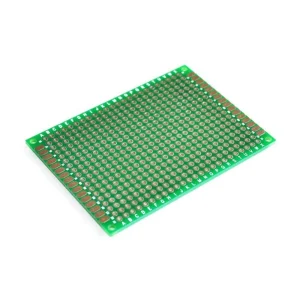
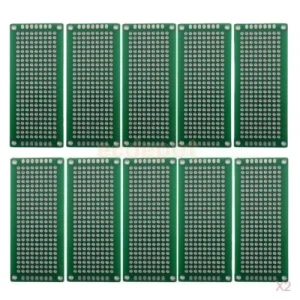
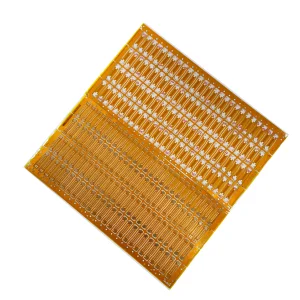
From standard double-sided prototyping boards to complex 32+ layer High-Density Interconnect (HDI) server architectures, our processes ensure optimal performance. Whether delivering specialized power converter circuits for heavy-duty welding machine inverters, or ultra-thin flexible polyimide circuits (FPC) for high-performance peripherals, our technology handles the rigors of modern signal speeds. Advanced system design requires a holistic approach where bare boards, specialized component mounting, high-frequency signal processing, and heat dissipation structures are engineered as a single, cohesive ecosystem.
Procuring high-layer count printed circuits involves managing lead times, supply chain disruptions, component cost volatility, and strict compliance targets. Enterprise procurement departments are shifting from simple transactional sourcing to long-term collaborative co-development with system-level manufacturers.
Global procurers look to consolidate multiple subsystem boards into single, multi-layer HDI motherboards to lower assembly costs, reduce impedance mismatches, and decrease overall chassis size.
Complex digital architectures require precise calculations of trace widths, dielectric constants, and layer stack-ups to guarantee impedance matching within ±5% tolerance limits.
Full bill of materials (BOM) transparency, raw copper laminates tracking, and military-grade performance validation are standard prerequisites for automotive, server, and industrial automation equipment procurement.
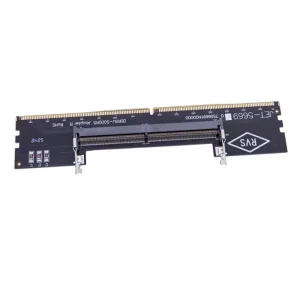
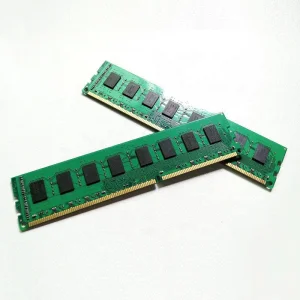
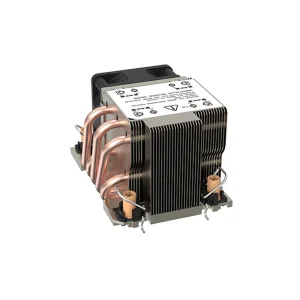
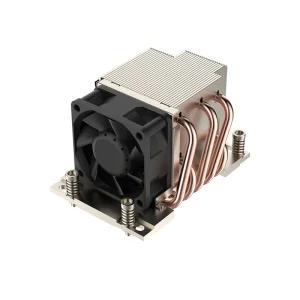
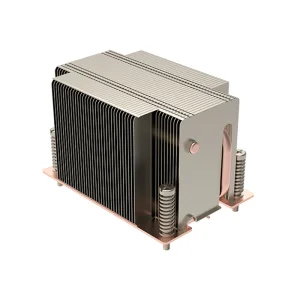
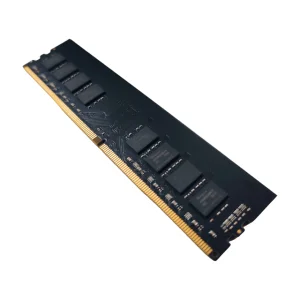
A printed circuit board is not an isolated unit. It operates within a system that includes active components like DRAM memory modules, microcontrollers, high-speed interfaces, and active/passive cooling systems. Velmix Technology integrates high-performance memory modules (DDR3, DDR4, DDR5 REG ECC), structural components, and high-capacity server heat sinks (e.g., LGA 4677 and AMD SP6 radiators) with its multi-layer board systems.
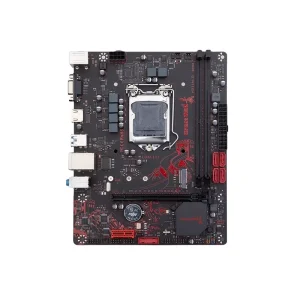
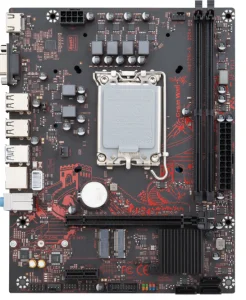
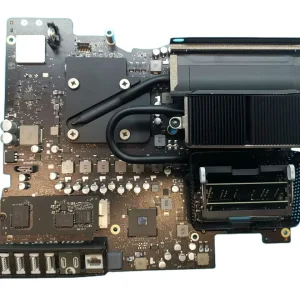
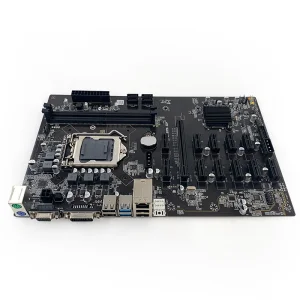
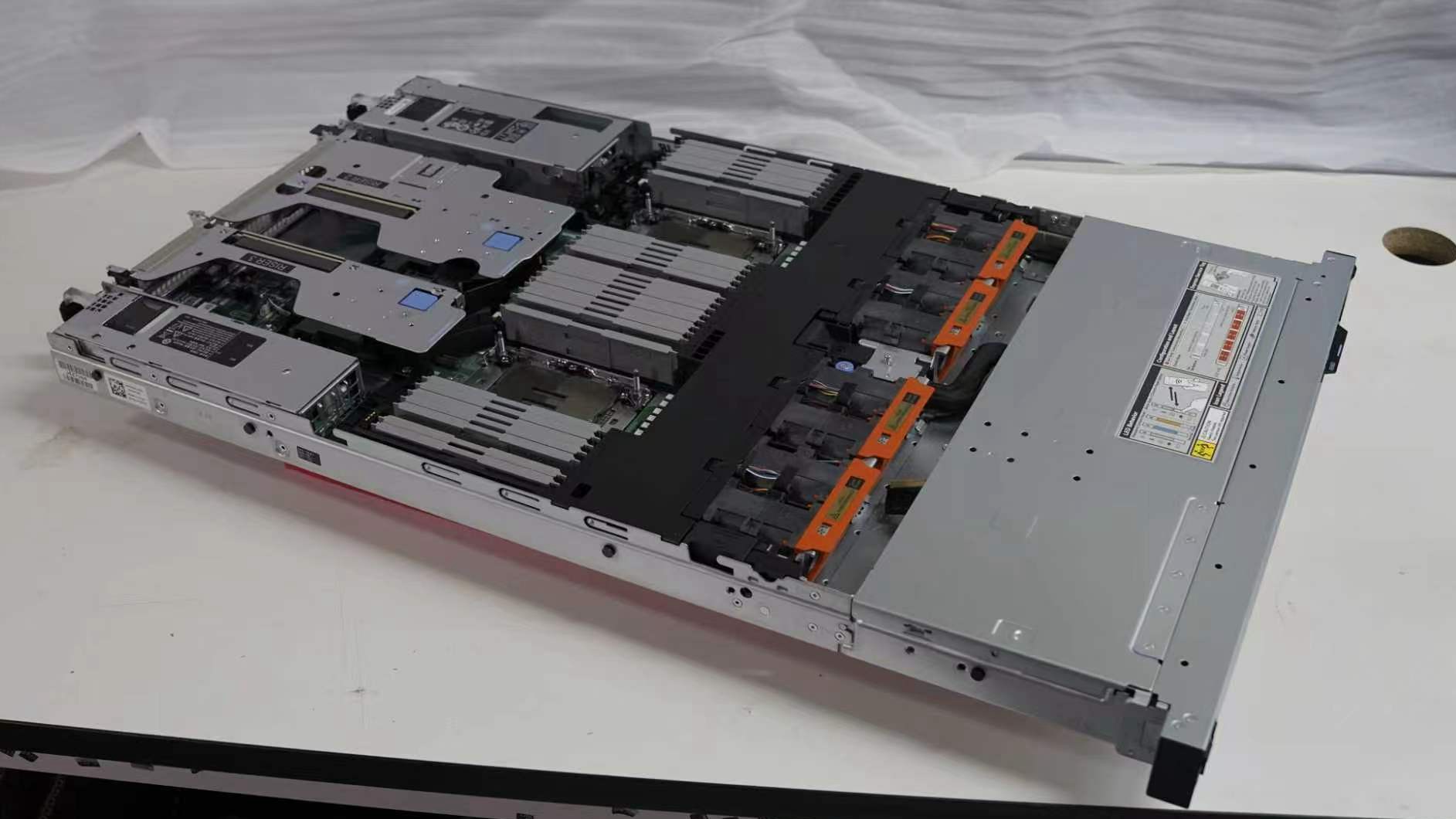
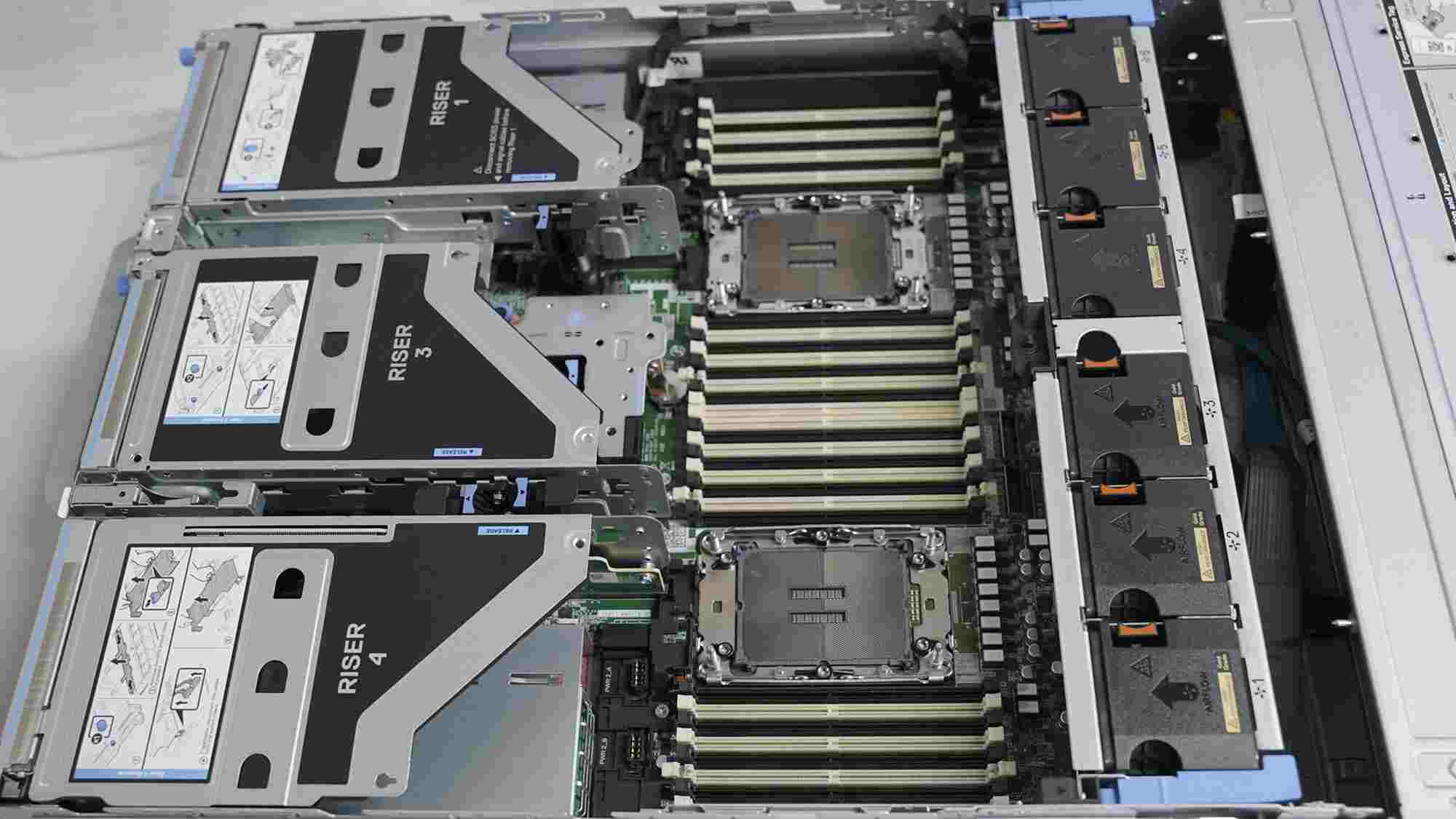
Modern server racks require high-density, multi-layer computer motherboards with multi-channel DDR5 bus configurations. Rapidly changing voltages and high temperatures require advanced signal routing, thick copper power planes, and dedicated 2U heatsink mounting plates to dissipate up to 350W thermal loads.
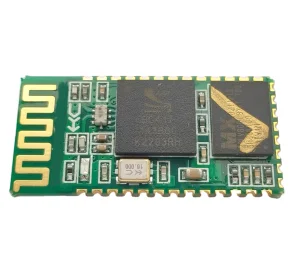
Power electronics, such as high-frequency welding inverter controllers, require thick copper traces (up to 4 oz or more) to safely conduct high currents without causing traces to overheat. Integrated wireless communication modules like Wi-Fi/Bluetooth allow for real-time monitoring of industrial workloads.
Highly sensitive analog front-ends, like those in industrial gold metal detectors and precision imaging arrays, require multi-layer shielding. Using separate analog and digital ground planes prevents crosstalk and high-frequency interference, ensuring accurate signal readings.
As electronic components shrink, PCB design has transitioned from simple two-layer boards to complex, high-layer stacks. Below is the roadmap showing how design elements change from standard double-sided PCBs to ultra-dense high-layer designs:
| Feature / Parameter | Double-Sided & 4-Layer Designs | Middle Layer Counts (6 - 12 Layers) | Ultra-Dense High-Layer (14 - 32+ Layers) |
|---|---|---|---|
| Typical Applications | Consumer accessories, prototyping breadboards, basic controllers | Industrial automation, desktop PC motherboards, high-frequency modules | AI servers, high-speed telecommunication routers, medical imaging |
| Laminate Base Materials | Standard FR-4, G10, Phenolic Paper | High-Tg FR-4 (Tg 170-180°C), halogen-free base materials | Low-loss / Ultra-low loss (Rogers, Megtron 6, Nelco, PTFE) |
| Typical Line Width / Spacing | ≥ 0.15 mm (6 mil) | 0.075 mm - 0.1 mm (3 - 4 mil) | ≤ 0.05 mm (2 mil) (HDI fine trace processing) |
| Via Technology | Through-hole (mechanical drilling) | Mechanical blind & buried vias, through-holes | Laser-drilled microvias (stacked, staggered), filled vias (VIPPO) |
| Surface Finish Options | HASL, Lead-free HASL | ENIG (Electroless Nickel Immersion Gold), OSP | Immersion Silver, ENEPIG, thick hard gold plating |
| Controlled Impedance Tolerance | ± 10% | ± 8% | ≤ ± 5% (with high signal integrity validation) |
Velmix Technology Co., Ltd. is a professional DDR5 memory manufacturer based in Shenzhen, China, specializing in the research, development, production, and global distribution of high-performance DRAM memory solutions. Since its establishment in 2017, Velmix has been committed to delivering reliable, high-speed memory products for consumer electronics, industrial applications, gaming systems, servers, and embedded computing.
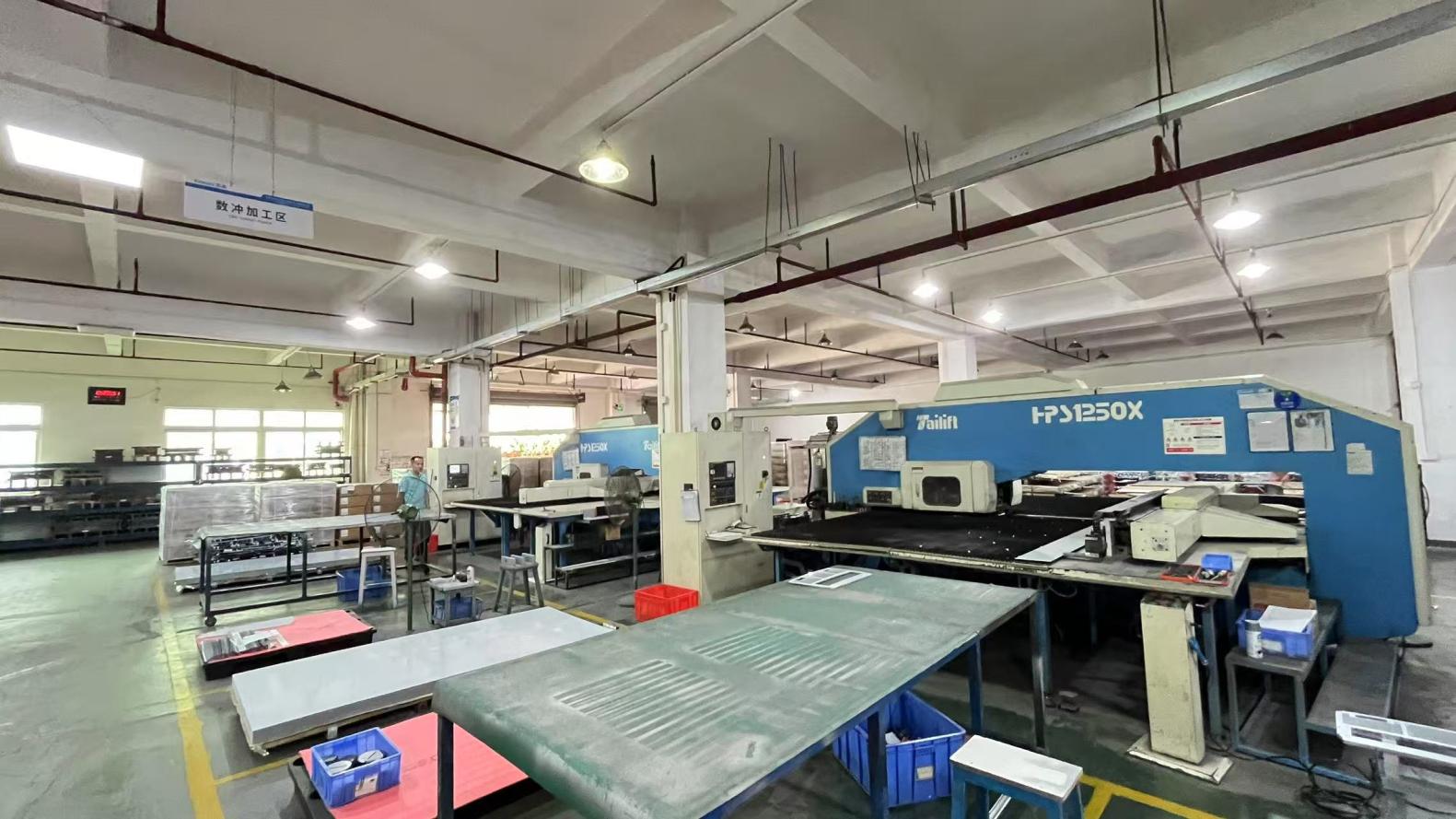
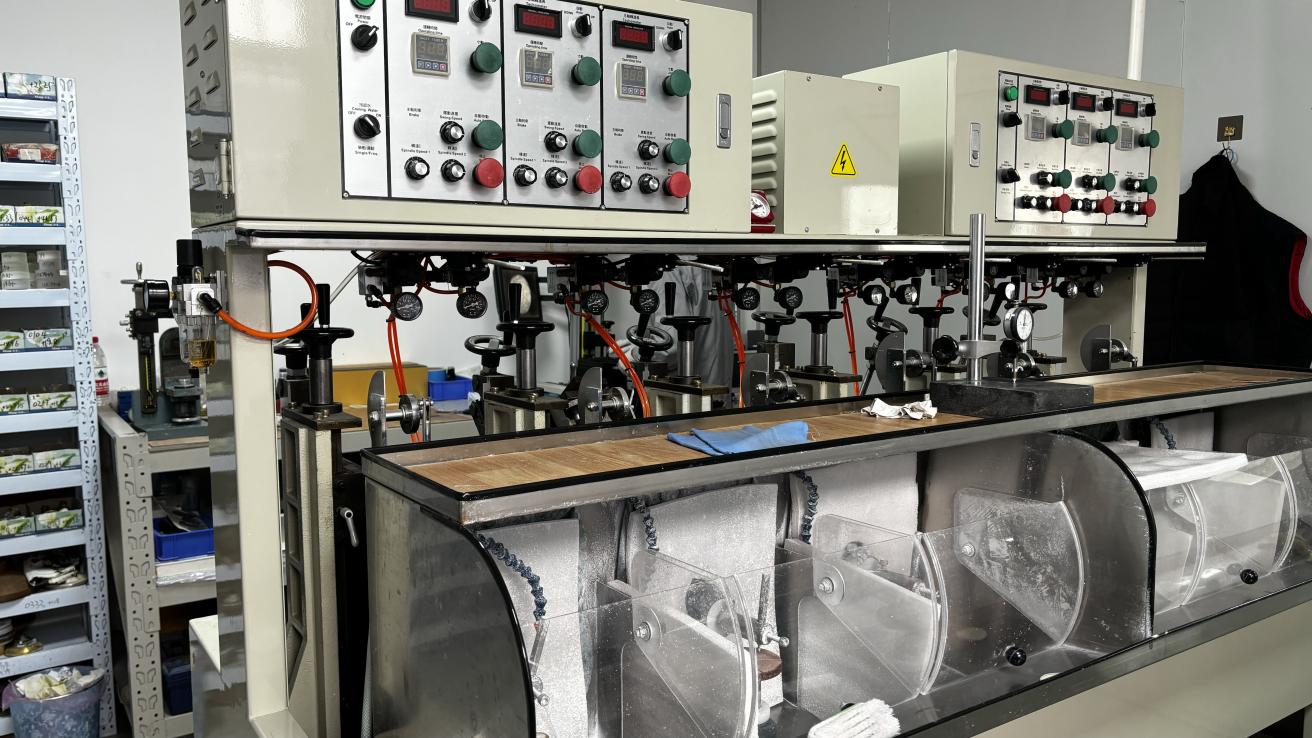
Operating from a modern manufacturing facility covering 368㎡, we combine advanced production technologies with strict quality management to ensure every memory module meets international performance and reliability standards. Our experienced engineering team continuously develops innovative DDR5 memory solutions to meet the evolving demands of AI computing, edge devices, cloud infrastructure, and next-generation computing platforms.
Today, Velmix serves customers in more than 40 countries and regions, offering flexible OEM and ODM manufacturing services for global brands, distributors, system integrators, and industrial equipment manufacturers. By focusing on product consistency, fast delivery, and technical innovation, we have built long-term partnerships across Europe, North America, Southeast Asia, and the Middle East.
| Item | Information |
|---|---|
| Company Name | Velmix Technology Co., Ltd. |
| Established | 2017 |
| Facility Area | 368㎡ |
| Annual Export Revenue | USD 18.6 Million |
| Export Experience | 8 Years |
| Industry Experience | 15 Years |
| Quality Control | 100% Full Inspection Before Shipment |
| Product Inspection Methods | Signal Integrity Test, Burn-in Test, Compatibility Test, Functional Test & Random Sampling |
| QC Staff | 56 Employees |
| Business Type | Manufacturer & Exporter |
| Main Markets | North America, Europe, Southeast Asia, Middle East & South America |
| Supply Chain Partners | 986+ |
| Main Customer Types | Brand Owners, OEM Manufacturers, System Integrators, Distributors & Wholesalers |
| R&D Capability | Independent Product Design, PCB Development & Firmware Optimization |
| Customization Options | OEM, ODM, Private Label, Customized Capacity, Heat Spreader, PCB Color & Packaging |
| New Products Launched Last Year | 138 Models |
| R&D Engineers | 84 Engineers |
Driven by innovation, precision manufacturing, and customer-oriented service, Velmix continues to expand its portfolio of DDR5 memory products while helping global partners build faster, more reliable, and more efficient computing systems. We are dedicated to becoming a trusted long-term supplier of premium memory solutions for customers worldwide.
Navigating regulatory standards across international markets is essential for modern electronics. We support global electronics distribution through the following certifications:
All multi-layer board designs conform to RoHS (Restriction of Hazardous Substances) and REACH directives. We offer lead-free finishes (Lead-Free HASL, ENIG, OSP) to assist customers with EU, US, and Japanese market entry requirements.
Our manufacturing partners carry UL 94V-0 flammability ratings and strictly adhere to IPC-A-610 Class 2 (Standard Electronics) and Class 3 (High-Reliability Support for Medical/Aerospace Systems).
Located near Shenzhen and Hong Kong shipping hubs, we handle all export logistics, customs declaration forms, and shipping paperwork for fast, duty-compliant delivery worldwide.
 Velmix