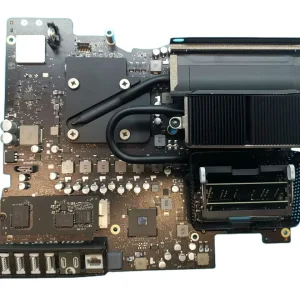
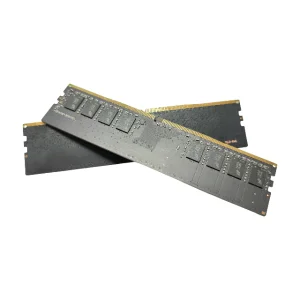
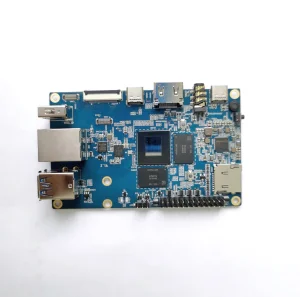
Explore our highly integrated core modules, high-frequency motherboards, and professional-grade decoders built to minimize signal distortion and thermal strain.
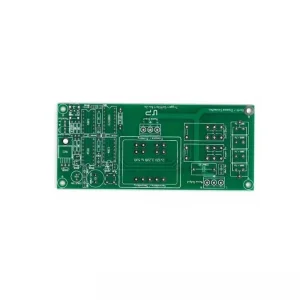
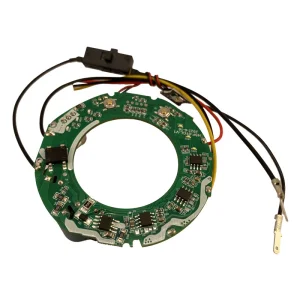
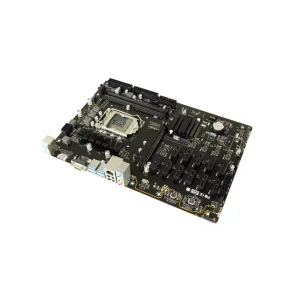
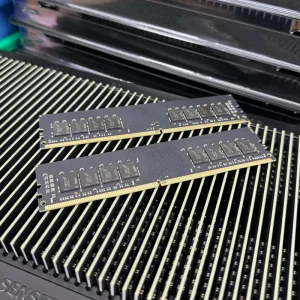
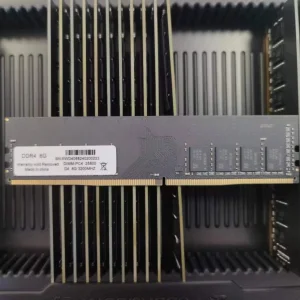
In the modern era of high-definition multimedia interfaces, intelligent edge devices, and immersive computing, the design demands placed on print circuit boards (PCBs) have expanded exponentially. High-resolution audiovisual processing requires ultra-fast, high-density interconnection (HDI) architectures capable of handling Gbps-level differential signal pairs without causing significant attenuation or electromagnetic radiation. As a leading PCB Audio and Video Manufacturer & Exporter, we address these challenges through proprietary stackup formulations, tight control over dielectric constants, and rigorous validation metrics.
Whether deploying 4K/8K display controller configurations, setting up spatial audio processing units (e.g., Dolby Atmos & DTS:X decoders), or fabricating custom multi-channel interfaces for commercial broadcasting, the board's substrate material and routing parameters dictate system limits. Low signal-to-noise ratio (SNR) values, thermal degradation under persistent CPU/NPU computational load, and signal drift over long transmission lines are key hazards that our engineering protocols actively neutralize.
Minimizing total harmonic distortion (THD) and preventing cross-talk in dense, mixed-signal designs requires isolating sensitive analog pre-amplifier paths from noisy digital processing blocks. This is achieved by utilizing dedicated, continuous reference ground planes directly beneath high-speed transmission traces. Our designs implement FR4 high-Tg substrates, specialized low-loss Rogers layers for high-frequency RF transmission, and strict impedance tolerance matchings ($\pm5\%$). Copper trace geometries are controlled through dynamic dry-film imaging and precision acid etching processes to guarantee reliable signaling at transmission speeds exceeding 12 Gbps.
Shielded differential pair routing and multi-layer physical guard rings eliminate digital cross-talk, keeping the analog audio path clean down to the microvolt level.
Engineered with thermal vias, thick copper cores (up to 3 oz), and strategic air-flow dissipation routes to sustain extreme processor loads without throttling.
Engineered to comply with FCC Part 15 and CISPR 32 standards, our layout rules suppress radiative emissions from switching voltage regulators and high-speed clocks.
High-performance multimedia electronics demand global consistency. From regional distribution in Western Europe to large-scale system deployments in North America and industrial integrations in Southeast Asia, our logistics network and component sourcing methodologies ensure on-time delivery of complex PCB and PCBA products.
Currently, the industrial sector relies heavily on high-frequency, robust hardware to feed graphical displays in medical setups, monitor critical data in automated factories, and handle telemetry data. Because these systems are deployed in challenging environments, they require corrosion-resistant surface finishes (such as Electroless Nickel Immersion Gold - ENIG) and rugged mechanical stackups. Our production pipeline accounts for long-term thermal fatigue, ensuring that the final board assembly remains operational over decade-long lifecycles.
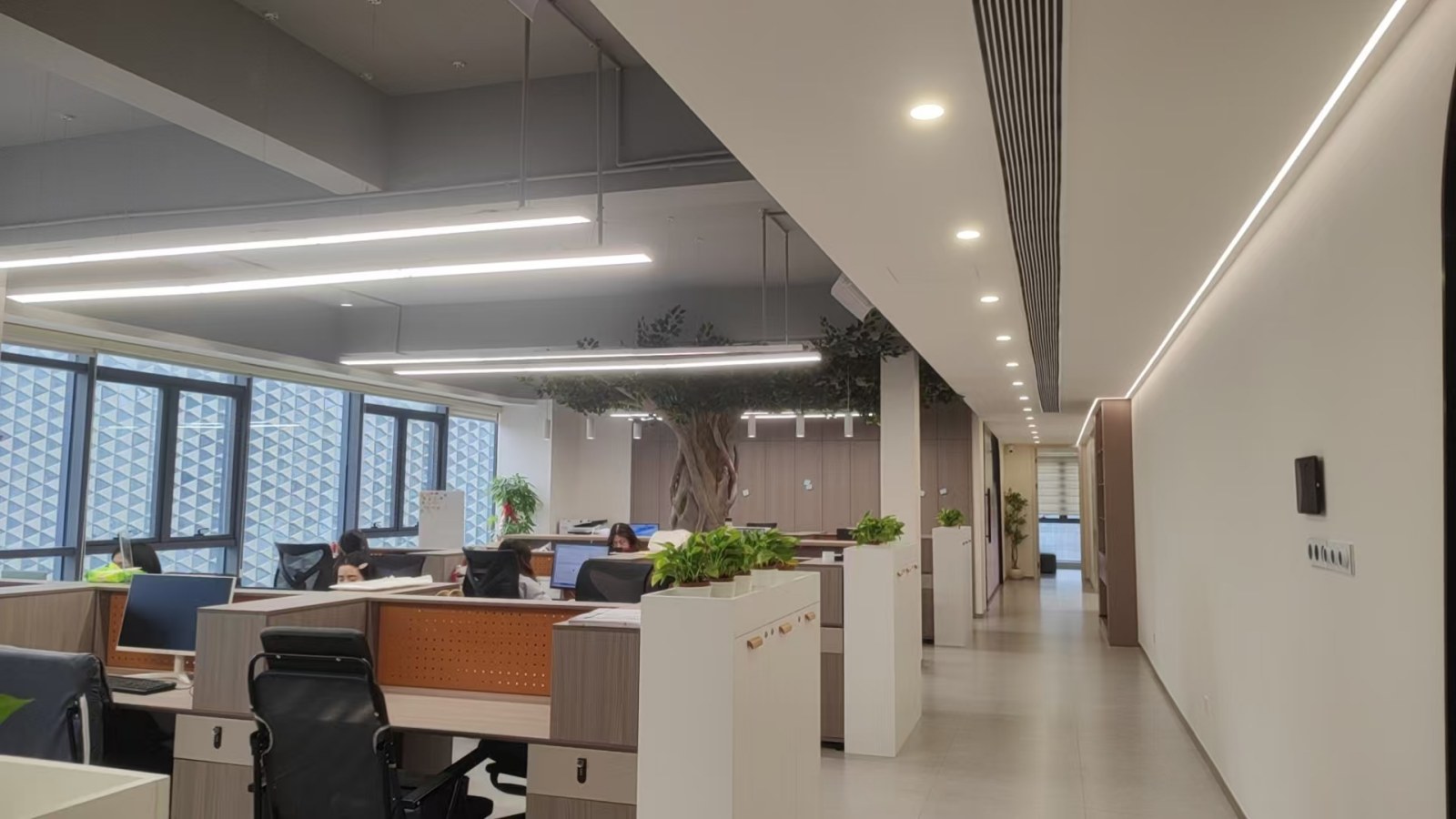
Operating as a premium specialized subsidiary, Velmix Technology Co., Ltd. excels in high-density layout development, multi-layer high-frequency PCB manufacturing, and comprehensive component-level assembly. Established in 2017 in Shenzhen, China, our company integrates cutting-edge engineering processes with structured quality control measures to deliver solutions that comply with strict international regulatory standards.
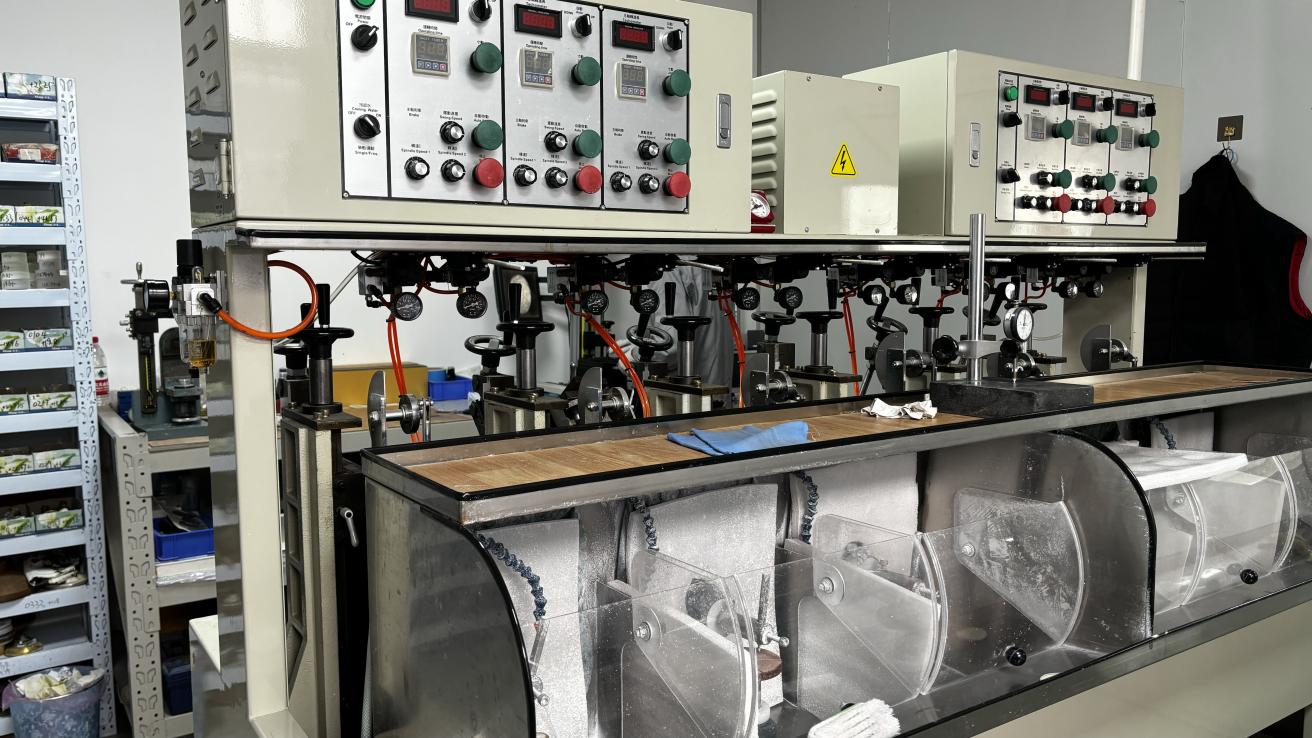
Our dedicated facilities handle the entire product lifecycle—from initial schematic reviews and trace impedance simulations (utilizing software like Polar Si9000) to SMT assembly, automated optical inspection (AOI), and in-circuit testing (ICT). By employing an expert R&D team composed of 84 engineers, we designed and released 138 new models last year alone, showing our capability to innovate rapidly in high-speed computing, video processing, and audio amplification technologies.
| Operational Aspect | Velmix Core Verification Metric |
|---|---|
| Company Name & Core Location | Velmix Technology Co., Ltd. (Shenzhen, China) |
| Production Hub Dimensions | 368㎡ Advanced Cleanroom & Electrostatic Protected Areas (EPA) |
| R&D Strength & Engineering Depth | 84 Specialized Hardware, Firmware & PCB Layout Engineers |
| Industry Lifespan & Export Domain | 15 Years Industry Experience | 8 Years Direct Export Performance |
| Total Quality Department Workforce | 56 QC Staff executing 100% full-run validation tests |
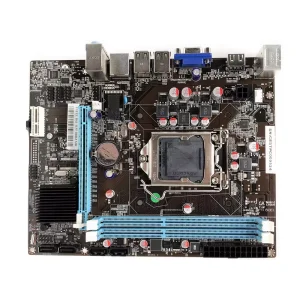
| Core Customization Capabilities | OEM, ODM, Private Label, Customized Capacity, Heat Spreader, PCB Color & Packaging |
| Inspection and Validation Pipeline | Signal Integrity, Thermal Burn-in, Component Compatibility & Functional Testing |
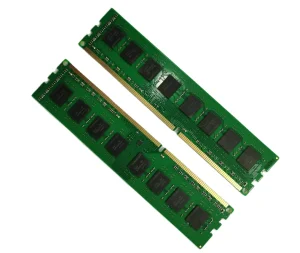
Our manufacturing processes emphasize environmental sustainability alongside product durability. We support lead-free assembly processes conforming to RoHS standards and utilize halogen-free PCB laminates when specified. Our strategic position in the global supply chain, backed by over 986 core partners, enables us to secure premium IC components, high-speed RAM chips, and clean-power regulator modules, insulating our customers from sudden market shortages.
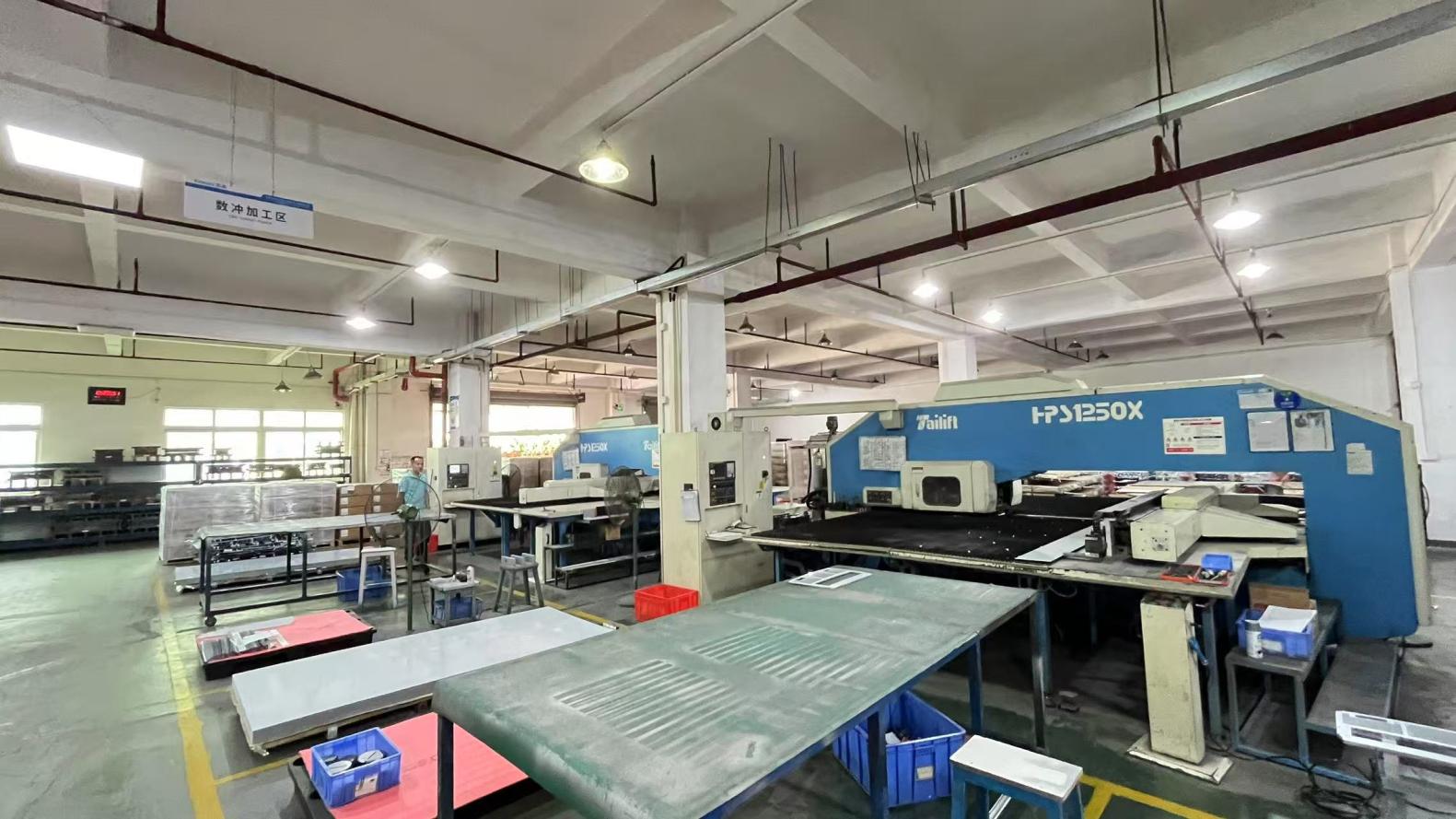
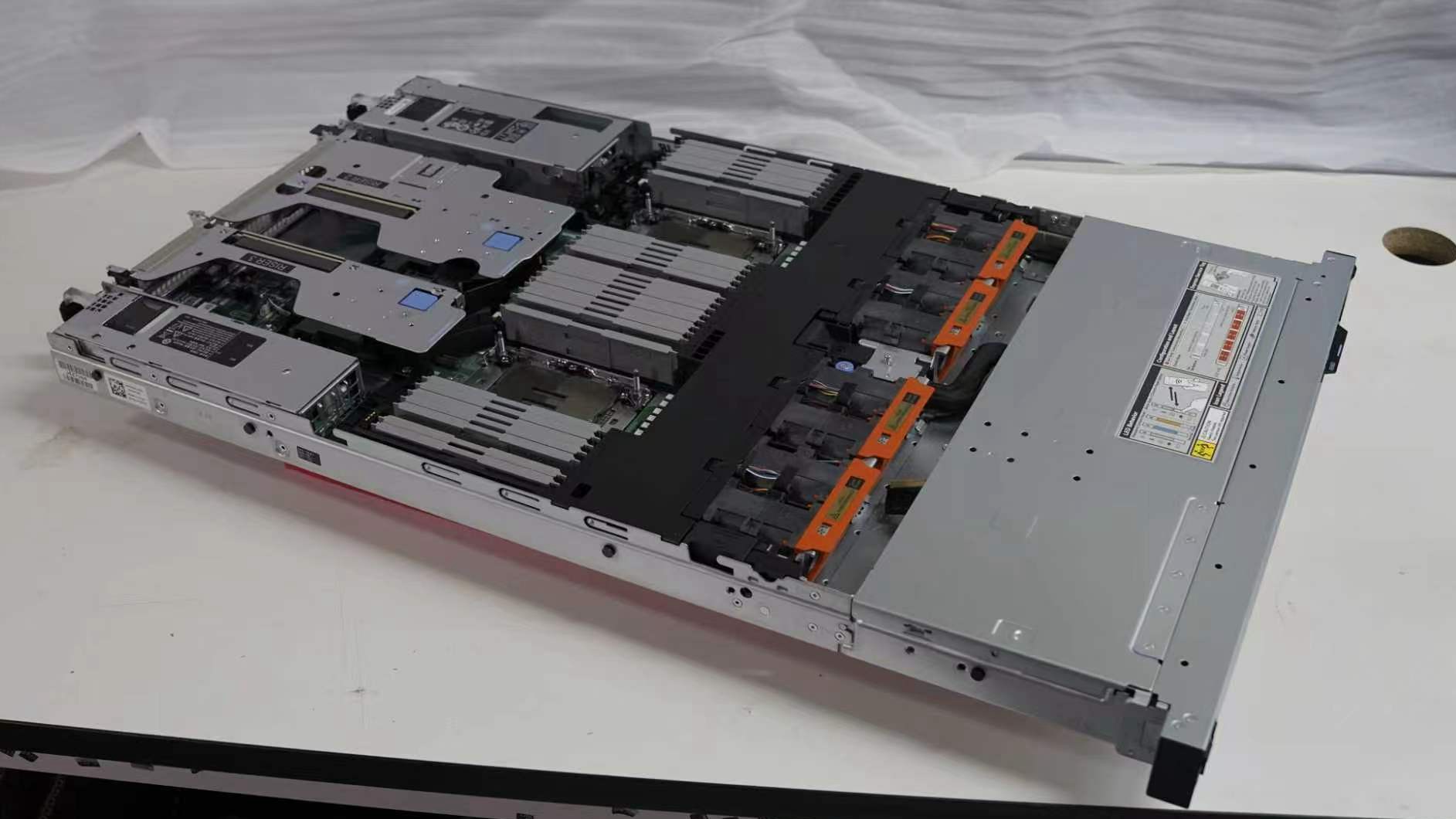
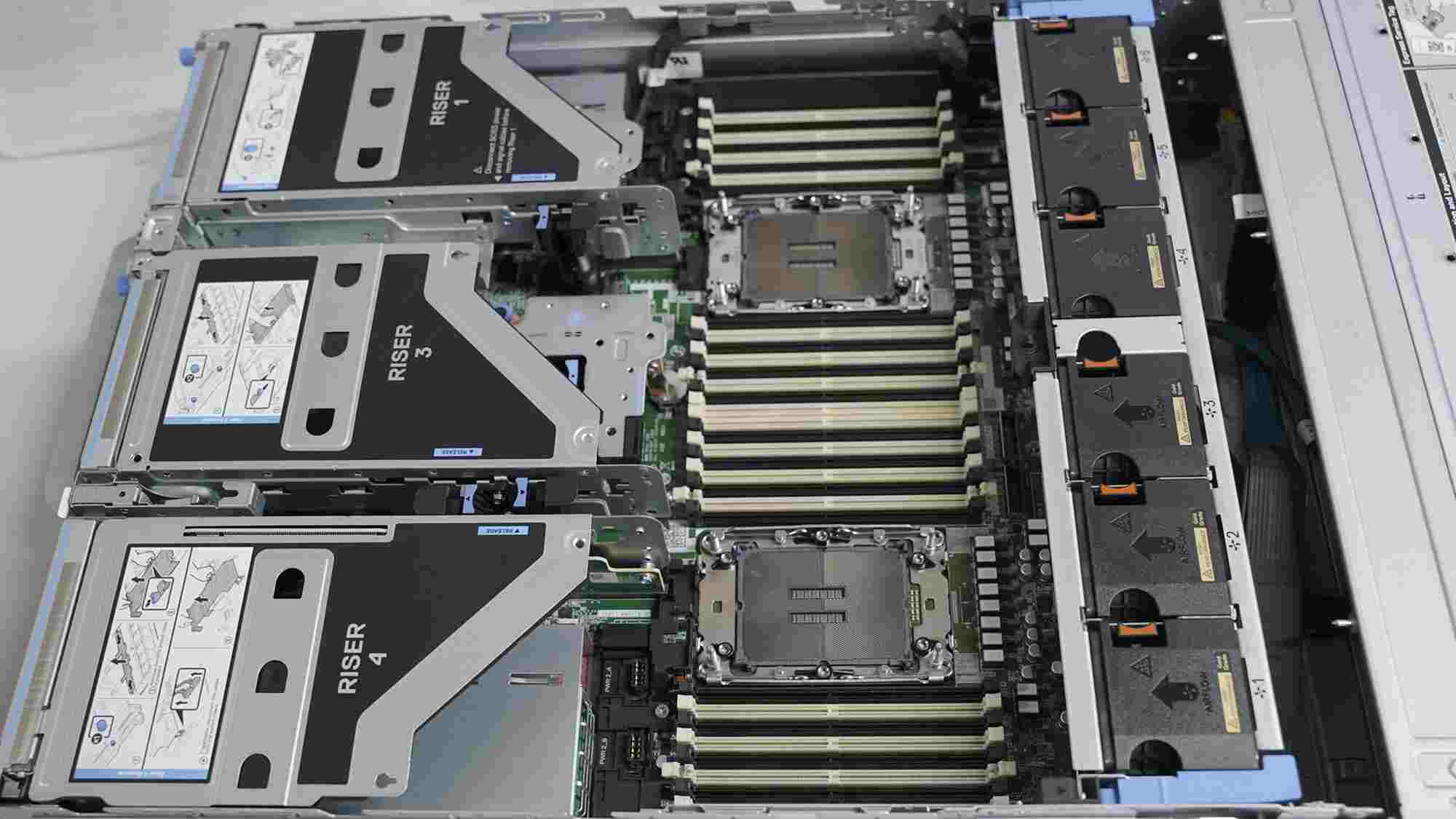
The convergence of machine learning and multimedia processing is redefining hardware design. In response, our engineering teams are preparing our production lines to integrate high-density system-on-chips (SoCs) such as the Rockchip RK3588S alongside high-bandwidth DDR5 interfaces. By doing so, we enable next-generation systems to execute neural network-based video upscaling, advanced digital noise filtering, and edge computing algorithms directly on the local board.
Migrating complex video interfaces to support PCIe Gen 5 routing topologies and integrating LPDDR5/DDR5 layout patterns to achieve bandwidths of up to 6400 MT/s.
Developing standardized carrier boards tailored for high-NPU processors, enabling local real-time object classification and multi-channel video stitching.
Expanding the use of low-dielectric constant, halogen-free raw materials to satisfy increasingly strict environmental standards globally without sacrificing performance.
Implementing research into direct optical transceiver integration on the PCB substrate to solve copper-based signal attenuation issues at ultra-long distances.
In-depth responses to key engineering, layout, and manufacturing questions to help optimize your hardware designs.
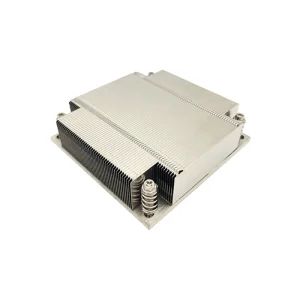
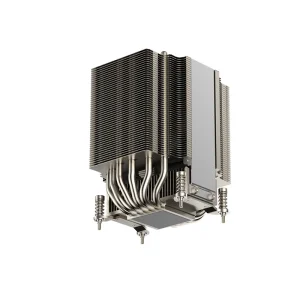
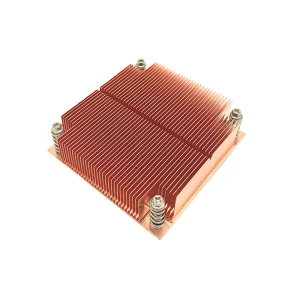
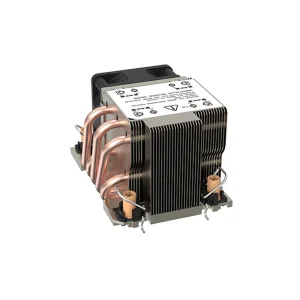
Ensure long-term system stability and optimal performance with our active cooling fans, server radiators, and multi-threaded processing architectures.
 Velmix