In the era of rapid digital prototyping, industrial Simulation Software—including Computational Fluid Dynamics (CFD), Finite Element Analysis (FEA), Electronic Design Automation (EDA), and Digital Twins—has become the cornerstone of advanced manufacturing. However, running complex algorithms like transient thermal assessments, structural mechanics, and multi-physics scenarios requires a reliable hardware backbone.
As simulation software complexity scales, computing nodes suffer massive data bottlenecks and extreme thermal loads. To address this, hardware manufacturers and suppliers in China, led by pioneering companies like Velmix Technology Co., Ltd., are delivering tailored hardware architecture. High-frequency memory channels, enterprise-grade motherboards, specialized system-on-chip controllers, and liquid-to-air cooling systems are carefully designed to keep simulation workstations and computing clusters running at maximum efficiency.
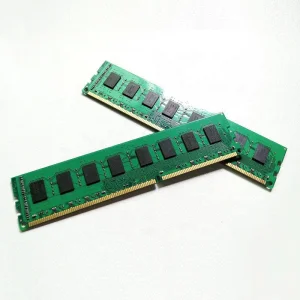
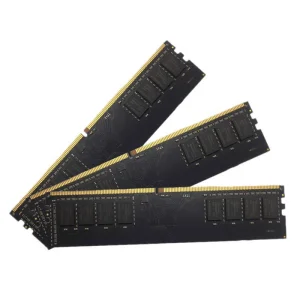
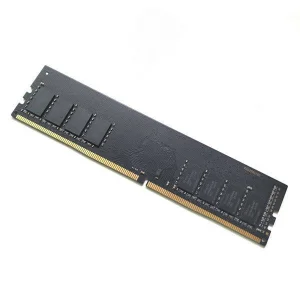
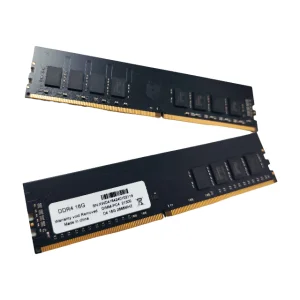
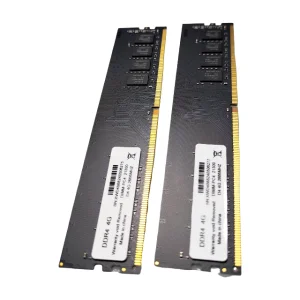
Simulation suites run real-time physics mathematical models, requiring rapid memory writes and high-density DRAM (such as DDR5 and ECC DDR4) to prevent memory overflow errors.
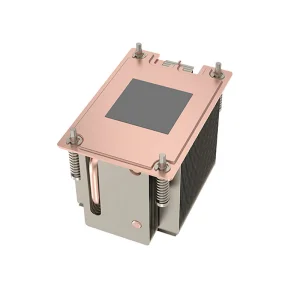
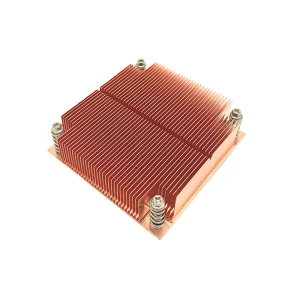
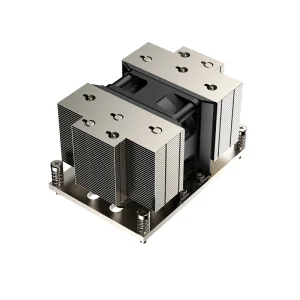
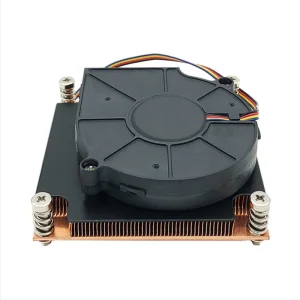
Thermal bottlenecks throttle CPU/GPU speeds. Liquid-cooled and copper server heat sinks with AM5 and LGA sockets maintain consistent system performance during intensive render processes.
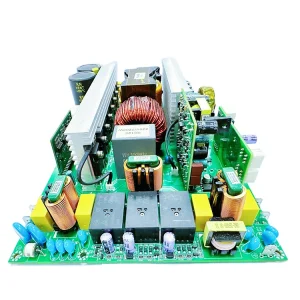
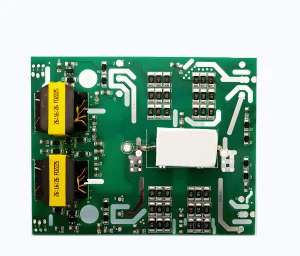
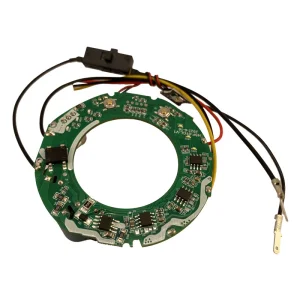
Custom industrial simulation boards, including inverter-control prototypes and processing chips, offer hardware-in-the-loop (HIL) physical simulation validation.
Velmix Technology Co., Ltd. is a professional DDR5 memory manufacturer based in Shenzhen, China, specializing in the research, development, production, and global distribution of high-performance DRAM memory solutions. Since its establishment in 2017, Velmix has been committed to delivering reliable, high-speed memory products for consumer electronics, industrial applications, gaming systems, servers, and embedded computing.
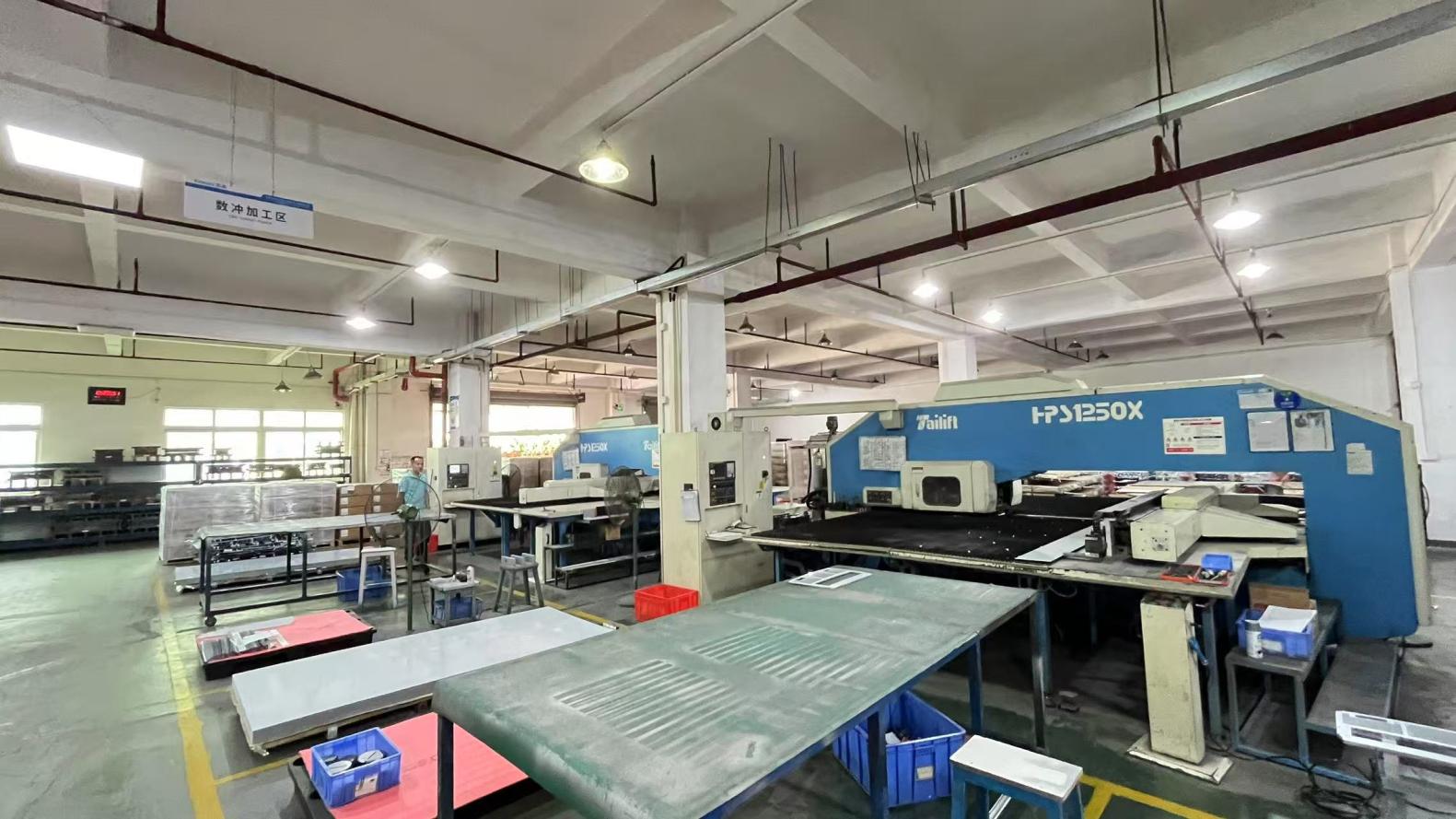
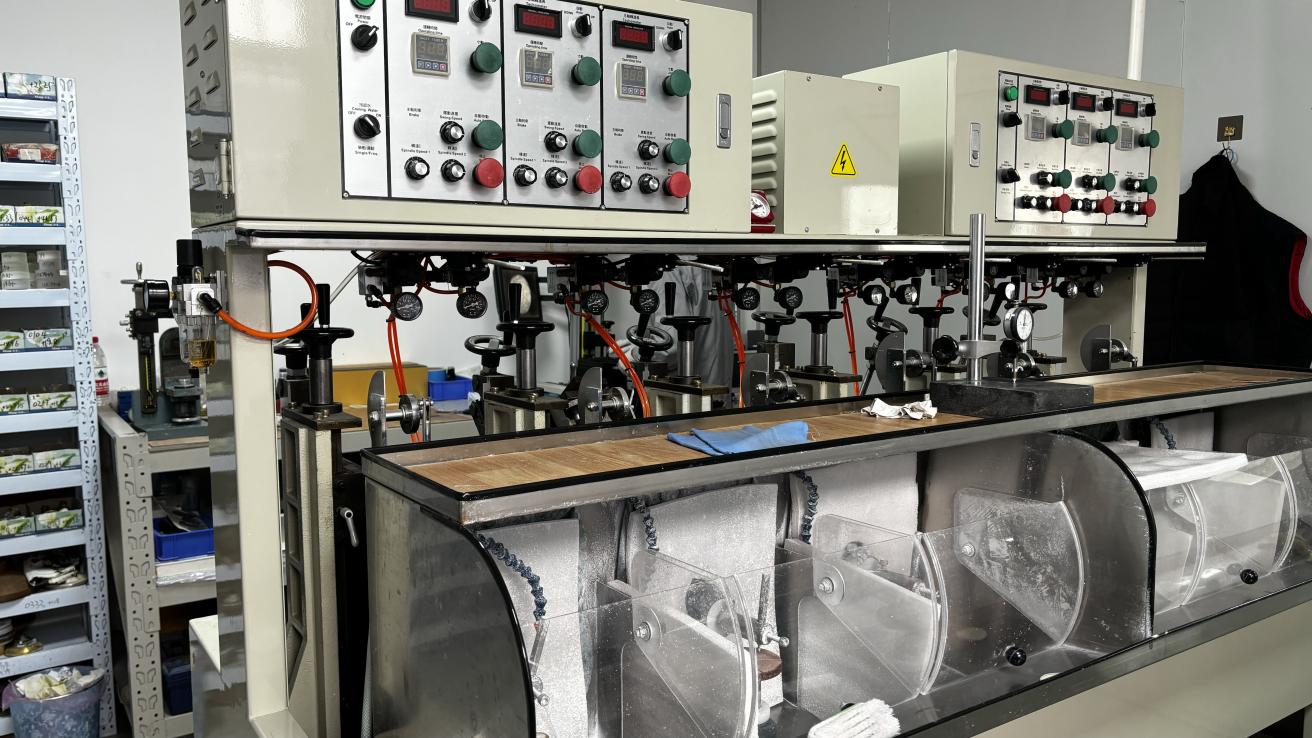
Operating from a modern manufacturing facility, we combine advanced production technologies with strict quality management to ensure every memory module meets international performance and reliability standards. Our experienced engineering team continuously develops innovative DDR5 memory solutions to meet the evolving demands of AI computing, edge devices, cloud infrastructure, and next-generation computing platforms.
Today, Velmix serves customers in more than 40 countries and regions, offering flexible OEM and ODM manufacturing services for global brands, distributors, system integrators, and industrial equipment manufacturers. By focusing on product consistency, fast delivery, and technical innovation, we have built long-term partnerships across Europe, North America, Southeast Asia, and the Middle East.
Year Established
Annual Export Revenue
R&D Engineers
Full Inspection Before Shipment
| Item | Information |
|---|---|
| Company Name | Velmix Technology Co., Ltd. |
| Established | 2017 |
| Facility Area | 368㎡ |
| Annual Export Revenue | USD 18.6 Million |
| Export Experience | 8 Years |
| Industry Experience | 15 Years |
| Quality Control | 100% Full Inspection Before Shipment |
| Product Inspection Methods | Signal Integrity Test, Burn-in Test, Compatibility Test, Functional Test & Random Sampling |
| QC Staff | 56 Employees |
| Business Type | Manufacturer & Exporter |
| Main Markets | North America, Europe, Southeast Asia, Middle East & South America |
| Supply Chain Partners | 986+ |
| Main Customer Types | Brand Owners, OEM Manufacturers, System Integrators, Distributors & Wholesalers |
| R&D Capability | Independent Product Design, PCB Development & Firmware Optimization |
| Customization Options | OEM, ODM, Private Label, Customized Capacity, Heat Spreader, PCB Color & Packaging |
| New Products Launched Last Year | 138 Models |
| R&D Engineers | 84 Engineers |
High-performance hardware solutions must match localized engineering challenges. Across different sectors, simulation software requires tailored hardware integration.
Thermal distribution and efficiency profiling within new energy solar systems are validated using multi-physics simulation tools. Complex systems run real-time hardware-in-the-loop (HIL) simulators, relying on custom inverter PCB assemblies and micro-controller modules. Developing these hardware prototypes requires stable local sourcing, direct schematic modeling, and high-frequency noise isolation.
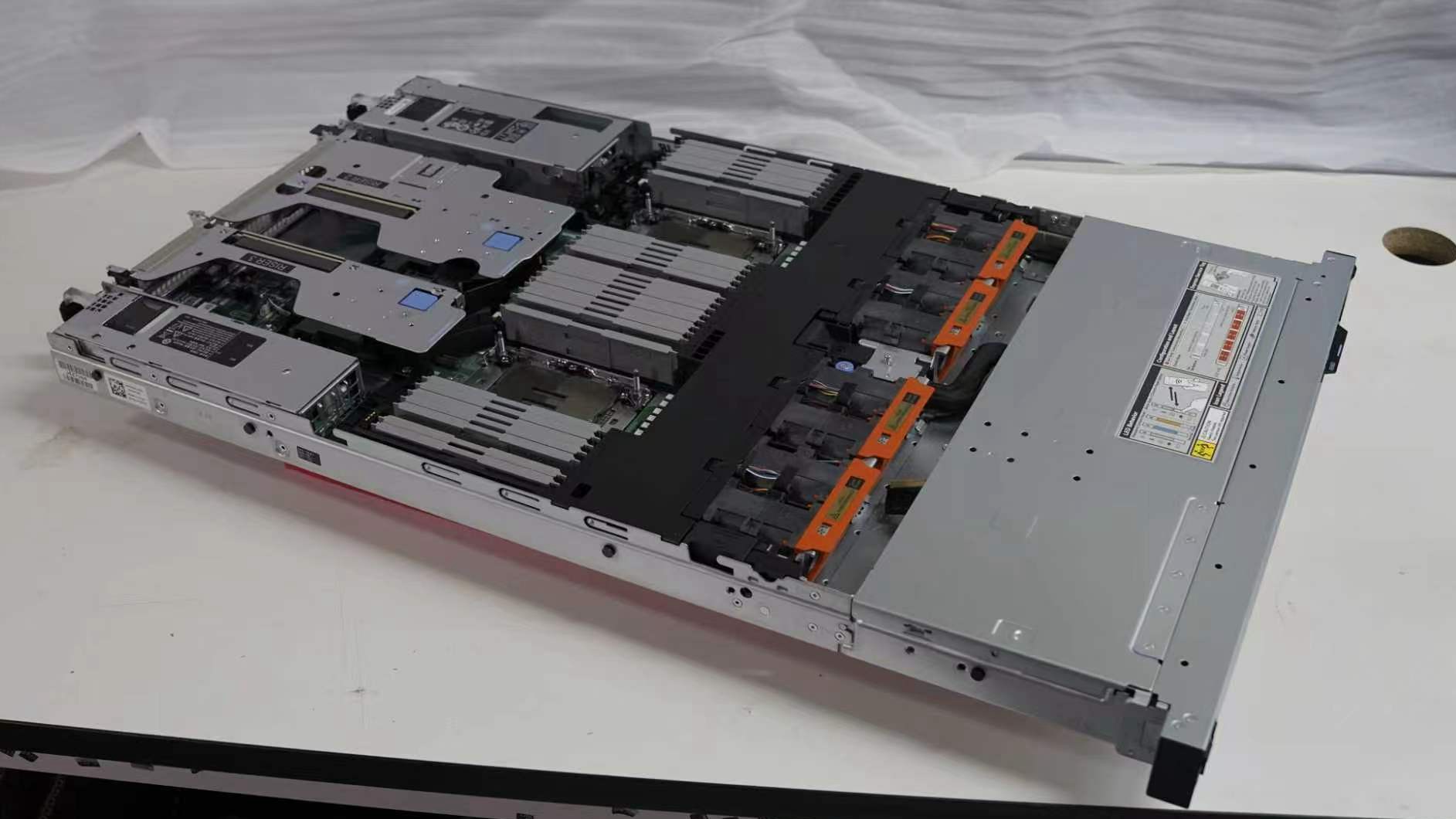
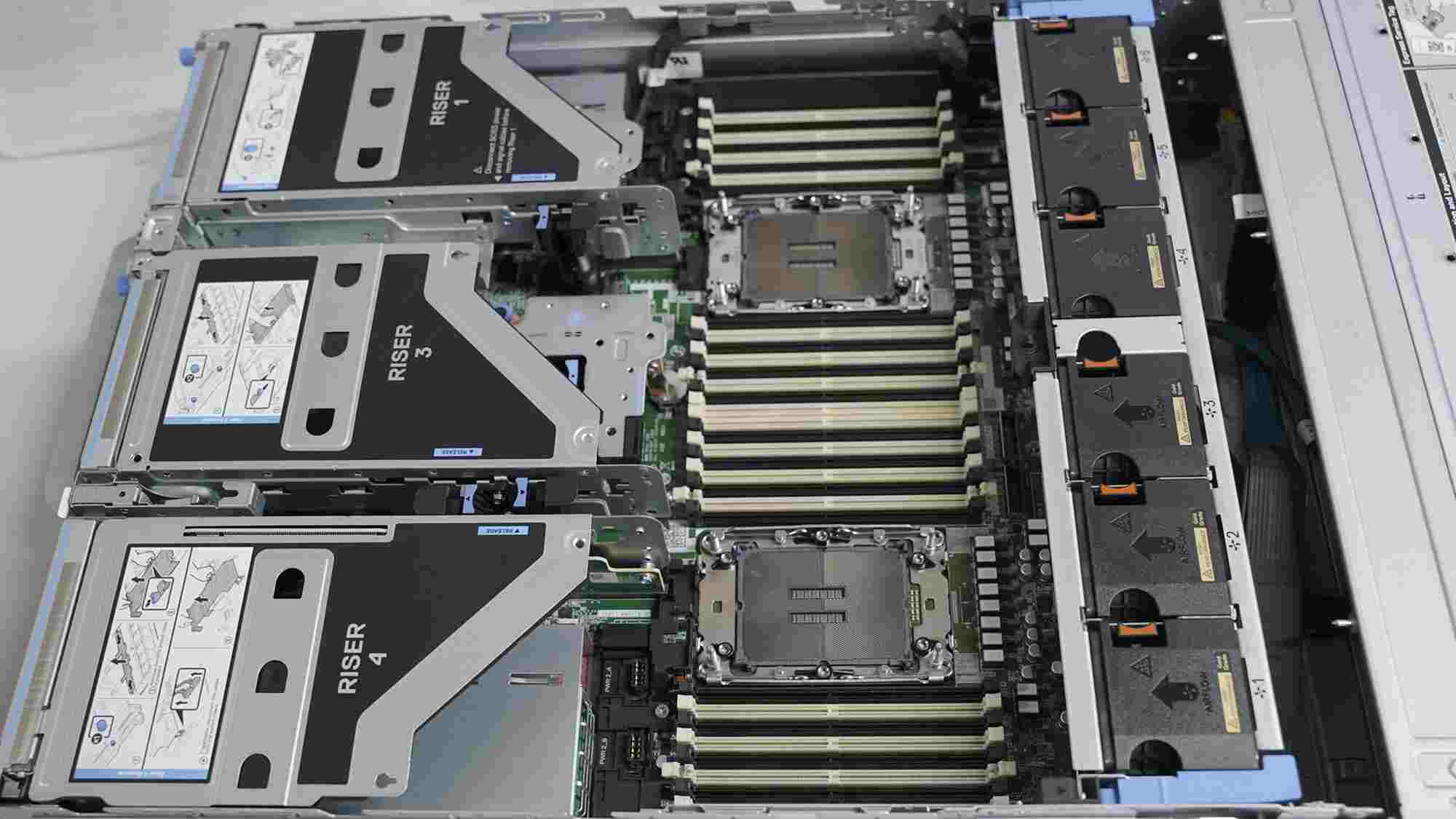
Electronic Design Automation (EDA) programs require millions of computing iterations to model integrated circuits. Standard computing nodes buckle under these demands. Operating server rooms with high-density ECC Server Memory (DDR4 / DDR5) and robust air/liquid cooling modules (such as LGA4677 and LGA2011 copper heat sinks) prevents runtime memory errors and heat throttling.
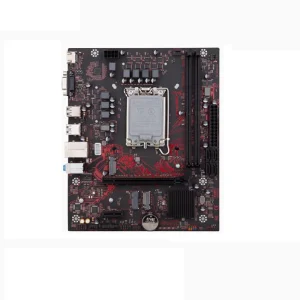
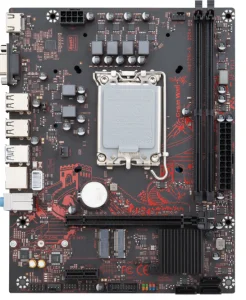
Computational Fluid Dynamics (CFD) simulates airflow, combustion, and turbulence around vehicles. Workstations running this software require highly compatible platforms, utilizing motherboards like the B760M series combined with Core i5/i7/i9 processors and active thermal management to manage continuous rendering workloads.
Deploying a digital twin involves processing sensor telemetry in real-time. This edge simulation demands industrial-grade PCB components, localized gateway control units, and reliable DDR modules to handle constant stream processing without latency issues.
As simulation software models transition toward real-time physics and AI integration, the underlying hardware must adapt. Our development roadmap aligns with these emerging demands.
Moving from DDR4 to DDR5 delivers double the bandwidth and lower power consumption. This directly speeds up memory-intensive Finite Element Analysis (FEA) solvers, reducing system wait times.
Providing specialized motherboard configurations and micro-controller assemblies that support hardware-in-the-loop (HIL) simulations, allowing developers to test control loops on physical hardware.
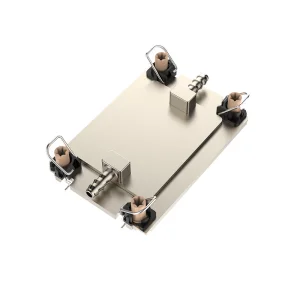
Modern TDP values exceed 350W-400W. Developing specialized copper water blocks (like our LGA4189 series) ensures computing cores maintain peak performance without thermal throttling.
Shenzhen remains the global capital for electronics production, offering unparalleled design, assembly, and testing speeds for simulation hardware components.
Sourcing hardware components for simulation nodes from China provides significant strategic advantages:
Deploying hardware globally requires strict adherence to regulatory standards and reliable, remote technical assistance.
Velmix Technology Co., Ltd. ensures all hardware modules comply with international safety, environmental, and electro-magnetic standards, including CE, FCC, RoHS, and ISO9001. This compliance guarantees that our RAM modules, custom PCBAs, and heatsinks can be seamlessly integrated into enterprise computing systems worldwide.
Additionally, our team of 84 R&D engineers provides direct hardware debugging, BIOS patch development, and physical testing support to ensure seamless integration with your simulation software stack.
 Velmix