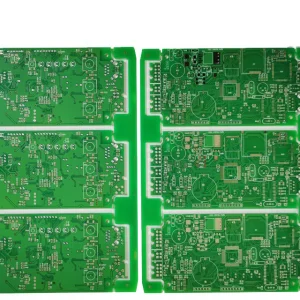
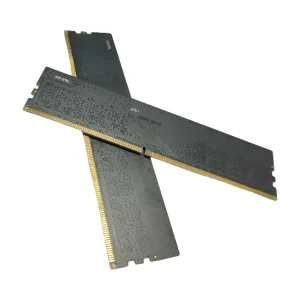
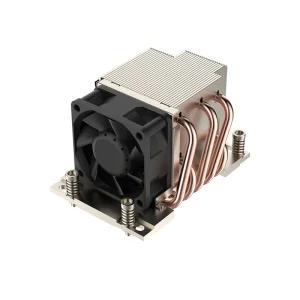
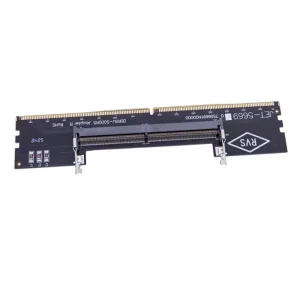
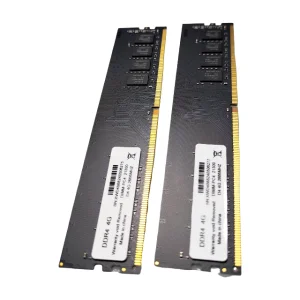
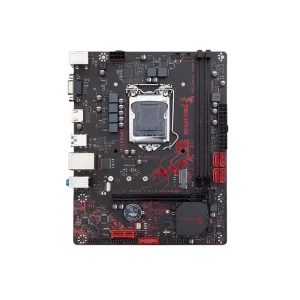
Explore our highly integrated infrastructure modules, manufacturing setups, and memory components designed for next-generation system performance.
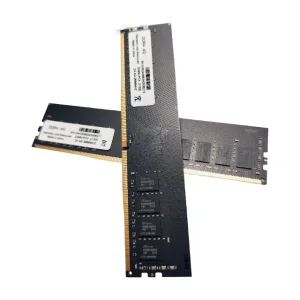
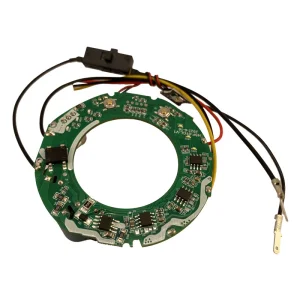
Navigating the complexity of high-frequency power distribution, conversion standards, and critical components in computing ecosystems.
Within any server farm, industrial machine, high-performance desktop workstation, or embedded device, the Power Supply Unit (PSU) functions as the heart of the hardware. The transition from legacy ATX systems to advanced PCIe Gen 5.0 and Intel ATX 3.0 standards marks a pivotal shift. Today's systems demand highly dynamic load regulations, instantaneous transient peak-handling capacities, and exceptional thermal management.
As AI processing units and complex GPUs push power envelopes beyond 600W per card, exporters and suppliers must supply products configured with high-efficiency topologies, such as LLC resonant converters and active power factor correction (PFC) circuitry. High energy conversion efficiency translates directly to lower operational expenses (OpEx), less heat generation, and greater overall component longevity.
Modern enterprise hubs mandate Titanum or Platinum level certifications to keep efficiency metrics > 94% under typical workloads, saving megawatt-hours annually across server clusters.
Dual ball-bearing fans and smart thermal curves enable zero-RPM modes during light loading, significantly lowering ambient noise and dust accumulation inside critical modules.
Analyzing why South China, particularly the Shenzhen-Dongguan electronics cluster, remains the unmatched epicenter for global power distribution supply systems.
From custom magnetic cores, copper windings, and high-temperature capacitors to active power semiconductor packaging (such as GaN and SiC switches), the entire raw material ecosystem lies within a two-hour logistics circle.
Leveraging high-speed SMT assembly, automated optical inspection (AOI), and multi-phase dynamic burn-in testing chambers, Chinese factories deliver stable yield rates that keep failure metrics down to parts-per-million (PPM) scales.
With massive domestic R&D departments (ranging up to dozens of specialist design engineers), manufacturers can turn raw client specifications into functional engineering prototypes and pre-compliance samples within a few weeks.
The global push for decarbonization and higher green standards has profoundly shaped the power supply development roadmap. Key trends in the sector include:
Exporters must adapt their production output to align with complicated cross-border standards. Ensuring conformity with CE, UL, FCC, RoHS, CB, and CCC isn't just about market access; it reflects the deep electrical safety and electromagnetic compatibility (EMC) foundations of a vendor. Excellent suppliers employ internal laboratory configurations, including EMI shielding chambers, ESD testing rigs, and surge simulators, to pre-emptively validate hardware integrity prior to third-party agency review.
A trusted industrial pioneer delivering state-of-the-art memory integrations, specialized PCBA solutions, and auxiliary cooling architectures.
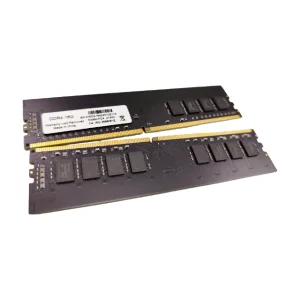
Velmix Technology Co., Ltd. is a professional DDR5 memory manufacturer based in Shenzhen, China, specializing in the research, development, production, and global distribution of high-performance DRAM memory solutions. Since its establishment in 2017, Velmix has been committed to delivering reliable, high-speed memory products for consumer electronics, industrial applications, gaming systems, servers, and embedded computing.
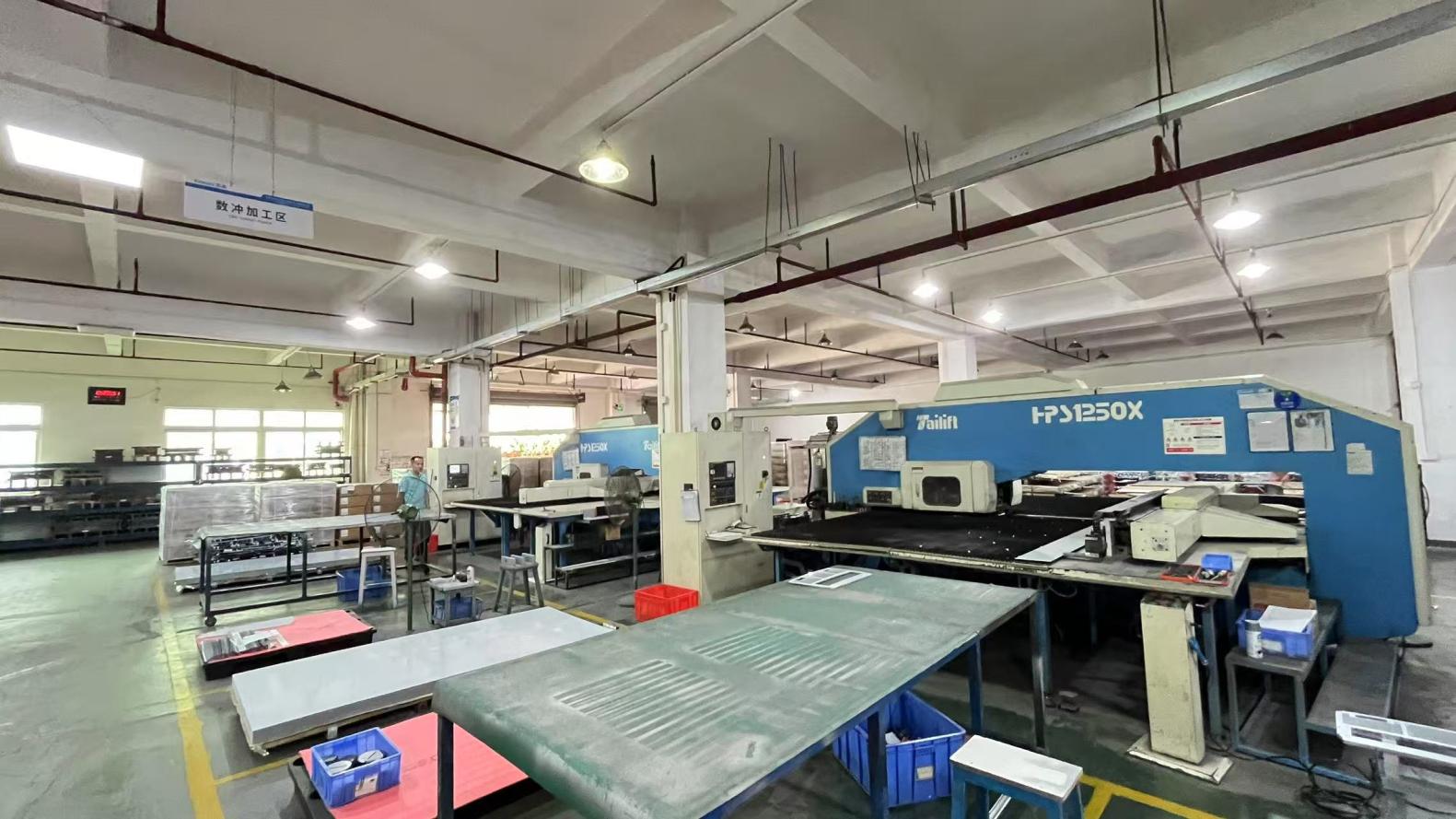
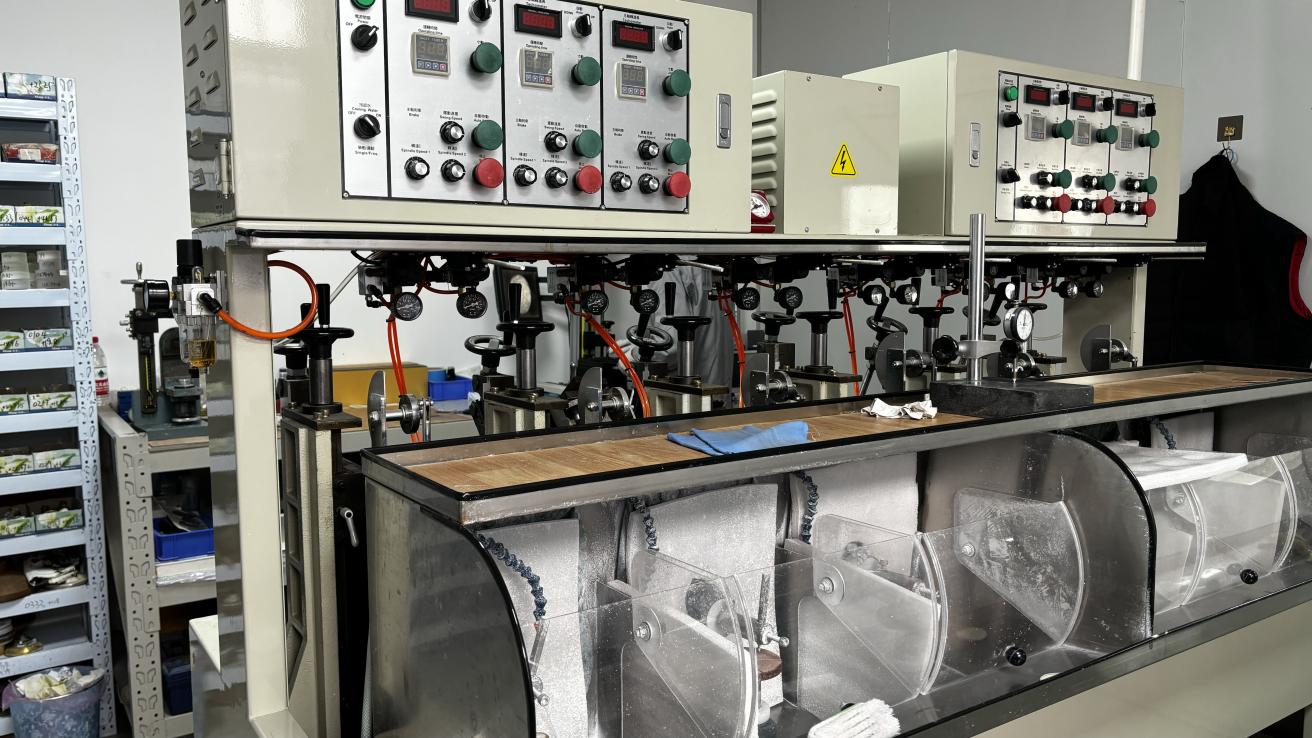
Operating from a modern manufacturing facility covering 368㎡, we combine advanced production technologies with strict quality management to ensure every memory module meets international performance and reliability standards. Our experienced engineering team continuously develops innovative DDR5 memory solutions to meet the evolving demands of AI computing, edge devices, cloud infrastructure, and next-generation computing platforms.
Today, Velmix serves customers in more than 40 countries and regions, offering flexible OEM and ODM manufacturing services for global brands, distributors, system integrators, and industrial equipment manufacturers. By focusing on product consistency, fast delivery, and technical innovation, we have built long-term partnerships across Europe, North America, Southeast Asia, and the Middle East.

| Item | Information |
|---|---|
| Company Name | Velmix Technology Co., Ltd. |
| Established | 2017 |
| Facility Area | 368㎡ |
| Annual Export Revenue | USD 18.6 Million |
| Export Experience | 8 Years |
| Industry Experience | 15 Years |
| Quality Control | 100% Full Inspection Before Shipment |
| Product Inspection Methods | Signal Integrity Test, Burn-in Test, Compatibility Test, Functional Test & Random Sampling |
| QC Staff | 56 Employees |
| Business Type | Manufacturer & Exporter |
| Main Markets | North America, Europe, Southeast Asia, Middle East & South America |
| Supply Chain Partners | 986+ |
| Main Customer Types | Brand Owners, OEM Manufacturers, System Integrators, Distributors & Wholesalers |
| R&D Capability | Independent Product Design, PCB Development & Firmware Optimization |
| Customization Options | OEM, ODM, Private Label, Customized Capacity, Heat Spreader, PCB Color & Packaging |
| New Products Launched Last Year | 138 Models |
| R&D Engineers | 84 Engineers |
Driven by innovation, precision manufacturing, and customer-oriented service, Velmix continues to expand its portfolio of high-performance components while helping global partners build faster, more reliable, and more efficient computing systems. We are dedicated to becoming a trusted long-term supplier of premium electronics solutions for customers worldwide.
Understanding the critical metrics and challenges that procurement officers face during high-stakes supplier qualification cycles.
Global enterprises demand strict Bill of Materials (BOM) auditing. Quality suppliers must assure customers that key semiconductors, capacitors, and ICs originate from verified Tier-1 brands (e.g., Murata, Rubycon, Infineon) to prevent counterfeit penetration into production pipelines.
Industrial installations require MTBF figures exceeding 100,000 hours at 40°C ambient temperatures. Providing third-party reliability calculation reports using recognized standards like Telcordia SR-332 or MIL-HDBK-217 is crucial to establishing technical credibility.
Integrating comprehensive circuit safeguards—Over Current Protection (OCP), Over Voltage Protection (OVP), Under Voltage Protection (UVP), Short Circuit Protection (SCP), and Over Temperature Protection (OTP)—ensures system shutdown before thermal propagation damages connected loads.
In-depth technical answers addressing design topologies, manufacturing certifications, and system compatibility challenges.
ATX 3.0 represents a significant redesign to manage the intense power demands of modern hardware. The primary changes include the integration of the 12VHPWR PCIe 5.0 connector, which can deliver up to 600W of power over a single 16-pin cable. Additionally, ATX 3.0 specifies much stricter guidelines for managing transient load spikes (power excursions). An ATX 3.0 compliant PSU must be capable of handling short spikes of up to 200% of its rated capacity for up to 100 microseconds, whereas ATX 2.0 PSUs would typically trigger over-current protection and shut down under similar load transients.
Active PFC employs integrated electronics (such as control ICs and power switches) to adjust the input current waveform so that it closely tracks the voltage waveform. This yields a power factor close to 0.99. In large-scale enterprise deployments (like data centers and server farms), a low power factor draws more current from the utility line, requiring larger cables, heavier breakers, and incurring penalties from power companies. Active PFC minimizes harmonic distortion, improves overall electrical grid efficiency, and stabilizes power delivery under varying input voltages.
Gallium Nitride (GaN) and Silicon Carbide (SiC) possess physical properties that allow them to switch states significantly faster and at much higher voltages than traditional silicon switches. Faster switching reduces switching losses, which in turn reduces heat generation. Consequently, designers can utilize smaller, lighter passive components (like inductors, transformers, and capacitors). The result is a substantial reduction in the physical volume of the power supply unit, increasing overall power density while improving conversion efficiency.
A rigorous 100% full inspection protocol includes multiple stages. First, Automated Optical Inspection (AOI) scans the soldered PCBA for alignment, component presence, and solder joint defects. Second, the boards undergo an In-Circuit Test (ICT) to verify electrical connectivity and component values. Third, a functional tester evaluates the unit under simulated loads (checking voltages, control signals, and temperature sensors). Finally, the assembled PSU is subjected to a dynamic Burn-in Test at elevated temperatures (typically 40°C–50°C) for several hours to weed out early-life component failures prior to final packaging and shipment.
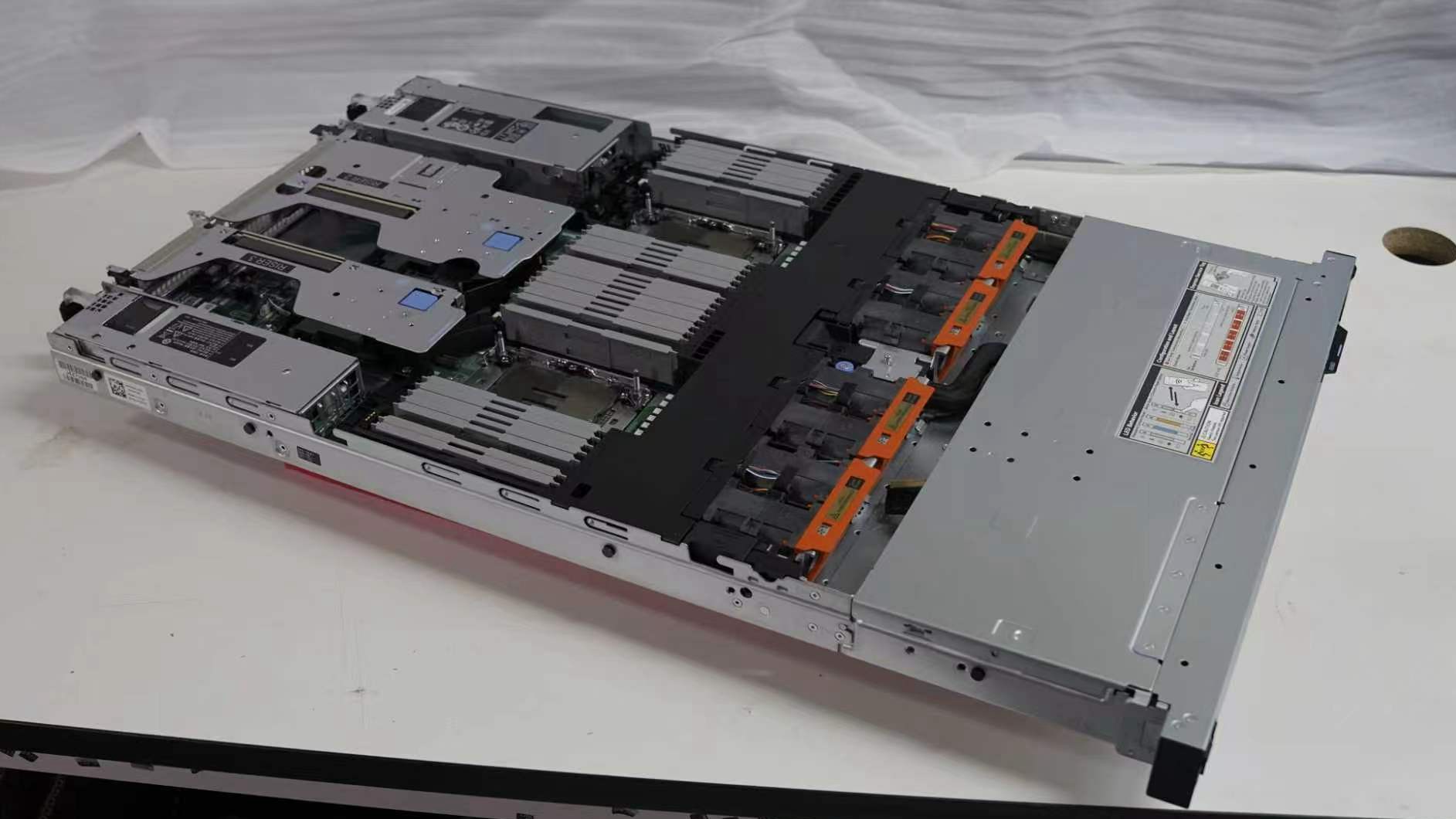
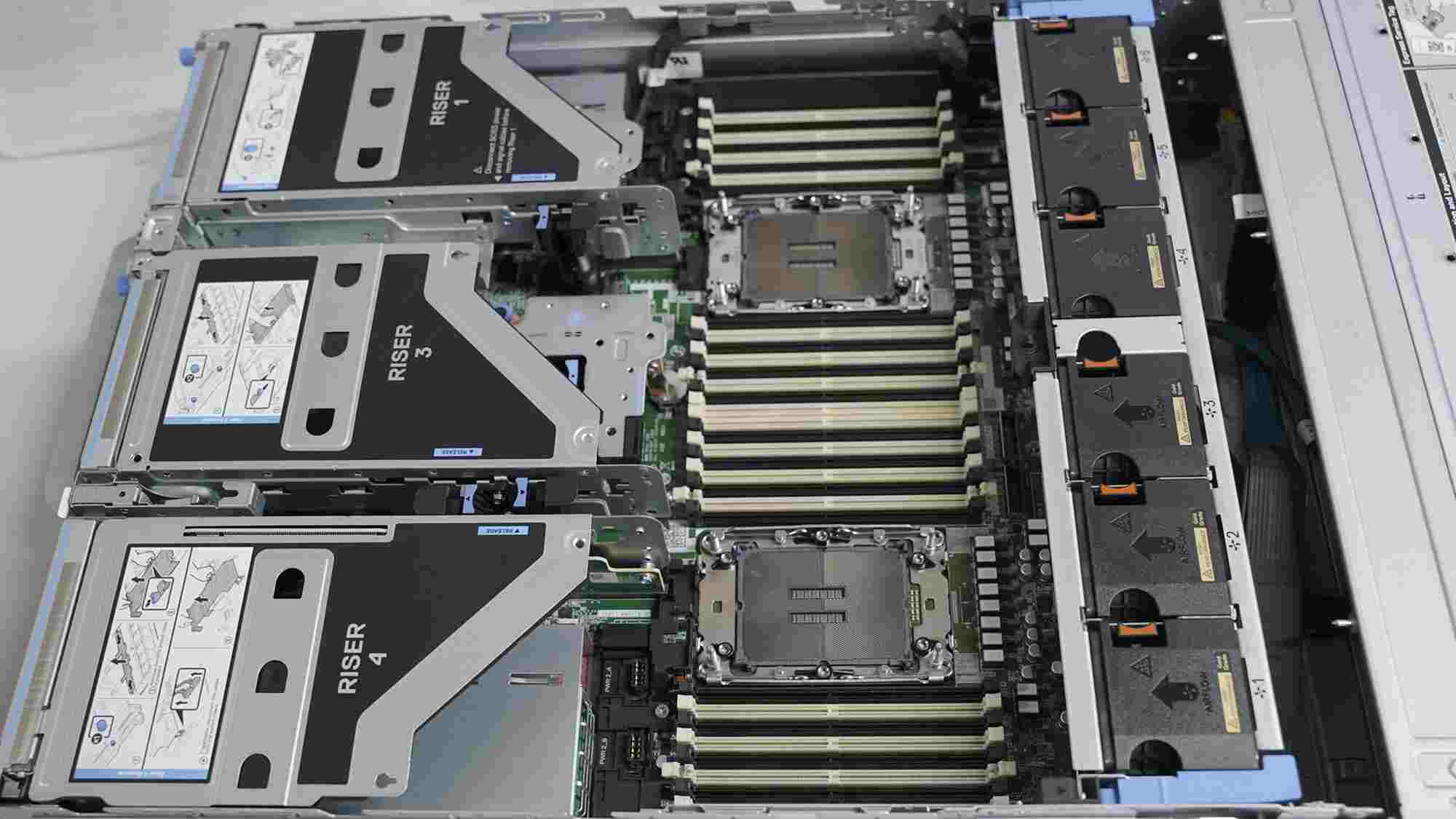
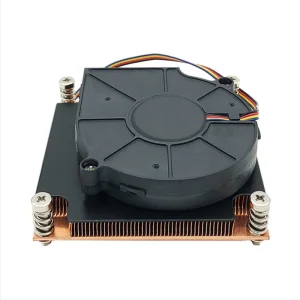
In 1U and 2U rack mount servers, vertical space is highly constrained, making large, slow-spinning fans impractical. Cooling designs must rely on high-speed, dual ball-bearing fans designed to overcome high static pressure. Airflow must be carefully routed using air shrouds to direct cool air across the highest heat-generating components (like transformers, diodes, and MOSFETs). Furthermore, components are often mounted directly to customized copper or aluminum heatsinks, maximizing surface area contact to ensure optimal heat dissipation within the constrained enclosure.
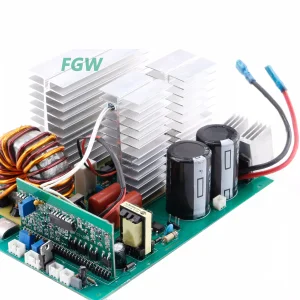
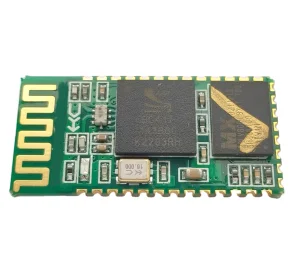
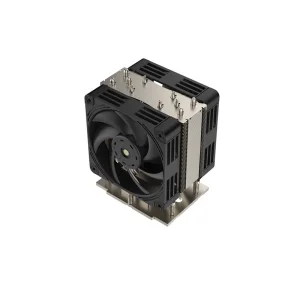
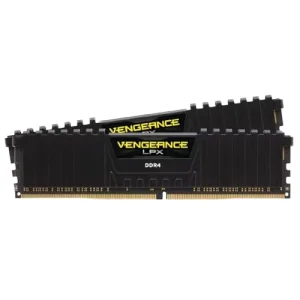
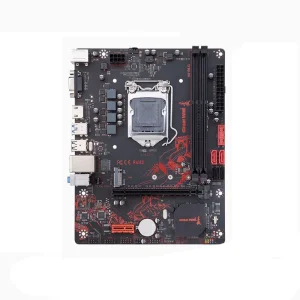
Discover our range of heavy-duty welding machine mainboards, metal detection systems, memory modules, and high-efficiency CPU cooling equipment.
 Velmix