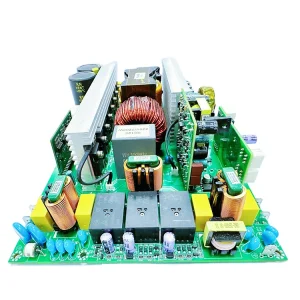
Engineered for extreme performance and optimal thermal properties in marine, industrial, and high-intensity LED systems.
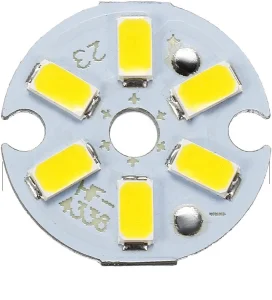
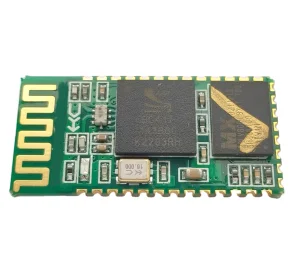
Unlocking new benchmarks in power electronics and thermal management for South Korea's maritime and logistics capital.
Busan, the primary maritime gateway of South Korea and a dominant node in Northeast Asian logistics, is undergoing a rapid transition toward digitalized green infrastructure. From the massive port container terminals to the shipyards of Yeongdo and the smart automotive manufacturing clusters surrounding Gangseo-gu, the demand for highly ruggedized, power-efficient, and thermally optimized electronics has surged. At the heart of these modern systems lies the Metal Core Printed Circuit Board (MCPCB) and high-frequency thermal interface units.
Local industrial segments in Busan, including the Noksan National Industrial Complex and the Mieum Industrial Complex, are focusing heavily on advanced marine lighting (e.g., vessel searchlights, deep-sea fishing illuminators), energy harvesting equipment, and highly integrated power circuits. These components must withstand maritime conditions: continuous salinity, extreme vibration, fluctuating humidity, and rapid temperature shifts.
Specialized ENIG and anti-saline conformal coatings engineered to prevent chemical erosion in coastal zones.
Metal Core substrates with up to 8.0 W/m·K thermal conductivity rating for heavy-duty projection systems.
Precision SMD placement of high-efficiency LEDs and complex driver topologies in ultra-narrow formats.
RoHS-compliant material options and Halogen-free processes aligning with South Korea's ESG framework.
Balancing thermal efficiency, power density, and physical footprint for next-generation optoelectronic systems.
The global market for Printed Circuit Boards dedicated to solid-state lighting (SSL) is experiencing an unprecedented structural pivot. The rapid expansion of Automotive LED assemblies, high-luminance industrial luminaires, high-bay factory setups, and outdoor municipal smart lighting is driving the industry beyond traditional standard FR-4 substrates. FR-4, with its low thermal conductivity (typically around 0.25 W/m·K), fails to dissipate the concentrated thermal energy generated by high-power LEDs. Overheating directly damages the junction temperature of the LED chips, causing color shifting, luminance degradation, and catastrophic diode failures.
Consequently, the engineering consensus globally has shifted towards Metal Core PCBs (MCPCBs), which utilize aluminum or copper cladding layers bonded via a thin, highly conductive dielectric. The modern global supply chain focuses on minimizing the thermal impedance across this dielectric layer. For instance, in maritime and automotive sectors, the thermal performance requirements typically call for 1.5 W/m·K to 3.0 W/m·K, whereas critical aerospace and specialized military applications utilize advanced ceramic-based (Alumina/Aluminium Nitride) or direct copper-bonded (DCB) layouts capable of reaching over 20 W/m·K and 150 W/m·K respectively.
Technical Insight: A reduction of just 10°C in the junction temperature of an LED can double its operational lifespan, making thermal substrate selection the single most critical factor in high-power design.
A trusted global partner delivering certified, high-performance electronics, SMT PCBA, and thermal solutions.
Velmix Technology Co., Ltd. is a professional manufacturer and global exporter specializing in the research, development, production, and distribution of high-reliability memory modules, advanced thermal substrates, and PCBA services. Established in 2017, Velmix has consolidated 15 years of industry experience to deliver high-quality, high-speed, and heat-tolerant electronic solutions for consumer electronics, industrial applications, gaming platforms, servers, and smart municipal networks worldwide.
Operating from a modern manufacturing facility covering 368㎡, we leverage automated SMT lines and high-precision inspection tools to guarantee that every board conforms to rigorous quality standards. The technical capability of our engineering division allows us to customize PCB and memory parameters to match the unique localized needs of international markets—specifically serving the high-stakes maritime and industrial clusters of the Busan region.
| Operational Metric | Enterprise Capabilities |
|---|---|
| Company Name | Velmix Technology Co., Ltd. |
| Facility Area | 368㎡ (Optimized high-density lab and SMT cleanroom) |
| Industry Experience | 15 Years of design, SMT, and fabrication expertise |
| Export History | 8 Years of serving 40+ countries and regions |
| Quality Control Standard | 100% Full Inspection before packaging and shipment |
| Test Methodologies | Signal Integrity Test, Burn-in Test, Compatibility Test, Functional Test & Random Sampling |
| Primary Markets | North America, Europe, Southeast Asia, South Korea (Busan), Middle East & South America |
| Customization Capabilities | OEM, ODM, Private Labeling, Customized Capacity, Heat Spreader selection, PCB Layer Stackup & SMT Assembly |
| Supply Chain Network | 986+ global certified component vendors and substrate suppliers |
| R&D Capability | Independent product design, Gerber file layout, firmware optimization, and thermal analysis |
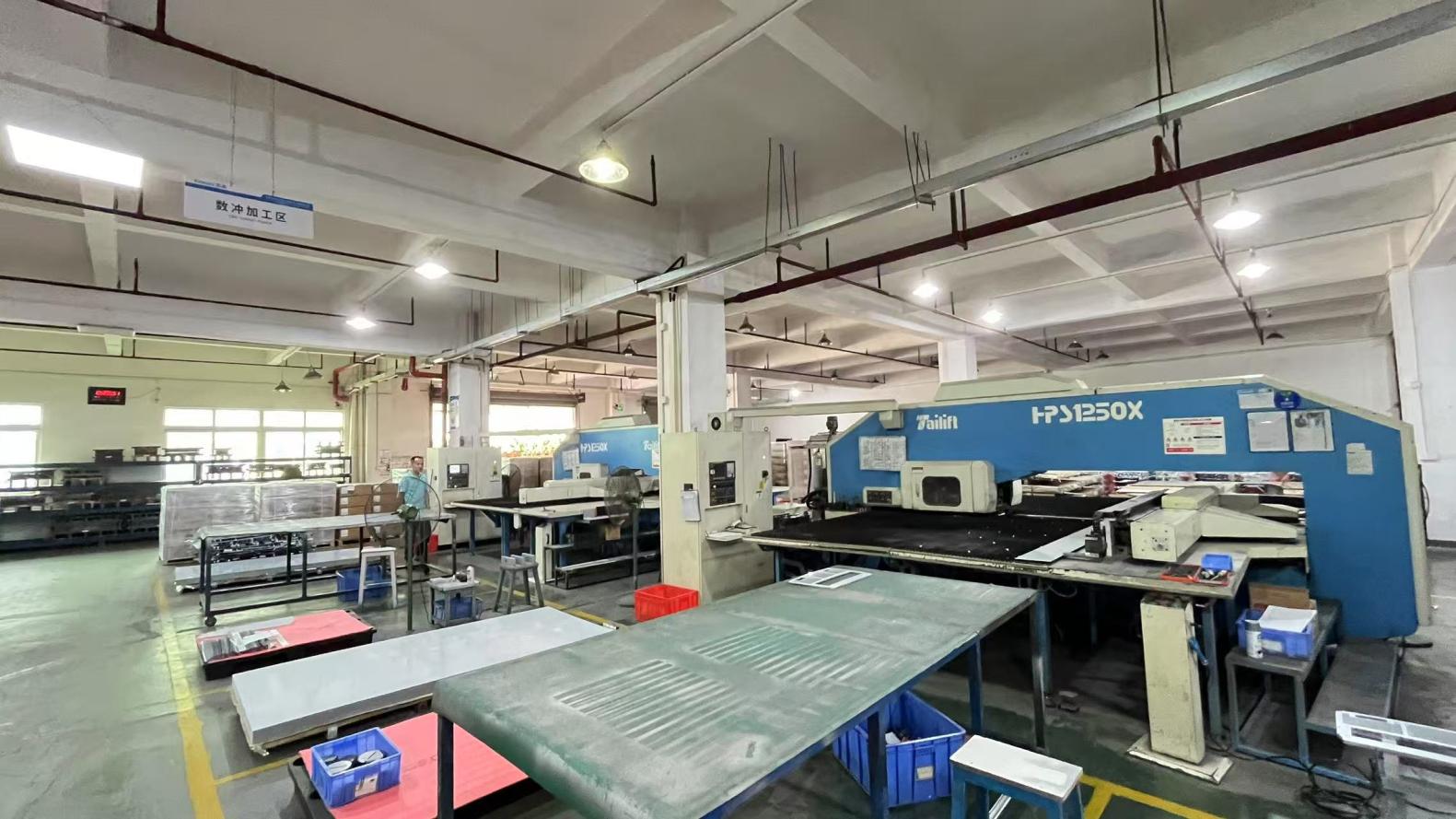
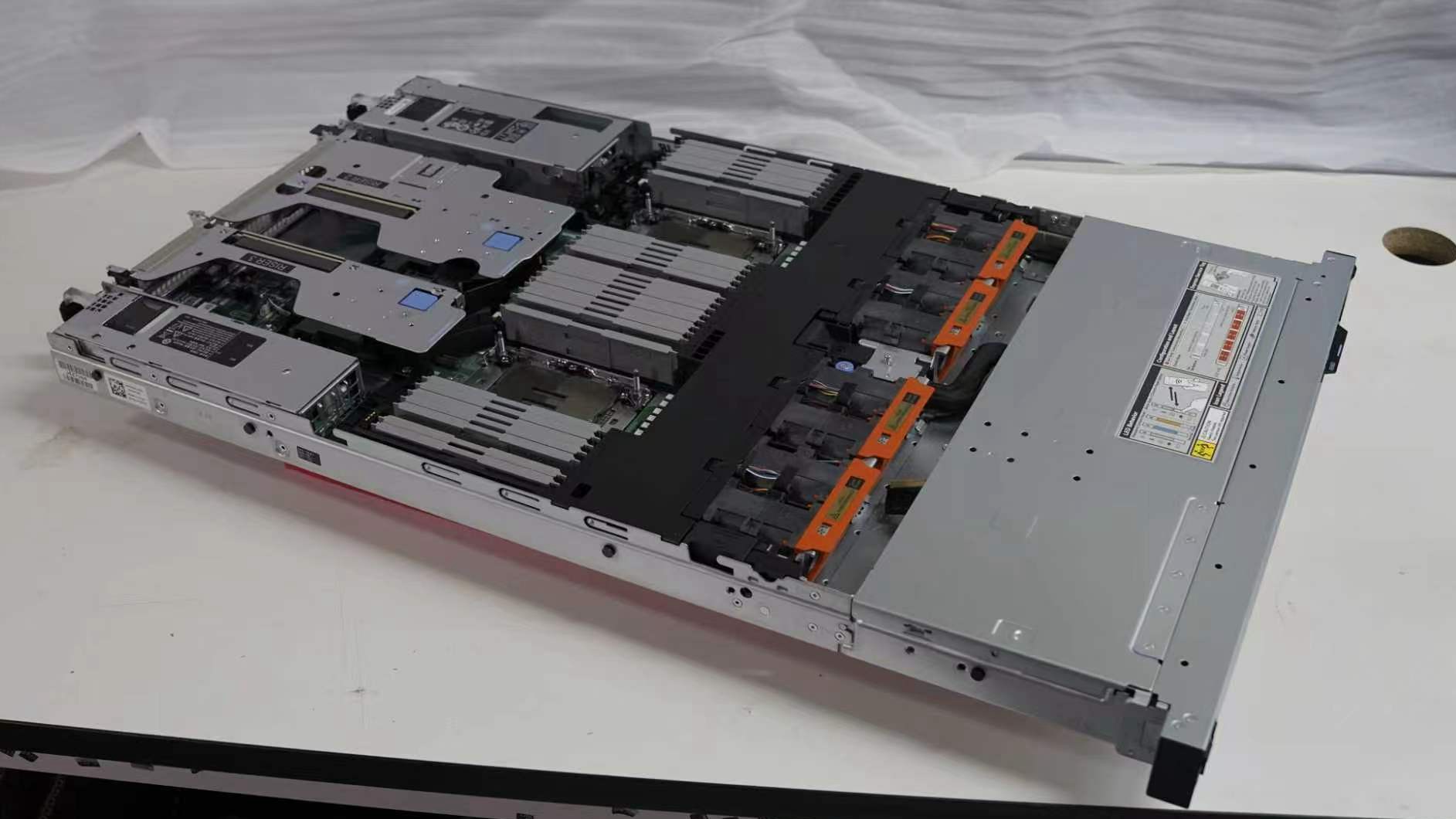
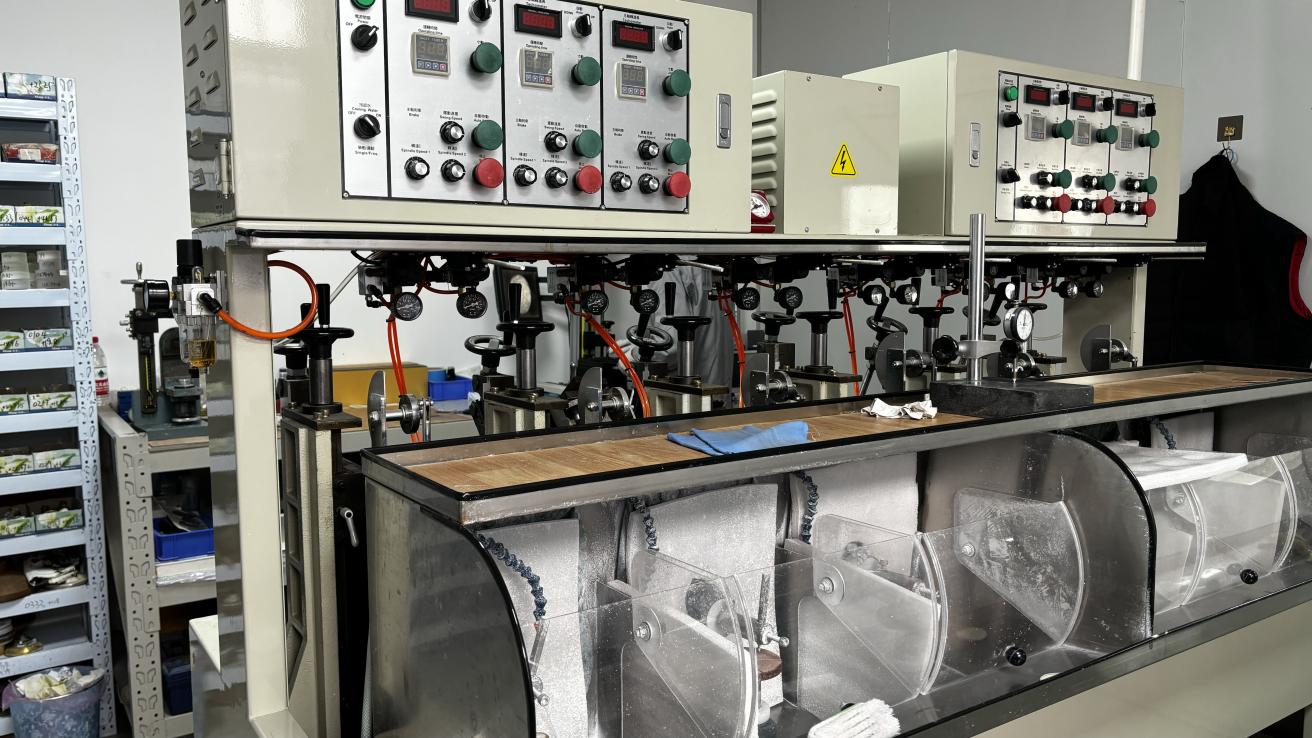
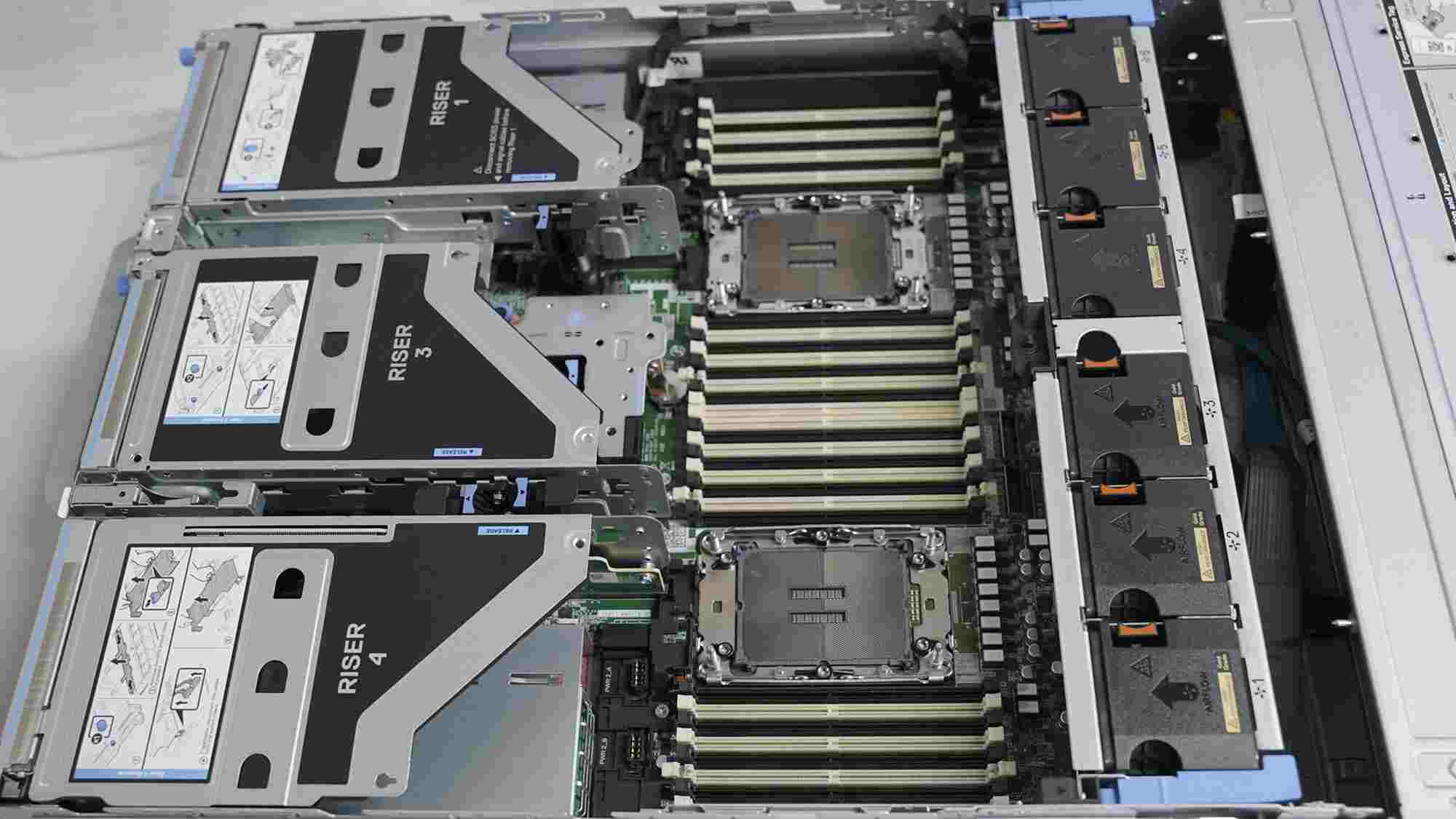
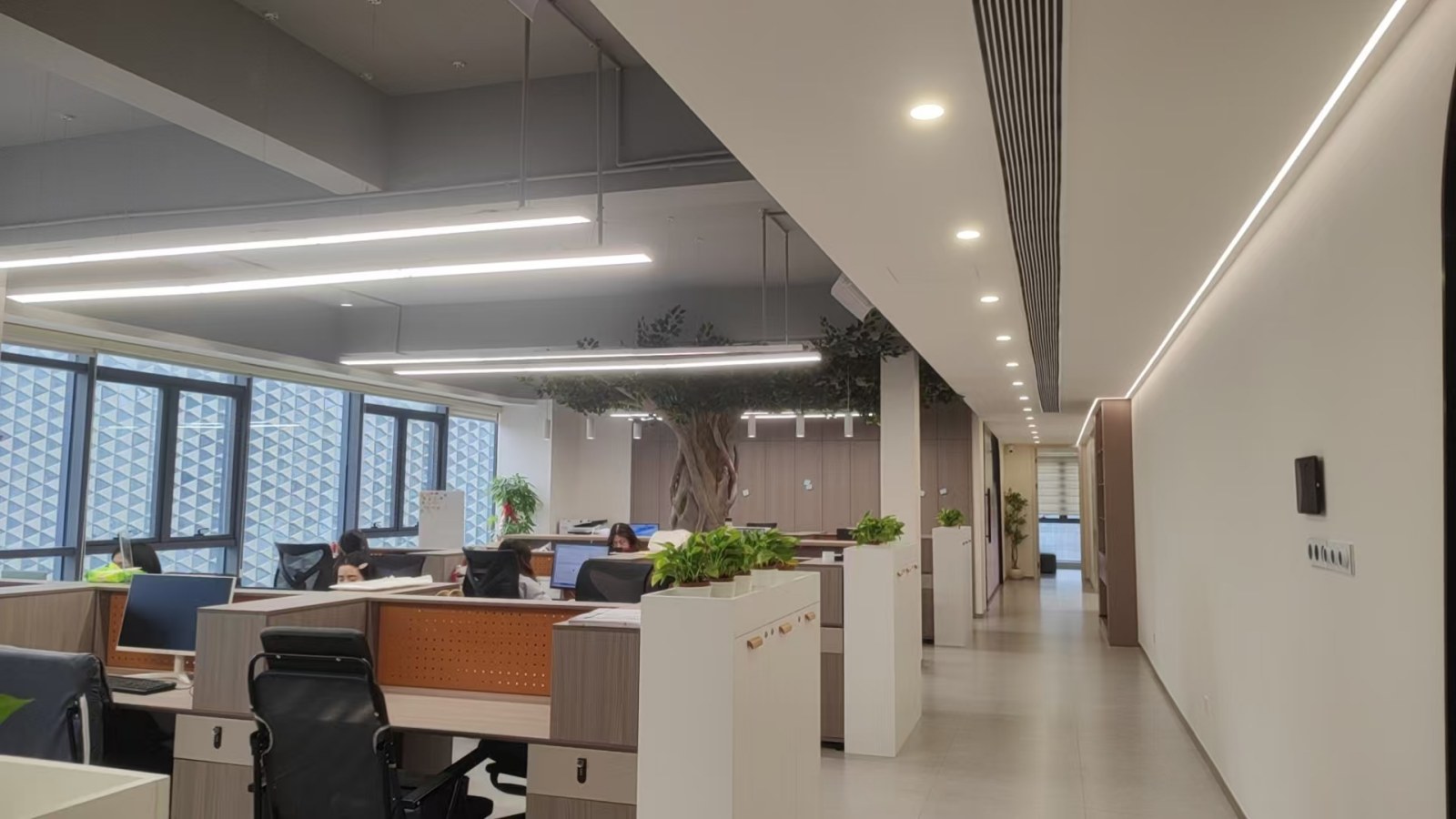
Through our dedicated cleanroom SMT lines, we ensure component placement precision on all multi-layer FR-4 and Metal Core PCBs. The visual evidence below highlights our manufacturing steps, quality inspection labs, and inventory storage units:
How Velmix bridges advanced engineering with Busan's heavy industrial requirements.
Marine environments are exceptionally hostile. High salt content in the atmosphere combined with perpetual mechanical vibration from maritime vessels and harbor cranes accelerates copper track corrosion and structural delamination. Velmix resolves this by employing high-grade aluminum substrates (6061 or 5052 alloys) treated with specialized anodized finishes and coated with hydrophobic, salt-mist resistant conformal layers. Our designs incorporate optimized creepage distances to prevent high-voltage arcing under humid marine environments.
In high-power LED systems (such as port crane lighting or municipal roadway lamps), the thermal interface material between the PCB and the heat sink is critical. Our engineering team assists Busan clients in selecting appropriate dielectric polymer layers filled with ceramic particles to guarantee minimal thermal impedance. By matching the coefficients of thermal expansion (CTE) between the copper traces, the dielectric, and the base aluminum, we mitigate thermal stress failures during rapid thermal cycles (e.g., cold coastal winter nights to high-temperature operating hours).
Modern LED arrays often incorporate smart control systems—including PWM dimming networks, IoT-enabled sensors, and wireless mesh transceivers. Leveraging our deep background in high-speed DDR5 memory module manufacturing, we apply similar rigorous signal integrity modeling to high-density LED driver boards. This suppresses electromagnetic interference (EMI) and guarantees stable power distribution even in proximity to heavy harbor machinery or automotive motor systems.
Insights from our senior design engineers to assist your procurement decisions in the South Korean market.
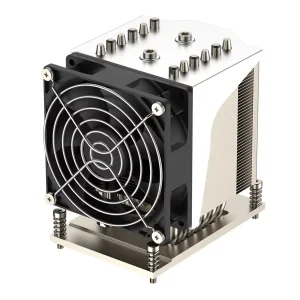
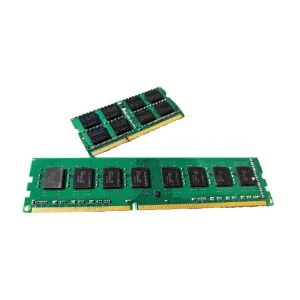
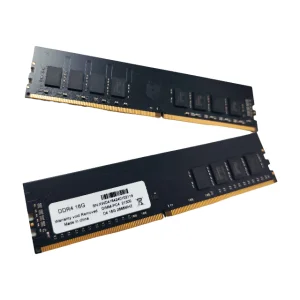
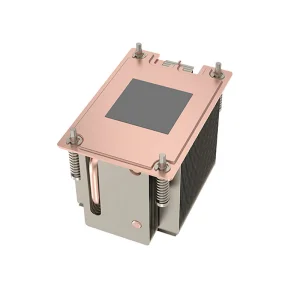
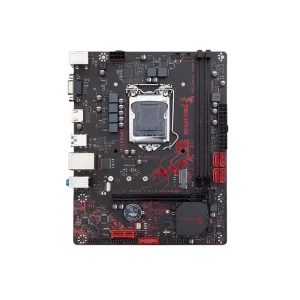
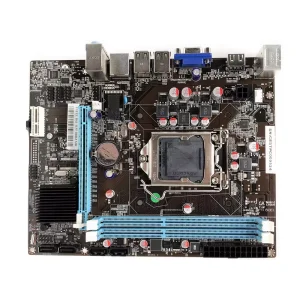
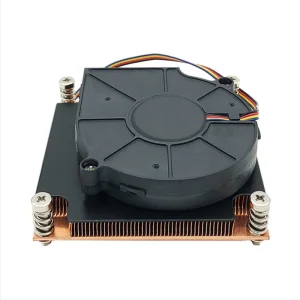
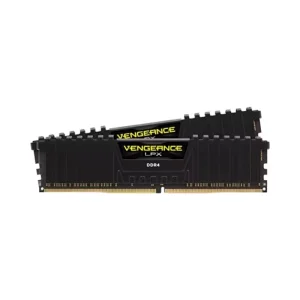
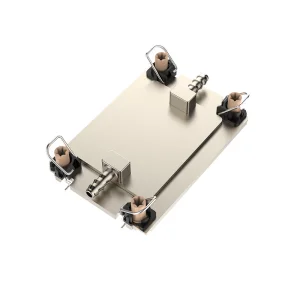
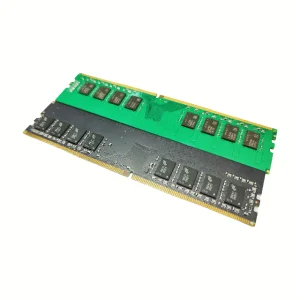
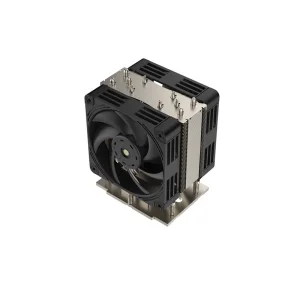
Browse our full range of processing, memory, cooling, and PCBA components, customizable for Busan's enterprise networks.
Need dynamic customization of heat sinks, PCB stackups, or memory configurations?
 Velmix