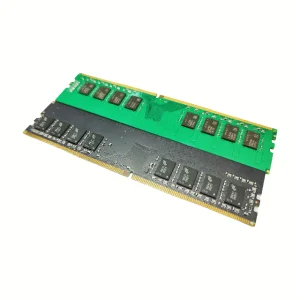
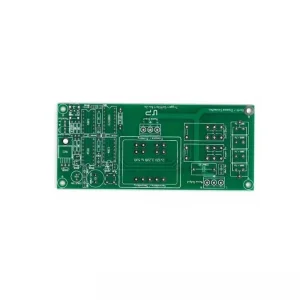
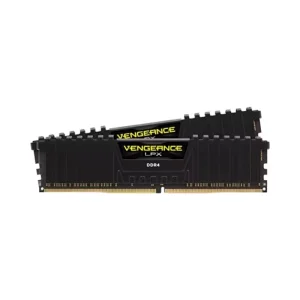
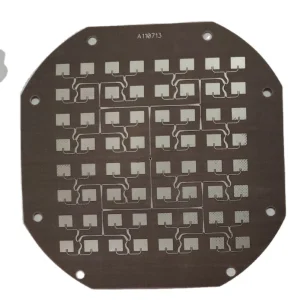
High-compatibility memory designs and custom boards matching Europe's strict precision standards.
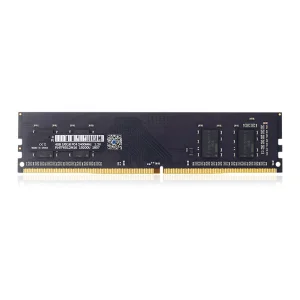
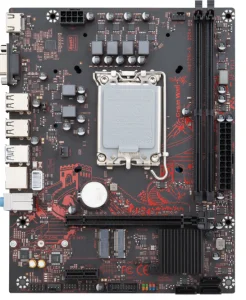
Switzerland is internationally renowned for precision engineering, aerospace technology, watchmaking automation, pharmaceutical manufacturing, and advanced medical diagnostics. Operating at these technological frontiers requires compute modules of impeccable durability and long lifecycle support. While newer memory architectures like DDR4 and DDR5 dominate current consumer devices, DDR3 RAM memory remains a vital backbone for legacy systems, embedded computers, and specialized industrial controllers across major Swiss technology corridors, from Zurich to Geneva.
DRAM integration in alpine rail systems, energy grid management controllers, and laboratory equipment requires platforms that are thoroughly tested for thermal resistance and signal integrity. Because these systems are designed to operate for decades, Swiss procurement directors value suppliers who can guarantee long-term availability of high-quality DDR3 ICs and stable PCB layouts. This demand creates a strategic supply chain link between precision-seeking Swiss firms and high-capacity manufacturing facilities in China.
Swiss equipment manufacturers in defense, aviation, and railway engineering (such as SBB CFF FFS networks) rely on certified legacy platforms. Validating new processor boards for railway safety or medical use cases requires multimillion-franc certifications. Maintaining original, highly robust DDR3 architectures is often the most economically viable and technically stable path forward.
As a professional memory manufacturer based in Shenzhen, China, Velmix Technology Co., Ltd. specializes in the research, development, and international export of high-performance DRAM memory solutions. Since our founding in 2017, we have committed ourselves to delivering reliable, high-speed RAM modules for personal computing, servers, and industrial systems. Combining advanced fabrication methods with rigorous testing protocols, we serve clients in Switzerland, Europe, and beyond.
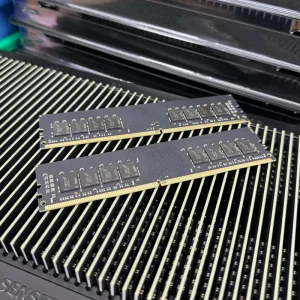
Our production facilities utilize precision high-frequency surface-mount technologies (SMT) and comprehensive signal integrity analysis tools to ensure our modules meet JEDEC standards. For Swiss distributors and OEM system integrators, partnering with Velmix provides direct access to high-efficiency Chinese supply chains while maintaining the stringent quality benchmarks expected in European markets.
| Corporate Parameter | Operational Details & Certifications |
|---|---|
| Company Name | Velmix Technology Co., Ltd. |
| Established | 2017 |
| Facility Area | 368㎡ Specialized SMT & Testing Floor |
| Annual Export Revenue | USD 18.6 Million |
| Export Experience | 8 Years |
| Industry Experience | 15 Years |
| Quality Assurance Process | 100% Full Inspection (Signal Integrity, Compatibility, and Burn-In testing) |
| Quality Control Staff | 56 Dedicated QC Inspectors & Engineers |
| Core Competencies | Independent PCB Development, Firmware Optimization, and Custom IC Binning |
| Customization Options | OEM/ODM, custom capacity levels, heat spreaders, PCB design modifications, private labeling |
| R&D Strength | 84 Engineers, 138 New Models Launched Last Year |
Understanding the physics of DDR3 (Double Data Rate 3) synchronous dynamic random-access memory is essential for hardware procurement officers. Operating at voltages of 1.5V (standard DDR3) or 1.35V (DDR3L - Low Voltage), DDR3 memory introduces an 8n prefetch buffer, doubling the speed of its predecessor, DDR2. For high-temperature Swiss laboratory equipment and alpine computing systems, controlling electrical cross-talk and managing heat dissipation is paramount.
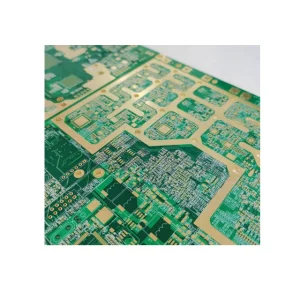
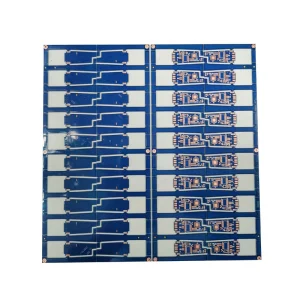
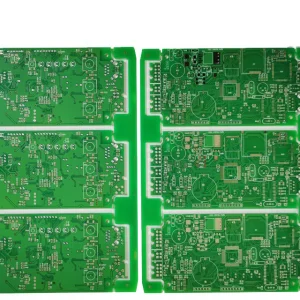
High-frequency memory routing requires precise impedance matching. Our top-grade PCBs use multiple layers with optimized copper thickness to prevent signal degradation and electromagnetic interference (EMI). Whether supplying Switzerland's precision machinery or medical CT hardware, Velmix ensures every DDR3 trace complies with strict signal-to-noise ratio margins.
How does Velmix guarantee dependability? We apply a five-tier inspection protocol before any order leaves our facility for Europe:
Swiss enterprises utilize memory chips in unique configurations where failure is not an option. Here is how DDR3 RAM is deployed locally:
Railway signal controllers situated along alpine passes require robust computing cores operating under freezing temperatures and vibrational stress. DDR3 ECC SO-DIMM modules with wide-temperature designs offer the exact operational profile needed to maintain train schedules and traveler safety.
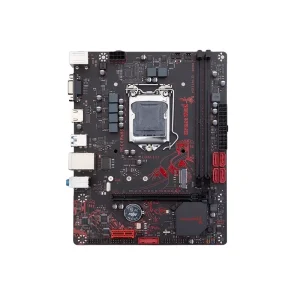
Swiss watches are machined with micron-level precision. The industrial PCs directing high-speed cutting heads run on long-life industrial motherboards featuring legacy DDR3 UDIMM memory. Reliability and low latency are crucial to ensure zero interruptions during complex milling routines.
Laboratory centrifuges, chromatography machines, and clinical displays across Basel's medical cluster require consistent memory performance. Legacy computer systems verified by Swissmedic must run on original-spec RAM to remain compliant and avoid costly recertification cycles.
Pharmaceutical clean rooms utilize autonomous guided vehicles (AGVs) to move sensitive chemical compounds. These AGVs run on embedded systems relying on high-reliability, low-power DDR3L modules, ensuring optimal power efficiency and long operational uptimes.
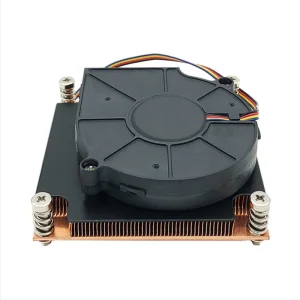
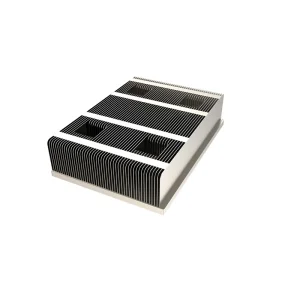
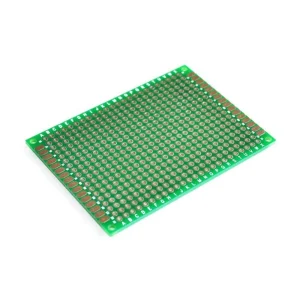
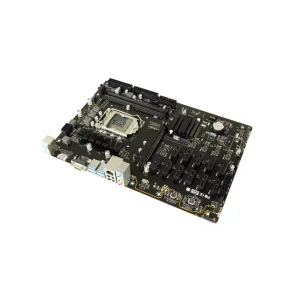
Explore our range of industrial server accessories, multi-layer PCBs, and computing peripherals configured for European industrial clients.
When procurement managers in Switzerland compare domestic hardware manufacturing with Chinese sourcing, the primary considerations are capacity, cost, and logistics speed. Producing PCB components within Europe can face long lead times and high local manufacturing costs. In contrast, Shenzhen's electronic ecosystem offers distinct structural advantages:
By balancing cost-efficiency with high-quality components, Swiss businesses can optimize their production budgets while receiving reliable hardware assemblies for their end products.
Frequently asked questions regarding international standards, quality testing, and supply logistics for Switzerland.
Every batch of DDR3 RAM undergoes motherboard test sweeps on legacy platform chipsets, simulating real-world workloads under strict thermal and electrical monitoring. We also work closely with customer specifications to replicate exact hardware configurations.
Yes. We supply both standard DDR3 (1.5V) and DDR3L (1.35V) modules. DDR3L is backward compatible with 1.5V systems and is often preferred for low-power embedded designs in automation and remote monitoring.
We prepare all international shipping documentation—including commercial invoices, packing lists, HS Codes, and Certificates of Origin—to facilitate Swiss customs clearance at Zurich, Geneva, or Basel-Mulhouse airports. All modules comply with CE and RoHS directives.
We provide custom PCB layouts, private labeling, specific memory capacity configurations, custom-branded heat spreaders, and modifications for extended operating temperatures (-40°C to +85°C).
For standard configurations, production and testing take 5–7 working days. Air freight delivery to Switzerland typically requires an additional 3–5 days, depending on carrier schedules.
Looking for a reliable manufacturing partner for DDR3, DDR4, motherboard assemblies, or custom high-frequency PCBs? Contact our engineering and export team today for technical details, compatibility consulting, and bulk pricing.
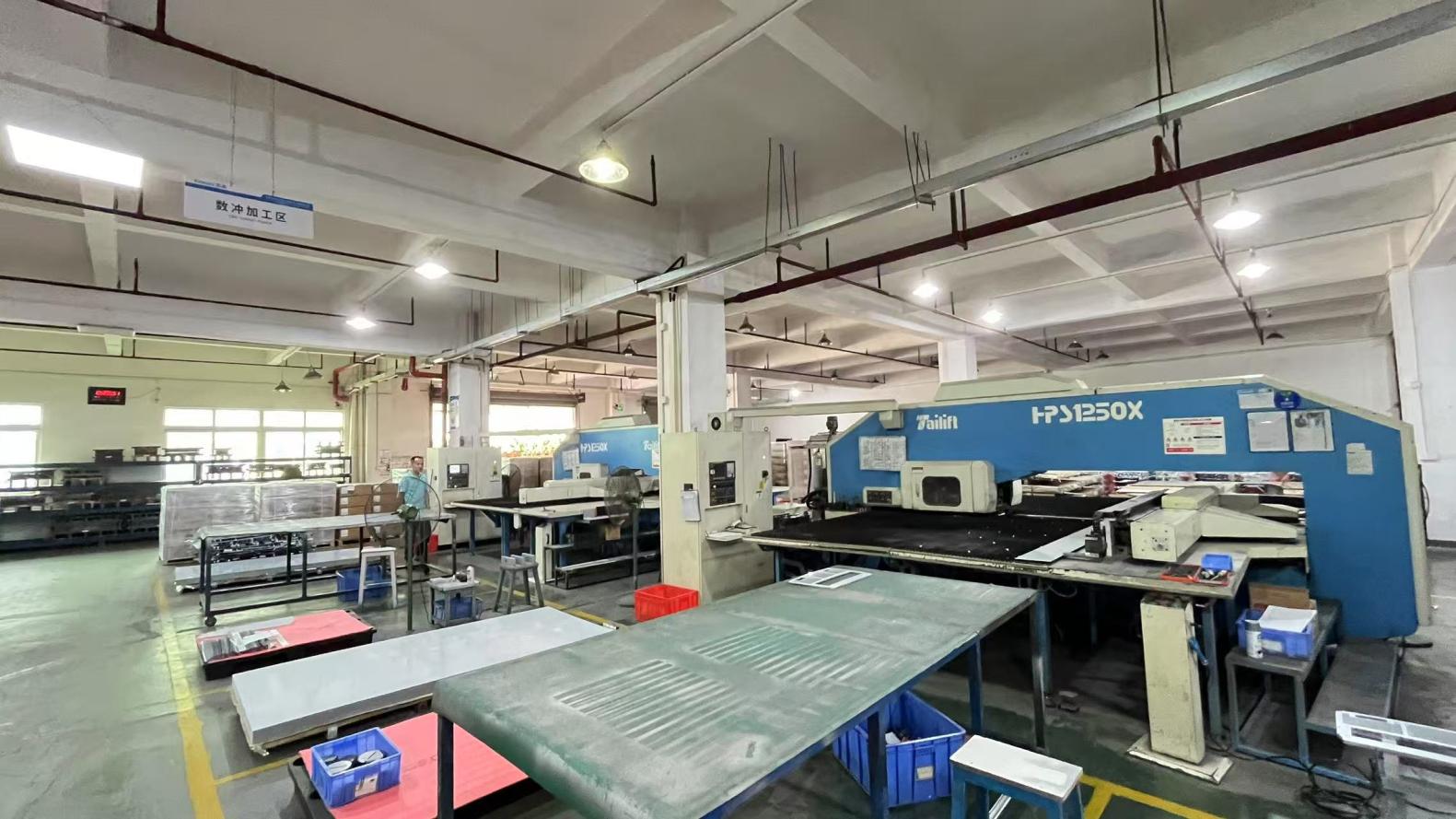
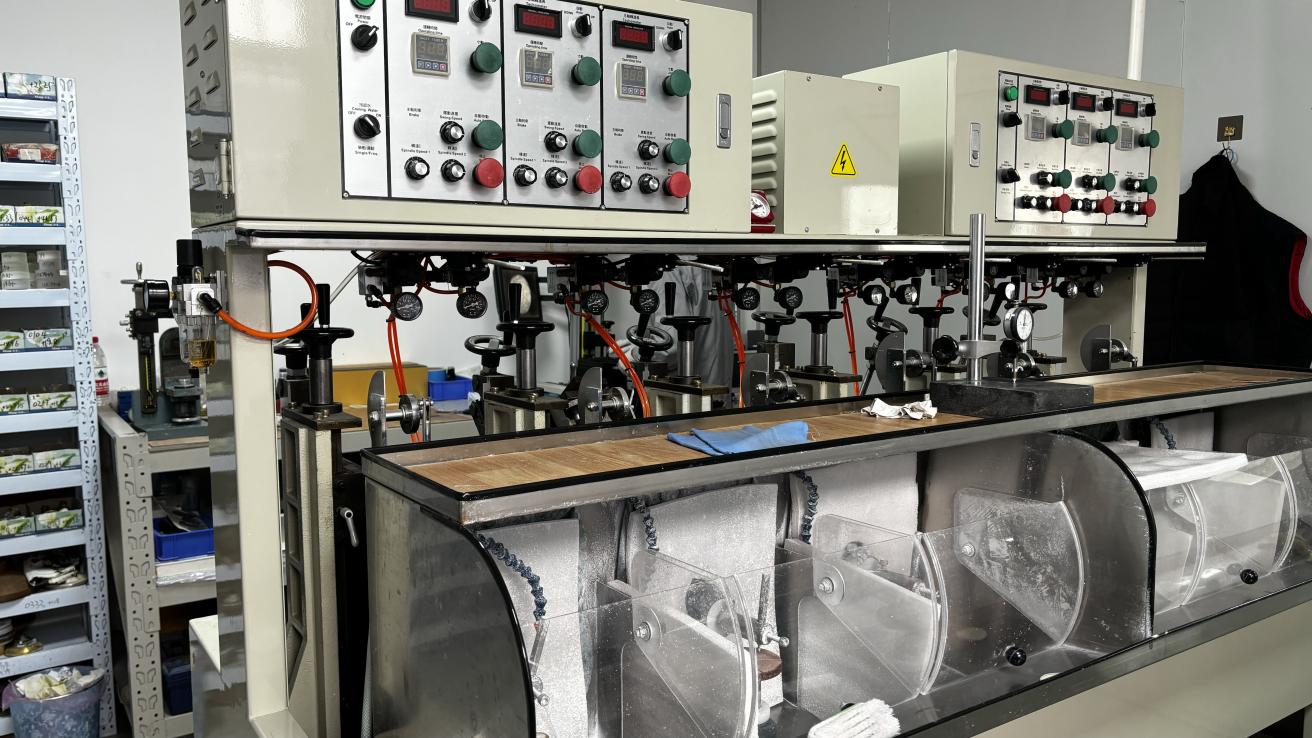
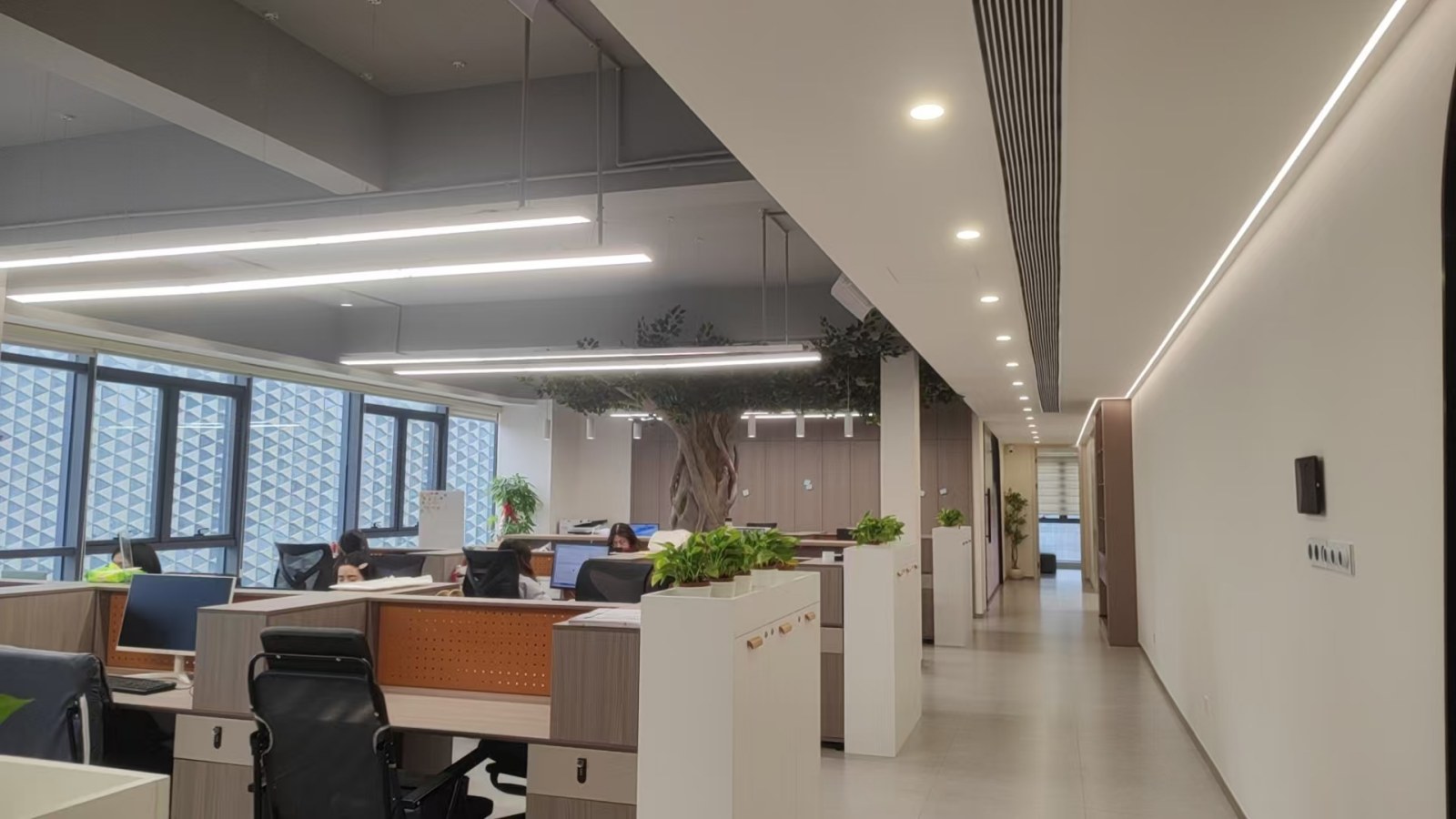
Send Inquiry NowOur Shenzhen facilities utilize automated assembly lines, optical inspection equipment, and high-frequency signal testing tools to verify quality at every step of production.
 Velmix