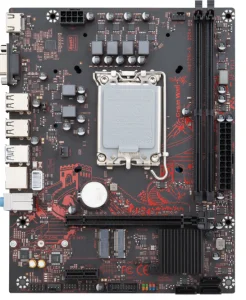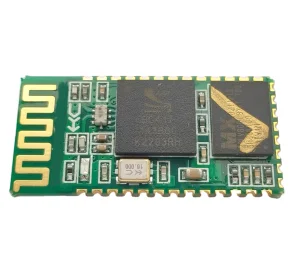
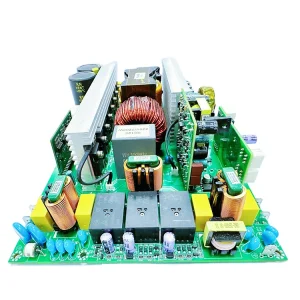
As Vietnam's manufacturing core and capital city undergo a historic transition toward high-tech manufacturing, Hanoi's industrial zones (such as Thang Long Industrial Park, Quang Minh IP, and Hoa Lac Hi-Tech Park) are seeing a rapid push for advanced sanitation technologies. Traditional mercury lamps are being phased out in compliance with international green agreements and local environmental mandates. The demand for compact, mercury-free, high-efficiency sterilization solutions has never been more critical.
The adoption of 260nm-270nm 3535 UVC LEDs has become the engineering standard in the region for water purification plants, packaging facilities, and food and beverage processing hubs. Operating in Hanoi's hot and humid tropical climate poses distinct thermal challenges. Ensuring the durability of solid-state disinfection systems requires not only high-power optoelectronics but also robust drive controller circuitry and reliable cooling systems.
Through close collaboration with local industrial integration partners and global supply networks, our advanced 260nm-270nm 3535 UVC package delivers optimized germicidal power for the Hanoi market, satisfying both biological safety guidelines and energy efficiency benchmarks.
Developing high-yield deep-ultraviolet light sources requires a deep understanding of epitaxy, package structure, and optical extraction. Here is the engineering reality behind the 3535 UVC package format.
At the core of the 260nm-270nm UVC LED is an Aluminum Gallium Nitride (AlGaN) material system. Precision control of the aluminum mole fraction is required to tune the bandgap energy, allowing for emission in the deep ultraviolet region. By utilizing Metal-Organic Chemical Vapor Deposition (MOCVD), our wafer engineers grow atom-thick quantum wells to maximize internal quantum efficiency (IQE). This prevents deep-level defects that reduce photon output and lead to excessive heat generation.
UVC LEDs convert the majority of their input power into heat due to their relatively low Wall-Plug Efficiency (WPE). To protect the junction temperature ($T_j$), the die is mounted on a high-conductivity ceramic substrate (Aluminum Nitride, AlN, thermal conductivity > 180 W/m·K) via gold-tin (AuSn) eutectic bonding. This 3535 packaging footprint, combined with a transparent quartz glass lens, offers excellent UV degradation resistance and maintains high optical transmissivity over thousands of hours of operation.
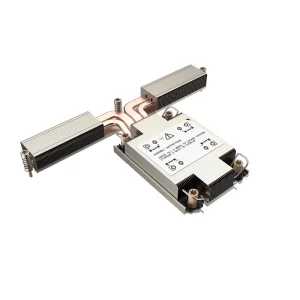
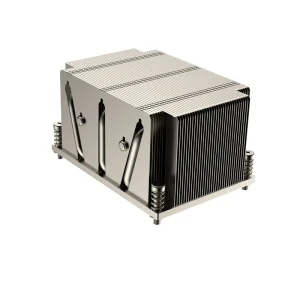
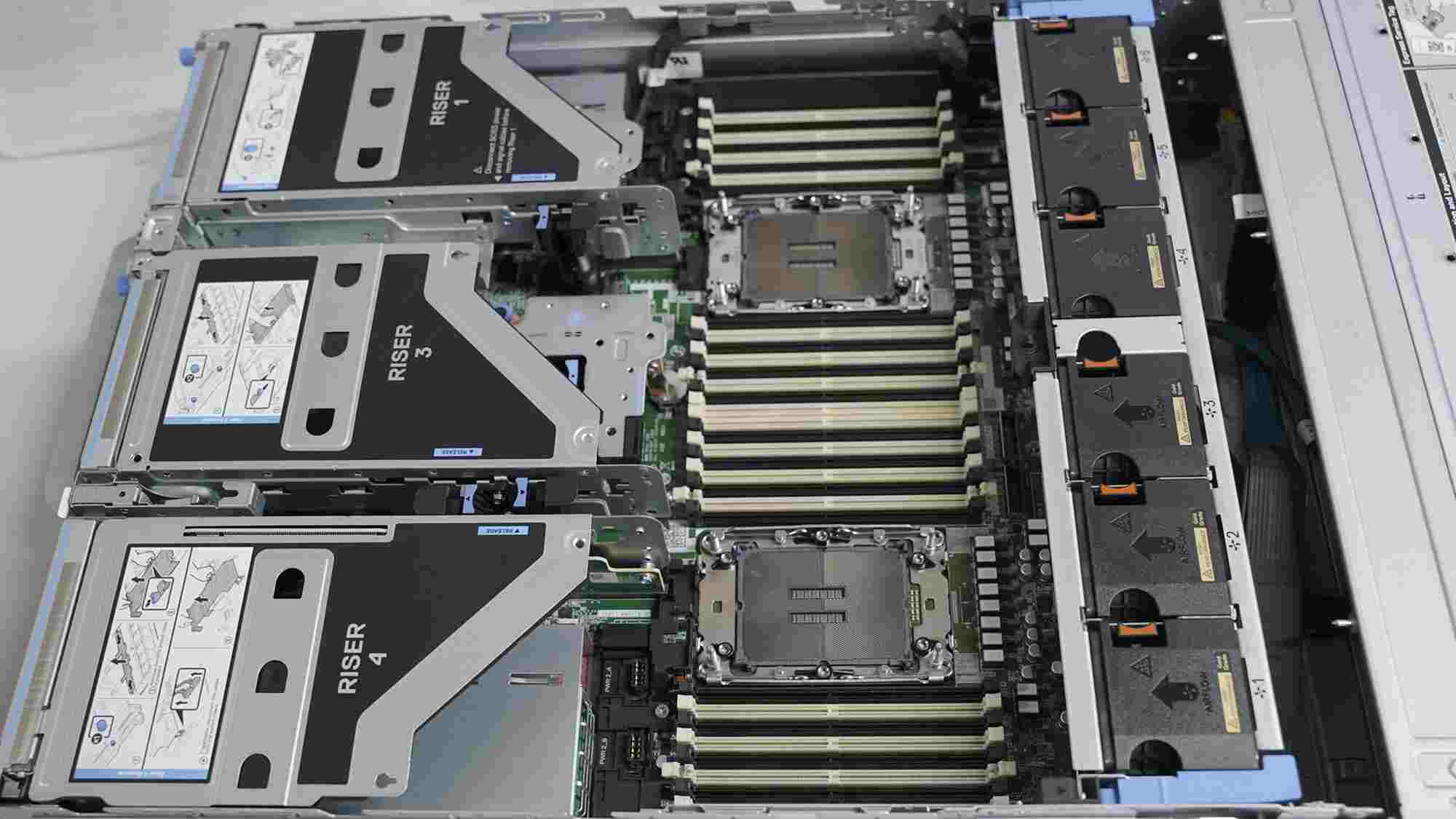
Because high-power UVC setups generate considerable thermal loads, industrial configurations require auxiliary cooling. Our range of server-grade heatsinks, such as the LGA4677 and LGA4926 air-cooled copper-aluminum radiators, are used in high-power industrial LED water purification racks. These units feature heat pipes and custom fins designed to dissipate thermal loads up to 300W, preventing LED junction failure.
Additionally, driving these optoelectronic arrays requires stable control circuitry. Combining our high-sensitivity PCB assembly (PCBA) capabilities with stable driver chips ensures precise forward-current regulation ($I_f$), protecting the LEDs from current spikes and voltage fluctuations in industrial environments.
High-power UVC setups are replacing chemical disinfectants in key infrastructure projects across northern Vietnam.
With the expansion of manufacturing hubs in northern Vietnam, treating clean water and industrial wastewater has become a priority. The 260nm-270nm wavelength targets the cell walls of chlorine-resistant protozoa like Cryptosporidium and Giardia. Standard reactors utilize arrays of 3535 UVC LEDs driven by high-efficiency power converters, such as custom photovoltaic inverter PCB assemblies configured for industrial power grids. This configuration ensures continuous, round-the-clock disinfection without introducing harmful disinfection byproducts (DBPs).
Hanoi's urban centers and factories require indoor air management due to high seasonal humidity levels. Integrating UVC arrays directly into building air handling units (AHUs) prevents biofilms from accumulating on cooling coils. By pairing UVC LEDs with high-surface-area aluminum heatsinks, system integrators maintain safe temperatures in enclosed ducts, reducing maintenance costs and improving overall indoor air quality.
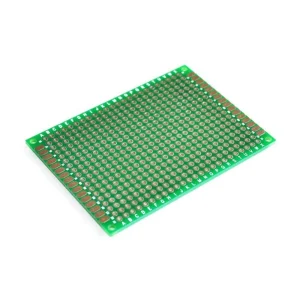
Hanoi and nearby provinces (such as Bac Ninh and Thai Nguyen) host some of the world's largest electronics manufacturing plants. In these environments, dry static-free surface sterilization is critical. 3535 UVC LEDs mounted on double-sided printed circuit boards deliver high-intensity UV doses in short cycle times to sanitize smartphone screens, chips, and components during packaging without using liquid solvents.
From local agricultural operations to food packaging facilities, keeping food products free of pathogens is essential for both export and local consumption. Low-temperature operation makes UVC LEDs suitable for cold chain logistics and refrigerated warehouses, where standard mercury vapor lamps cannot function efficiently due to the cold temperatures.
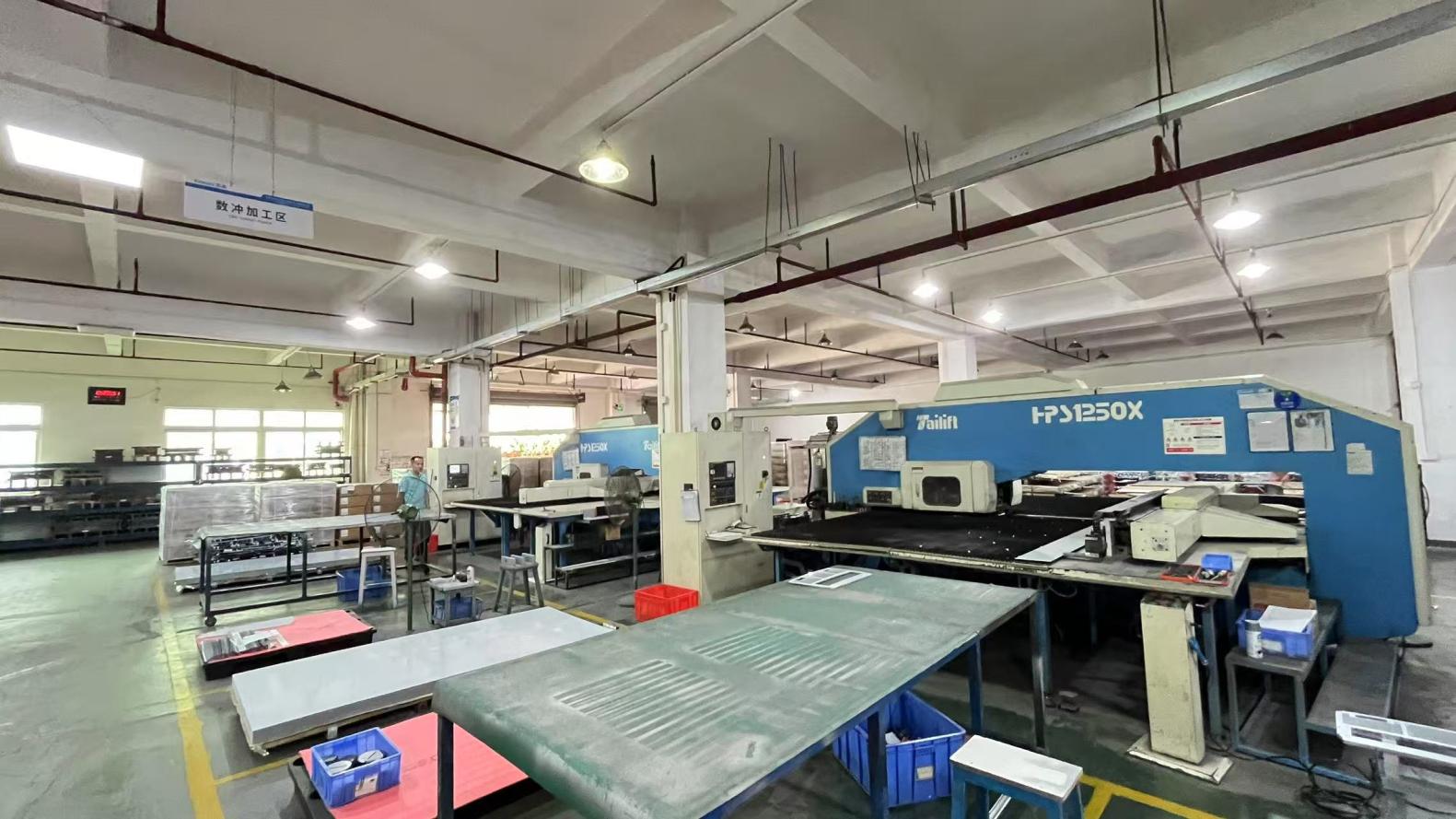
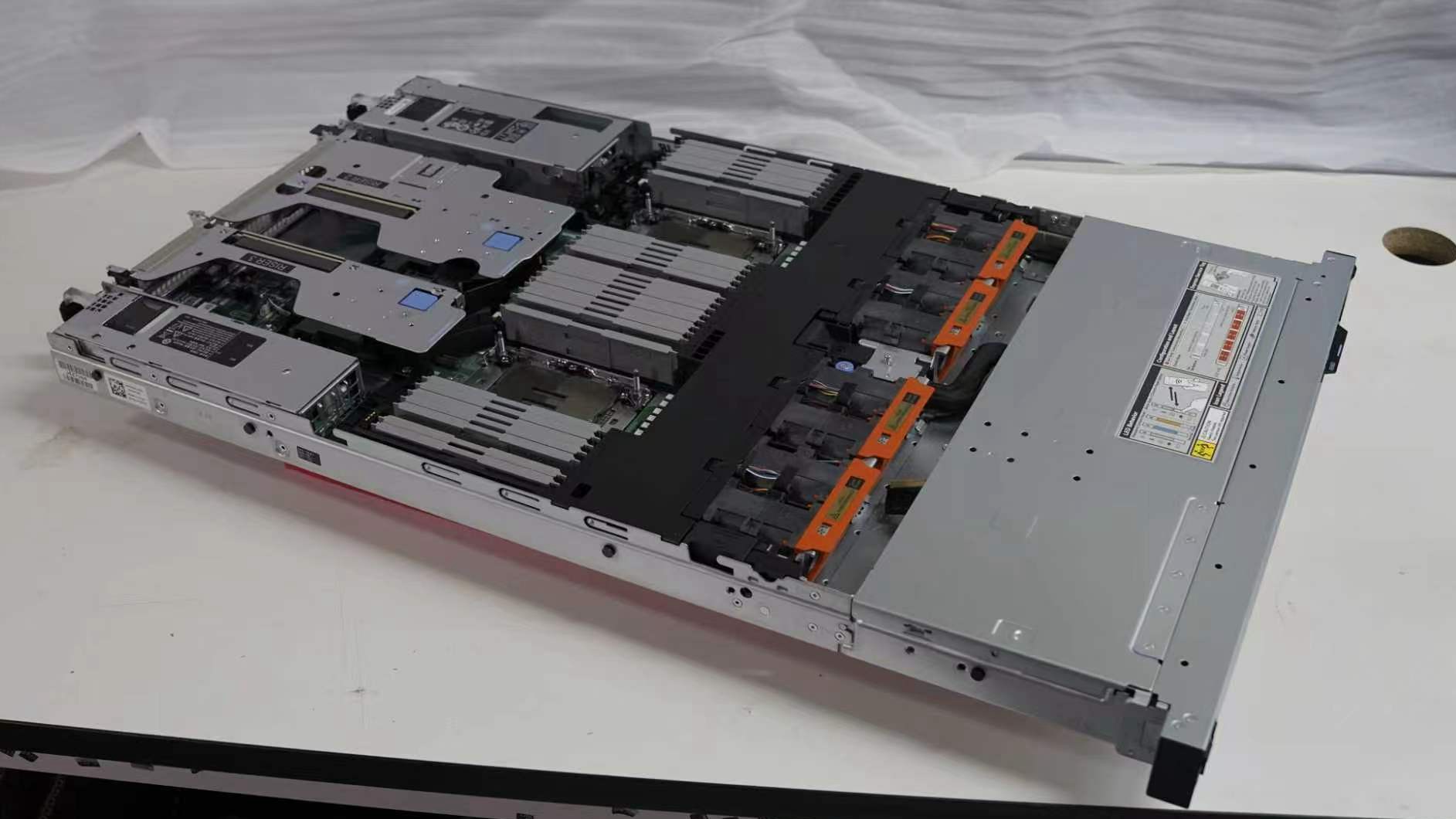
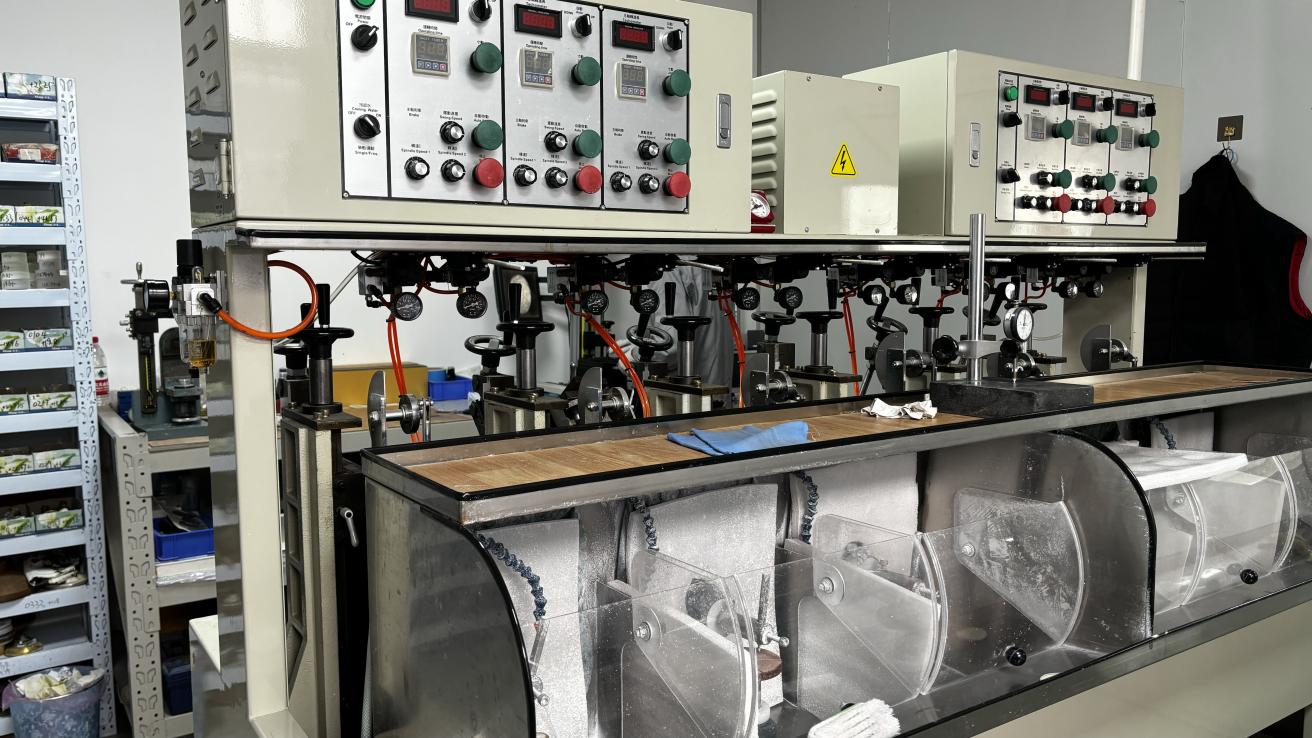
Our advanced manufacturing facility in Shenzhen, operating under the Velmix Technology banner, utilizes advanced production equipment to ensure high component quality and competitive pricing. By using automated die bonding, automated optical inspection (AOI), and in-line sorting, we maintain tight tolerances on dominant wavelengths, forward voltages, and optical output power.
This manufacturing setup allows us to process high-volume orders quickly and reliably. Hanoi buyers benefit from our close geographical proximity, enabling swift transit through cross-border land routes and air freight networks. This proximity helps minimize delivery lead times and reduce warehousing requirements for our partners in Vietnam.
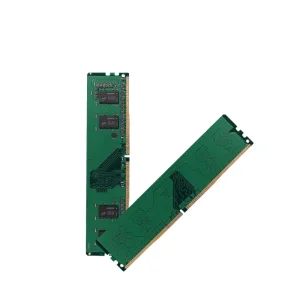
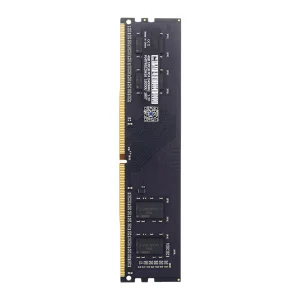
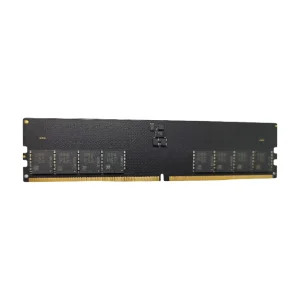
Our facility emphasizes quality control across all production stages, from chip-on-substrate design to the assembly of high-speed memory modules, PCBs, and optoelectronics.
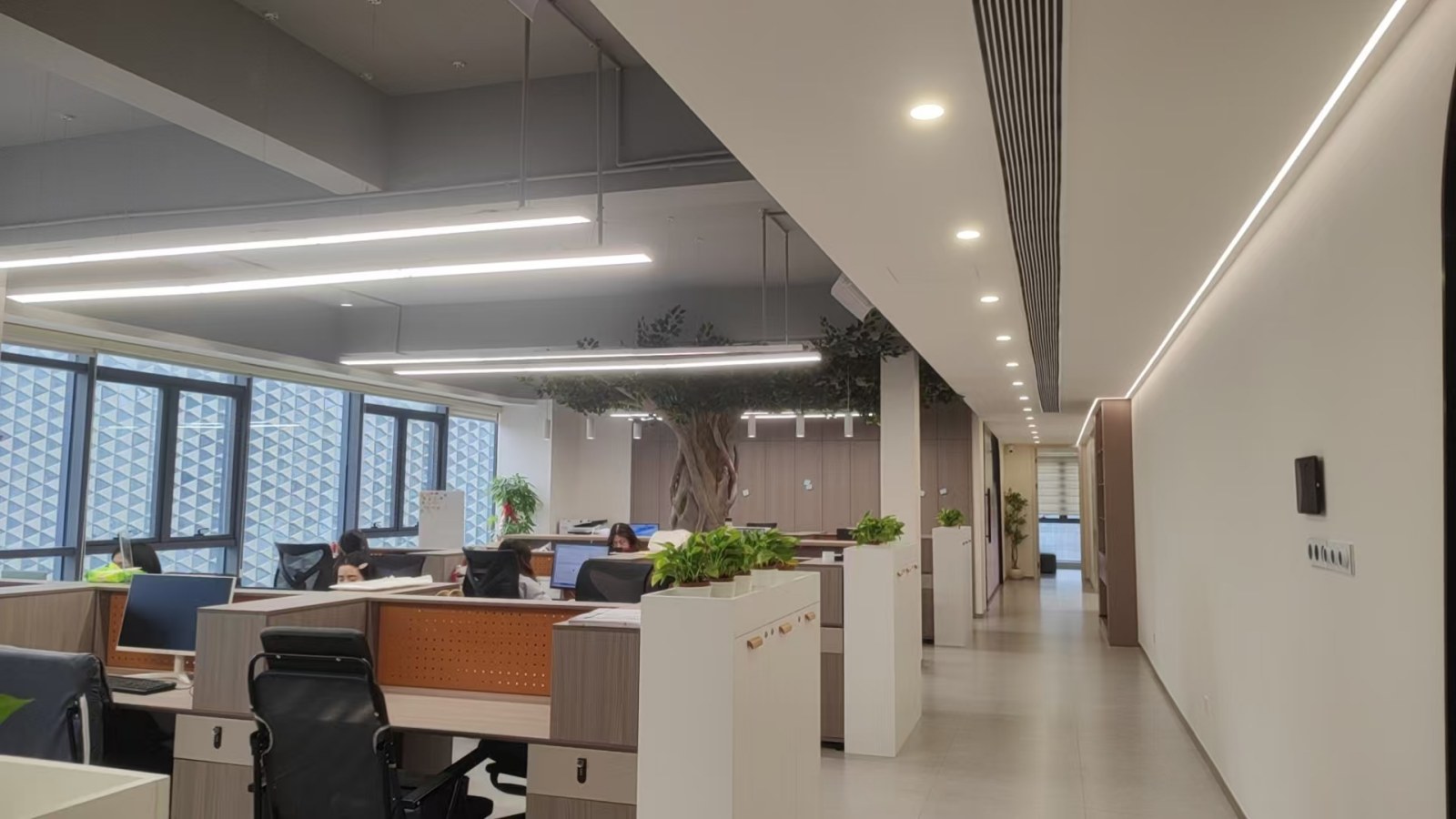
Velmix Technology Co., Ltd. is a high-tech manufacturer specializing in high-performance DRAM memory solutions, advanced PCB fabrication, high-power cooling designs, and specialty optoelectronic assemblies. Since 2017, we have served clients across 40 countries, leveraging our engineering capabilities to deliver integrated hardware solutions.
| Item | Information |
|---|---|
| Company Name | Velmix Technology Co., Ltd. |
| Established | 2017 |
| Facility Area | 368㎡ |
| Annual Export Revenue | USD 18.6 Million |
| Export Experience | 8 Years |
| Industry Experience | 15 Years |
| Quality Control | 100% Full Inspection Before Shipment |
| Product Inspection Methods | Signal Integrity Test, Burn-in Test, Compatibility Test, Functional Test & Random Sampling |
| QC Staff | 56 Employees |
| Business Type | Manufacturer & Exporter |
| Main Markets | North America, Europe, Southeast Asia, Middle East & South America |
| Supply Chain Partners | 986+ |
| Main Customer Types | Brand Owners, OEM Manufacturers, System Integrators, Distributors & Wholesalers |
| R&D Capability | Independent Product Design, PCB Development & Firmware Optimization |
| Customization Options | OEM, ODM, Private Label, Customized Capacity, Heat Spreader, PCB Color & Packaging |
| New Products Launched Last Year | 138 Models |
| R&D Engineers | 84 Engineers |
When shipping to the Vietnamese market, compliance with national chemical regulations, electrical safety standards, and performance benchmarks is necessary. Our manufacturing lines meet international requirements, enabling trouble-free customs clearance and local approvals in Vietnam.
All 3535 UVC LED modules and their associated driver boards comply with RoHS and REACH regulations. This compliance ensures that hazardous heavy metals like lead and mercury are excluded, aligning with the targets of Hanoi's municipal projects. Additionally, our assemblies match CE and FCC standards, simplifying local integration and reducing product certification times for Vietnamese system engineers.
Our technical support engineers coordinate directly with Hanoi-based regulatory bodies and independent labs to assist you with compliance documentation, including:
 Velmix