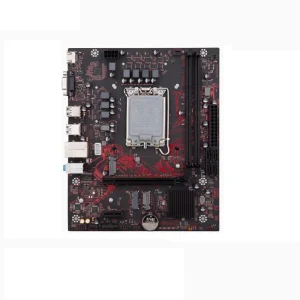
As the digital landscape pivots towards high-density workloads, AI modeling, and edge computing, the demands on underlying physical components—from DRAM storage densities to liquid CPU cooling capacities—have surged.
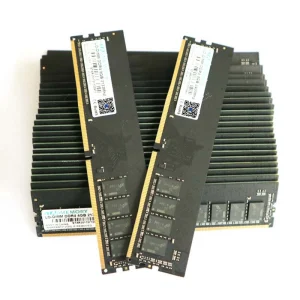
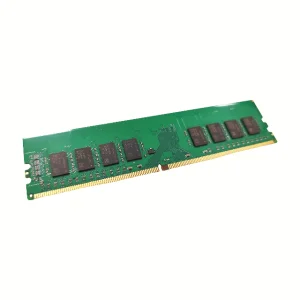
Transitioning from legacy DDR3 to state-of-the-art DDR5 platforms represents more than a speed increase; it constitutes a complete architectural overhaul. DDR5 introduces On-Die ECC (Error Correction Code) and integrated PMICs (Power Management Integrated Circuits) onto the memory module itself, driving low signal attenuation and supreme thermal efficiencies.
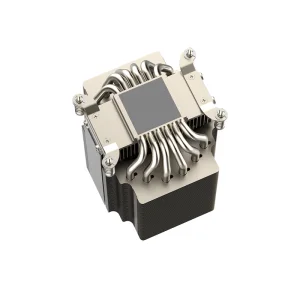
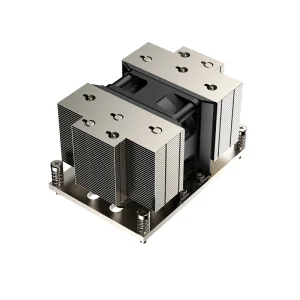
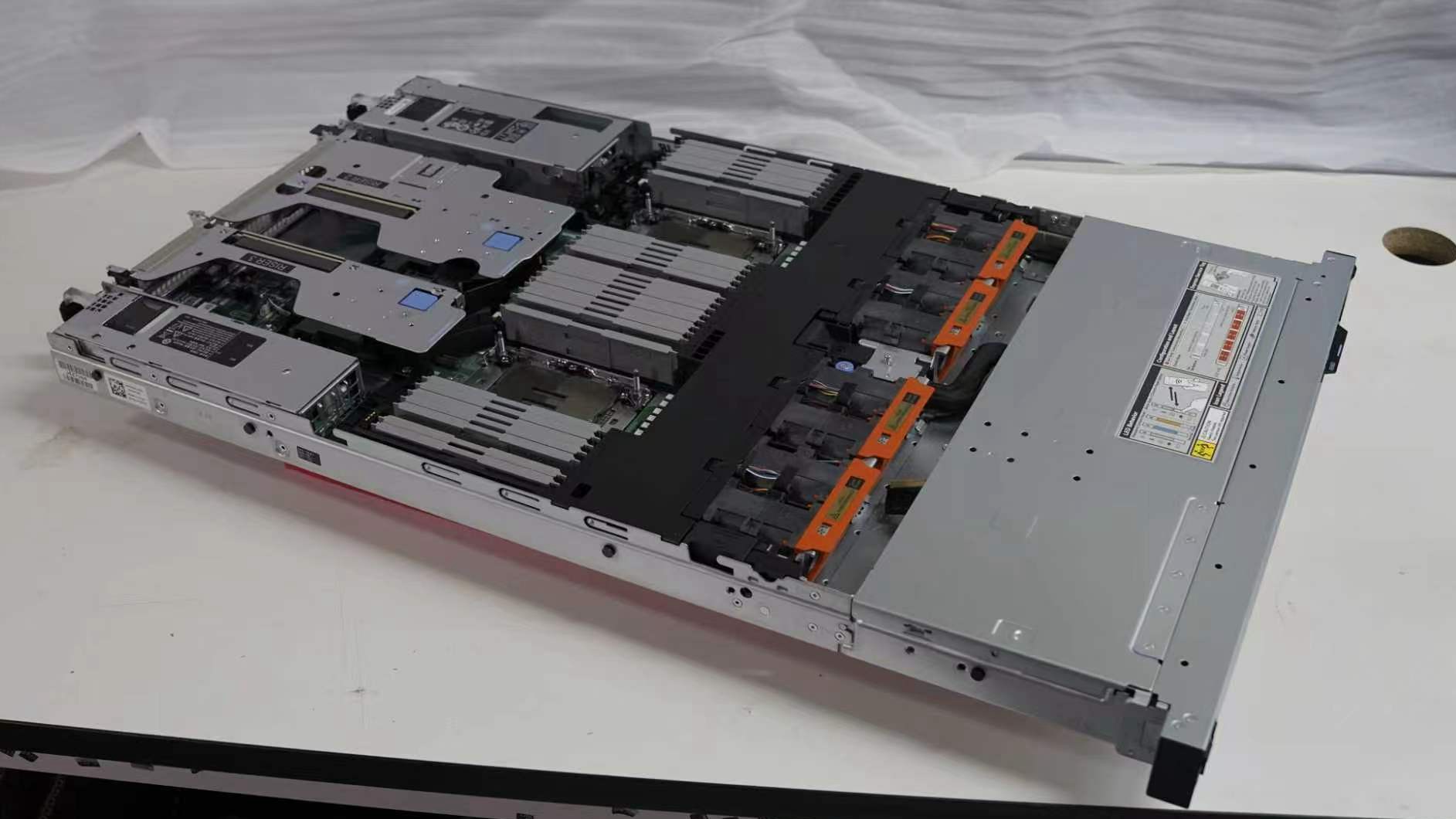
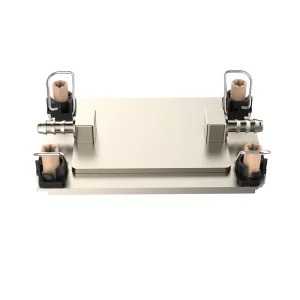
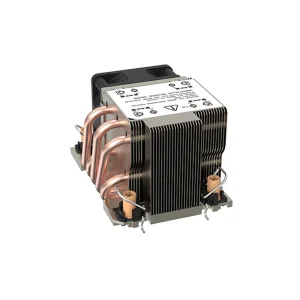
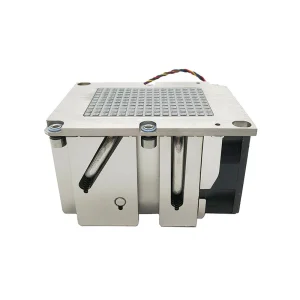
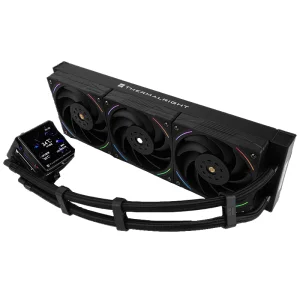
Today’s CPUs (e.g., LGA4677 and AMD SP5) operate under extreme thermal profiles, with TDP ratings exceeding 350-400W. Advanced thermal structures, including multi-channel active/passive liquid blocks and multi-heatpipe arrays with vapor chambers, are essential. They eliminate local hot spots and guarantee continuous processor performance.
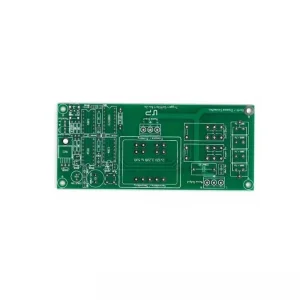
Miniaturization of modern devices relies heavily on multi-layer Flexible PCBs (FPC) and high-density surface mount technologies (SMT). Precision-engineered flex modules enable routing in tight spatial configurations, drastically lowering parasite resistance and dielectric loss in communication nodes.
Shenzhen represents the epicenter of global electronic component engineering, linking basic raw silicon directly with end-user customized boards in record lead times.
In the procurement of electronic hardware components, localized design adaptation dictates reliability. Whether deploying Server Heatsinks in cloud compute hubs or implementing DDR4/DDR5 high-frequency modules within automated production lines, each element must match the structural and electric parameters of the target environment.
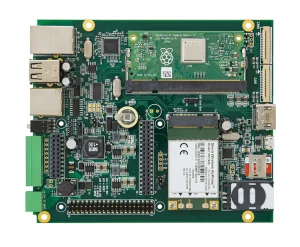
For industrial operations, systems like Raspberry Pi ODM industrial control board and custom PCBA modules form the central nervous system. These units handle extreme temperature variances, physical shocks, and electromagnetic interference. Utilizing robust copper/aluminum composites ensures thermal pathways operate reliably over prolonged lifespans.
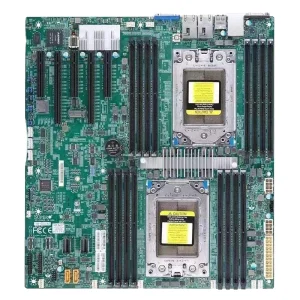
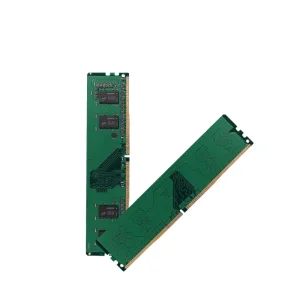
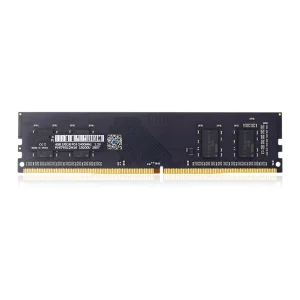
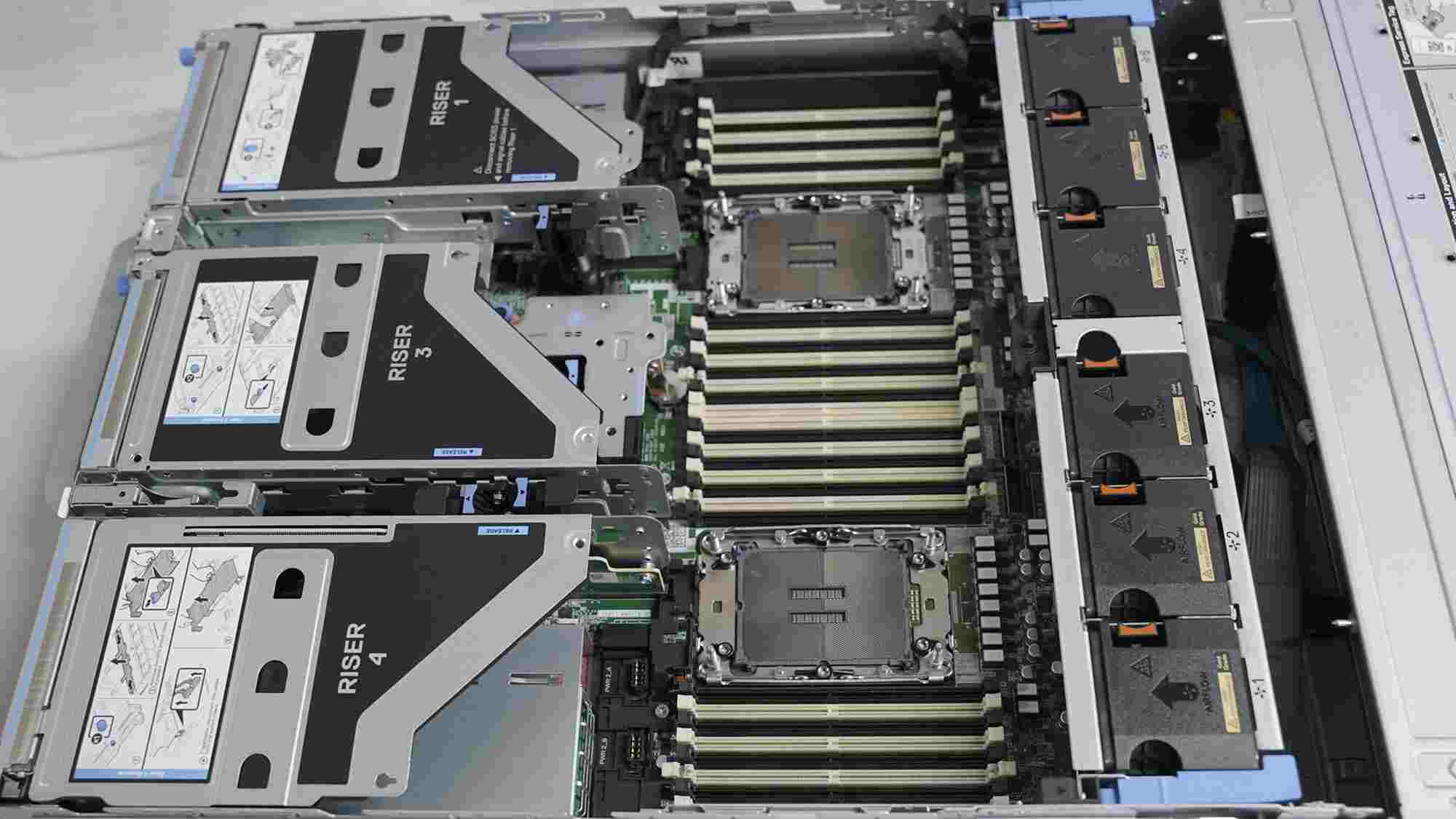
Hyperscale computing infrastructures demand custom multi-layer PCBs and optimized memory layouts. Dual-channel server motherboards operating with massive data arrays require DDR5 memory sticks designed to mitigate crosstalk and JEDEC timing fluctuations.
Velmix Technology Co., Ltd. is a professional DDR5 memory manufacturer based in Shenzhen, China, specializing in the research, development, production, and global distribution of high-performance DRAM memory solutions. Since its establishment in 2017, Velmix has been committed to delivering reliable, high-speed memory products for consumer electronics, industrial applications, gaming systems, servers, and embedded computing.
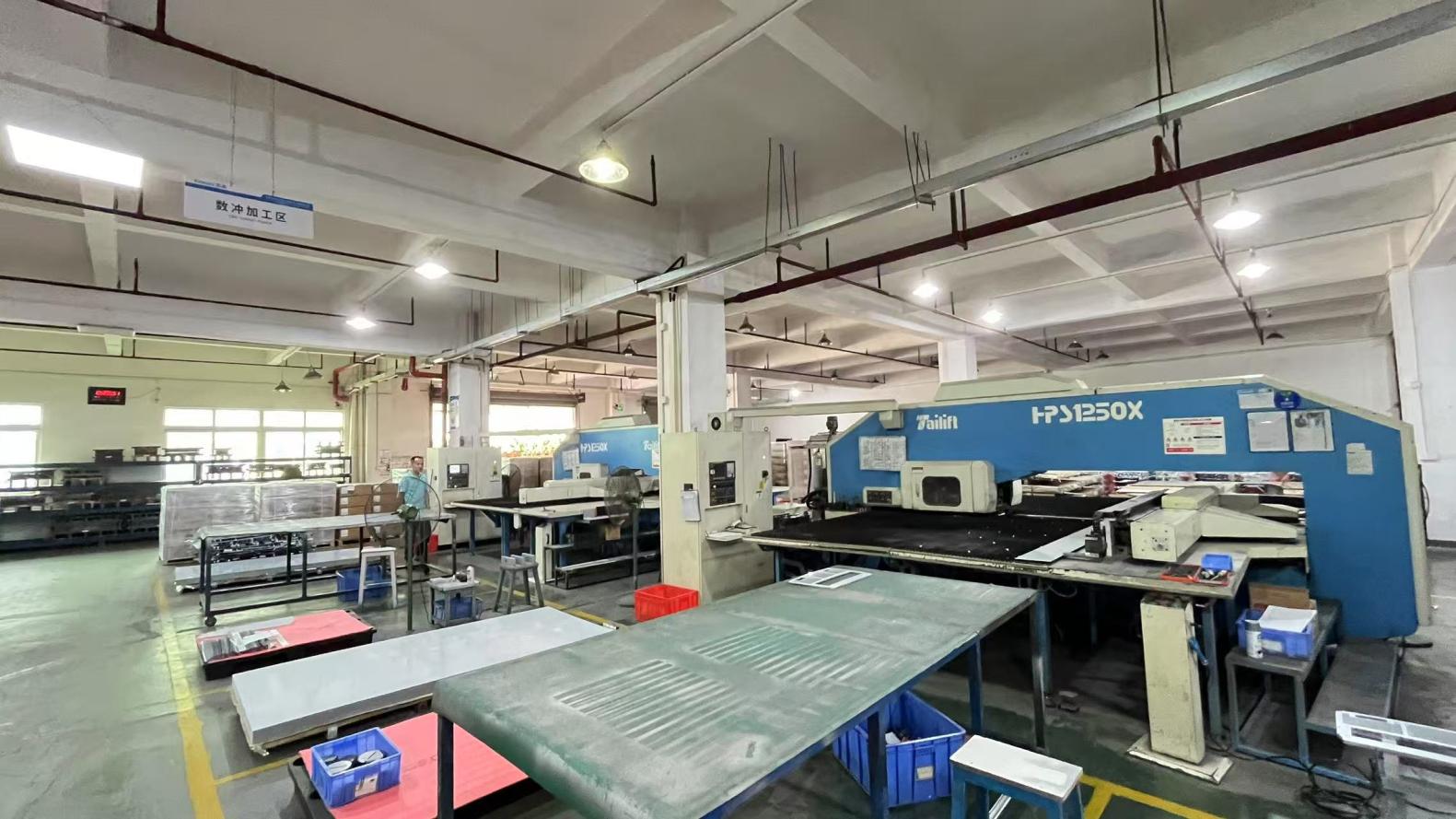
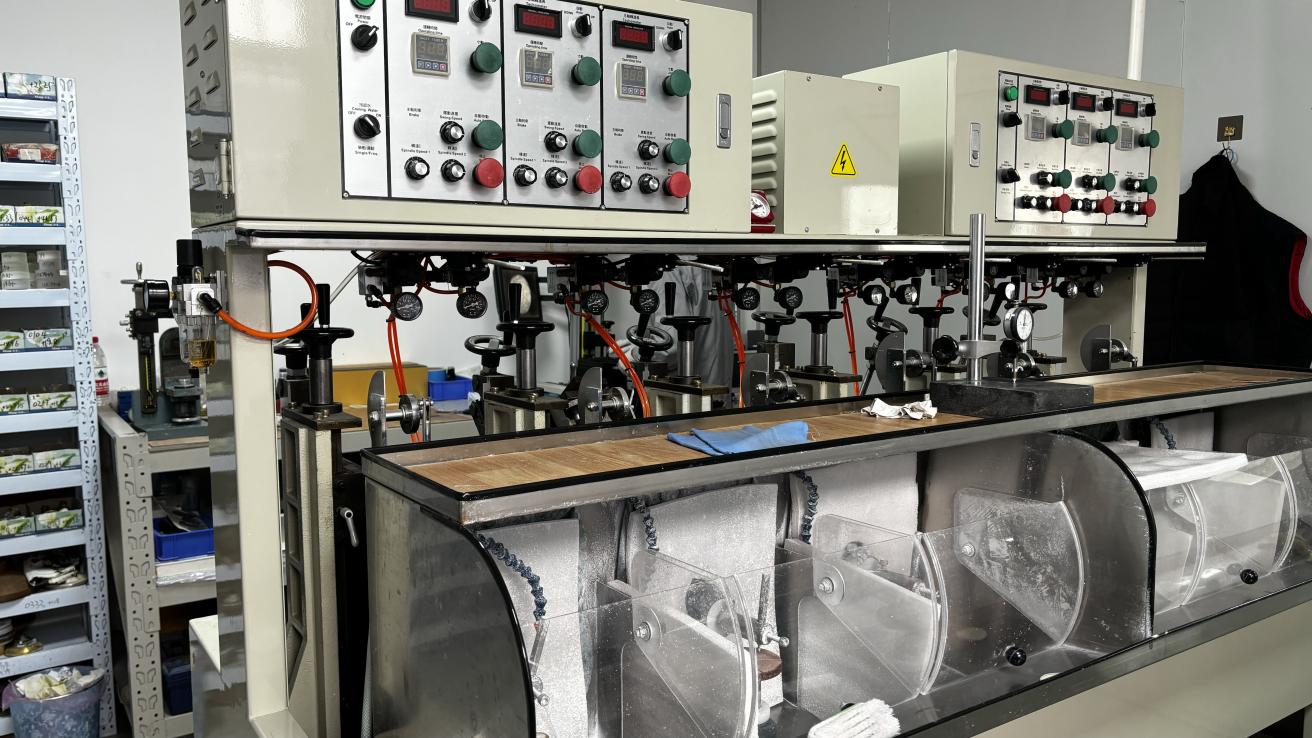
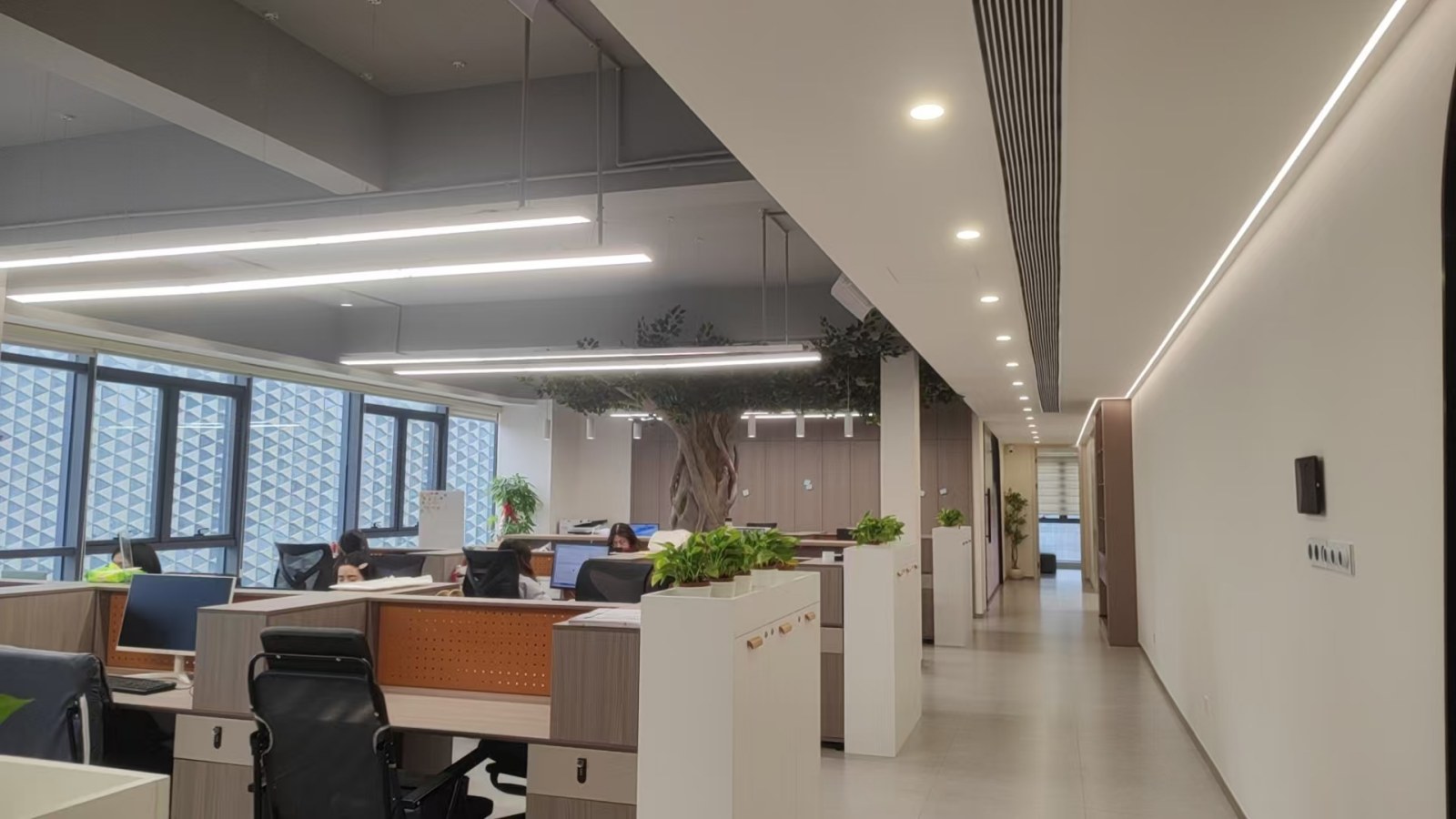
Operating from a modern manufacturing facility covering 368㎡, we combine advanced production technologies with strict quality management to ensure every memory module meets international performance and reliability standards. Our experienced engineering team continuously develops innovative DDR5 memory solutions to meet the evolving demands of AI computing, edge devices, cloud infrastructure, and next-generation computing platforms.
Today, Velmix serves customers in more than 40 countries and regions, offering flexible OEM and ODM manufacturing services for global brands, distributors, system integrators, and industrial equipment manufacturers. By focusing on product consistency, fast delivery, and technical innovation, we have built long-term partnerships across Europe, North America, Southeast Asia, and the Middle East.
| Item | Information |
|---|---|
| Company Name | Velmix Technology Co., Ltd. |
| Established | 2017 |
| Facility Area | 368㎡ |
| Annual Export Revenue | USD 18.6 Million |
| Export Experience | 8 Years |
| Industry Experience | 15 Years |
| Quality Control | 100% Full Inspection Before Shipment |
| Product Inspection Methods | Signal Integrity Test, Burn-in Test, Compatibility Test, Functional Test & Random Sampling |
| QC Staff | 56 Employees |
| Business Type | Manufacturer & Exporter |
| Main Markets | North America, Europe, Southeast Asia, Middle East & South America |
| Supply Chain Partners | 986+ |
| Main Customer Types | Brand Owners, OEM Manufacturers, System Integrators, Distributors & Wholesalers |
| R&D Capability | Independent Product Design, PCB Development & Firmware Optimization |
| Customization Options | OEM, ODM, Private Label, Customized Capacity, Heat Spreader, PCB Color & Packaging |
| New Products Launched Last Year | 138 Models |
| R&D Engineers | 84 Engineers |
Driven by innovation, precision manufacturing, and customer-oriented service, Velmix continues to expand its portfolio of DDR5 memory products while helping global partners build faster, more reliable, and more efficient computing systems. We are dedicated to becoming a trusted long-term supplier of premium memory solutions for customers worldwide.
Get authoritative answers to critical engineering, manufacturing capacity, and deployment inquiries regarding global active and passive electronic components.
High TDP processors process colossal datasets for machine learning and virtualization, emitting substantial localized heat. Sockets like LGA4677 and AMD SP5 require advanced CPU coolers (such as integrated liquid systems and copper fin heat sinks) to prevent thermal throttling. Operating a processor below its critical threshold maintains peak clock rates and preserves the system's operational lifespan.
Shenzhen hubs merge close supplier proximity with extensive engineering expertise. This integration allows manufacturers to source grade-A DRAM dies, construct high-performance multi-layer PCBs, and implement advanced SMT assembly under one roof. Consequently, global buyers benefit from shortened R&D cycles, customized packaging, and optimized logistics.
Memory modules must handle varied workload pressures without data corruption. Implementing 100% full inspection methodologies—combining Signal Integrity Tests, Burn-in Tests, Compatibility Tests, and Functional Tests—filters out marginal ICs early. This quality control ensures that RAM modules maintain system stability in commercial PCs, gaming rigs, and enterprise servers.
Flexible PCBs (FPC) allow engineers to design 3D electronic packaging by bending and folding pathways into confined enclosures. This reduces overall device weight, eliminates physical wire harnesses, and minimizes connection failure points. As a result, FPCs are vital for modern thin keyboards, mobile devices, and aerospace systems.
 Velmix