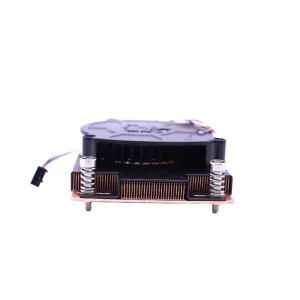
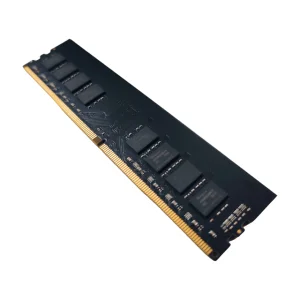
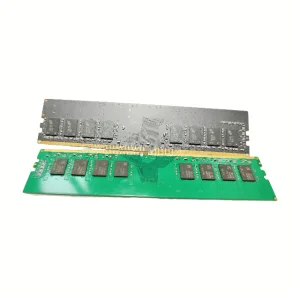
Enterprise-grade server cooling, high-frequency memory arrays, and power electronics components
Establishing advanced benchmark manufacturing standards in Shenzhen for the international high-tech market
Velmix Technology Co., Ltd. is a professional DDR5 memory manufacturer based in Shenzhen, China, specializing in the research, development, production, and global distribution of high-performance DRAM memory solutions. Since its establishment in 2017, Velmix has been committed to delivering reliable, high-speed memory products for consumer electronics, industrial applications, gaming systems, servers, and embedded computing.
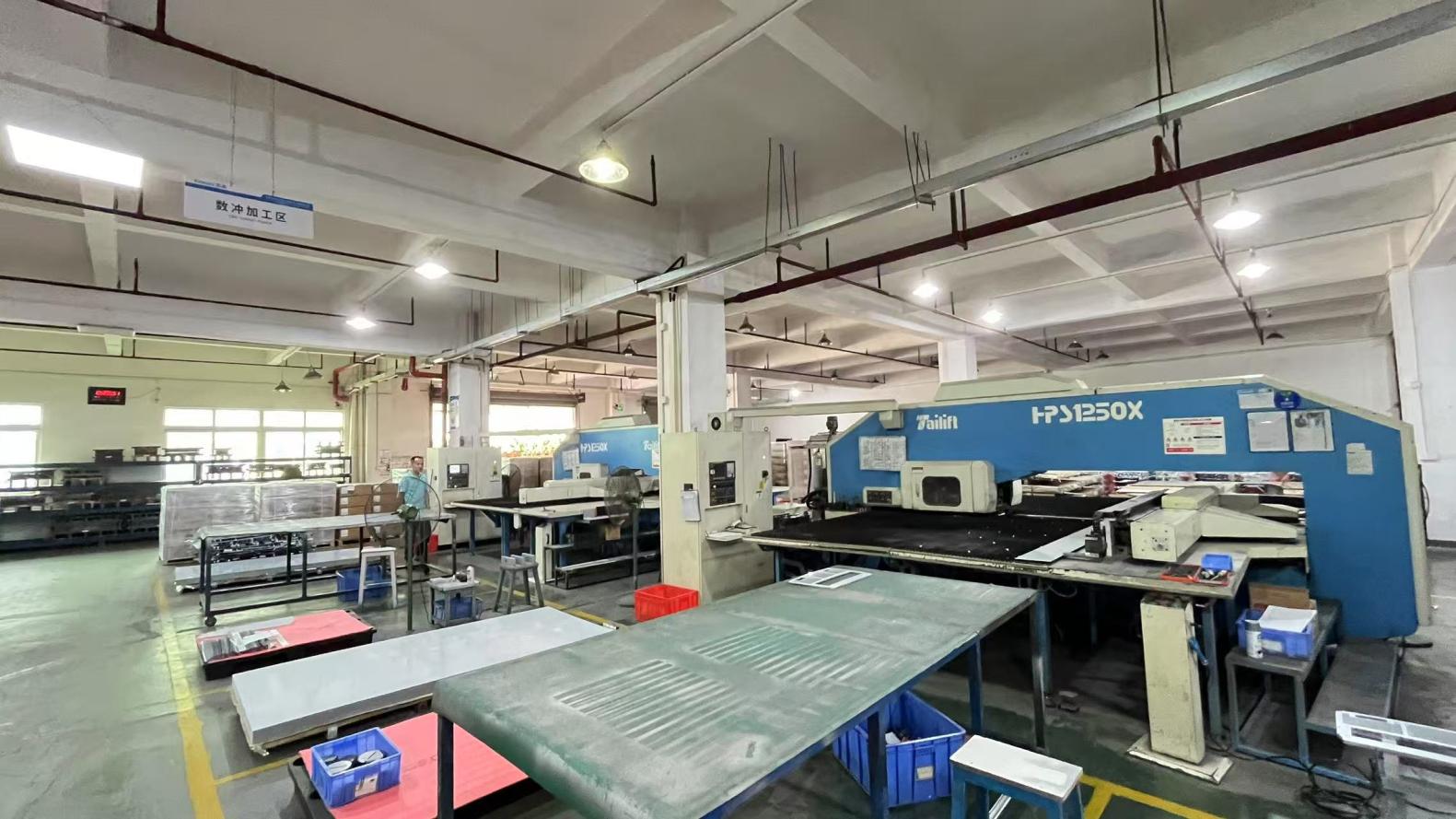
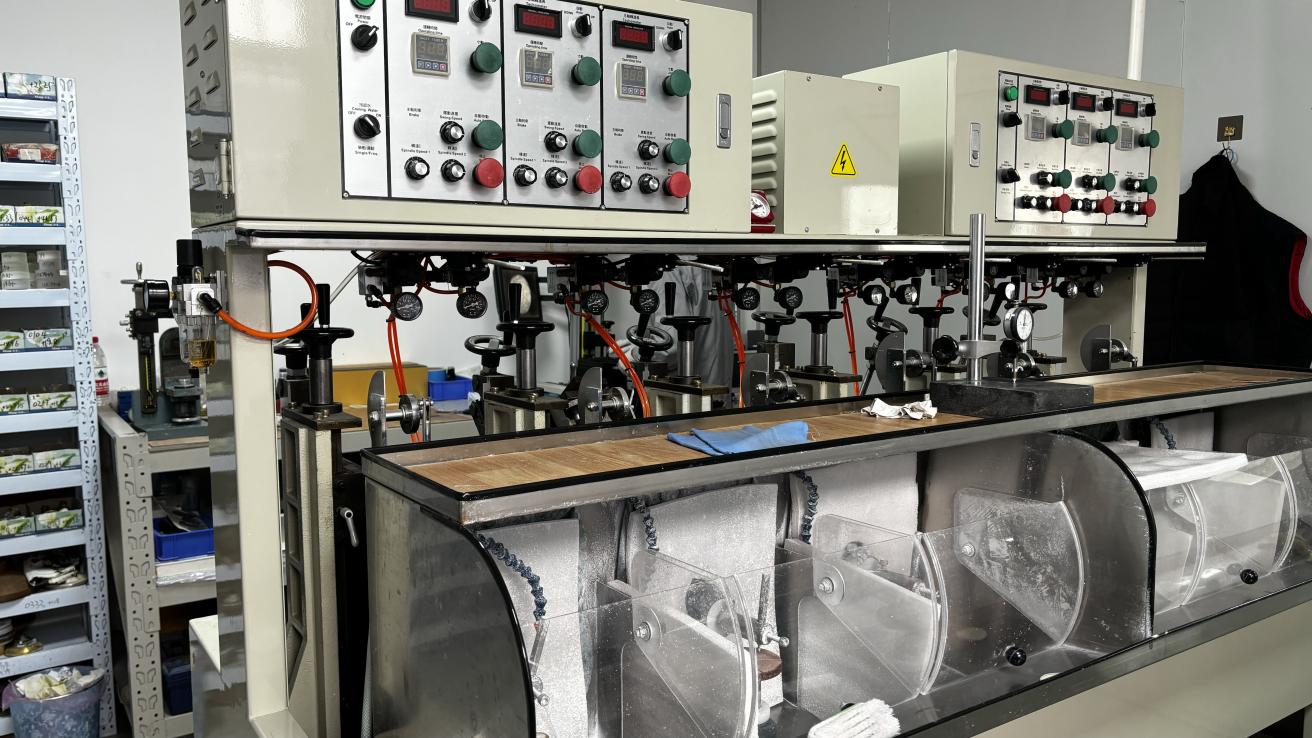
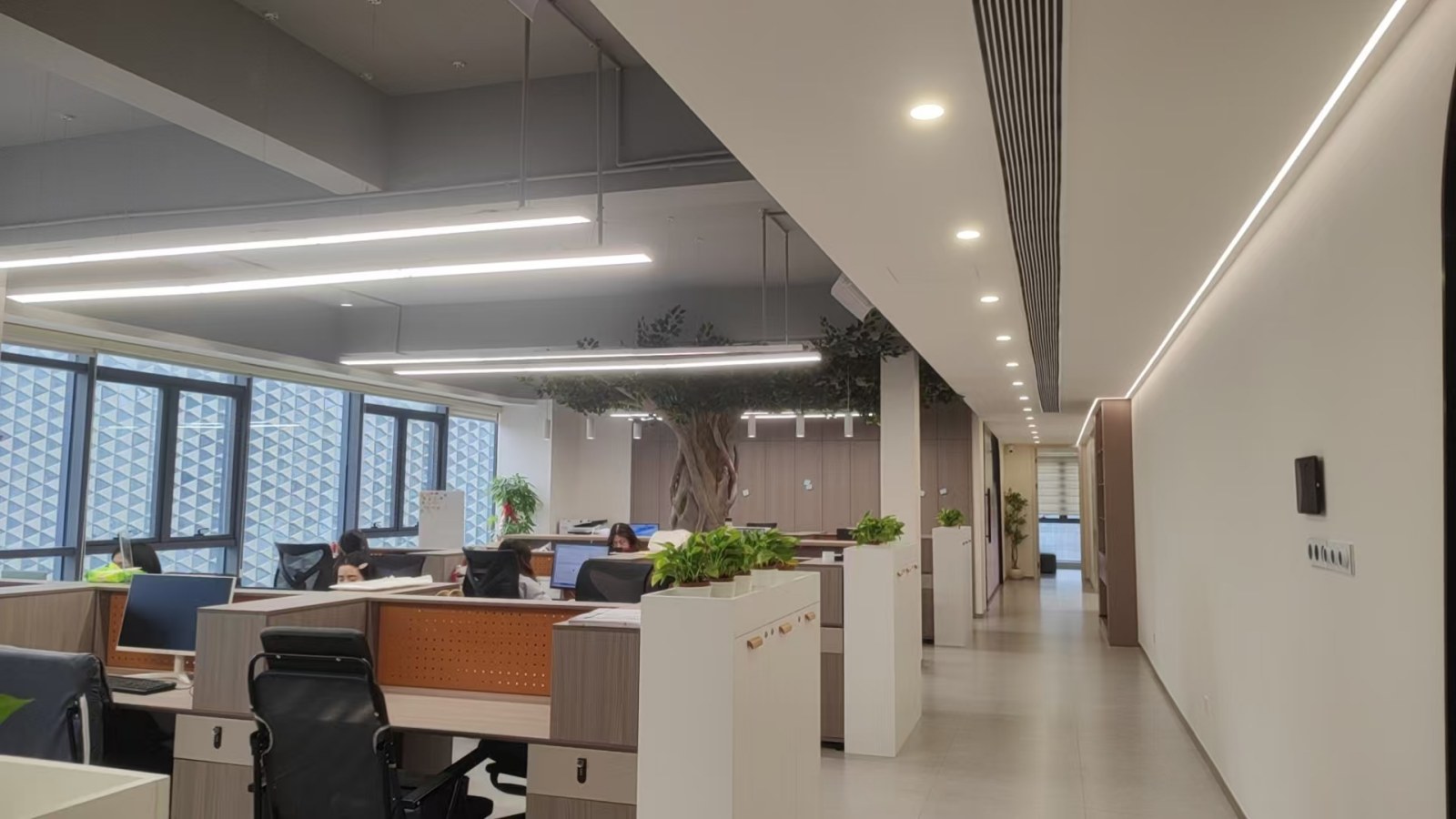
Operating from a modern manufacturing facility covering 368㎡, we combine advanced production technologies with strict quality management to ensure every memory module meets international performance and reliability standards. Our experienced engineering team continuously develops innovative DDR5 memory solutions to meet the evolving demands of AI computing, edge devices, cloud infrastructure, and next-generation computing platforms.
Today, Velmix serves customers in more than 40 countries and regions, offering flexible OEM and ODM manufacturing services for global brands, distributors, system integrators, and industrial equipment manufacturers. By focusing on product consistency, fast delivery, and technical innovation, we have built long-term partnerships across Europe, North America, Southeast Asia, and the Middle East. Driven by innovation, precision manufacturing, and customer-oriented service, Velmix continues to expand its portfolio of DDR5 memory products while helping global partners build faster, more reliable, and more efficient computing systems. We are dedicated to becoming a trusted long-term supplier of premium memory solutions for customers worldwide.
| Item | Velmix Operational Standard & Information |
|---|---|
| Company Name | Velmix Technology Co., Ltd. |
| Established | 2017 |
| Facility Area | 368㎡ |
| Annual Export Revenue | USD 18.6 Million |
| Export Experience | 8 Years |
| Industry Experience | 15 Years |
| Quality Control | 100% Full Inspection Before Shipment |
| Product Inspection Methods | Signal Integrity Test, Burn-in Test, Compatibility Test, Functional Test & Random Sampling |
| QC Staff | 56 Employees |
| Business Type | Manufacturer & Exporter |
| Main Markets | North America, Europe, Southeast Asia, Middle East & South America |
| Supply Chain Partners | 986+ |
| Main Customer Types | Brand Owners, OEM Manufacturers, System Integrators, Distributors & Wholesalers |
| R&D Capability | Independent Product Design, PCB Development & Firmware Optimization |
| Customization Options | OEM, ODM, Private Label, Customized Capacity, Heat Spreader, PCB Color & Packaging |
| New Products Launched Last Year | 138 Models |
| R&D Engineers | 84 Engineers |
Analyzing high-reliability procurement trends across enterprise servers, industrial computing, and telecom hubs
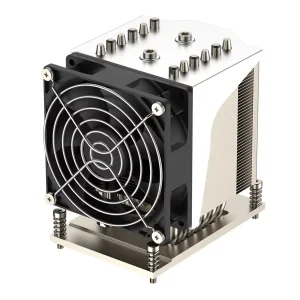
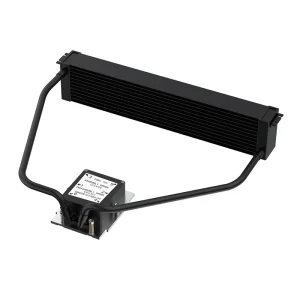
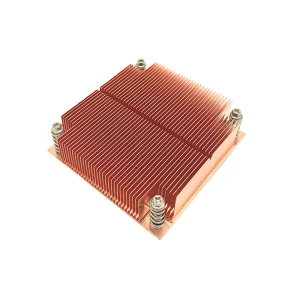
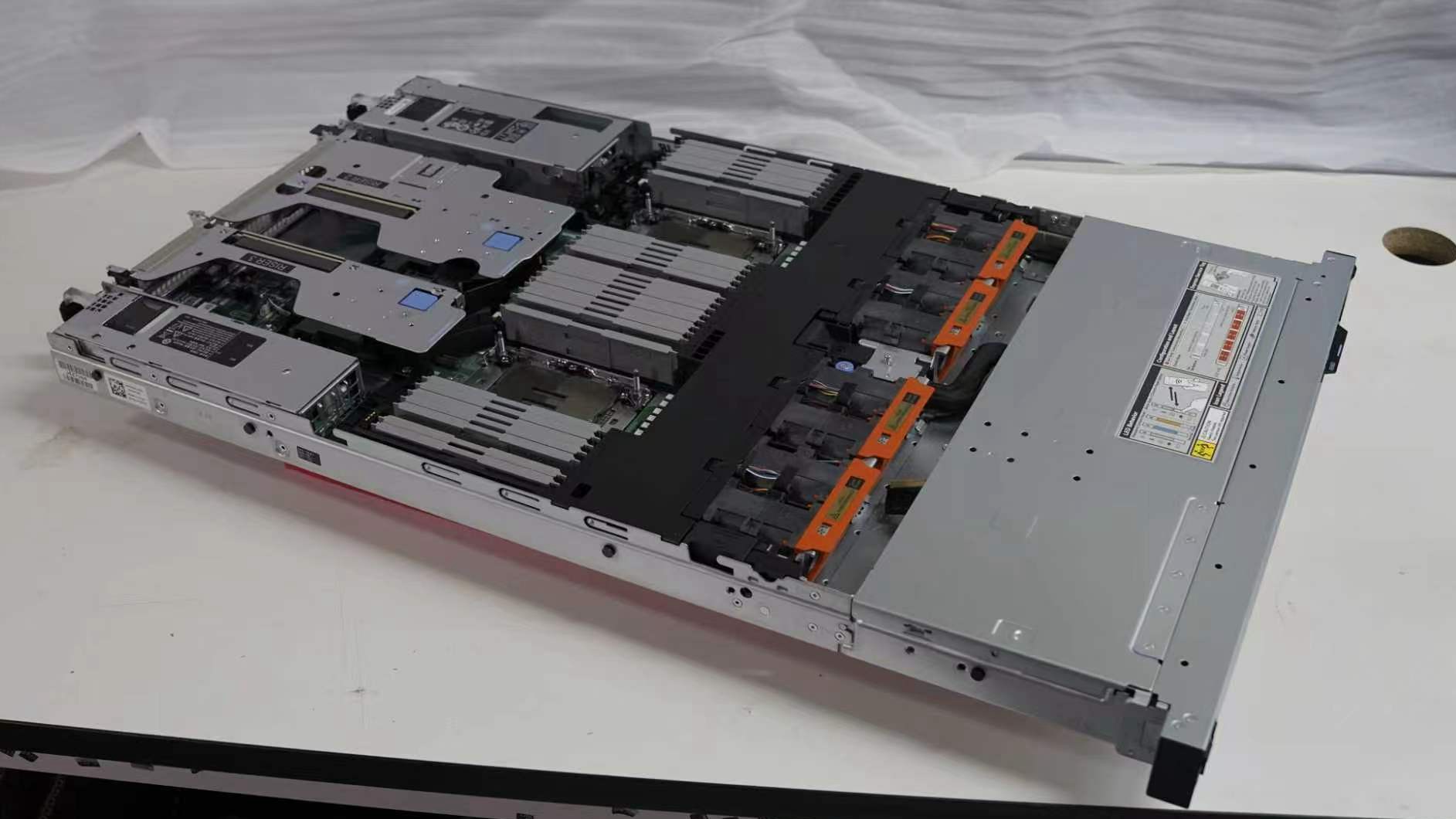
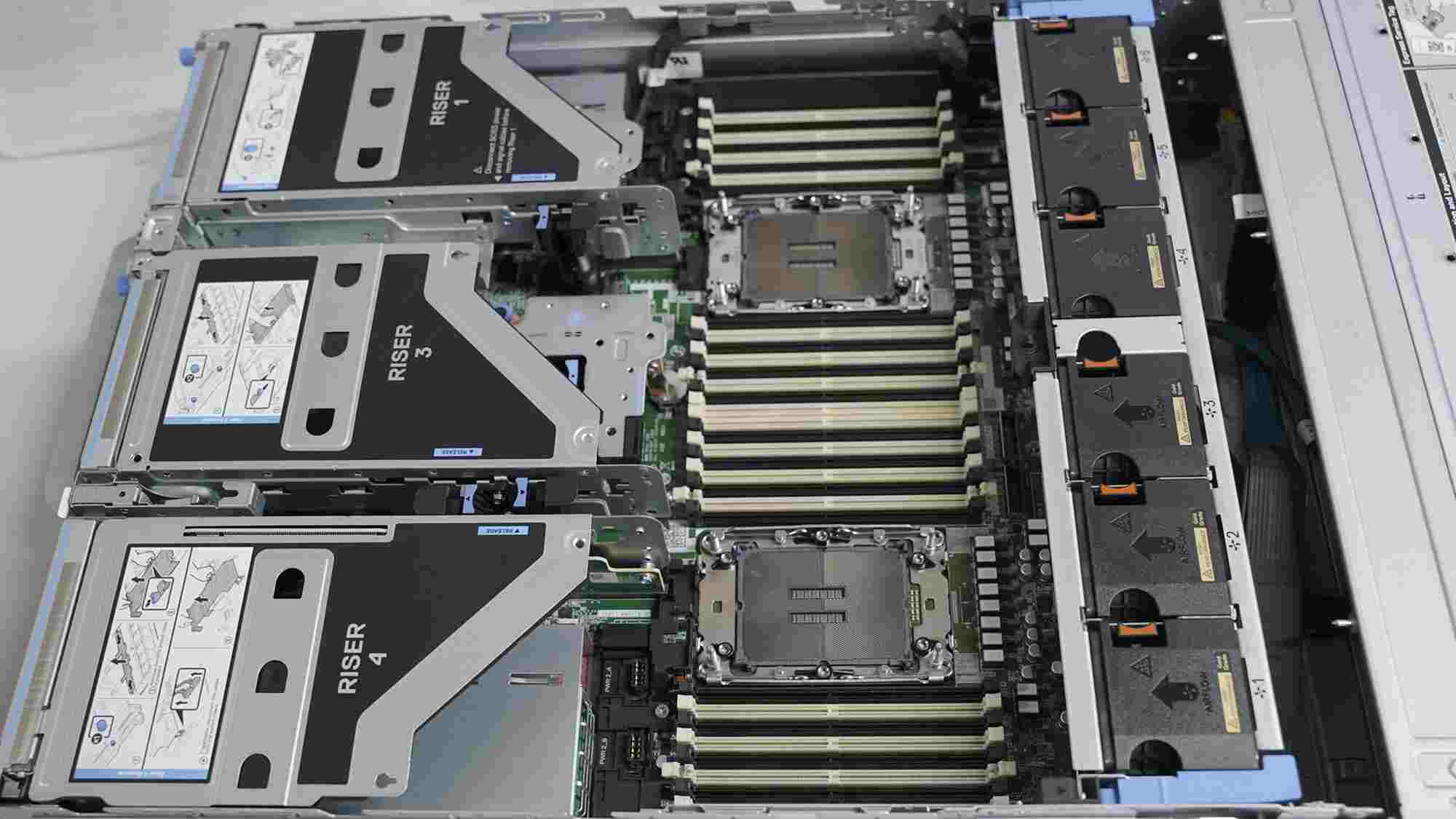
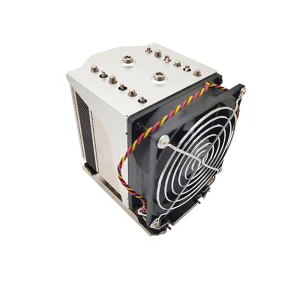
Modern data centers handling high-performance AI workloads rely on high-capacity server heat sinks (e.g., LGA4926, SP5, LGA4189) with thermal design power (TDP) tolerances exceeding 300W. Passive and active water-cooled loop configurations are necessary to sustain system efficiency and eliminate CPU throttling.
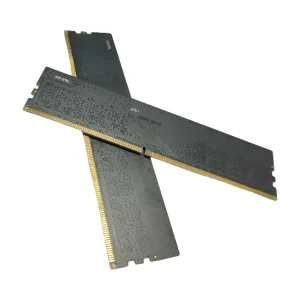
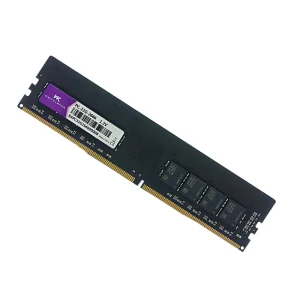
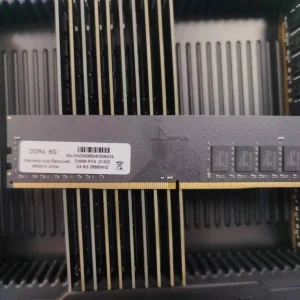
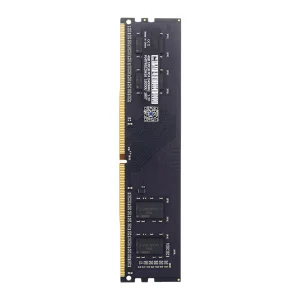
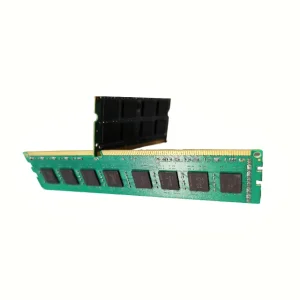
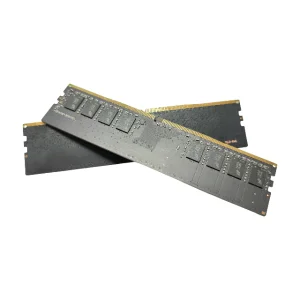
Global systems demand robust server and desktop memory configurations. The transition from DDR4 ECC to high-density DDR5 technology requires precise PCB routing, signal integrity compliance, and stringent timing verification to eliminate memory-bus failures under compute-heavy cycles.
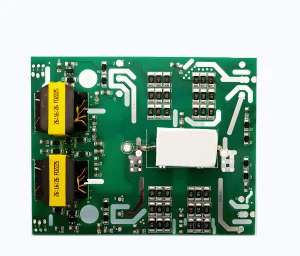
Rugged operations like welding machinery power supplies require stable driver cards (e.g., ZX7-315 IGBT drivers). Sourcing targets components with superior thermal resistance, vibration-isolated mounting layouts, and robust overcurrent protection circuits to survive harsh field settings.
Synergistic integration of memory bandwidth, board designs, and thermodynamics for continuous industrial operations
Industrial ecosystems require an integrated approach to electronics development. Fast memory processing generates localized heat. Inadequate dissipation causes component degradation and signal distortion. Thus, modern electromechanical setups combine high-bandwidth DRAM modules, thermal management systems, and well-designed PCBs into a unified design architecture.
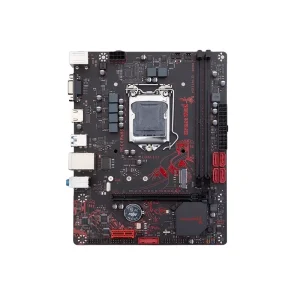
With CPU architectures using up to 1151 pins (like H311M-G configurations) and large LGA frameworks, thermal margins are increasingly narrow. Integrating multi-heatpipe, vapor-chamber-backed air coolers or localized water loops directly prevents heat accumulation at the processor die, ensuring stable computing outputs.
Heavy duty systems like IGBT inverter units depend on signal-correct drivers that handle wide voltage ranges. Our partners select specialized PCBs that control parasitic inductances, assuring reliable IGBT gating even in electrically noisy settings.
Bridging the gap between current electromechanical layouts and next-generation smart factories
Next-generation layouts focus on shifting to on-die ECC architectures and higher frequencies (exceeding 6400MT/s). Incorporating PMICs directly on the memory module reduces mainboard complexity and improves power efficiency.
Traditional copper-bottom cooling structures are moving toward carbon-graphene coatings and phase-change interface matrices. These enhancements significantly lower thermal resistance, supporting stable performance beyond 350W TDP limits.
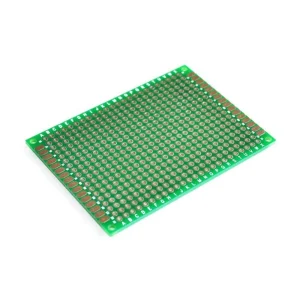
Adhering to RoHS standards and introducing lead-free tin-plating across universal PCB breadboards allows factories to reduce their environmental footprint. Smarter automated optical inspection (AOI) lines quickly verify trace continuity in real time.
Ensuring compliance, signal safety, and reliable hardware logistics
Velmix maintains high standards for international logistics and technical compliance. We conduct 100% full inspections before dispatch, using automated and manual diagnostic procedures to verify hardware durability.
Our quality assurance program includes Signal Integrity Testing to prevent data drops, High-Temperature Burn-in Testing to verify thermal stability, and System Compatibility Diagnostics across various motherboard chipsets. This thorough approach ensures that our RAM modules, custom PCBs, and cooling fan assemblies arrive at your facility ready for immediate integration into your production workflow.
Key technical insights on electromechanical procurement, DRAM configurations, and thermal dissipation solutions
Browse our selection of server-grade thermal interfaces, circuit boards, and memory configurations
 Velmix