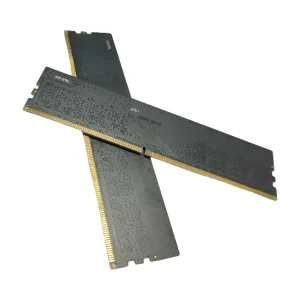
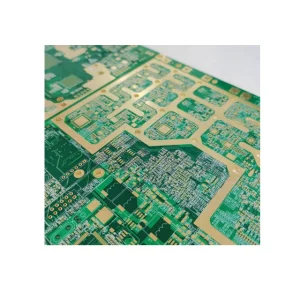
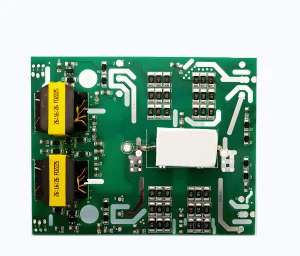
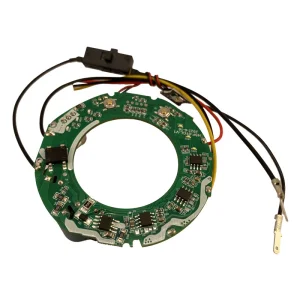
High-performance engineering options including consumer RAM, server ECC modules, thermal controllers, and high-frequency custom PCBs.
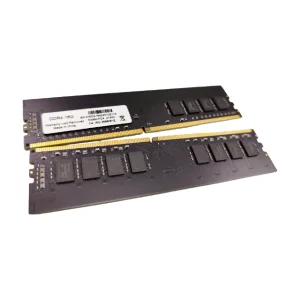
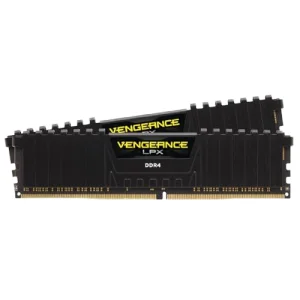
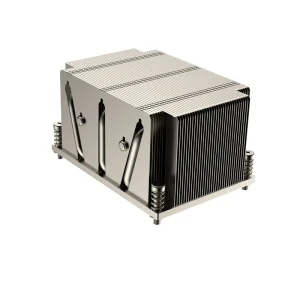
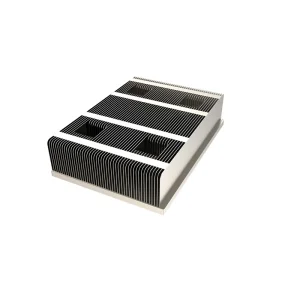
In the hyper-accelerated landscape of artificial intelligence, edge node optimization, and enterprise computing, DRAM memory subsystems remain the ultimate deterministic bottleneck of throughput and operational efficiency. As microprocessors scale in core count, the bandwidth demand per core creates unprecedented challenges for signal integrity, heat dissipation, and error mitigation.
Velmix Technology Co., Ltd. has established itself as an engineering pioneer at the center of this transformation. Since our founding in 2017, we have committed ourselves to translating raw silicon capability into high-reliability memory modules for global systems integrators, hardware brands, and high-frequency computing networks. Located in Shenzhen, China, our specialized manufacturing base merges modern high-speed surface-mount technology (SMT) with rigorous signal analysis paradigms. Underpinned by our 15 years of industry experience, we navigate the complex dynamics of modern memory architectures to deliver performance, consistency, and a highly optimized Total Cost of Ownership (TCO).
The worldwide demand for memory upgrades is no longer driven solely by legacy desktop configurations. Modern enterprise architectures require high-density, multi-channel configurations to satisfy modern workloads. Industry reports indicate that the memory upgrade market is expanding exponentially, propelled by virtualized data centers, high-capacity IoT architectures, and machine learning models operating at the edge.
In the enterprise domain, the transition from DDR4 to DDR5 represents a structural shift. DDR5 implements an on-board Power Management Integrated Circuit (PMIC) and dual 32-bit subchannels, transferring power control from the motherboard to the individual module. This architecture optimizes power consumption and signal efficiency but demands highly precise design and components. Consequently, systems integrators rely on ODM/OEM specialists who can provide customizable PCBs, thermal management modules, and flexible firmware engineering to bypass standard supply constraints.
Simultaneously, industrial ecosystems demand rigorous component longevity. From defense systems, transportation matrices, to automated assembly environments, memory modules must withstand extreme temperatures, voltage variations, and vibrational stress. Velmix bridges the gap between mass consumer reliability and high-spec industrial requirements, manufacturing modules built on premium multi-layer PCBs and tested under extensive thermal stress profiles.
Our technical progression tracks the evolving specifications of the JEDEC standards. By offering solutions that span legacy installations to cutting-edge server environments, our product roadmap ensures stable continuity and future-proof scaling.
Maximizing frequency thresholds (1600MHz to 3200MHz) and refining ECC integration for legacy configurations. Developing high-sensitivity PCB layouts (Shengyi TG170, Rogers 4000) to minimize signal loss in mixed-pressure systems.
Deploying high-speed DDR5 modules with on-die ECC and integrated PMIC architectures. Developing compact server configurations and optimized thermal designs (such as copper-aluminum heatsinks for LGA4677 and LGA4926 sockets) to handle the higher heat density of DDR5 modules.
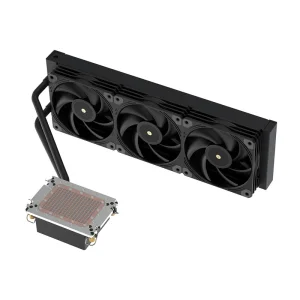
Developing Compute Express Link (CXL) memory expanders to enable high-density memory pooling in cloud data centers. Designing prototypes for DDR6 architectures, focusing on PAM4 signal technology and advanced micro-fluidic/active thermal control assemblies.
Achieving higher bandwidth requires managing elevated thermal profiles. As memory frequencies rise, the thermal output of the DRAM dies increases. To address this, we integrate high-performance heatsinks and develop customized thermal interface materials (TIM). This ensures that modules maintain their peak frequencies without triggering thermal throttling.
We deliver integrated solutions across diverse computing, processing, and manufacturing sectors.
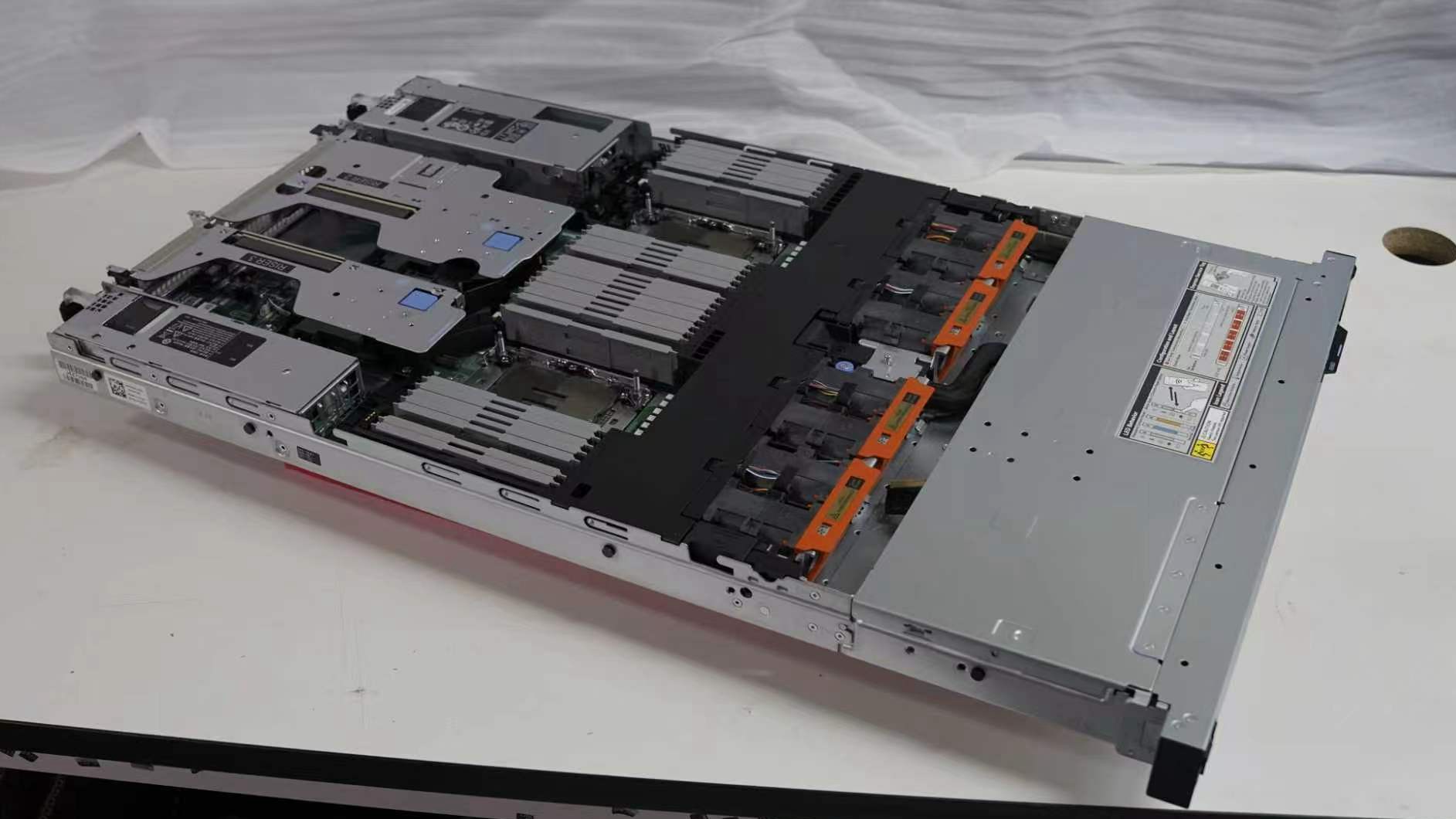
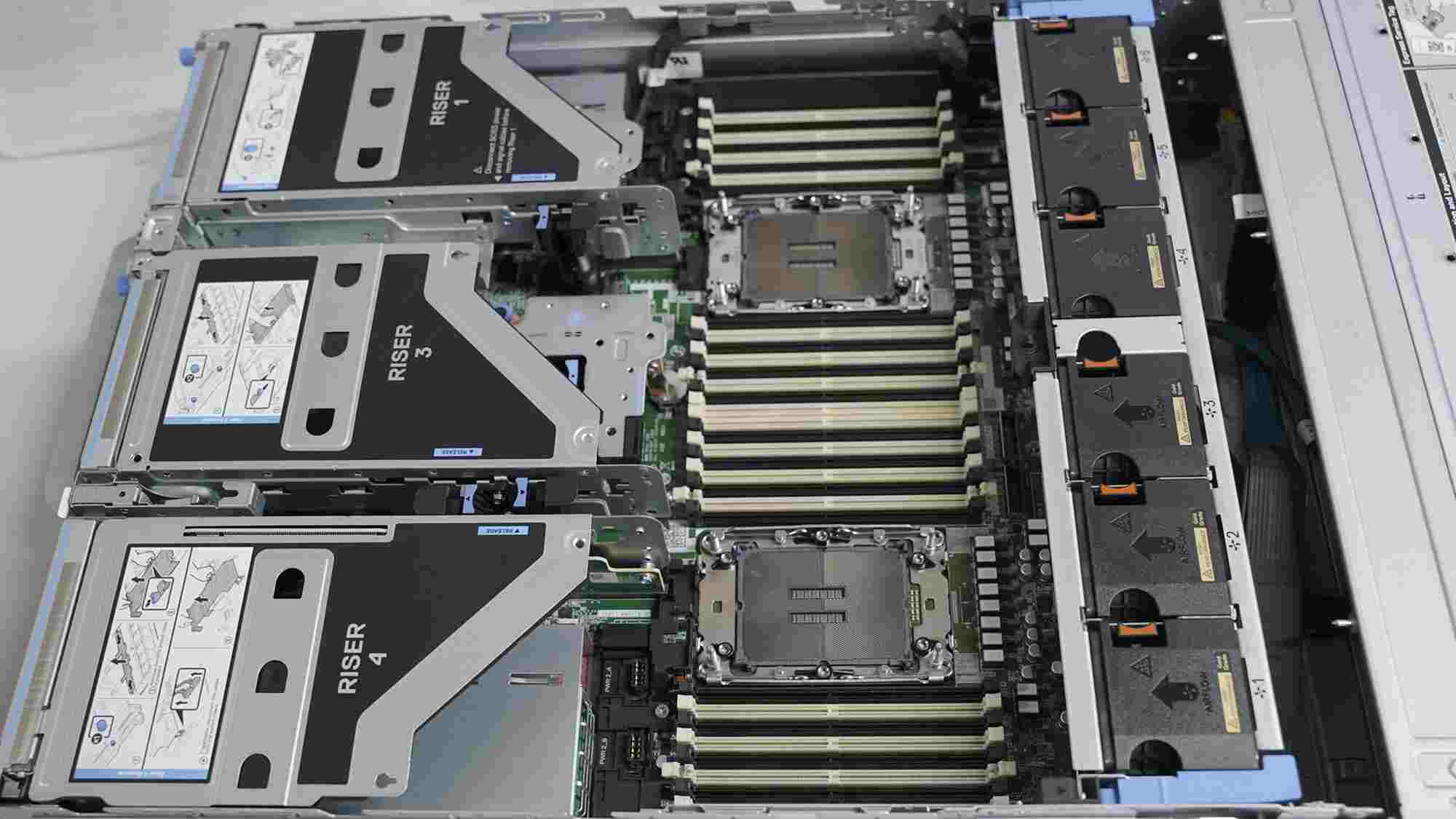
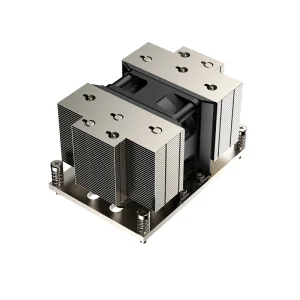
We provide stable ECC memory upgrades alongside custom thermal solutions for high-density rack configurations. Our high-wattage copper-aluminum heat pipe assemblies for LGA4677 and LGA4926 platforms ensure long-term stability under heavy workloads.
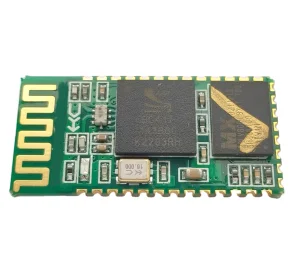
We design and manufacture high-density PCBAs, including high-frequency mixed-pressure boards, driver cards, and precision controllers. These components are built to operate reliably in harsh environments, from industrial welding machinery to advanced sensor systems.
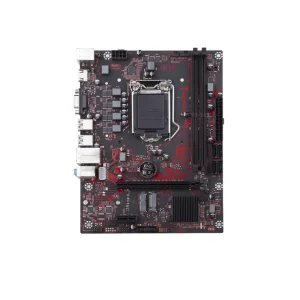
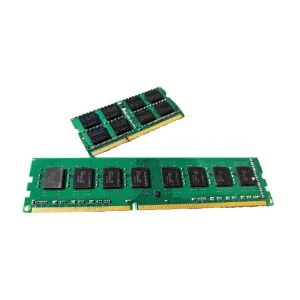
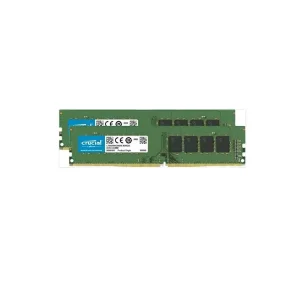
We offer turnkey OEM and ODM services for gaming and office hardware brands. From standard desktop RAM kits to customized Motherboard-CPU bundles, we provide flexible customization options for memory speeds, PCB design, heat spreaders, and retail packaging.
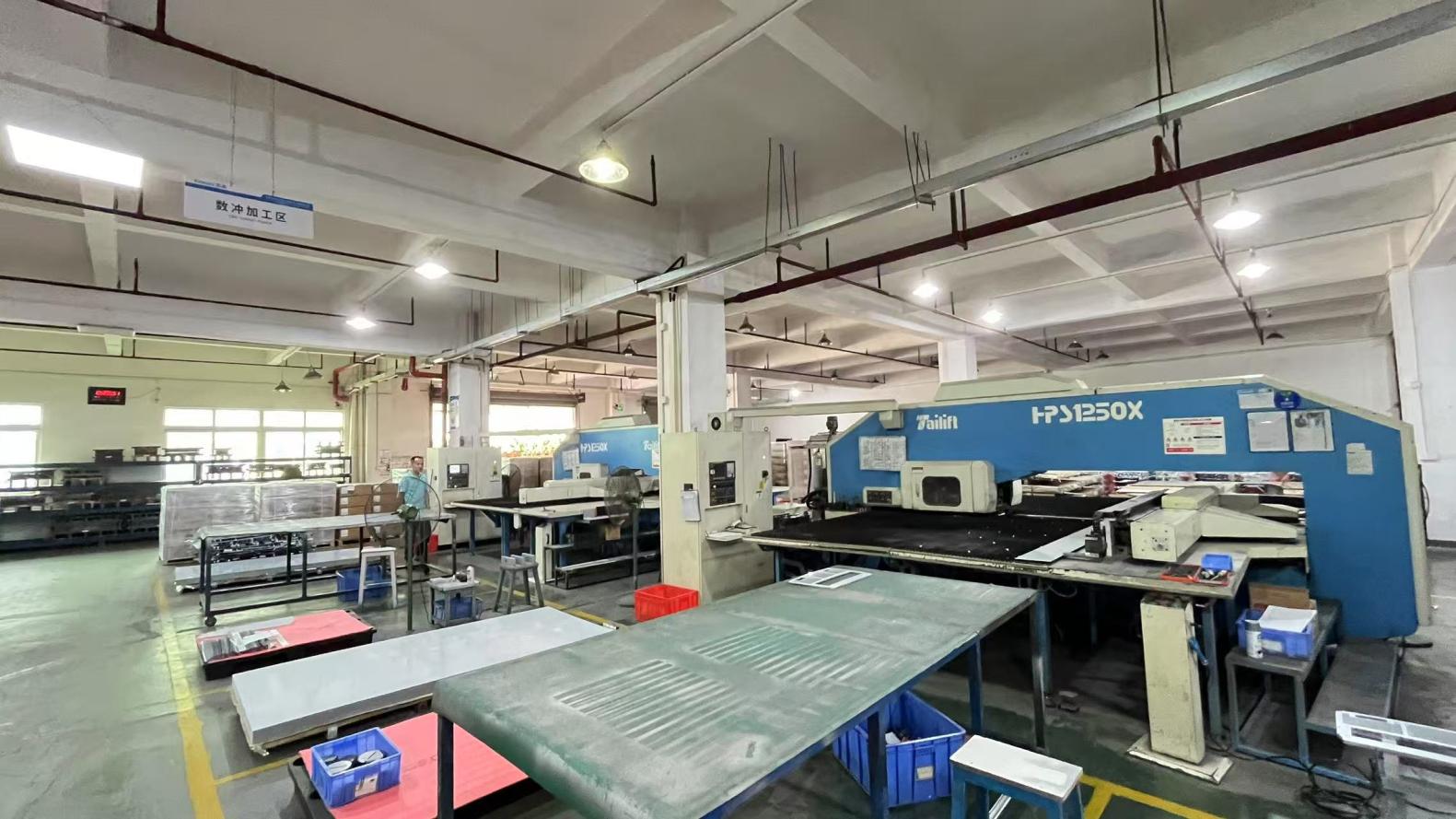
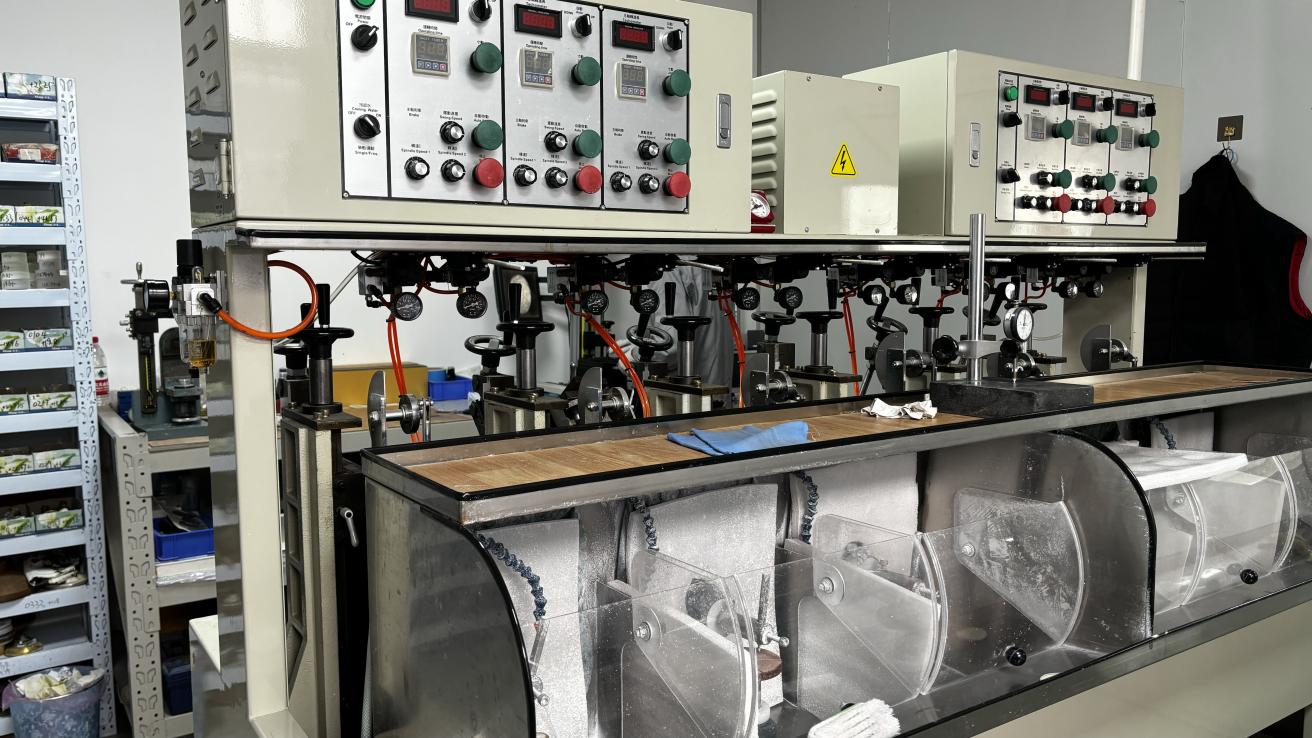
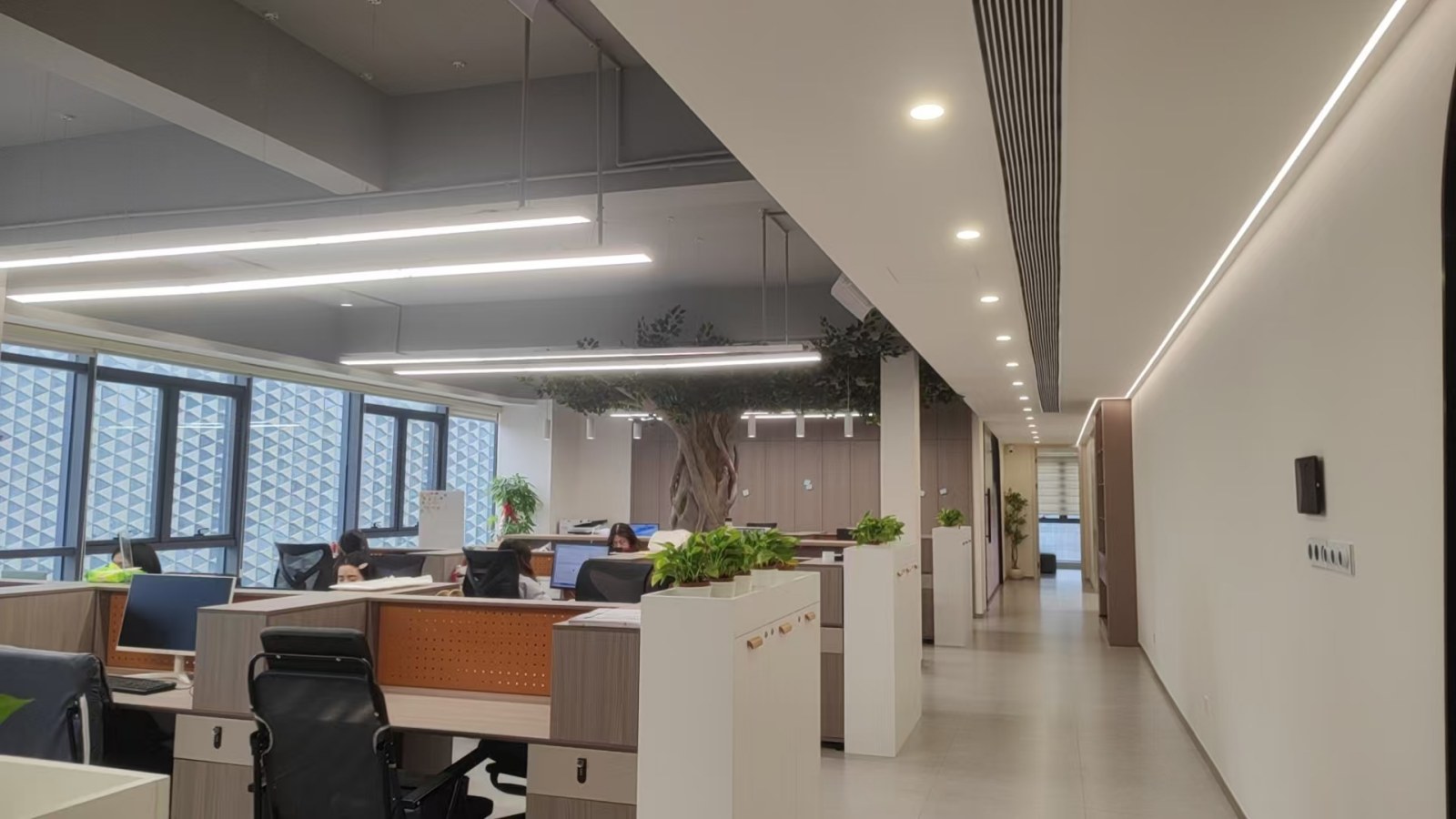
Our 368㎡ facility is optimized for precise, high-yield manufacturing. To ensure signal integrity, every memory module undergoes strict quality testing, including signal integrity testing, burn-in validation under thermal loads, system compatibility checks, and functional diagnostics. Supported by our 56-member Quality Control department, we maintain a 100% full-inspection workflow prior to shipment to ensure consistent reliability.
| Item | Information |
|---|---|
| Company Name | Velmix Technology Co., Ltd. |
| Established | 2017 |
| Facility Area | 368㎡ |
| Annual Export Revenue | USD 18.6 Million |
| Export Experience | 8 Years |
| Industry Experience | 15 Years |
| Quality Control | 100% Full Inspection Before Shipment |
| Product Inspection Methods | Signal Integrity Test, Burn-in Test, Compatibility Test, Functional Test & Random Sampling |
| QC Staff | 56 Employees |
| Business Type | Manufacturer & Exporter |
| Main Markets | North America, Europe, Southeast Asia, Middle East & South America |
| Supply Chain Partners | 986+ |
| Main Customer Types | Brand Owners, OEM Manufacturers, System Integrators, Distributors & Wholesalers |
| R&D Capability | Independent Product Design, PCB Development & Firmware Optimization |
| Customization Options | OEM, ODM, Private Label, Customized Capacity, Heat Spreader, PCB Color & Packaging |
| New Products Launched Last Year | 138 Models |
| R&D Engineers | 84 Engineers |
Our engineering department develops customized solutions tailored to specific platform requirements. We design custom multi-layer PCBs, optimize SPD configurations, and adapt heat spreaders to meet unique mechanical envelopes. This comprehensive engineering approach ensures that our memory modules perform reliably in demanding, high-density applications.
Answers to common technical and architectural questions from our system integrators and OEM/ODM partners.
We utilize high-grade multi-layer PCBs, including high-TG Rogers 4000 and Shengyi FR4 substrate blends. This configuration minimizes signal attenuation and impedance mismatches. Our engineers optimize trace routing to reduce crosstalk, using advanced signal integrity test fixtures to validate margin tolerances across varying temperatures and voltages.
On-die ECC, a standard feature in DDR5, manages bit errors within the physical memory chip to stabilize high-density memory nodes. In contrast, side-band ECC (often used in server environments) utilizes extra DRAM chips on the module to protect data in transit between the CPU and the memory subsystem. We design and manufacture both architectures to support consumer, workstation, and enterprise configurations.
High-performance memory, motherboards, and processors operate in a shared thermal environment. Poor heat management from the CPU can raise ambient case temperatures, leading to thermal throttling in nearby DRAM modules. By designing system-level cooling solutions—such as our LGA4677 and LGA4926 heatsinks—we help partners ensure stable, long-term performance across the entire system.
Yes. We offer customization for the Serial Presence Detect (SPD) EEPROM. This allows partners to define custom profiles for timing parameters, voltages, and startup frequencies, ensuring plug-and-play compatibility with custom or non-standard industrial motherboards.
We perform comprehensive simulations of electromagnetic interference (EMI) and power distribution networks (PDN). Our manufacturing process uses materials with tight control over relative permittivity and dielectric loss tangent, ensuring stable signal transmission for devices operating at high frequencies.
We provide full-spectrum OEM services, including custom heat-spreader designs, anodized finishes, customized capacity limits, private labeling, modified PCB colors, and customized packaging solutions. This allows brand owners to match their visual design language while utilizing our validated internal electronics.
Additional consumer RAM options, enterprise server coolers, specialized industrial PCBs, and control board assemblies.
 Velmix