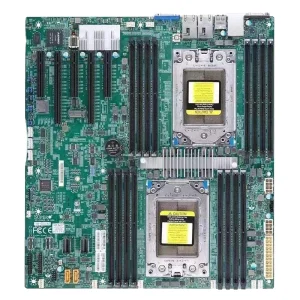
Industrial-grade motherboards, memory components, and assembly prototypes engineered for strict uptime tolerances and high thermal performance.
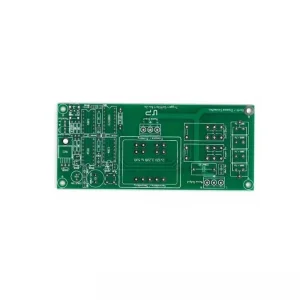
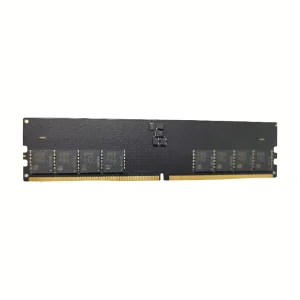
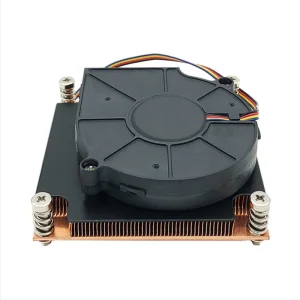
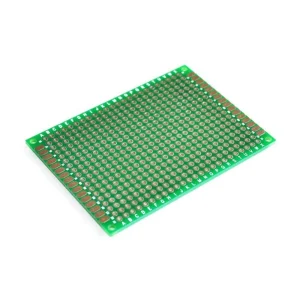
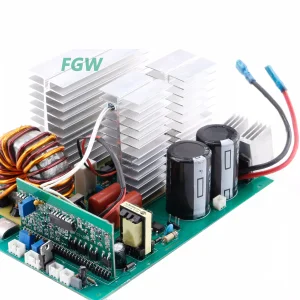
An industry-wide paradigm shift is steering modern embedded architectures away from simple microcontrollers toward heterogeneous computing configurations equipped with NPUs, advanced thermal balancing, and highly-optimized DRAM buses.
Modern embedded nodes combine general-purpose CPUs with custom ARM NPUs and high-density FPGAs to run real-time artificial intelligence inference algorithms directly at the edge, reducing latency and reliance on cloud networks.
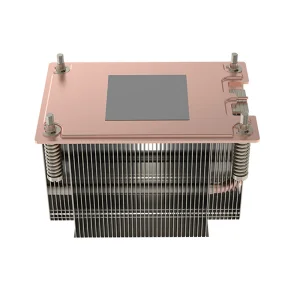
As server chips push beyond 320W and edge devices shrink, thermal systems have transitioned from passive heat sinks to multi-channel copper-aluminum composites and advanced vapor chamber (VC) heat pipes to mitigate thermal throttling.
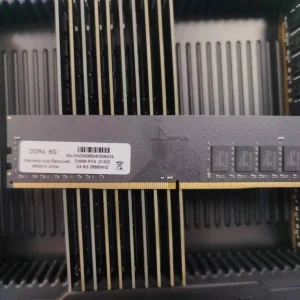
Transitioning from DDR4 to DDR5 at speeds exceeding 6000MHz demands strict board-level signal integrity. PCB designers must balance impedance tolerances within ±5% to prevent high-speed signal reflections.
Ensuring system stability at high clock rates requires meticulous attention to the power delivery network (PDN), decoupling capacitor placement near BGA pins, and structural thermal calculations. Below are key parameters verified on our standard SMT runs:
Velmix Technology Co., Ltd. is a professional DDR5 memory manufacturer based in Shenzhen, China, specializing in the research, development, production, and global distribution of high-performance DRAM memory solutions. Since its establishment in 2017, Velmix has been committed to delivering reliable, high-speed memory products for consumer electronics, industrial applications, gaming systems, servers, and embedded computing.
Operating from a modern manufacturing facility covering 368㎡, we combine advanced production technologies with strict quality management to ensure every memory module meets international performance and reliability standards. Our experienced engineering team continuously develops innovative DDR5 memory solutions to meet the evolving demands of AI computing, edge devices, cloud infrastructure, and next-generation computing platforms.
Today, Velmix serves customers in more than 40 countries and regions, offering flexible OEM and ODM manufacturing services for global brands, distributors, system integrators, and industrial equipment manufacturers. By focusing on product consistency, fast delivery, and technical innovation, we have built long-term partnerships across Europe, North America, Southeast Asia, and the Middle East.
| Item | Information |
|---|---|
| Company Name | Velmix Technology Co., Ltd. |
| Established | 2017 |
| Facility Area | 368㎡ |
| Annual Export Revenue | USD 18.6 Million |
| Export Experience | 8 Years |
| Industry Experience | 15 Years |
| Quality Control | 100% Full Inspection Before Shipment |
| Product Inspection Methods | Signal Integrity Test, Burn-in Test, Compatibility Test, Functional Test & Random Sampling |
| QC Staff | 56 Employees |
| Business Type | Manufacturer & Exporter |
| Main Markets | North America, Europe, Southeast Asia, Middle East & South America |
| Supply Chain Partners | 986+ |
| Main Customer Types | Brand Owners, OEM Manufacturers, System Integrators, Distributors & Wholesalers |
| R&D Capability | Independent Product Design, PCB Development & Firmware Optimization |
| Customization Options | OEM, ODM, Private Label, Customized Capacity, Heat Spreader, PCB Color & Packaging |
| New Products Launched Last Year | 138 Models |
| R&D Engineers | 84 Engineers |
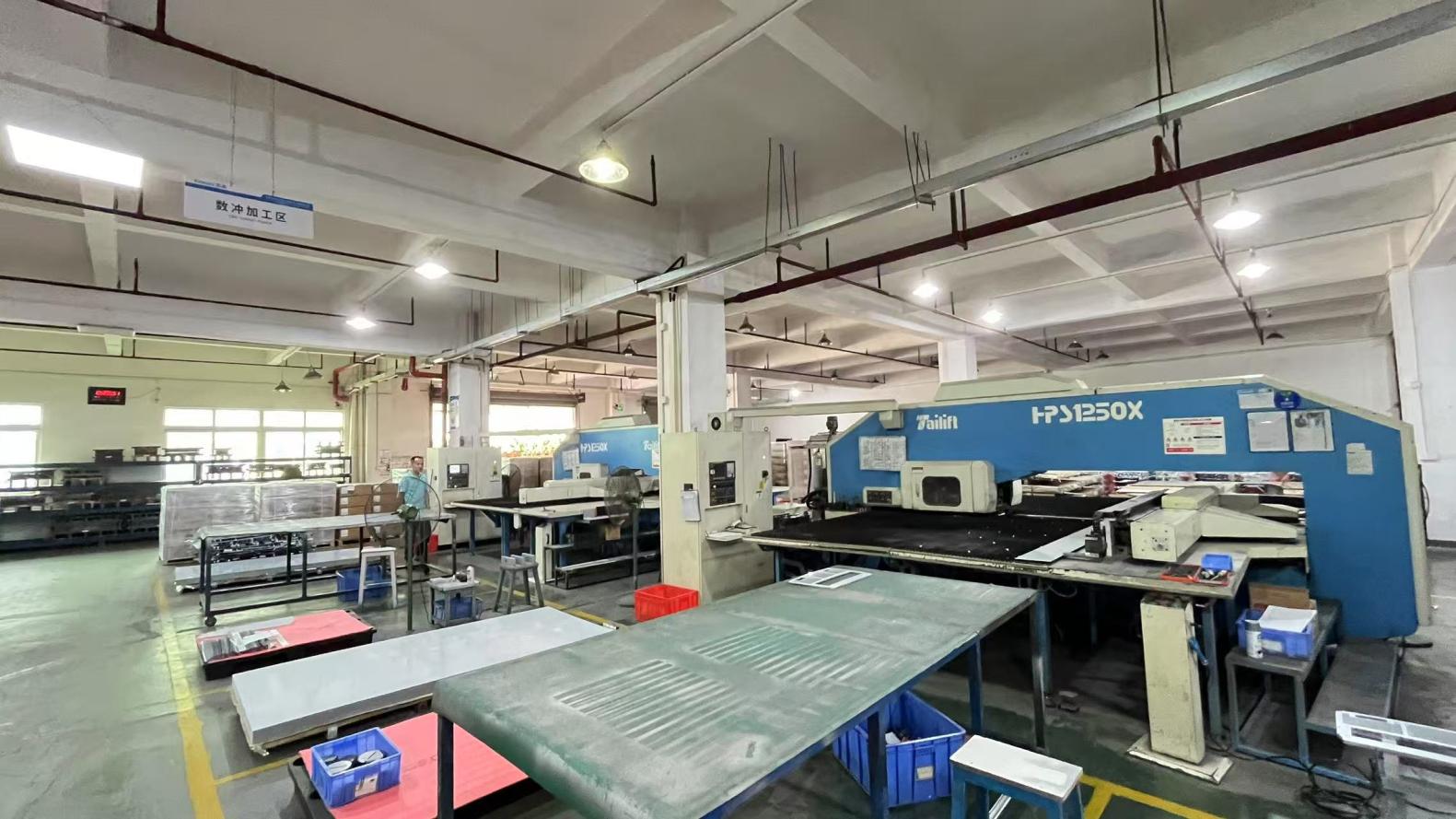
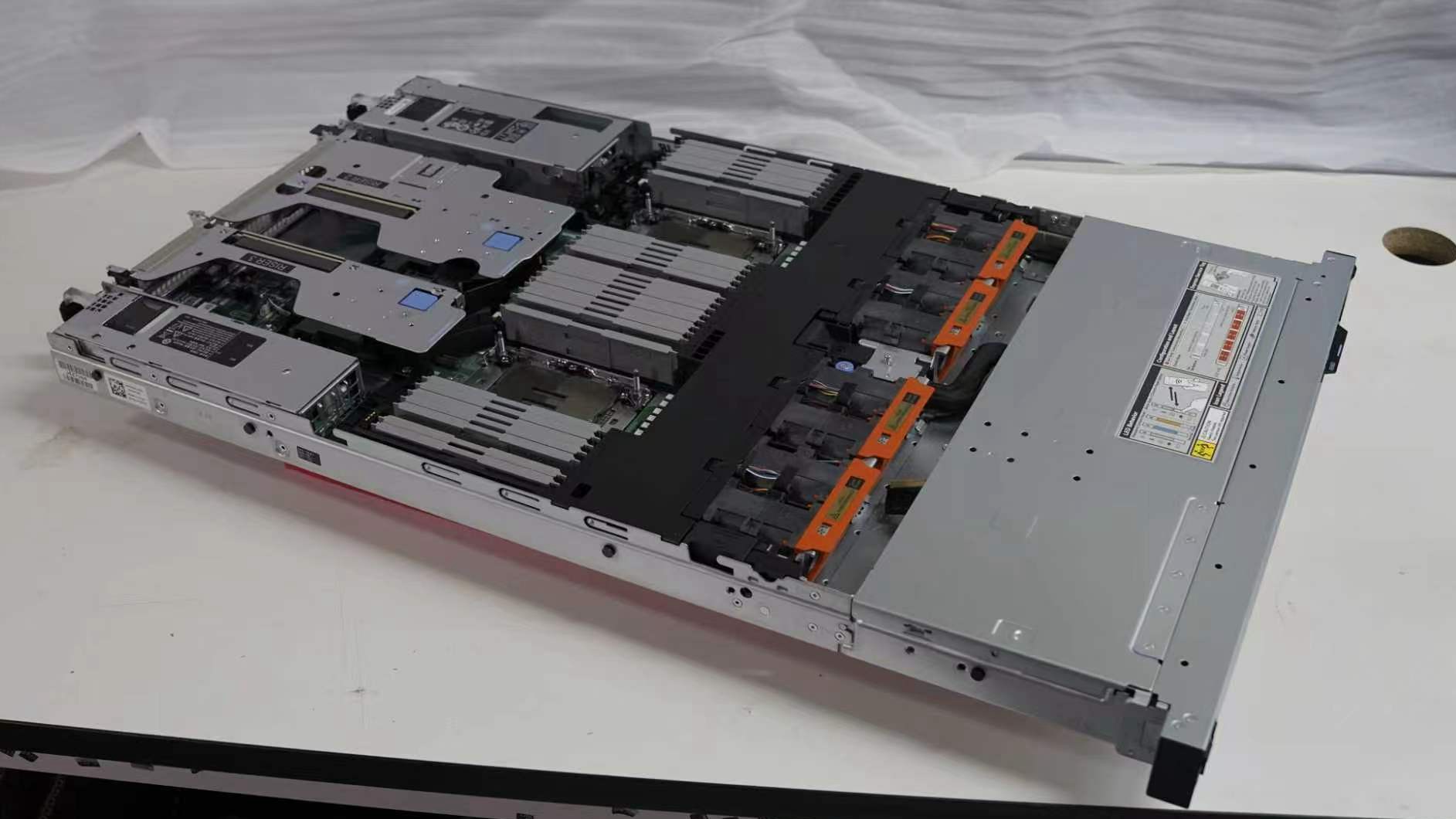
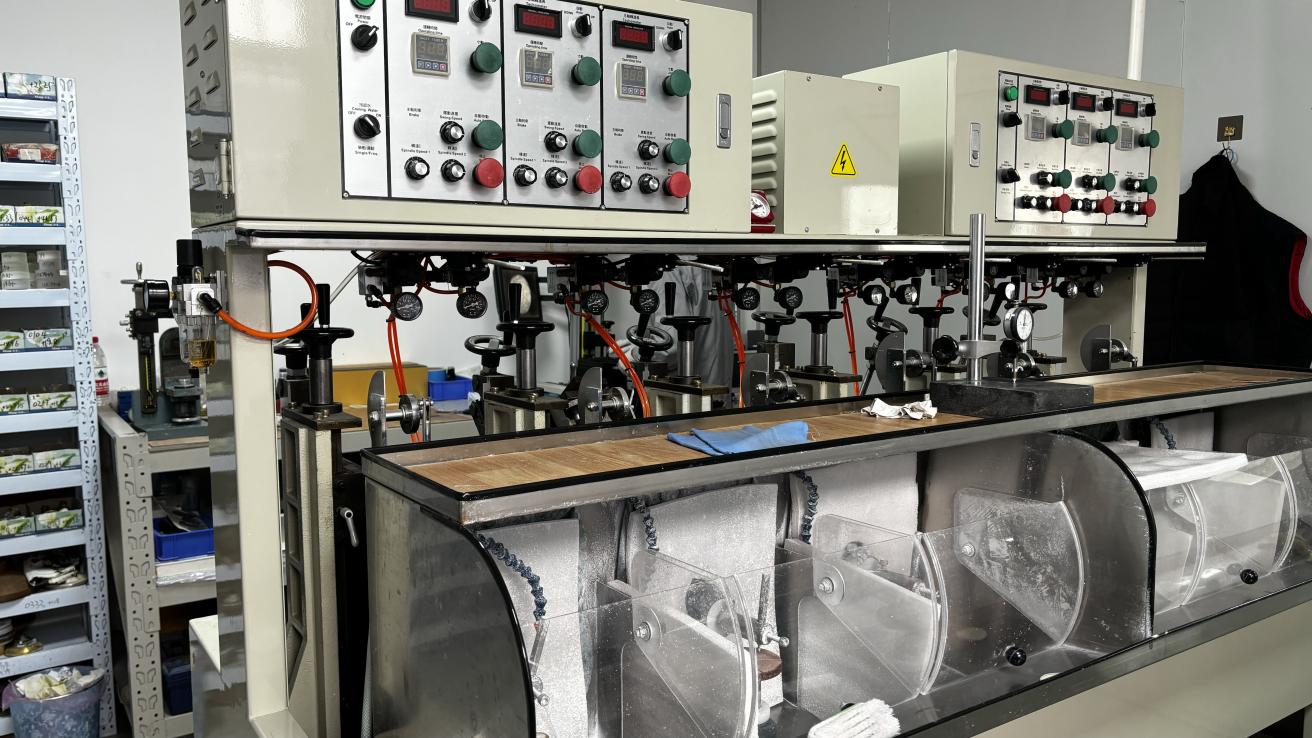
We design and manufacture for the future. Explore our projected milestones for high-speed signal validation, DDR5 module frequency limits, and ARM-based custom edge configurations.
Mass implementation of PMIC (Power Management IC) directly on the PCB layout to optimize power efficiency and bypass traditional motherboard voltage-step limits.
Rollout of proprietary Rockchip RK3588S variations customized with dual 10GbE LAN ports for low-latency industrial gateways and smart city edge processing nodes.
Development of unified active-passive VC plates matching next-gen server sockets (LGA 4677 and AM5), targeting thermal dissipation profiles up to 400W.
Initiating research on high-temperature resistance memory models optimized for automotive telematics systems under the AEC-Q100 standard.
Reliability is a baseline metric, not a value-add. Our quality control architecture is designed to satisfy local regulations across our core export territories.
All exported PCBs, motherboards, and memory modules meet standard restriction of hazardous substances regulations, ensuring low EMI emissions and safe components.
By leveraging high-speed AOI machines on our SMT lines, we inspect solder paste alignment, chip component orientation, and BGA solder bridges automatically before reflow ovens.
To eliminate infant mortality rates of silicon components, all industrial motherboards and DDR RAM batches undergo thermal chamber burn-in testing up to 8 hours under peak loads.
Technical breakdowns and clear answers addressing common purchasing, engineering, and supply chain queries.
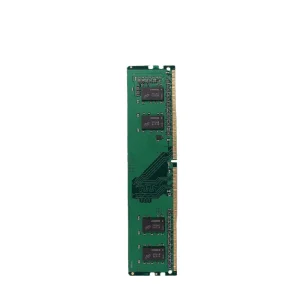
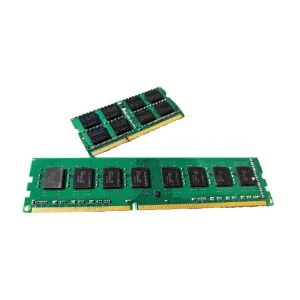
DDR5 operates at higher speeds and lower voltage (1.1V vs 1.2V in DDR4), which narrows noise margins. Velmix tests DDR5 under signal integrity simulators and monitors on-die ECC functionality to verify real-time bit correction is stable under varying thermal loads.
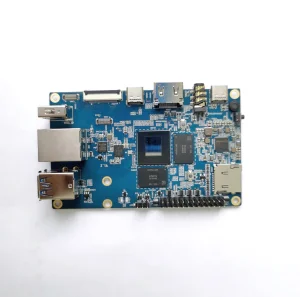
Yes, we support full ODM services for RK3588S. This includes board dimension changes, restructuring the physical layout of interfaces (e.g., HDMI, USB 3.0, PCIe channels), and customizing NPU clock limits via custom Android/Linux kernel builds.
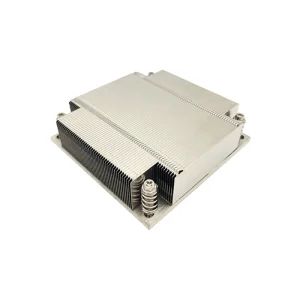
Yes. The hot-selling LGA4189-N96 model employs high-density copper fins soldered directly to vapor chambers with embedded heat pipes. This design minimizes internal thermal resistance to less than 0.12°C/W, supporting continuous operations of high-performance server processors without thermal throttling.
For basic double-sided prototypes, we complete board fabrication and surface mounting within 5 to 7 business days. For multi-layer complex server and inverter PCB designs, turnaround varies from 10 to 15 days, depending on components and sourcing channels.
We maintain an extensive in-house hardware compatibility test bench that includes the latest consumer (Intel LGA1700, AMD AM5) and enterprise chipsets (Intel Xeon, AMD EPYC). We run memory stress programs to verify that the modules' SPD data auto-configures correctly across different BIOS/UEFI revisions.
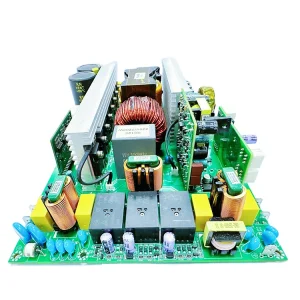
Our solar inverter PCBAs are built using high-Tg FR4 substrates, heavy copper layers (up to 3oz) to handle high-current thermal loads, and protective conformal coatings to prevent degradation from humidity, dust, and outdoor conditions.
Heavy-duty heat pipe assemblies, complex system-on-chip boards, and specialized PCBA components designed for high durability and performance under continuous processing stress.
 Velmix