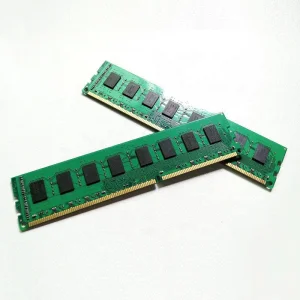
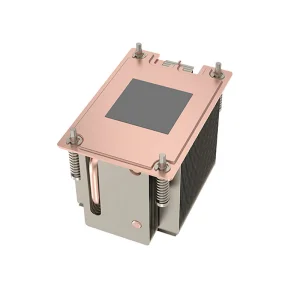
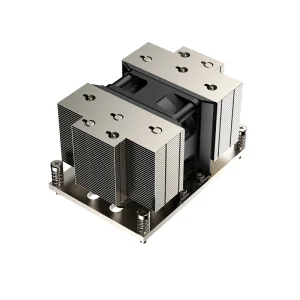
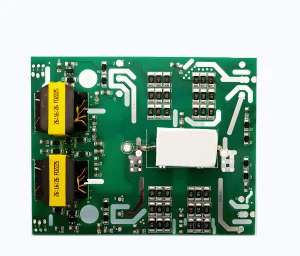
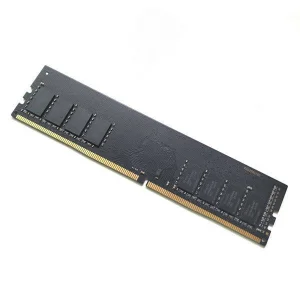
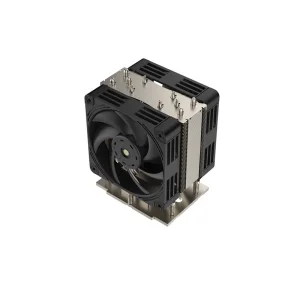
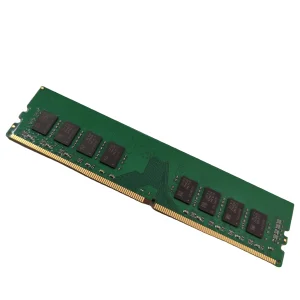
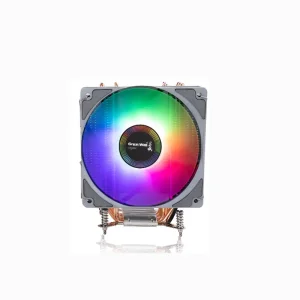
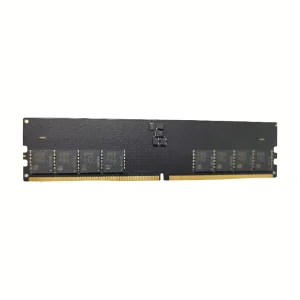
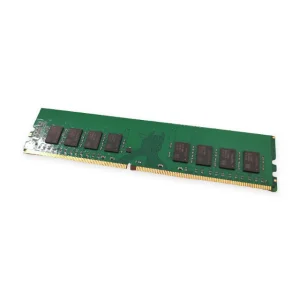
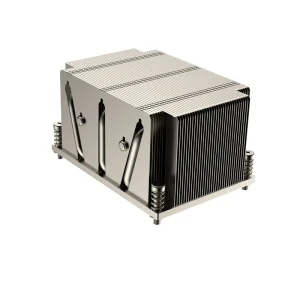
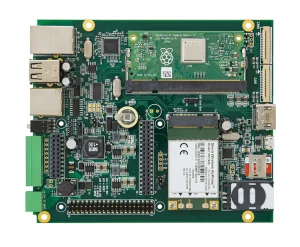
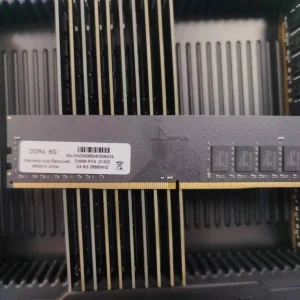
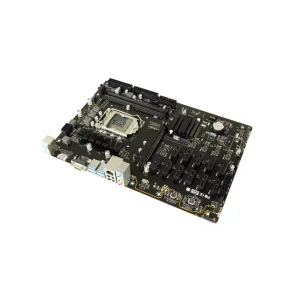
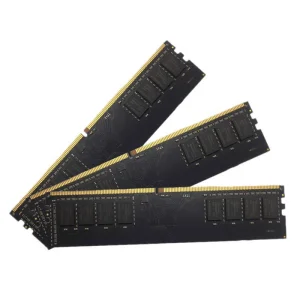
Explore our state-of-the-art memory modules, advanced CPU cooling systems, and specialized PCBA driver boards engineered for critical performance envelopes.
Addressing the global shift toward electrification, high-density computing, and solid-state thermal physics.
In the modern landscape of high-power electronics, traditional FR4 substrates increasingly fail under high thermal loads. Aluminum Circuit Boards (commonly known as Metal Core PCBs or MCPCBs) have emerged as the standard solution for applications requiring efficient heat dissipation. By integrating a thin, highly thermally conductive dielectric layer between a copper circuit layer and an aluminum metal base plate, these substrates successfully bridge the gap between high electrical insulation and high thermal conductivity.
The global demand for Aluminum PCBs is driven by a macro-industrial transition toward high-density power electronics. As power supplies, automotive drivetrains, and LED lighting designs shrink while increasing output capacity, the thermal energy generated per unit area has escalated exponentially. Without systematic thermal dissipation, semiconductor junctions overheat, leading to degradation of efficiency, changes in electrical parameters, and premature components failures.
Key Global Standard Met: Aluminum PCBs provide thermal conductivity ratings from 1.0 W/m-K up to 8.0 W/m-K, ensuring critical heat-generating components operate well below their rated thermal thresholds.
Reduces thermal resistance of the substrate assembly by up to 10x compared to standard FR4 double-sided boards, extending component lifespan in server systems and automotive drivetrains.
Aluminum substrates exhibit high dimensional stability under extreme cyclic thermal stress (-40°C to 125°C), significantly reducing stress on solder joints.
How geographic proximity to raw materials, highly optimized SMT lines, and specialized quality engineering define production output.
Proximity to major base-metal suppliers in Southern China allows us to source premium 1060, 5052, and 6061 alloy aluminum plates with immediate quality certification, cutting raw material lead times to under 48 hours.
Our SMT manufacturing lines handle everything from solder paste inspection (SPI), high-speed pick-and-place, multi-zone reflow profiling, to automated optical inspection (AOI) under one roof, reducing assembly error rates.
By optimizing process flows and minimizing tool setup changeovers, our OEM production facilities provide global exporters with a highly competitive cost-to-performance ratio for mid-to-high volume runs.
A deep breakdown of substrate properties, laminate types, and target parameters demanded by global procurement departments.
For global OEMs, selecting the right Metal Core PCB involves rigorous qualification of material structures. An aluminum PCB is fundamentally comprised of three functional layers:
Procurement teams representing international automotive (IATF 16949 compliant), industrial control, and data communications companies verify that manufacturing plants adhere to rigorous laminate standards. We address this by using raw materials certified by UL (Underwriters Laboratories, file testing UL 94V-0 flammability class) and ensuring full compliance with RoHS and REACH regulations.
| Parameters | Standard Specification Range |
|---|---|
| Thermal Conductivity | 1.0 W/m-K, 1.5 W/m-K, 2.0 W/m-K, 3.0 W/m-K, 8.0 W/m-K |
| Base Metal Thickness | 0.6mm, 0.8mm, 1.0mm, 1.2mm, 1.5mm, 2.0mm, 3.0mm |
| Copper Weight | 1 oz (35μm) to 6 oz (210μm) |
| Dielectric Breakdown | >3000V AC (or >4500V DC) for high voltage isolation |
| Solder Mask Color | White (Super reflective for LEDs), Black, Green, Blue |
| Surface Finishes | HASL (Lead-Free), ENIG (Electroless Nickel Immersion Gold), OSP |
| Minimum Trace / Space | 4 mil / 4 mil (0.10mm / 0.10mm) |
Leading High-Speed Compute Hardware Manufacturer & Thermal Interface Specialist based in Shenzhen, China.
| Item | Information |
|---|---|
| Company Name | Velmix Technology Co., Ltd. |
| Established | 2017 |
| Facility Area | 368㎡ |
| Annual Export Revenue | USD 18.6 Million |
| Export Experience | 8 Years |
| Industry Experience | 15 Years |
| Quality Control | 100% Full Inspection Before Shipment |
| Product Inspection Methods | Signal Integrity Test, Burn-in Test, Compatibility Test, Functional Test & Random Sampling |
| QC Staff | 56 Employees |
| Business Type | Manufacturer & Exporter |
| Main Markets | North America, Europe, Southeast Asia, Middle East & South America |
| Supply Chain Partners | 986+ |
| Main Customer Types | Brand Owners, OEM Manufacturers, System Integrators, Distributors & Wholesalers |
| R&D Capability | Independent Product Design, PCB Development & Firmware Optimization |
| Customization Options | OEM, ODM, Private Label, Customized Capacity, Heat Spreader, PCB Color & Packaging |
| New Products Launched Last Year | 138 Models |
| R&D Engineers | 84 Engineers |
Analyzing specific high-reliability deployment scenarios across international industries.
High-brightness street lights, commercial stadium lights, and automotive LED headlights generate localized heat flux that must be dissipated rapidly to prevent color shifts and brightness decay.
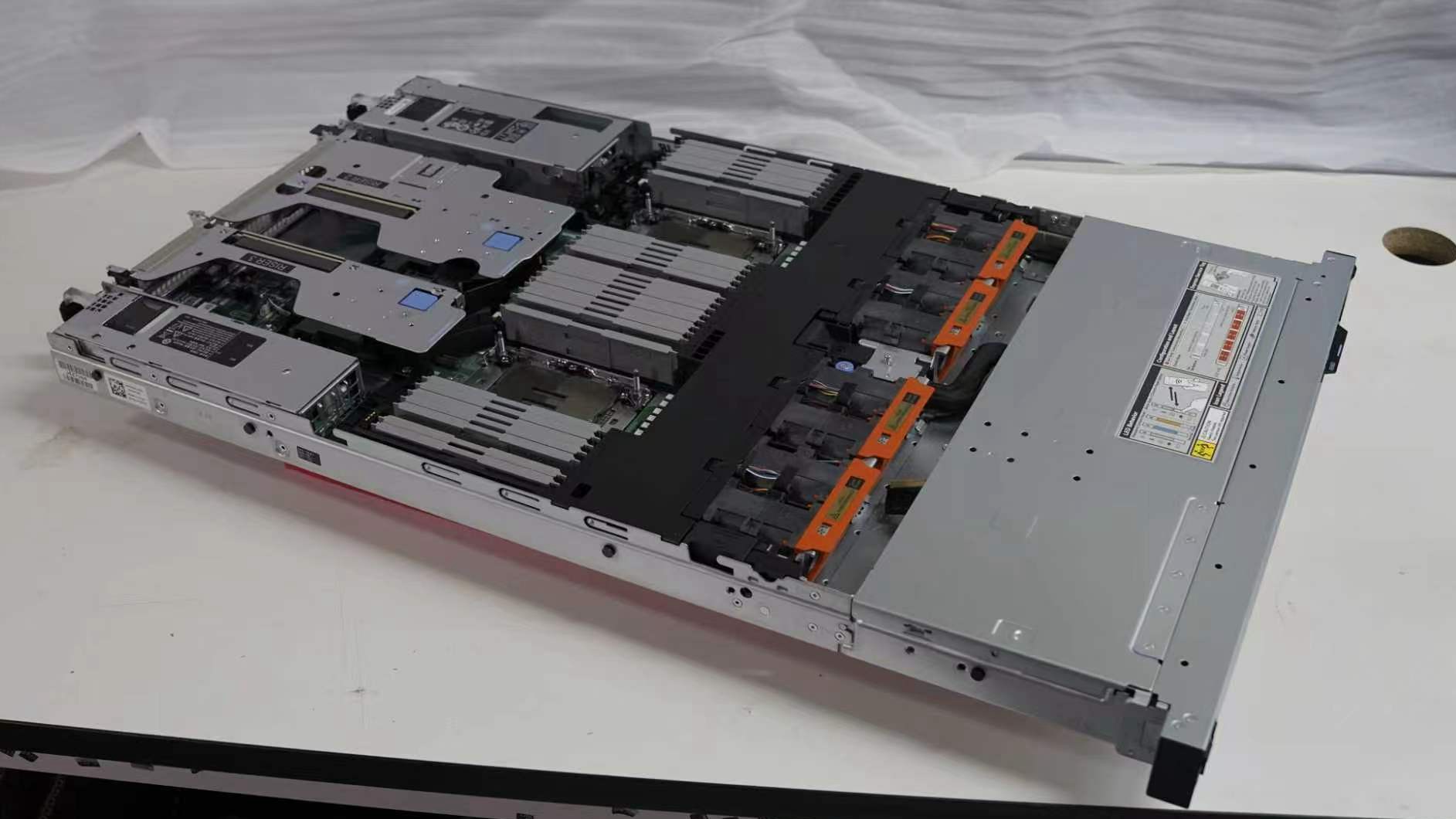
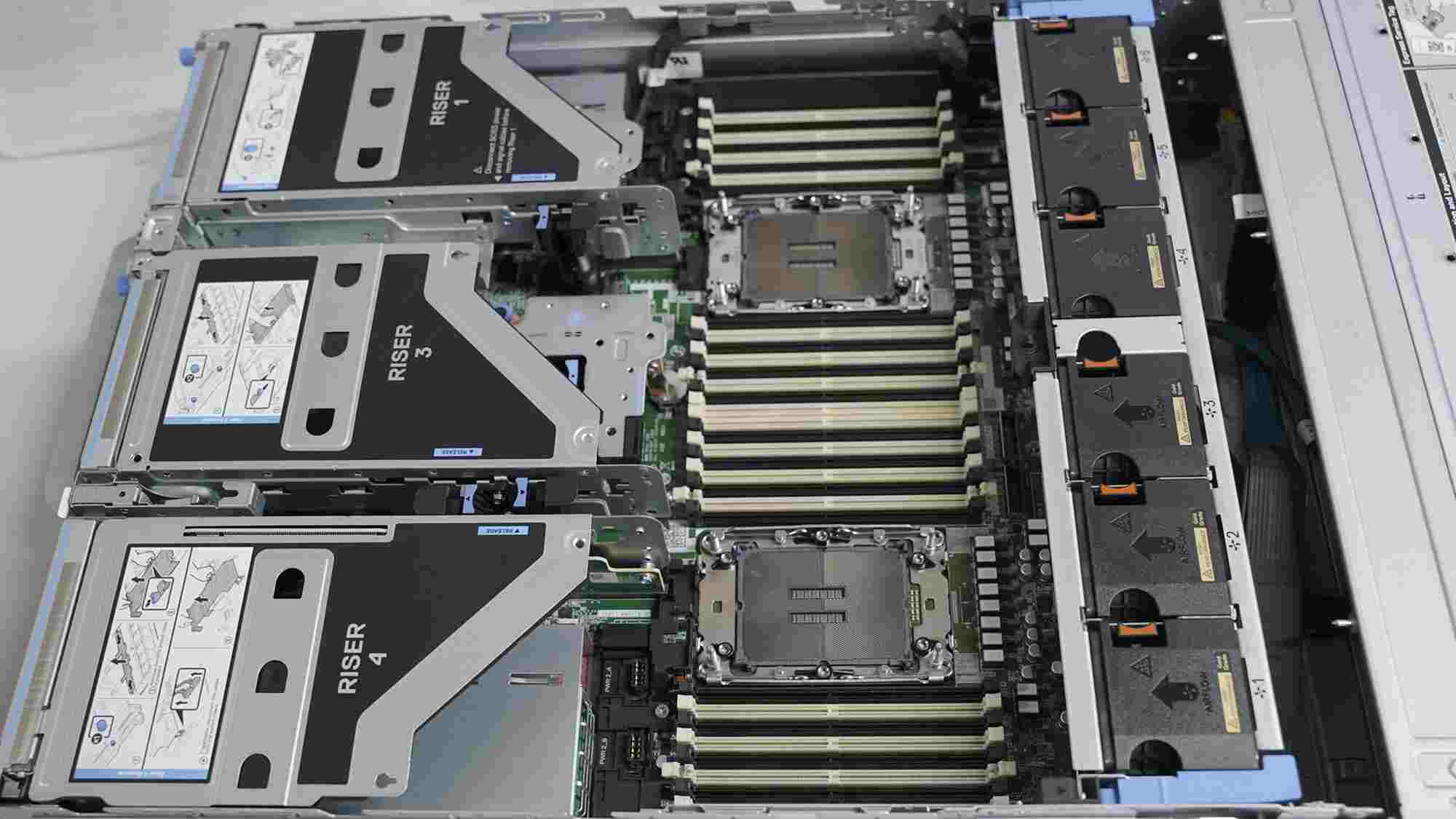
In server chassis configurations, aluminum substrate interfaces and copper-finned heat sinks work in tandem to dissipate the thermal output of processors (such as the AM5, SP5, and LGA4677 chip architectures).
IGBT modules, DC-DC converter boards, and high-capacity inverter welding machines (e.g., ZX7-315 driver boards) rely on heavy copper aluminum backings to handle massive electrical currents.
Answers to critical questions regarding design, mechanical performance, and supplier qualification.
Further selections of our industrial control hardware, server-grade DDR modules, and multi-heat-pipe server heat sinks.
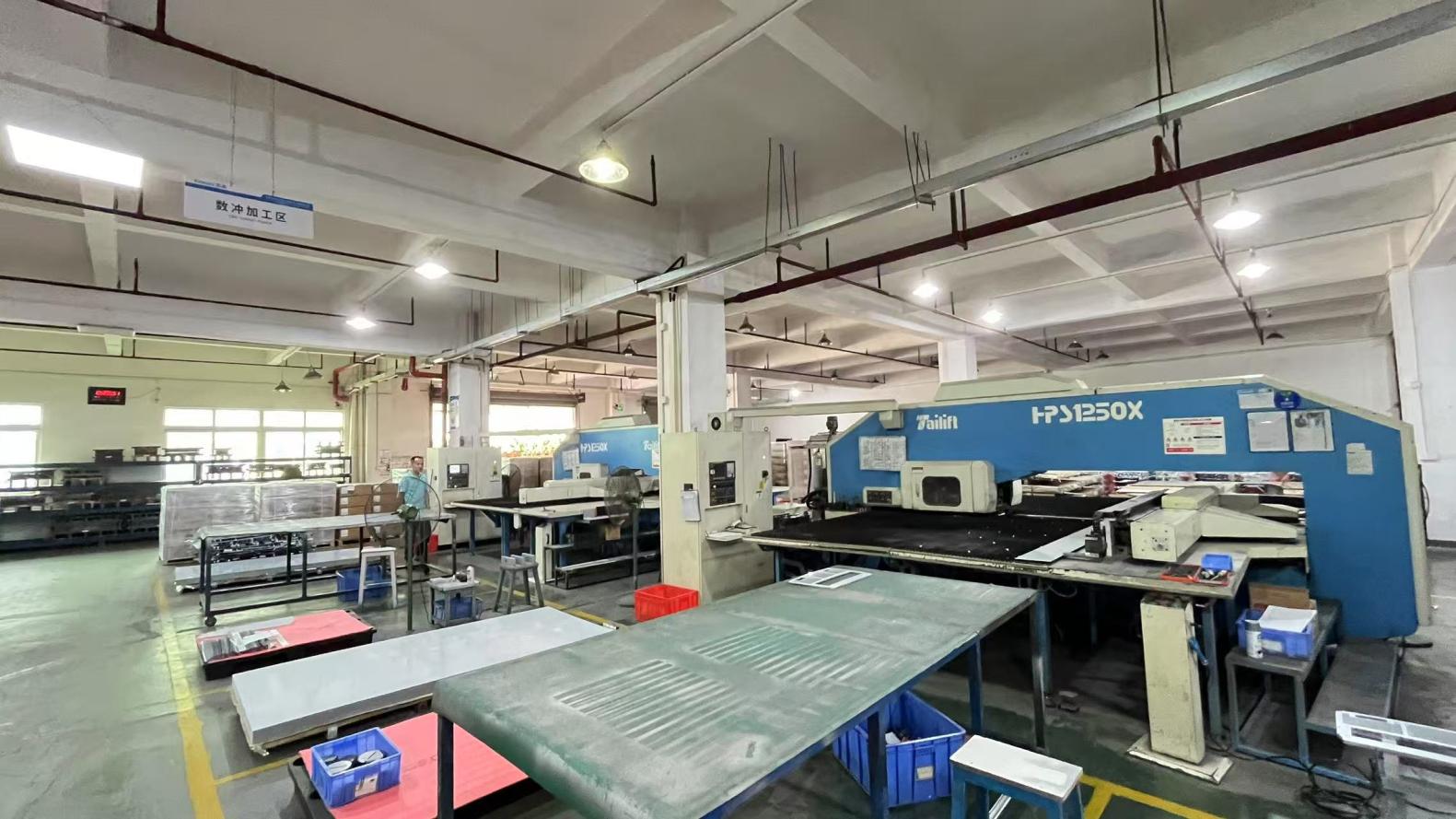
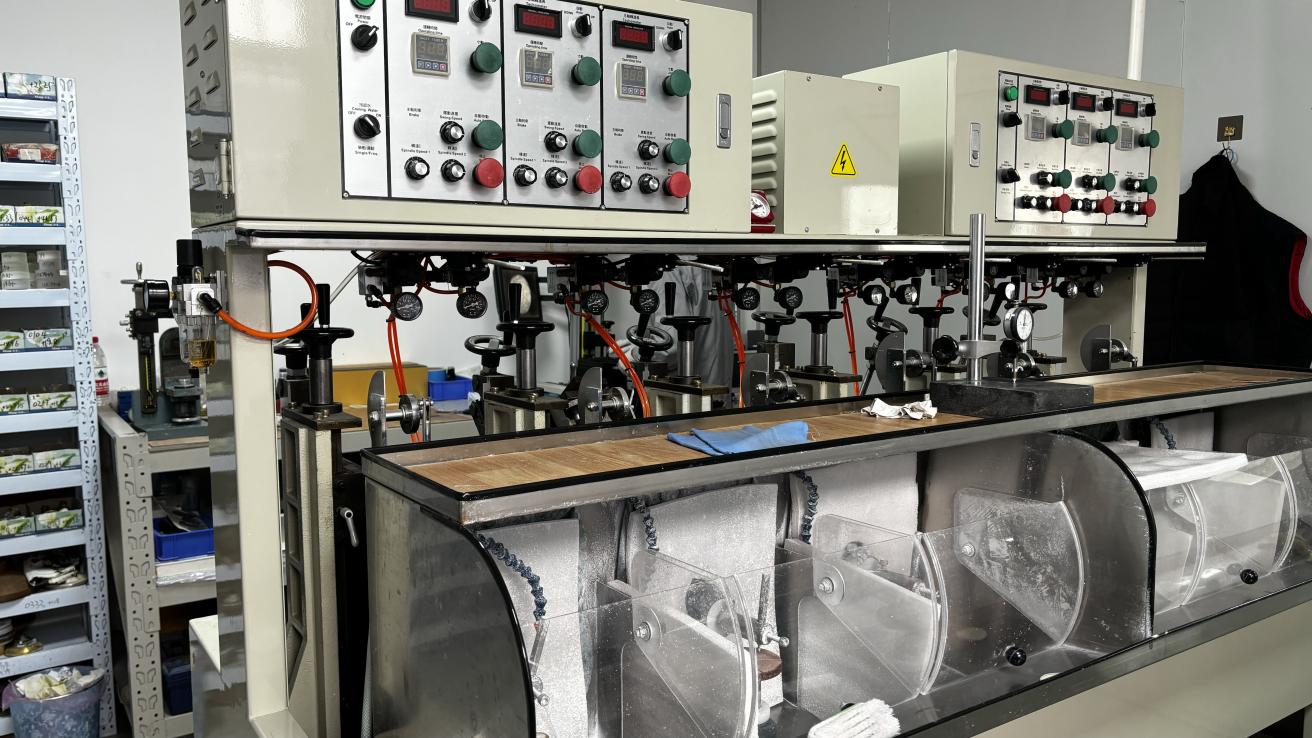
Inside our advanced fabrication, surface mount (SMT), and high-frequency hardware assembly facilities.
 Velmix