China Top Video Capture Cards Factories & Exporters

Unlocking Next-Gen Live Streaming, Medical Imaging, and Ultra-Low Latency AV Ingestion Solutions for Global System Integrators & Distributors

Industry Intelligence: Video Capture Technology Evolution & Global Trade

The video capture card industry has undergone a paradigm shift, transitioning from simple analog inputs to complex, zero-latency digital signal processors capable of capturing uncompressed 4K, 8K, and high-frame-rate (HFR) streams. As streaming ecosystems, telemedicine, and enterprise visual virtualization expand, procurement teams require partners who understand the intricate interface between hardware processing, memory bandwidth, and bus speed.

A video capture card is not merely an HDMI or SDI input port; it is an active signal-processing pipeline. Modern cards rely heavily on onboard components like high-speed FPGA controllers, dedicated digital-to-analog interfaces, and most importantly, stable memory buffers. High-bandwidth capturing at 4K 144Hz or 8K 60Hz demands massive memory pipelines to prevent frame drop. As a leading high-performance memory supplier, Velmix Technology Co., Ltd. integrates its comprehensive expertise in high-frequency DDR4 and DDR5 memory modules directly into video capture and processing PCBA platforms. By eliminating systemic bottlenecks in data transmission, our hardware solutions guarantee absolute signal integrity and zero-frame latency.
1. High-Speed Bus Architectures

The transition from legacy USB 2.0 to USB 3.2 Gen 2 and PCIe Gen 4/5 interface cards. Hardware must support uncompressed YUY2 or RGB24 video feeds without choking the system bus.

2. Zero-Lag Loop-Through

Gaming and medical surgical displays demand zero-lag loop-through. High-performance HDMI 2.1 chipsets must pass 4K HDR signals to local displays while capturing at distinct resolutions.

3. On-Chip AV1 & HEVC Encoding

To reduce CPU and GPU overhead in host servers, industrial-grade capture cards now incorporate dedicated ASIC processors to handle real-time AV1 and HEVC compression.

China Factory 4.0: Supply Chain Resilience & Velmix's Capabilities

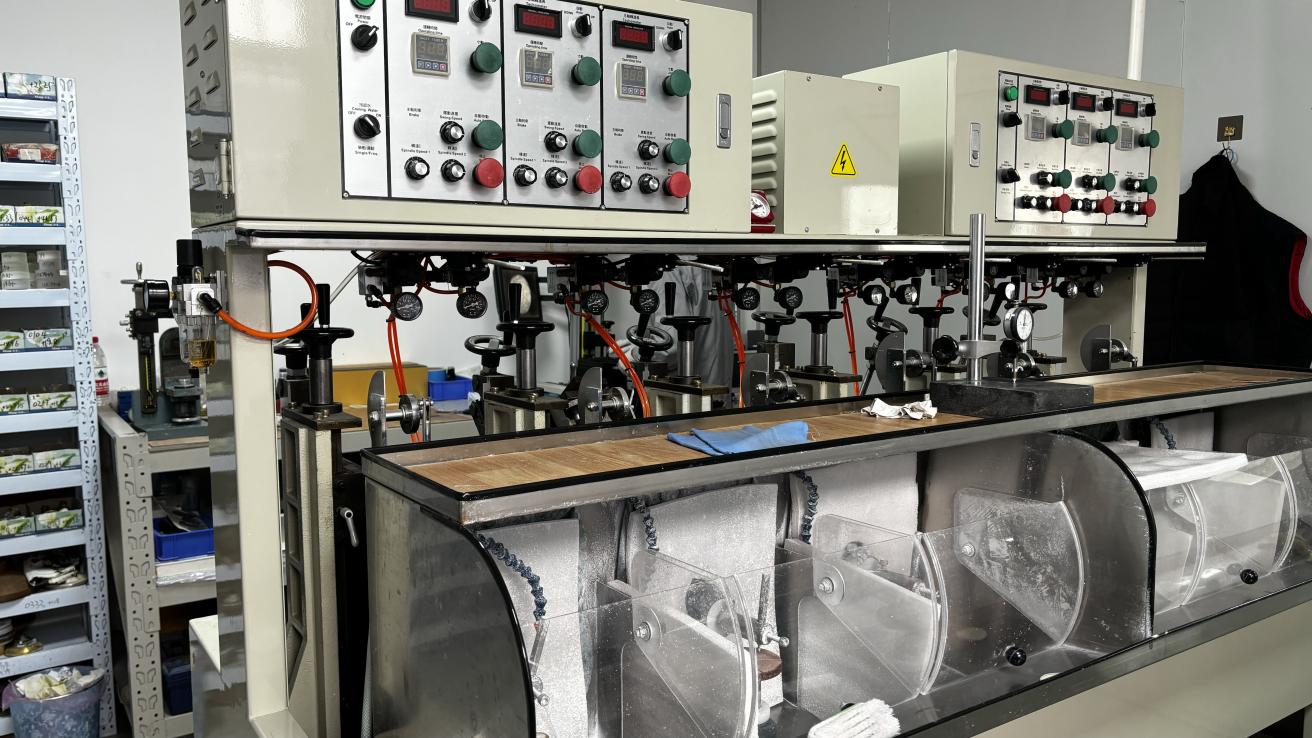
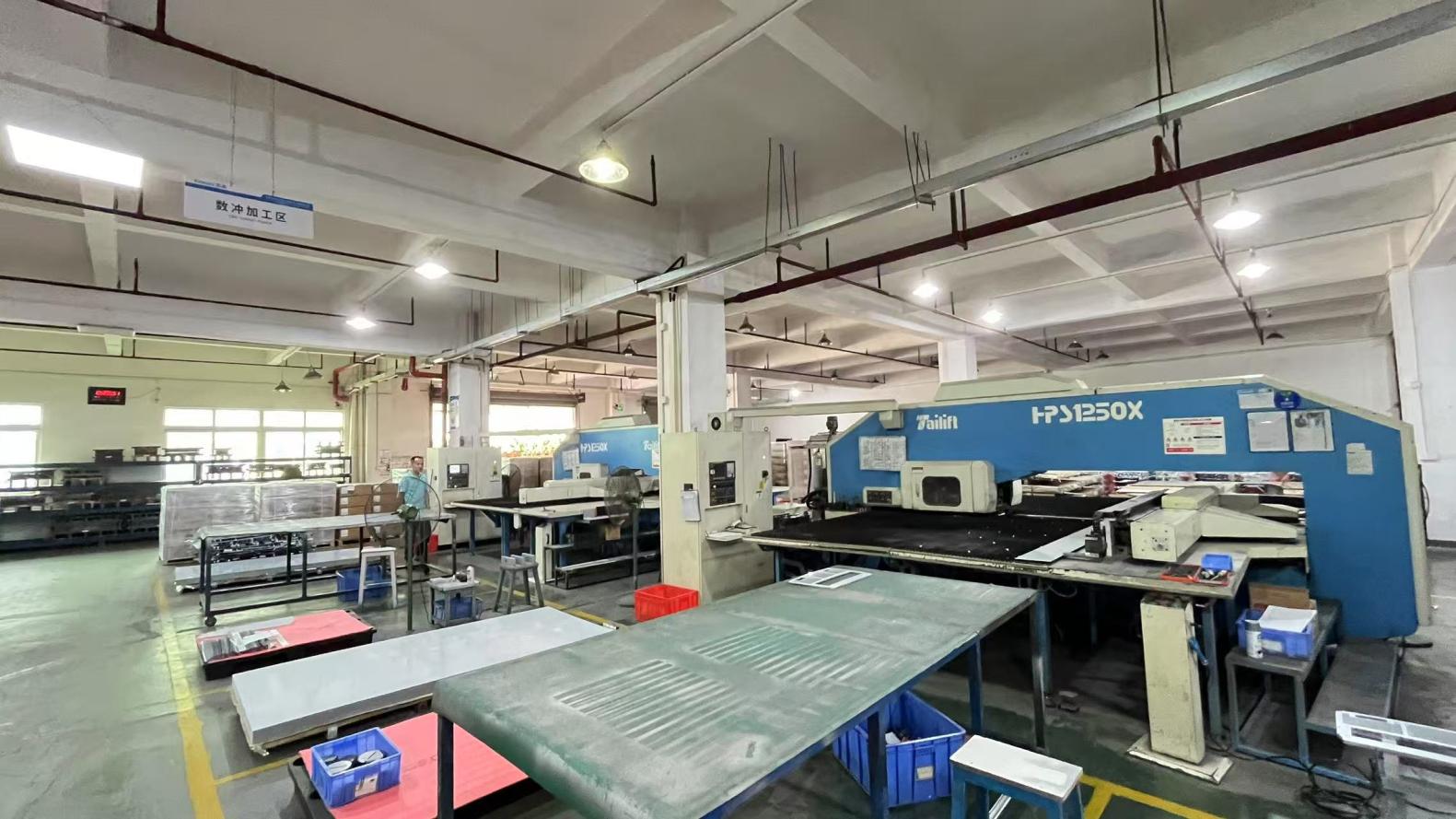
Operating out of Shenzhen's dynamic tech center, we leverage high-speed SMT assembly, comprehensive circuit engineering, and robust component ecosystems to guarantee speed and stability.

15+ Yrs
Industry Experience
84
R&D Engineers
100%
QC Full Inspection
$18.6M
Annual Export Rev.

In the video capture landscape, manufacturing stability directly dictates board lifecycle. Velmix's modern production facilities implement complete ESD static control, advanced automated optical inspection (AOI), and multi-layer SMT processing to construct high-density capture boards and system hardware. Our deep familiarity with PCB layouts, copper heat sinks, and thermal dissipation systems means that Velmix-designed capture cards can operate continuously for months on end in critical servers and industrial control systems without thermal throttling.

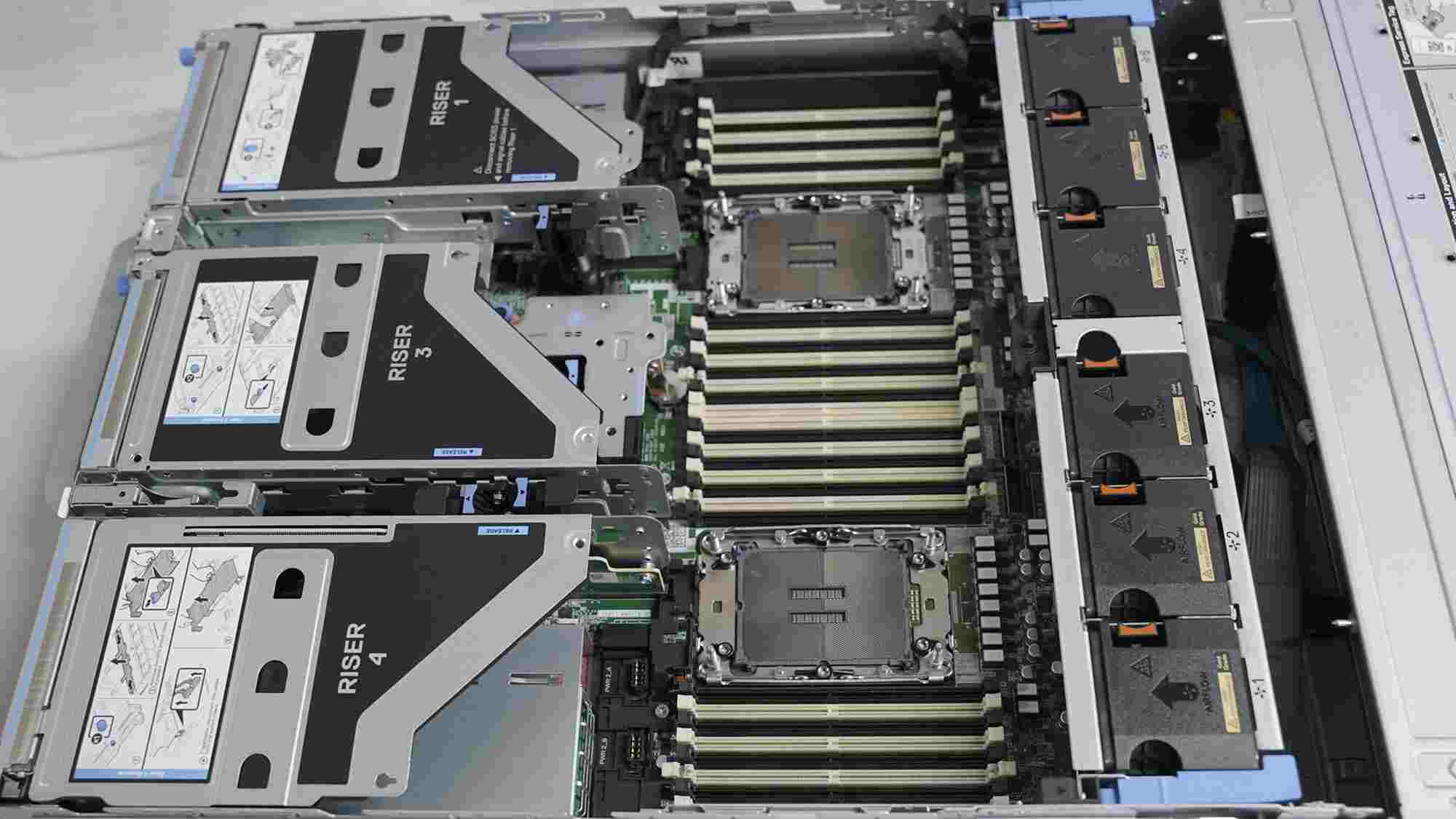
Furthermore, China's Industry 4.0 ecosystem provides unparalleled supply chain resilience. We maintain direct relations with over 980 raw material and component suppliers, ensuring that high-speed controller chips, bridge microprocessors, memory ICs, and high-frequency connectors are continuously available. This ensures consistent pricing and short lead times even when the global semiconductor market is highly volatile.

About Velmix Technology Co., Ltd.

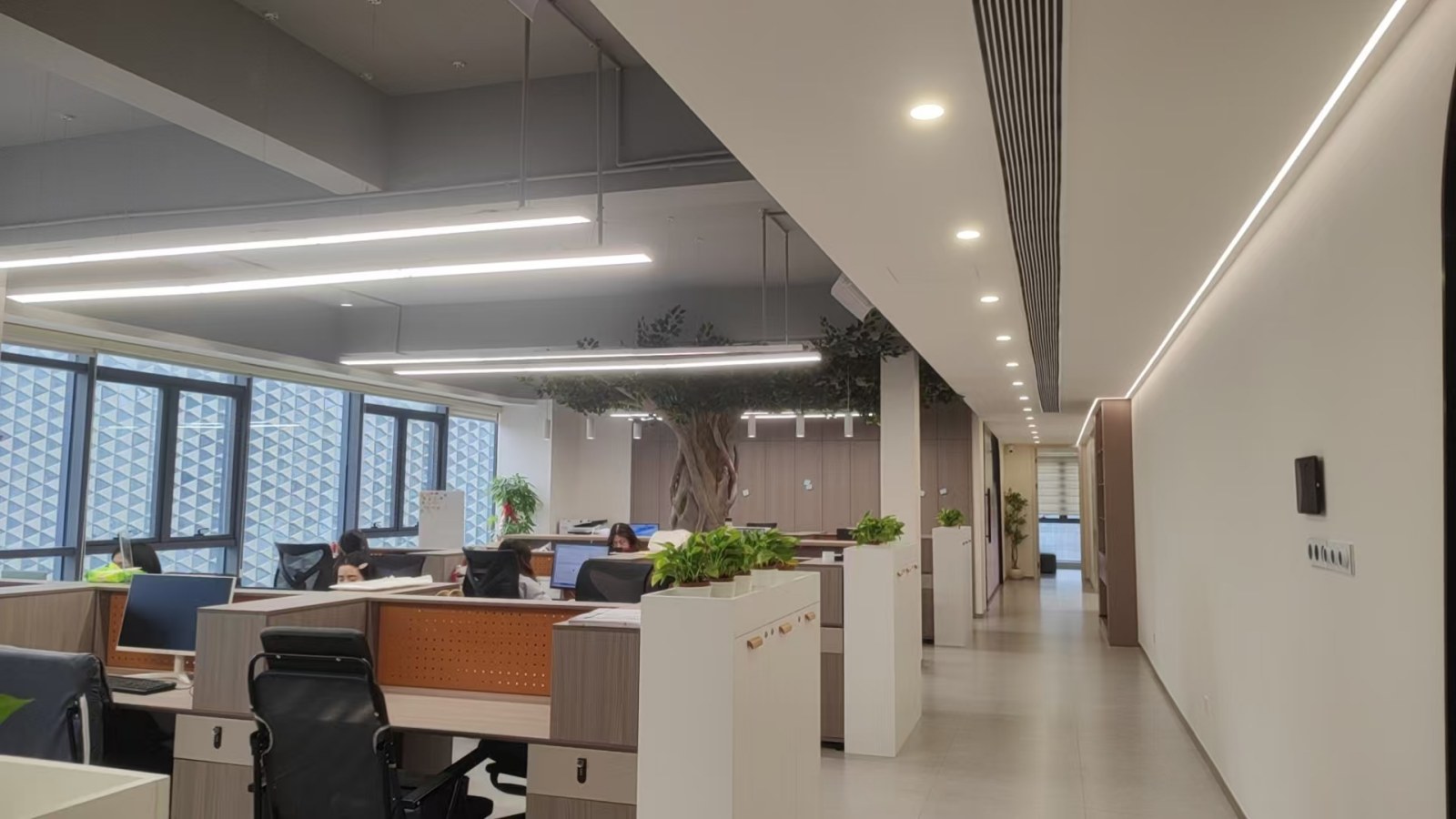
A professional DDR5 memory and custom electronic assembly manufacturer based in Shenzhen, China, specializing in the research, development, production, and global distribution of high-performance hardware solutions.

Since our establishment in 2017, Velmix has been committed to delivering reliable, high-speed memory products and custom computing architectures for consumer electronics, industrial applications, gaming systems, servers, and embedded computing. Operating from our advanced manufacturing facility, we combine top-tier production technologies with strict quality management to ensure every memory module and circuit assembly meets international performance and reliability standards.

Today, Velmix serves customers in more than 40 countries and regions, offering flexible OEM and ODM manufacturing services for global brands, distributors, system integrators, and industrial equipment manufacturers. By focusing on product consistency, fast delivery, and technical innovation, we have built long-term partnerships across Europe, North America, Southeast Asia, and the Middle East.

Specification / Item Detailed Corporate Information
Company Name Velmix Technology Co., Ltd.
Established 2017
Facility Area 368㎡
Annual Export Revenue USD 18.6 Million
Export Experience 8 Years
Industry Experience 15 Years
Quality Control 100% Full Inspection Before Shipment
Product Inspection Methods Signal Integrity Test, Burn-in Test, Compatibility Test, Functional Test & Random Sampling
QC Staff 56 Employees
Business Type Manufacturer & Exporter
Main Markets North America, Europe, Southeast Asia, Middle East & South America
Supply Chain Partners 986+
Main Customer Types Brand Owners, OEM Manufacturers, System Integrators, Distributors & Wholesalers
R&D Capability Independent Product Design, PCB Development & Firmware Optimization
Customization Options OEM, ODM, Private Label, Customized Capacity, Heat Spreader, PCB Color & Packaging
New Products Launched Last Year 138 Models
R&D Engineers 84 Engineers

Professional Capture Card Application Scenarios

How global enterprises integrate capture hardware into localized commercial and industrial systems.

Medical Endoscopy & Imaging

Hospitals use capturing solutions to route high-fidelity camera feeds from endoscopes or ultrasound equipment directly into digital health record systems with 100% color accuracy and zero latency.

Corporate Boardroom & AV over IP

Enterprises require custom PCIe capture cards inside unified communication centers. Connecting PTZ cameras, microphones, and presentation displays into systems like Microsoft Teams Rooms and Zoom Rooms.

Industrial Automated Visual Inspection

In manufacturing plants, high-speed capture cards extract raw imagery from line-scan cameras on conveyor belts, routing frame data into AI machine-vision systems to inspect product defects in real-time.

Expert Q&A: Technical Specifications & Procurement FAQ

Answering crucial technical questions to guide procurement agents, engineers, and distributors during evaluation.

Q: What is the role of DRAM and Buffer Memory in Video Capture Cards?

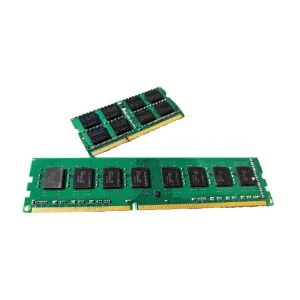
During capturing, uncompressed video frames are transferred directly from the HDMI/SDI receiver chip to the host system via PCIe or USB. If the host system experiences CPU spikes or bus congestion, frames will drop. Onboard DDR buffer memory acts as a high-speed cache, temporarily storing incoming video frames and ensuring smooth data transmission, preventing visual stuttering or frame loss.

Q: Why choose PCIe interface capture cards over USB 3.0 dongles for industrial systems?

PCIe capture cards interface directly with the CPU and system memory through dedicated PCIe lanes. This offers massive bandwidth (up to Gen 4 speed) and significantly lower latency compared to USB protocols, which must pass through the USB controller driver stack. For multi-channel capture or medical and defense environments, PCIe is the only path that ensures reliable, uncompressed, zero-lag streaming.

Q: What firmware customization options can Velmix provide (OEM/ODM)?

We provide full firmware customization, including custom EDID (Extended Display Identification Data) injection, proprietary DirectShow/UVC driver modifications, branding in hardware descriptors (vid/pid parameters), and customized SDK integration to work seamlessly with proprietary software programs used in telemedicine or corporate AV systems.

Q: How do you test capture card compatibility across various chipsets and operating systems?

Our dedicated QC team runs compatibility matrices. Each batch is validated across Intel, AMD, and ARM processor platforms on Windows, macOS, Linux, and Android. We test DirectShow, AVFoundation, and V4L2 compatibility, confirming the boards function plug-and-play without driver conflicts.

Q: What steps does Velmix take to manage thermal challenges in compact capture designs?

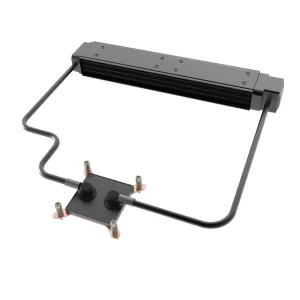
We use high-conductivity aluminum and copper fin heatsinks coupled with multi-layer PCB design featuring internal thermal vias. By optimizing power conversion efficiency, we keep operational temperature under 55°C even during continuous 24/7 capturing workloads, which dramatically extends the lifetime of the electronic components.