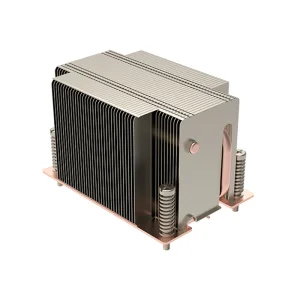
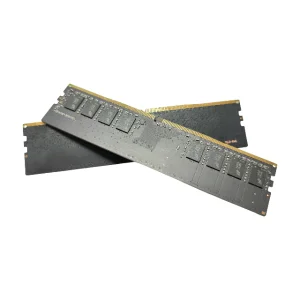
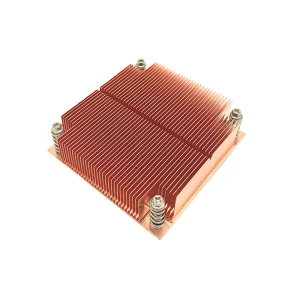
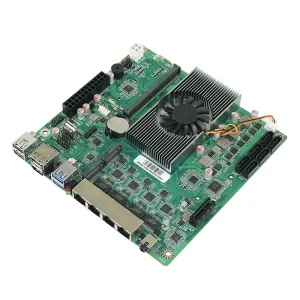
Explore our selection of integrated electronics, SMT PCBA controls, water-cooling units, and memory architectures optimized for high-reliability data infrastructure.
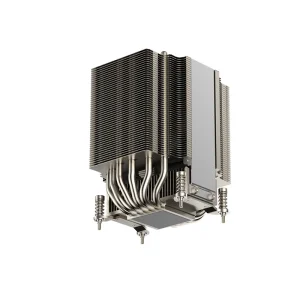
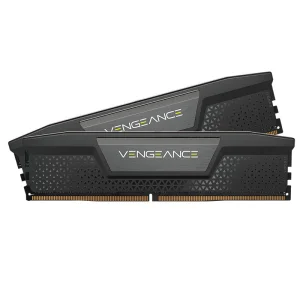
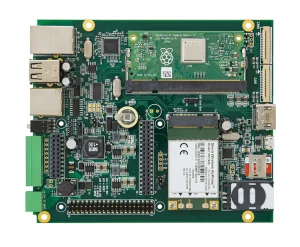
The global infrastructure landscape is undergoing a massive computational transition. With the exponential rise of artificial intelligence (AI), machine learning models, cloud computing, and big data networks, data centers are shifting from standard processing architectures to highly dense, power-intensive GPU-driven computing. In this modern context, Power Distribution Units (PDUs) are no longer treated as simple electrical components or passive extension cords inside server racks. They have evolved into critical, intelligent subsystems responsible for energy efficiency, load balancing, predictive failure monitoring, and hardware thermal management.
Industries worldwide—ranging from enterprise telecommunications to hyperscale cloud providers—require high-voltage, high-amperage 3-phase power solutions. Operating at densities that often exceed 30kW to 100kW per rack, current engineering designs mandate advanced thermal dissipation modules and embedded microcontroller systems within the PDUs to monitor voltage fluctuations, power factor variations, and environmental parameters in real time.
Consequently, procurement demands have pivoted toward Intelligent PDUs (iPDUs). These systems feature networked communications protocols (SNMPv3, Modbus TCP, HTTPs) and hot-swappable controller units, allowing network administrators to control individual outlets, schedule power cycles, and minimize idle consumption. Additionally, with the continuous drive towards reducing Power Usage Effectiveness (PUE) scores, modern industrial facilities rely heavily on detailed power-quality diagnostics at the receptacle level to maintain operational uptime and meet environmental sustainability compliance targets.
China remains the undisputed manufacturing powerhouse for complex power infrastructure and industrial computing equipment. Modern factories in Shenzhen and key technology hubs have evolved beyond basic manual assembly lines. Today, they utilize fully integrated SMT (Surface Mount Technology) processes, advanced CNC metal stamping machines, and computerized testing benches. This tight consolidation of the supply chain enables unprecedented production speed, precision, and raw cost optimization.
From the sourcing of high-conductivity pure copper busbars to the integration of intelligent MCU controller boards (designed on high-speed multilayer FR4 substrates), Chinese factories are capable of shortening the prototype-to-production cycle by weeks. Global clients benefit from immediate component accessibility, localized aluminum extrusion facilities, and an abundance of experienced mechanical and firmware engineers.
Furthermore, the manufacturing efficiency is backed by strict compliance infrastructure. Leading factories operate ISO 9001 and ISO 14001 certified sites, incorporating automated optical inspection (AOI), high-voltage isolation testers, and environmental thermal burn-in chambers. By conducting these rigorous procedures locally, Chinese manufacturers guarantee that products meet international safety certifications such as UL, CE, FCC, and RoHS before leaving the factory floor, ensuring seamless global deployment.
Velmix Technology Co., Ltd. is a premier manufacturing and engineering exporter based in Shenzhen, China. Originally specializing in the high-precision research, development, and production of high-performance DRAM memory solutions, Velmix has leveraged its deep electronic SMT expertise to serve global hardware and infrastructure providers. Since its establishment in 2017, Velmix has maintained a firm commitment to delivering highly reliable, fast-speed electronic modules for consumer electronics, industrial automation, servers, and modern data-center setups.
Operating from an advanced facility, we combine high-speed surface mount technology (SMT) with strict quality inspection standards. Our experienced engineering team works continuously on product reliability, signal integrity, and high-frequency capabilities. Today, Velmix serves clients in more than 40 countries, providing flexible OEM and ODM services for global brands, system integrators, and distributors who require top-tier components, ranging from server motherboard assemblies to smart controller modules used in modern rack-mount PDUs.
| Operating Item | Detailed Corporate & Manufacturing Profile |
|---|---|
| Company Name | Velmix Technology Co., Ltd. |
| Established | 2017 (8 Years of Dedicated Export and Manufacturing Services) |
| Facility Area | 368㎡ (High-Efficiency Specialized Electronic Assembly & SMT Operations) |
| Annual Export Revenue | USD 18.6 Million (Serving Global Enterprise Infrastructure & Distribution Networks) |
| Industry Experience | 15 Years of Accumulated Technical Expertise in Electronic Components |
| Quality Control Protocol | 100% Full Inspection Before Shipment with strict multi-stage testing |
| Inspection Methods | Signal Integrity Test, Burn-in Test, Compatibility Test, Functional Test & Random Sampling |
| QC Staff & Team Size | 56 Dedicated Quality Assurance Employees |
| Core Business Type | OEM/ODM Manufacturer & Global Exporter |
| Main Markets | North America, Europe, Southeast Asia, Middle East & South America |
| Supply Chain Partners | 986+ Certified Vendors and Strategic Component Providers |
| R&D Capability | Independent Product Design, PCB Layout Development, High-speed SMT & Firmware Optimization |
| Customization Options | Private Label, Customized Capacity, Heat Spreader Design, PCB Color & Custom Packaging |
| New Products Launched (Last Year) | 138 Models (Rapid Engineering Iteration and Market Adaptation) |
| R&D Engineers | 84 Skilled Hardware, Thermal, and Firmware Engineers |
Modern power distribution units are deployed across specialized settings, each requiring customized physical interfaces, cooling configurations, and communication features.
For international procurement managers, sourcing PDUs from China requires a balance of quality, safety compliance, and mechanical customization. A reliable power strip is the first line of defense against catastrophic electrical fires and system downtime in a multi-million dollar data center. Therefore, verifying the manufacturer's engineering credentials and material standards is critical.
The first aspect to examine is safety certification alignment. Depending on the target market, PDUs must bear appropriate markings. For North America, UL 62368-1 or UL 60950-1 listings are mandatory for rack-mount electrical equipment. For Europe, CE marking (LVD and EMC directives) and RoHS compliance are required. Sourcing components with pre-certified inputs, cables, and circuit breakers (like hydraulic-magnetic breakers that operate independently of ambient temperature) ensures compliance during inspections.
The second aspect is mechanical and thermal design. High-density server cabinets require thin profiles (0U design) to avoid blocking hot-air exhaust paths at the rear of the cabinet. Furthermore, the selection of internal wiring—using pure copper bars instead of soldered wire connections—drastically reduces internal heat generation and resistance, resulting in an extended operating lifecycle. Advanced configurations can also combine thermal management accessories (such as active heat sinks and fans) directly within the server rack's distribution frame.
The PDU is transforming from a passive power distribution rail into an active, intelligent sensor hub positioned at the edge of the computing grid.
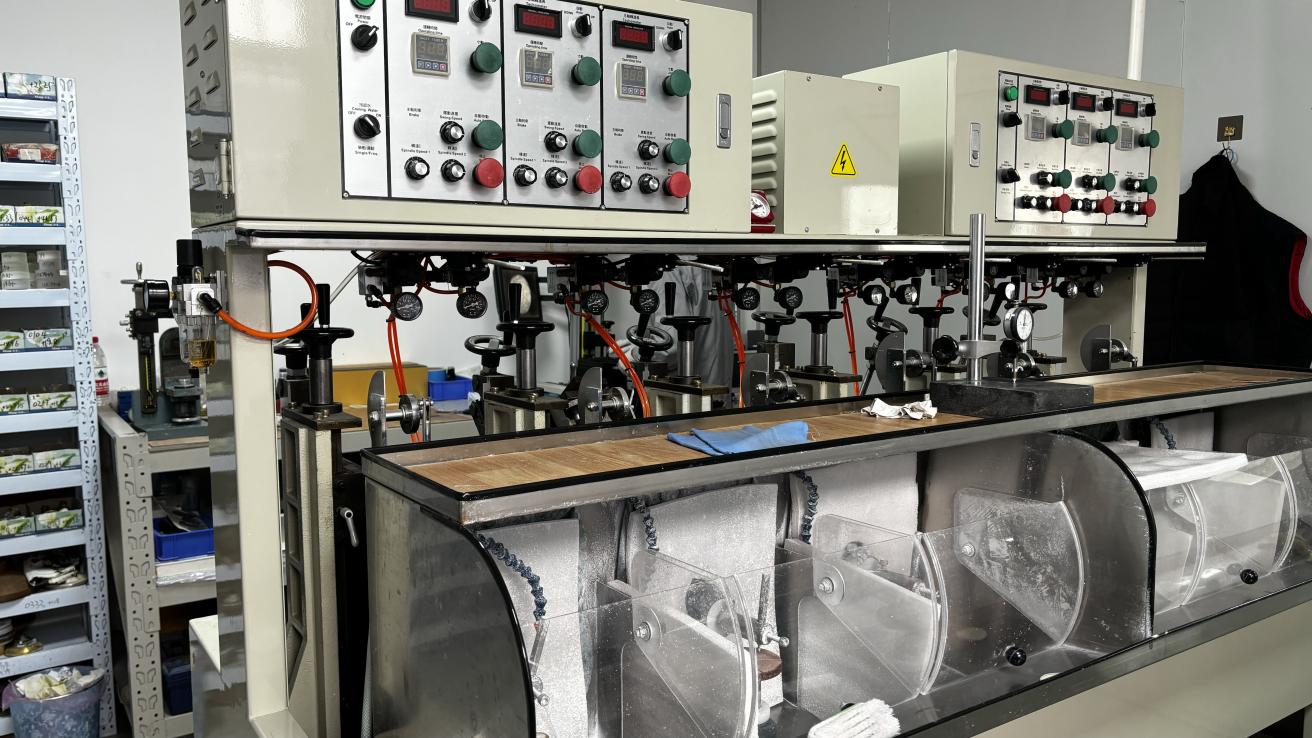
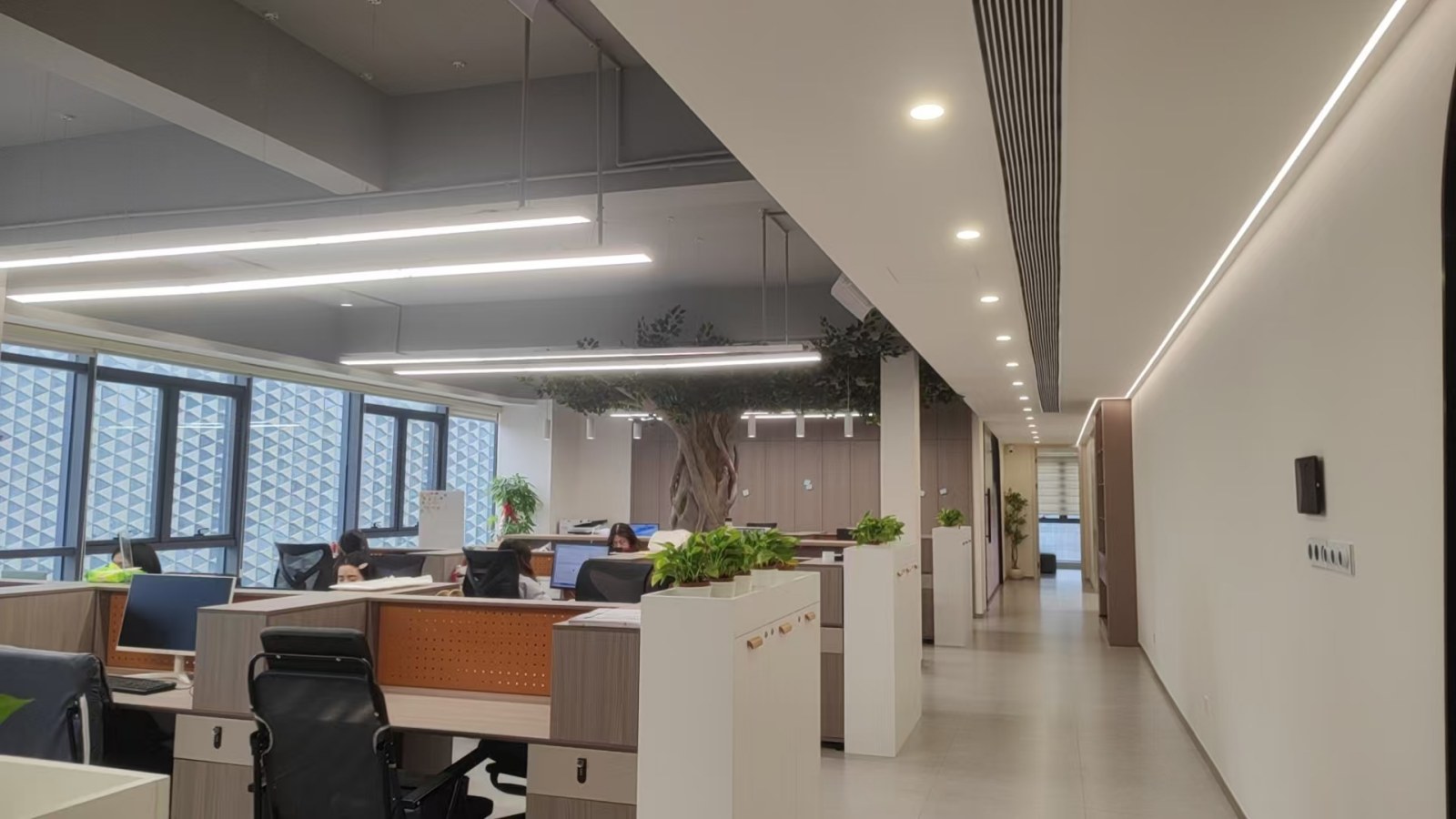
A look inside our manufacturing processes, showcasing clean-room SMT lines, advanced inspection procedures, and thermal testing facilities.
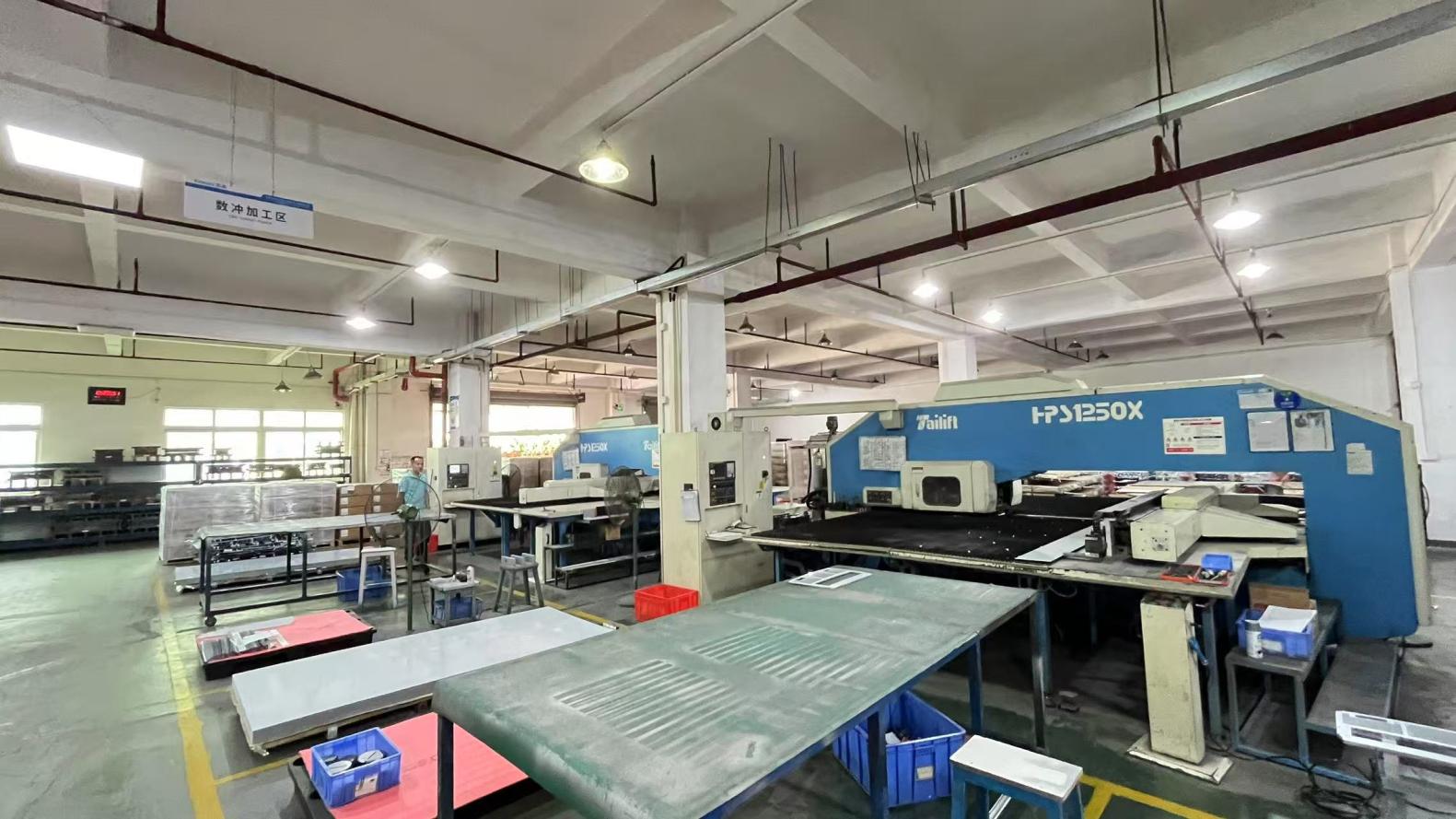
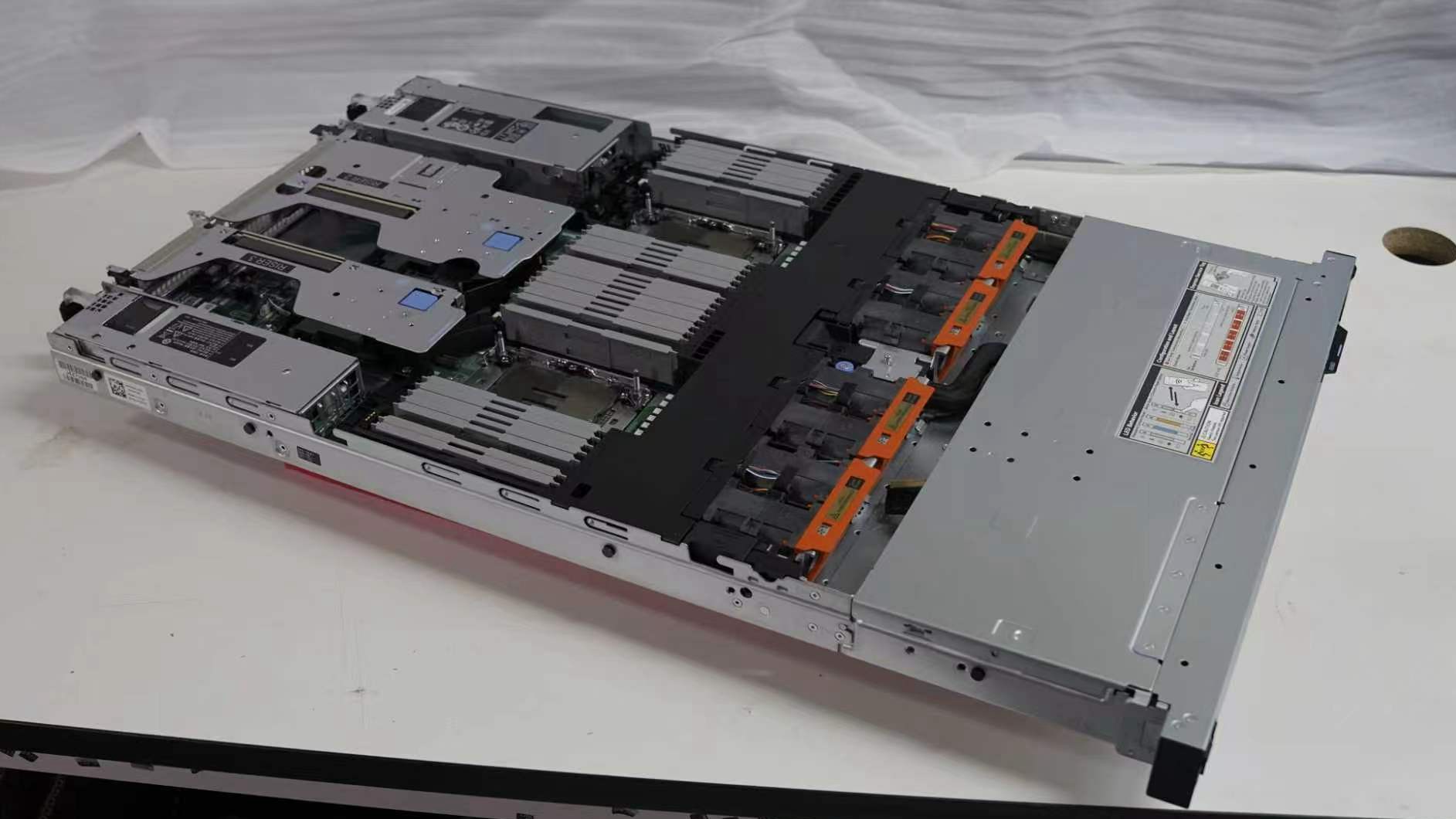
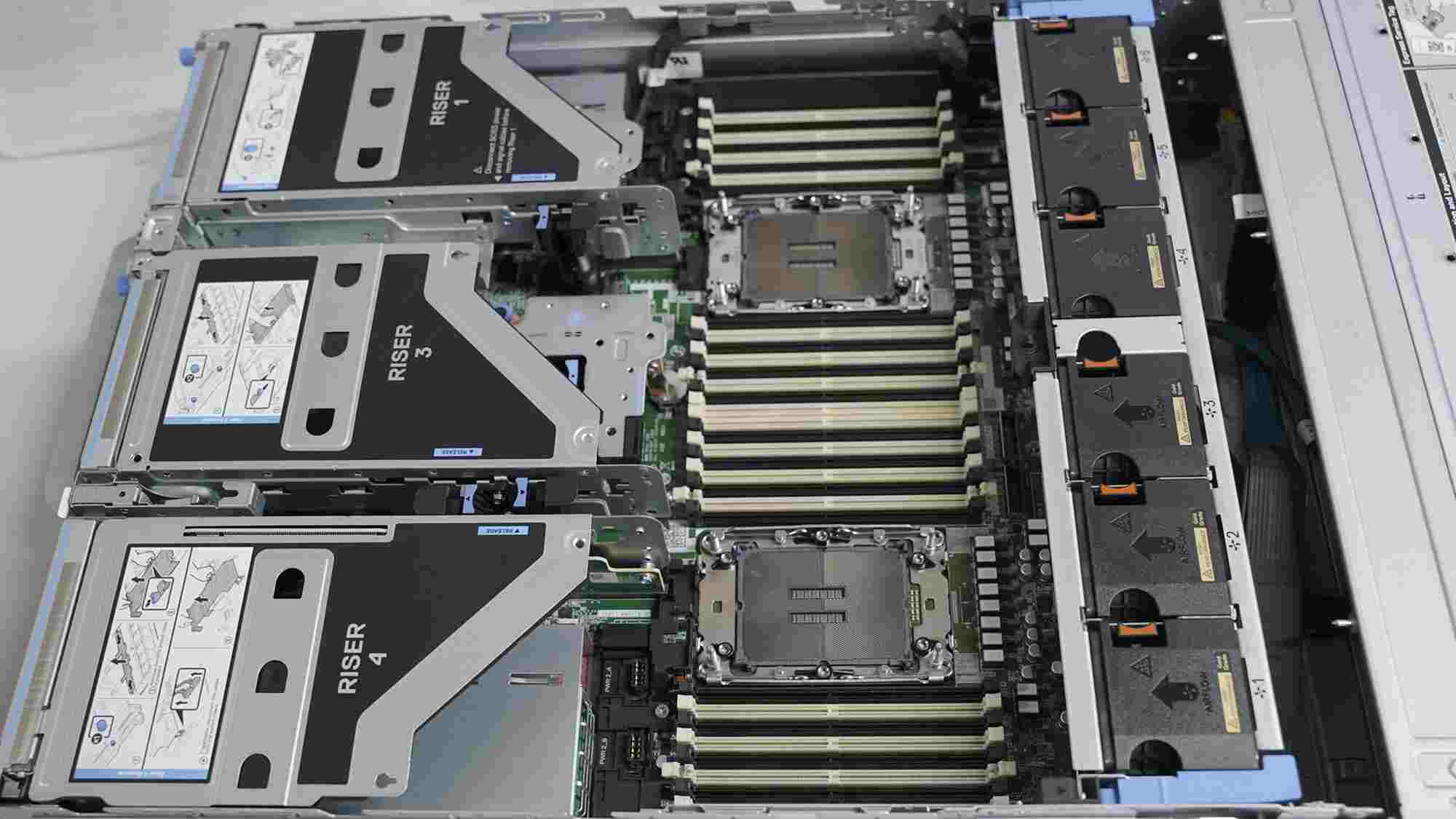
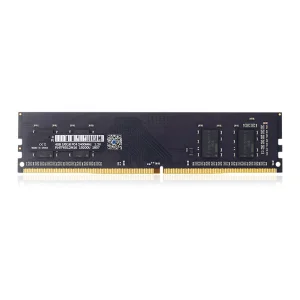
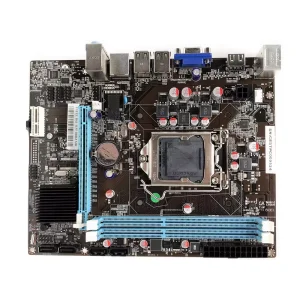
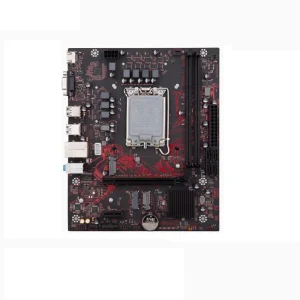
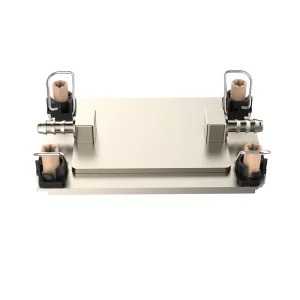
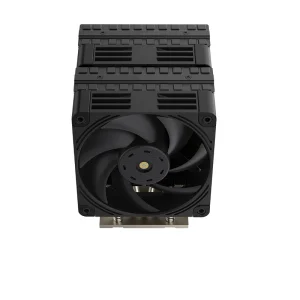
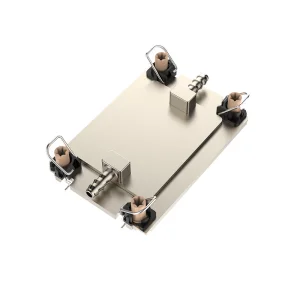
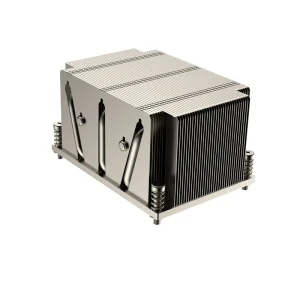
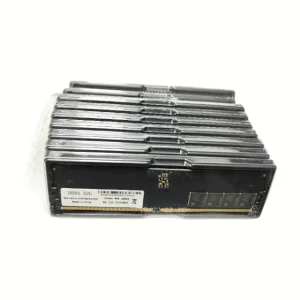
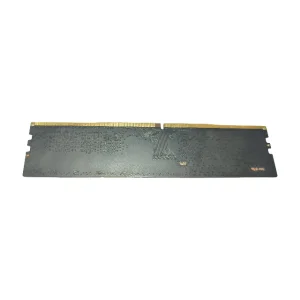
High-quality copper heat sinks, modular server RAM, motherboards, and server processors built to support dense hardware configurations.
 Velmix