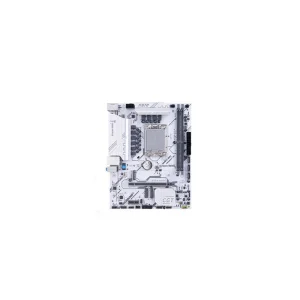
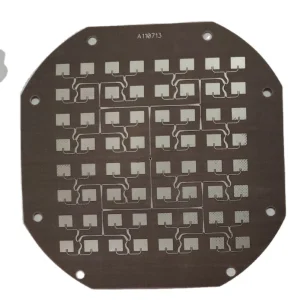
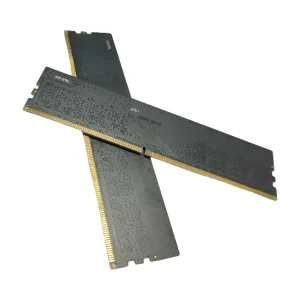
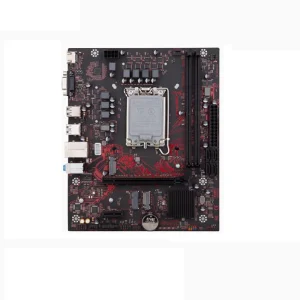
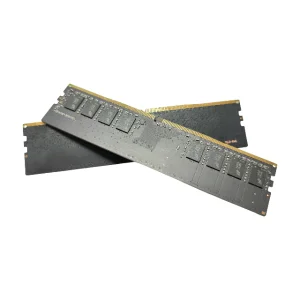
Deploying extreme temperature memory and processing modules for rugged environments in Córdoba, Buenos Aires, and Santa Fe's agricultural hubs.
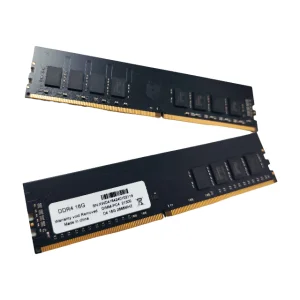
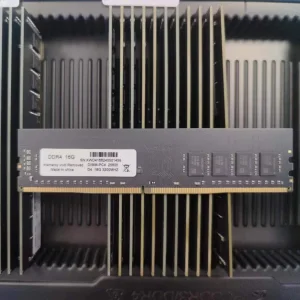
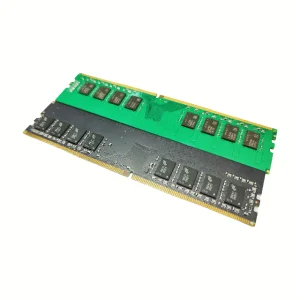
As electronic components shrink and computational speeds skyrocket, thermal management has transitioned from a localized layout challenge to a macro-level systems engineering bottleneck. The Glass Transition Temperature (TG) defines the point at which a polymer substrate shifts from a rigid, glassy state to a flexible, compliant state. For high-reliability sectors operating in Argentina—where regional temperatures, fluctuating grids, and mechanical stresses compound—standard FR4 with a low TG (typically 130°C to 140°C) is structurally insufficient.
A High-TG PCB (typically defined as TG ≥ 170°C, and commonly scaling to 180°C or higher) offers remarkable structural preservation under sustained thermal loading. This is critical for processes using lead-free reflow methods, which require peak temperatures surpassing 260°C. By deploying materials designed with a higher threshold, designers prevent issues like Z-axis expansion, copper trace delamination, and mechanical failure at vias, ensuring continuous system operation.
Most PCB failures in high-temperature environments occur not due to surface failures, but due to internal vias snapping. Under heat, the rate of Coefficient of Thermal Expansion (CTE) in the Z-axis of standard FR-4 is significantly greater than that of copper. This mismatch stresses the plated copper barrels. High-TG materials restrict this expansion factor by up to 50% below the transition temperature, ensuring vias stay intact during long thermal cycles.
Argentina’s industrial profile presents unique operating conditions that necessitate high-performance electronic components. Whether deployed in agricultural machinery in Santa Fe, mining sensors in San Juan, or energy controllers in Neuquén, electronics face environmental challenges:
Ensuring complete coverage of rapid prototype substrates and edge computing controller architectures suited for domestic engineering programs.
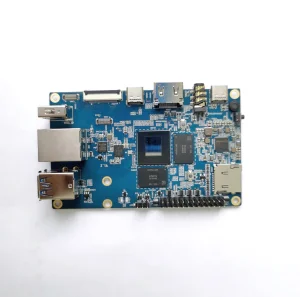
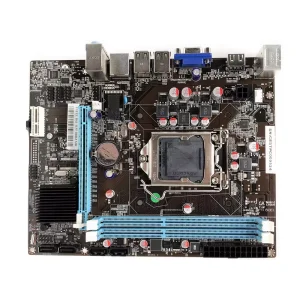
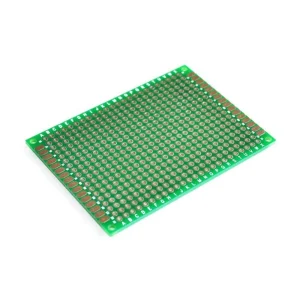
From a macro perspective, the printed circuit board industry is undergoing a significant transition. Historically, standard FR4 satisfied the requirements of consumer goods. However, the rise of advanced edge devices, high-capacity industrial servers, and power-dense automotive electronics has made thermal management a primary design focus.
The global adoption of lead-free processing requires materials that can withstand high temperatures without delaminating. When lead-free solders like SAC305 (melting point ~217°C) are processed, peak reflow temperatures routinely range between 245°C and 260°C. Standard FR4 boards exposed to these conditions can experience resin softening and structural changes. Utilizing a High-TG material ensures the board retains its mechanical properties, flatness, and connection integrity throughout the thermal cycling of assembly and operation.
Navigating international logistics and local regulatory frameworks is essential for ensuring a reliable electronic component supply chain. Importing specialized High-TG PCBs and high-capacity DRAM modules into Argentina requires understanding the local regulatory environment:
We select our High-TG laminates based on key performance parameters: the Glass Transition Temperature (TG ≥ 170°C), Decomposition Temperature (TD ≥ 340°C), and Time to Delamination (T260 ≥ 60 min, T288 ≥ 20 min). These properties ensure the board's structure remains stable under thermal stress, minimizing Z-axis expansion and protecting plated through-holes.
Velmix Technology Co., Ltd. is a professional DDR5 memory manufacturer based in Shenzhen, China, specializing in the research, development, production, and global distribution of high-performance DRAM memory solutions. Since its establishment in 2017, Velmix has been committed to delivering reliable, high-speed memory products for consumer electronics, industrial applications, gaming systems, servers, and embedded computing.
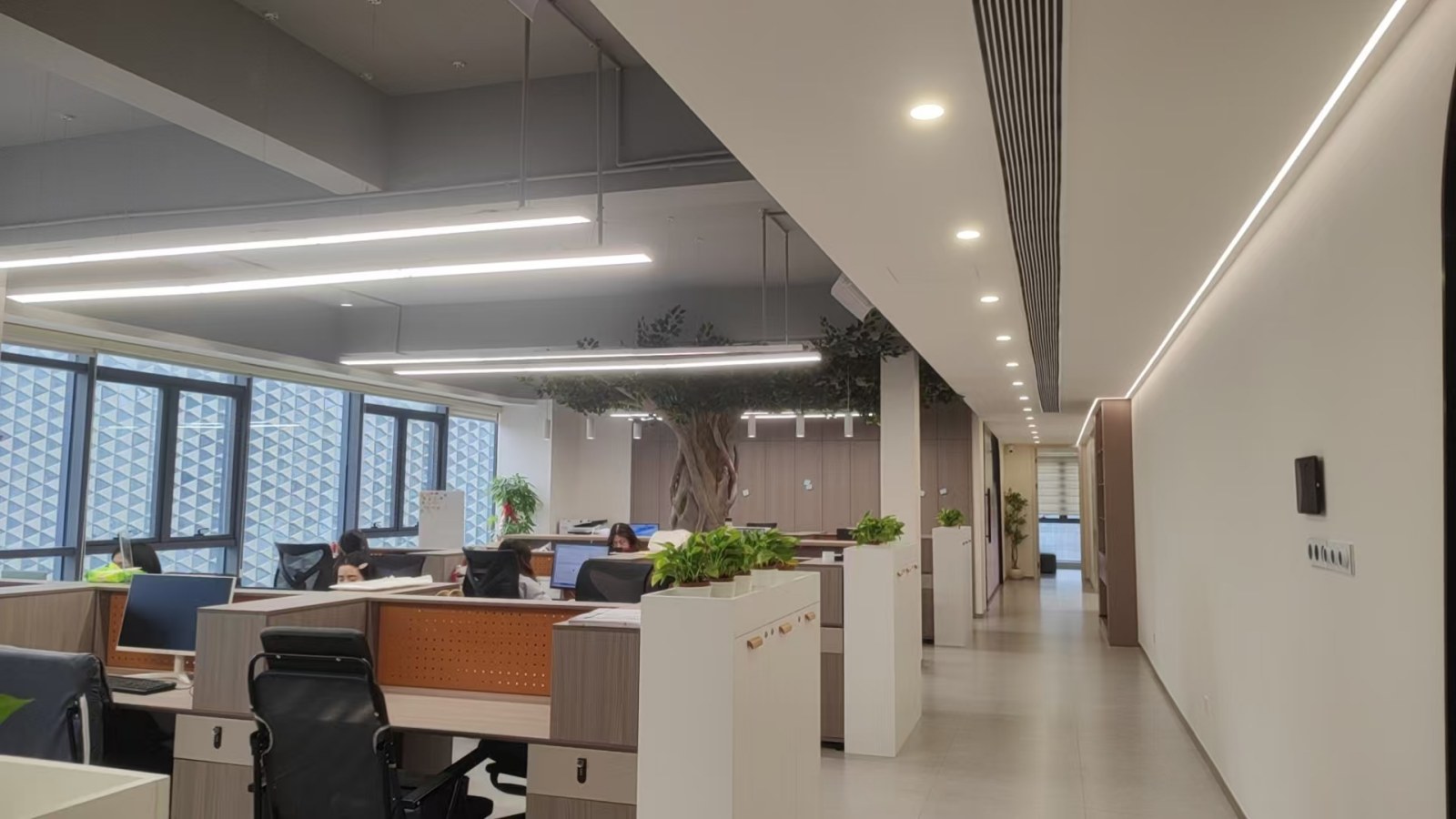
Operating from a modern manufacturing facility covering 368㎡, we combine advanced production technologies with strict quality management to ensure every memory module meets international performance and reliability standards. Our experienced engineering team continuously develops innovative DDR5 memory solutions to meet the evolving demands of AI computing, edge devices, cloud infrastructure, and next-generation computing platforms.
Today, Velmix serves customers in more than 40 countries and regions, offering flexible OEM and ODM manufacturing services for global brands, distributors, system integrators, and industrial equipment manufacturers. By focusing on product consistency, fast delivery, and technical innovation, we have built long-term partnerships across Europe, North America, Southeast Asia, and the Middle East.
| Item | Information |
|---|---|
| Company Name | Velmix Technology Co., Ltd. |
| Established | 2017 |
| Facility Area | 368㎡ |
| Annual Export Revenue | USD 18.6 Million |
| Export Experience | 8 Years |
| Industry Experience | 15 Years |
| Quality Control | 100% Full Inspection Before Shipment |
| Product Inspection Methods | Signal Integrity Test, Burn-in Test, Compatibility Test, Functional Test & Random Sampling |
| QC Staff | 56 Employees |
| Business Type | Manufacturer & Exporter |
| Main Markets | North America, Europe, Southeast Asia, Middle East & South America |
| Supply Chain Partners | 986+ |
| Main Customer Types | Brand Owners, OEM Manufacturers, System Integrators, Distributors & Wholesalers |
| R&D Capability | Independent Product Design, PCB Development & Firmware Optimization |
| Customization Options | OEM, ODM, Private Label, Customized Capacity, Heat Spreader, PCB Color & Packaging |
| New Products Launched Last Year | 138 Models |
| R&D Engineers | 84 Engineers |
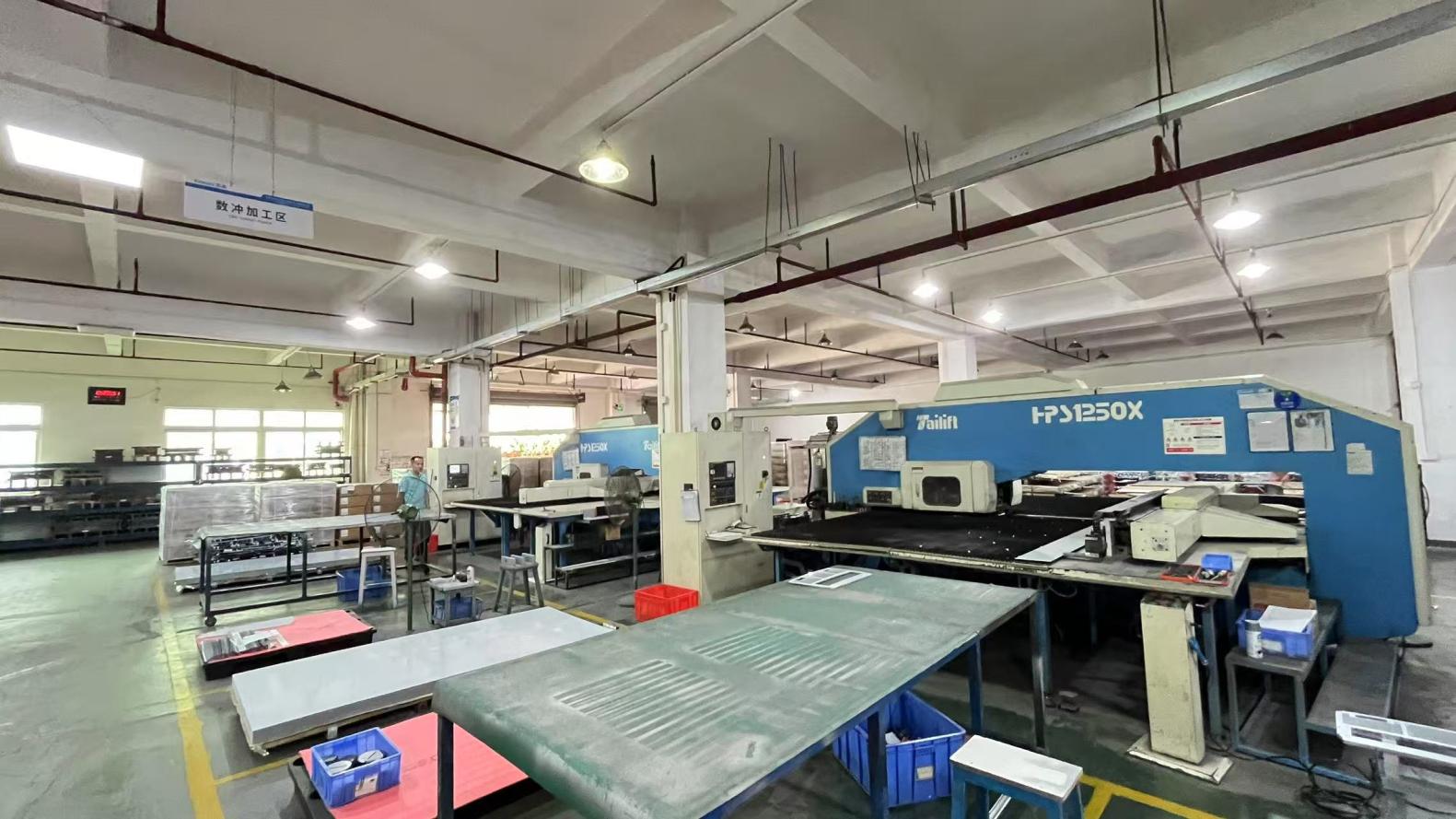
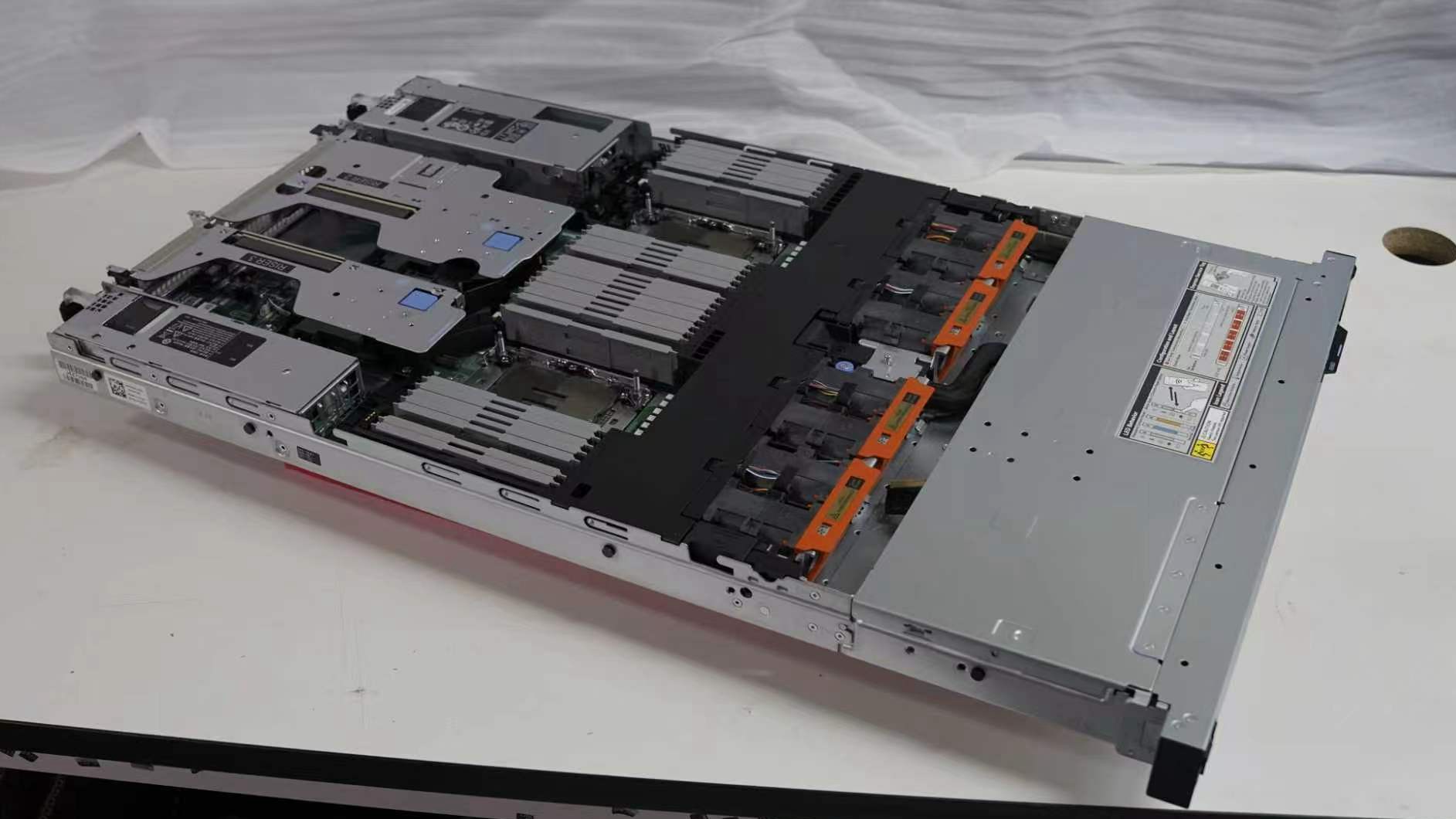
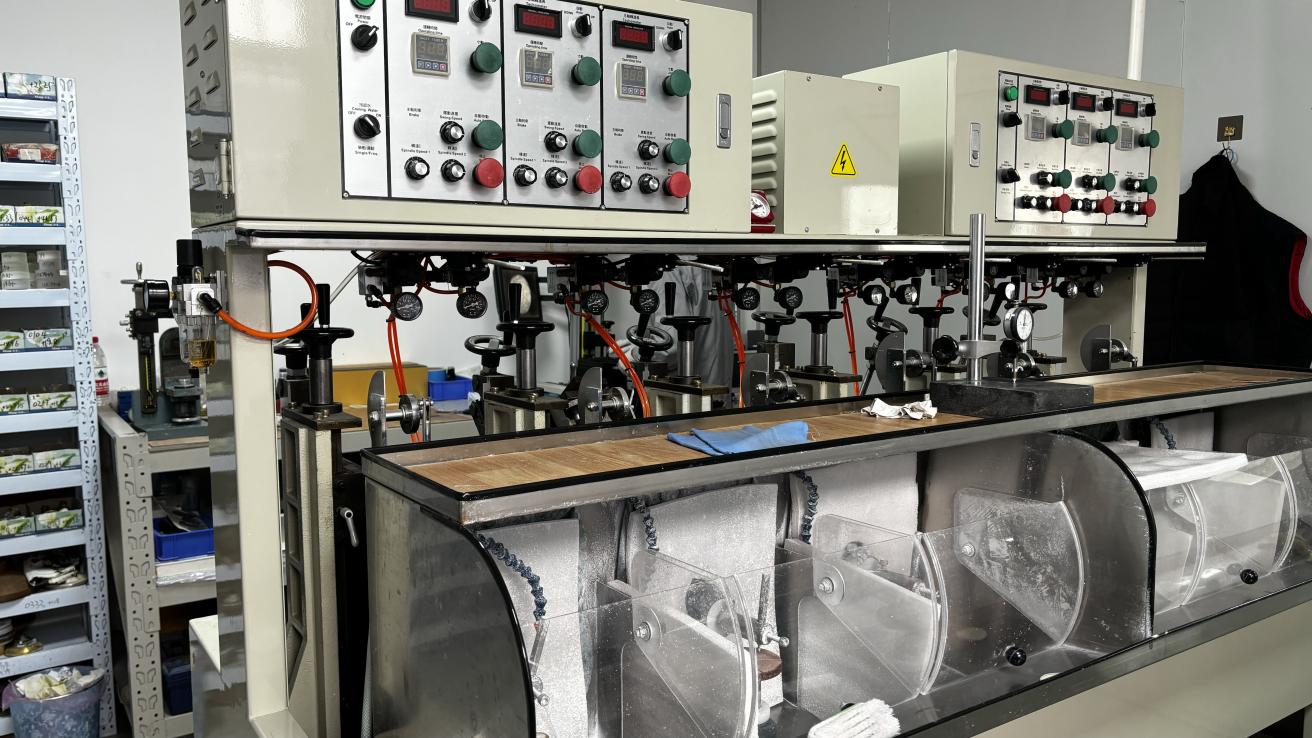
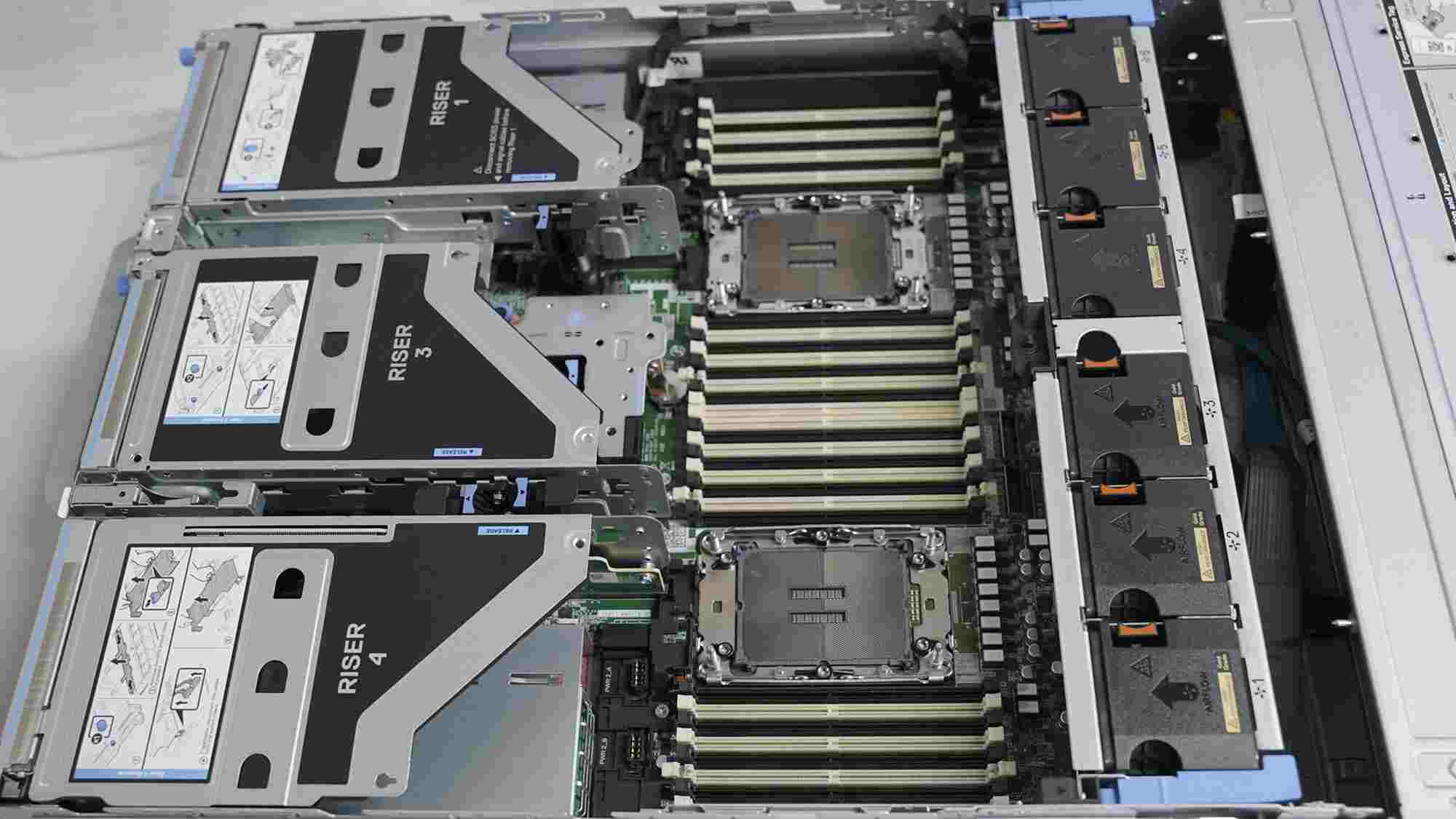
Industrial components optimized for high thermal loads, designed for integration into demanding environments.
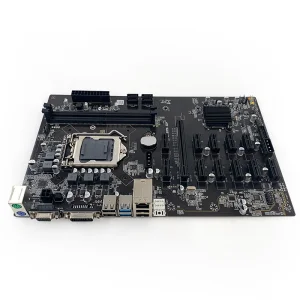
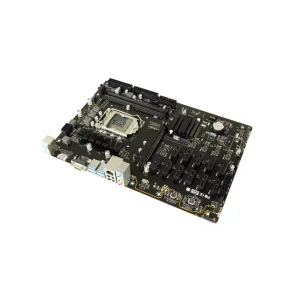
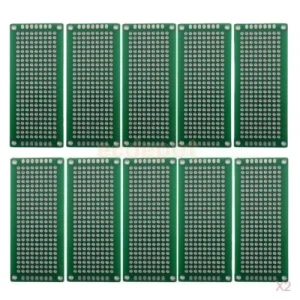
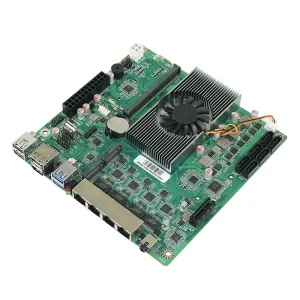
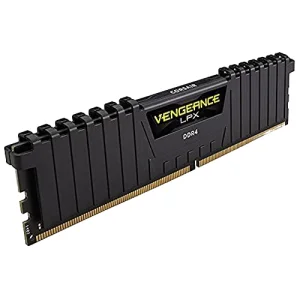
The electronics industry is continuously pushing performance boundaries. High-TG materials are evolving, moving from standard TG170/180 formulations toward advanced, halogen-free, ultra-low-loss materials. Velmix is actively working with raw material suppliers to qualify substrates that offer stable performance for high-frequency 5G/6G applications.
Our roadmap includes qualifying resin systems with low dielectric dissipation factors (Df ≤ 0.002) and high decomposition temperatures (TD ≥ 380°C). These materials are designed to support complex, high-power density multilayers, ensuring reliability for the next generation of computing hardware.
Detailed answers regarding materials, manufacturing capabilities, and shipping processes to South America.
Discuss your project specifications with our engineering team today. We provide customized solutions designed to meet your target thermal requirements.
Send Inquiry Now Velmix