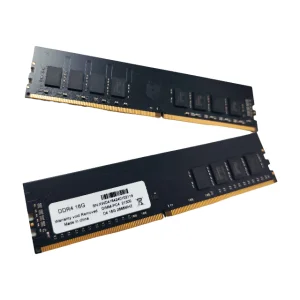
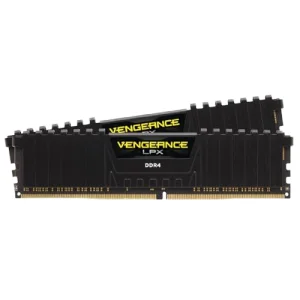
High-reliability multilayer PCB fabrication, advanced thermal dissipation materials, and robust hardware architectures engineered to support Tokyo's high-density electronics, robotics, and edge computing ecosystems.
Send Inquiry NowOptimized circuit configurations and high-efficiency thermal dissipators engineered specifically for heavy industrial electronics and computing clusters in the Tokyo Bay Area.
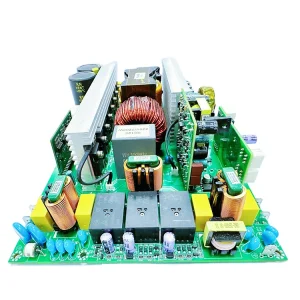
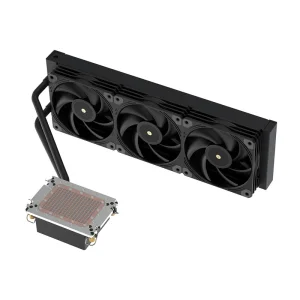
Tokyo is the epicenter of advanced global industrial technology. From the automated factory floors in Ota and Shinagawa to the dense high-performance computing centers in Chiyoda, the metropolitan area demands electronic components that operate without degradation under intense, continuous thermal stress. Conventional FR-4 printed circuit boards fail when subjected to localized high operating temperatures, leading to delamination, impedance shifts, and copper trace degradation. This is where High-TG (Glass Transition Temperature) PCBs become a non-negotiable standard.
A High-TG PCB (typically defined as TG > 170°C, extending to 180°C and beyond) maintains its physical rigidity and electrical integrity far better than standard PCBs (TG 130–140°C) during thermal cycling. In Tokyo’s growing fields of robotic automation (factory automation or FA), high-speed rail routing grids, automotive ECU conversions for electric vehicles (EV), and high-frequency communication gear, these robust PCBs prevent board warping during lead-free soldering and survive the extreme heat generated by modern high-density power modules.
We manufacture all export-grade High-TG circuit assemblies in alignment with Japanese JIS standards and Meti guidelines, ensuring seamless integration into Tokyo’s domestic industrial products without certification friction.
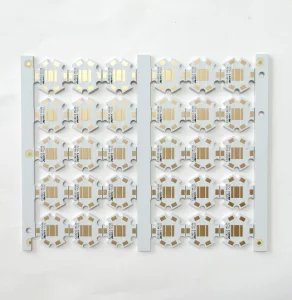
Operating in high-temperature domains requires selecting the correct resin systems. High-TG materials utilize advanced epoxy resin matrices modified with specialized curing agents to improve cross-linking density. As a result, parameters such as Coefficient of Thermal Expansion (CTE) along the Z-axis, Time to Delamination (T260/T288), and Conductive Anodic Filamentation (CAF) resistance are vastly superior to standard FR-4 materials.
| Property | Standard FR-4 | High-TG (FR-4 Class) | Advanced Thermal Metal Core |
|---|---|---|---|
| Glass Transition Temp (Tg) | 130°C - 140°C | 170°C - 180°C+ | N/A (Solid Aluminum/Copper base) | Thermal Conductivity | 0.25 W/m-K | 0.35 - 0.50 W/m-K | 1.0 - 4.0 W/m-K+ (Al/Cu base) |
| Z-Axis CTE (Before Tg) | 50-60 ppm/°C | 40-45 ppm/°C | 20-22 ppm/°C |
| Z-Axis CTE (After Tg) | 250-300 ppm/°C | 200-220 ppm/°C | N/A |
| Max Continuous Operating Temp | 110°C | 150°C | 180°C - 230°C |
Through our streamlined manufacturing ecosystem in Shenzhen, we bridge the gap between heavy design optimization and massive manufacturing capacity. Shenzhen provides an unmatched component sourcing speed, allowing us to procure components, build High-TG boards, run complex quality assays, and package them for transit within days. By shipping directly to Tokyo Port or Haneda Airport, Tokyo companies receive precision PCBs at a fraction of local fabrication costs, bypassing high domestic labor markups while securing high performance.
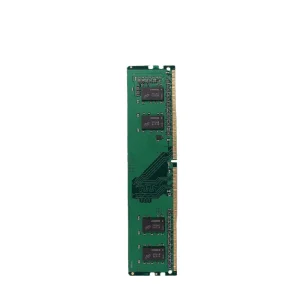
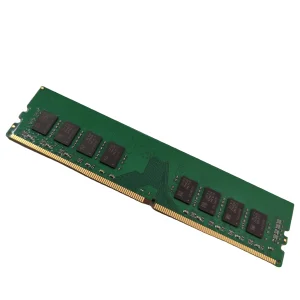
Velmix Technology Co., Ltd. is a professional DDR5 memory manufacturer based in Shenzhen, China, specializing in the research, development, production, and global distribution of high-performance DRAM memory solutions. Since its establishment in 2017, Velmix has been committed to delivering reliable, high-speed memory products for consumer electronics, industrial applications, gaming systems, servers, and embedded computing.
Operating from a modern manufacturing facility covering 368㎡, we combine advanced production technologies with strict quality management to ensure every memory module meets international performance and reliability standards. Our experienced engineering team continuously develops innovative DDR5 memory solutions to meet the evolving demands of AI computing, edge devices, cloud infrastructure, and next-generation computing platforms.
Today, Velmix serves customers in more than 40 countries and regions, offering flexible OEM and ODM manufacturing services for global brands, distributors, system integrators, and industrial equipment manufacturers. By focusing on product consistency, fast delivery, and technical innovation, we have built long-term partnerships across Europe, North America, Southeast Asia, and the Middle East.
| Item | Information |
|---|---|
| Company Name | Velmix Technology Co., Ltd. |
| Established | 2017 |
| Facility Area | 368㎡ |
| Annual Export Revenue | USD 18.6 Million |
| Export Experience | 8 Years |
| Industry Experience | 15 Years |
| Quality Control | 100% Full Inspection Before Shipment |
| Product Inspection Methods | Signal Integrity Test, Burn-in Test, Compatibility Test, Functional Test & Random Sampling |
| QC Staff | 56 Employees |
| Business Type | Manufacturer & Exporter |
| Main Markets | North America, Europe, Southeast Asia, Middle East & South America |
| Supply Chain Partners | 986+ |
| Main Customer Types | Brand Owners, OEM Manufacturers, System Integrators, Distributors & Wholesalers |
| R&D Capability | Independent Product Design, PCB Development & Firmware Optimization |
| Customization Options | OEM, ODM, Private Label, Customized Capacity, Heat Spreader, PCB Color & Packaging |
| New Products Launched Last Year | 138 Models |
| R&D Engineers | 84 Engineers |
Driven by innovation, precision manufacturing, and customer-oriented service, Velmix continues to expand its portfolio of DDR5 memory products while helping global partners build faster, more reliable, and more efficient computing systems. We are dedicated to becoming a trusted long-term supplier of premium memory solutions for customers worldwide.
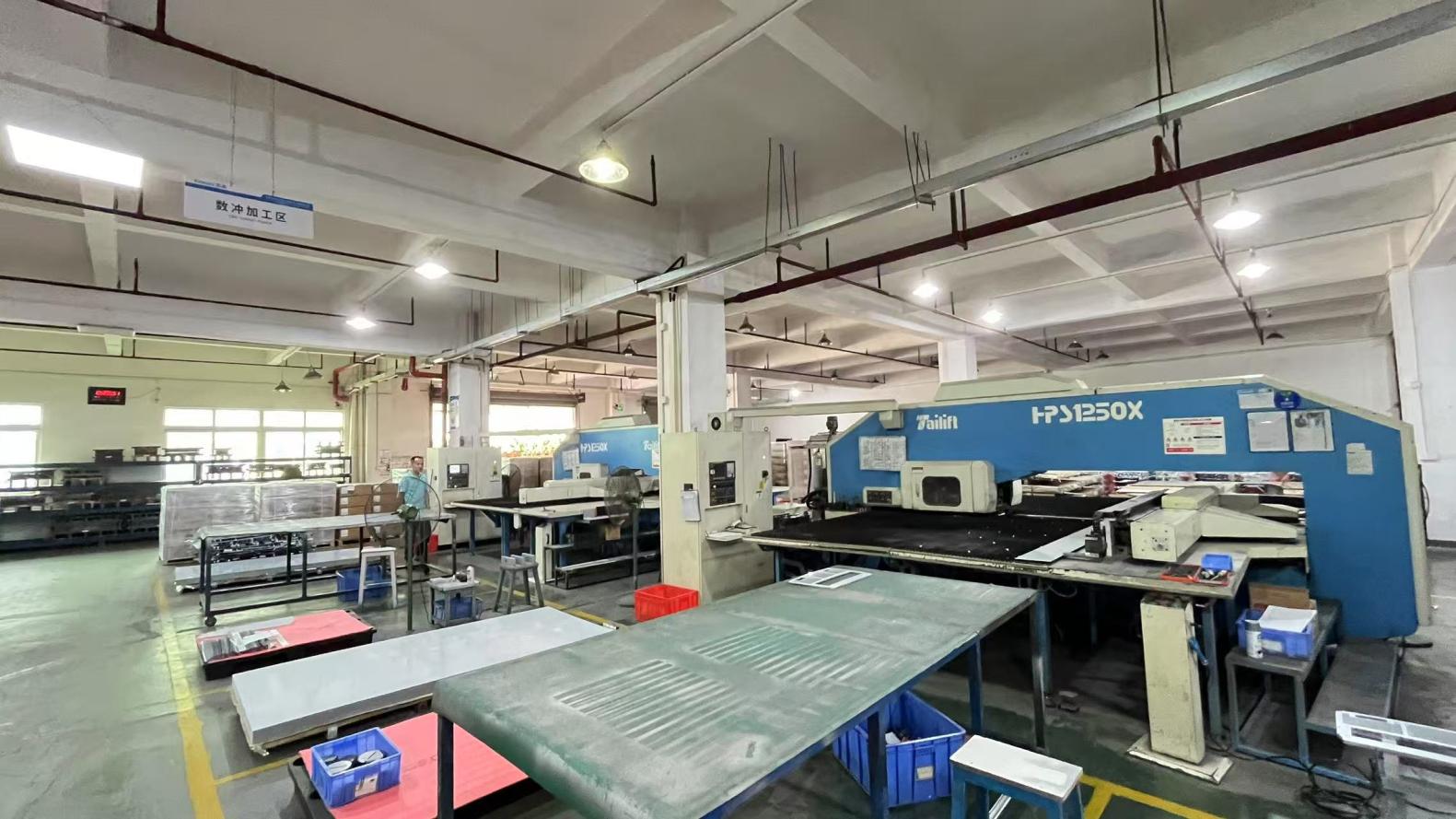
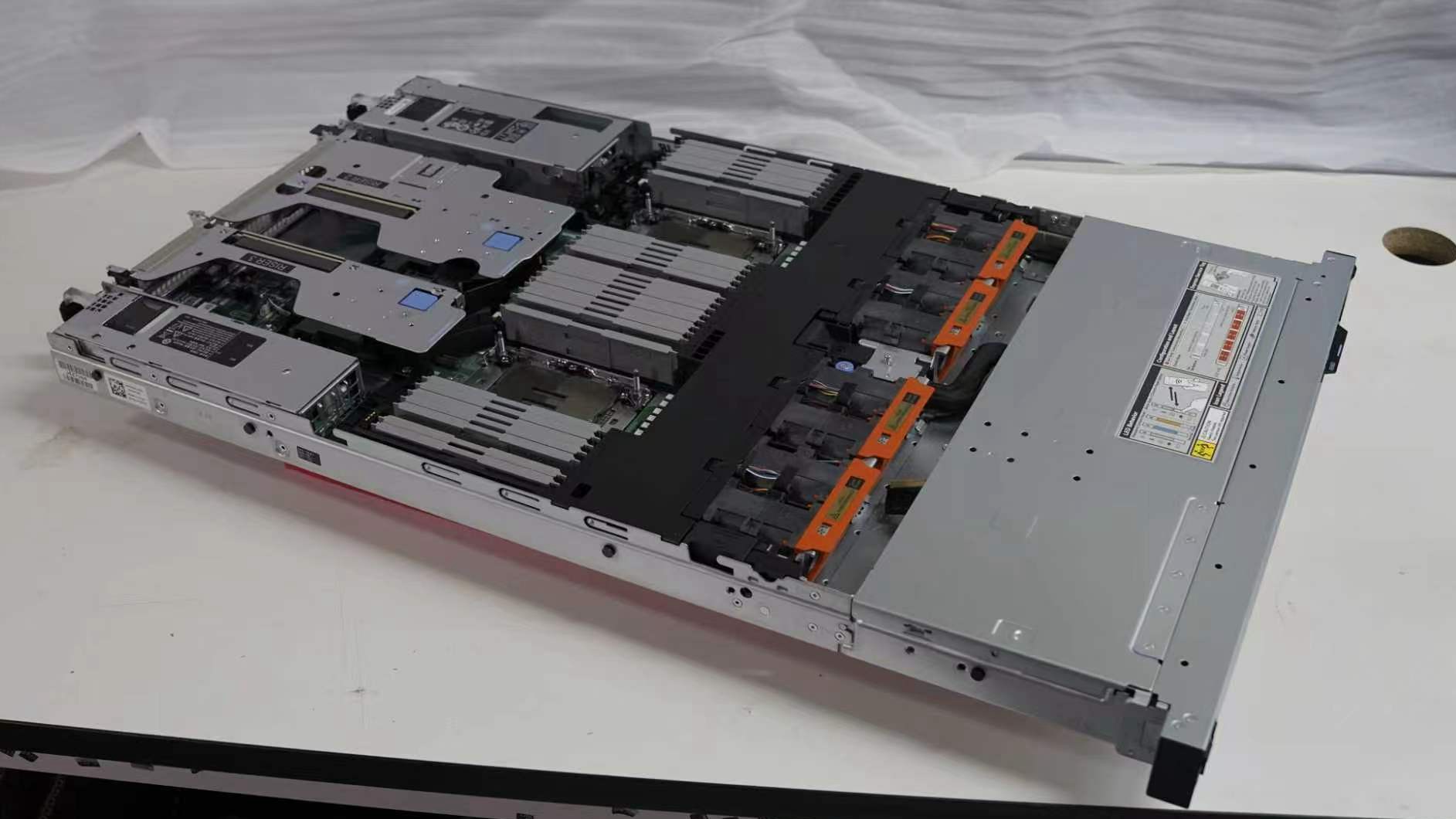
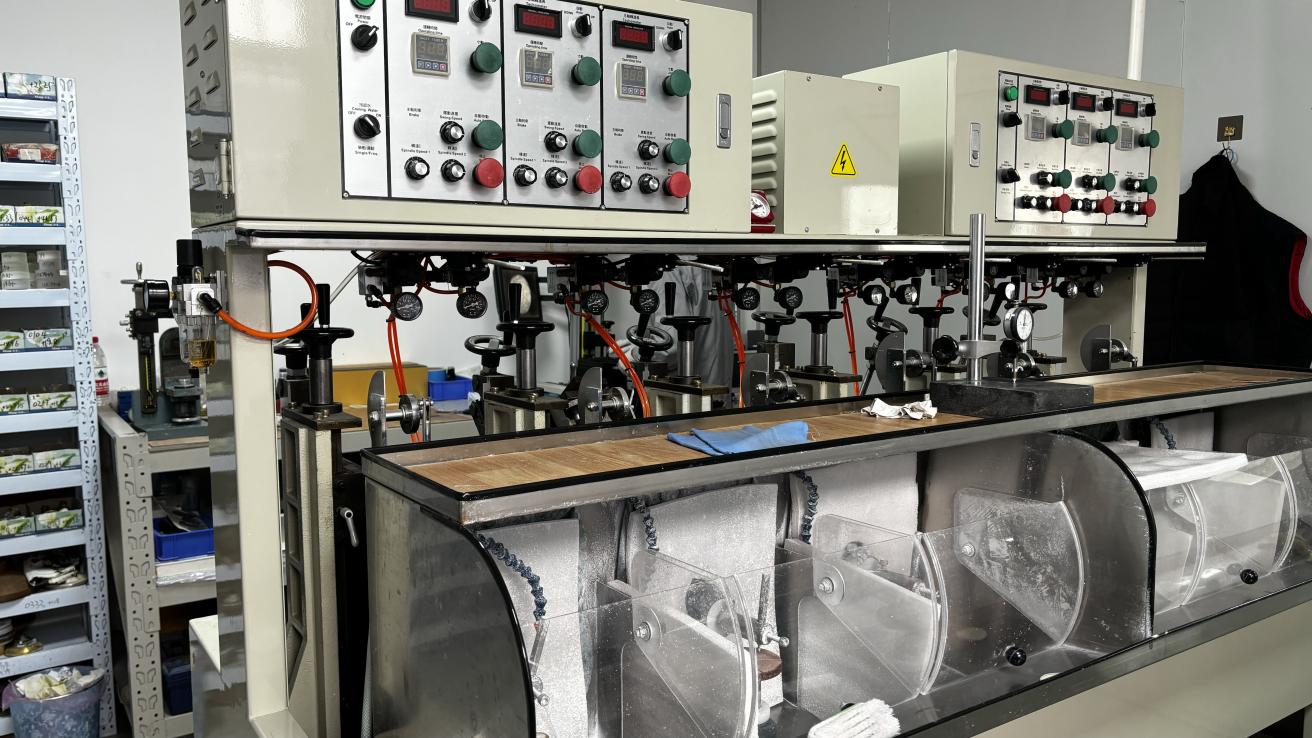
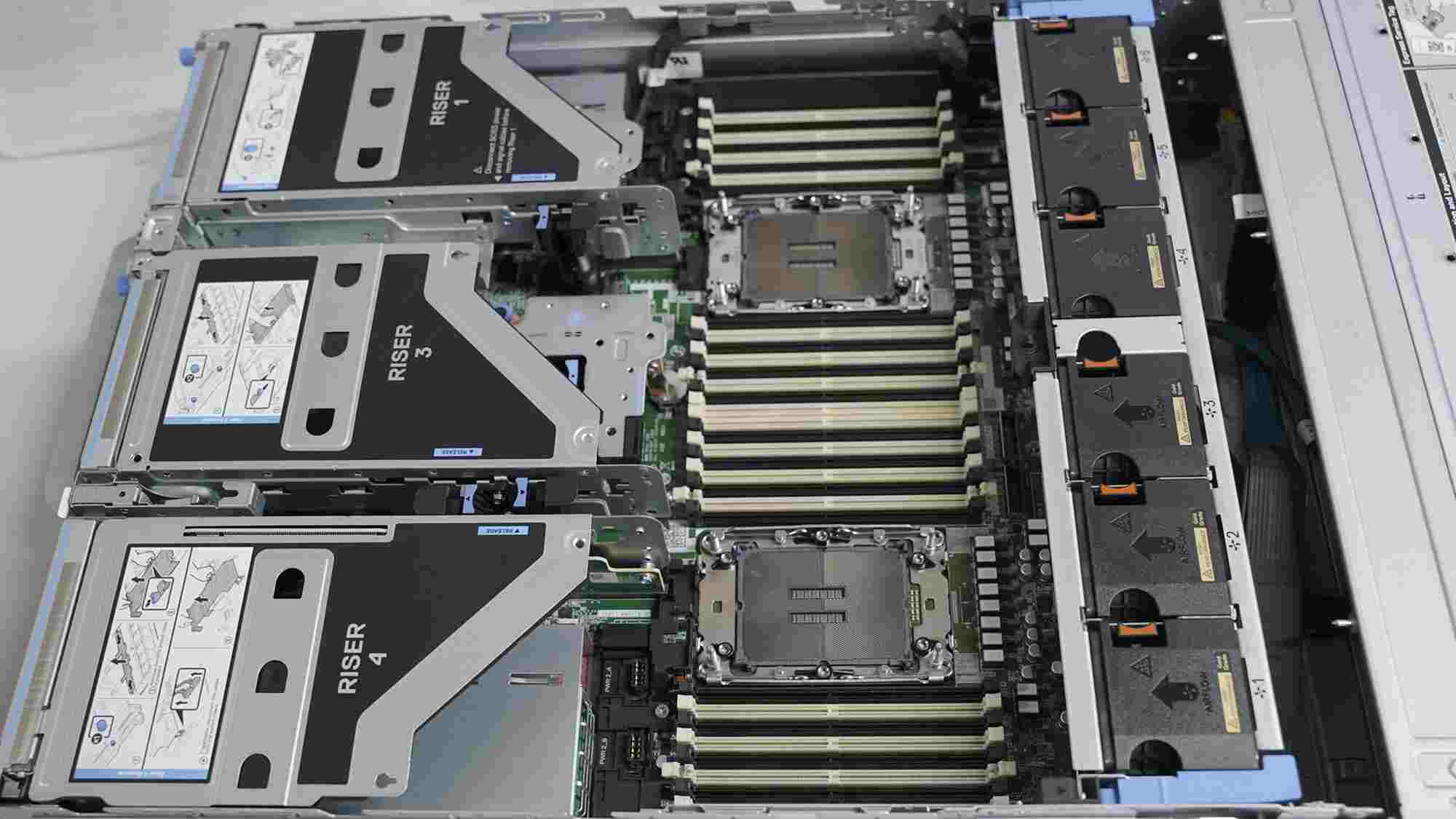
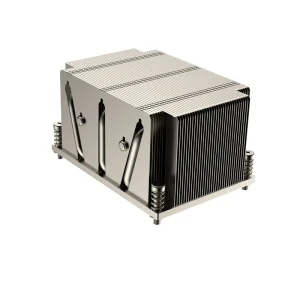
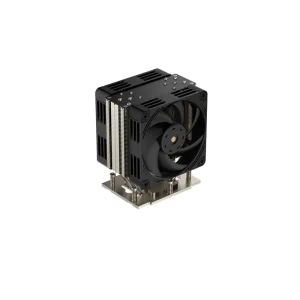
Modern telecommunication networks and artificial intelligence systems in Japan are shifting to dense edge nodes. This change places stress not only on the raw printed circuit boards but also on the memory subsystems and cooling mechanisms. As a leading manufacturer, we provide a holistic, macro-level hardware approach. By deploying High-TG substrates, specialized metal-core boards for power converters, and matched industrial DRAM modules, we ensure your entire computing system is protected from thermal failure.
Our solutions target extreme scenarios like AI inference machines in Shibuya and railway infrastructure controllers in Shinjuku, minimizing thermal resistance paths and ensuring signal integrity under continuous operations up to 150°C ambient temperatures.
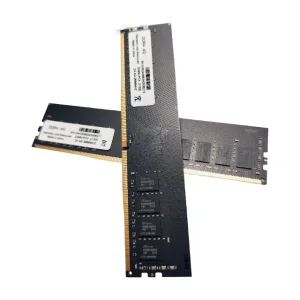
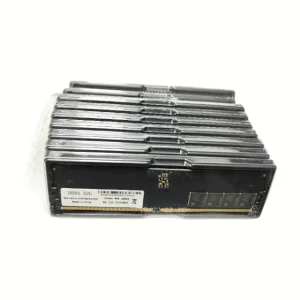
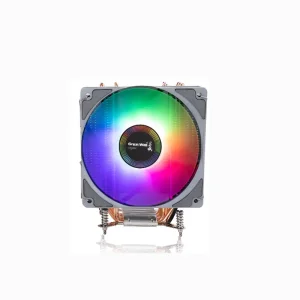
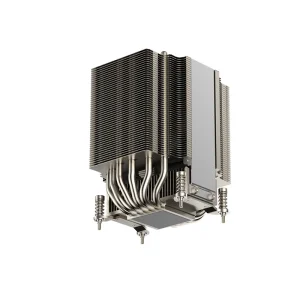
High-speed server memory and industrial cooling setups compatible with advanced PCB architectures for Tokyo's system integrators.
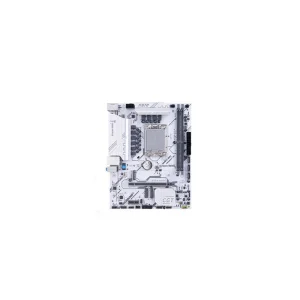
Technical clarifications regarding material specifications, design compatibility, and China-Japan supply chain logistics.
Consult with our engineering team to select the ideal High-TG parameters, thermal core configurations, or custom DRAM speeds for your Tokyo-based industrial deployment.
Get a Technical Consultation Velmix