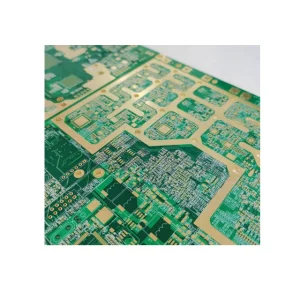
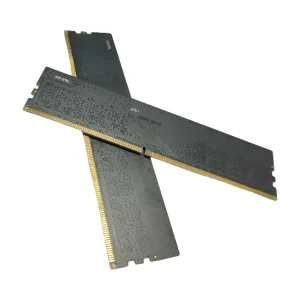
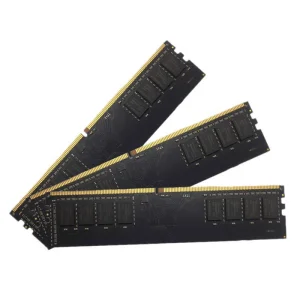
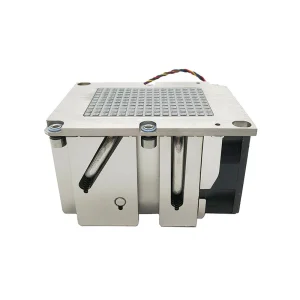
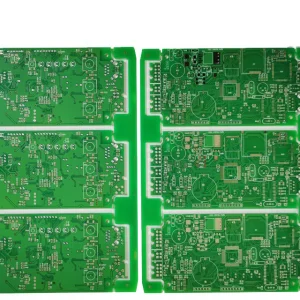
Direct-from-factory substrates designed for superior thermal dissipation and structural reliability.
Melbourne has emerged as Australia’s primary hub for advanced manufacturing, commercial transport innovation, and urban infrastructure developments. From the industrial precincts of Dandenong and Campbellfield to the startup corridors of Cremorne, Melbourne companies are designing next-generation electronic hardware that demands exceptional thermal management.
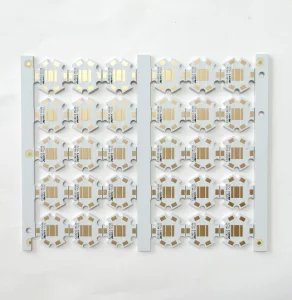
At the center of this technological evolution is the **Aluminum Printed Circuit Board (Aluminum PCB)**, or Metal Clad PCB (MCPCB). With heat-generating components such as high-power LEDs, power converters, and automotive battery systems operating under tighter packaging constraints, traditional FR4 substrates are no longer sufficient. Local OEMs require specialized factories capable of delivering custom aluminum substrates that prevent heat saturation and premature component failure.
Partnering with high-capacity offshore manufacturing centers like Velmix enables Victorian engineering teams to scale production from prototype runs to high-volume assembly, ensuring that products destined for local and international markets maintain the highest degree of reliability.
Melbourne’s architectural facade updates and council-led smart street lighting conversions rely heavily on MCPCBs for continuous heat dissipation in high-lumen outputs.
With local development of heavy EV conversions and charging networks across Victoria, low-thermal-resistance metal core substrates form the bedrock of robust power supply boards.
Understanding dielectric breakdown, thermal conductivity parameters, and base metal selections.
Typically comprised of Aluminum 5052 or 6061 alloys. Aluminum 5052 offers excellent mechanical strength and formability, making it ideal for custom chassis mounts, while 6061 provides superior thermal conductivity. Thicknesses range from 0.8mm to 3.2mm depending on structural load requirements.
This is the critical thermal-transfer layer. Composed of a polymer matrix enriched with ceramic or silicon particles, the dielectric provides electrical insulation while facilitating rapid heat transfer. Conductivity ranges from standard 1.0 W/m-K up to 8.0 W/m-K for ultra-performance circuits.
Laminated onto the dielectric layer, this layer carries the electrical currents. Ranging from 1 oz (35µm) to 6 oz (210µm) copper thickness, it dictates the current-carrying capacity and high-power circuit routing density for demanding hardware setups.
| Performance Parameter | FR4 Substrate | Standard Aluminum PCB | High-Conductivity Aluminum PCB |
|---|---|---|---|
| Thermal Conductivity (W/m-K) | 0.25 – 0.4 | 1.0 – 2.0 | 3.0 – 8.0+ |
| Dielectric Thickness (typical) | N/A (Full board substrate) | 75µm – 150µm | 50µm – 100µm |
| Thermal Resistance (°C/W) | > 50 | 0.5 – 1.2 | < 0.15 |
| Thermal Stress Test (288°C) | 10s – 30s | > 2 mins (no delamination) | > 5 mins (highly stable) |
| Coefficient of Thermal Expansion (CTE) | 15-18 ppm/°C | 22 ppm/°C (Matches Aluminum Base) | Optimized to match copper/LED chips |
Electronics procurement is a global discipline. While Melbourne’s R&D facilities lead in conceptual engineering and custom enclosure prototyping, the sheer scale, material ecosystem, and cost advantages of specialized offshore manufacturers are unmatched.
By establishing direct channels with high-performance manufacturing entities like **Velmix Technology**, procurement professionals in Australia mitigate risks associated with sub-standard components and delayed turnarounds. We implement extensive verification loops before any board leaves our facility, delivering product parity with AS/NZS compliance standards.
Our logistical pipeline is optimized for Australian ports, securing consistent shipping times to Tullamarine Airport or the Port of Melbourne, bypasses middlemen markups, and provides local businesses with the competitive edge needed in today's high-tech landscape.
Global Manufacturer of High-Performance DRAM Memory Solutions and Precision Electronics Substrates.
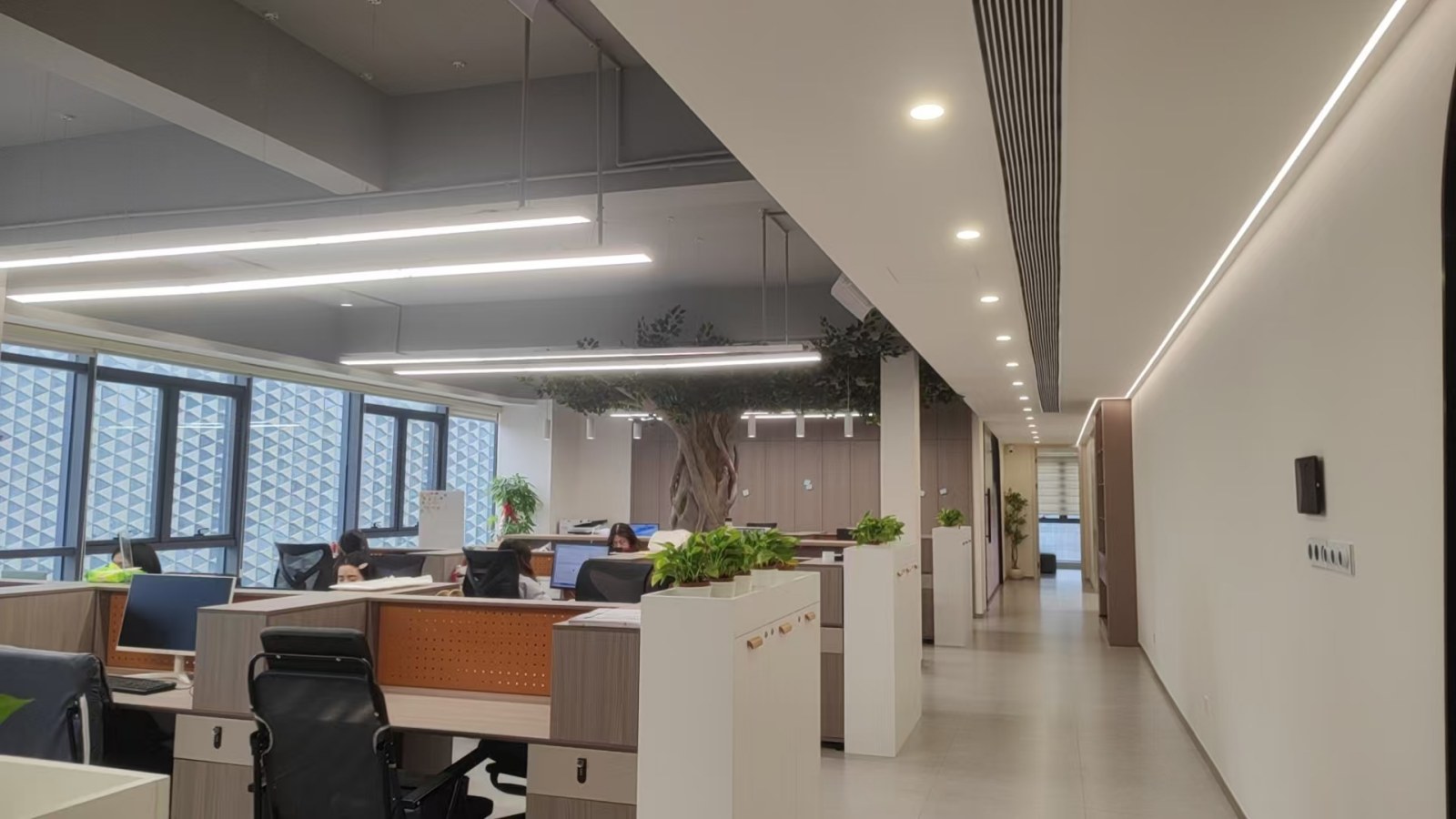
Velmix Technology Co., Ltd. is a professional manufacturer based in Shenzhen, China, specializing in the research, development, production, and global distribution of high-performance DRAM memory solutions and advanced printed circuit board integrations. Since our establishment in 2017, Velmix has been committed to delivering reliable, high-speed memory products and complex layout assemblies for consumer electronics, industrial applications, gaming systems, servers, and embedded computing environments.
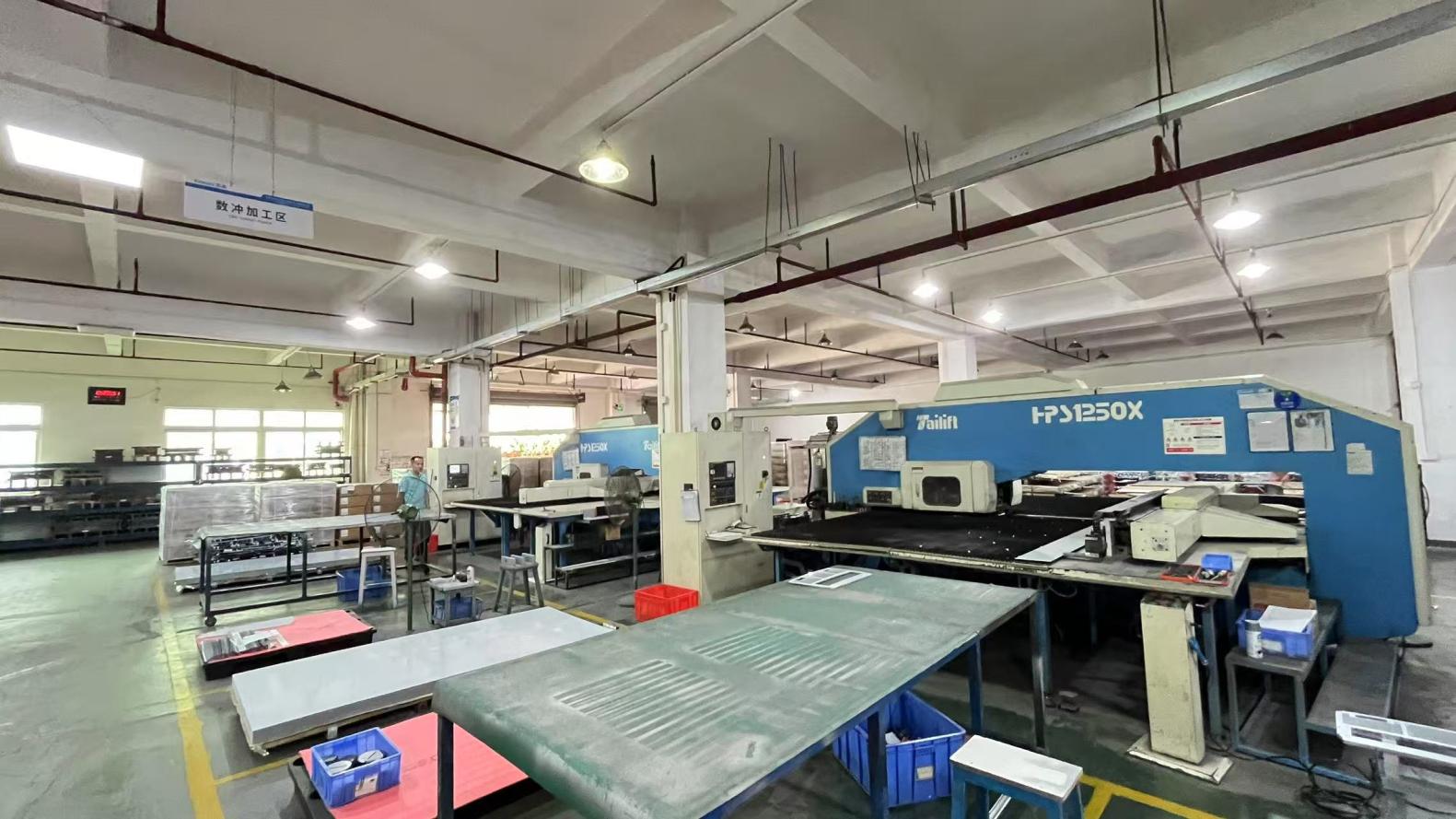
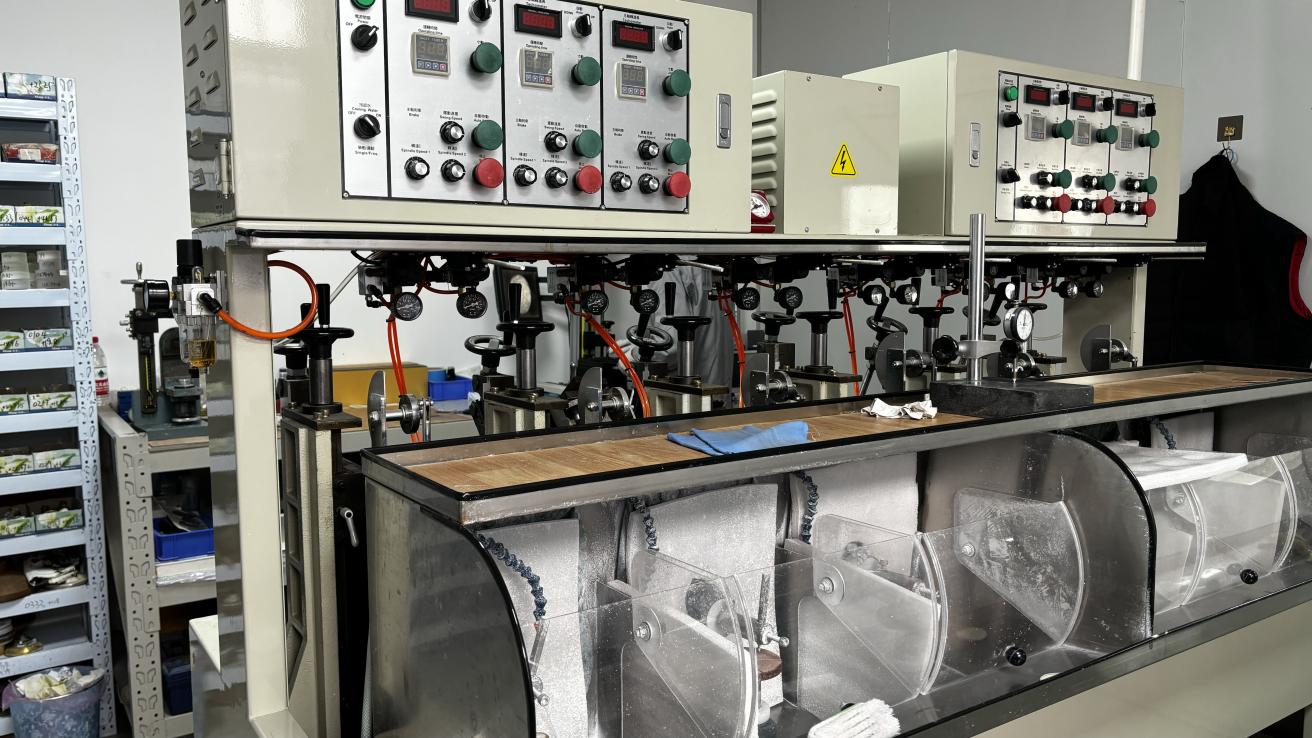
Operating from a modern manufacturing facility combining advanced production technologies with strict quality management, we ensure every product meets international performance and reliability standards. Our experienced engineering team continuously develops innovative thermal and performance solutions to meet the evolving demands of AI computing, edge devices, cloud infrastructure, and next-generation power systems.
Today, Velmix serves customers in more than 40 countries and regions, offering flexible OEM and ODM manufacturing services for global brands, distributors, system integrators, and industrial equipment manufacturers. By focusing on product consistency, fast delivery, and technical innovation, we have built long-term partnerships across Europe, North America, Southeast Asia, and the Middle East.
| Company Name | Velmix Technology Co., Ltd. |
| Facility Area | 368㎡ |
| Export Experience | 8 Years |
| Quality Control Staff | 56 Employees |
| Inspection Methods | Signal Integrity Test, Burn-in Test, Compatibility Test, Functional Test & Random Sampling |
| Customization Options | OEM, ODM, Private Label, Customized Capacity, Heat Spreader, PCB Color & Packaging |
Navigating Australian compliance criteria is vital for any consumer product or commercial deployment. Aluminum PCBs utilized in mains-connected luminaires, industrial machinery, or medical hardware must satisfy rigorous electromagnetic compatibility (EMC) and mechanical performance checks.
Our manufacturing and assembly protocols strictly adhere to **ISO 9001:2015** quality guidelines, and our raw metal substrates conform to **UL 796** standards. By utilizing high-density solder mask inks and premium lead-free finishes (such as ENIG or HASL Lead-Free), we ensure that the finished boards comply with **RoHS** and **REACH** initiatives. This clean manufacturing approach guarantees smooth product clearances and certifications (such as the RCM mark) for Australian-bound goods.
All aluminum substrates are fabricated to international IPC criteria, guaranteeing predictable trace tolerances, plating depths, and dielectric insulation thicknesses.
100% automated optical scans combined with electrical open/short testing eliminate board trace anomalies before dispatch.
Specialized aging tests simulate extreme operations to confirm thermal dissipation capabilities without material delamination.
Where thermal design and next-gen material engineering are heading.
By shrinking dielectric layer thickness down to 38µm while maintaining high breakdown voltages, we achieve thermal resistances below 0.05°C/W, optimizing thermal paths for high-wattage processors and laser diodes.
Supporting advanced circuits with complex control loops by sandwiching signal planes between high-performance dielectrics, utilizing buried vias, and backing the array with solid aluminum bases.
Combining traditional FR4 multilayer routing for complex control chips with specialized copper-filled thermal runs that tie directly to an aluminum backing block for local hotspots.
Critical answers for electronics engineers, sourcing managers, and system designers.
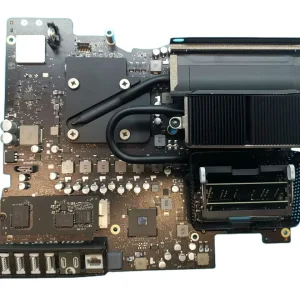
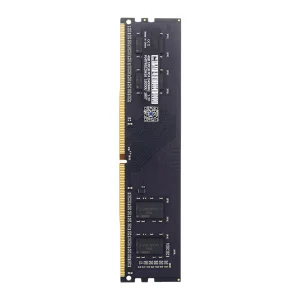
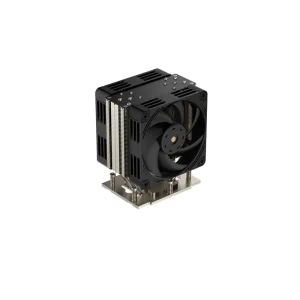
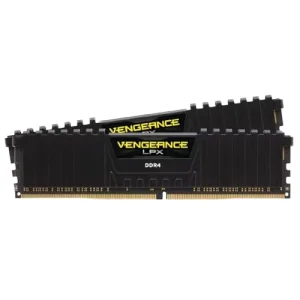
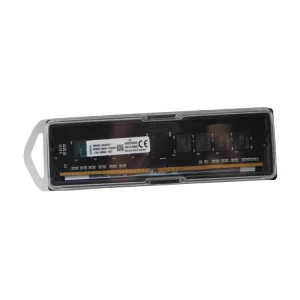
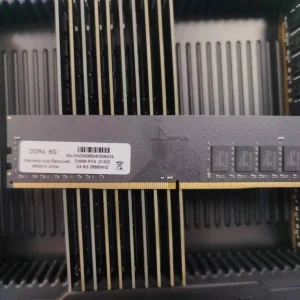
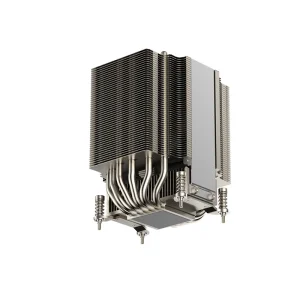
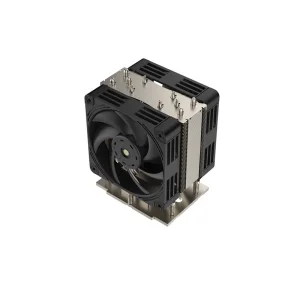
Complementary hardware designed to support thermal extraction networks and enterprise memory solutions.
Get in touch with our specialist team today. We provide full engineering design rule checks (DRC), thermal analysis, and competitive quotes for prototype and production-volume runs delivered to Melbourne.
Send Inquiry Now Velmix