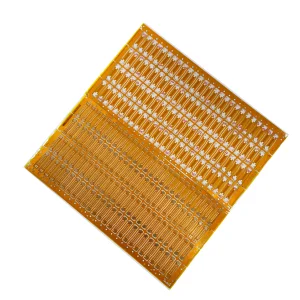
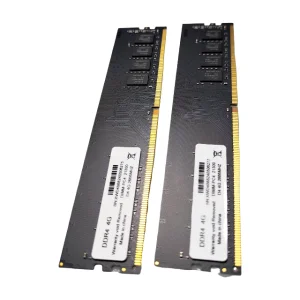
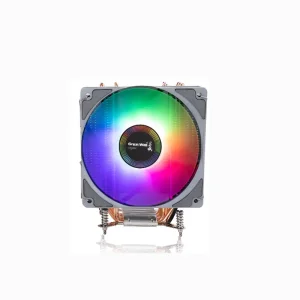
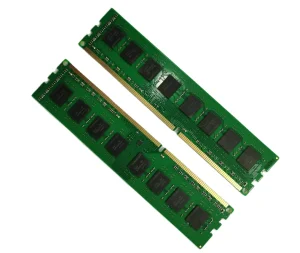
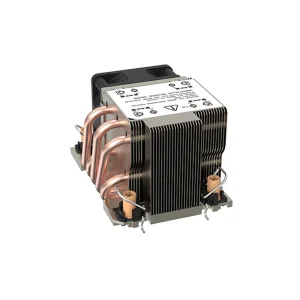
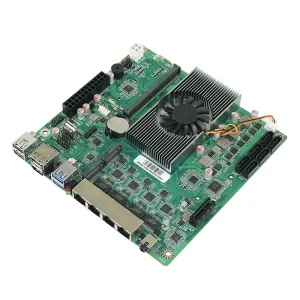
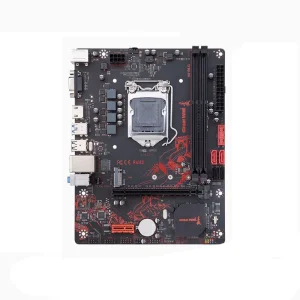
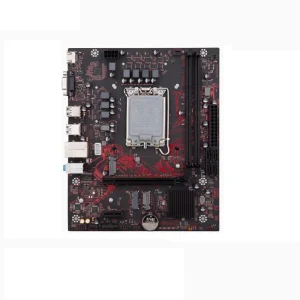
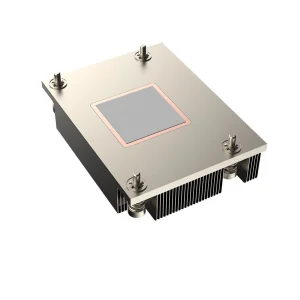
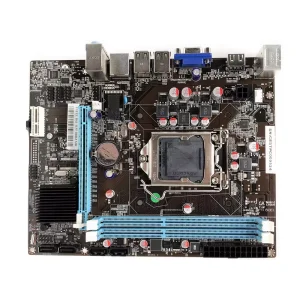
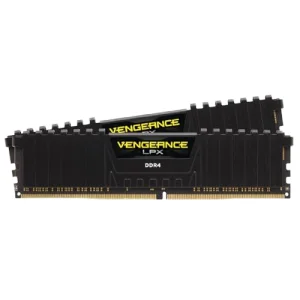
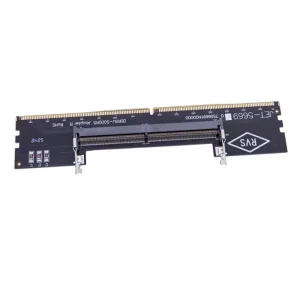
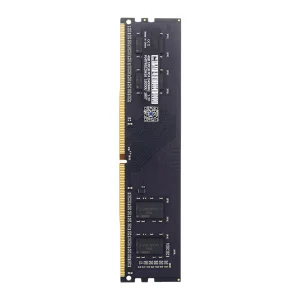
To support high-reliability optoelectronic deployments and intelligent monitoring grids across Sri Lankan municipal and industrial sites, we provide integrated board-level solutions. Explore our advanced flexible PCBs, high-density server memories, and thermal management kits designed for continuous industrial operations:
Ultraviolet germicidal irradiation (UVGI) relies heavily on the precise wavelength of emitted light to disrupt the nucleic acids of micro-organisms. The peak absorption of DNA and RNA occurs between 260nm and 270nm, where the pyrimidine bases (thymine in DNA and uracil in RNA) absorb photonic energy most efficiently. This absorption causes a molecular rearrangement, leading to the formation of pyrimidine dimers. These dimers inhibit the replication mechanism of the pathogen, rendering it non-pathogenic and effectively sterile.
Targeted 265nm wavelength matches the peak absorption curve of common pathogens, causing dimerization and preventing replication.
Complies with the Minamata Convention on Mercury, providing a solid-state, environmentally stable alternative to traditional lamps.
AlGaN substrate, quartz glass dome lens, and high thermal-conductivity ceramic bases ensure reliable heat extraction and high radiant flux.
Compared to legacy low-pressure mercury lamps (which primarily emit at 254nm), 260nm-270nm solid-state light-emitting diodes (LEDs) match the actual biological vulnerability of bacteria and viruses more precisely. Furthermore, the 3535 surface-mount device (SMD) packaging standard leverages AlGaN (Aluminum Gallium Nitride) semiconductor chips, protected by quartz glass domes, which maximize light extraction while maintaining thermal and structural integrity under demanding operating conditions.
Sri Lanka is undergoing a strategic shift toward modernizing its industrial, agricultural, and hospitality sectors. With strict export guidelines and rising domestic public health standards, the implementation of localized sterilization systems has become critical. The market is demanding high-efficiency disinfection technologies in several core areas:
The global optoelectronics supply chain is transitioning rapidly from mercury-vapor discharge tubes to solid-state UV LEDs. This transition is motivated by regulatory shifts, such as the Minamata Convention on Mercury, which places strict limits on the production and import of mercury-containing devices. Procurement managers in Europe, North America, and South Asia are restructuring their supplier base to prioritize suppliers capable of delivering high-reliability, long-lifetime UVC devices.
Key global procurement metrics emphasize L70 lifetimes exceeding 10,000 hours, thermal resistance values lower than 15 K/W, and optical power outputs (radiant flux) of at least 3mW to 15mW per single 3535 LED emitter at nominal currents. Global buyers require modular configurations, customizable flexible circuit board integrations, and highly resilient logistical pathways to prevent production downtime in regional manufacturing hubs.
Leveraging state-of-the-art manufacturing infrastructure in Shenzhen, China, Velmix Technology Co., Ltd. stands as a premier partner in the precision electronics and semiconductor integration sector. Operating a modern facility with advanced automated SMD placement systems and high-throughput production lines, Velmix ensures that the components powering modern UVC reactors—from driving circuitboards and flexible PCBs to thermal management sub-assemblies—comply with strict global quality metrics.
Our commitment to Industry 4.0 methodologies translates to full digital traceability of all raw materials, automated optical inspections (AOI), and multi-tier quality checks. By integrating signal integrity testing, rigorous thermal burn-in testing, and compatibility matrices, we ensure that every batch of products exported to Sri Lanka delivers unwavering field reliability. Through strategic partnerships with top-tier epitaxy and packaging foundries, we secure the supply chain from raw wafer sourcing to localized customs clearance, shielding our Sri Lankan clients from market volatility and logistic bottlenecks.
Integrating 260nm-270nm 3535 UVC LEDs into the Sri Lankan industrial framework requires tailored engineering approaches. The unique high-humidity climate (frequently exceeding 80% relative humidity) and local grid characteristics require robust systems. Here are the primary localized engineering implementations:
In rural regions like Anuradhapura, UVC LEDs are integrated directly into gravity-fed water purification systems. A cluster of 3535 UVC LEDs is mounted on a copper-core metal clad PCB (MCPCB) and coupled with a food-grade quartz tube. As raw groundwater flows through, it receives a controlled ultraviolet dose (fluence) of at least 40 mJ/cm², effectively neutralizing waterborne pathogens, including Giardia, Cryptosporidium, and chlorine-resistant bacteria, without generating chemical byproducts.
For tea and spice packaging lines in Colombo and Kandy, UVC LEDs are installed in linear arrays above conveyor lines. Because these LEDs operate cold, they do not warm the tea leaves, preserving delicate essential oils and volatile flavors. The solid-state design prevents any risk of glass breakage or mercury leakage onto food lines, ensuring compliance with Hazard Analysis Critical Control Point (HACCP) frameworks.
To combat mold and airborne pathogen transmission in commercial properties and luxury hotels along the Colombo coast, UVC LED modules are integrated into localized fan coil units and centralized HVAC ducts. The 260-270nm radiation destroys mold spores (such as Aspergillus niger) that thrive in air conditioning condensate pans under tropical conditions.
Velmix Technology Co., Ltd. has established itself as an industry leader in manufacturing, testing, and exporting high-performance memory modules, PCBs, and specialized electronic assemblies. Our rigorous QC processes ensure that every assembly we ship—from standard server components to bespoke optoelectronic controllers—performs reliably in demanding tropical environments like Sri Lanka.
| Specification Parameter | Operational Standard & Value |
|---|---|
| Company Name | Velmix Technology Co., Ltd. |
| Established | 2017 |
| Facility Area | 368㎡ (High-Precision SMT Production & Assembly Lines) |
| Annual Export Revenue | USD 18.6 Million |
| Export Experience | 8 Years |
| Industry Experience | 15 Years |
| Quality Control Protocol | 100% Full Inspection Before Shipment |
| Inspection Methods | Signal Integrity Test, Burn-in Test, Compatibility Test, Functional Test & Random Sampling |
| QC Staff Count | 56 Dedicated QC Employees |
| Business Type | Manufacturer & Exporter |
| Main Markets served | North America, Europe, Southeast Asia, Middle East & South America |
| Supply Chain Partners | 986+ Global Component Suppliers |
| R&D Capability | Independent Product Design, PCB Development & Firmware Optimization |
| Customization Options | OEM, ODM, Private Label, Customized Capacity, Heat Spreader, PCB Color & Packaging |
| New Products Launched Last Year | 138 Models |
| R&D Engineers | 84 Engineers |
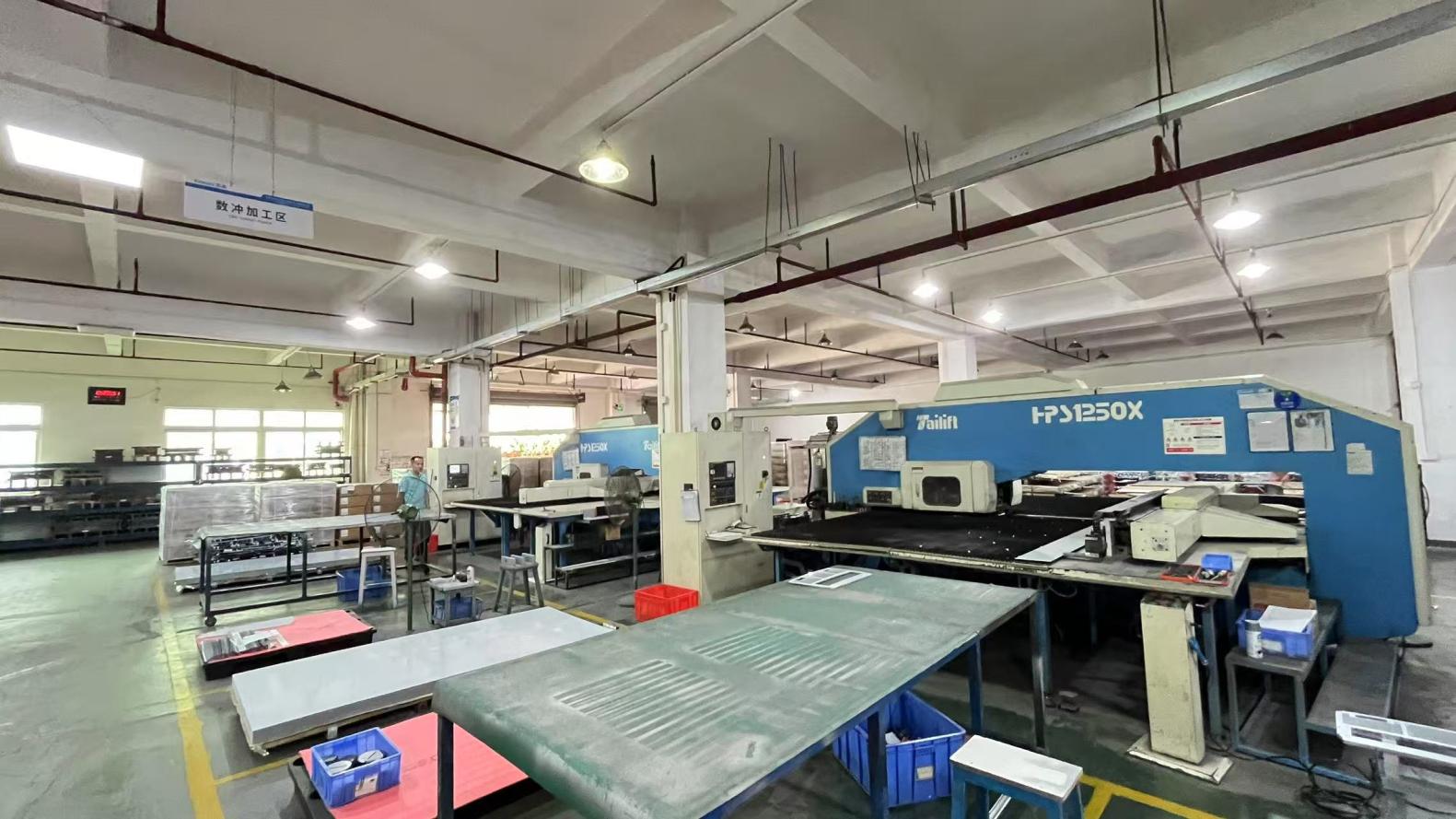
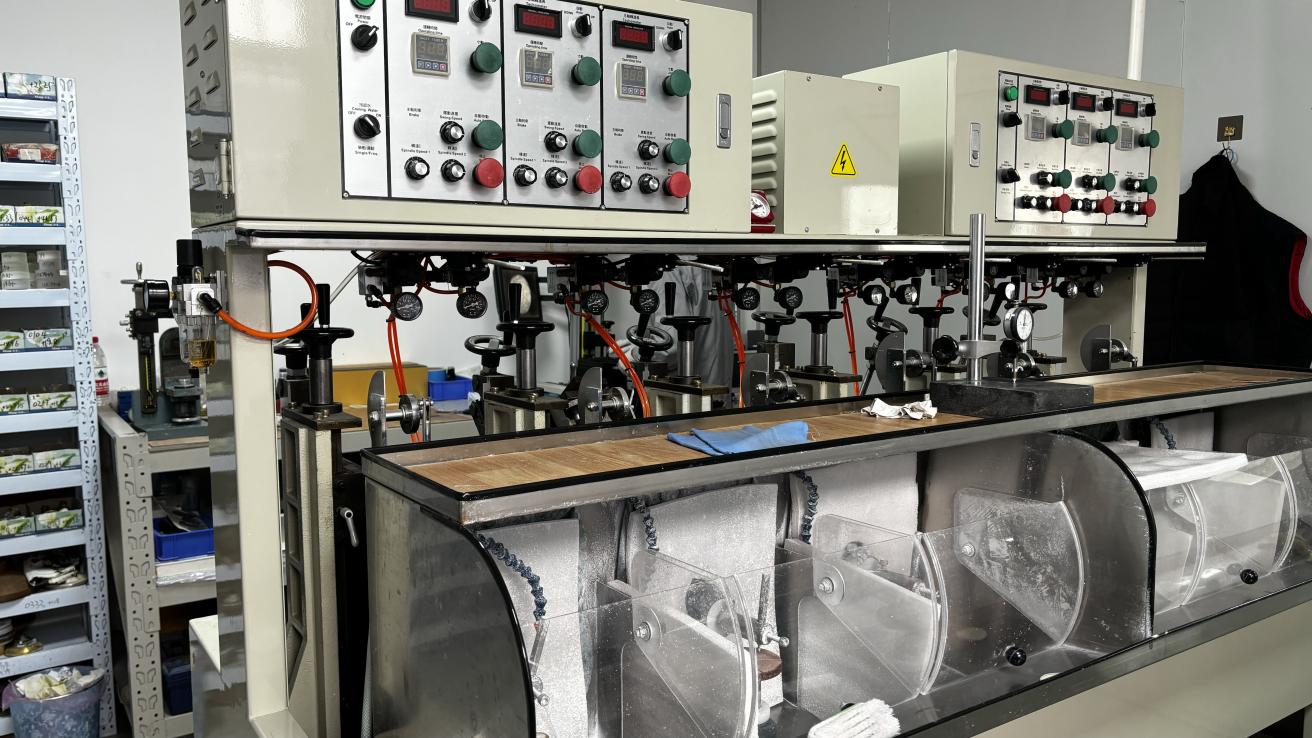
Our manufacturing and assembly floors in Shenzhen are equipped with leading automation technology to support both volume production runs and specialized custom orders:
The absorption spectrum of DNA/RNA peaks precisely around 265nm. While 280nm or longer wavelengths are easier to produce with high optical power, they are significantly less effective at causing pyrimidine dimers in pathogen genomes. Choosing 260nm-270nm ensures maximum germicidal efficiency per milliwatt of electrical input, allowing for smaller physical designs and lower power requirements.
The 3535 SMD package features an aluminum nitride (AlN) ceramic substrate with high thermal conductivity (exceeding 170 W/mK) and a dedicated thermal pad. It must be reflow-soldered to a Metal Clad PCB (MCPCB) with a high-performance thermal interface material (TIM). Keeping the junction temperature ($T_j$) below 65°C is critical to achieving L70 lifetimes beyond 10,000 hours.
UVC LEDs contain no mercury, meaning there is zero risk of toxic contamination in food processing lines (crucial for Ceylon tea and spices). Additionally, LEDs operate at low voltages, switch on and off instantly without preheating, and can be integrated into high-speed sorting and packaging machinery without fragile glass housings.
High humidity can cause condensation on optical surfaces and corrosion on exposed electrical contacts. To prevent this, our UVC LED modules are manufactured using high-quality conformal coatings, moisture-resistant solder joints, and sealed quartz lenses. For harsh environments, we recommend IP67-rated enclosure designs.
UVC LEDs must always be driven by constant-current (CC) power supplies rather than constant-voltage (CV) sources. Small variations in temperature can shift the LED forward voltage ($V_f$), leading to current spikes that can damage the AlGaN chip. Our standard driver cards incorporate over-temperature protection, ESD shielding, and precise current limiting.
Yes. The compact 3.5mm x 3.5mm footprint allows these emitters to be configured on custom circular or linear MCPCBs. These modules can fit into reactor chambers of various sizes, enabling easy retrofitting into existing municipal, industrial, or domestic under-sink water purifiers.
UV dose ($mJ/cm^2$) is the product of UV irradiance ($mW/cm^2$) and exposure time (seconds). For example, to achieve a 99.99% (log-4) reduction of E. coli, a minimum dose of 16 mJ/cm² is required. Our engineering support team helps clients calculate the correct flow rates and LED array configurations to guarantee target doses in dynamic water systems.
Yes, we leverage our 15 years of industry experience and an 84-member engineering team to design custom driving circuits, control logic, flexible PCB arrays, and heat sinks. We work closely with Sri Lankan system integrators to deliver complete, optimized optoelectronic solutions.
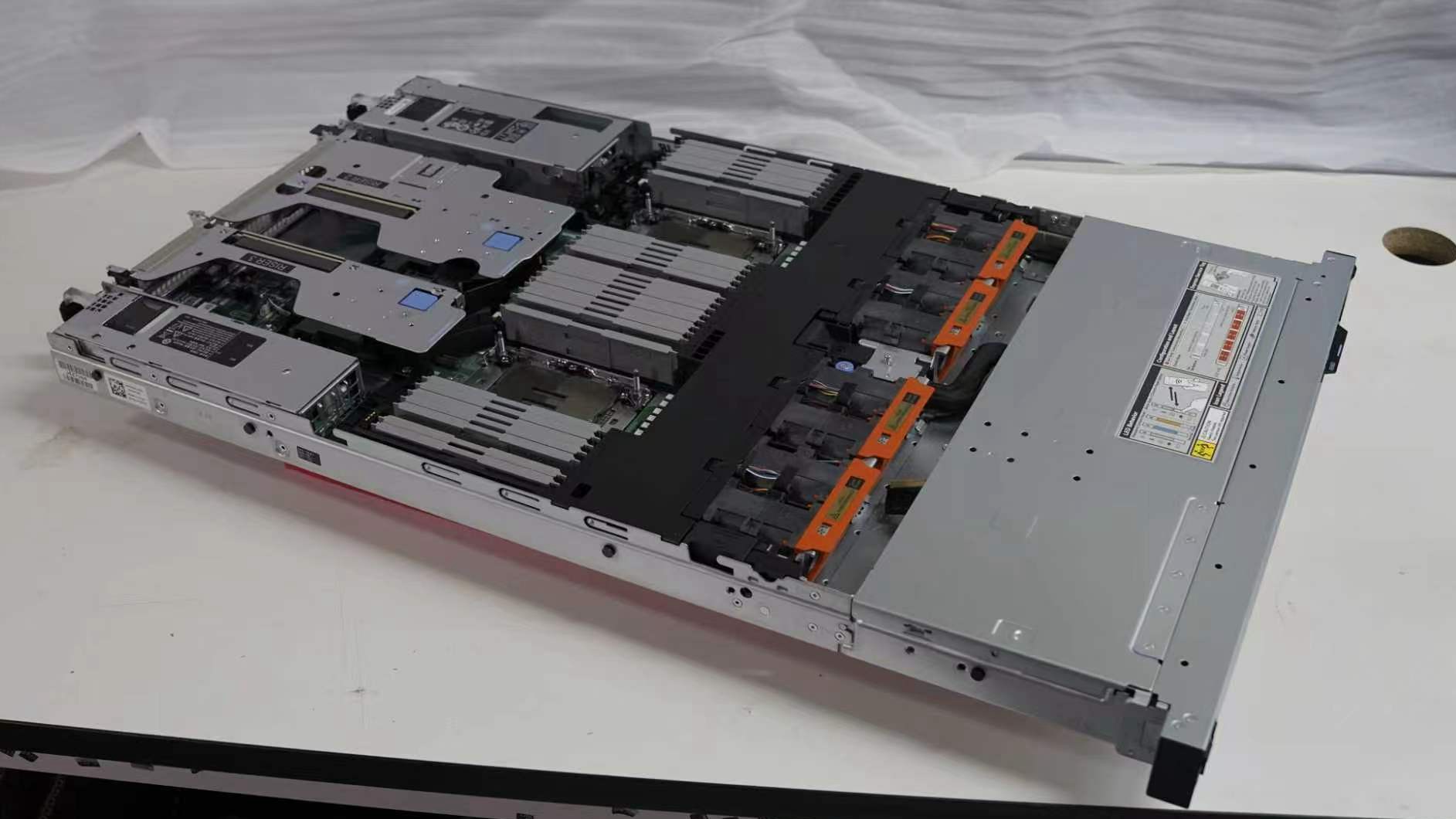
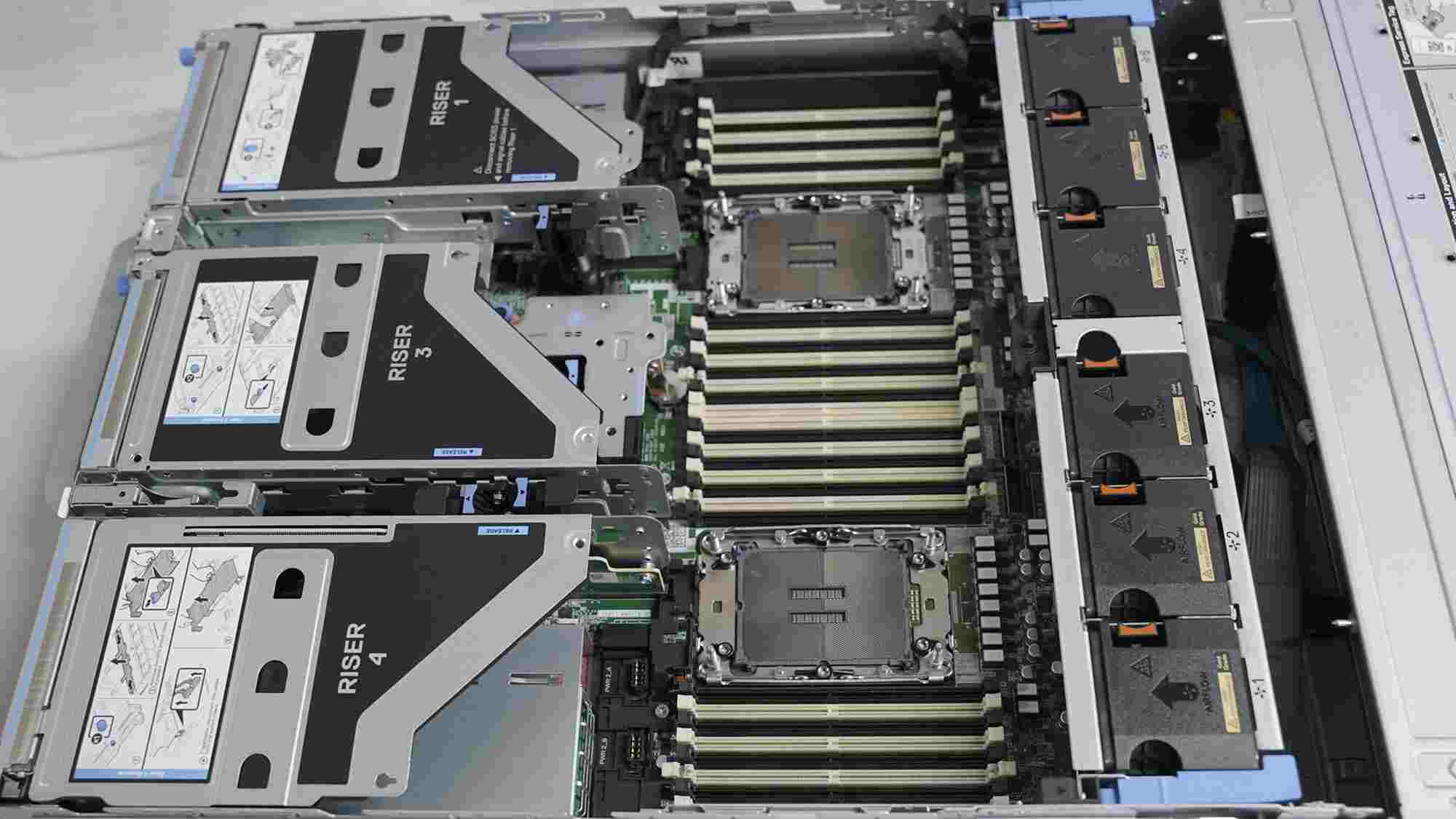
To ensure high-performance operations, industrial systems require reliable infrastructure. Below is our complete catalog of motherboards, memory modules, server fans, and thermal kits designed to support your UVC LED monitoring systems and local IT frameworks:
 Velmix