Explore our elite-grade high-frequency components, enterprise-grade liquid coolers, and custom SMT assemblies designed for robust reliability.
In the rapidly shifting landscape of global electronics, Printed Circuit Board Assembly (PCBA) constitutes the backbone of modern technological systems. From standard edge-computing hardware to hyper-scale server infrastructures hosting artificial intelligence workloads, the demands placed upon PCBA manufacturers have transcended basic assembly. Today, precision, signal integrity, and robust thermal management are the determining factors of hardware survival.
The electronic manufacturing services (EMS) sector is undergoing structural changes. Buyers are no longer seeking raw board capacity; they require end-to-end engineering collaboration. High-speed memory module fabrication (such as DDR5 and DDR4), complex multi-layer designs for industrial controls, and thermal components must be synchronized.
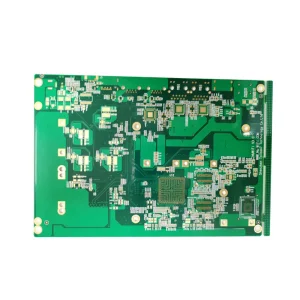
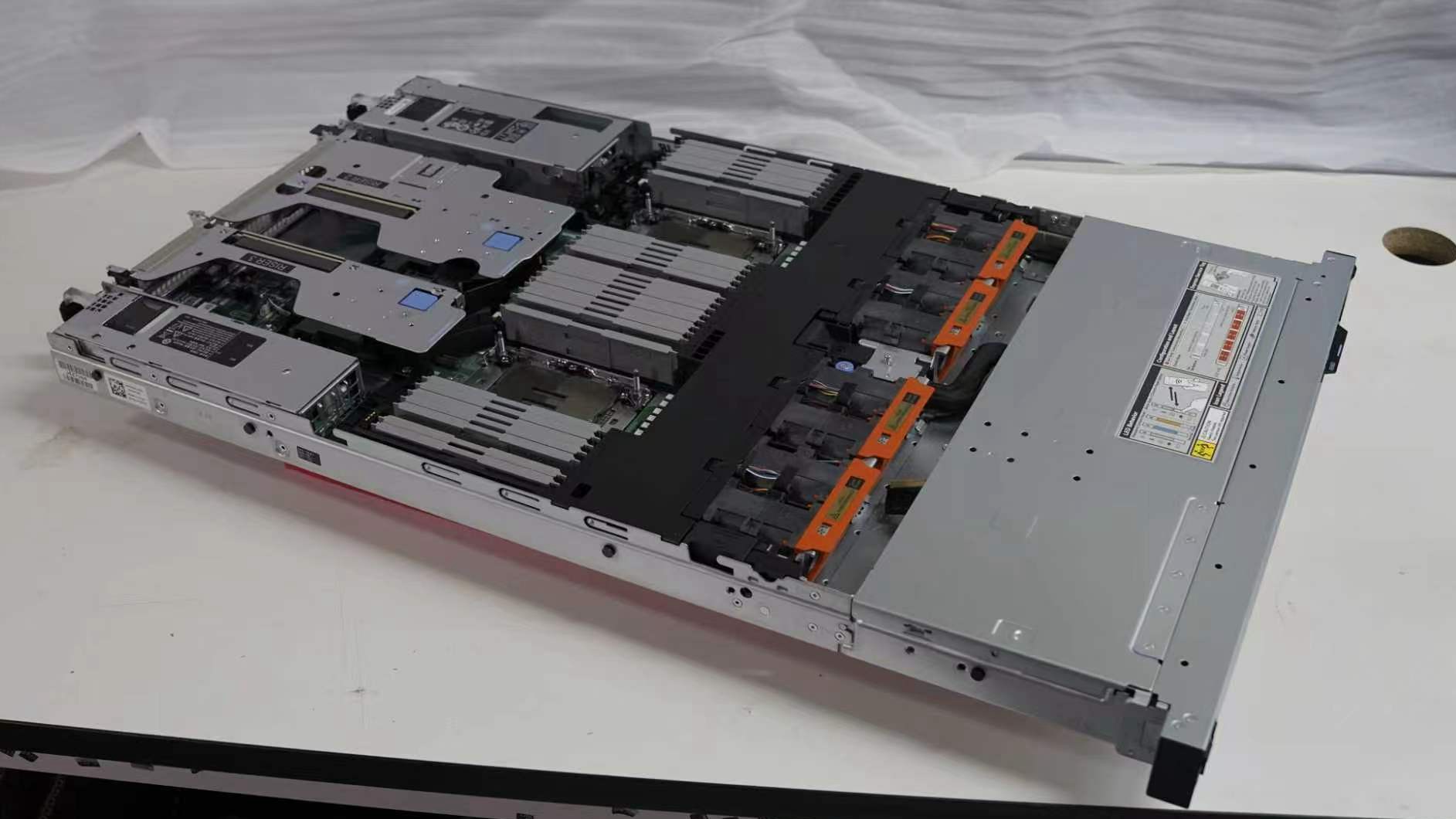
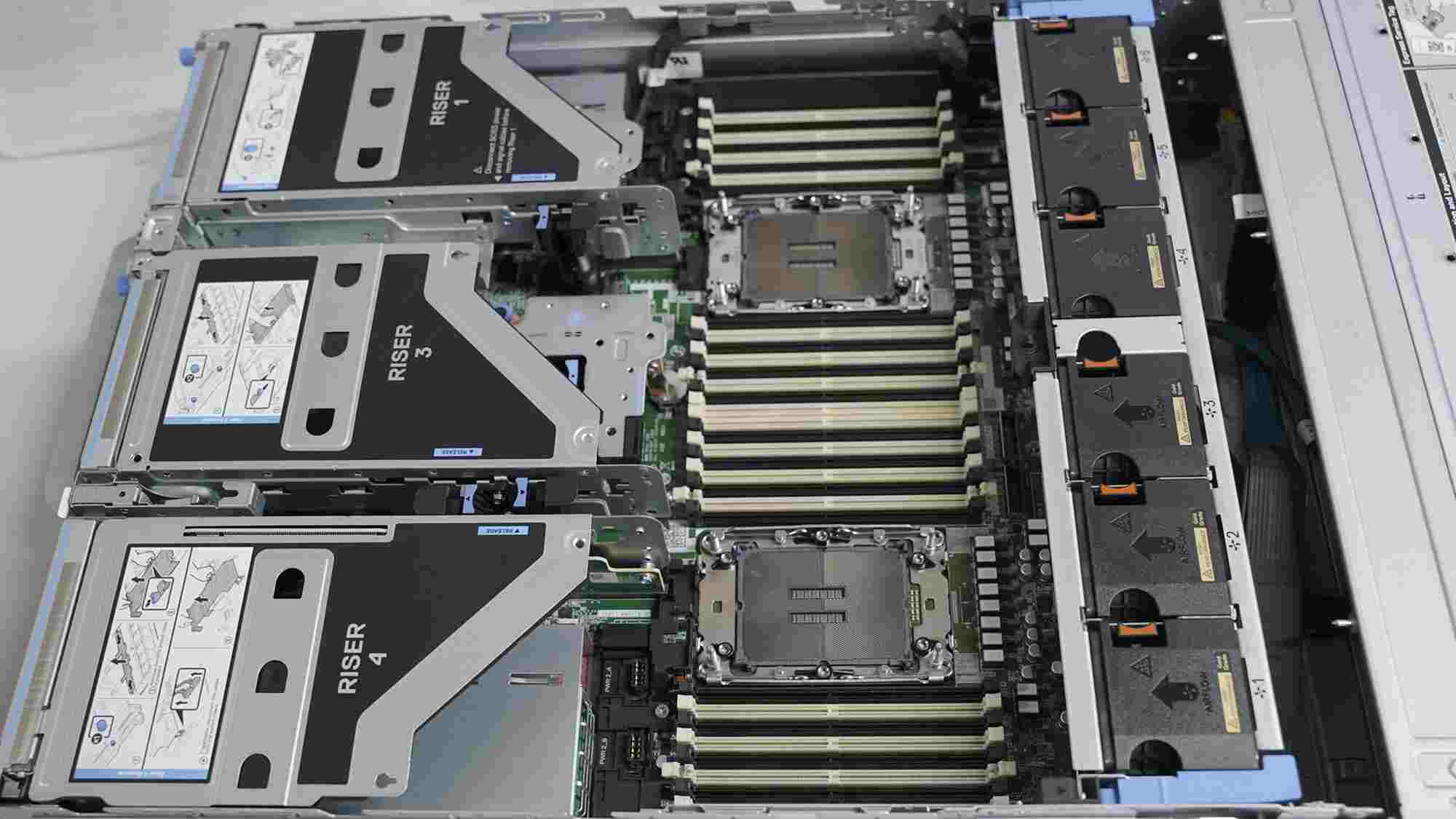
As computing requirements rise, server processors like the LGA4677 and LGA4189 socket ecosystems demand PCBs that support ultra-dense trace routes, extremely tight tolerances, and controlled impedance. Sourcing professionals must leverage trusted exporters who integrate circuit assembly, SMT lines, advanced testing (signal integrity, functional, burn-in), and premium alloy metalwork under one system.
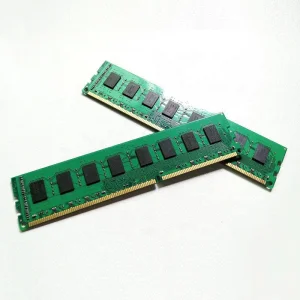
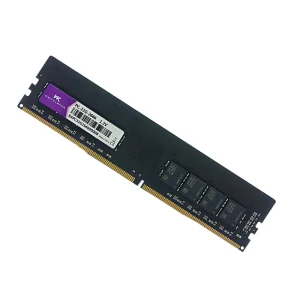
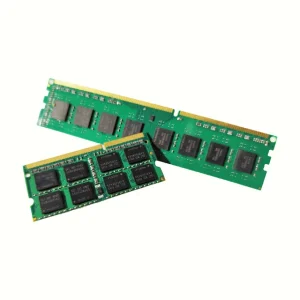
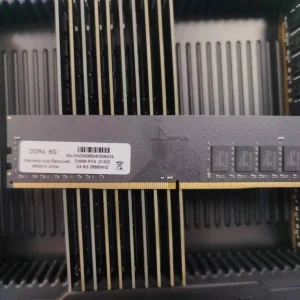
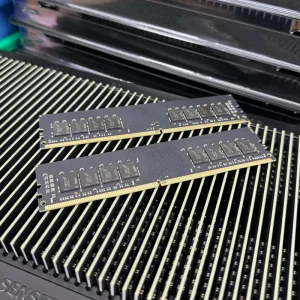
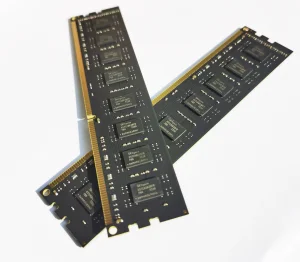
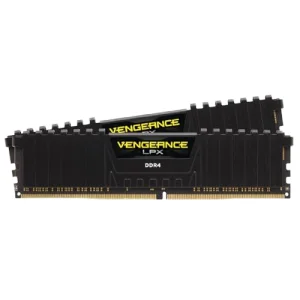
High-performance DRAM manufacturing represents the pinnacle of surface mount technology (SMT). Unlike low-frequency circuits, DDR4 and DDR5 memory modules operate at frequencies up to 3200MHz and beyond. At these speeds, even a microscopic deviation in component placement or trace length can lead to signal degradation, timing jitter, or outright system failure.
Engineers must design memory module PCBA layouts with differential pair matching, minimizing loop inductances, and securing clean voltage regulation paths. Crucially, the transition to DDR5 introduces on-board PMIC (Power Management Integrated Circuits), moving power regulation from the motherboard directly to the memory module. This changes the thermal profile of memory module PCBs, calling for advanced heat dissipation methodologies.
Ensures that high-speed signal tracks propagate without reflections, securing data integrity for high-speed RAM and server motherboards.
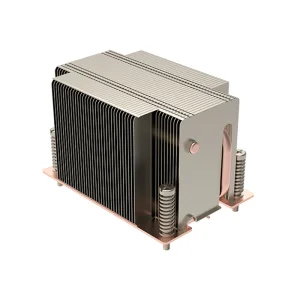
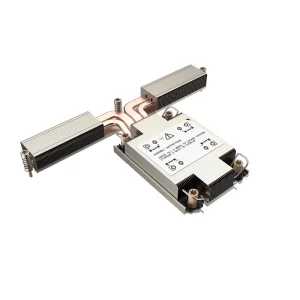
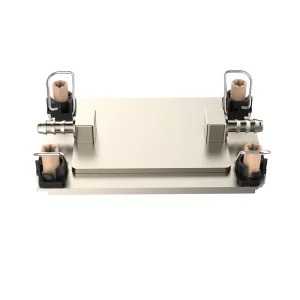
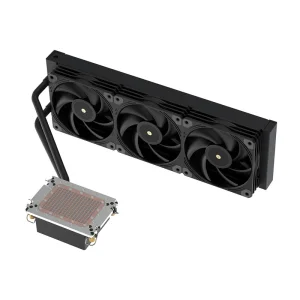
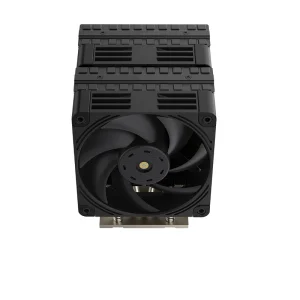
Integration of active heat sinks, heat pipes, and copper liquid cooling blocks for high TDP processors (up to 400W and above).
Utilizing high-precision AOI, X-ray inspection, and signal simulation to catch micro-fractures in solder joints before shipment.
The hardware ecosystem is following a clear technical trajectory:
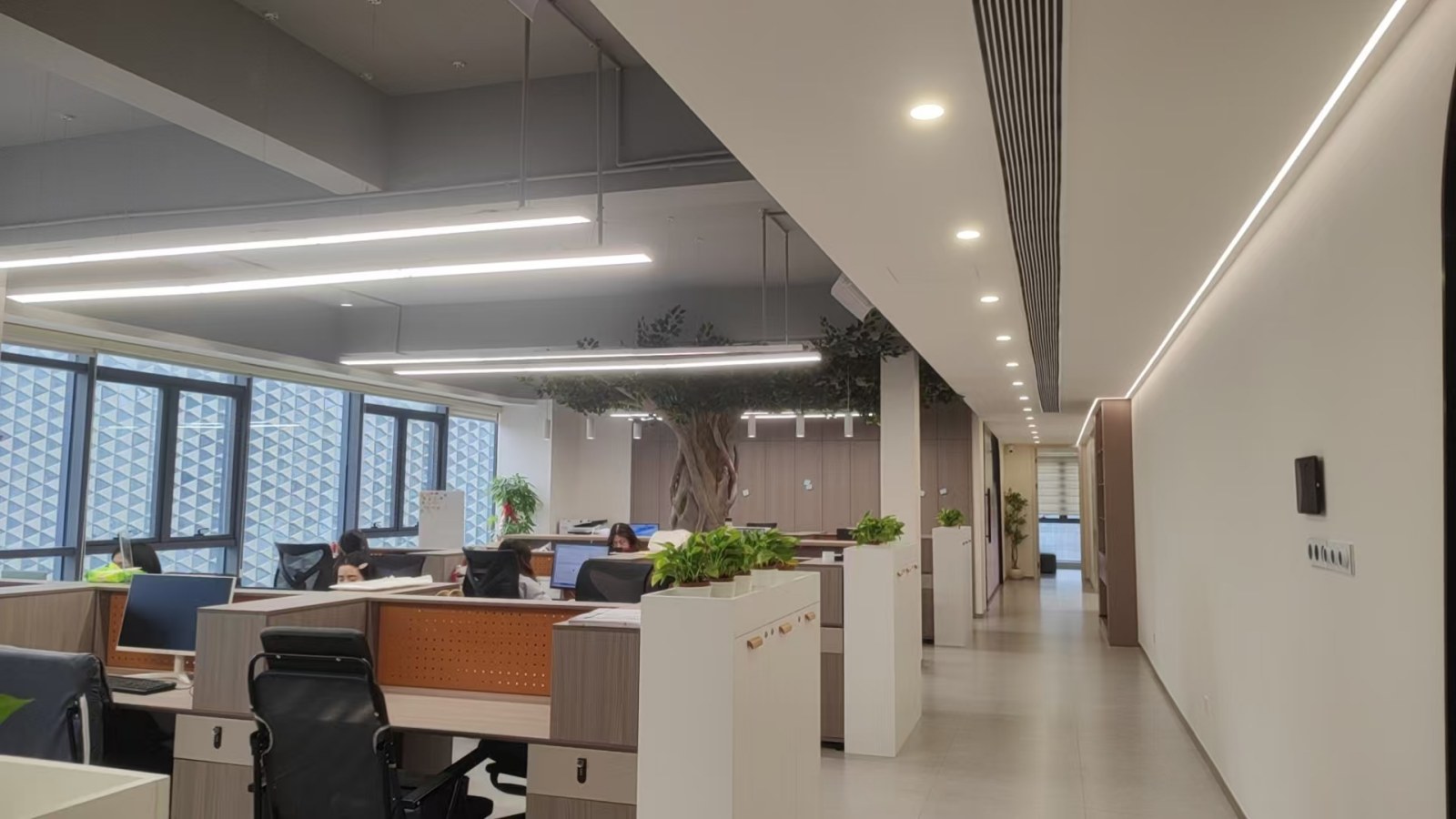
Velmix Technology Co., Ltd. is a professional DDR5 memory manufacturer based in Shenzhen, China, specializing in the research, development, production, and global distribution of high-performance DRAM memory solutions. Since its establishment in 2017, Velmix has been committed to delivering reliable, high-speed memory products for consumer electronics, industrial applications, gaming systems, servers, and embedded computing.
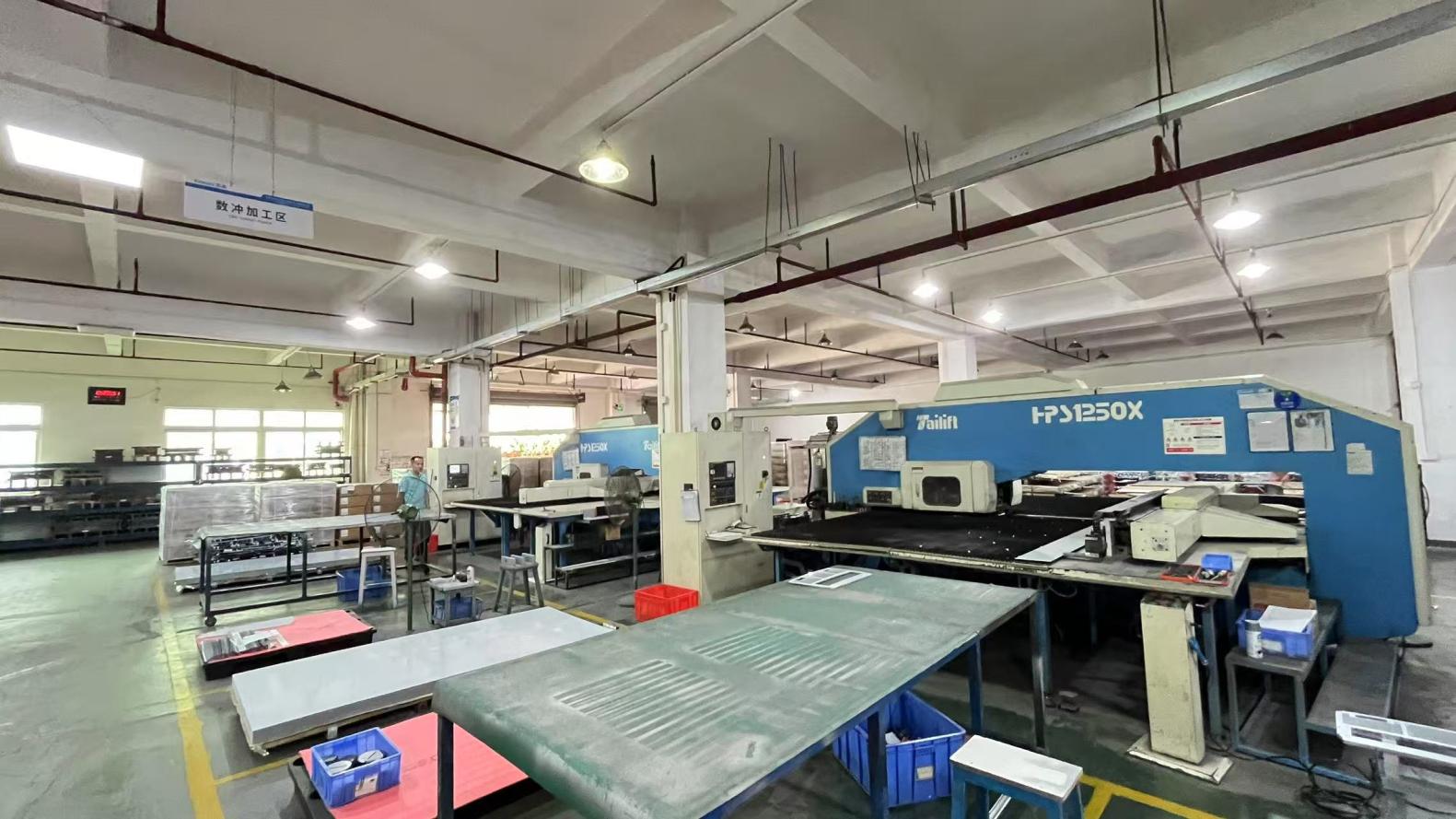
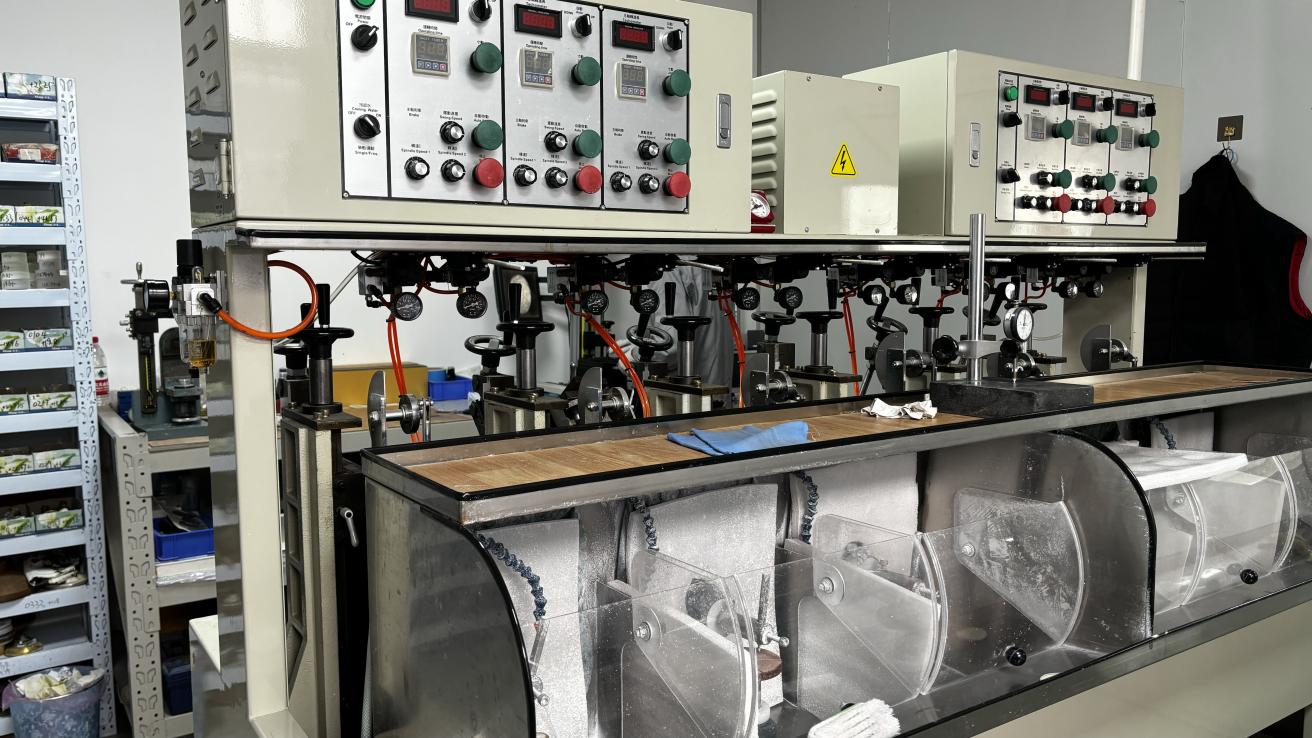
Operating from a modern manufacturing facility covering 368㎡, we combine advanced production technologies with strict quality management to ensure every memory module meets international performance and reliability standards. Our experienced engineering team continuously develops innovative DDR5 memory solutions to meet the evolving demands of AI computing, edge devices, cloud infrastructure, and next-generation computing platforms.
Today, Velmix serves customers in more than 40 countries and regions, offering flexible OEM and ODM manufacturing services for global brands, distributors, system integrators, and industrial equipment manufacturers. By focusing on product consistency, fast delivery, and technical innovation, we have built long-term partnerships across Europe, North America, Southeast Asia, and the Middle East.
| Performance Metrics | Technical Capabilities & Corporate Specifications |
|---|---|
| Company Name | Velmix Technology Co., Ltd. |
| Established | 2017 (8 Years Export Experience, 15 Years Industry Experience) |
| Facility Area | 368㎡ SMT & Testing Facility |
| Annual Export Revenue | USD 18.6 Million |
| Quality Assurance Methodologies | 100% Full Inspection: Signal Integrity, Burn-in, Compatibility, Functional, Random Sampling |
| Dedicated QC Force | 56 Specialized Employees |
| Engineering & Innovation Team | 84 Engineers (138 New Models Launched Last Year) |
| Customization (OEM/ODM) | Capacity, Heat Spreader, PCB Color, Layer Stack-up, Packaging & Firmware Optimization |
| Supply Chain Strength | 986+ Tier-1 Component Partners |
Driven by innovation, precision manufacturing, and customer-oriented service, Velmix continues to expand its portfolio of DDR5 memory products while helping global partners build faster, more reliable, and more efficient computing systems. We are dedicated to becoming a trusted long-term supplier of premium memory solutions for customers worldwide.
Get answers to critical technical questions regarding high-speed circuit assemblies, DRAM testing protocols, and thermal solutions.
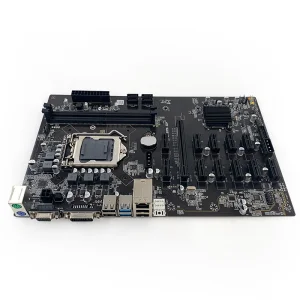
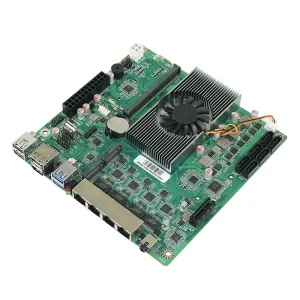
Maximize hardware system capabilities with our high-grade memory series, motherboard boards, and specialized heat sink components.
 Velmix