Explore high-performance modules designed to meet the strict technical standards of global tier-1 electronics manufacturers.
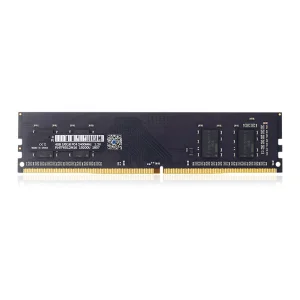
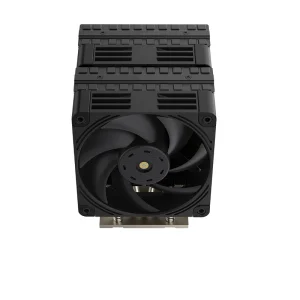
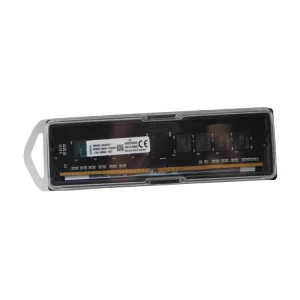
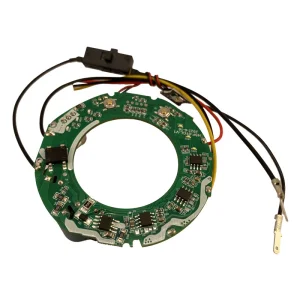
In modern electronic manufacturing services (EMS), the surface mount technology (SMT) process represents the critical threshold where design intent transitions to physical product yield. At the core of this phase sits the laser-cut SMT stencil. Historically utilized for basic solder deposit applications, laser cutting stencils have evolved into highly engineered, micromachined tools required to deposit sub-micron volumes of solder paste with high repeatability.
As component form factors shrink from standard 0603 sizes down to microscopic 0201 metric footprints, micro-BGAs, and ultra-fine-pitch CSPs (Chip Scale Packages), traditional stencil manufacturing limits are constantly challenged. Today's global industry demands laser cutting stencils characterized by ultra-flat, stress-relieved stainless steel foils, precisely tapered aperture geometries, and specialized surface nanocoatings that ensure a transfer efficiency coefficient exceeding 95%.
Transfer Efficiency is calculated as: TE = (Volume of deposited solder paste) / (Theoretical aperture volume). When the aperture Area Ratio (AR) falls below 0.66, physical solder paste binding increases. Advancements in fiber laser cutting, electropolishing, and hydrophobic nanocoatings are essential to overcome these physical constraints.
Selecting the correct laser-cut stencil manufacturing partner requires assessing technical capabilities, material sciences, turnaround times, and quality control systems. Below is a detailed analysis of the leading global manufacturers of SMT laser cutting stencils and precision micromachined metal meshes.
A German pioneer in laser system engineering and stencil manufacturing. LPKF develops both the advanced laser systems used worldwide and runs proprietary precision service bureaus. Known for unmatched accuracy, their StencilLaser series achieves sub-micron cutting tolerances, setting global standards for high-density, fine-pitch electronics.
Based in the United States, Photo Stencil is a premium manufacturer of high-performance stencils, including laser-cut, electroformed, and step-stencil designs. They are widely recognized for their advanced R&D in Ni-Electroforming and multi-level step-stencils catering to aerospace, defense, and high-reliability medical industries.
Operating from Shenzhen's core tech zone, Velmix integrates high-precision PCB development, PCBA prototyping, and specialized laser-cut stencil manufacturing. Serving 40+ countries with advanced fiber laser cutting systems, they provide turnkey industrial SMT stencils optimized for high-frequency memory modules, server motherboards, and complex double-sided SMT lines.
A UK-based global specialist in micro-precision manufacturing. Tecan leverages precision etching, laser cutting, and electroforming to manufacture custom stencils for the global microelectronics market. Their proprietary multi-level step stencils are optimized for ultra-high density packaging configurations.
As part of ASM Assembly Systems, DEK is a global market leader in printing platforms and stencils. With advanced stencil manufacturing sites in Europe, Asia, and the Americas, they offer specialized high-precision laser-cut foils featuring premium materials like stainless steel, nickel, and nano-coatings.
With headquarters in the UK and fabrication facilities globally, Datum is the premier manufacturer of high-quality stencil materials (including the renowned Datum Tension, Phd, and FG stainless steel lines) and custom laser-cut stencils for demanding microelectronics manufacturing.
A German specialist that was among the first to commercialize laser-cut SMT stencils. LaserJob focuses on innovative solutions such as the Patchwork-Stencil (step stencil constructed from different thicknesses) and specializes in surface treatments to reduce friction on the stencil walls.
Providing state-of-the-art micromachined structures, MicroGen systems utilizes advanced chemical etching and laser machining processes. Their focus lies on advanced SMT applications, microfluidic stencils, and silicon-substrate stencil systems for next-generation packaging.
While Sytech is predominantly a materials giant, their precision SMT tooling and micro-cutting division produces high-end laser-machined stencils. Their deep integration with raw material science allows them to match stainless steel thermal expansion values perfectly with high-frequency PCB laminates.
A specialized stencil manufacturer focusing entirely on the European EMS market. With rapid delivery configurations, they utilize high-precision fiber laser systems. They lead in the deployment of fast-frame technology and environmentally friendly surface polishing systems.
The performance of a laser-cut stencil relies on multiple engineering variables. When sourcing stencils, engineers must define parameters based on the most demanding component footprint on the printed circuit board assembly.
The physical laws governing solder paste release demand compliance with IPC-7525 standards. The Area Ratio is defined as the area of the aperture opening divided by the surface area of the aperture walls. For a rectangular aperture:
Where L is aperture length, W is aperture width, and T is the stencil foil thickness. Standard processes dictate an Area Ratio of >0.66. When designs push below this limit, specialized materials (like Fine-Grain Stainless Steel) and secondary finishing processes must be utilized.
China's dominance in SMT stencil manufacturing is not merely a consequence of lower labor costs; it is built on deep structural advantages in supply chain integration, advanced equipment density, and geographical speed.
1. High-Density Laser Infrastructure: Chinese factories house the largest global concentration of LPKF, GBR, and Han's Laser fiber cutting machines. This ensures high capacity and zero bottlenecks. A single facility can output hundreds of high-precision stencils per shift.
2. Vertical Integration with PCB and Assembly Lines: Because major PCB fabricators and SMT factories operate in close proximity (mostly in the Pearl River Delta and Yangtze River Delta), stencils are engineered and fabricated in parallel with the PCBs. Data verification is instantaneous; if an engineering design issue occurs, CAD designers resolve it in real-time.
3. Material Procurement and Logistics Speed: Stencils are fragile and time-sensitive tooling. Chinese manufacturers have optimized next-day air shipping systems. For international markets, they ship via expedited air logistics, offering total turnaround times of 3 to 5 business days globally—often faster than local service bureaus can manage.
As SMT processes demand higher complexity, laser-cut stencils undergo continuous innovation. Four main technological trends are defining the roadmap:
Applying a polymeric nanocoating (often 2 to 4 nanometers thick) to the contact side and aperture walls of the stencil repels flux oils and solder paste. This modification alters the surface energy, reducing cleaning frequency from once every 3 prints to once every 30 prints, saving cycle time and minimizing solder defects like bridging.
Modern boards combine heavy-duty power electronics (requiring thick solder deposits) and ultra-fine-pitch microchips (requiring thin solder deposits) on a single substrate. Step-up and Step-down stencils solve this issue by etching or milling specific zones of the stainless steel sheet to different thicknesses (e.g., a base of 0.12mm with steps down to 0.08mm or steps up to 0.15mm).
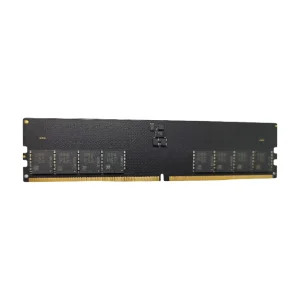
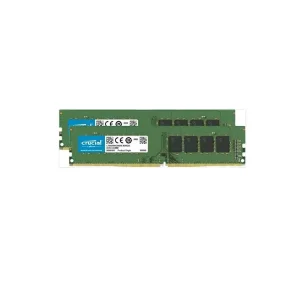
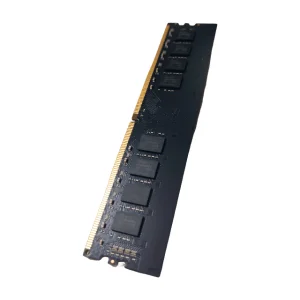
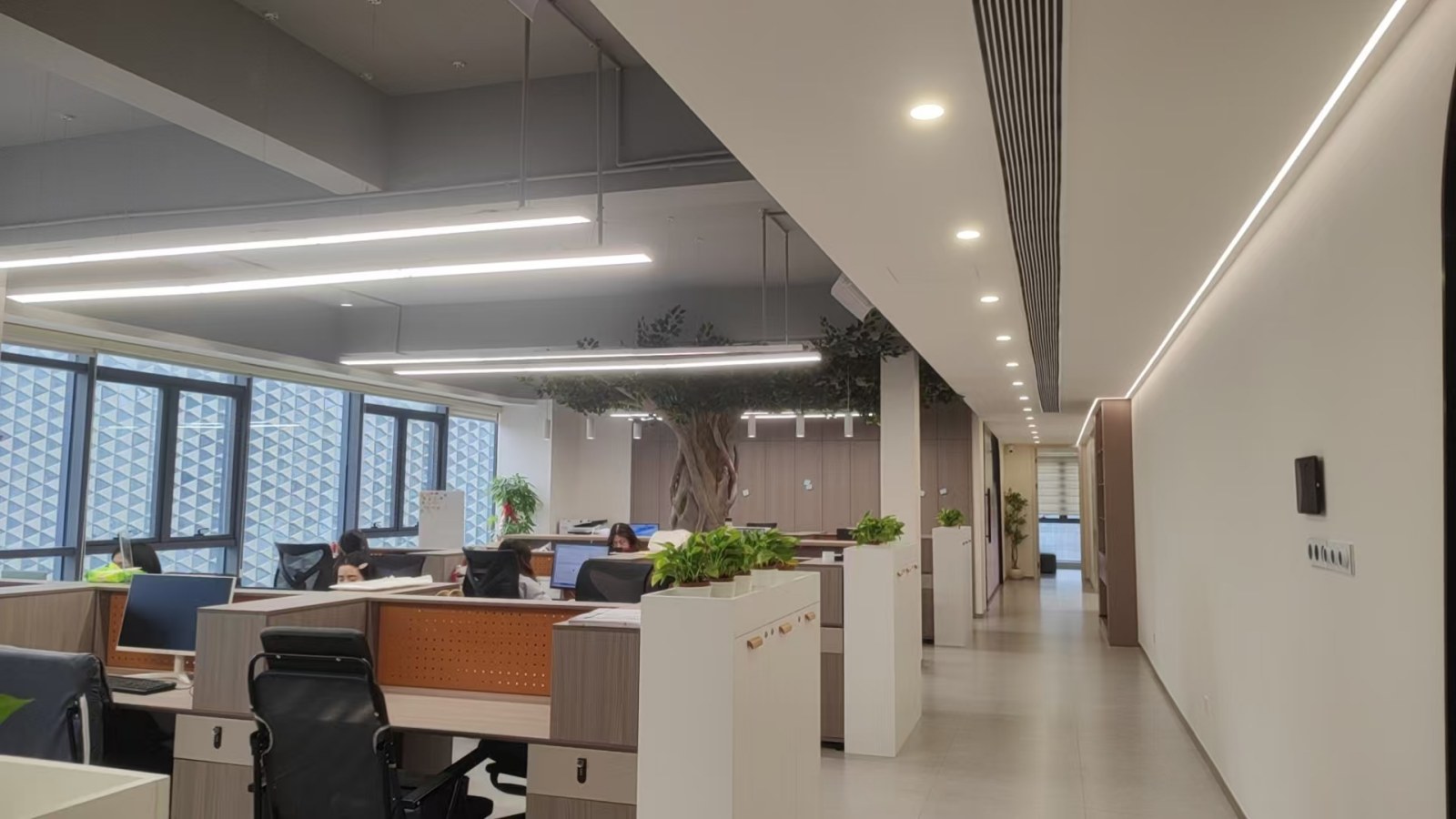
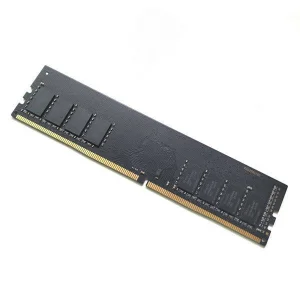
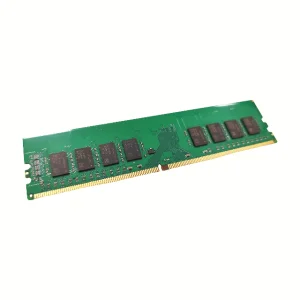
Velmix Technology Co., Ltd. is a professional DDR5 memory manufacturer based in Shenzhen, China, specializing in the research, development, production, and global distribution of high-performance DRAM memory solutions. Since its establishment in 2017, Velmix has been committed to delivering reliable, high-speed memory products for consumer electronics, industrial applications, gaming systems, servers, and embedded computing.
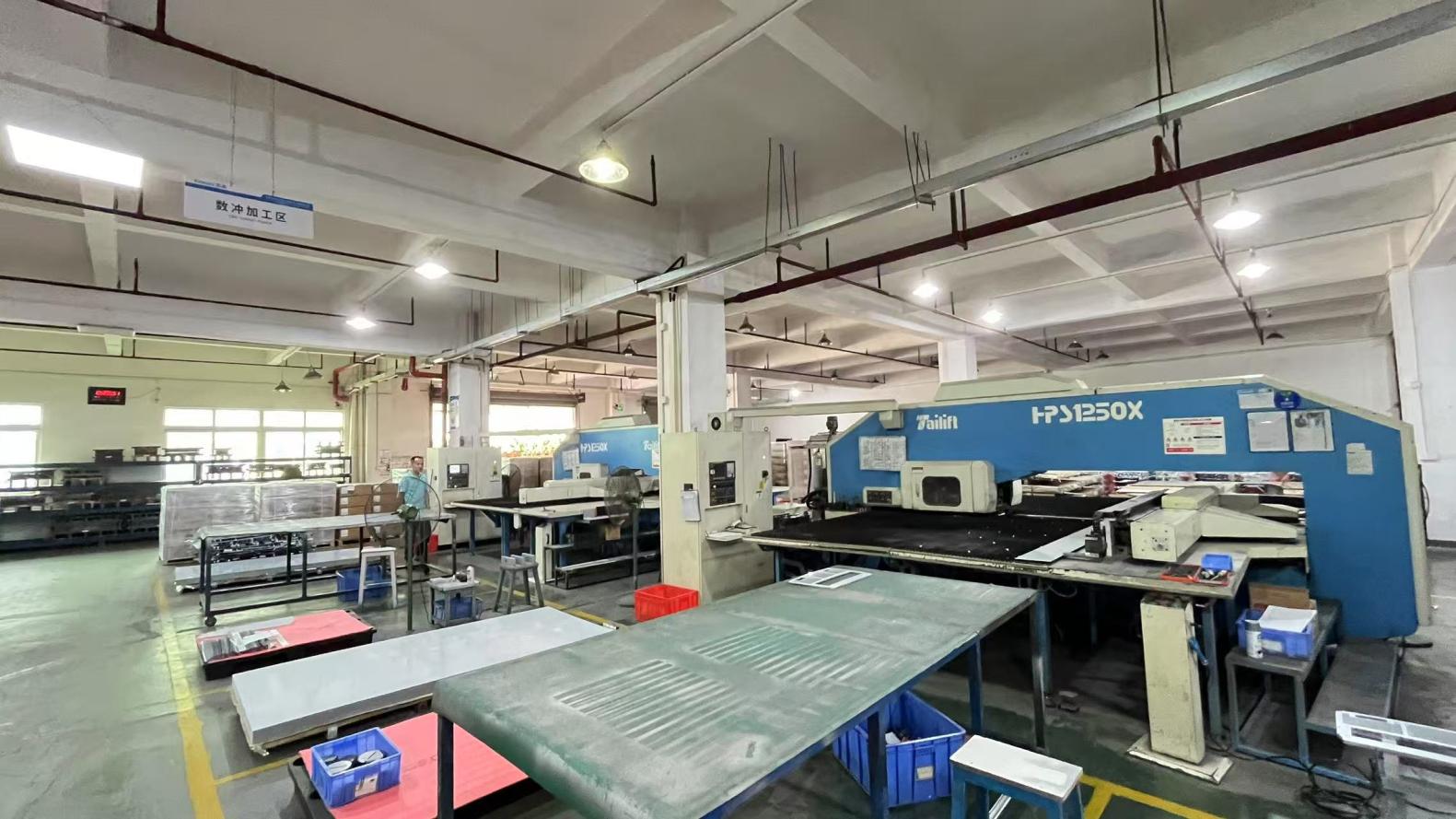
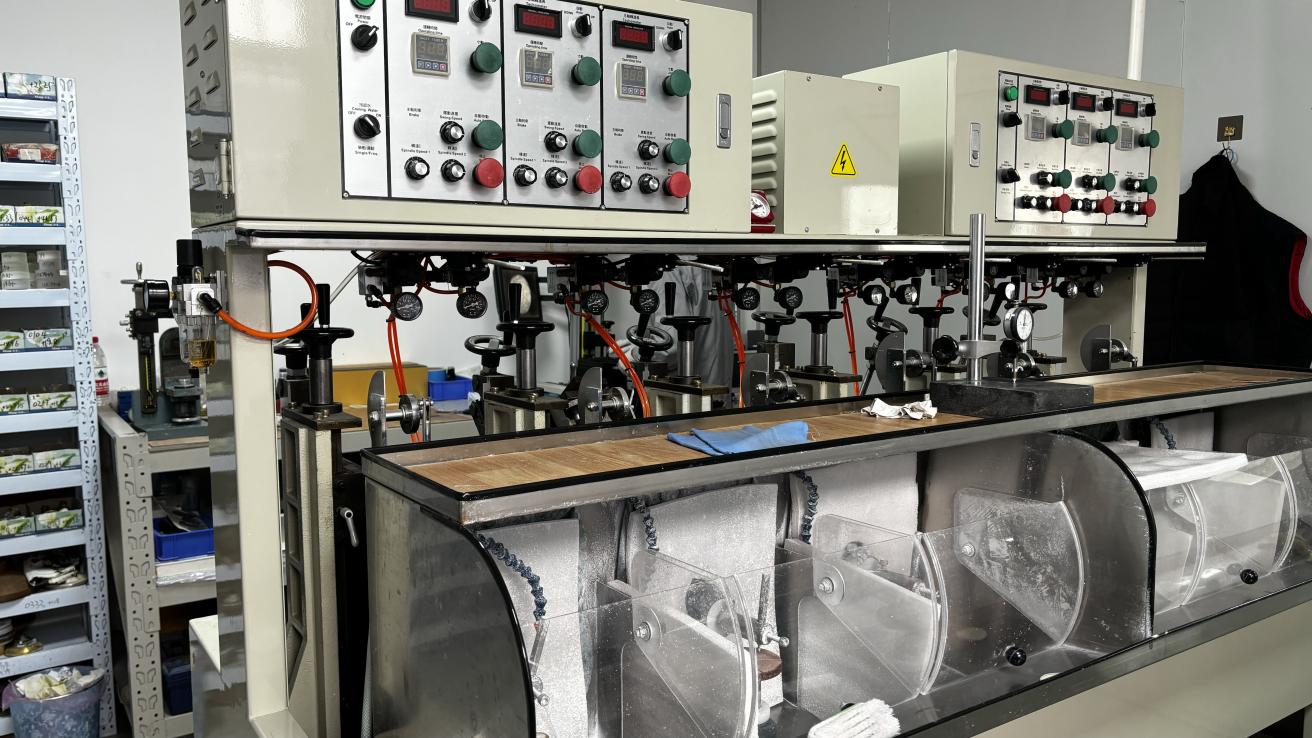
Operating from a modern manufacturing facility covering 368㎡, we combine advanced production technologies with strict quality management to ensure every memory module meets international performance and reliability standards. Our experienced engineering team continuously develops innovative DDR5 memory solutions to meet the evolving demands of AI computing, edge devices, cloud infrastructure, and next-generation computing platforms.
Today, Velmix serves customers in more than 40 countries and regions, offering flexible OEM and ODM manufacturing services for global brands, distributors, system integrators, and industrial equipment manufacturers. By focusing on product consistency, fast delivery, and technical innovation, we have built long-term partnerships across Europe, North America, Southeast Asia, and the Middle East.
| Item | Information |
|---|---|
| Company Name | Velmix Technology Co., Ltd. |
| Established | 2017 |
| Facility Area | 368㎡ |
| Annual Export Revenue | USD 18.6 Million |
| Export Experience | 8 Years |
| Industry Experience | 15 Years |
| Quality Control | 100% Full Inspection Before Shipment |
| Product Inspection Methods | Signal Integrity Test, Burn-in Test, Compatibility Test, Functional Test & Random Sampling |
| QC Staff | 56 Employees |
| Business Type | Manufacturer & Exporter |
| Main Markets | North America, Europe, Southeast Asia, Middle East & South America |
| Supply Chain Partners | 986+ |
| Main Customer Types | Brand Owners, OEM Manufacturers, System Integrators, Distributors & Wholesalers |
| R&D Capability | Independent Product Design, PCB Development & Firmware Optimization |
| Customization Options | OEM, ODM, Private Label, Customized Capacity, Heat Spreader, PCB Color & Packaging |
| New Products Launched Last Year | 138 Models |
| R&D Engineers | 84 Engineers |
Driven by innovation, precision manufacturing, and customer-oriented service, Velmix continues to expand its portfolio of DDR5 memory products while helping global partners build faster, more reliable, and more efficient computing systems. We are dedicated to becoming a trusted long-term supplier of premium memory solutions for customers worldwide.
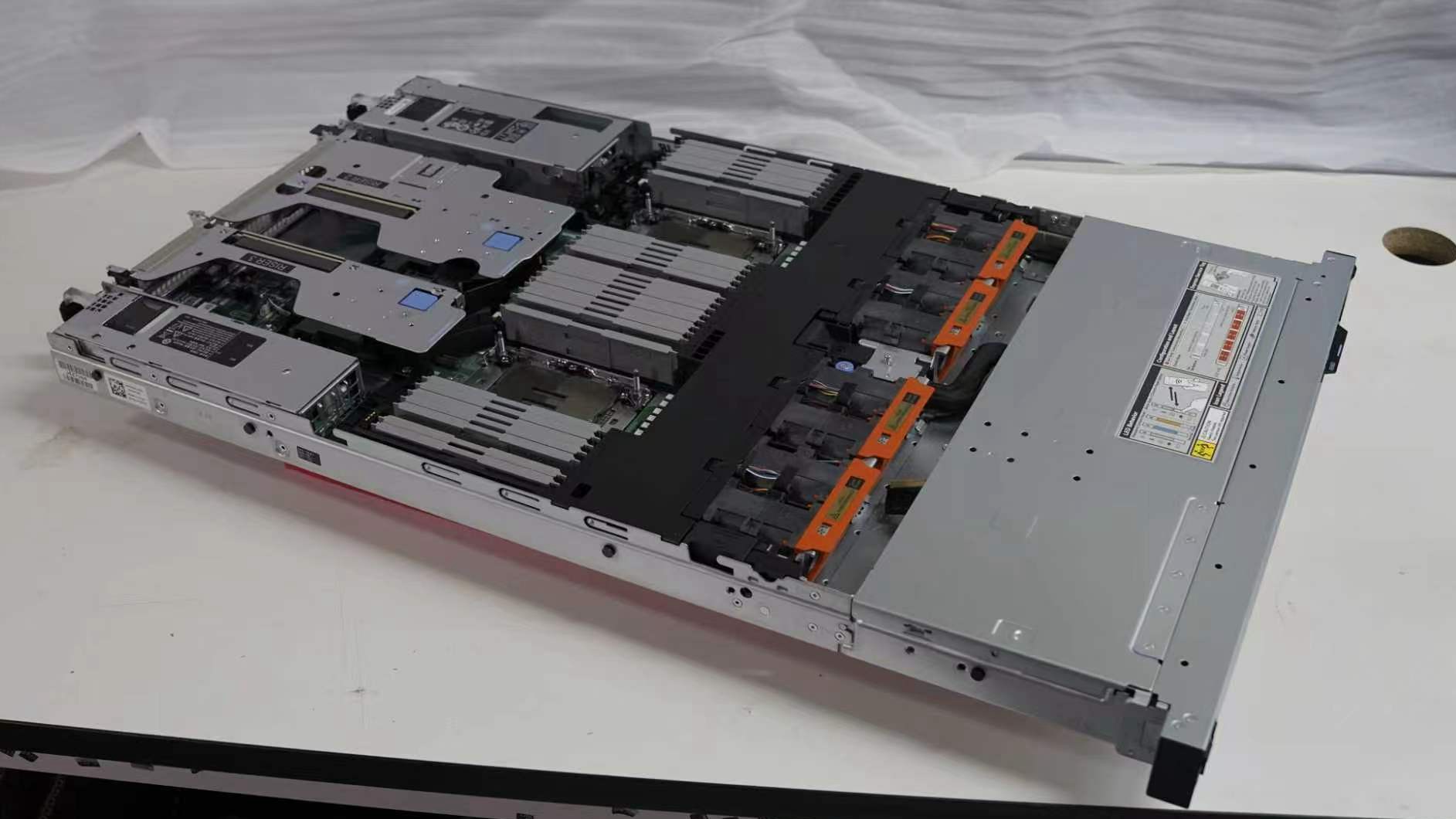
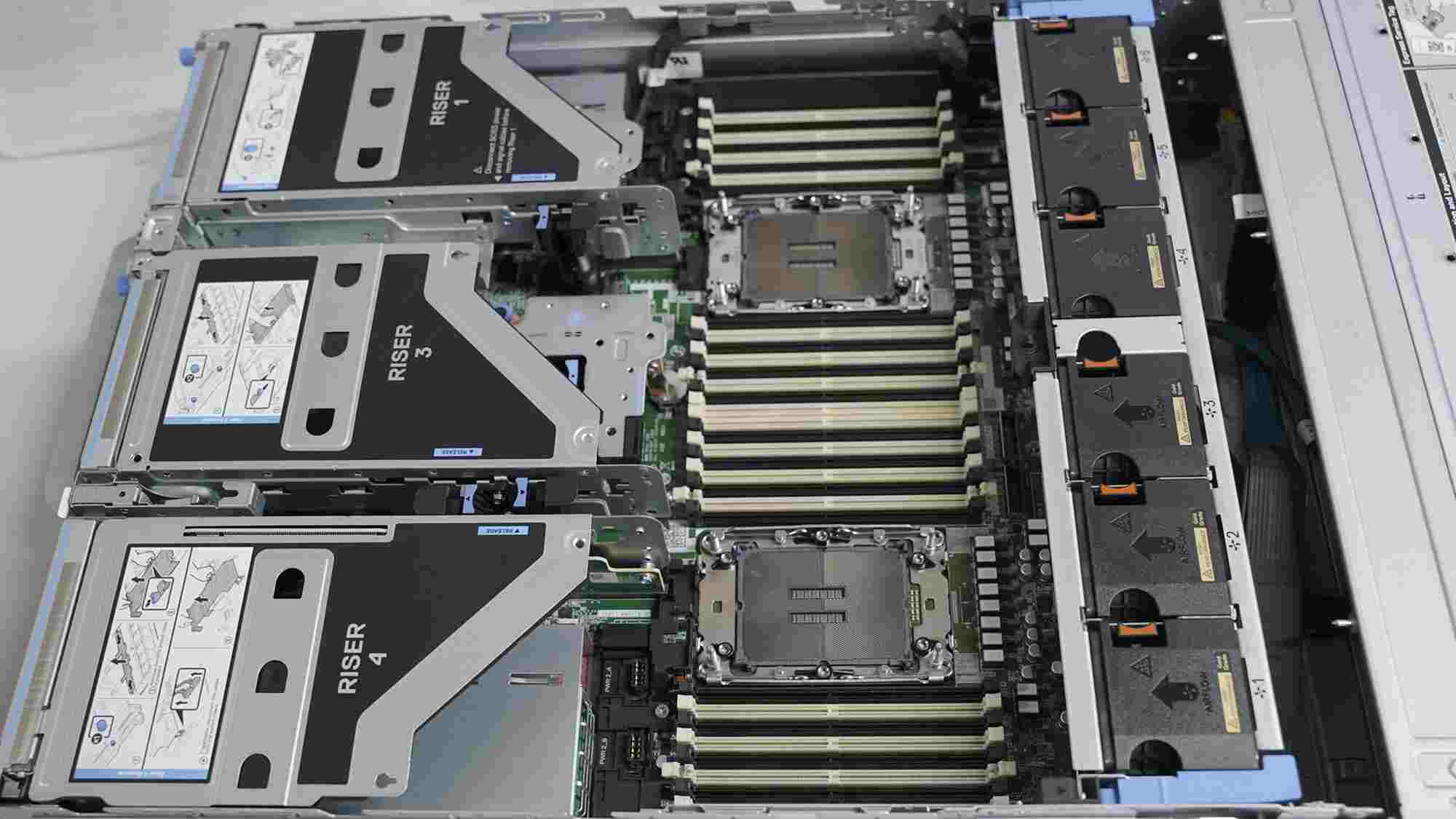
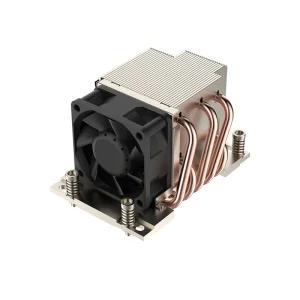
Deploy high-performance infrastructure equipment designed for enterprise computing, high-frequency signal integrity, and efficient heat dissipation.
 Velmix