The global electronics industry is undergoing a structural paradigm shift. Hardware developers, enterprise system builders, and supply chain managers are shifting their attention from mere low-cost unit acquisition to strategic partnerships focused on supply chain resilience, high-mix low-volume flexibility, and strict adherence to international quality standards. Navigating this vast landscape requires identifying the primary nodes of manufacturing excellence, particularly when securing critical components like high-frequency PCBs, cooling assemblies, microprocessors, and DRAM memory systems.
In an era dominated by high-density cloud infrastructure and localized edge computing, a component's structural durability and thermal profile can make or break complex server ecosystems. Evaluating a global supplier must go beyond superficial catalogs. Real engineering teams analyze material safety data sheets, copper purity metrics, cleanroom certifications, and dynamic signal integrity diagnostics to prevent premature product failures in critical real-world deployments.
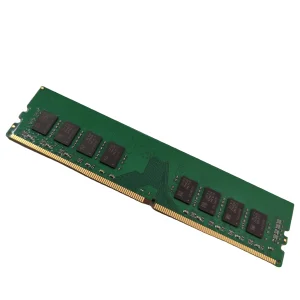
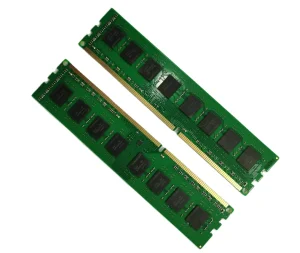
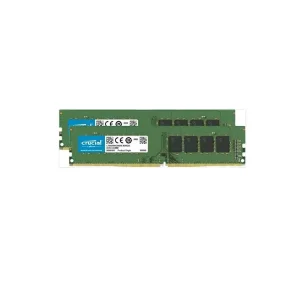
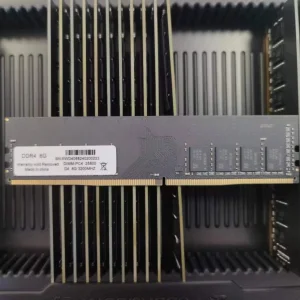
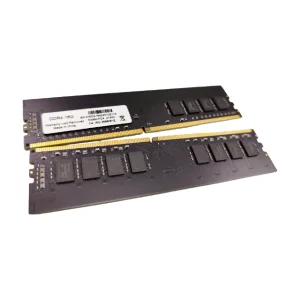
Velmix Technology Co., Ltd. is a professional DDR5 memory manufacturer based in Shenzhen, China, specializing in the research, development, production, and global distribution of high-performance DRAM memory solutions. Since its establishment in 2017, Velmix has been committed to delivering reliable, high-speed memory products for consumer electronics, industrial applications, gaming systems, servers, and embedded computing.
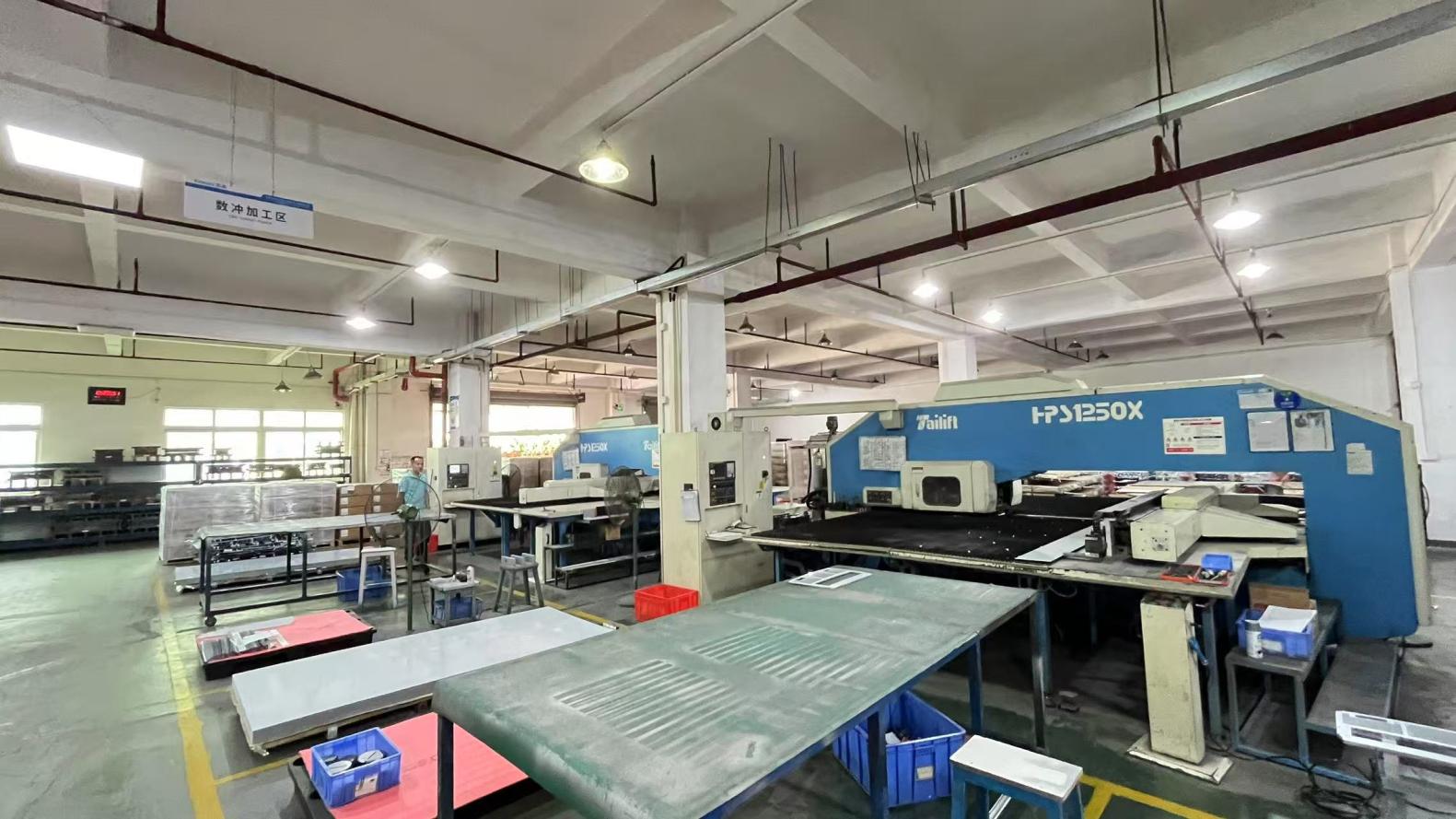
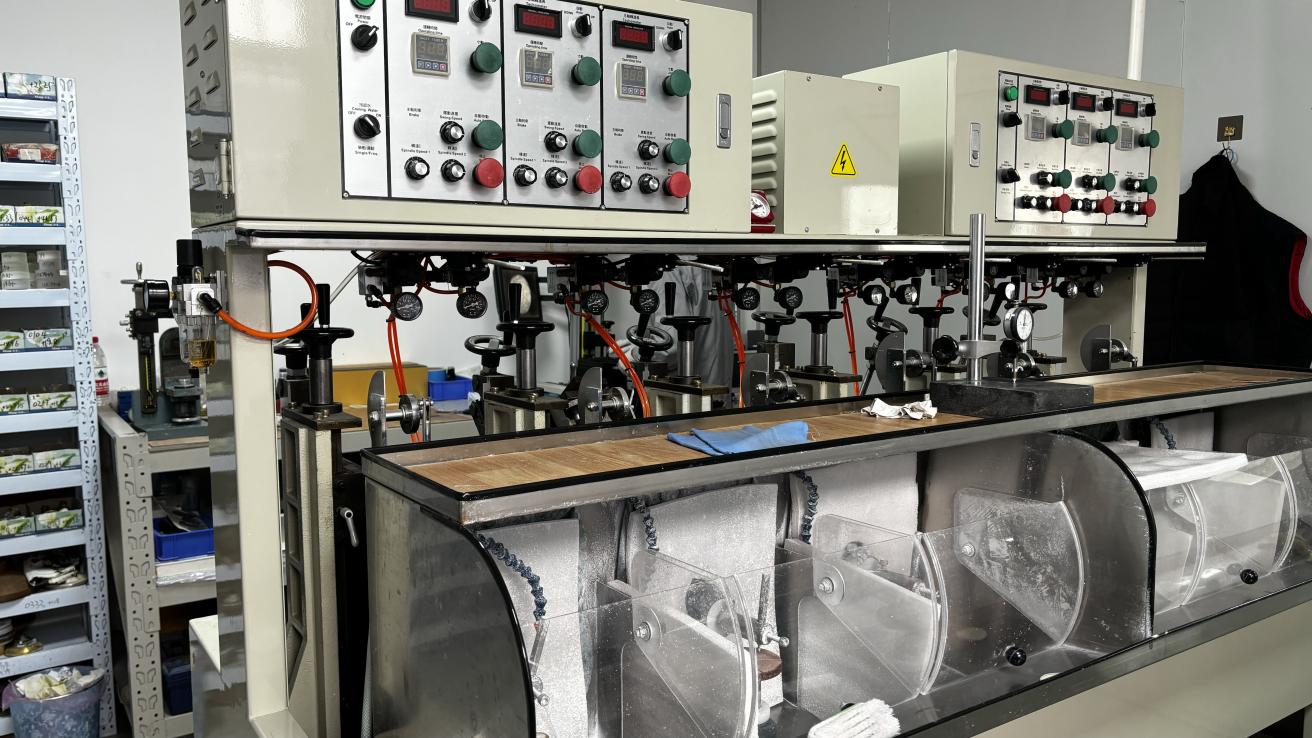
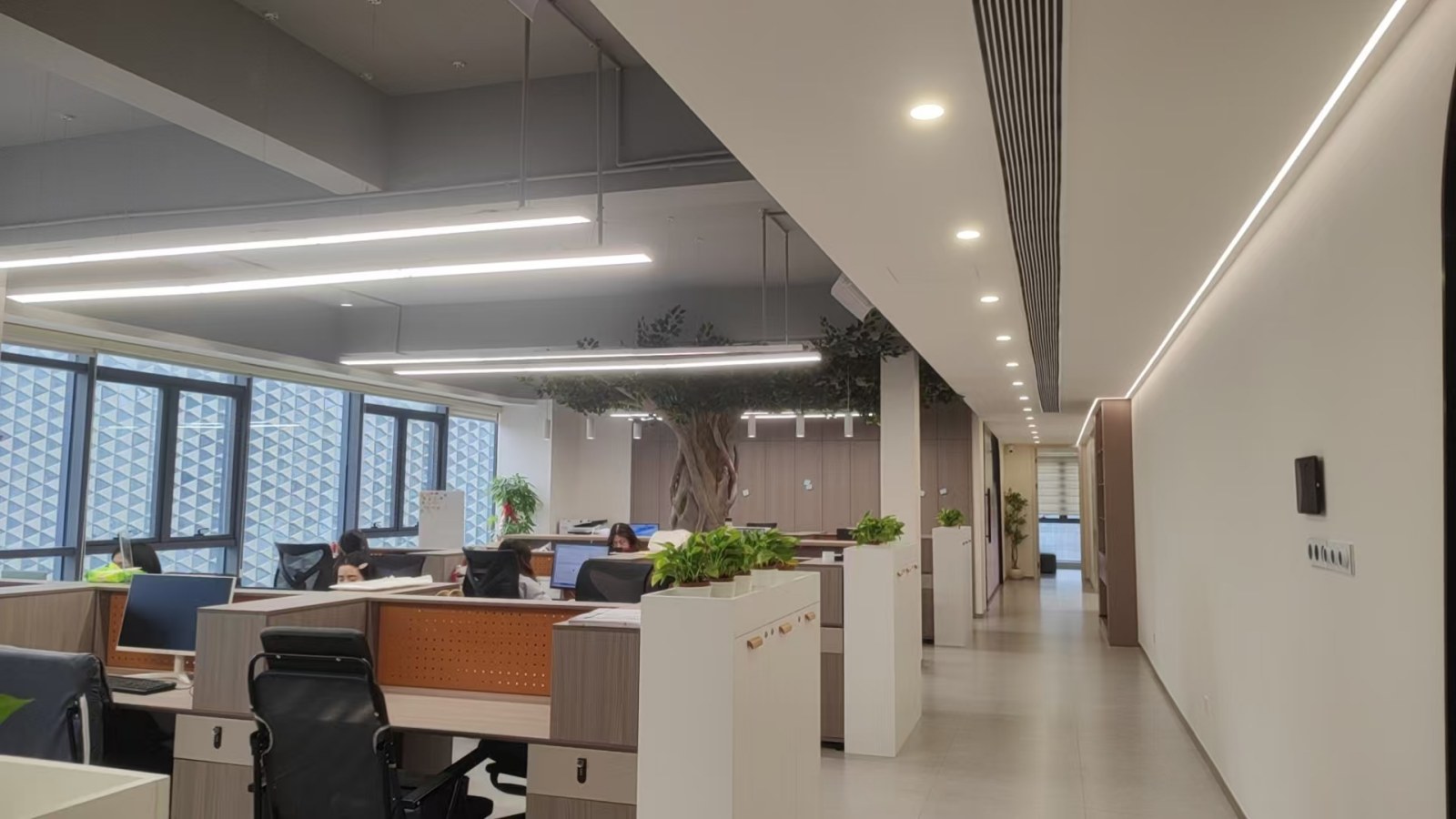
Operating from a modern manufacturing facility covering 368㎡, we combine advanced production technologies with strict quality management to ensure every memory module meets international performance and reliability standards. Our experienced engineering team continuously develops innovative DDR5 memory solutions to meet the evolving demands of AI computing, edge devices, cloud infrastructure, and next-generation computing platforms.
Today, Velmix serves customers in more than 40 countries and regions, offering flexible OEM and ODM manufacturing services for global brands, distributors, system integrators, and industrial equipment manufacturers. By focusing on product consistency, fast delivery, and technical innovation, we have built long-term partnerships across Europe, North America, Southeast Asia, and the Middle East.
| Item | Information |
|---|---|
| Company Name | Velmix Technology Co., Ltd. |
| Established | 2017 |
| Facility Area | 368㎡ |
| Annual Export Revenue | USD 18.6 Million |
| Export Experience | 8 Years |
| Industry Experience | 15 Years |
| Quality Control | 100% Full Inspection Before Shipment |
| Product Inspection Methods | Signal Integrity Test, Burn-in Test, Compatibility Test, Functional Test & Random Sampling |
| QC Staff | 56 Employees |
| Business Type | Manufacturer & Exporter |
| Main Markets | North America, Europe, Southeast Asia, Middle East & South America |
| Supply Chain Partners | 986+ |
| Main Customer Types | Brand Owners, OEM Manufacturers, System Integrators, Distributors & Wholesalers |
| R&D Capability | Independent Product Design, PCB Development & Firmware Optimization |
| Customization Options | OEM, ODM, Private Label, Customized Capacity, Heat Spreader, PCB Color & Packaging |
| New Products Launched Last Year | 138 Models |
| R&D Engineers | 84 Engineers |
Driven by innovation, precision manufacturing, and customer-oriented service, Velmix continues to expand its portfolio of DDR5 memory products while helping global partners build faster, more reliable, and more efficient computing systems. We are dedicated to becoming a trusted long-term supplier of premium memory solutions for customers worldwide.
Southern China, specifically the Greater Bay Area spanning Shenzhen, Dongguan, and Guangzhou, represents the most dense electronics supply ecosystem on earth. This geographic concentration gives global buyers unique structural advantages that cannot be easily replicated:
From raw silicon packaging, multi-layer copper substrate fabrication, and capacitor sourcing to specialized Surface Mount Technology (SMT) lines—every step in the manufacturing journey happens within a 50-mile radius. This compresses prototype lead times to hours instead of weeks.
Whether executing a low-volume pilot run of custom motherboards or scaling production to millions of consumer memory components, the adaptive tooling configurations, highly trained workforce, and modular production layouts of regional factories allow rapid and cost-effective scaling.
Leading manufacturers are no longer just assembly houses. Tier-1 companies integrate automated optical inspection (AOI), x-ray microstructural analysis, environmental testing (temperature cycling and vibration tests), and high-frequency digital testing protocols directly into the production line.
Understanding future development trends is essential for procurement managers looking to future-proof their designs and avoid costly component obsolescence. Currently, the market is driven by several key factors:
High-quality components are worthless if they do not solve localized real-world integration challenges. Different industry segments require tailored solutions:
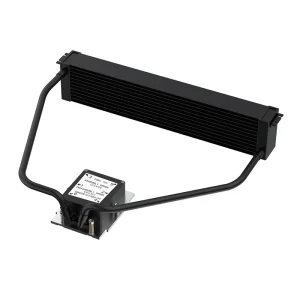
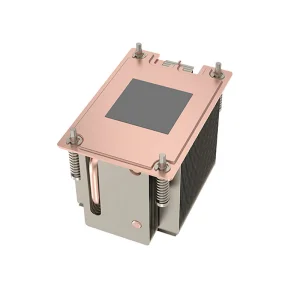
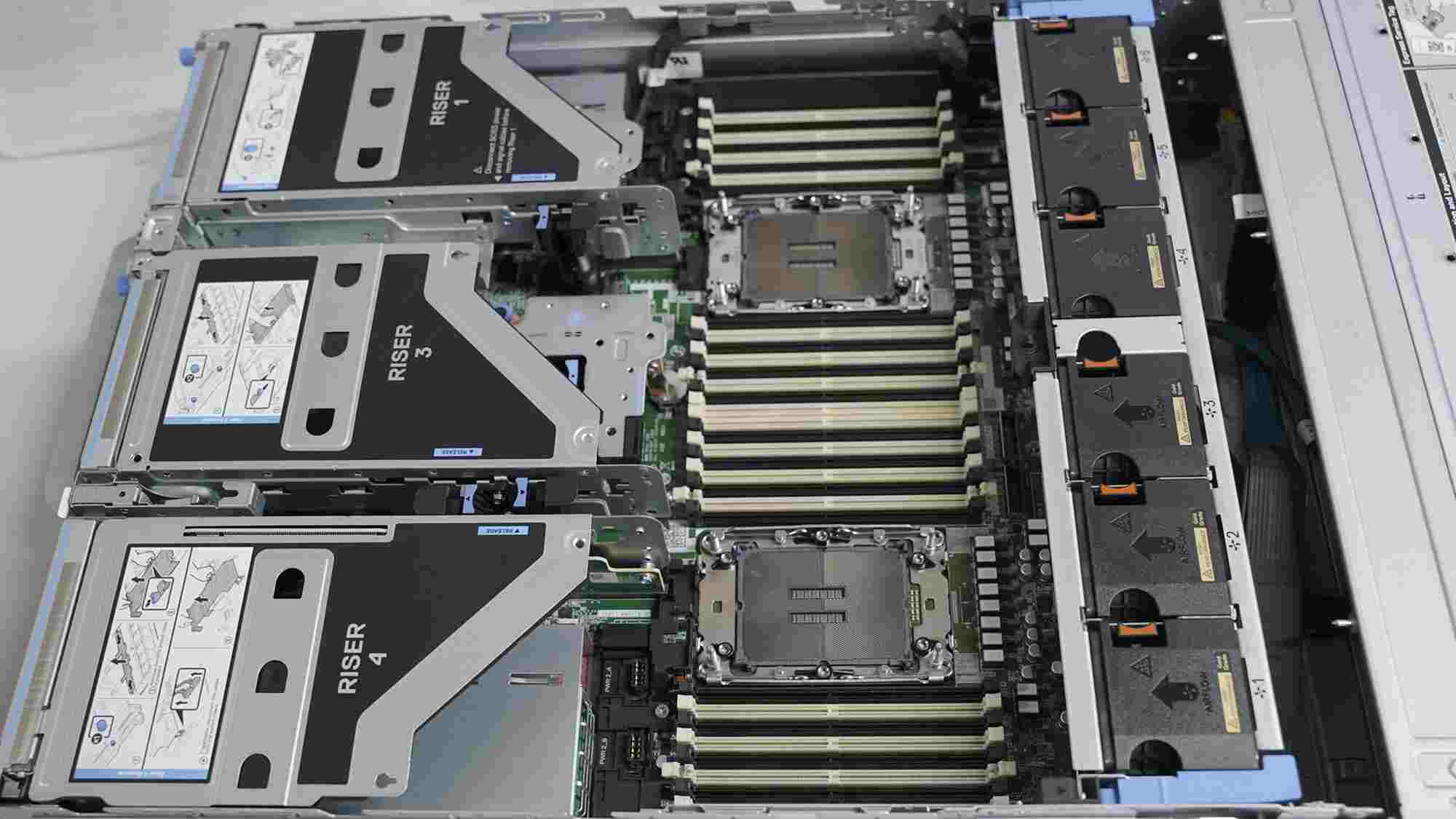
Deploying high-performance memory modules (DDR4/DDR5) and passive or active liquid cooling blocks (such as SP5 or AM5 heatsinks) to handle thermal management and computing throughput. This reduces power consumption and prevents thermal throttling under intense computing loads.
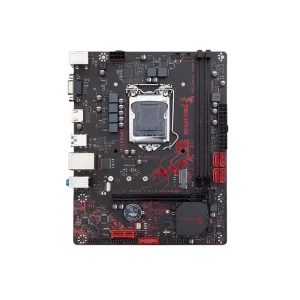
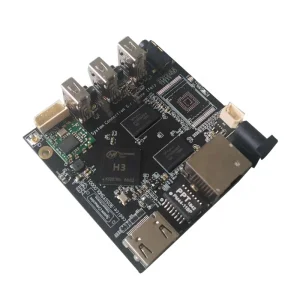
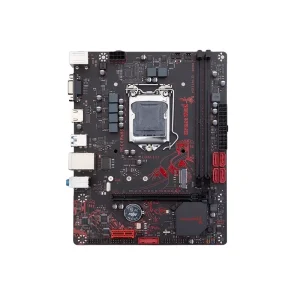
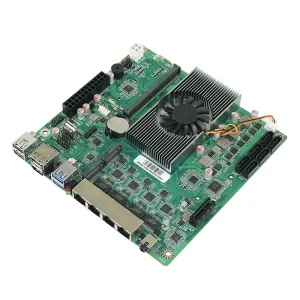
Utilizing specialized motherboards and PCBA boards that can operate stably in harsh industrial environments. Featuring wide operating temperature tolerances (-40°C to +85°C), conformal coatings to resist moisture and dust, and ESD protection to ensure operational longevity on the assembly floor.
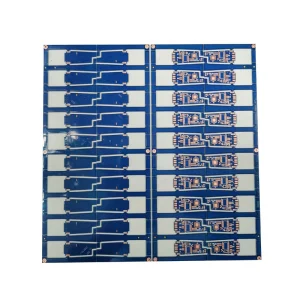
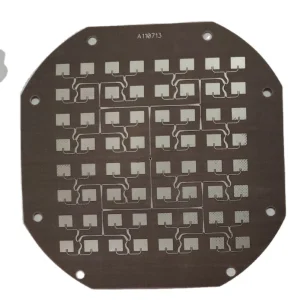
Implementing high-frequency, double-sided PCBs (e.g., Taconic TLY-5) to handle microwave transmissions. By controlling dielectric constants and signal loss, these components are critical for keeping signal degradation to a minimum in high-speed, long-distance communication systems.
Sourcing managers face multiple challenges, including fluctuating lead times, unstable component prices, and logistics bottlenecks. Developing a comprehensive procurement framework is vital to mitigating these supply chain risks:
First, establish a dual-sourcing strategy. Never rely on a single factory for critical active components. Maintain a primary tier-1 manufacturing partner and a qualified secondary backup partner. Second, conduct regular supplier audits. Make sure they meet key standards such as ISO 9001 for general quality management, ISO 14001 for environmental safety, and IATF 16949 if you are sourcing for automotive electronics.
Additionally, evaluate the supplier's engineering capabilities. Working with manufacturers that have their own R&D staff, design labs, and testing equipment means you can easily customize products (via OEM/ODM) to meet specific design requirements, rather than relying on generic off-the-shelf components.
For standard prototyping and low-volume production, lead times typically range from 5 to 10 working days, depending on material availability. For mass production runs of memory modules or complex multilayer PCBs, the standard turnaround is 3 to 5 weeks. These times can vary based on components sourcing times, especially for specialized chipsets.
Leading manufacturers run extensive validation tests across a wide range of motherboard platforms (including Intel, AMD, Supermicro, ASUS, etc.). This compatibility testing occurs under varied voltage and speed settings to ensure the RAM modules operate stably and meet standard JEDEC requirements across diverse enterprise and client environments.
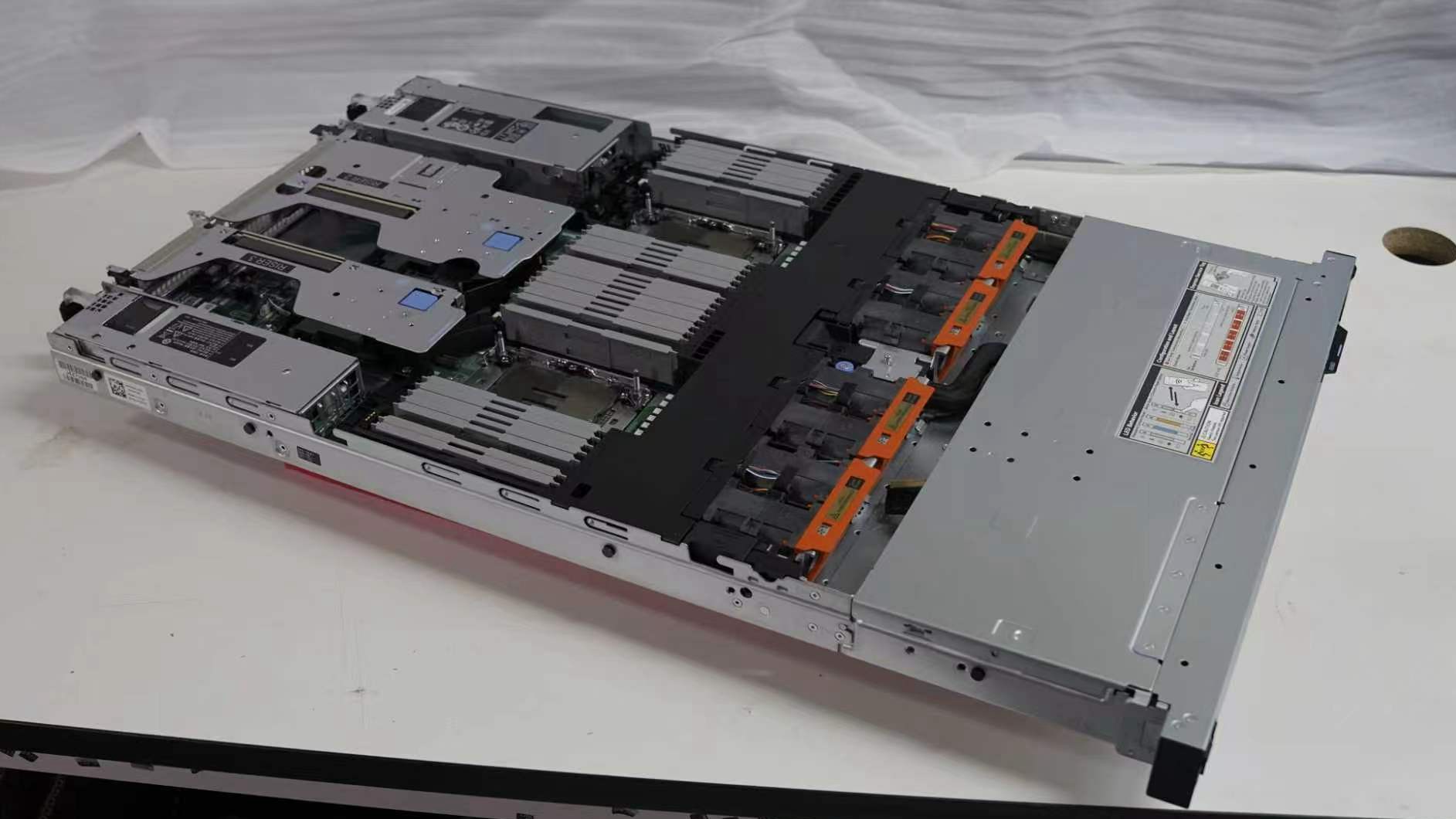
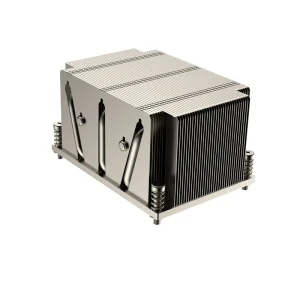
You should focus on the maximum Thermal Design Power (TDP) rating in Watts, socket compatibility (e.g., LGA4926, SP5, AM5), raw materials used (pure copper offers better thermal conductivity than aluminum), total heat pipe count, base plate flateness, and physical height (to fit within standard 1U, 2U, or 4U rackmount servers).
Taconic materials, like TLY-5, offer exceptionally low dielectric loss (Df) and a stable dielectric constant (Dk) across wide frequency ranges. They also feature very low moisture absorption and high dimensional stability, making them ideal for radar, aerospace, and high-speed microwave communications.
 Velmix