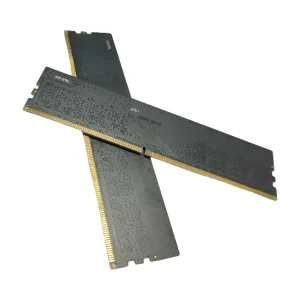
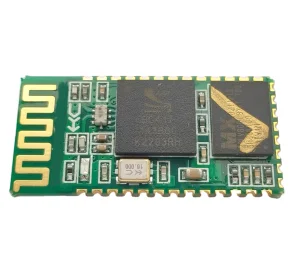
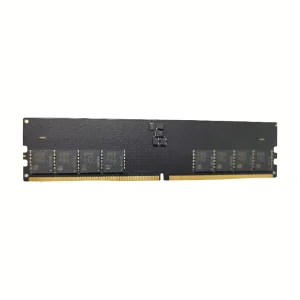
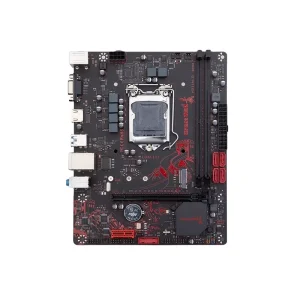
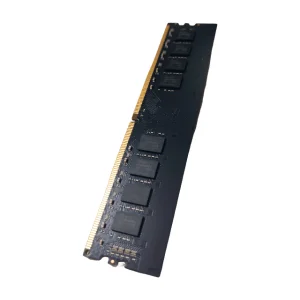
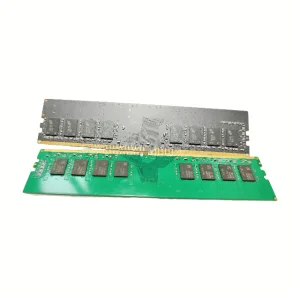
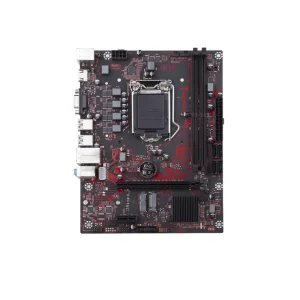
Explore our top-tier server components, motherboard solutions, and memory units engineered to fulfill high-frequency requirements and extreme computing tasks.
The international computer peripherals and hardware components sector is undergoing an architectural evolution. Propelled by hyper-scale AI acceleration, edge-computing infrastructure, and remote-work frameworks, procurement standards have advanced beyond mere unit pricing. Modern enterprise partners prioritize physical integrity, thermal endurance, and precise signal stability.
With the emergence of large AI models, high-performance DRAM (specifically DDR5 and LPDDR5) has become a primary bottleneck for computation systems. High-density RAM, multi-layered high-frequency PCBs, and dynamic thermal modules are no longer just workstation add-ons; they are infrastructure necessities for system integrators globally.
Deployments in markets like North America, Western Europe, and East Asia demand rigorous regulatory adherence. Products must carry CE, FCC, RoHS, and WEEE clearances. Component consistency is critical: signal cross-talk must be minimal, PCB layouts must support impedance controls, and thermal dissipation systems must operate reliably for extended periods.
Due to volatile global shipping dynamics and component allocations, reliable exporters must maintain close partnerships with raw IC manufacturers and foundry networks. This integration is crucial to mitigating supply line disruptions and stabilizing unit pricing for long-term contract partners.
Different markets and operating conditions present unique challenges. Our technical configurations are optimized for specific industrial and commercial applications.
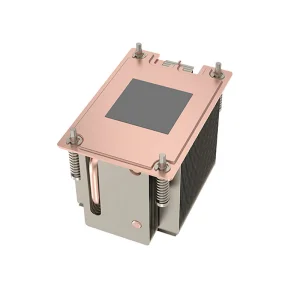
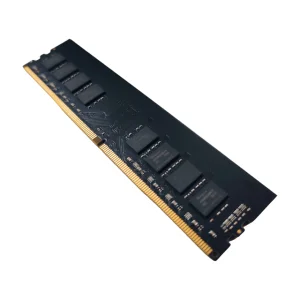
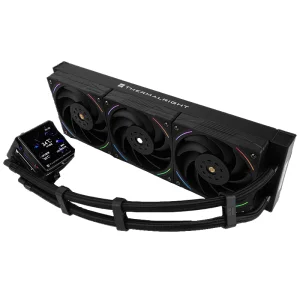
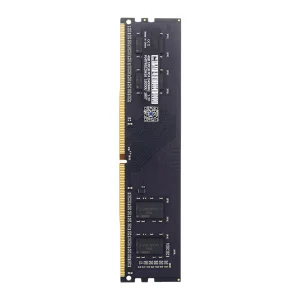
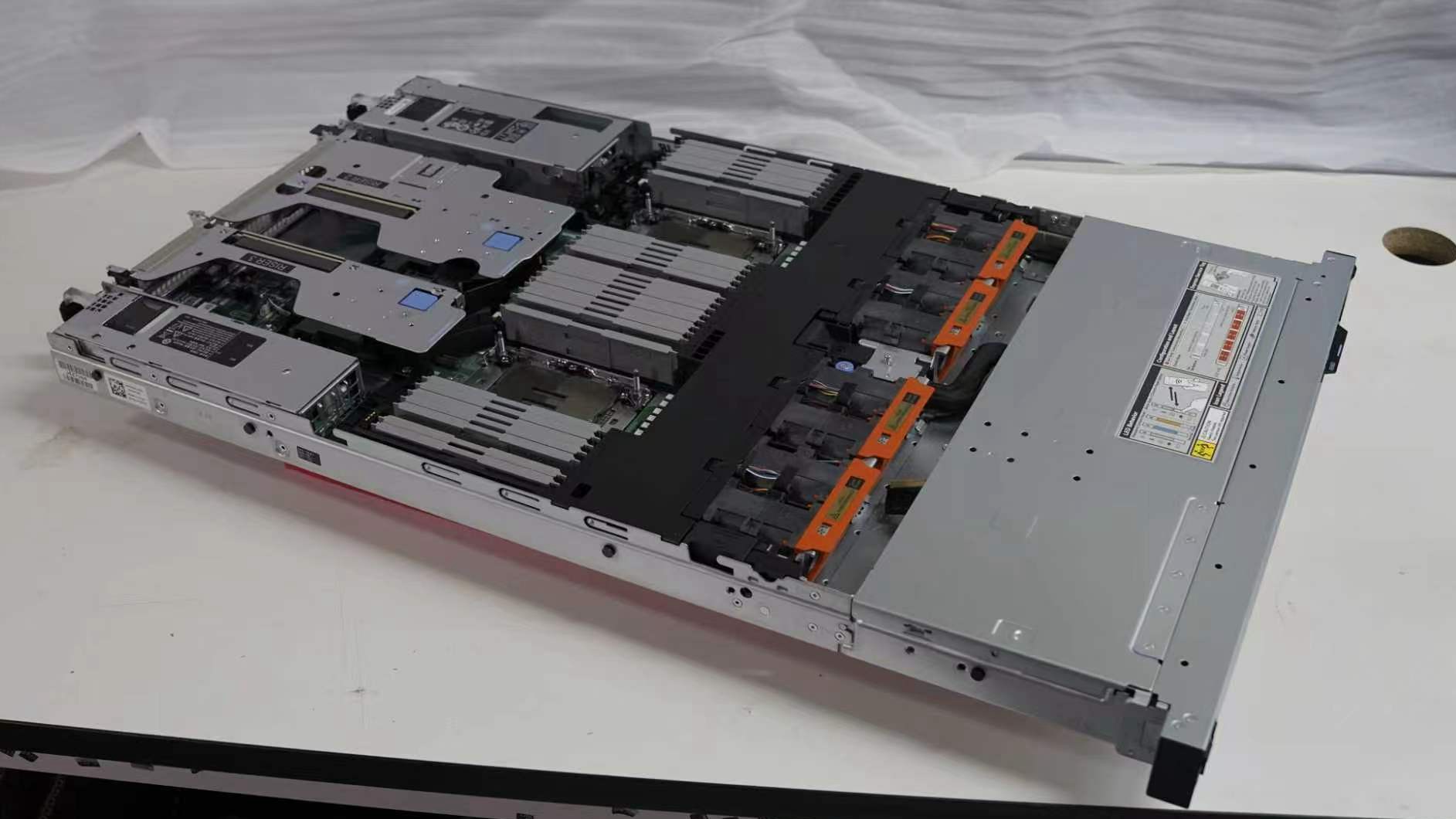
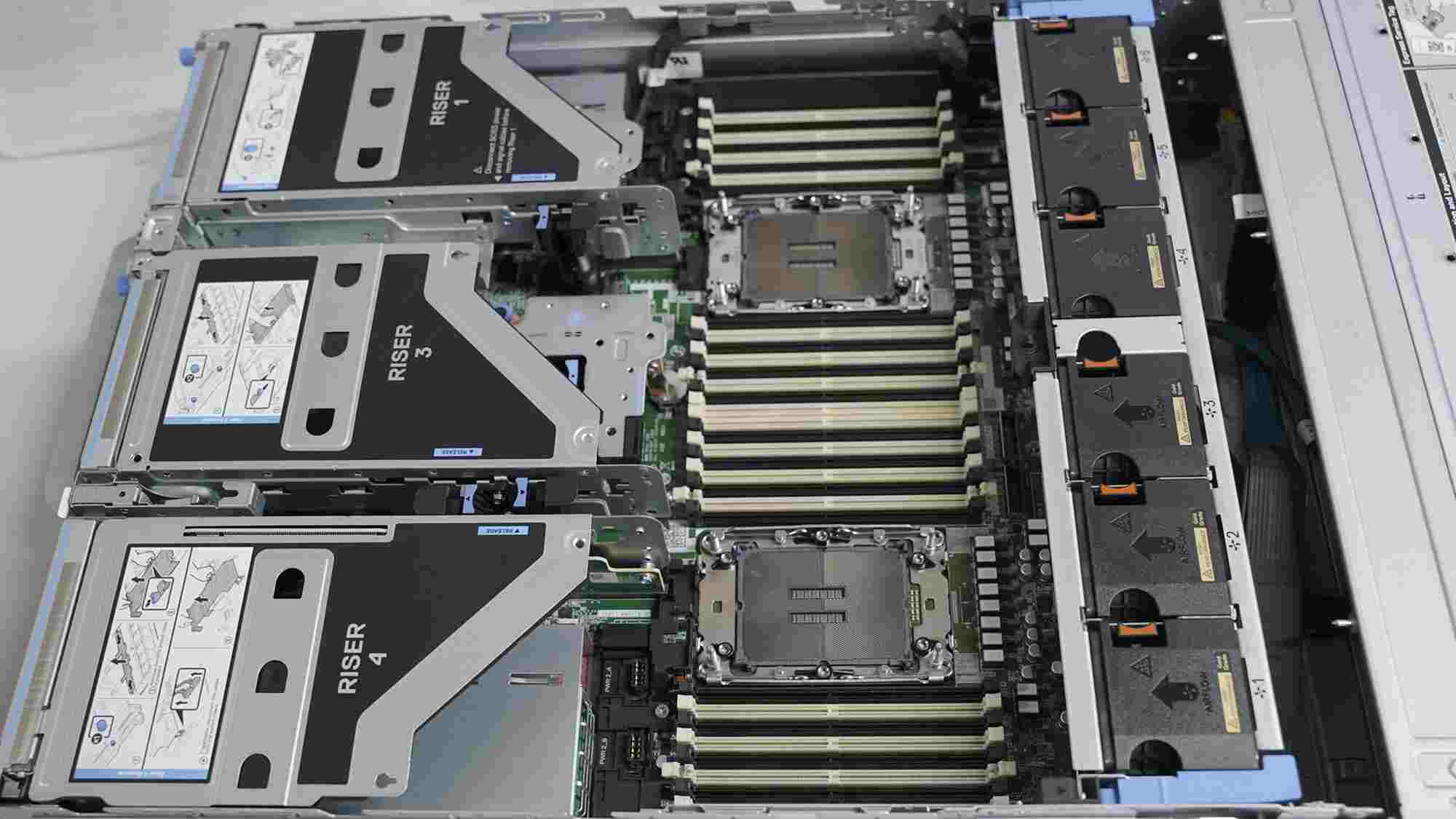
Server farms face constant heat accumulation and memory thrashing. Our DDR4/DDR5 ECC modules are engineered with integrated Power Management ICs (PMICs) and On-die ECC protection to ensure data integrity. When paired with high-performance AM5 and multi-heatpipe server coolers, these systems prevent thermal throttling and ensure stable processing environments.
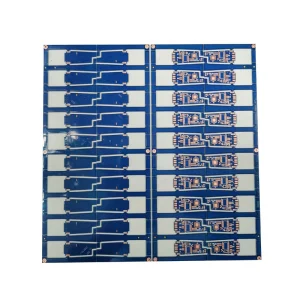
Devices deployed in harsh field environments require specialized components. High-sensitivity, custom double-sided PCBs are engineered to withstand continuous physical vibrations and temperature shifts. This durability makes them suitable for applications ranging from mineral detection telemetry to smart transport routers.
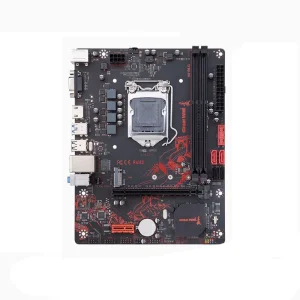
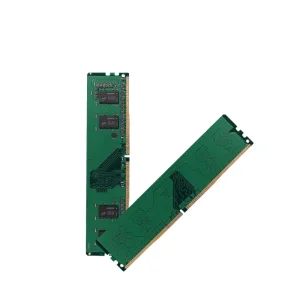
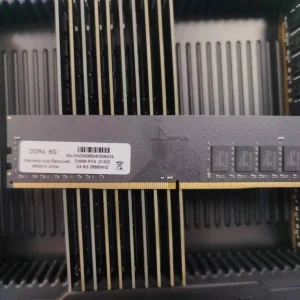
Rendering high-resolution 3D models or managing heavy database processes demands high bandwidth. Overclocked gaming-grade modules and H510M or H311M platforms provide cost-efficient, high-bandwidth alternatives. These configurations offer system builders stability and reliable performance for demanding computing tasks.
The trajectory of computing accessories is defined by energy efficiency, bandwidth scaling, and thermal performance. Below is our engineering roadmap for adapting to these industry advancements.
Shenzhen remains a core hub for global hardware manufacturing. Our local ecosystem provides distinct advantages in response speed, component sourcing, and testing protocols.
We maintain direct relationships with major DRAM wafer foundries. This proximity ensures access to original IC dies (Samsung, SK Hynix, Micron) even during market shortages, supporting production continuity for our clients.
Our R&D team can produce custom PCB designs and adjust layout parameters within days. This agility allows clients to test, refine, and release custom hardware iterations quickly.
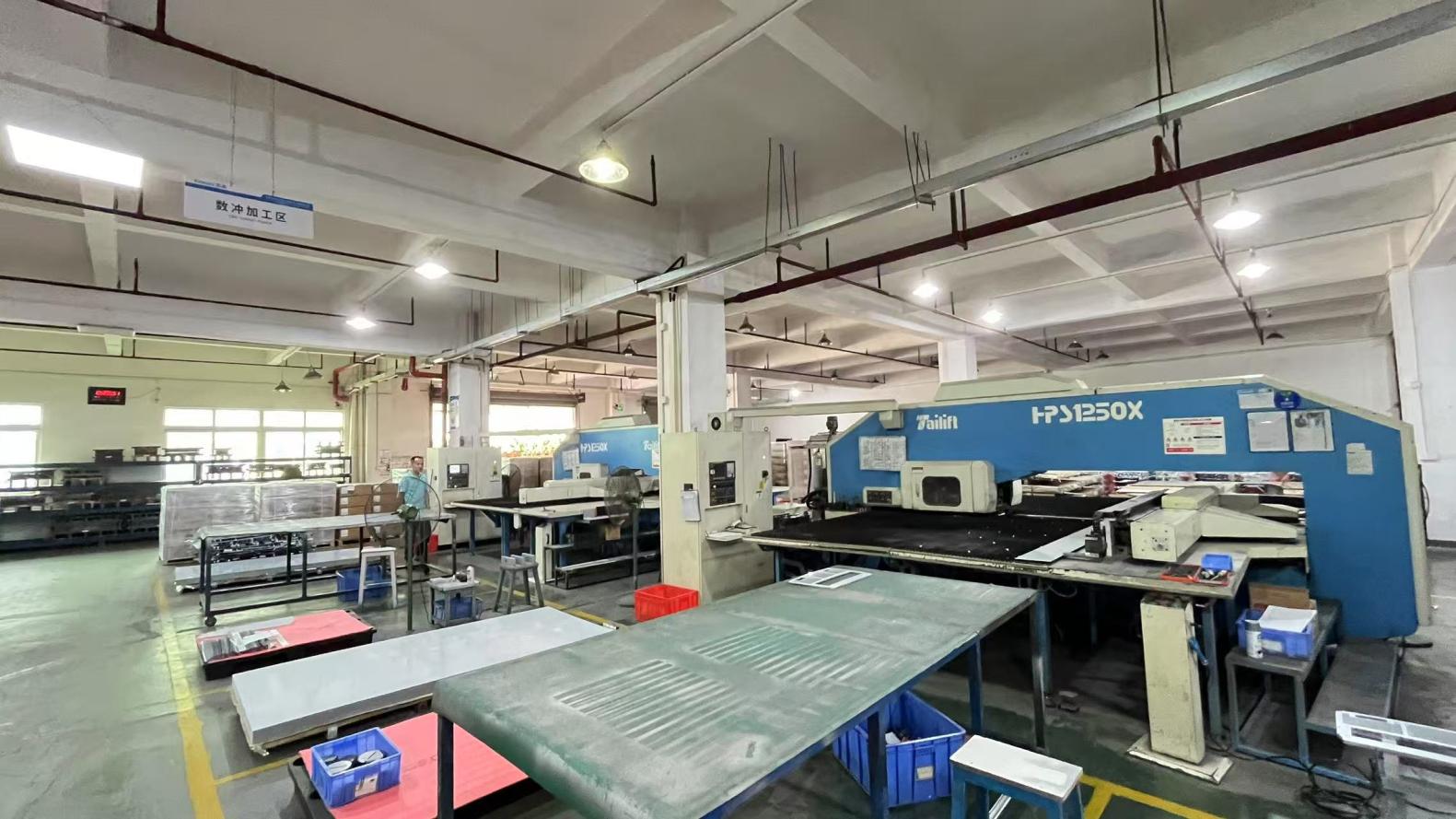
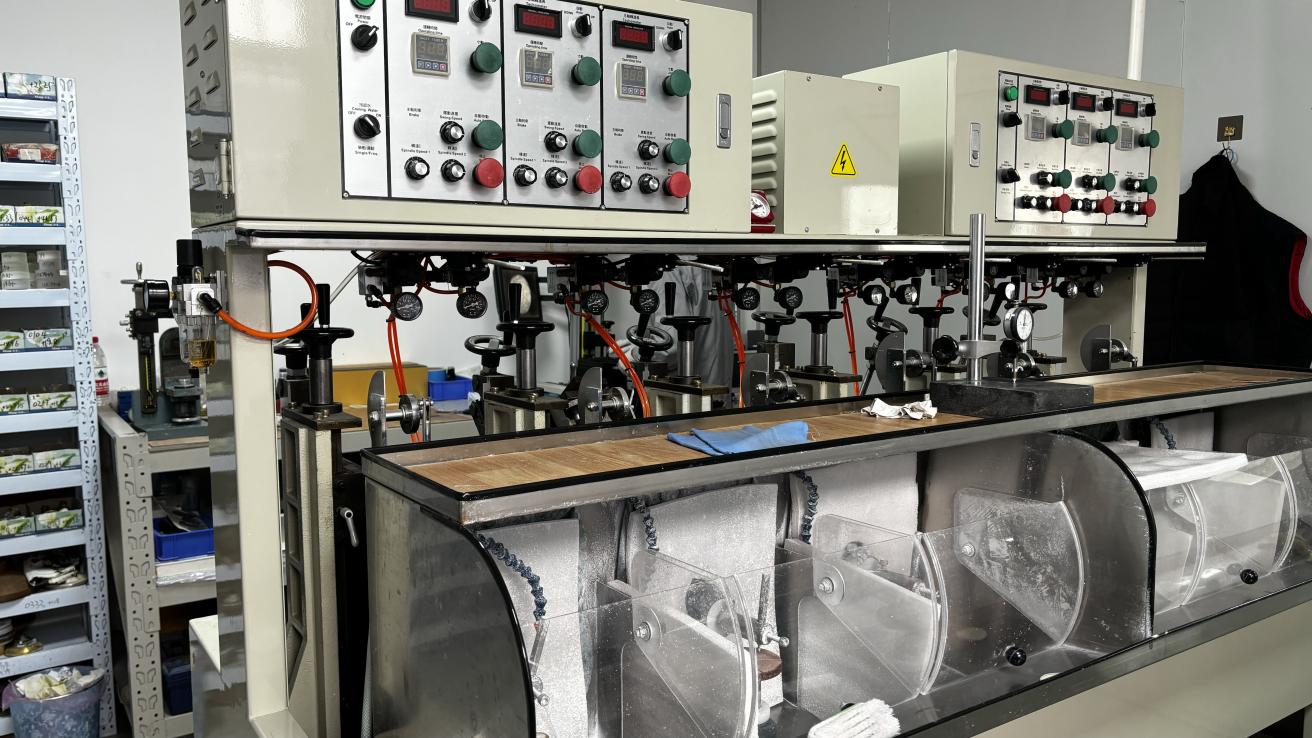
Our SMT production lines feature automated optical inspection (AOI), X-ray component validation, and automatic temperature burn-in testing. These methods help ensure stable signal integrity before shipment.
Velmix Technology Co., Ltd. is a DDR5 memory manufacturer based in Shenzhen, China, specializing in the research, development, production, and global distribution of high-performance DRAM memory solutions. Since its establishment in 2017, Velmix has been committed to delivering reliable, high-speed memory products for consumer electronics, industrial applications, gaming systems, servers, and embedded computing.
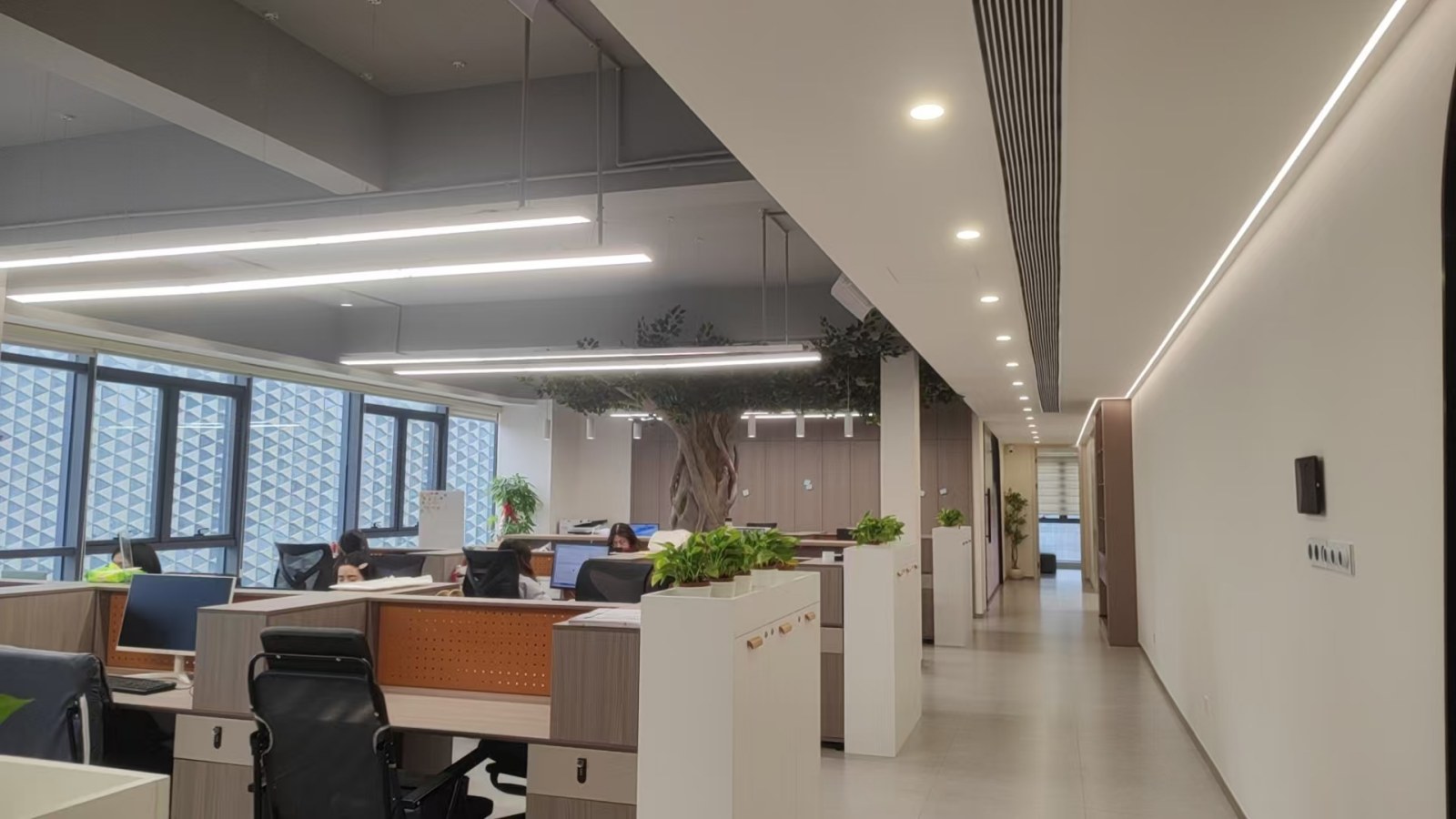
Operating from a modern manufacturing facility covering 368㎡, we combine advanced production technologies with strict quality management to ensure every memory module meets international performance and reliability standards. Our experienced engineering team continuously develops innovative DDR5 memory solutions to meet the evolving demands of AI computing, edge devices, cloud infrastructure, and next-generation computing platforms.
Today, Velmix serves customers in more than 40 countries and regions, offering flexible OEM and ODM manufacturing services for global brands, distributors, system integrators, and industrial equipment manufacturers. By focusing on product consistency, fast delivery, and technical innovation, we have built long-term partnerships across Europe, North America, Southeast Asia, and the Middle East.
| Item | Information Details |
|---|---|
| Company Name | Velmix Technology Co., Ltd. |
| Established | 2017 |
| Facility Area | 368㎡ |
| Annual Export Revenue | USD 18.6 Million |
| Export Experience | 8 Years |
| Industry Experience | 15 Years |
| Quality Control | 100% Full Inspection Before Shipment |
| Product Inspection Methods | Signal Integrity Test, Burn-in Test, Compatibility Test, Functional Test & Random Sampling |
| QC Staff | 56 Employees |
| Business Type | Manufacturer & Exporter |
| Main Markets | North America, Europe, Southeast Asia, Middle East & South America |
| Supply Chain Partners | 986+ |
| Main Customer Types | Brand Owners, OEM Manufacturers, System Integrators, Distributors & Wholesalers |
| R&D Capability | Independent Product Design, PCB Development & Firmware Optimization |
| Customization Options | OEM, ODM, Private Label, Customized Capacity, Heat Spreader, PCB Color & Packaging |
| New Products Launched Last Year | 138 Models |
| R&D Engineers | 84 Engineers |
Driven by innovation, precision manufacturing, and customer-oriented service, Velmix continues to expand its portfolio of DDR5 memory products while helping global partners build faster, more reliable, and more efficient computing systems. We are dedicated to becoming a trusted long-term supplier of premium memory solutions for customers worldwide.
Review answers to common questions about memory standards, thermal specifications, and OEM options.
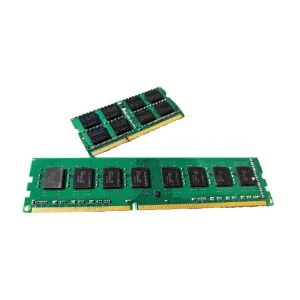
Select from our range of motherboards, copper heat pipe coolers, and desktop RAM kits, designed to meet the requirements of office environments, gaming platforms, and enterprise setups.
 Velmix