High-speed DDR4/DDR5 modules and precision engineered motherboards optimized for gaming, enterprise servers, and industrial environments.
An authoritative deep dive into architectural breakthroughs, market constraints, and hardware engineering standards.
In the contemporary hardware landscape, the performance profile of consumer gaming rigs and industrial infrastructure is fundamentally defined by the efficiency of their memory sub-systems. As applications transition to workloads driven by Artificial Intelligence (AI), deep learning, complex physical simulations, and real-time ray tracing, dynamic random-access memory (DRAM) has evolved from a passive storage buffer to a critical computing pipeline accelerator. The transition from DDR4 to DDR5 architecture has redefined parameters for high-frequency operations, voltage regulation, and signal integrity.
A primary driver of the global Gaming RAM industry is the transition to DDR5 (Double Data Rate 5), which features starting data rates of 4800MHz up to overclocked heights exceeding 8000MHz. Unlike DDR4, which relies on a centralized power distribution structure on the motherboard, DDR5 utilizes on-module Power Management Integrated Circuits (PMICs). This shifts voltage control directly onto the PCB of the memory stick, decreasing electrical noise, improving power efficiency, and enabling granular power tuning for enthusiast overclocking. In parallel, the introduction of On-Die ECC (Error Correction Code) at the silicon level addresses micro-scale cell corruption, providing hardware stability required by both gaming enthusiasts and workstations.
High-end e-sports applications demand minimal latency and high data throughput. High-frequency memory channels allow graphic processing units (GPUs) and multi-core central processing units (CPUs) to exchange textures, frame buffers, and real-time execution trees with minimal queue delays. In data-heavy edge AI computing, high-frequency DDR5 memory ensures prompt throughput, bypassing data handling bottlenecks that limit low-latency applications.
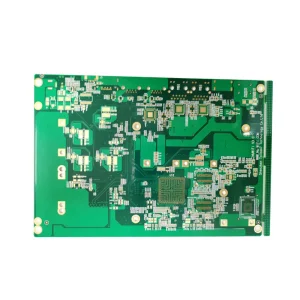
Higher performance generates significant thermal output. Modern ODM designs feature heavy-duty aluminum heat spreaders, thermal pads with high heat transfer coefficients, and optimized multilayer PCBs (often utilizing 8-layer to 10-layer FR-4 stacks). This layout controls electromagnetic interference (EMI) and guarantees stable operational temperatures even under sustained system loads.
How regional clusters and advanced manufacturing methodologies safeguard global tech pipelines.
In the post-pandemic electronic components ecosystem, supply chain resilience is a primary KPI for global system builders and enterprise procurement agencies. The Greater Shenzhen Area, where Velmix Technology Co., Ltd. is located, stands as the global hub for precision SMT (Surface Mount Technology) assembly and raw silicon sourcing. Navigating the complexities of raw material supply, especially during silicon shortages, requires proximity to IC packaging facilities, testing houses, and custom PCB manufacturers.
China's Factory 4.0 paradigm leverages automation, machine-vision inspection systems, and integrated ERP networks. At Velmix's modern production facilities, SMT placement lines mount passive components and DRAM chips onto multi-layer PCBs with micron-level precision. High-speed placement is paired with AOI (Automated Optical Inspection) systems and X-Ray analysis to detect solder voids, micro-bridges, and alignment anomalies before the reflow soldering process is finalized.
Crucially, product consistency relies on IC sorting. Memory modules perform best when paired with tightly matched silicon. Velmix's quality control engineers run advanced IC binning tests, sorting original DRAM dies (Samsung, SK Hynix, Micron) based on speed, timing potential, and voltage thresholds. This selective process reduces cell failure and guarantees that custom ODM lines meet the technical profiles required by international customers.
Applying high-frequency digital testing vectors to analyze jitter, crosstalk, and propagation delay across trace lengths on the printed circuit board.
Subjecting finished modules to temperature cycles (-40°C to 85°C) and continuous memory writes to isolate weak cells prior to final packaging.
Supporting custom PCB layouts, tailored heat-spreader designs, programmed SPD firmware, and retail packaging for international market compatibility.
A professional DRAM manufacturer specializing in high-performance memory modules and electronics manufacturing services.
Velmix Technology Co., Ltd. is a professional DDR5 memory manufacturer based in Shenzhen, China, specializing in the research, development, production, and global distribution of high-performance DRAM memory solutions. Since its establishment in 2017, Velmix has been committed to delivering reliable, high-speed memory products for consumer electronics, industrial applications, gaming systems, servers, and embedded computing.
Operating from a modern manufacturing facility, we combine advanced production technologies with strict quality management to ensure every memory module meets international performance and reliability standards. Our experienced engineering team continuously develops innovative DDR5 memory solutions to meet the evolving demands of AI computing, edge devices, cloud infrastructure, and next-generation computing platforms.
Today, Velmix serves customers in more than 40 countries and regions, offering flexible OEM and ODM manufacturing services for global brands, distributors, system integrators, and industrial equipment manufacturers. By focusing on product consistency, fast delivery, and technical innovation, we have built long-term partnerships across Europe, North America, Southeast Asia, and the Middle East.
| Operating Metric / Item | Technical & Corporate Specifications |
|---|---|
| Company Name | Velmix Technology Co., Ltd. |
| Established | 2017 |
| Facility Area | 368㎡ of specialized dust-free production environment |
| Annual Export Revenue | USD 18.6 Million |
| Export Experience | 8 Years |
| Industry Experience | 15 Years |
| Quality Control | 100% Full Inspection Before Shipment |
| Product Inspection Methods | Signal Integrity Test, Burn-in Test, Compatibility Test, Functional Test & Random Sampling |
| QC Staff | 56 Employees |
| Business Type | Manufacturer & Exporter |
| Main Markets | North America, Europe, Southeast Asia, Middle East & South America |
| Supply Chain Partners | 986+ verified component and raw material suppliers |
| Main Customer Types | Brand Owners, OEM Manufacturers, System Integrators, Distributors & Wholesalers |
| R&D Capability | Independent Product Design, PCB Development & Firmware Optimization |
| Customization Options | OEM, ODM, Private Label, Customized Capacity, Heat Spreader, PCB Color & Packaging |
| New Products Launched Last Year | 138 Models |
| R&D Engineers | 84 Engineers |
Where raw performance meets absolute structural reliability: deployment scenarios of our memory modules.
High-speed RAM is not confined solely to premium PC gaming builds. Modern industrial and communication infrastructure relies on similar DRAM architectures to execute calculations efficiently. Below are the key sectors where Velmix technology is integrated:
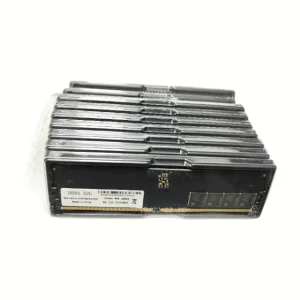
Supplying bulk gaming memory modules with custom-designed aluminum heat spreaders, RGB lightbars, and XMP 3.0 profiles that permit immediate BIOS overclocking. Ideal for system integrators seeking stable platforms.
Providing customized PCBA and DDR4/DDR3 memory modules designed to handle extreme vibration, thermal swings, and moisture in production lines, CNC machining centers, and IoT gateways.
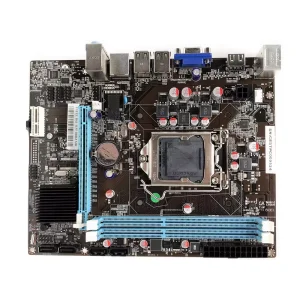
Supplying high-capacity ECC-registered DDR4 and DDR5 memory modules designed for continuous 24/7 database operations, virtualization setups, and processing pipelines.
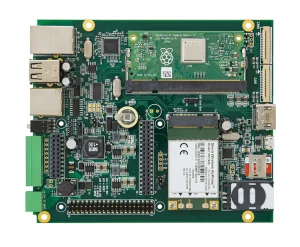
Delivering PCBA and RAM configurations for Single Board Computers (such as Raspberry Pi industrial alternatives) that require compact designs and efficient thermal paths.
Detailed clarifications regarding quality, procurement, custom engineering, and SMT processing.
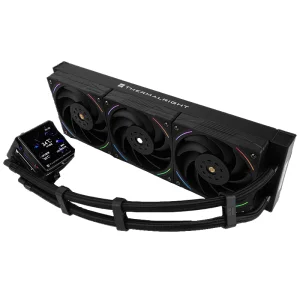
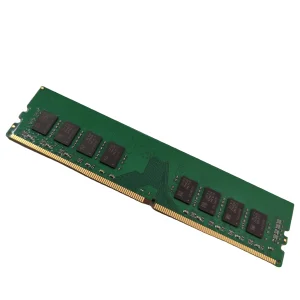
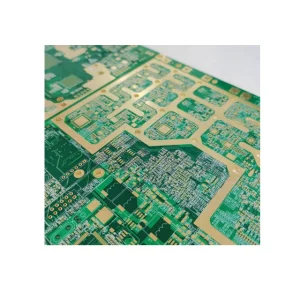
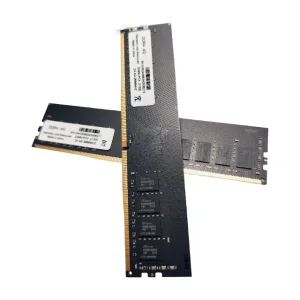
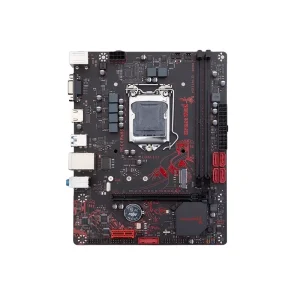
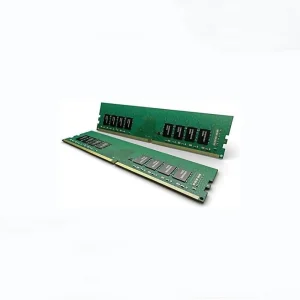
Explore our expanded inventory of cooling solutions, legacy computer memories, and high-frequency PCBs.
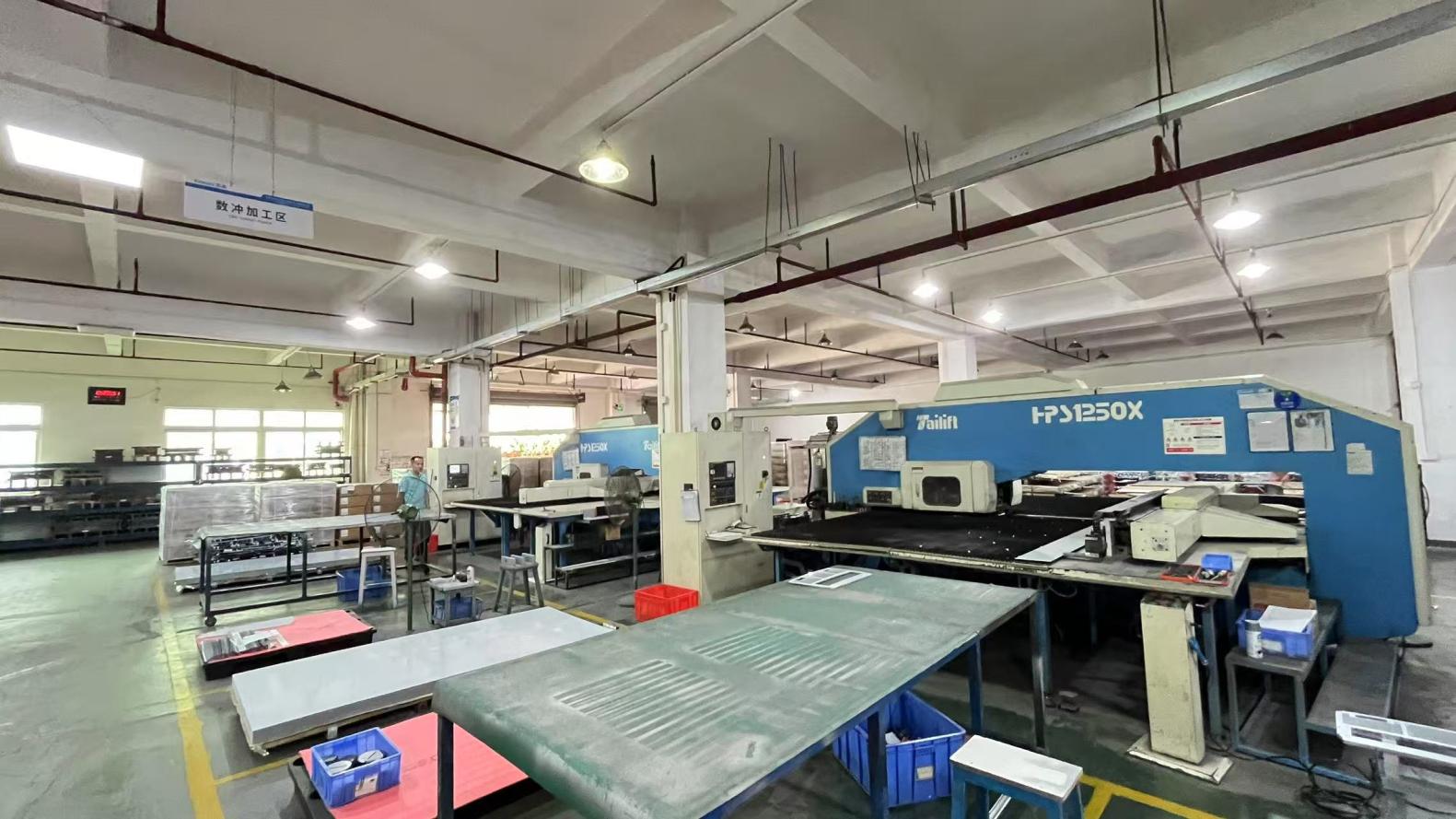
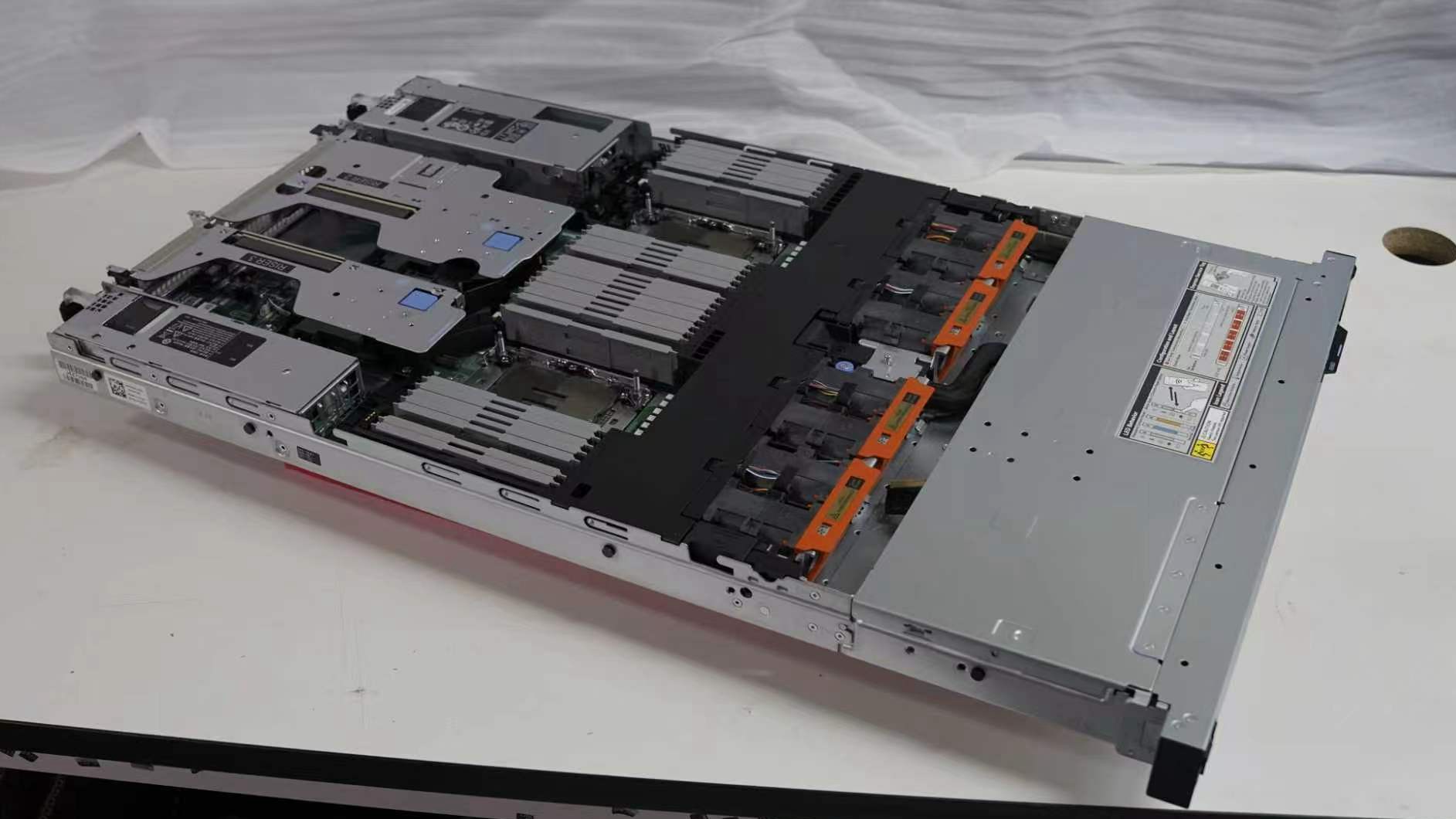
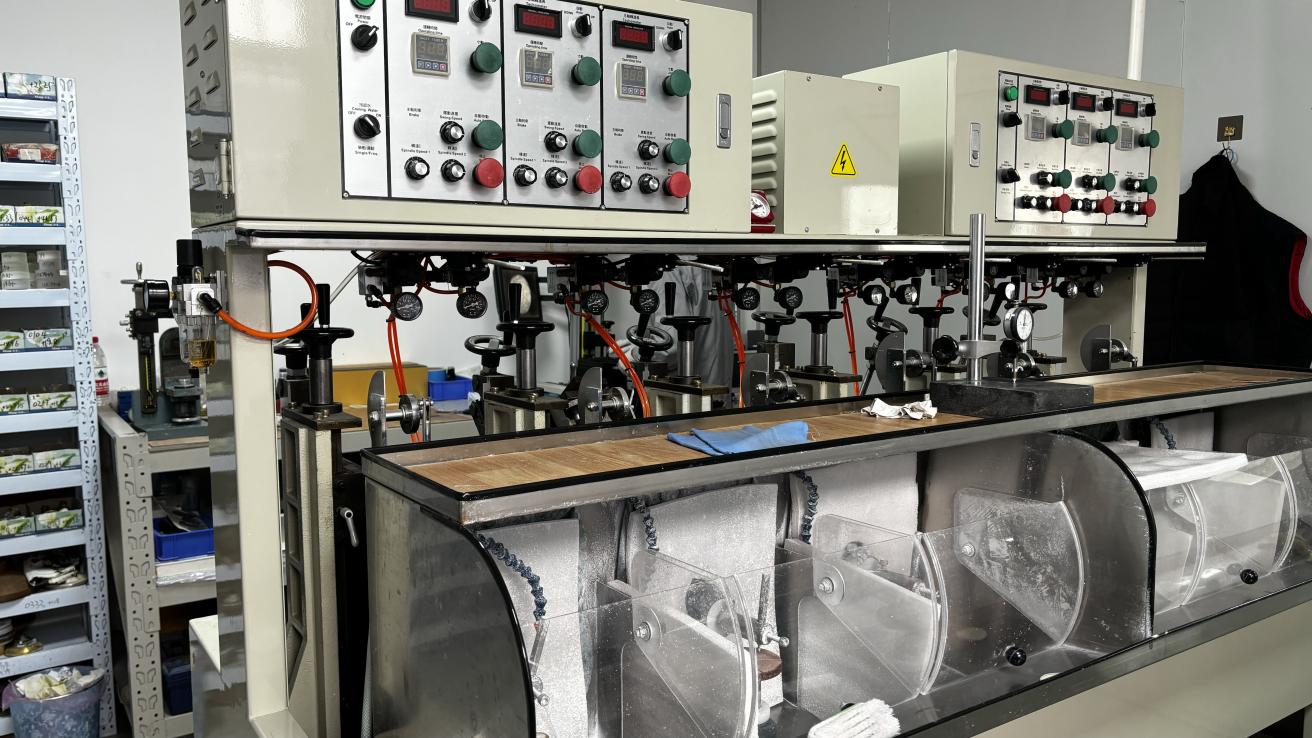
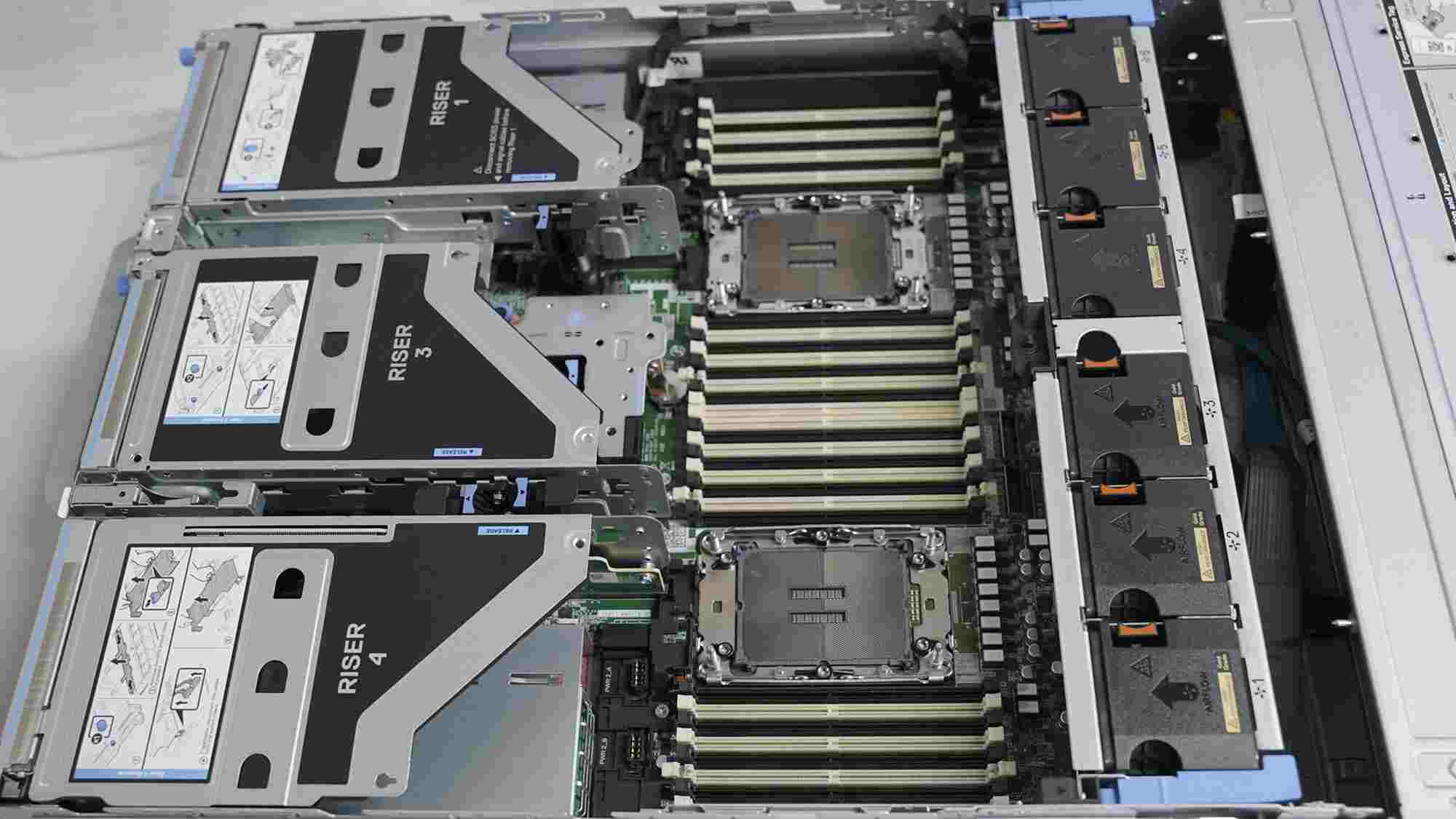
Inside our Shenzhen DRAM packaging, surface mount processing, and hardware verification lines.

 Velmix