The global transition from traditional displays to spatial computing has accelerated the demand for high-performance, low-latency, and thermally efficient hardware architectures. As a premier OEM/ODM Augmented Reality (AR) Devices Manufacturer & Exporter, Velmix Technology Co., Ltd. is positioned at the intersection of micro-electronics fabrication, high-speed DRAM memory layout, and advanced thermal engineering. While the front-end user experience of AR depends heavily on software, the structural reliability of these devices depends entirely on industrial-grade silicon execution, specialized printed circuit board assemblies (PCBAs), and optimized physical layout dynamics.
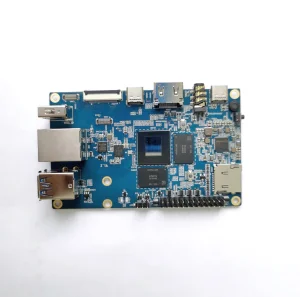
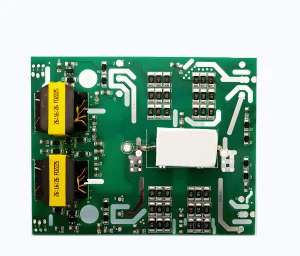
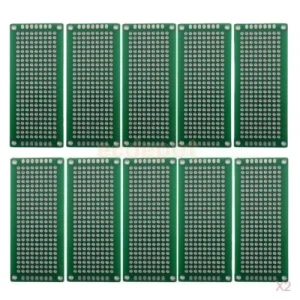
Our engineering ecosystem supports global hardware vendors, system integrators, and enterprise clients by providing custom development pipelines. From utilizing high-compute SoCs like the Rockchip RK3588S processing unit with embedded NPUs to manufacturing specialized multi-layered PCBs, high-density DDR4/DDR5 memory modules, and specialized heat sinks, we provide the foundational elements necessary to deploy production-ready AR solutions. We ensure that our components meet the strict constraints of wearable computing: power optimization, minimal thermal foot-print, and high computational throughput.
Bridging the gap between optical projection, ultra-low latency memory pipelines, and edge AI processing boards.
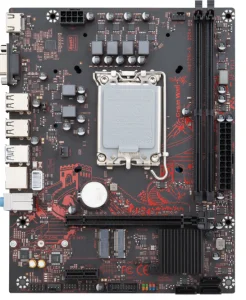
Modern AR architectures require localized machine learning for Simultaneous Localization and Mapping (SLAM) and hand tracking. Our motherboard designs integrate powerful edge computing processors, such as the Rockchip RK3588S, equipped with independent Neural Processing Units (NPUs) up to 6 TOPS to execute complex visual calculations directly on the device, minimizing dependency on cloud infrastructure.
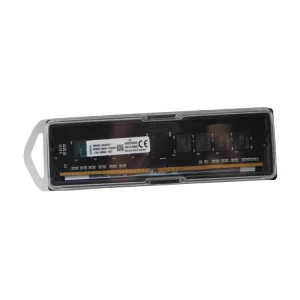
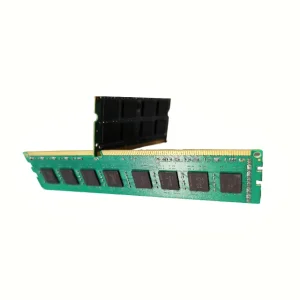
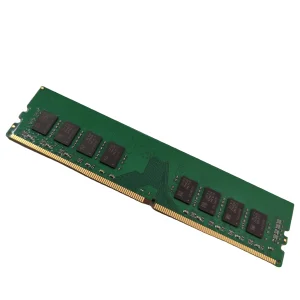
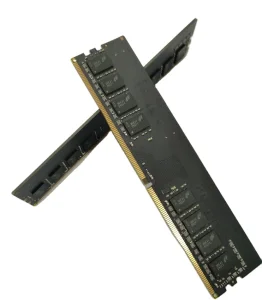
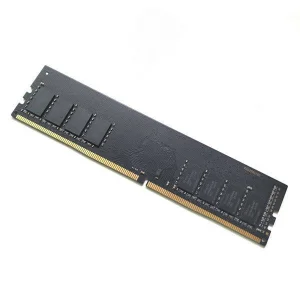
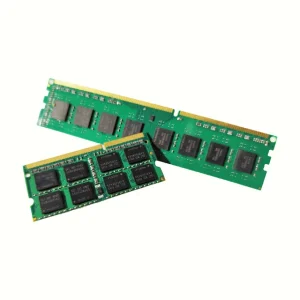
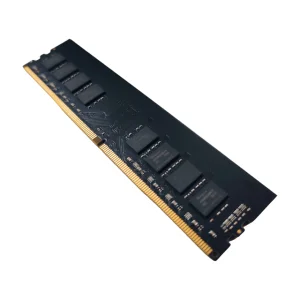
Motion-to-photon latency must remain below 20ms to prevent user disorientation. We develop custom, high-frequency DDR4 and next-gen DDR5 memory channels that interface directly with the SOC, allowing rapid data transfer rates up to 4800MHz+ to buffer real-time camera feeds and stereoscopic graphic outputs.
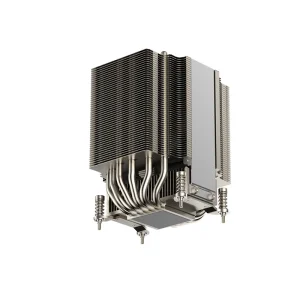
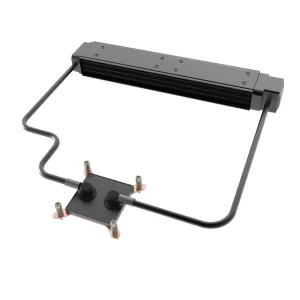
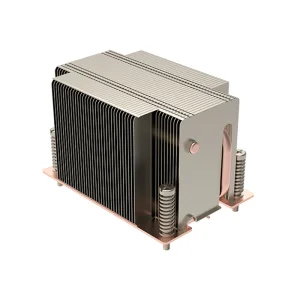
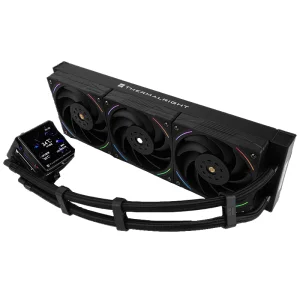
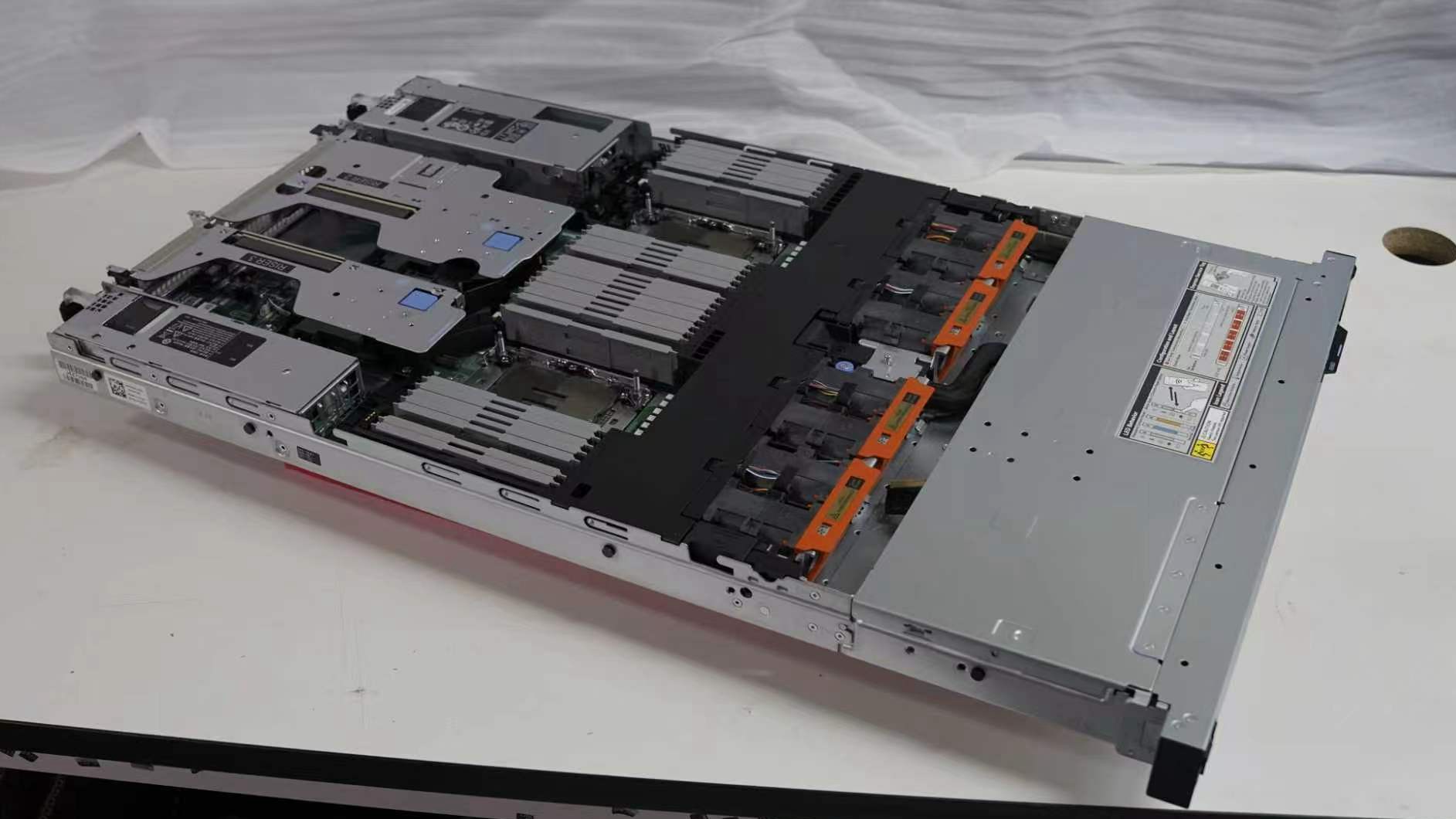
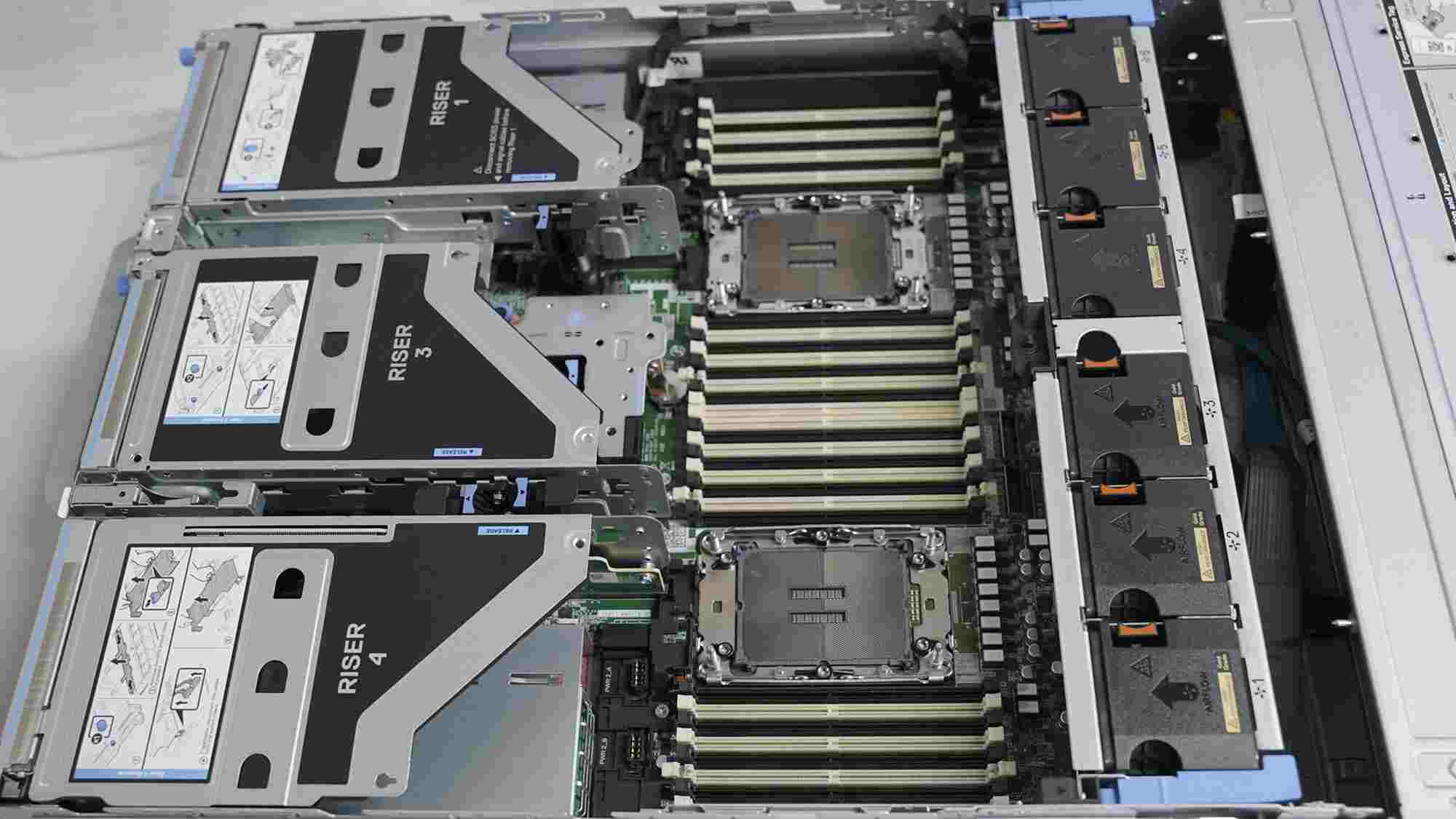
Thermal throttling degrades AR hardware performance. Leveraging our background in high-capacity server coolers, liquid cooling radiators, and passive aluminum heat sinks, we construct customized micro-thermal architectures (using heat pipes and vapor chambers) to cool compact wearable electronics efficiently.
Combining dual-camera inputs, IMUs, TOF sensors, and structural light sensors at the hardware level through dedicated board-to-board high-density connectors.
Matching PCB layouts with optical wave-guide projection engines (LCoS, Micro-OLED) to manage signal degradation over long trace runs.
Implementing dynamic voltage frequency scaling (DVFS) alongside power-management ICs (PMIC) to guarantee 6+ hours of operational battery life under normal workloads.
Custom design-to-build pipelines tailored for specific industrial, medical, and commercial environments.
AR hardware demands vary significantly across distinct professional sectors. Standard off-the-shelf consumer headsets often fail to meet the rigorous demands of industrial environments, sterile clinical settings, or continuous logistics operations. Velmix addresses this gap by offering configurable OEM and ODM architecture variations:
For warehouse and assembly plants, AR glasses must handle continuous barcode scanning, remote assistance video feeds, and spatial positioning. We optimize motherboard designs with robust Wi-Fi 6E/5G connectivity modules, highly shielded PCBs to prevent electromagnetic interference (EMI) from heavy machinery, and modular battery systems for fast replacements.
Medical-grade AR requires ultra-sharp video processing and zero latency during surgery. We customize our RK3588S motherboard platforms to include specialized hardware-based video decoders and multi-channel high-speed interfaces. This allows real-time overlay of MRI or CT scan 3D visuals onto patients without visual delay.
Field hardware must endure extreme vibration, moisture, and temperatures. By utilizing military-grade components, heavy copper PCBs, and custom-engineered passive aluminum radiators, we supply core processing modules that operate stably in temperatures from -40°C to +85°C without fan failures.
Enterprise training platforms rely on high-fidelity 3D graphics rendering. We build custom PCB assemblies integrating high-capacity, multi-channel DDR4/DDR5 DRAM layouts (up to 32GB). This ensures that complex architectural models and simulations run smoothly, preventing screen stuttering during use.
Why our Shenzhen-based manufacturing hub guarantees component availability, manufacturing precision, and strict quality control.
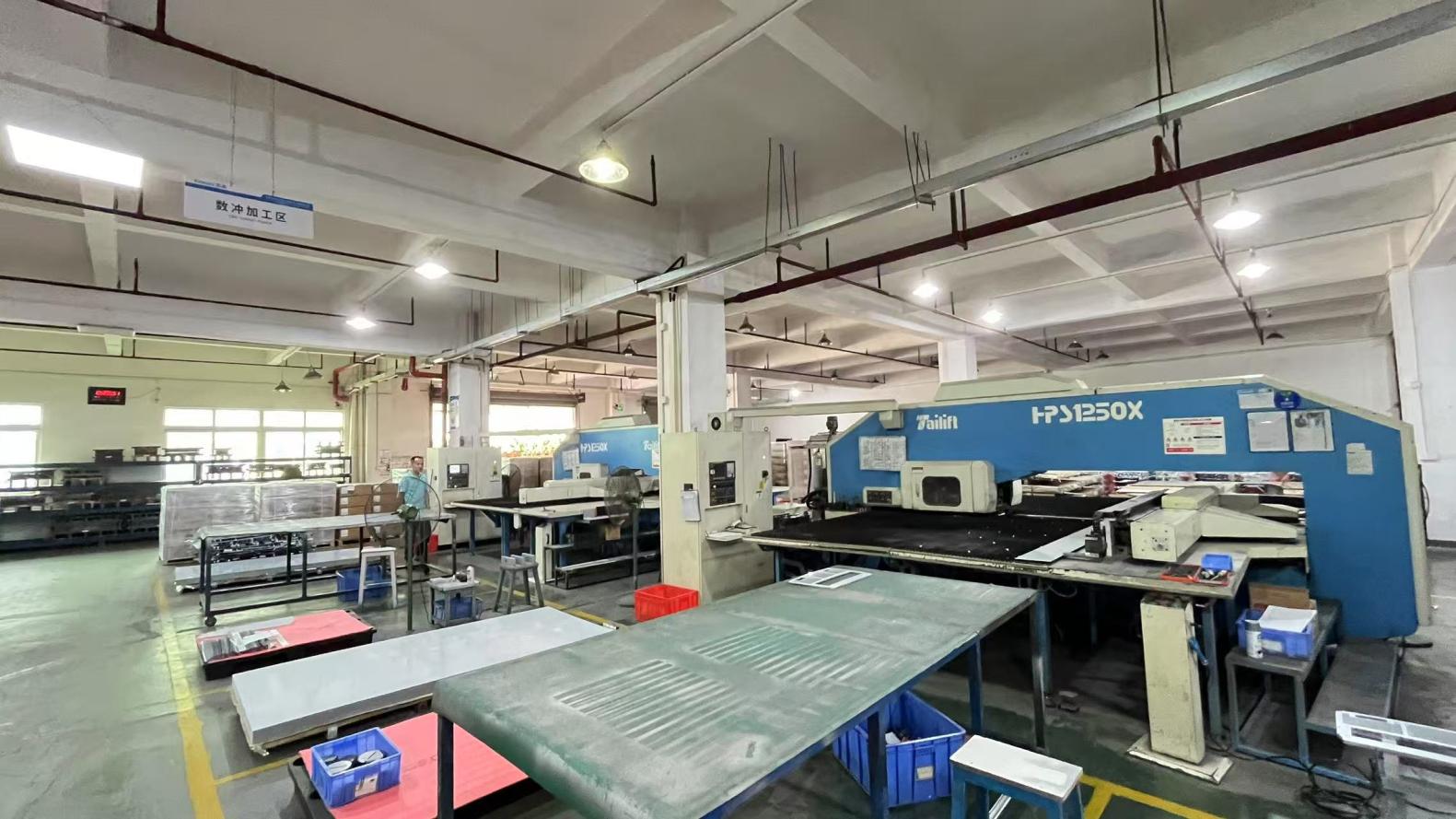
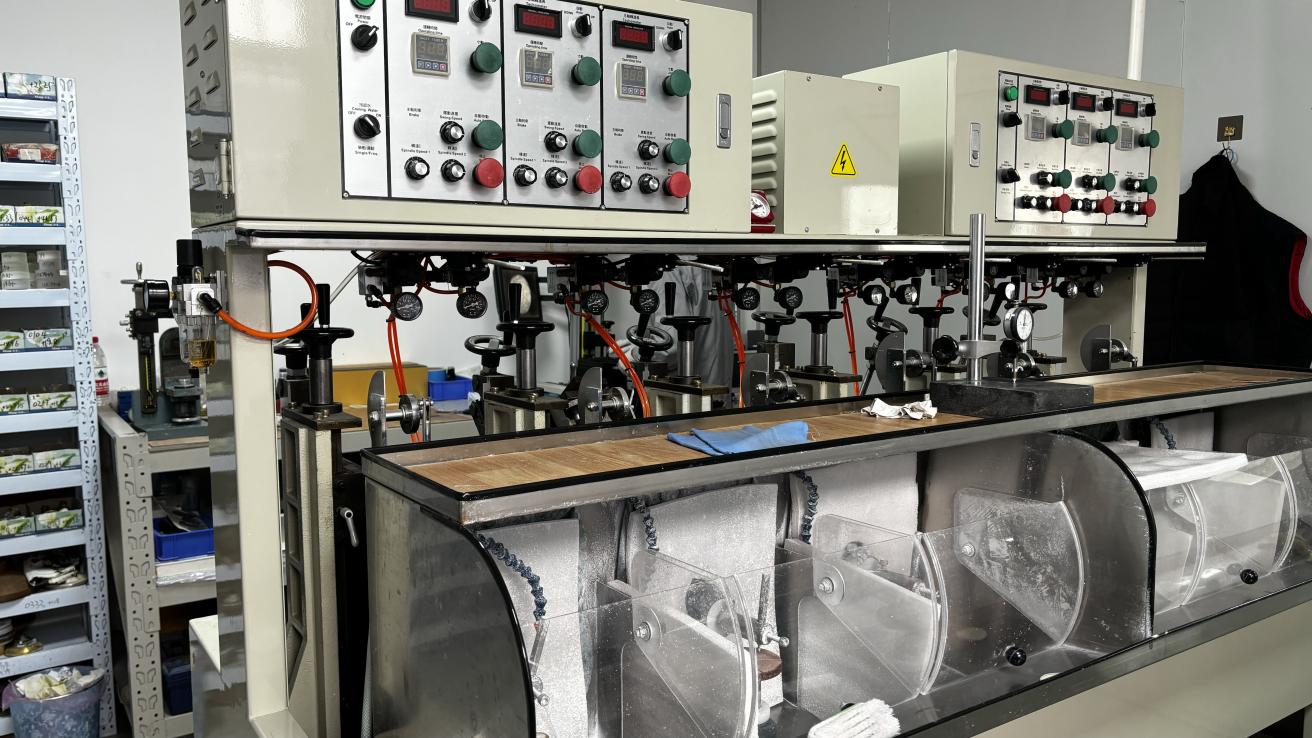
Operating from Shenzhen, the global hub of electronics manufacturing, Velmix Technology Co., Ltd. utilizes an integrated supply chain of over 986+ partner vendors. Our facility manages complex surface mount technology (SMT) lines, specialized testing chambers, and precision assembly cleanrooms. This allows us to scale production efficiently while maintaining high yield rates.
We perform 100% full inspections before shipment. By using Automated Optical Inspection (AOI) systems, X-ray scanning for BGA solder joints, high-frequency signal integrity testing, and environmental burn-in procedures, we ensure that every motherboard, memory module, and custom AR component functions reliably under heavy long-term usage.
Equipped with high-precision Yamaha and Fuji placement machines, we handle complex component placements including 01005 passives and fine-pitch BGAs down to 0.35mm pitch with placement accuracy of ±0.02mm.
We model thermal distribution under load using infrared thermography and thermal chambers. This helps us optimize customized cooling systems like active CPU coolers and passive heat sinks before tooling creation.
With 84 dedicated engineers specializing in PCB design, firmware development, and signal analysis, we can deliver physical prototypes of custom boards within 10-15 working days from design sign-off.
Velmix Technology Co., Ltd. is a professional DDR5 memory manufacturer based in Shenzhen, China, specializing in the research, development, production, and global distribution of high-performance DRAM memory solutions. Since its establishment in 2017, Velmix has been committed to delivering reliable, high-speed memory products for consumer electronics, industrial applications, gaming systems, servers, and embedded computing.
Operating from a modern manufacturing facility covering 368㎡, we combine advanced production technologies with strict quality management to ensure every memory module meets international performance and reliability standards. Our experienced engineering team continuously develops innovative DDR5 memory solutions to meet the evolving demands of AI computing, edge devices, cloud infrastructure, and next-generation computing platforms.
Today, Velmix serves customers in more than 40 countries and regions, offering flexible OEM and ODM manufacturing services for global brands, distributors, system integrators, and industrial equipment manufacturers. By focusing on product consistency, fast delivery, and technical innovation, we have built long-term partnerships across Europe, North America, Southeast Asia, and the Middle East.
| Item | Information |
|---|---|
| Company Name | Velmix Technology Co., Ltd. |
| Established | 2017 |
| Facility Area | 368㎡ |
| Annual Export Revenue | USD 18.6 Million |
| Export Experience | 8 Years |
| Industry Experience | 15 Years |
| Quality Control | 100% Full Inspection Before Shipment |
| Product Inspection Methods | Signal Integrity Test, Burn-in Test, Compatibility Test, Functional Test & Random Sampling |
| QC Staff | 56 Employees |
| Business Type | Manufacturer & Exporter |
| Main Markets | North America, Europe, Southeast Asia, Middle East & South America |
| Supply Chain Partners | 986+ |
| Main Customer Types | Brand Owners, OEM Manufacturers, System Integrators, Distributors & Wholesalers |
| R&D Capability | Independent Product Design, PCB Development & Firmware Optimization |
| Customization Options | OEM, ODM, Private Label, Customized Capacity, Heat Spreader, PCB Color & Packaging |
| New Products Launched Last Year | 138 Models |
| R&D Engineers | 84 Engineers |
Deploying AR devices globally requires adherence to strict local regulations, compliance checks, and logistical controls. Velmix guides enterprise buyers through these regulatory landscapes to ensure imports comply with relevant standards. Our global support framework focuses on three main pillars:
We design all hardware assemblies (including mainboards, memory modules, and power systems) to comply with international regulatory frameworks, facilitating smooth testing for CE, FCC, RoHS, and WEEE certifications.
Our engineering team assists in compiling custom BSPs (Board Support Packages), configuring Android/Linux kernels, and managing driver integrations for display panels, sensors, and wireless chipsets.
We implement strict component traceability systems. From capacitors to core memory chips and SoCs, all raw materials are cataloged and checked to ensure consistent batch quality.
Technical details regarding ODM design cycles, component selection, thermal engineering, and logistics.
Yes. We design high-density interconnect (HDI) PCBs, optimizing layer stack-ups (up to 12 layers) to fit the compact profiles of AR temples. We integrate core SoCs, power management, and high-frequency DRAM interfaces into small physical foot-prints.
We use high-conductivity thermal pads, copper vapor chambers, and custom-milled passive aluminum heat sinks. By modeling the thermal path from the processor to the external frame, we keep skin contact temperatures within safe limits under continuous loads.
Yes. As a memory manufacturer, we source original DRAM chips directly from major suppliers (Samsung, SK Hynix, Micron) based on client specifications. We support both commercial and industrial temperature range components.
The standard development cycle spans 8 to 12 weeks: 3 weeks for schematic and layout design, 2 weeks for PCB fabrication and prototype SMT assembly, and 3 to 4 weeks for firmware debugging, signal integrity testing, and optimization.
Yes. Our motherboard solutions, including the RK3588S platforms, feature multi-channel MIPI-CSI inputs, high-speed USB-C, and hardware-accelerated processing. This supports simultaneous inputs from dual cameras, depth sensors, and IMUs for tracking.
We employ automated optical inspection (AOI) after solder paste printing and component placement, followed by 3D X-ray inspection for BGA packages. Every finished assembly undergoes functional testing and run-in cycles to minimize defect rates.
We support configurations including LPDDR4, LPDDR4X, LPDDR5, and DDR4/DDR5 modules ranging from 4GB to 32GB. We customize PCB colors, trace lengths, and heat-spreaders to match your physical configurations.
Yes. For industrial and medical clients, we provide lifecycle guarantees (typically 5 to 7 years) on key components, helping prevent unexpected design changes by sourcing long-term support (LTS) chipsets.
 Velmix