High-performance industrial-grade modules, cooling solutions, and custom PCBA boards engineered to support enterprise RF communication infrastructure.
An authoritative analysis of industrial capabilities, engineering expertise, and strategic procurement advantages.
In the rapidly evolving landscape of the Internet of Things (IoT), Bluetooth Low Energy (BLE) and classic Bluetooth modules form the backbone of modern short-range wireless connectivity. From advanced consumer audio gear and medical devices to complex industrial automation and automotive infotainment systems, selecting the appropriate Bluetooth module is critical. China has emerged as the premier global manufacturing hub for these vital components, supplying over 70% of the world's wireless transceiver modules. But the advantage of sourcing from Chinese Bluetooth module factories goes far beyond mere unit-cost reduction.
“Sourcing from leading Chinese factories provides global enterprises with access to vertically integrated ecosystems, rapid prototype-to-production cycles, and direct engineering relationships with top silicon design houses.”
Today's top-tier manufacturers in technology hubs like Shenzhen and Dongguan offer deep vertical integration. They maintain close strategic partnerships with global silicon heavyweights (such as Nordic Semiconductor, Espressif Systems, Texas Instruments, Realtek, and Telink) to secure early access to next-generation chipsets. This allows Chinese factories to integrate advanced features like Bluetooth 5.4 PAwR (Periodic Advertising with Response), LE Audio (via LC3 codec), Direction Finding (AoA/AoD), and long-range coded PHY modes into finished modules months ahead of regional competitors.
Direct partnerships with key silicon foundries ensure component availability, reduced lead times, and early access to BLE 5.3/5.4/6.0 chipsets.
In-house RF chambers, network analyzers, and automated calibration guarantee precise impedance matching and antenna tuning.
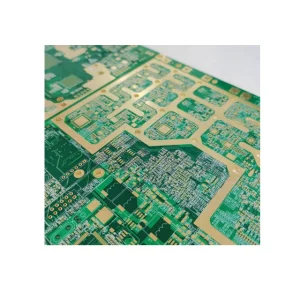
Accelerated hardware design verification, multi-layer high-frequency PCB prototyping, and pre-compliance testing capabilities.
Analyzing the shift toward energy-efficient, long-range, and highly integrated IoT system architectures.
The global Bluetooth market is undergoing a seismic shift driven by demand for Edge AI, precise indoor positioning, and seamless audio ecosystems. Understanding these macro trends is vital for procurement managers and product designers looking to future-proof their hardware architecture.
BLE 5.4 introduces revolutionary features designed to support dense, low-power sensor networks. Periodic Advertising with Responses (PAwR) allows bidirectionally communicating networks to connect thousands of battery-less or micro-power end nodes (like Electronic Shelf Labels or industrial sensors) to a single access point. In-house engineering teams at leading Chinese manufacturing facilities are actively integrating these features into high-performance, cost-effective modules that support custom firmware optimizations.
Angle of Arrival (AoA) and Angle of Departure (AoD) methodologies enable sub-meter accuracy in real-time positioning systems. Sourcing specialized modules equipped with multi-antenna arrays directly from certified manufacturers ensures that your asset-tracking or indoor-navigation applications achieve the signal stability and phase coherence required for mission-critical industrial deployments.
The transition from classic Bluetooth Audio to LE Audio represents the largest change in wireless audio in a decade. By utilizing the highly efficient LC3 codec, LE Audio delivers superior sound quality at half the bitrate, significantly extending battery life. Furthermore, Auracast™ broadcast audio enables transmitters to broadcast high-quality streams to an unlimited number of nearby receivers, opening up new product development pathways for assistive listening, public venues, and shared multimedia devices.
Modern smart home and industrial systems demand interoperability. Leading China suppliers are focusing heavily on multi-protocol RF modules that run Bluetooth Low Energy, Zigbee, Thread, and Wi-Fi simultaneously. This reduces hardware footprint, eliminates PCB design complexity, and minimizes potential RF interference between co-located antennas.
How global enterprises leverage Chinese-manufactured Bluetooth modules across specialized industries.
Integrating BLE mesh modules into smart lighting, automated door locks, and environmental sensors. Modules support local execution algorithms, ensuring responsive smart ecosystems compatible with Apple HomeKit, Google Home, and Matter standards.
Implementing BLE for Passive Entry Passive Start (PEPS) systems, wireless battery management systems (wBMS), and tire pressure monitoring (TPMS). These automotive-grade modules undergo rigorous AEC-Q100 qualification testing.
Powering continuous glucose monitors (CGM), digital pulse oximeters, and smart hearing aids. Factories guarantee strict compliance with FDA/CE medical guidelines, ensuring ultra-reliable data transmission and low-latency connections.
Deploying rugged BLE beacons in manufacturing warehouses, cold-chain monitoring containers, and shipping yards. Supports real-time temperature, humidity, and location updates with optimized power consumption profiles.
Replacing complex wiring with robust, interference-free Bluetooth connections for factory floor sensors and actuator controls. Built to operate reliably in high-vibration, high-temperature industrial environments.
Designing next-gen soundbars, wireless speaker arrays, and localized PA systems using LE Audio and Auracast codecs. Delivers multi-stream capabilities and synchronized audio across multiple channels.
A rigorous roadmap to prevent costly design iterations, certification delays, and field failures.
When selecting a Chinese factory partner, procurement managers must evaluate several technical criteria to ensure that the chosen modules satisfy regulatory requirements and operate reliably in the field.
A module's performance is only as good as its antenna implementation. You must choose the right layout based on space constraints and performance needs:
Securing regulatory compliance can be a major bottleneck. A reputable factory should provide pre-certified modules with FCC (US), CE (Europe), IC (Canada), TELEC (Japan), and SRRC (China) markings. Furthermore, the module must be registered under the Bluetooth SIG (BQB certification). Choosing a pre-certified module allows you to reference the supplier's Declaration ID (DID), saving thousands of dollars and weeks of testing.
Evaluate whether the factory uses genuine silicon from reputable brands or alternative chipsets that might have software compatibility issues. The provider must supply comprehensive SDKs, reference layouts, and firmware support for OTA (Over-the-Air) updates. For secure industrial applications, verify hardware-based cryptographic accelerators like AES-128/256 and Elliptic Curve Cryptography (ECC) are present.
Integrating Advanced Hardware Manufacturing, High-Frequency PCBA SMT Lines, and Dynamic Memory Engineering.
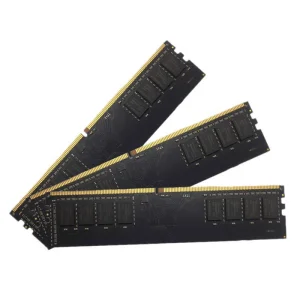
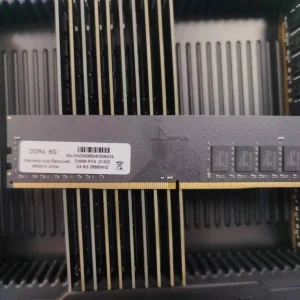
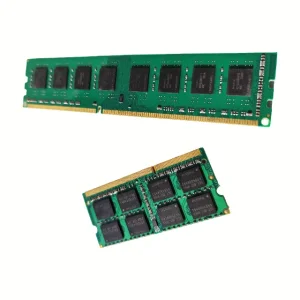
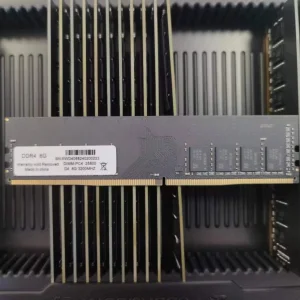
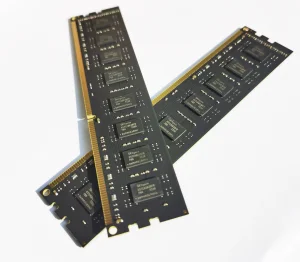
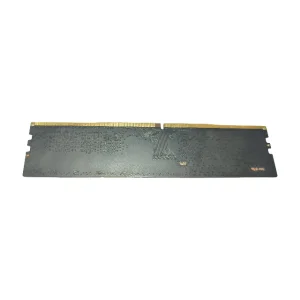
Velmix Technology Co., Ltd. is a professional DDR5 memory manufacturer based in Shenzhen, China, specializing in the research, development, production, and global distribution of high-performance DRAM memory solutions. Since its establishment in 2017, Velmix has been committed to delivering reliable, high-speed memory products for consumer electronics, industrial applications, gaming systems, servers, and embedded computing.
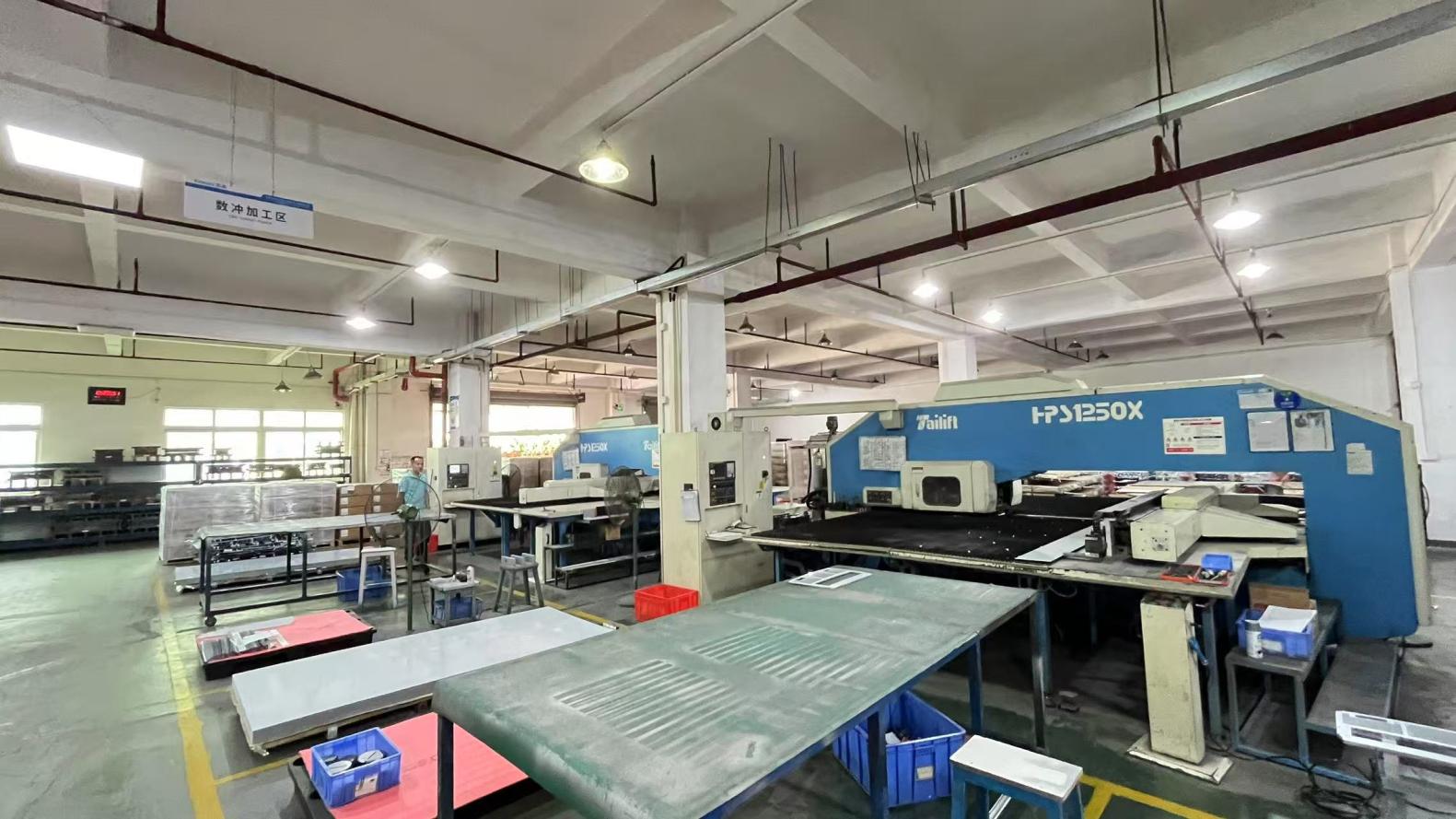
Operating from a modern manufacturing facility covering 368㎡, we combine advanced production technologies with strict quality management to ensure every memory module meets international performance and reliability standards. Our experienced engineering team continuously develops innovative DDR5 memory solutions to meet the evolving demands of AI computing, edge devices, cloud infrastructure, and next-generation computing platforms.
Today, Velmix serves customers in more than 40 countries and regions, offering flexible OEM and ODM manufacturing services for global brands, distributors, system integrators, and industrial equipment manufacturers. By focusing on product consistency, fast delivery, and technical innovation, we have built long-term partnerships across Europe, North America, Southeast Asia, and the Middle East.
| Item | Information |
|---|---|
| Company Name | Velmix Technology Co., Ltd. |
| Established | 2017 |
| Facility Area | 368㎡ |
| Annual Export Revenue | USD 18.6 Million |
| Export Experience | 8 Years |
| Industry Experience | 15 Years |
| Quality Control | 100% Full Inspection Before Shipment |
| Product Inspection Methods | Signal Integrity Test, Burn-in Test, Compatibility Test, Functional Test & Random Sampling |
| QC Staff | 56 Employees |
| Business Type | Manufacturer & Exporter |
| Main Markets | North America, Europe, Southeast Asia, Middle East & South America |
| Supply Chain Partners | 986+ |
| Main Customer Types | Brand Owners, OEM Manufacturers, System Integrators, Distributors & Wholesalers |
| R&D Capability | Independent Product Design, PCB Development & Firmware Optimization |
| Customization Options | OEM, ODM, Private Label, Customized Capacity, Heat Spreader, PCB Color & Packaging |
| New Products Launched Last Year | 138 Models |
| R&D Engineers | 84 Engineers |
Driven by innovation, precision manufacturing, and customer-oriented service, Velmix continues to expand its portfolio of high-frequency components and DRAM memory products while helping global partners build faster, more reliable, and more efficient hardware systems. We are dedicated to becoming a trusted long-term supplier of premium hardware solutions for customers worldwide.

Technical answers from our senior RF design engineers and supply chain specialists.
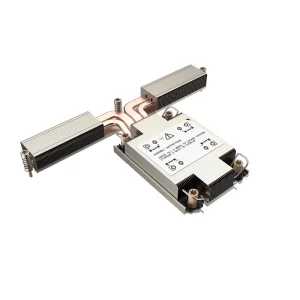
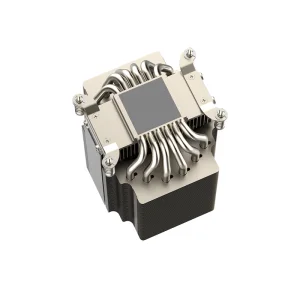
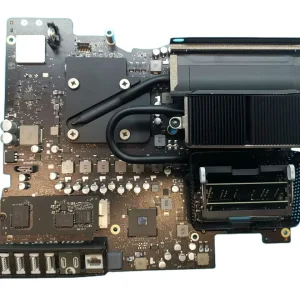
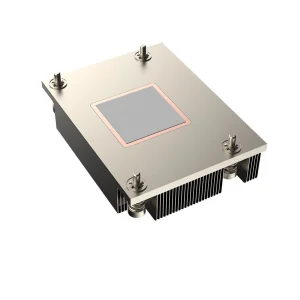
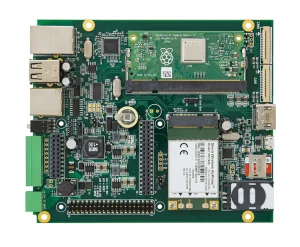
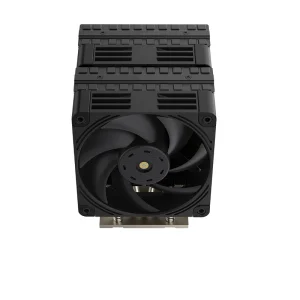
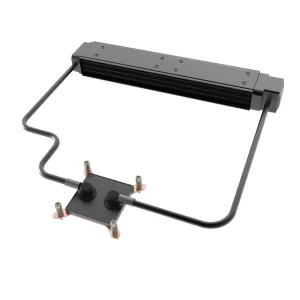
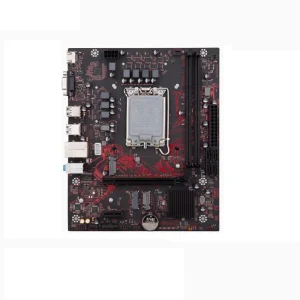
Robust logic units, advanced liquid-cooling blocks, and custom developmental PCBA hardware arrays.
 Velmix