Explore high-performance computing modules, industrial SoCs, and system memory driving modern wearable tech infrastructure.
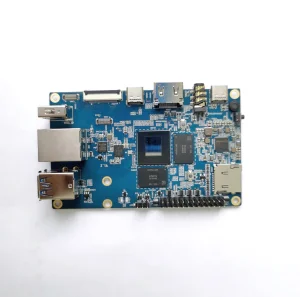
Modern wearable technology has progressed far beyond simple fitness trackers. Today’s landscape is defined by AR/VR spatial computing headsets, AI-integrated smart helmets, clinical-grade medical monitors, and ruggedized industrial wearables. Achieving target power-to-performance ratios for these devices demands an underlying hardware architecture built on ultra-compact, high-density PCBs, energy-efficient system-on-chips (SoCs) such as the Rockchip RK3588S SoC Platform, and ultra-reliable memory configurations.
Integrated computing blocks like the Rockchip RK3588S, featuring built-in Neural Processing Units (NPUs), allow wearables to process complex AI algorithms locally (Edge AI), reducing reliance on cloud latency and maximizing data security.
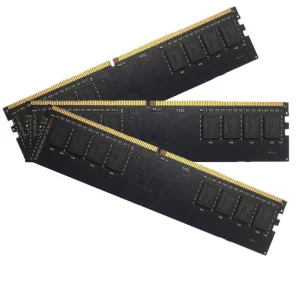
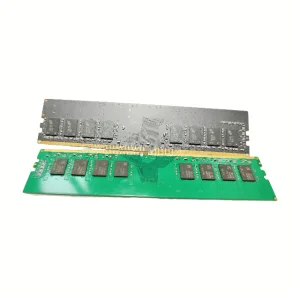
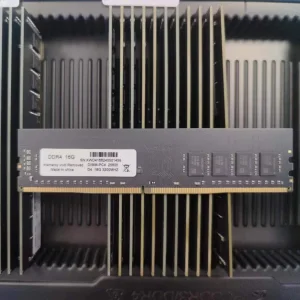
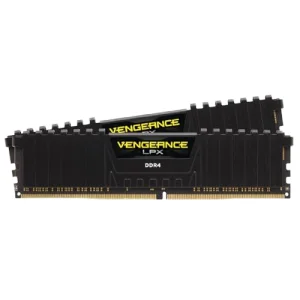
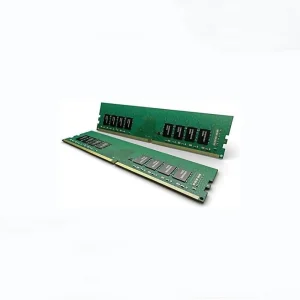
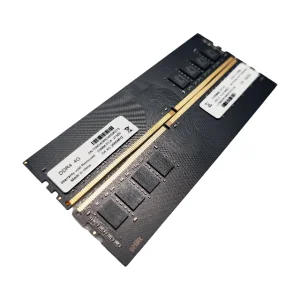
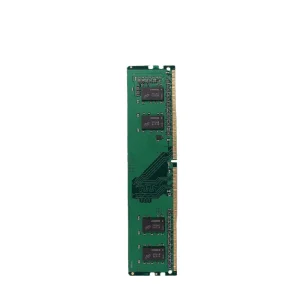
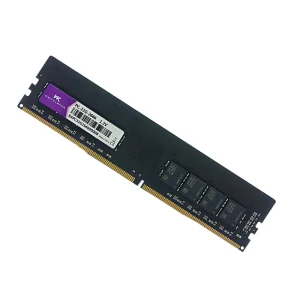
Wearables performing real-time rendering or handling localized databases require low-latency DRAM solutions. Industrial-grade DDR4 and DDR5 memory modules ensure error-free computation and persistent high throughput.
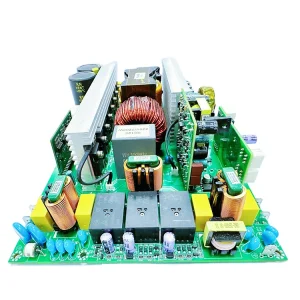
Complex wearable structures require high-density interconnect (HDI) multilayer printed circuit boards. Custom PCBA engineering aligns structural form factors with optimized trace routing for EMI/EMC compliance.
To bridge this hardware gap, enterprise buyers must collaborate with manufacturing partners who maintain full control over the electronic manufacturing services (EMS) ecosystem. From SMT assembly of system control boards to the thermal management of wearable hubs, every module must undergo strict qualification processes to operate under high-stress conditions.
Velmix Technology Co., Ltd. is a professional hardware and high-performance memory manufacturer based in Shenzhen, China. We specialize in the research, development, custom layout design, and global distribution of advanced computing solutions, motherboards, custom PCBAs, and DRAM memory systems. Since our establishment in 2017, Velmix has focused on developing high-reliability components for smart computing devices, server infrastructure, industrial automation, and custom wearable technologies.
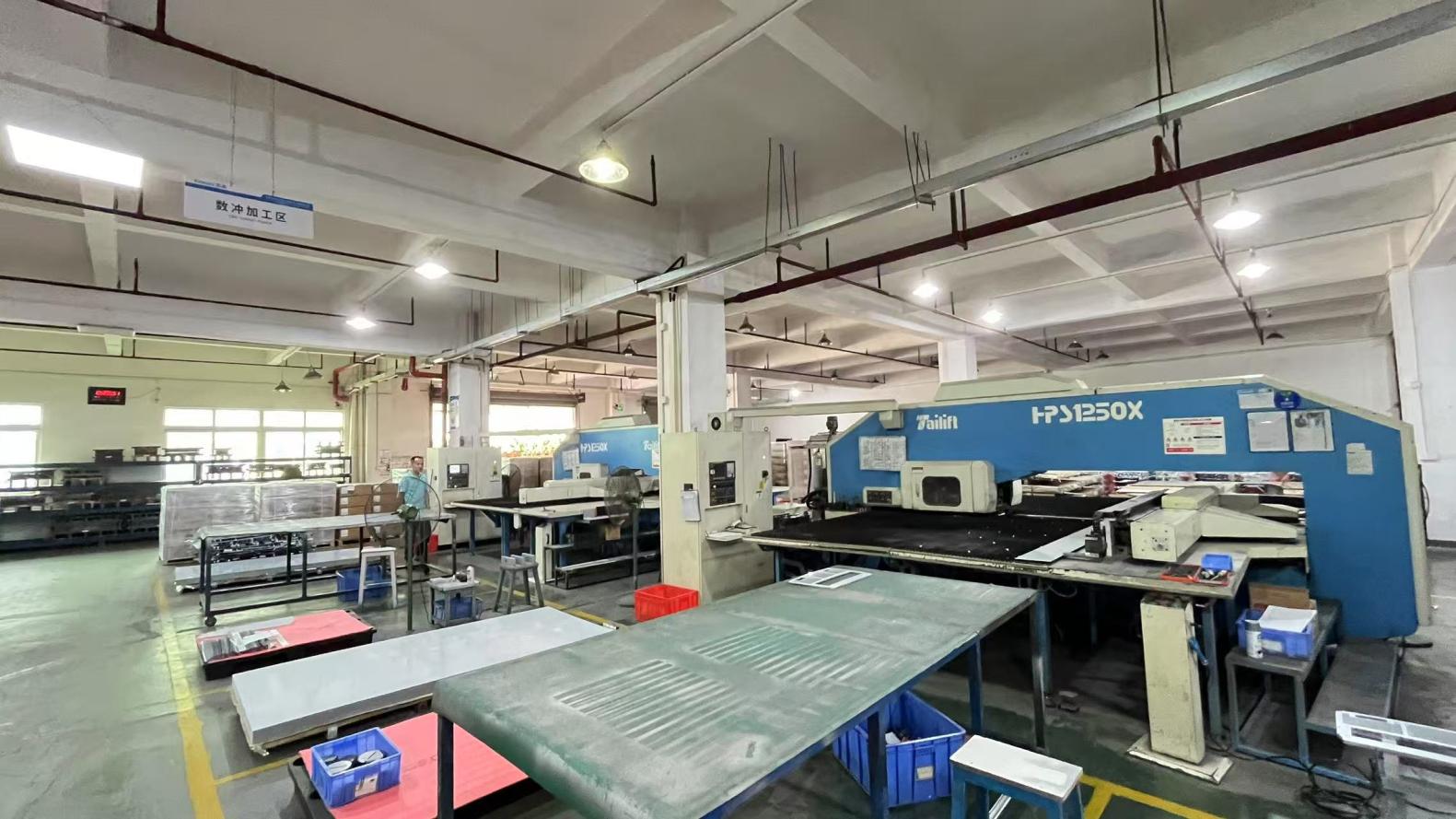
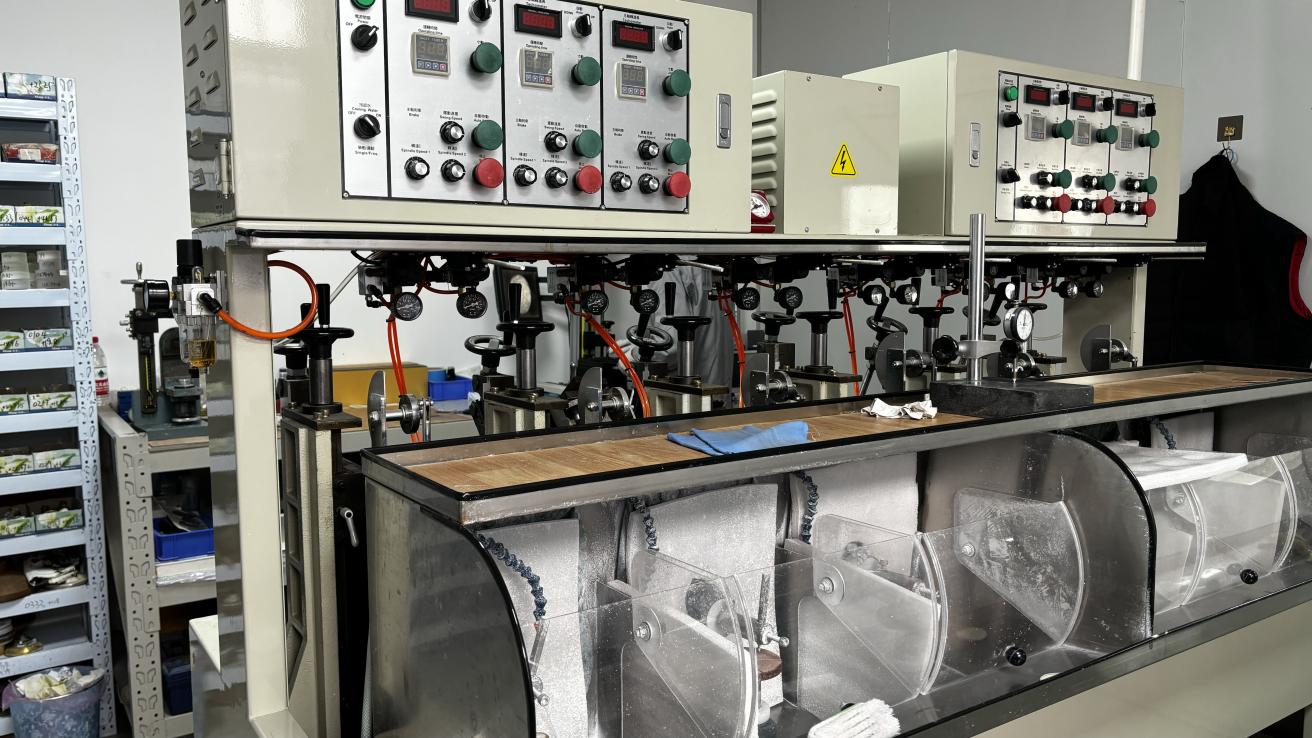
Operating from our modern facility in Shenzhen, we integrate advanced automated testing lines with strict quality management to ensure every product meets international criteria. Our dedicated engineering department continuously refines layout design, optimizing hardware compatibility for AI computing, edge devices, cloud infrastructure, and next-generation smart technology applications.
Velmix serves enterprise partners, distributors, and system integrators in more than 40 countries. By maintaining strict component sourcing protocols and full functional checks, we deliver reliable OEM/ODM support for brands across North America, Europe, Southeast Asia, and the Middle East.
| Organizational Profile | Verified Details |
|---|---|
| Established | 2017 |
| Facility Area | 368㎡ (Specialized Prototype & Test Center) |
| Annual Export Revenue | USD 18.6 Million |
| Export Experience | 8 Years |
| Industry Experience | 15 Years |
| Quality Assurance | 100% Full Inspection Prior to Shipment |
| QC Team Strength | 56 Qualified Employees |
| R&D Engineers | 84 R&D Engineers |
Shenzhen and the Pearl River Delta provide an integrated industrial ecosystem that allows wearable tech developers to scale rapidly from initial schematic prototypes to mass production.
By housing PCB manufacturing, component sourcing, SMT assembly, and functional testing in close geographical proximity, Velmix shortens lead times. Access to Shenzhen's primary component markets ensures steady raw material sourcing even during global market shifts.
Manufacturing miniaturized electronics requires high placement accuracy. Our partner networks leverage automated SMT lines capable of handling tiny package footprints, including 0201 and 01005 passives, as well as fine-pitch BGA mounting.
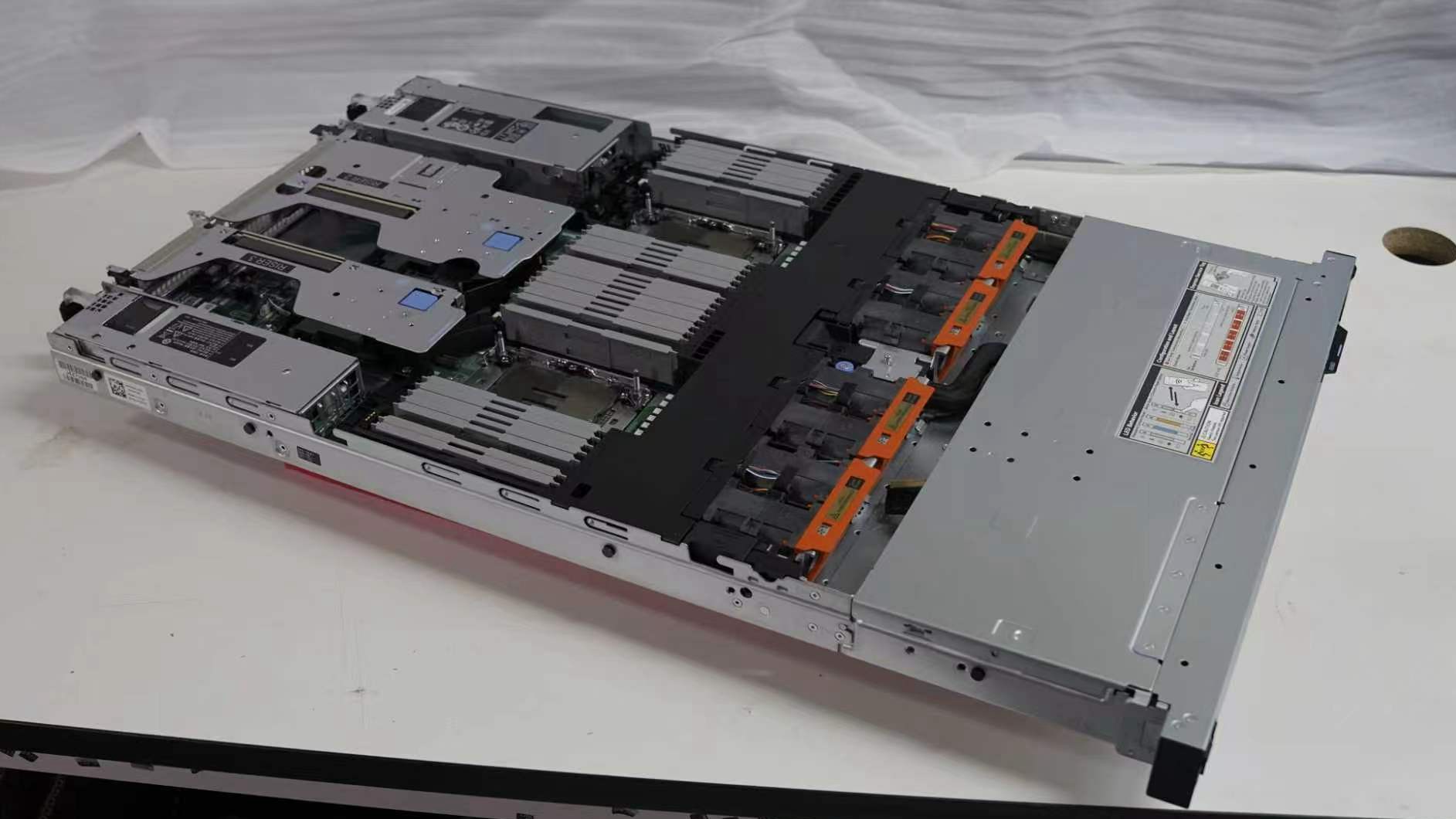
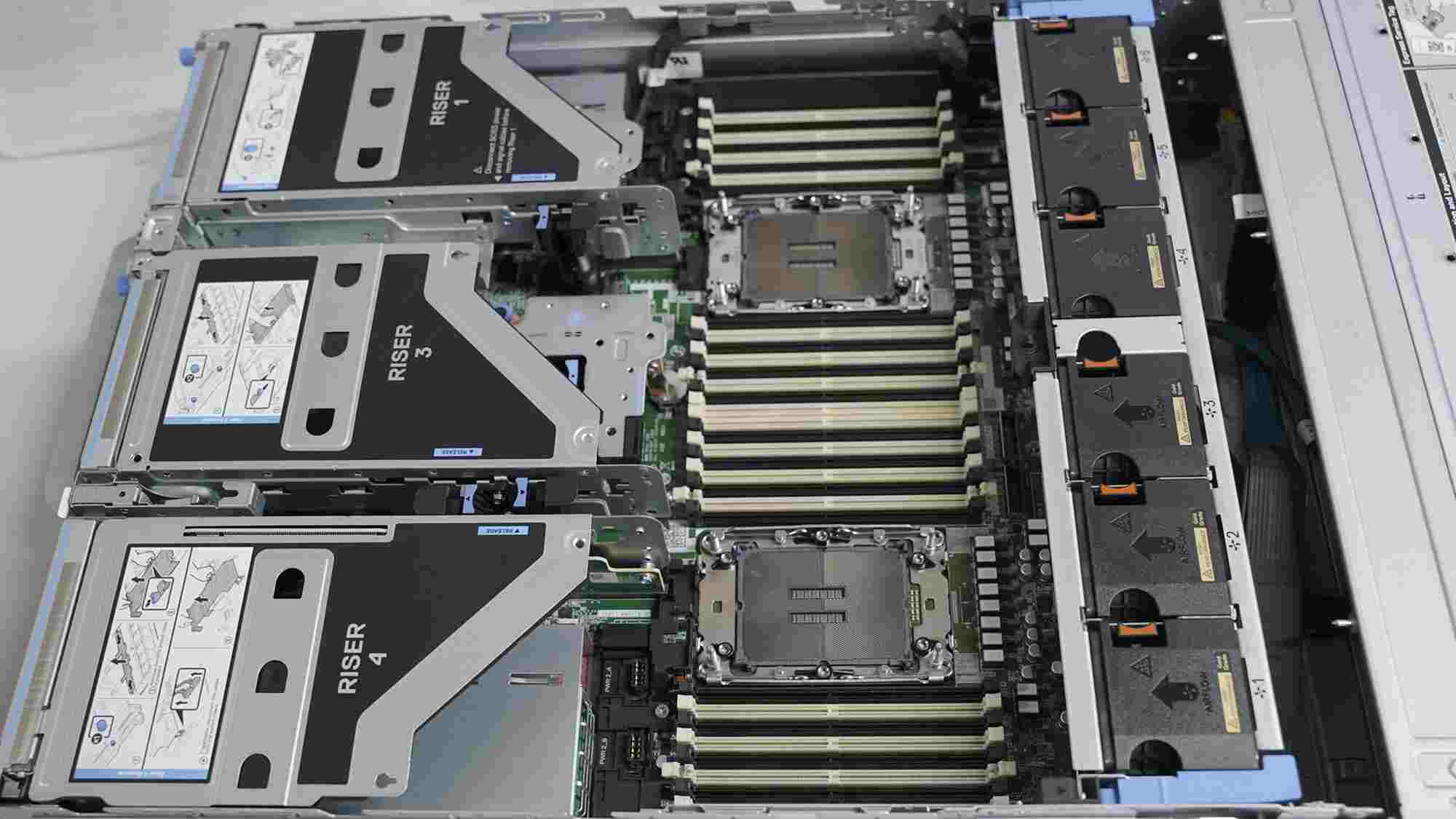
We provide tailored configurations for global enterprise buyers. This includes custom system boards, targeted BIOS modifications, tailored heat spreaders, and bespoke multi-layer board layouts for compact computing enclosures.
Enterprise-level procurement requires strict verification protocols. We apply multi-stage test procedures to ensure long-term stability and compliance with global hardware standards.
| Verification Stage | Technical Inspection Methods | Quality Objective |
|---|---|---|
| Signal Integrity Testing | High-bandwidth digital oscilloscope checks and impedance validation on DDR data lines and high-speed busses. | Prevention of data corruption, low EMI emissions, and stable system bus performance under maximum compute load. |
| Burn-In & Thermal Testing | High-temperature stress cycles inside environmental chambers, testing thermal limits up to maximum rated operating parameters. | Early detection of component wear, preventing field failures in enclosed wearable computing housings. |
| Compatibility Verification | Testing across various operating systems, hardware platforms, BIOS versions, and chipset interfaces. | Seamless integration with client host systems, custom operating systems, and edge computing software stacks. |
| Functional & Boundary Scans | Automated Optical Inspection (AOI), X-ray validation of BGA joints, and testing on high-speed functional testing rigs. | Guaranteeing 100% electrical functionality of all SMT contacts, trace routes, and physical input/output interfaces. |
To support global supply chains, Velmix works with certified raw materials, facilitating integration into devices bound for North America, Europe, and Asia-Pacific. From layout design to final inspection, our compliance protocols ensure all sub-assemblies meet critical environmental and safety standards.
As wearables evolve from mobile accessories to autonomous edge devices, we track the technical shifts driving hardware design.
Local inference on wearables minimizes latency and reduces power consumption. Incorporating system platforms like the RK3588S, which houses dedicated NPU cores, allows on-device machine vision and speech processing without constant cloud connectivity.
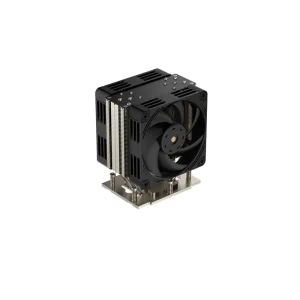
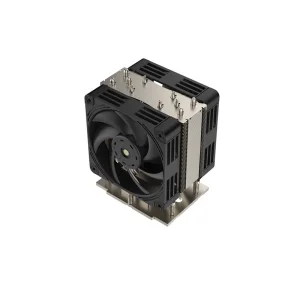
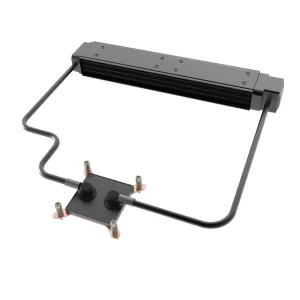
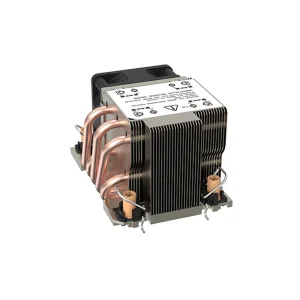
Compact devices generate localized heat. Using miniature heat pipes, optimized thermal interface materials (TIM), and compact, low-profile cooling modules ensures systems maintain peak speeds without thermal throttling.
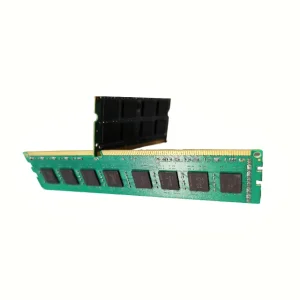
Complex applications require high-speed, compact memory interfaces. Implementing dense, low-power DDR4/DDR5 SO-DIMM and ECC modules provides the system memory required for real-time sensor processing and spatial mapping.
Our hardware components and manufacturing services are integrated across multiple demanding industrial and consumer computing spaces.
Smart helmets and diagnostic headsets in manufacturing facilities require robust processing, high-density PCBs, and thermal stability. Our system solutions run continuously under changing ambient conditions.
Wearable devices in large-scale warehouses connect back to localized server clusters. Our low-latency DDR4/DDR5 memory modules and server cooling components keep warehouse management platforms running efficiently.
Clinical wearable sensors require reliable component layouts. Our PCBA assembly service guarantees high trace routing density, helping medical device designers reduce overall footprint while maintaining signal stability.

Answers to technical and logistical questions from system integrators, supply chain managers, and hardware procurement directors.
Reliable hardware building blocks, specialized cooling systems, and custom manufacturing solutions for modern electronics.
 Velmix