Industrial-grade components supporting modern smart gateway ecosystems and AI workloads.
The consumer electronics market has experienced a profound shift from isolated automation tasks to highly integrated, intelligent environments. Today, smart homes are no longer defined simply by Wi-Fi connected lightbulbs or remote thermostats. The contemporary paradigm embraces Edge AI Computing, local deep-learning inference, and robust interoperability standards such as the Matter protocol. According to global industry analyses, the smart home technology sector is projected to maintain a compound annual growth rate (CAGR) exceeding 15% through the end of this decade, demanding hardware solutions that possess greater processing capabilities and reliable thermal efficiency.
In this evolving landscape, the hardware layer plays a vital role. Smart hubs and local edge processing units serve as the central neural system of modern homes, managing heavy data traffic from security sensors, HD cameras, voice assistants, and climate control devices. Without enterprise-grade components, these systems encounter operational lag and frequent hardware failures. As a leading manufacturer of architectural motherboards, high-frequency PCBs, and dynamic memory modules, Velmix Technology Co., Ltd. provides the critical electronic infrastructure required by system integrators, OEM brands, and developers to engineer robust smart home ecosystems.
Information Gain Insight: System crashes and latency in local smart home installations are rarely caused by software bugs. Instead, they typically stem from RAM thermal throttling, power instability on thin copper traces of low-grade PCBs, and insufficient processing cores on control hubs. Selecting high-integrity server memory and robust multi-layer PCBs ensures continuous, failure-free operation.
Engineers and developers designing IoT hubs must balance raw computing power with low power consumption and thermal dissipation. The hardware architecture can be categorized into four primary layers, all of which depend heavily on the specialized products developed by Chinese factories like Velmix:
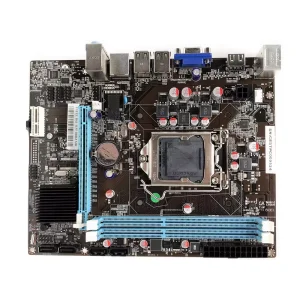
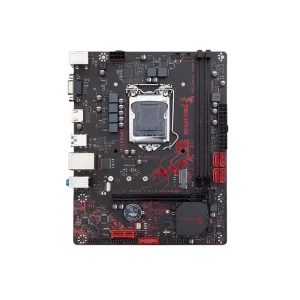
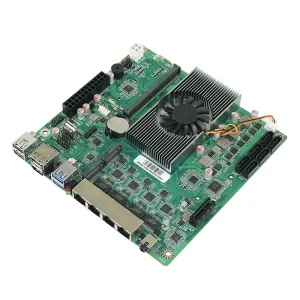
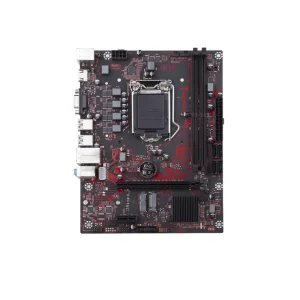
Processing motherboards (such as the ITX-based N100 or H311M modules) serve as the computational core for smart home control servers, local database hosting, and multi-protocol translation gateways.
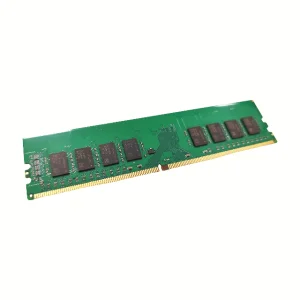
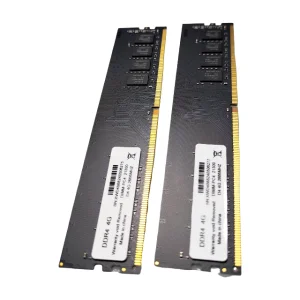
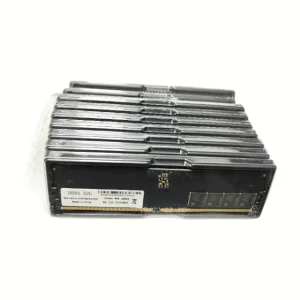
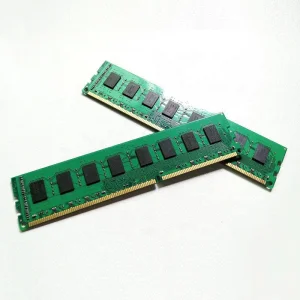
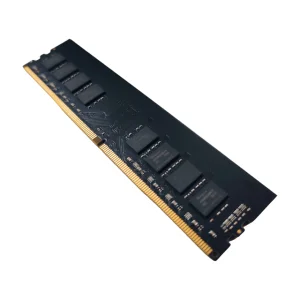
To process incoming sensor feeds and streaming data simultaneously, systems rely on low-latency memory modules. Utilizing high-performance DDR4 and DDR5 RAM ensures the operating system runs smoothly without bottlenecks.
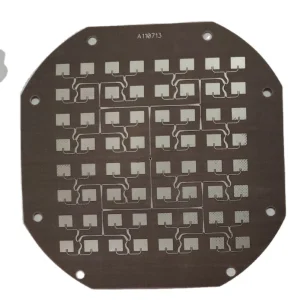
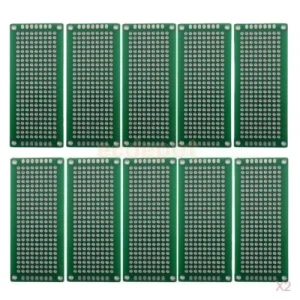
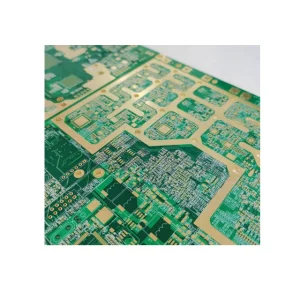
Double-sided FR4 and high-frequency Rogers PCBs act as the neural paths for RF transceiver circuits. They ensure seamless transmission of 5G, Zigbee, Z-Wave, Thread, and Wi-Fi signals with minimal attenuation.
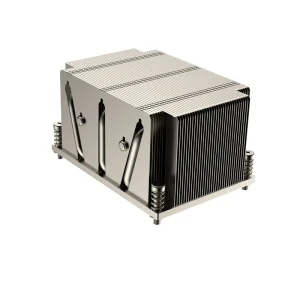
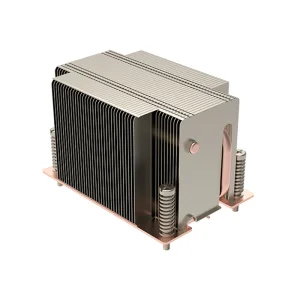
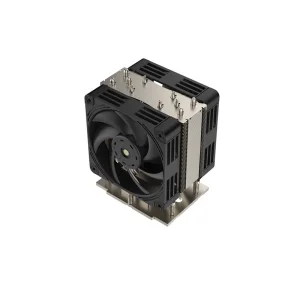
Furthermore, local automation servers (e.g., platforms running Home Assistant or proprietary property management consoles) operate 24/7. This continuous runtime demands advanced thermal dissipation technologies. Dual heat pipe copper-aluminum heatsinks and specialized active cooling components are essential to prevent thermal throttling, protecting the processors and ensuring stable, continuous operation of the home automation software.
Sourcing electronic sub-assemblies and complete OEM solutions from Chinese suppliers requires an understanding of factory capabilities and technical standards. While many trading companies present themselves as direct manufacturers, partnering with verified producers that hold independent R&D departments, automated SMT lines, and dedicated testing procedures is critical. A robust sourcing framework focuses on key parameters:
Velmix Technology Co., Ltd. addresses these global expectations through a mature supply network, offering over 138 new product iterations annually, backed by a technical engineering staff of 84 dedicated personnel. This allows us to deliver high-quality components and reliable OEM solutions designed to support demanding smart home and business infrastructure projects.
Velmix Technology Co., Ltd. is a professional manufacturer based in Shenzhen, China, specializing in the research, development, production, and global distribution of high-performance DRAM memory solutions and hardware foundations. Since our establishment in 2017, we have been committed to delivering reliable, high-speed memory products and circuit structures for consumer electronics, industrial applications, gaming systems, servers, and smart automation devices.
| Item / Parameter | Detailed Manufacturer Specifications |
|---|---|
| Company Name | Velmix Technology Co., Ltd. |
| Established Year | 2017 |
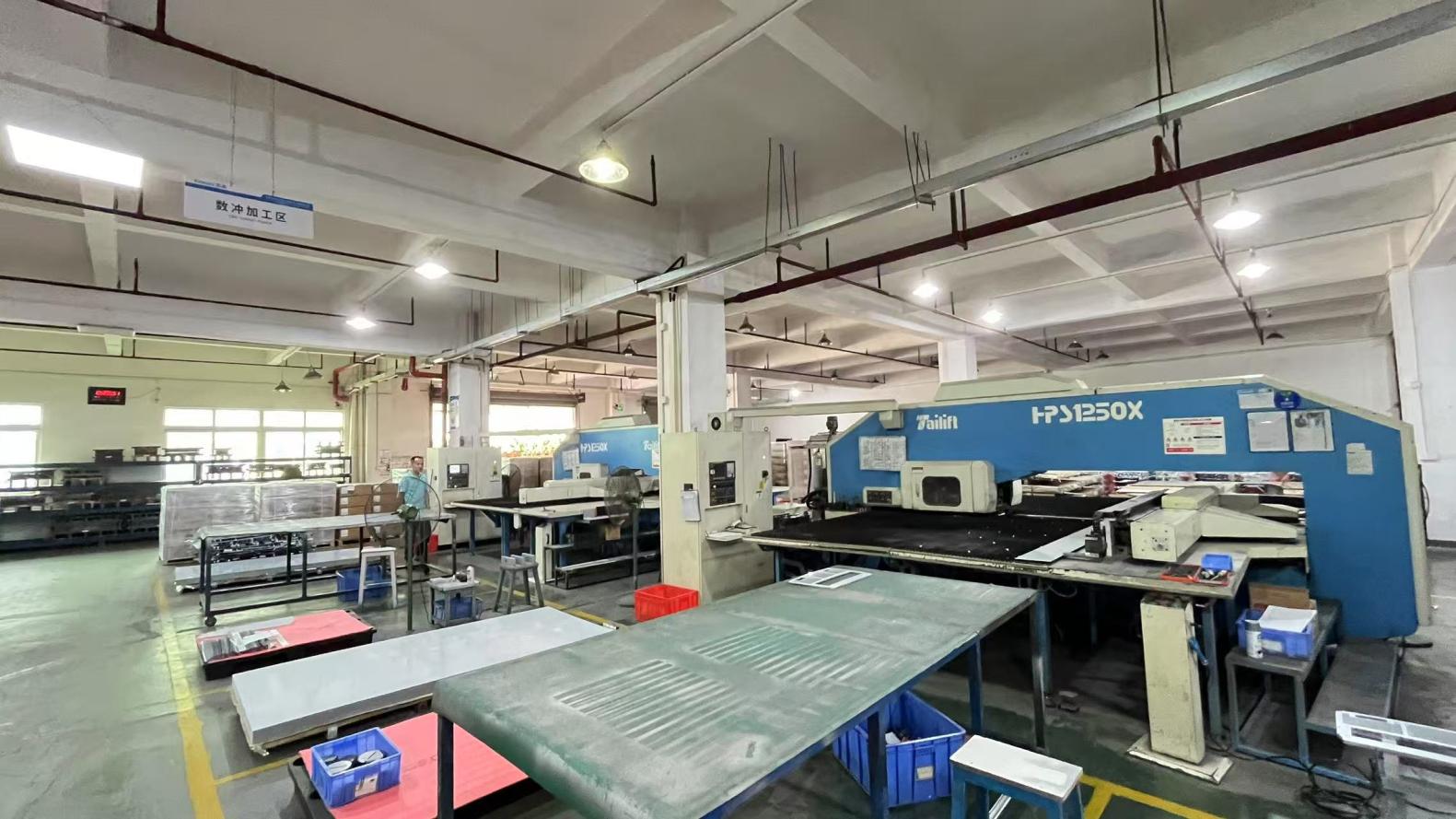
| Facility Area | 368㎡ Modern Electronic Assembly Plant |
| Annual Export Revenue | USD 18.6 Million |
| Export Experience | 8 Years |
| Industry Experience | 15 Years (Technical R&D Core Team) |
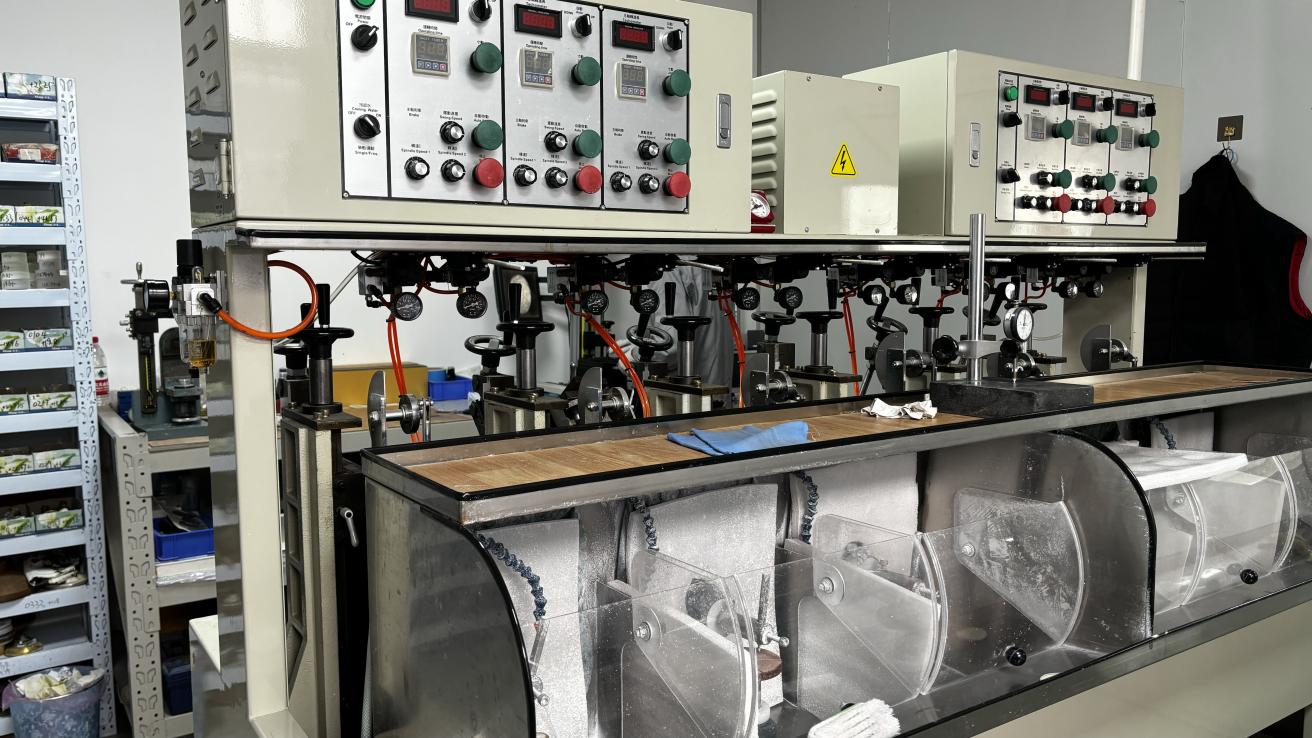
| Quality Control (QC) | 100% Full Inspection and Automated Tester Verification before shipment |
| Product Inspection Methods | Signal Integrity Test, Burn-in Test, Compatibility Test, Functional Test & Random Sampling |
| QC Staff | 56 Specialized Employees |
| Business Type | Direct Manufacturer & Global Exporter |
| Main Markets | North America, Europe, Southeast Asia, Middle East & South America |
| Supply Chain Partners | 986+ Global Component & Distributor Partners |
| Main Customer Types | Brand Owners, OEM Manufacturers, System Integrators, Distributors & Wholesalers |
| R&D Capability | Independent Product Design, PCB Development & Firmware Optimization |
| Customization Options | OEM, ODM, Private Label, Customized Capacity, Heat Spreader, PCB Color & Packaging |
| New Products Launched Last Year | 138 Models |
| R&D Engineers | 84 Engineers |
As the smart home ecosystem transitions toward full edge autonomy, several key hardware trends have emerged. Staying ahead of these technical shifts enables product designers to select appropriate components and avoid premature hardware obsolescence:
Local intelligence bypasses the cloud. Gateway hardware must support AI computation on-device. This requires integration with NPU-enabled chipsets, high-speed DDR5 memory, and multi-layer high-frequency PCBs to ensure clean signal pathways.
Modern hubs must simultaneously run Wi-Fi, Thread, Zigbee, and Bluetooth stacks. This complex multi-protocol radio interface demands low-loss, high-frequency substrates (such as Rogers or specialized Taconic high-speed PCBs) to prevent signal interference.
As component density inside wall mounts and compact home servers rises, managing heat becomes a primary concern. The industry is moving toward high-efficiency active coolers, multi-heatpipe designs, and ceramic-coated aluminum substrates to dissipate thermal load.
Furthermore, components must be designed for long operational lifespans. Unlike standard consumer laptops, smart home components often run continuously for ten or fifteen years. Velmix addresses this challenge by selecting premium materials, utilizing robust multilayer layouts, and conducting 100% burn-in testing to ensure longevity and reliability in these demanding conditions.
Modern commercial infrastructure demands hardware solutions capable of scale and continuous performance. From luxury apartment developments to industrial automation plants, hardware architectures must be designed to withstand real-world operational challenges. Velmix collaborates with global partners to provide solutions tailored for key applications:
High-density residential buildings rely on centralized local gateway servers to manage smart access, monitoring, and utility metering. Standard mini PCs can suffer from reliability issues under continuous write/read cycles. By integrating industrial ITX motherboards and high-reliability DDR4 RAM modules, systems gain the hardware base required to support continuous local automation applications without system crashes.
Building automation transceivers must transmit radio signals reliably through concrete walls. High-frequency mixed-pressure Rogers PCBs help prevent dielectric loss, maintaining signal power for critical tasks like lock controls and fire monitoring systems. The incorporation of aluminum substrate PCBs also aids heat dissipation in high-amperage power conversion areas.
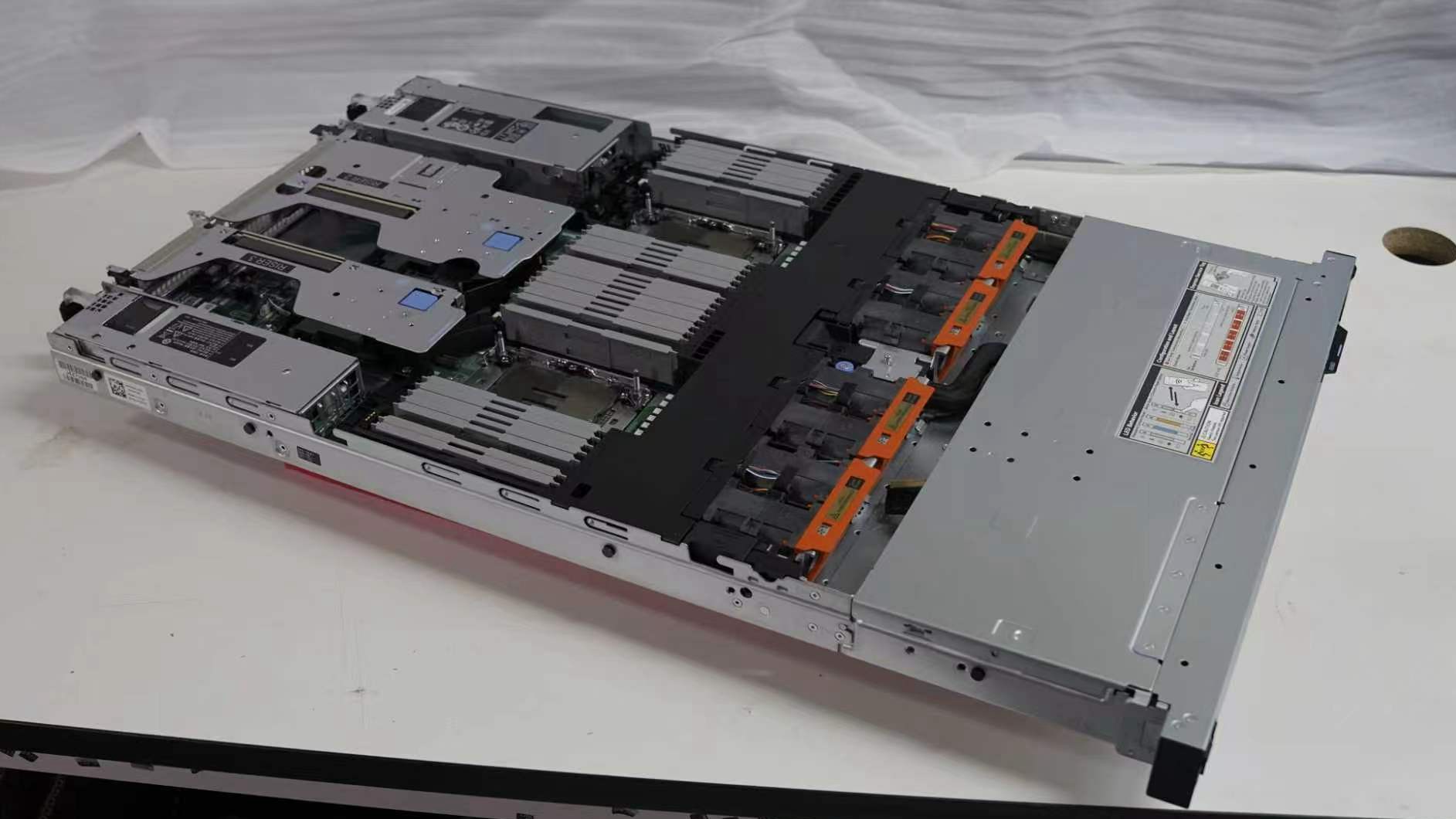
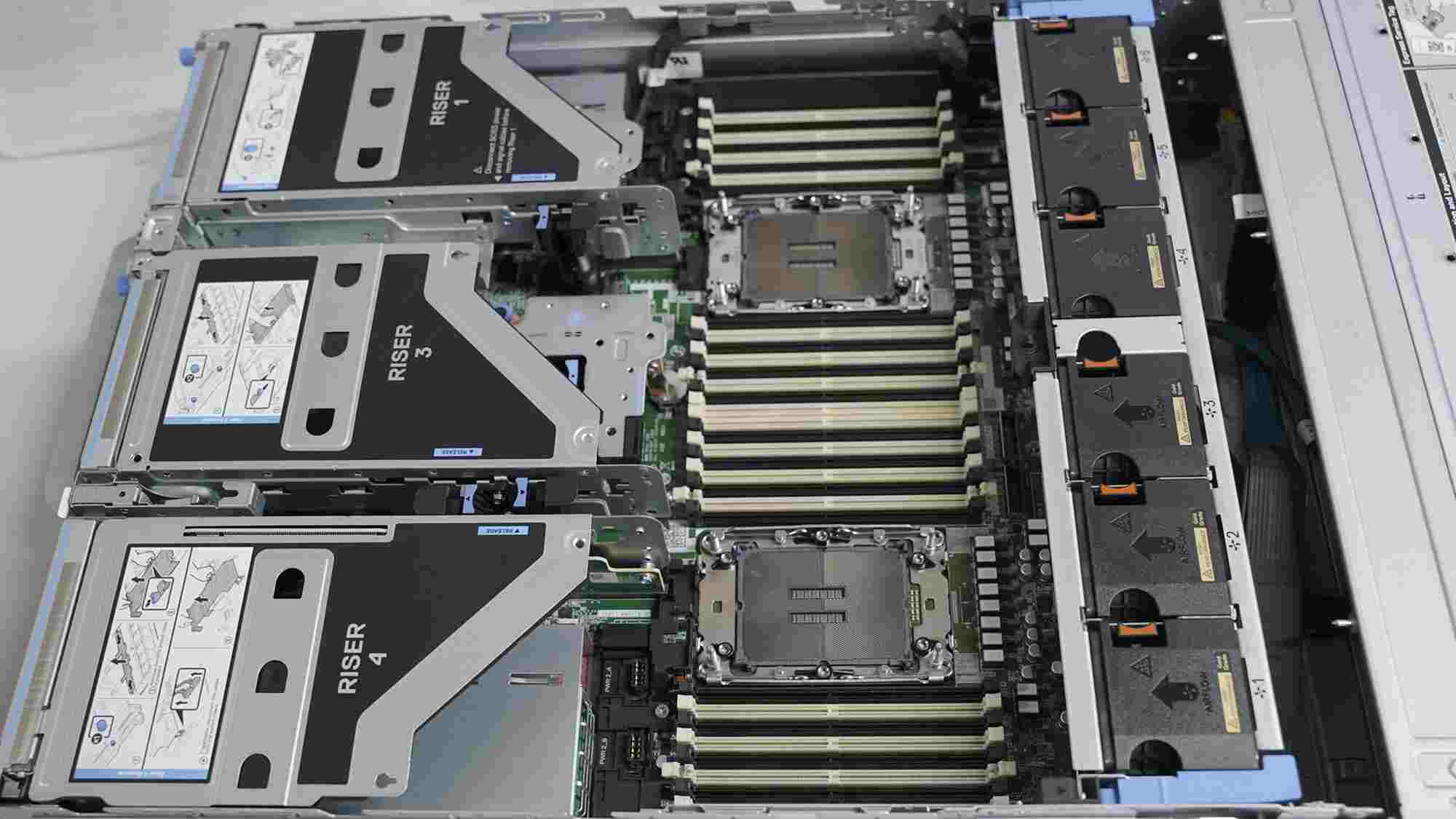
Larger residential projects use dedicated server racks to handle security cameras and smart access controls. These racks generate significant heat. Installing high-performance coolers (such as 2U server heat sinks) and enterprise-grade DRAM modules protects the central server processors from thermal throttling and premature component wear.
Expert insights on choosing manufacturing partners and component selection.
Reliable memory expansion, server computing engines, and printed circuit board substrates.
 Velmix