The industrial landscape is undergoing a monumental transformation. As the internet of things (IoT) scales to billions of nodes across remote, harsh, and inaccessible environments, the traditional dependency on physical batteries presents massive operating costs and environmental liabilities. This is where Energy Harvesting Devices (EHDs) serve as the ultimate technology disruptor.
By extracting energy from the surrounding environment—such as thermal differentials, mechanical vibrations, ambient indoor lighting, and electromagnetic radio waves—energy harvesting systems convert trace physical events into stable electrical energy. These systems power microcontrollers, sensor nodes, and wireless transmitters indefinitely. Achieving self-sustaining autonomy reduces maintenance cycles to zero and offers a green, reliable alternative for modern enterprises.
Modern ambient energy systems rely on a complex interplay of physical transducers, specialized power management integrated circuits (PMICs), and high-reliability PCBAs.
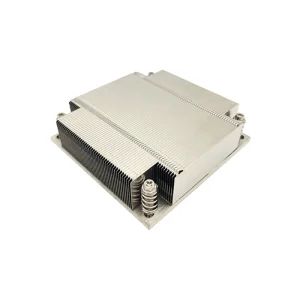
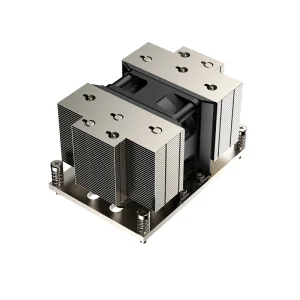
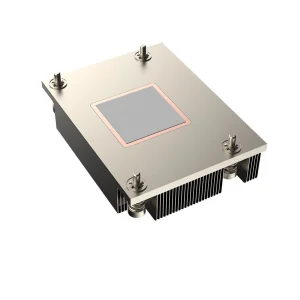
TEGs convert spatial temperature differentials into electrical energy via the Seebeck effect. Ideal for industrial pipelines, heat-generating motors, and smart meters where waste heat is abundant. Pair with heat sinks to optimize thermal flow.
By utilizing PZT ceramic materials, these devices generate electrical charge from ambient mechanical oscillations. Crucial for heavy-duty machinery diagnostic monitoring, bridges, railway tracks, and automotive systems.
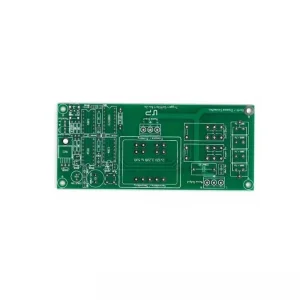
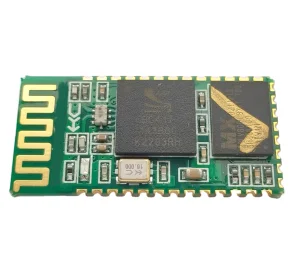
Raw harvested energy is erratic. Advanced PCB assemblies featuring PMICs with maximum power point tracking (MPPT) are required to efficiently step up millivolt levels and store energy in supercapacitors safely.
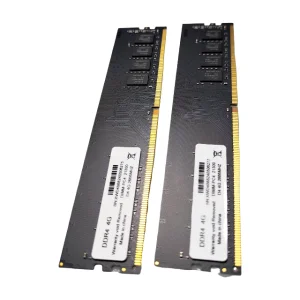
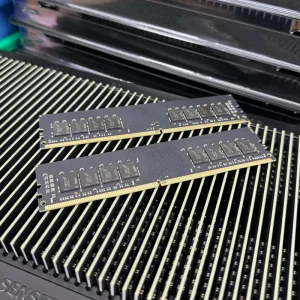
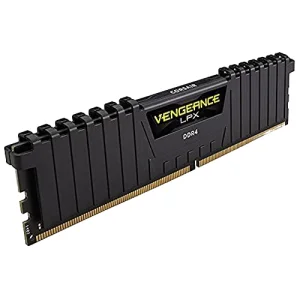
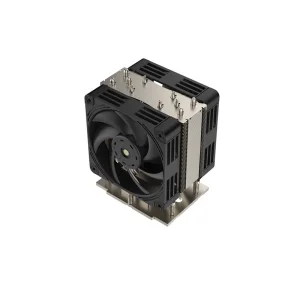
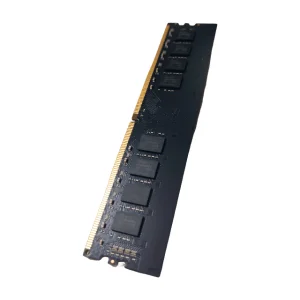
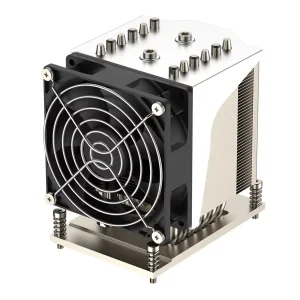
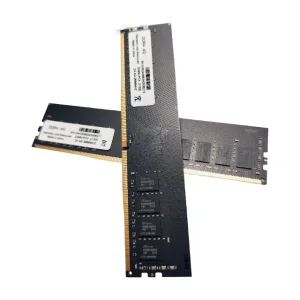
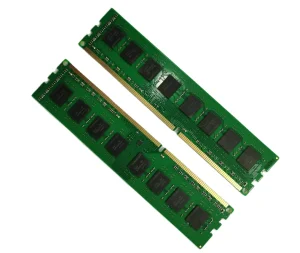
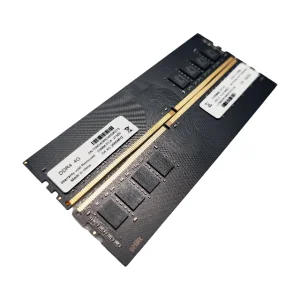
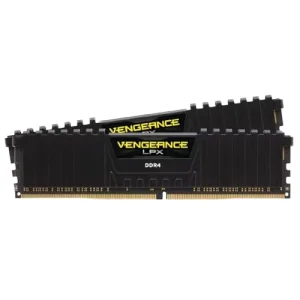
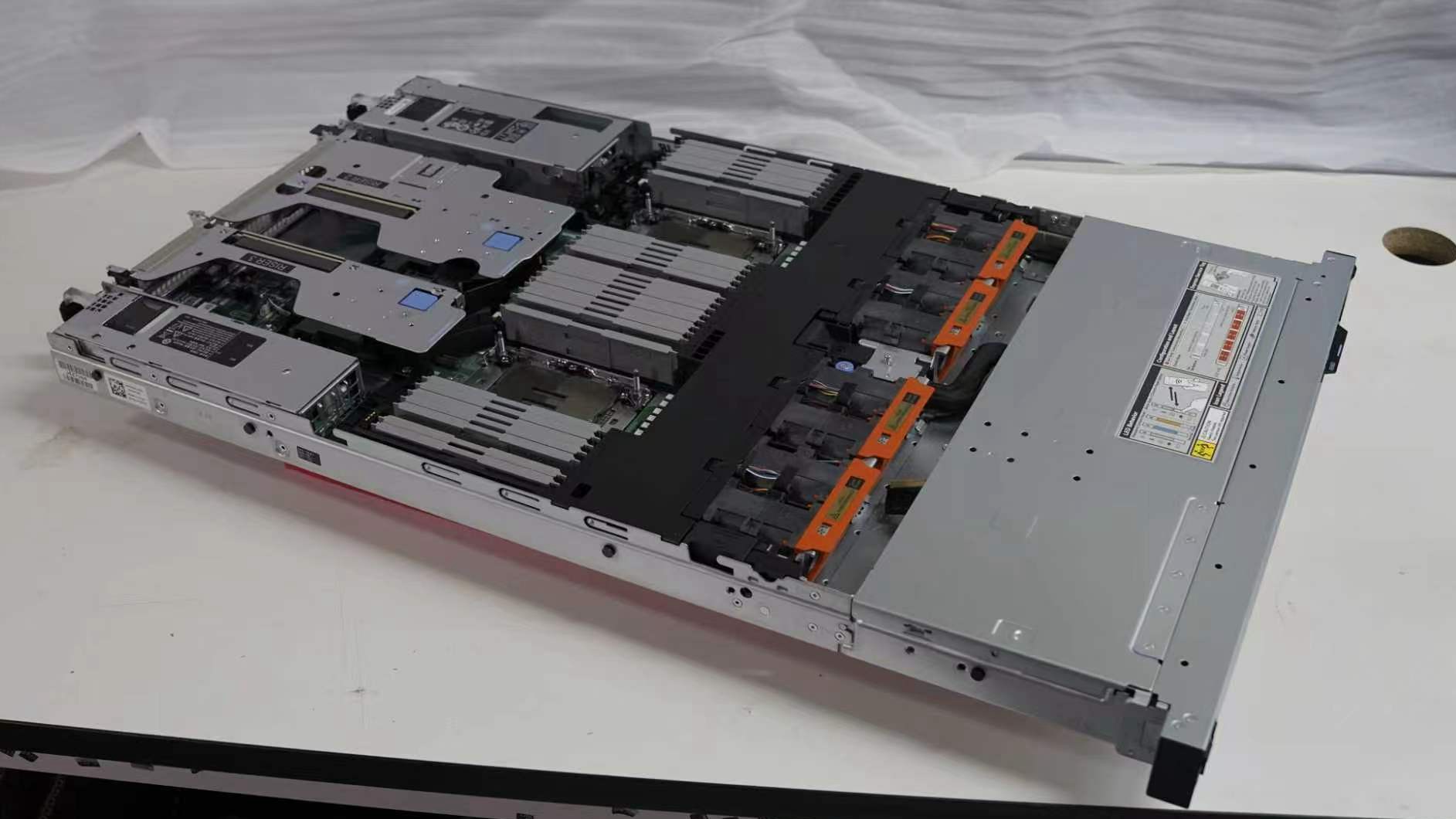
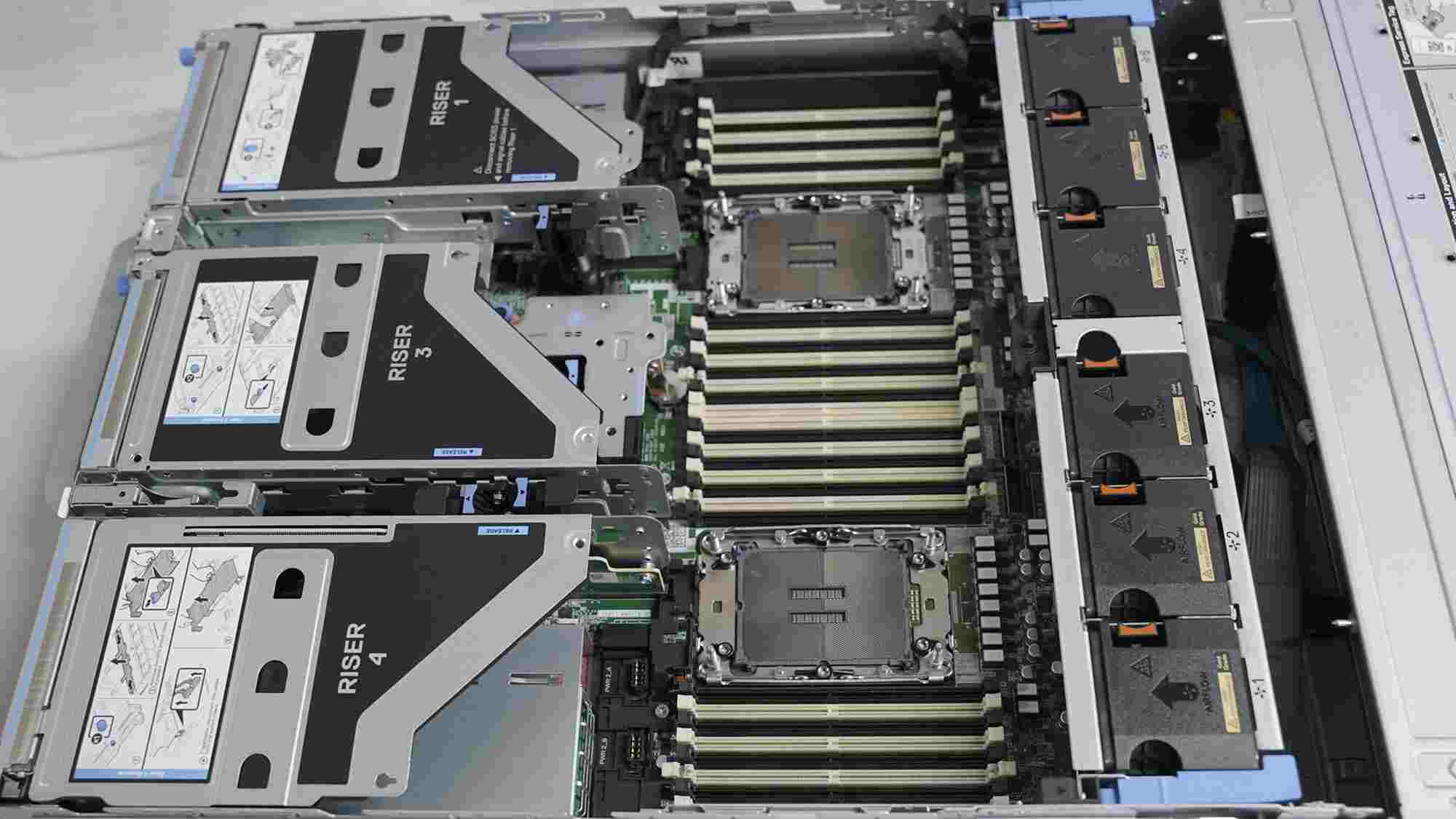
As an industry-leading hardware designer, Velmix Technology Co., Ltd. bridge the gap between high-speed edge computing storage (DRAM/DDR modules), thermal solutions, and customized electronic control boards (PCBAs) for advanced energy harvesting systems.
China's electronic manufacturing ecosystems, specifically situated in industrial hubs like Shenzhen, offer unmatched advantages. From the raw procurement of specialized piezoelectric materials and high-efficiency photovoltaic cells to precision SMT (Surface Mount Technology) assembly lines, the entire stack is localized. This rapid component access minimizes development latency and ensures fast scaling from prototype to high-volume manufacturing runs.
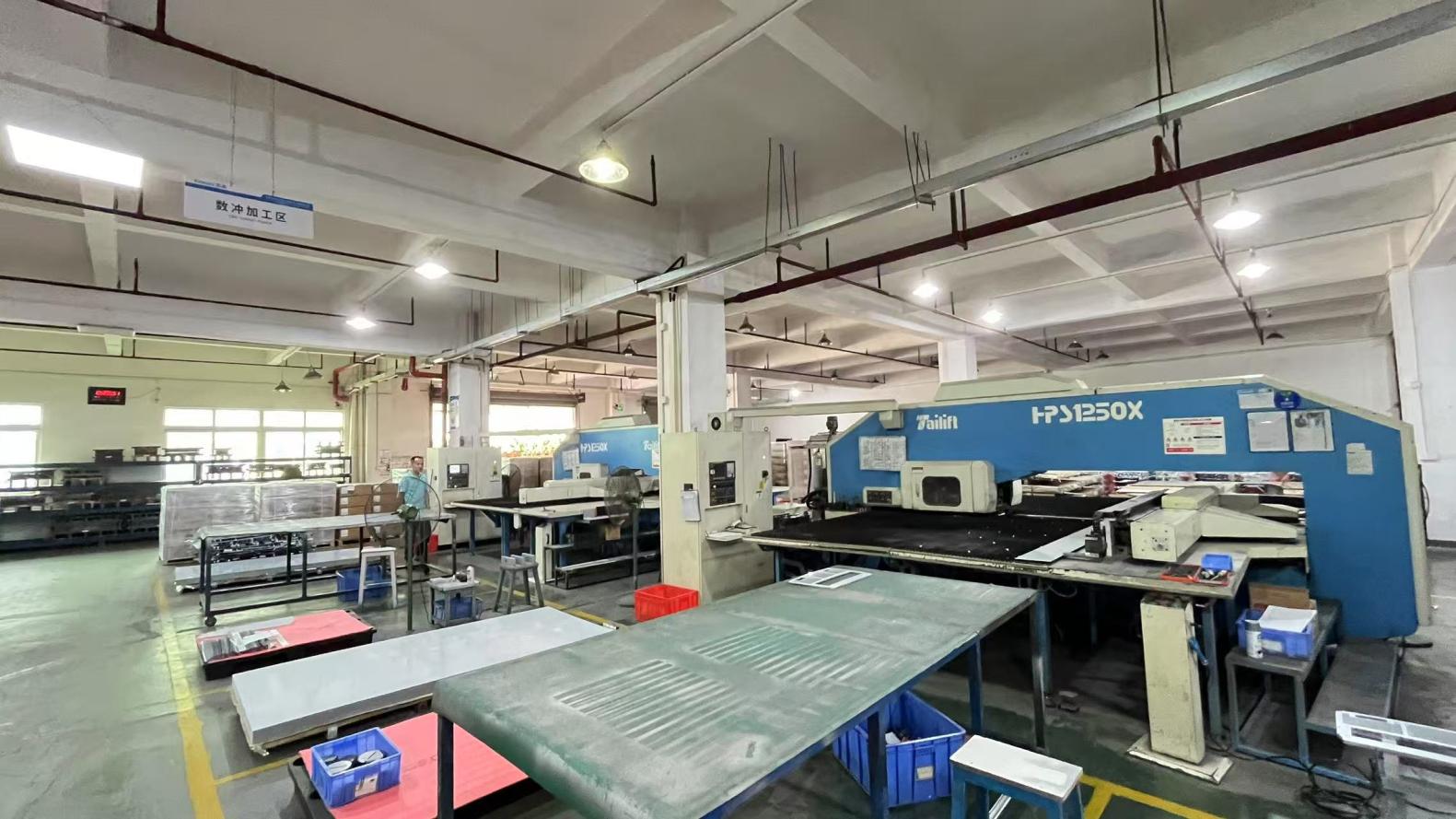
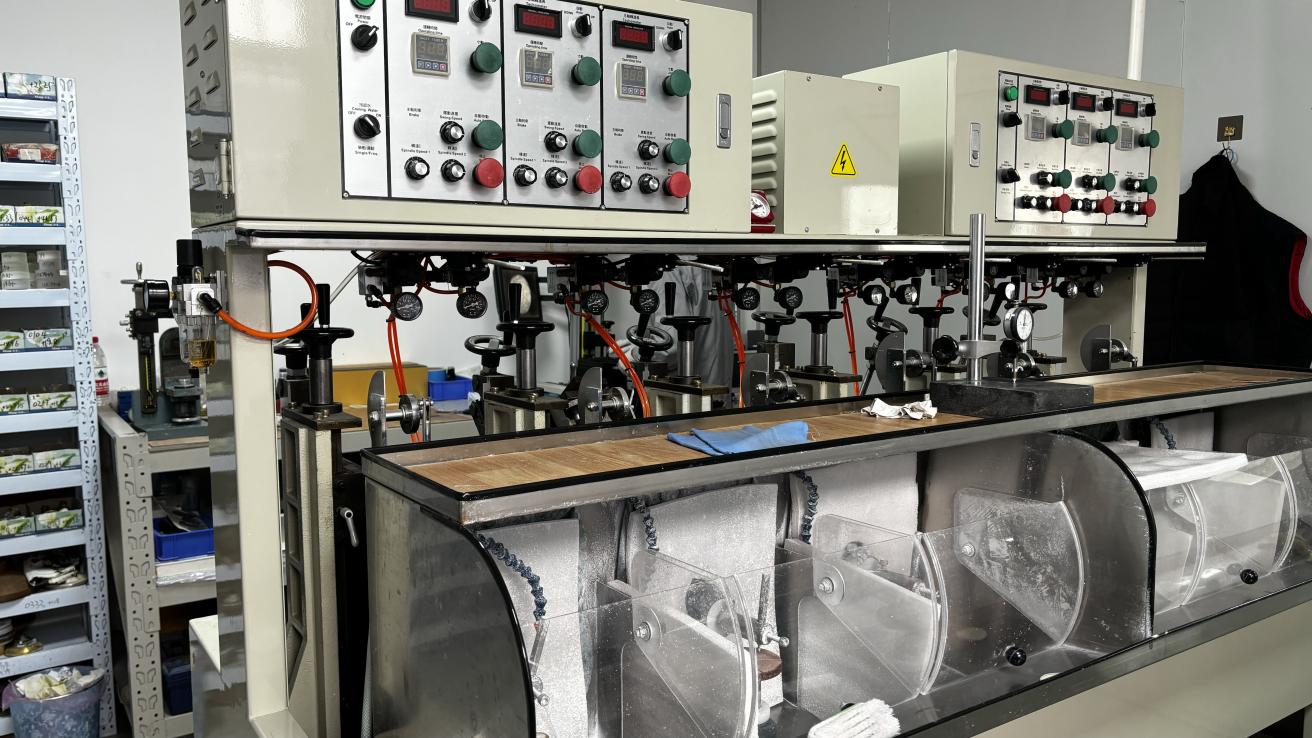
At Velmix, we combine advanced manufacturing infrastructure with extensive QC procedures, deploying 56 dedicated quality inspectors. Our processes include signal integrity checks, burn-in verification, environmental simulation tests, and complete functionality tests. Proximity to major semiconductor fabs allows us to integrate leading PMIC controllers, solid-state batteries, and supercapacitors with superior economics.
Deploying hardware internationally requires strict adherence to localized directives. To serve our global client base spanning over 40 countries, Velmix adheres to critical industry standards.
Compliance with RoHS and REACH protocols is mandatory. We guarantee that all PCB substrates, capacitors, and active silicon nodes are completely lead-free and free of hazardous substances.
Since harvesting nodes often operate alongside sensitive high-speed memory systems or industrial machinery, our custom circuit designs carry FCC Part 15 and CE Mark approvals to verify noise isolation.
Industrial hardware deployments must endure extreme climates. Thermal shock testing, high-humidity storage runs, and vibration resistance profiling are performed in-house prior to shipment.
Velmix Technology Co., Ltd. is a professional manufacturer based in Shenzhen, China, specializing in the research, development, production, and global distribution of high-performance DRAM memory, server accessories, cooling components, and custom PCBA solutions. Since our establishment in 2017, Velmix has been committed to delivering high-speed, reliable hardware configurations for servers, enterprise computing systems, and automated IoT systems worldwide.
| Operating Spec / Capabilites | Velmix Verification & Data Points |
|---|---|
| Company Name | Velmix Technology Co., Ltd. |
| Established | 2017 |
| Facility Area | 368㎡ Modern Electronic Assembly Facility |
| Annual Export Revenue | USD 18.6 Million |
| Export Experience | 8 Years |
| Industry Experience | 15 Years Hardware Design & Component Sourcing |
| Quality Control Process | 100% Full Inspection Before Shipment |
| Inspection Methodologies | Signal Integrity, Burn-in, Compatibility, Functional Testing & Random Sampling |
| QC Personnel | 56 Dedicated Specialists |
| Business Scope | OEM & ODM Manufacturer, Hardware Exporter |
| Primary Markets | North America, Europe, Southeast Asia, Middle East & South America |
| R&D Engineering Team | 84 Engineers focusing on PCB development and system integration |
| Customization Capabilities | Private Label, Custom Capacity, Heat Spreader, PCB Color & Package Customization |
| Product Innovations | 138 New Models Launched Globally Last Year |

Using thermoelectric generators (TEGs) to harvest heat directly from steam pipelines. The energy is processed by custom PCB interfaces to power high-temperature gas and pressure sensors, communicating via wireless RF back to edge computing nodes.
Piezoelectric sensors integrated into bridges and elevated roadways harvest continuous mechanical vibration energy from vehicular flow, running autonomous structural monitoring networks indefinitely without manual battery maintenance.
Outdoor micro-solar modules combined with ultra-low power PMICs capture ambient solar energy during daylight hours, storing it in robust supercapacitors to power telemetry devices and underground soil moisture sensors overnight.
 Velmix