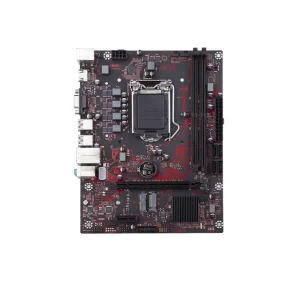
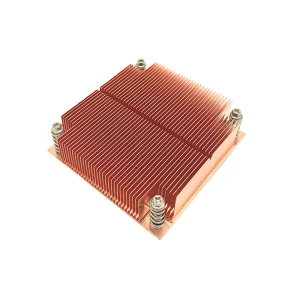
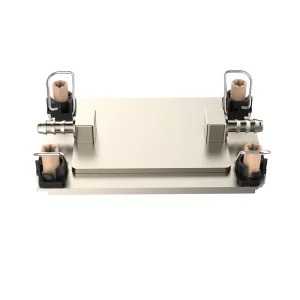
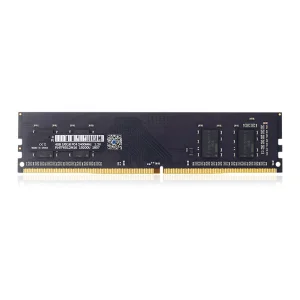
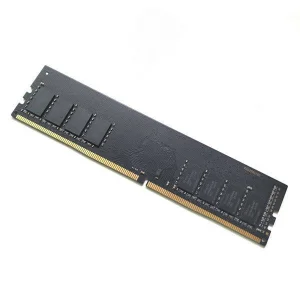
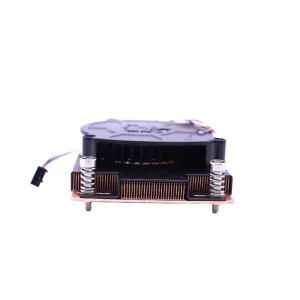
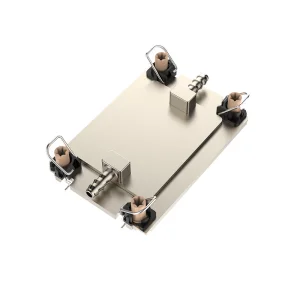
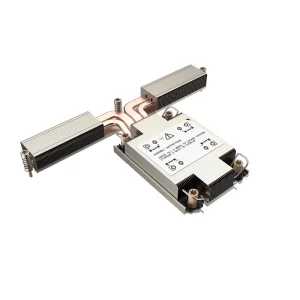
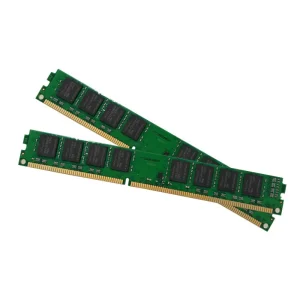
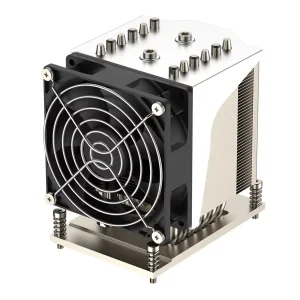
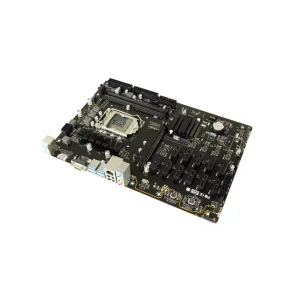
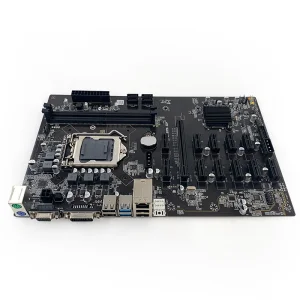
Engineered to integrate seamlessly with high-conductivity thermal pastes, die attaches, and structural assembly processes.
In modern microelectronics packaging, thermally and electrically conductive adhesives (ECAs) serve as the vital material backbone that replaces traditional lead-free soldering. With sub-10nm chip architectures and dense multi-layered board structures, processing temperatures must be tightly managed. High thermal stresses can result in board warpage, joint fatigue, or micro-cracks on server components. Electrically conductive adhesives, filled with high-purity silver (Ag), copper (Cu), or graphene-stabilized metallic flakes, allow for low-temperature curing (often between 80°C and 150°C), minimizing heat damage to sensitive substrates like DDR5 DRAM dies, logic processors, and high-frequency PCBs.
As a leading Chinese supplier and factory, Velmix Technology Co., Ltd. has leveraged its comprehensive 15-year background in electronic component assemblies, high-performance DRAM engineering, and motherboard layout optimizations to pioneer conductive adhesive application support. Operating from a highly specialized, cleanroom-controlled production base, we resolve critical interface challenges across high-speed signals, dense PCBA matrices, and high-performance server thermal dissipations.
Understanding the chemical, electrical, and thermal properties required for robust industrial and commercial electronic builds.
ICAs deliver equal electrical conductivity in all directions (X, Y, and Z axes). Predominantly formulated with high-purity silver-filled epoxy matrices, they are used for die attachment, RF shielding, and surface mount technology (SMT) component assemblies where traditional solder reflow temperatures cannot be tolerated.
ACAs restrict electrical flow exclusively to a single direction (Z-axis). This unique behavior is achieved using microscopic conductive particles (gold-coated polymer spheres) suspended in an insulating epoxy matrix. Ideal for fine-pitch interconnections like COG (Chip-on-Glass) and flexible PCB (FPC) bonds.
Designed strictly for thermal dissipation paths, these materials provide high thermal transfer (up to 8.0 W/mK) while acting as complete electrical isolators. Crucial for bonding server CPU coolers, server processors, and high-frequency inductors to avoid short circuits.
A global leader in high-performance electronics manufacturing, supply, and thermal packaging solutions.
Established in 2017, Velmix Technology Co., Ltd. has established itself as a professional DRAM memory, hardware component, and advanced conductive bonding solutions manufacturer in Shenzhen, China. With 15 years of industry experience, Velmix is committed to delivering reliable, high-speed, and structurally sound computing products for consumer electronics, industrial servers, and aerospace equipment.
Operating out of a modern manufacturing facility covering 368㎡, we combine advanced production technologies with strict quality control. Our experienced engineering team, which includes 84 R&D engineers, continuously designs and optimizes next-generation materials and components that withstand high thermomechanical stresses. These capabilities enable us to launch over 138 new models annually, catering directly to the evolving requirements of AI computing, edge systems, and cloud infrastructure.
| Performance / Operational Metric | Technical Verification & Factory Capability |
|---|---|
| Company Name | Velmix Technology Co., Ltd. |
| Established | 2017 |
| Facility Area | 368㎡ Special Cleanroom Assembly Line |
| Annual Export Revenue | USD 18.6 Million |
| Export Experience | 8 Years of Global Trade Support |
| Quality Control Verification | 100% Full Inspection Prior to Dispatch |
| Product Inspection Methods | Signal Integrity Test, Burn-in Test, Compatibility Test, Functional Test & Random Sampling |
| Dedicated QC Staff | 56 Technical Inspectors |
| R&D Team Size | 84 Engineers (Chemical, Electronic, and Mechanical specialties) |
| Primary Compliance Standards | RoHS, REACH, UL 94-V0, ISO 9001:2015 |
| Customization Options | OEM, ODM, Custom Viscosity, Thixotropic Adjustments, Silver Loading Density & Heat Spreader Integration |
How conductive adhesives perform under extreme thermal load, harsh environments, and ultra-high-density microelectronic layouts.
As memory chips operate at higher clock speeds, thermal bottlenecks occur. Conductive adhesives are applied below heat spreaders and between flash stacked dies. This offers structural integrity, EMI shielding, and efficient heat extraction without stressing the ultra-thin semiconductor junctions.
For data center server processors (LGA4677, LGA4189), traditional grease can dry out and pump out. Utilizing advanced metal-filled adhesives ensures permanent, high-reliability bonds between the CPU silicon die, integrated heat spreader (TIM1), and the liquid cooling block or heavy copper heat sink (TIM2).
Automotive radar systems operate in extreme outdoor temperatures. Velmix formulation parameters provide flexible, low-modulus conductive adhesives that absorb vibrations, maintain low volume resistivity, and resist delamination through repeated thermal cycling (-40°C to +150°C).
The conductive adhesive landscape is undergoing rapid development driven by the global push for carbon neutrality and the optimization of high-frequency AI hardware. Historically, silver microflakes were the standard conductive filler. However, the rise of nano-materials has opened new doors for material performance.
Phase 1: Graphene & Carbon Nanotube (CNT) Integration: By doping traditional silver-epoxy adhesives with CNTs, we achieve a hybrid conductive network. This lowers overall silver consumption while enhancing tensile strength and thermal conductivity, keeping cost-efficiency high without compromising conductivity.
Phase 2: Ultra-low Curing Temperatures (< 80°C): Standard lead-free solders reflow at 220°C to 250°C, which can cause micro-warpage on thin PCBs. The goal of Velmix's research team is to develop high-stability epoxy systems that achieve full cross-linking within 20 minutes at temperatures below 80°C, opening the door for organic and bio-compatible electronics manufacturing.
Phase 3: Solder-Replacement Durability: Improving the drop-test performance of conductive adhesives is paramount. Through elastomer modification of the curing matrix, we aim to match the sheer strength and impact absorption of standard SAC305 solder joints, even in heavy-duty automotive assemblies.
China is the global center for electronics manufacturing, offering an unparalleled supply network of chemical raw materials, silicon processing, and hardware design houses. Located in Shenzhen, Velmix benefits from direct access to premium-grade epoxy resins, metal powders, and high-precision testing laboratories. This ecosystem allows us to compress product development cycles significantly.
Our raw material sourcing is backed by over 986 supply chain partners, ensuring that even during global component shortages, our factory maintains continuous production. Our internal quality control system is backed by 56 expert QC employees. Every batch of conductive adhesives and hardware components undergoes strict testing, including Signal Integrity Tests, Burn-in Tests, and Thermal Compatibility Tests. This level of quality management allows us to serve distributors, OEMs, and brand owners in more than 40 countries, with a focus on Europe, North America, and Southeast Asia.
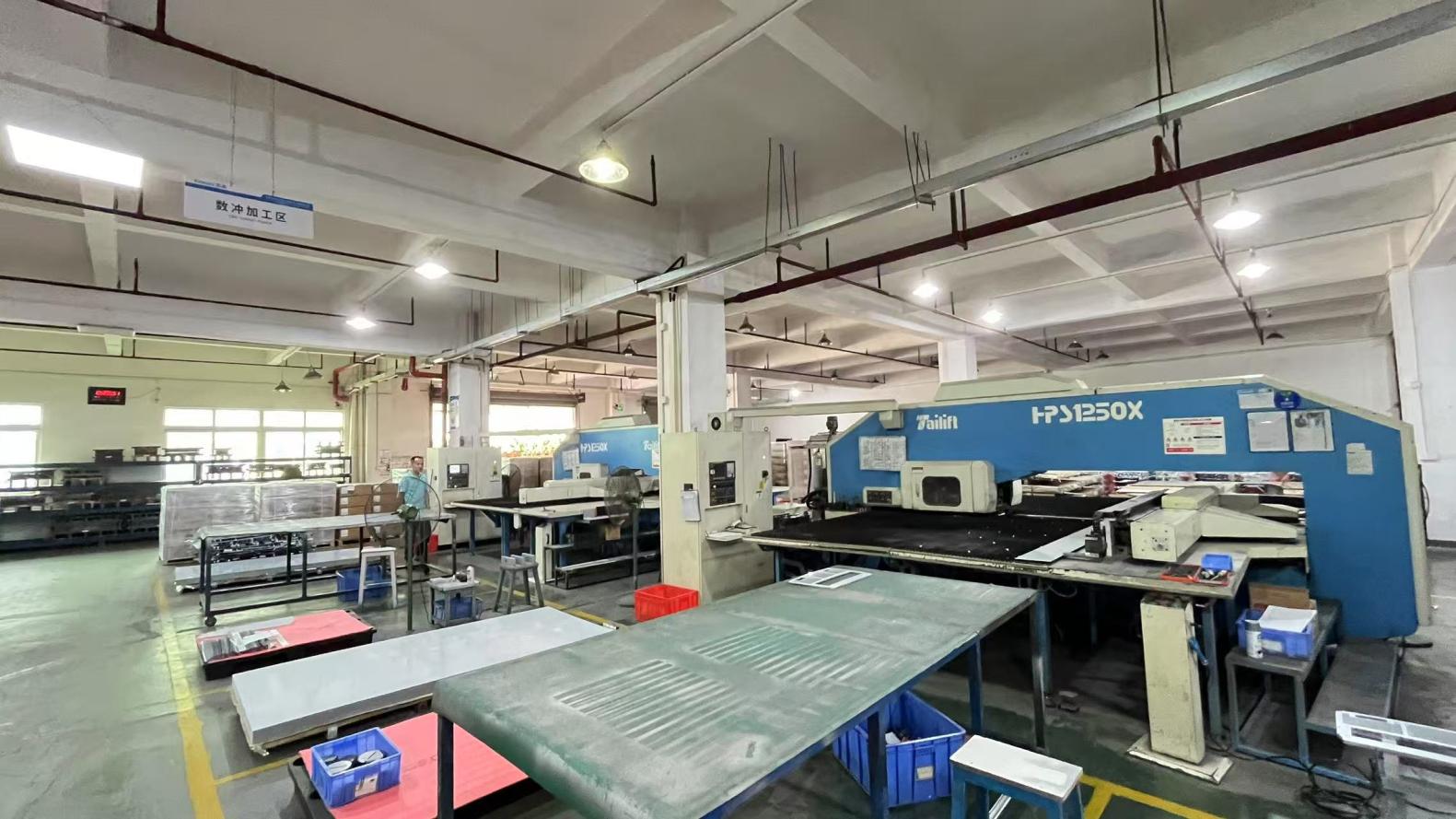
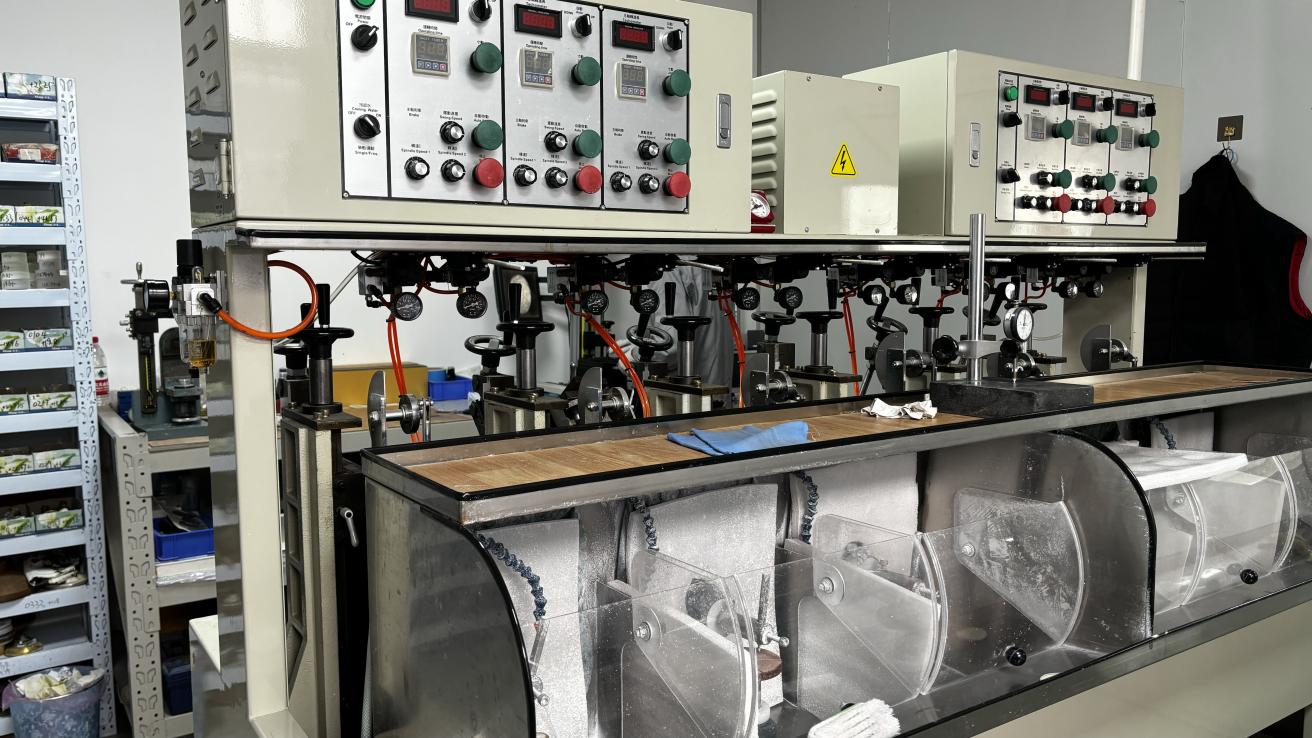
Take a look inside our state-of-the-art facilities in Shenzhen, featuring advanced PCB assembly, SMT lines, and testing laboratories.

Technical answers to key inquiries regarding conductive adhesives, thermal management, and procurement.
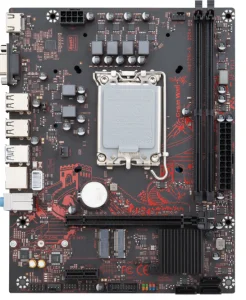
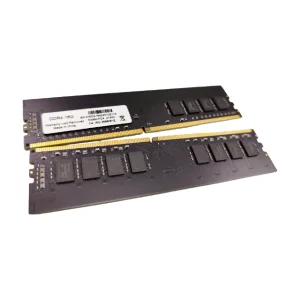
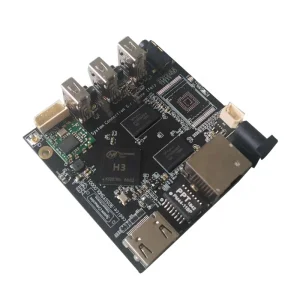
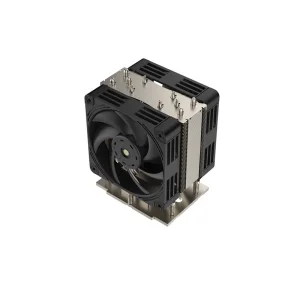
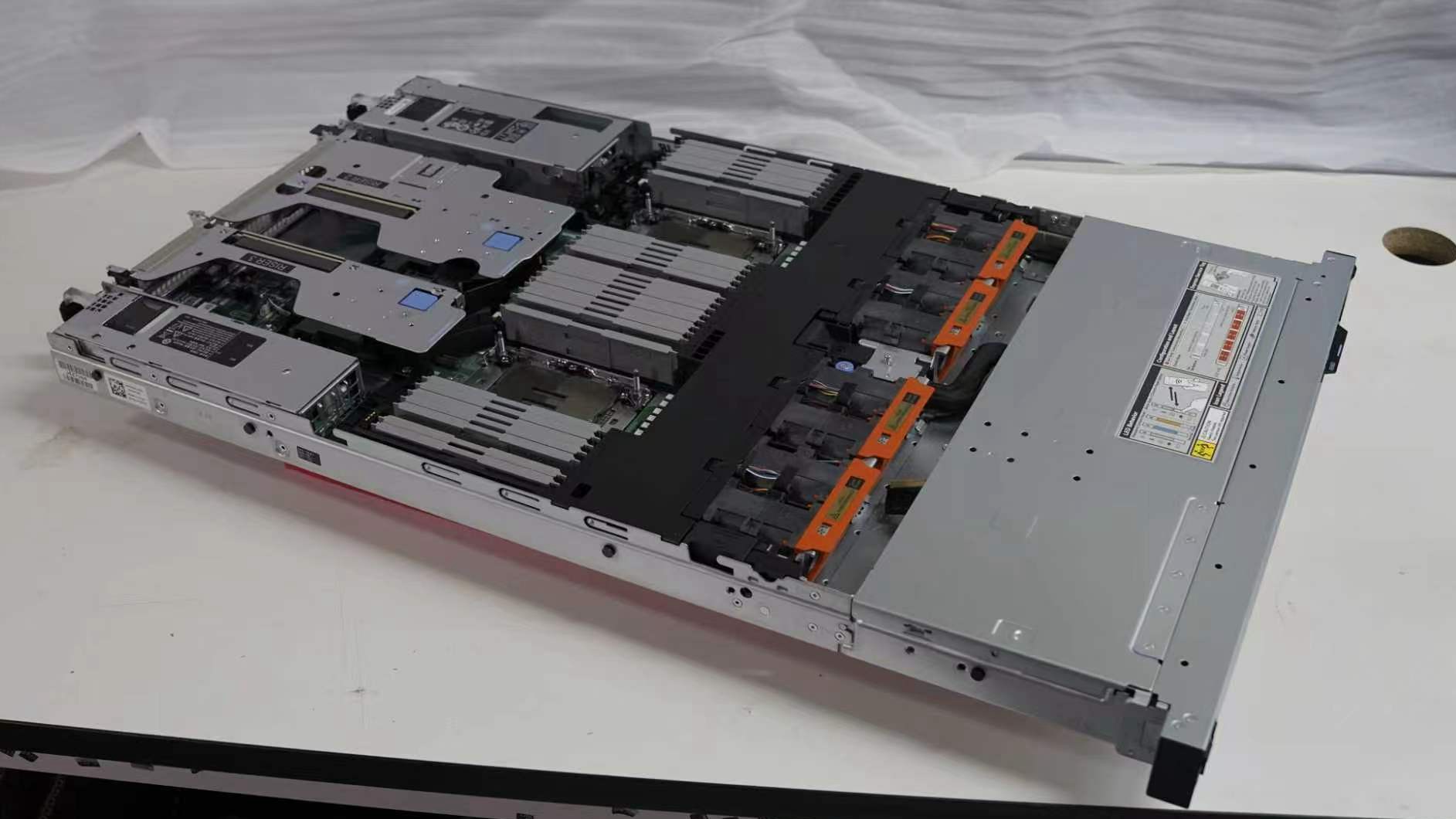
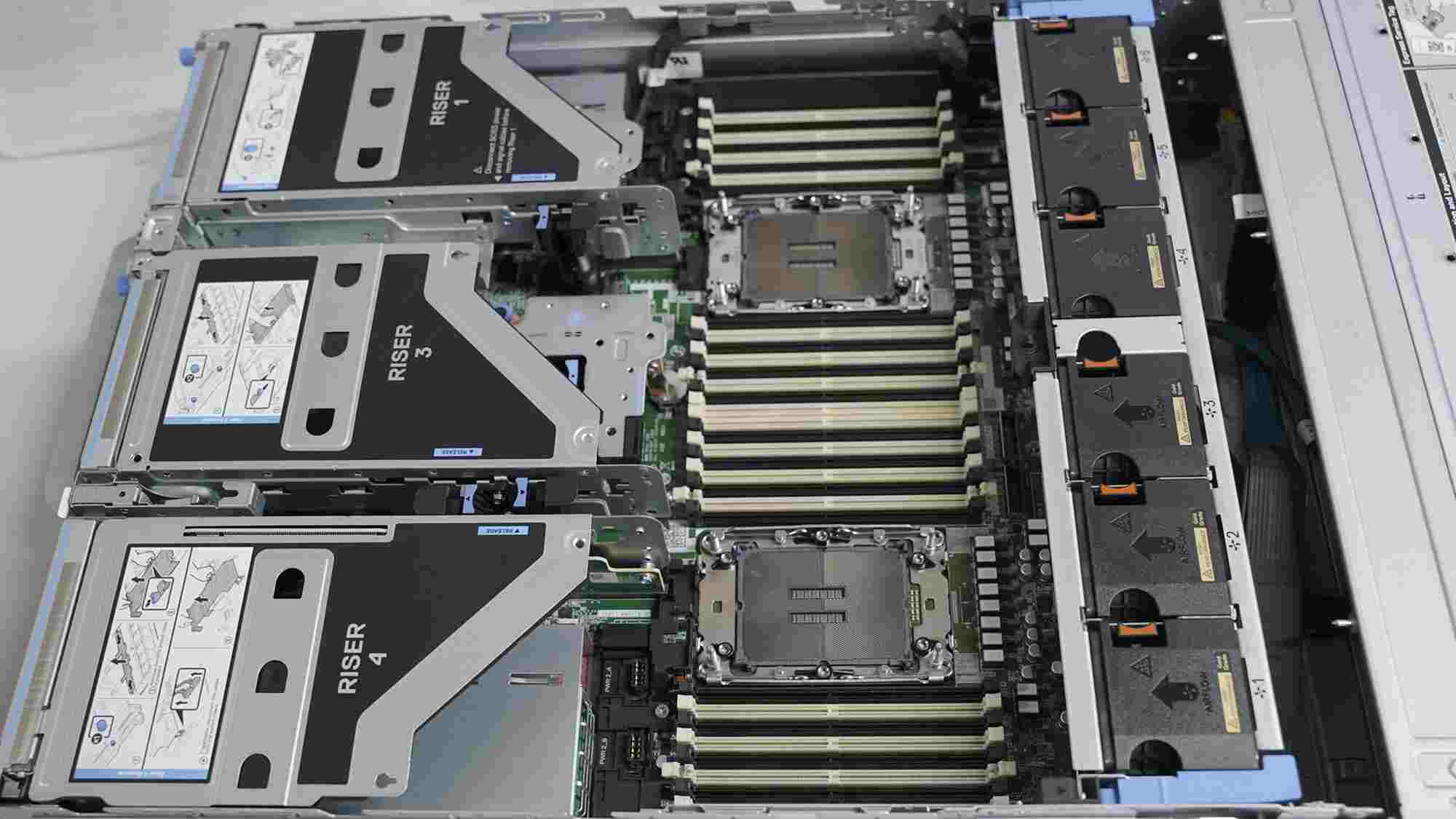
Direct hardware components manufactured, integrated, and optimized by our factory division.
 Velmix