Core electronics and solid-state heat management solutions driving critical disinfection infrastructures in the Ontario GTA region.
As North America’s fourth-largest economic hub, the Greater Toronto Area (GTA) has established itself as a leading force in modern biosecurity, advanced food manufacturing, clinical healthcare, and high-density HVAC management. The transition from legacy mercury vapor lamps to eco-friendly, energy-efficient UVC LED (Ultraviolet-C Light Emitting Diode) technology is accelerating rapidly. Driven by the regional commitment to Net-Zero sustainability objectives and health standards enforced by Health Canada and local municipal building codes, Toronto businesses are demanding robust solid-state ultraviolet disinfection solutions.
Modern commercial buildings in downtown Toronto, including complex commercial high-rises in the Financial District, are actively upgrading centralized air handling systems (AHUs) with specialized UVC LED matrices. These germicidal irradiation assemblies specifically target biological pollutants and airborne viruses, ensuring high indoor air quality (IAQ) and reducing reliance on high-pressure HEPA filtration systems, which consume significant fan energy. Additionally, municipal facilities and food processing industries across Mississauga, Vaughan, and Scarborough are integrating high-power 265nm to 275nm UVC systems to achieve rapid surface and liquid decontamination.
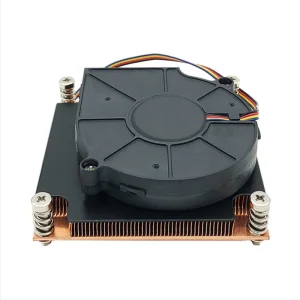
The core challenge of engineering high-efficacy UVC LED arrays lies within electrical and thermal management. While visible LEDs boast high wall-plug efficiency, UVC LEDs typically convert about 5% to 15% of input electrical power into light, releasing the remaining energy as localized heat. Without optimized thermal dissipation, junction temperatures spike, leading to rapid lumen degradation and shortened lifespans. As a result, sourcing custom, highly engineered PCBA backplanes (printed circuit board assemblies) using metal-core PCBs (MCPCB) and pairing them with high-density copper or aluminum heat sinks is vital for ensuring long-term operational performance in industrial settings.
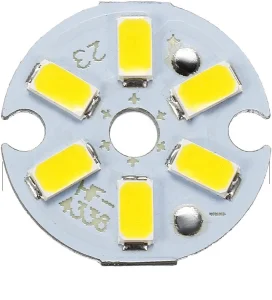
Aluminum and copper substrate boards maximize heat transfer away from delicate UVC LED junctions, preventing early failure and maintaining constant power.
Intelligent control and driver boards modulate current, allowing for integration with occupancy sensors, building automation systems, and IoT interfaces.
Custom LED chip arrays combine 275nm for disinfection, 222nm (Far-UVC) for safe occupant presence, and 365nm-405nm for visual targeting cues.
For engineering firms and mechanical contractors in the Toronto area, partnering directly with experienced Chinese optoelectronics manufacturers offers significant supply chain advantages. The industrial zones of Shenzhen and Dongguan represent the global epicenter of LED semiconductor development, PCB prototyping, and automated SMT assembly. This concentration of specialized manufacturing capabilities translates into rapid prototype iterations, scale production economies, and access to advanced testing equipment.
Direct integration with raw material suppliers ensures that crucial components—such as pure copper substrates, high-thermal conductive thermal pastes, and specialized quartz glass optics—are processed at optimal costs. Furthermore, Chinese manufacturers utilize advanced optical and reliability testing methodologies, such as high-temperature operating life (HTOL) tests, signal integrity analysis, and integrating smart IC drivers. This guarantees that exported UVC sub-assemblies can withstand the rigorous performance criteria required for integration into North American commercial systems.
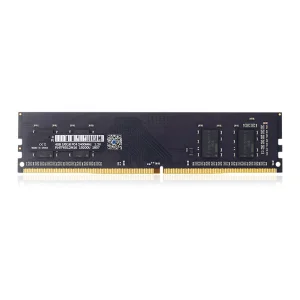
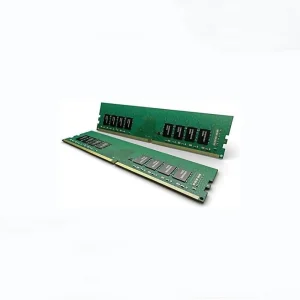
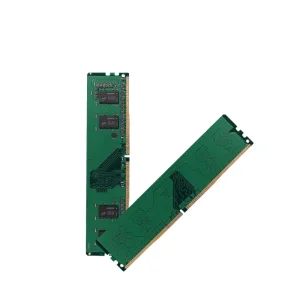
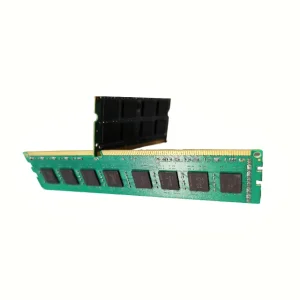
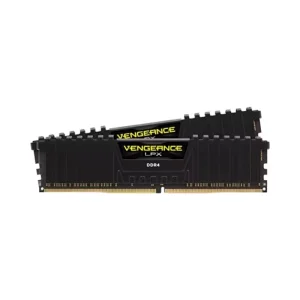
Providing custom electronic engineering, control systems, and high-frequency memory logic modules that power the next generation of smart UVC IoT systems.
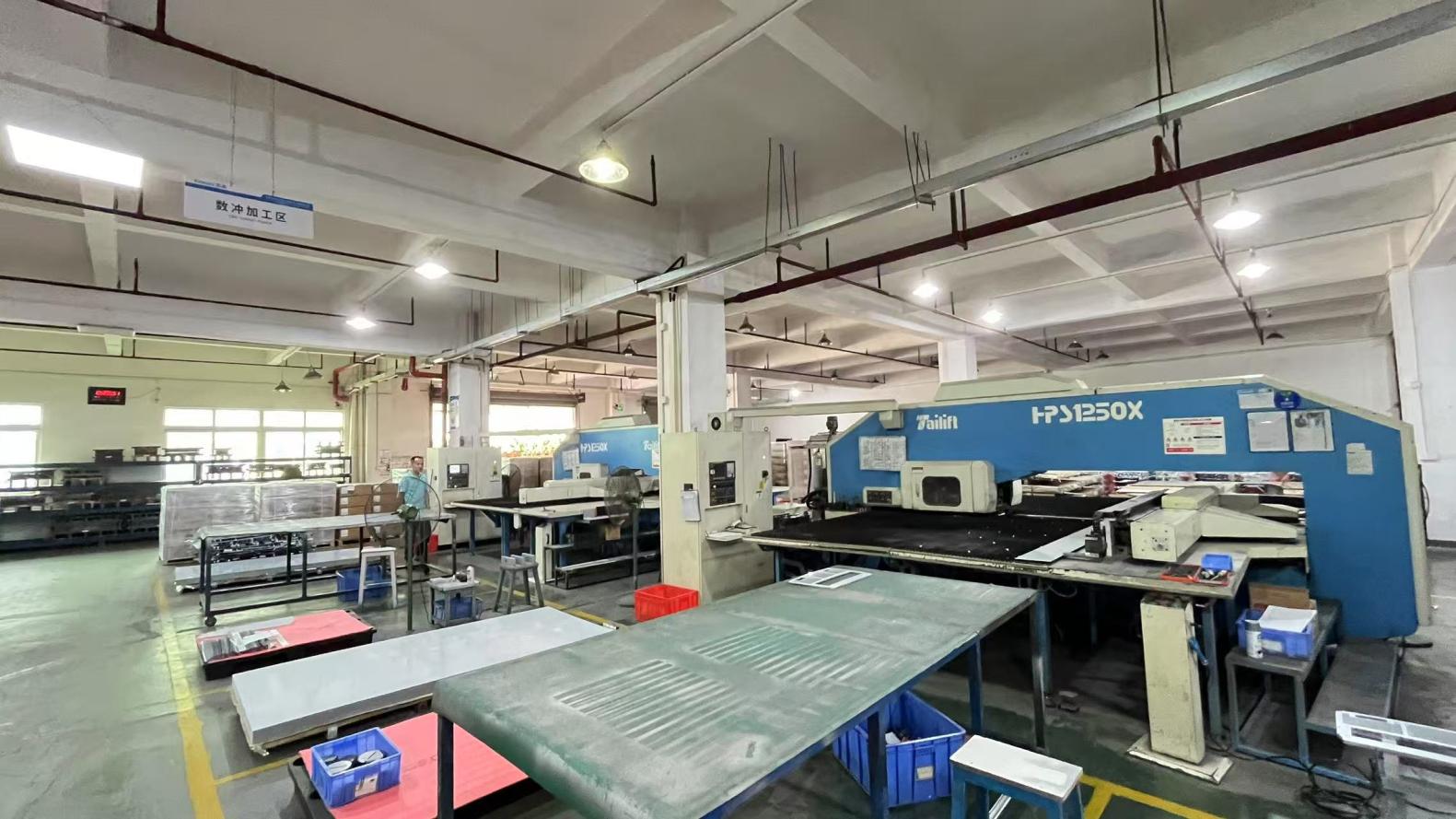
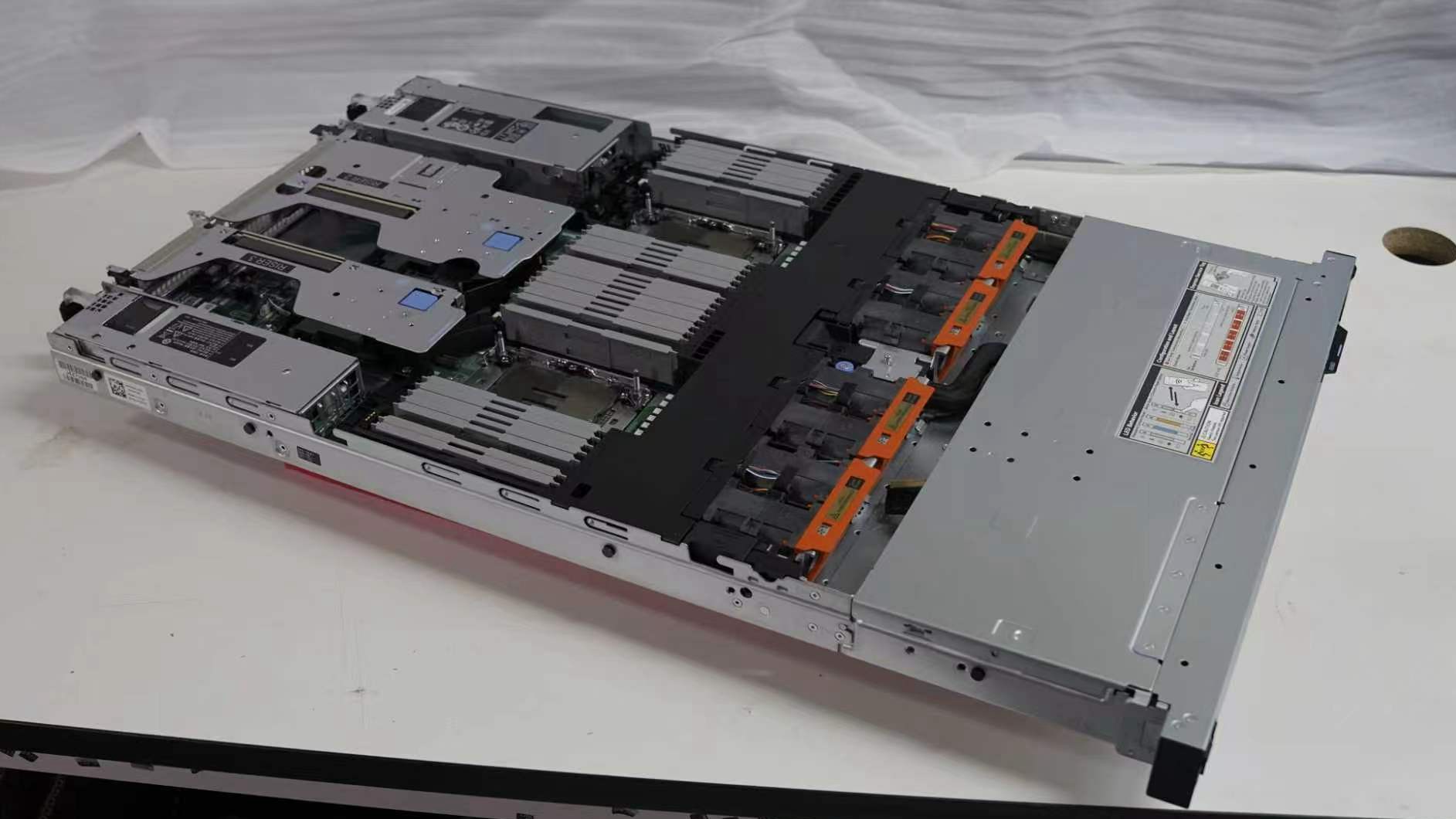
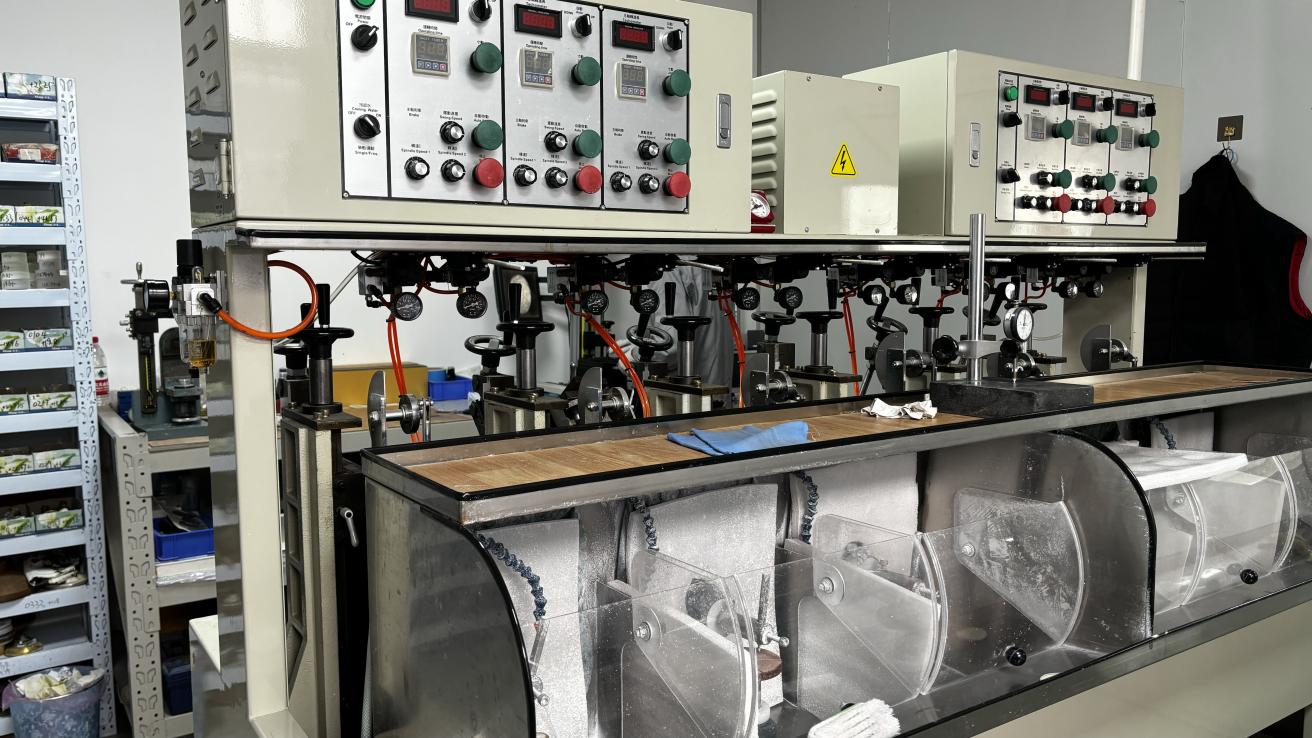
Velmix Technology Co., Ltd. is a professional electronics and DRAM module manufacturer based in Shenzhen, China, specializing in the research, development, production, and global distribution of high-performance components. Since its establishment in 2017, Velmix has delivered reliable, high-speed circuit designs, controller sub-systems, and custom PCB assemblies for consumer electronics, industrial automation, medical systems, servers, and smart air/water purification platforms. By leveraging fifteen years of industry expertise and advanced manufacturing equipment, Velmix supports municipal, commercial, and industrial system integrators in the Toronto market with custom components designed for heavy-duty disinfection operations.
| Specification Category | Manufacturing & Operational Capability Detail |
|---|---|
| Company Name | Velmix Technology Co., Ltd. (Shenzhen, China) |
| Established | 2017 (15 Years Combined Optoelectronic & Semiconductor Industry Experience) |
| Facility Area | 368㎡ High-Precision Clean Room and SMT Assembly Lines |
| Annual Export Revenue | USD 18.6 Million (North America, Western Europe, and APAC) |
| Export & Supply Chain Logistics | 8 Years of Direct Global DDP/FOB Delivery and Customs Integration |
| Quality Management Systems | 100% Inspection Prior to Shipment with Specialized Thermal & Signal Diagnostics |
| Product Inspection Methods | Signal Integrity Test, Burn-in Test, Compatibility Test, Functional Test & Random Sampling |
| QC Staff & Field Engineers | 56 Dedicated Quality Control Specialists |
| R&D Capability | Independent Product Design, Advanced PCB Development, and Firmware Optimization |
| Customization Options | OEM, ODM, Private Label, Custom Thermal Management Substrates, Driver Circuit Engineering |
| R&D Engineers | 84 Engineers Specialized in Hardware design and Embedded Systems |
| Supply Chain Partners | 986+ Approved Component Suppliers and Global Logistics Partners |
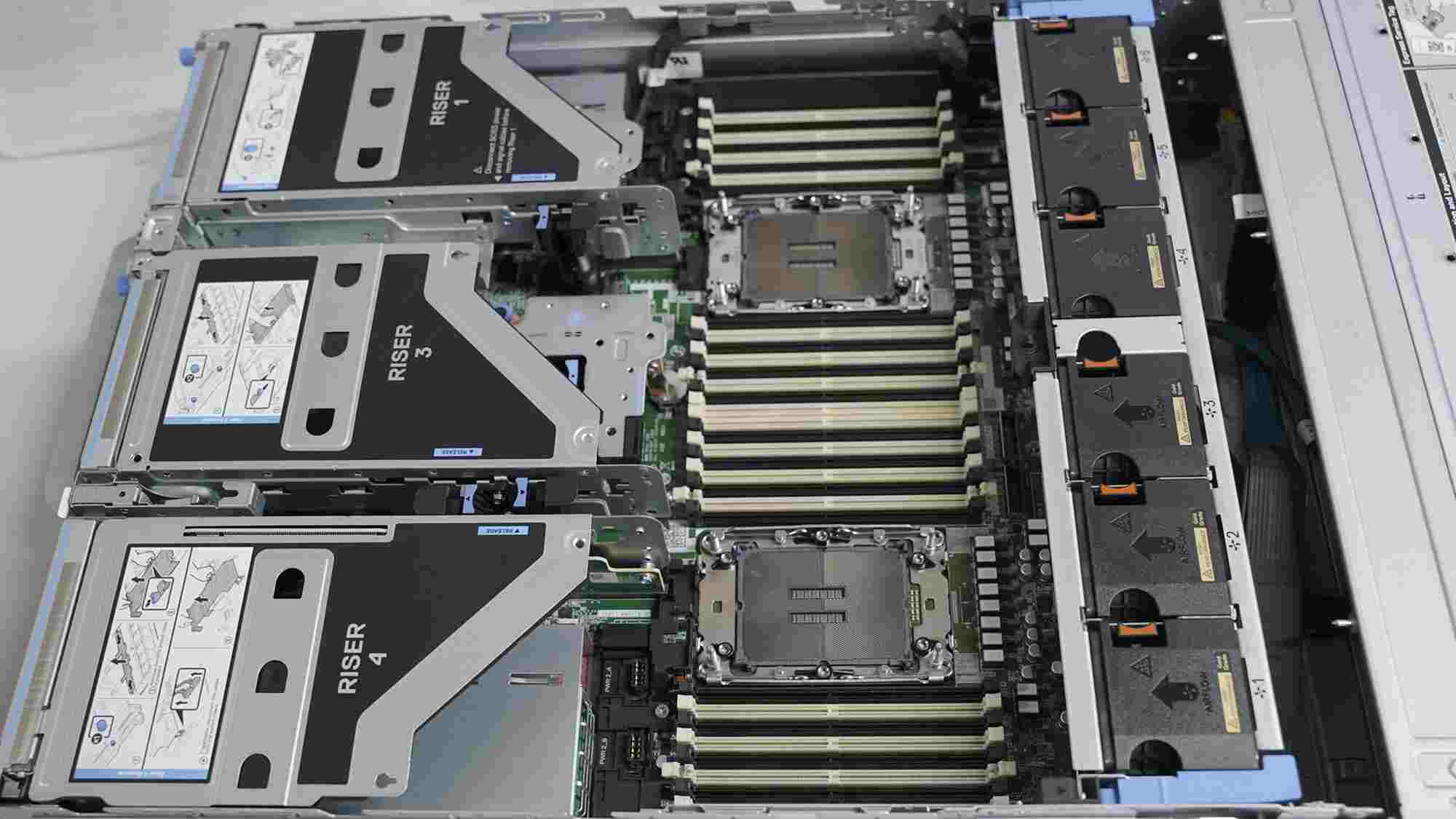
Integrating high-efficiency UVC solid-state disinfection across Toronto's various industrial and commercial sectors requires dedicated system matching. Local regulations demand components built to withstand regional operational patterns:
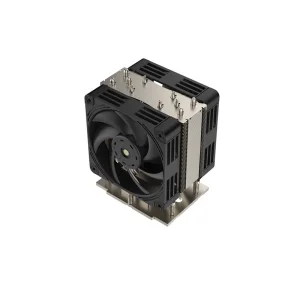
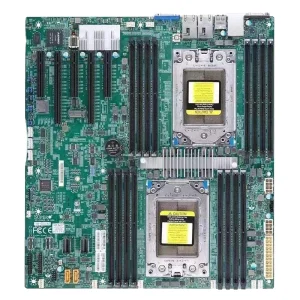
Essential components designed for integrating commercial UVC sanitation arrays, cooling blocks, and high-load control logic circuits.
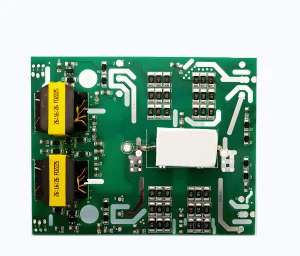
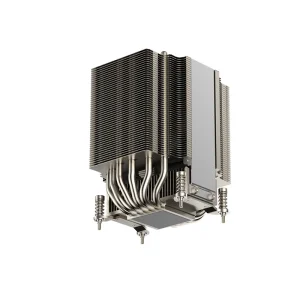
Key information for engineering specialists, procurement officers, and system integrators in the Canadian market.
Connect with our engineering team for custom driver designs, thermal simulations, SMT assembly options, and high-efficiency component sourcing designed for Toronto and international markets.
Send Inquiry Now Velmix