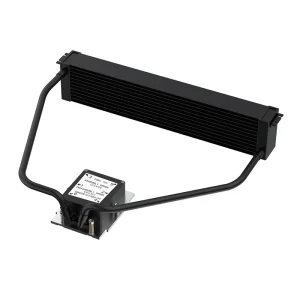
Optimized thermal management and SMT controllers engineered to maintain peak optical power output and prolong UVC diode lifespans in demanding Dutch industrial operations.
The Netherlands remains the global epicentre for high-tech greenhouse agriculture (vertical farms and automated cultivation loops). Facing strict EU regulations on chemical pesticide runoff, Dutch growers rely on physical, residue-free disinfection. Integrating high-performance UVC LED arrays into water recirculation loops allows continuous pathogen mitigation without chemical dosing.
Powered by global semiconductor and chemical leaders centered around Veldhoven and Eindhoven, the demand for ultrapure process water is critical. Standard mercury discharge lamps fail to meet modern environmental objectives, urging a transition to zero-mercury, instant-on/off UVC LED modules for localized bacterial and viral inactivation.
All optoelectronic equipment deployed within the Netherlands must meet rigorous EU Directives. This includes the Biocidal Products Regulation (BPR, Regulation (EU) 528/2012), Low Voltage Directive (LVD), and strict electromagnetic compatibility (EMC) standards, necessitating precision engineering at the component level.
Unlike visible light LEDs, UVC LEDs (operating in the 260nm to 280nm germicidal spectrum) have a lower external quantum efficiency (EQE). Up to 95% of the input electrical energy is converted directly into heat at the sub-micron junction level. Proper thermal design and driver board execution are non-negotiable for system reliability.
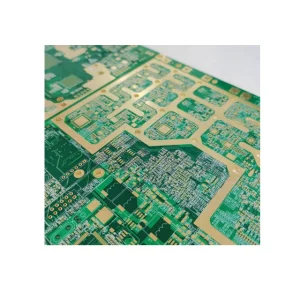
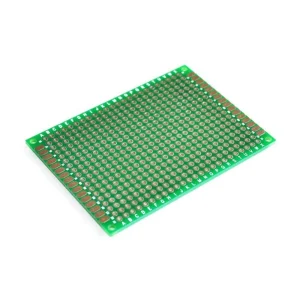
Standard FR4 PCB material degrades rapidly under high thermal stress and direct ultraviolet radiation. High-power UVC modules demand copper-clad laminate or metal core PCBs (MCPCBs) engineered with high-dielectric breakdown strength and minimal thermal resistance ($R_{th}$). Materials such as Rogers 4000 series or Shengyi High-TG170 mixed-pressure laminates ensure stable dielectric constants under constant operating temperatures.
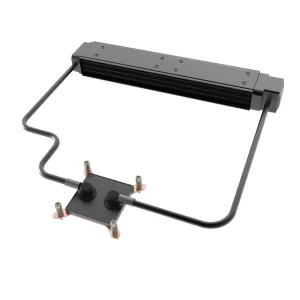
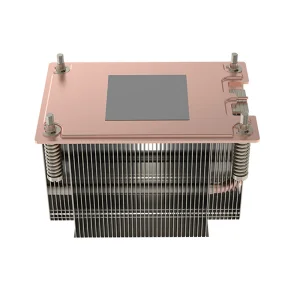
For high-intensity disinfection arrays utilized in municipal water treatment, passive air cooling is insufficient. The integration of copper/aluminum composite cold plates, combined with high-flow liquid cooling radiators (such as the 350W cooling systems), maintains junction temperatures ($T_j$) well below the critical $85^{\circ}\text{C}$ threshold. This preserves optical irradiance over a typical 20,000-hour system lifetime.
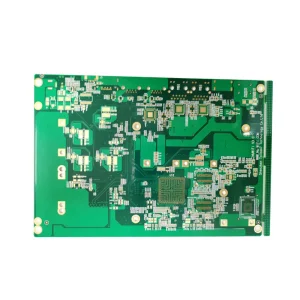
UVC diodes are highly sensitive to current spikes and forward-voltage shifts. Precision SMT controller boards with embedded microprocessors manage soft-start sequences, thermal monitoring loops, and IoT connectivity (WiFi or RS-485/Modbus). This allows Dutch system integrators to monitor sanitization outputs remotely from cloud platforms.
Providing High-Performance Computing, Control Systems, and Thermal Management Components for Critical Hardware Deployments Globally.
Velmix Technology Co., Ltd. is a professional industrial component and DDR5 memory manufacturer based in Shenzhen, China, specializing in the research, development, production, and global distribution of high-performance DRAM memory solutions, advanced PCB controllers, and cooling systems. Since its establishment in 2017, Velmix has been committed to delivering reliable, high-speed hardware and component solutions for consumer electronics, industrial applications, gaming systems, servers, and automated industrial machinery.
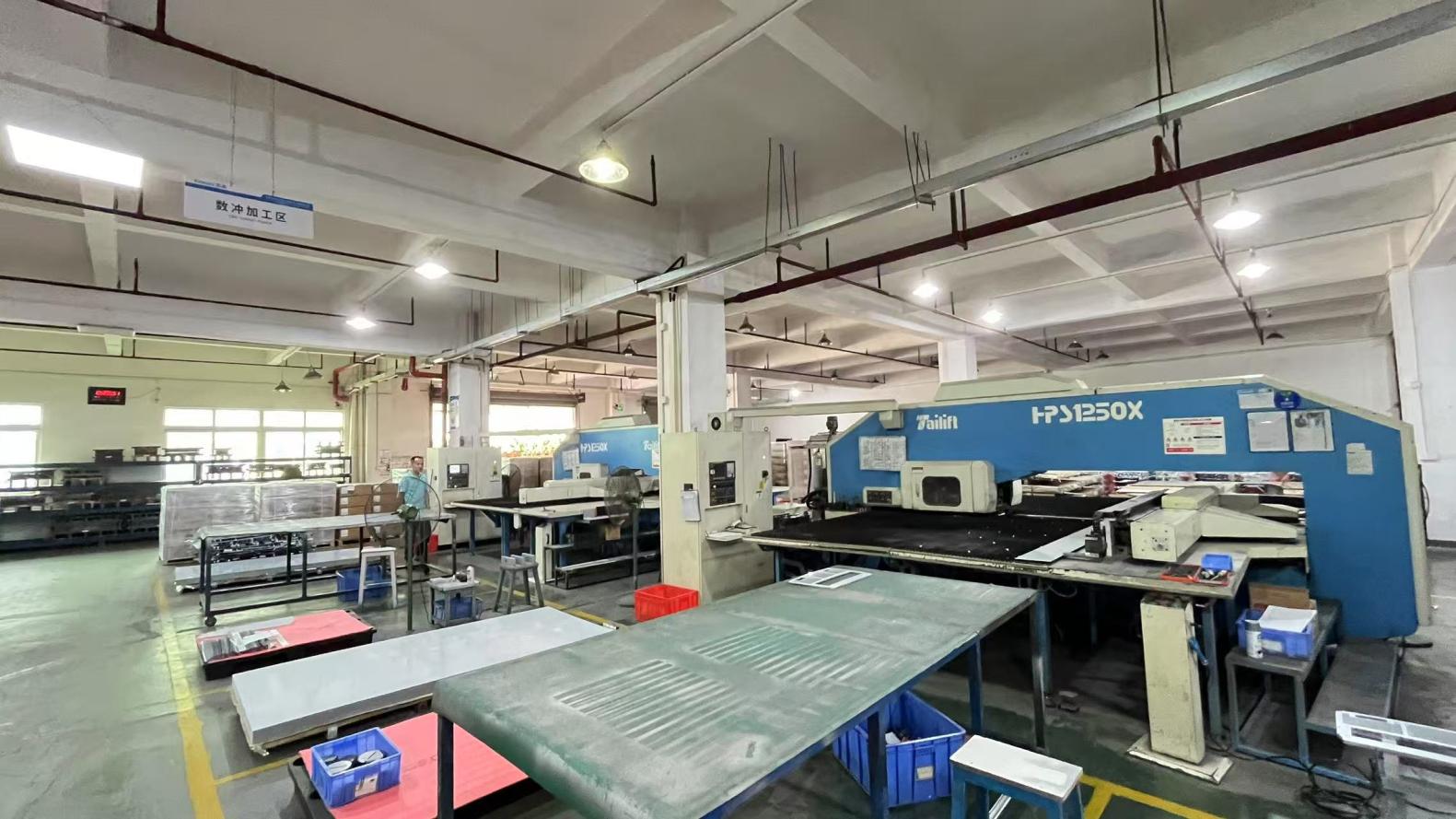
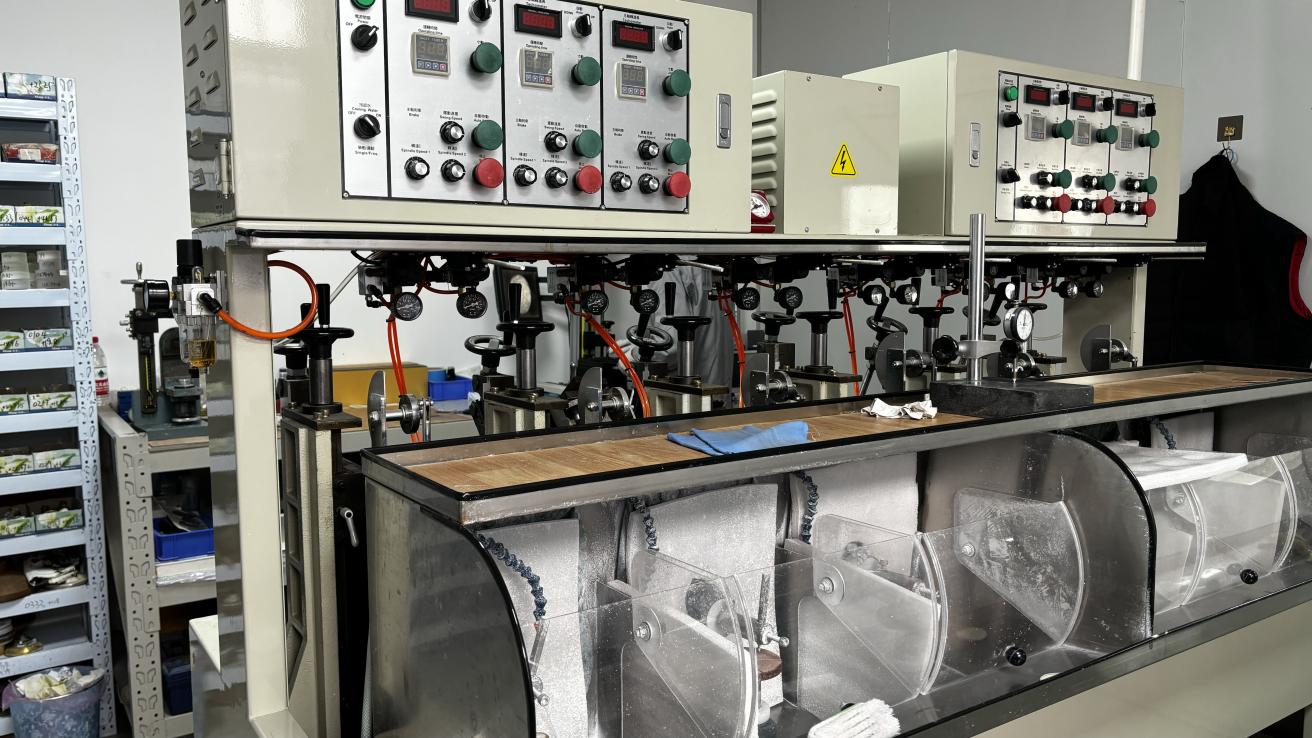
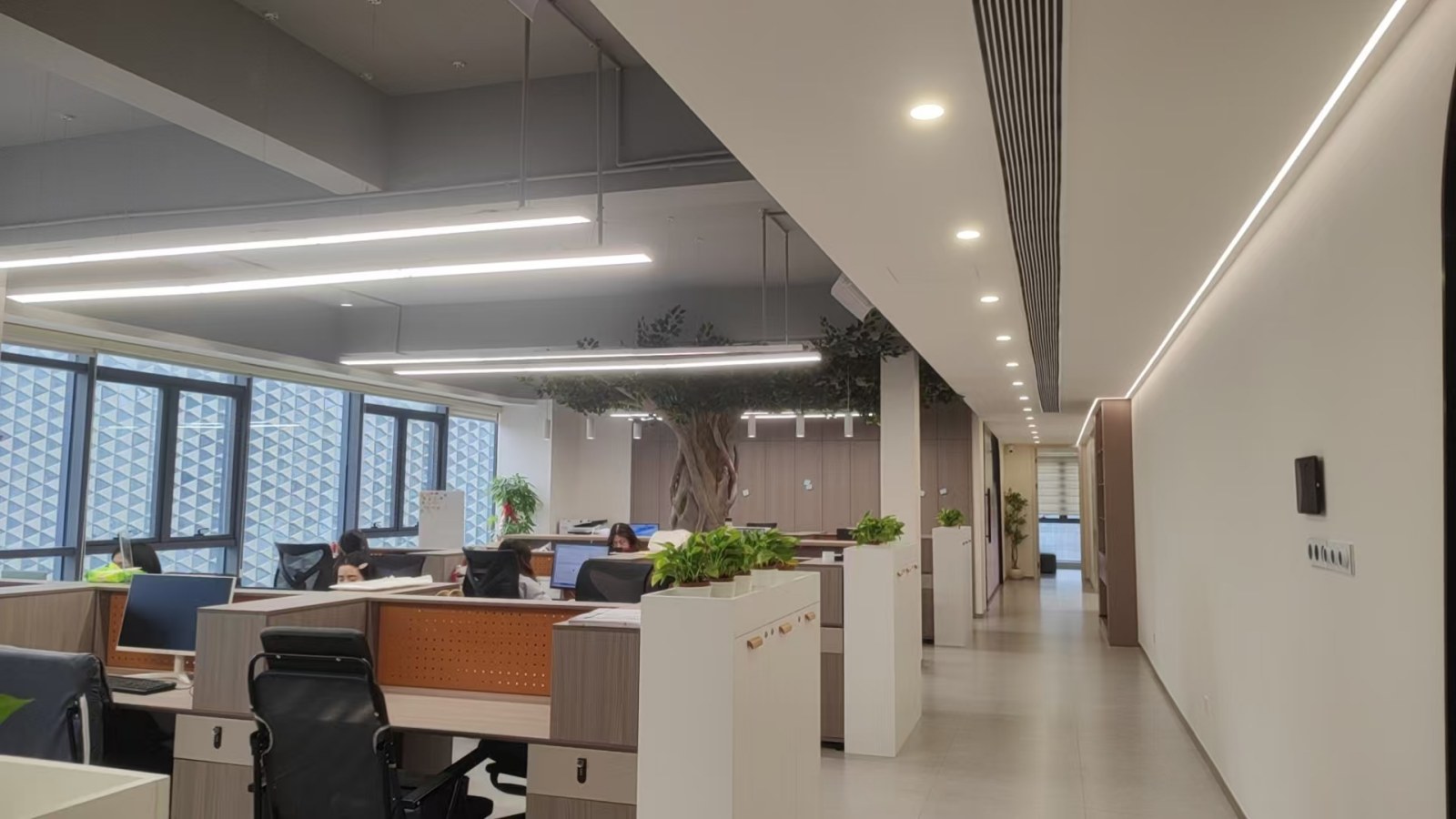
Operating from a modern manufacturing facility covering 368㎡, we combine advanced production technologies with strict quality management to ensure every component, circuit board, and memory module meets international performance and reliability standards. Our experienced engineering team continuously develops innovative solutions to meet the evolving demands of AI computing, edge devices, cloud infrastructure, and next-generation computing platforms, which form the computing backbone for modern automated UVC sterilization networks.
Today, Velmix serves customers in more than 40 countries and regions, offering flexible OEM and ODM manufacturing services for global brands, distributors, system integrators, and industrial equipment manufacturers. By focusing on product consistency, fast delivery, and technical innovation, we have built long-term partnerships across Europe, North America, Southeast Asia, and the Middle East, specifically addressing the high-reliability demands of the Netherlands market.
| Item | Information |
|---|---|
| Company Name | Velmix Technology Co., Ltd. |
| Established | 2017 |
| Facility Area | 368㎡ |
| Annual Export Revenue | USD 18.6 Million |
| Export Experience | 8 Years |
| Industry Experience | 15 Years |
| Quality Control | 100% Full Inspection Before Shipment |
| Product Inspection Methods | Signal Integrity Test, Burn-in Test, Compatibility Test, Functional Test & Random Sampling |
| QC Staff | 56 Employees |
| Business Type | Manufacturer & Exporter |
| Main Markets | North America, Europe, Southeast Asia, Middle East & South America |
| Supply Chain Partners | 986+ |
| Main Customer Types | Brand Owners, OEM Manufacturers, System Integrators, Distributors & Wholesalers |
| R&D Capability | Independent Product Design, PCB Development & Firmware Optimization |
| Customization Options | OEM, ODM, Private Label, Customized Capacity, Heat Spreader, PCB Color & Packaging |
| New Products Launched Last Year | 138 Models |
| R&D Engineers | 84 Engineers |
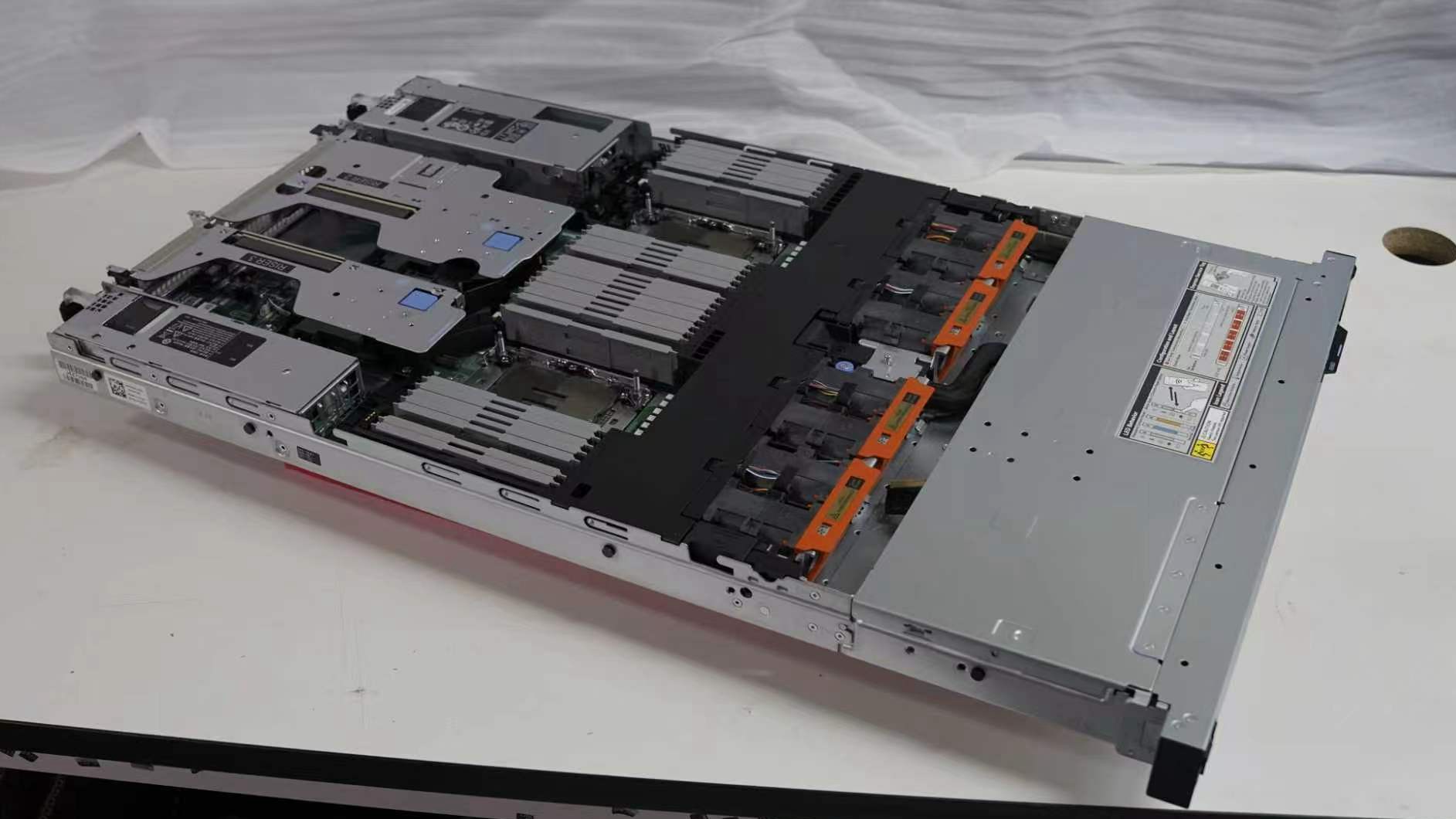
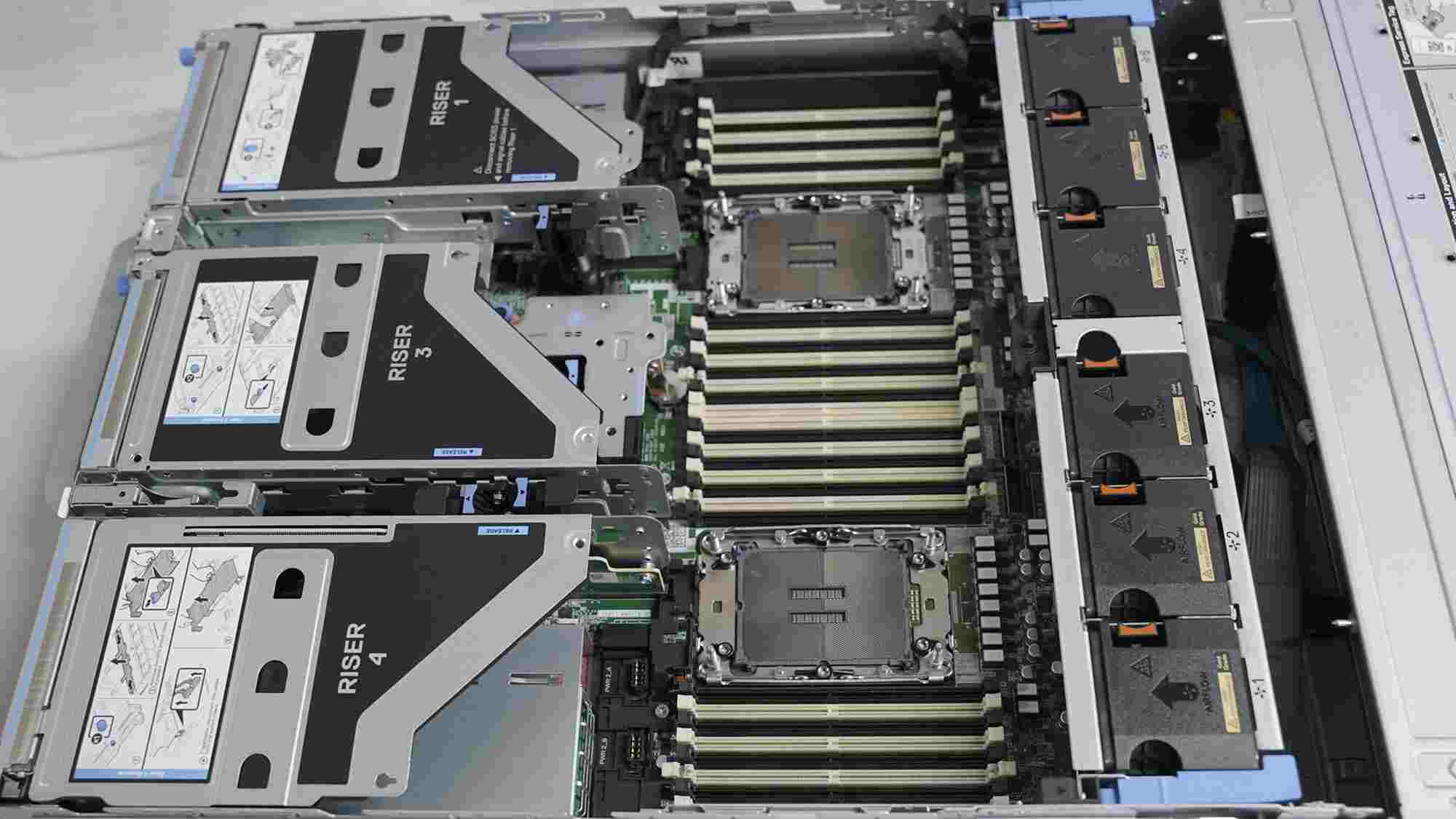
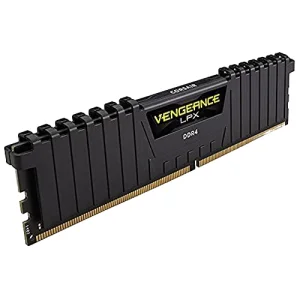
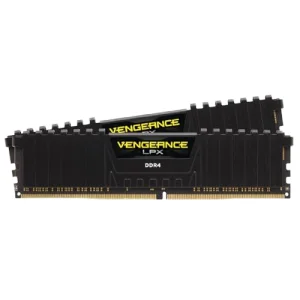
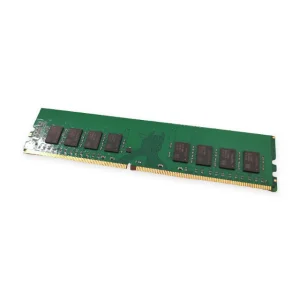
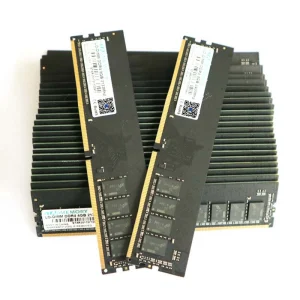
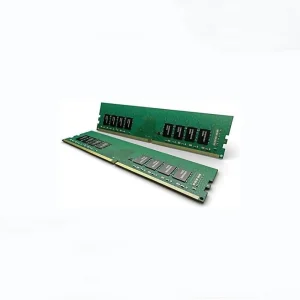
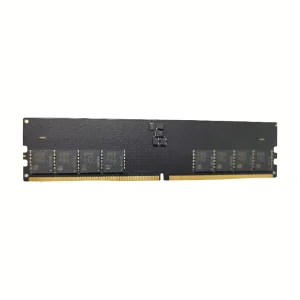
High-durability RAM modules engineered to run telemetry software, log operational sterilization levels, and coordinate sensor readings in centralized municipal treatment plants.
UVC LED packaging requires precision SMT die placement and specialized eutectic soldering techniques to ensure proper electrical contact and thermal heat sinking. Shenzhen factories provide state-of-the-art placement accuracy, avoiding micro-voids in solder joints that lead to localized overheating and subsequent diode failure.
Sourcing directly from our specialized factory gives you priority access to copper-clad thermal laminates, high-power drivers, and cooling assemblies. By minimizing intermediary margins, Dutch engineers secure components built to industrial specification at optimized price-to-performance points.
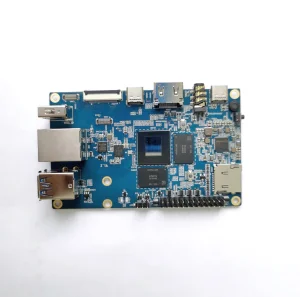
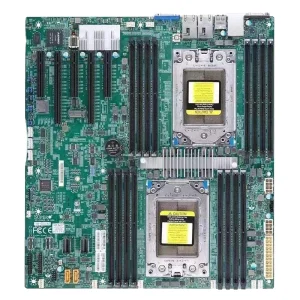
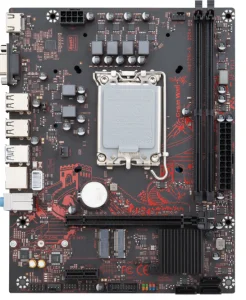
We provide custom copper-aluminum composite heatsinks, specialized board configurations (e.g., Rockchip embedded processors for smart arrays), and tailored PCB layers within short development cycles to meet specific machine designs in the Netherlands.
Answers to crucial engineering questions regarding industrial UVC LED integrations for product managers and system designers in the Netherlands.
Why is standard FR4 PCB unsuitable for industrial UVC LED arrays?
Standard FR4 PCB material has low thermal conductivity ($0.25\,\text{W/m}\cdot\text{K}$) and degrades under direct ultraviolet exposure. High-output UVC LED arrays generate significant heat at the junction. Standard FR4 traps this heat, causing thermal runaway and accelerated degradation of the UVC diodes. Instead, we use Metal Core PCBs (MCPCBs) or high-grade Rogers / Shengyi high-TG laminates with thermal conductivities up to $2.0 - 4.0\,\text{W/m}\cdot\text{K}$ to ensure rapid heat dissipation.
How does liquid cooling impact the lifetime of a 275nm UVC LED module?
A UVC LED operating at a junction temperature ($T_j$) of $85^{\circ}\text{C}$ may experience a lifespan reduction down to under 5,000 hours. By integrating active liquid-cooling plates and high-capacity radiators (like the 350W liquid cooling CPU radiators), the junction temperature is maintained below $55^{\circ}\text{C}$. This thermal management preserves the LED’s internal quantum structures, ensuring the system reaches its rated L70 lifetime of 20,000+ hours.
Which certifications are required for import and deployment in the Netherlands?
For deployment in the Netherlands, products must comply with the CE mark requirements, including the Low Voltage Directive (LVD 2014/35/EU) and Electromagnetic Compatibility Directive (EMC 2014/30/EU). Additionally, the component materials must comply with RoHS directive (2011/65/EU) to ensure they are free from restricted heavy metals. If integrated into water treatment systems for municipal drinking water, components must meet KTW or equivalent Dutch local drinking water standards.
How does Velmix ensure the reliability of boards in continuous-duty disinfection?
We perform 100% full inspection on all manufactured controller boards and driver modules before shipment. This includes Signal Integrity Testing, Burn-in testing under full electrical load, Compatibility Testing with standard PLC modules, and Functional Testing in temperature-humidity chambers to simulate the micro-climate of greenhouse installations.
Explore our technical portfolio designed to power, cool, and optimize demanding automated industrial computing and UVC disinfection applications.
 Velmix