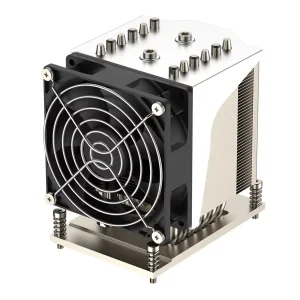
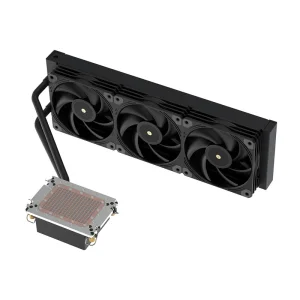
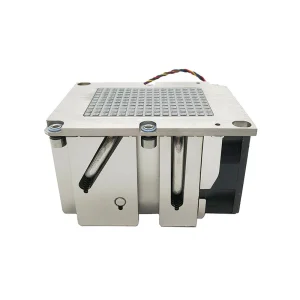
High-performance air and water-cooled thermal hardware designed to sustain continuous heavy workloads in standard and high-altitude server racks.
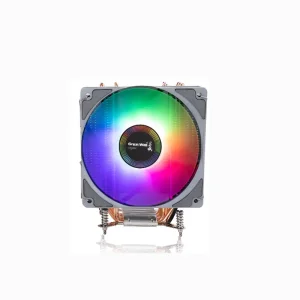
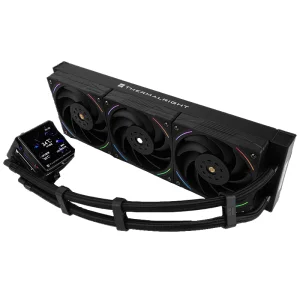
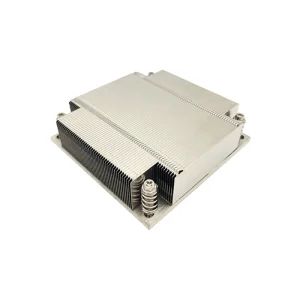
An analysis of cooling demands driven by nearshoring, the USMCA regulatory framework, and extreme regional microclimates.
Over the past five years, Mexico has emerged as the premier technology infrastructure hub in Latin America. Fueled by global nearshoring trends, enterprise computing structures are migrating closer to North American end-users. Querétaro, often referred to as the 'Querétaro Valley', along with regions in Monterrey and Guadalajara, hosts billions of dollars in hyperscale investments from major cloud providers. This high-density concentration of servers demands robust, high-performance thermal architectures. In these modern facility layouts, managing waste heat effectively is crucial for maximizing Power Usage Effectiveness (PUE) and ensuring operational uptime.
A key technical variable often overlooked in standard server thermal designs is altitude. Cities like Mexico City (located at 2,240 meters above sea level) and Toluca suffer from reduced air density. The heat transfer coefficient of air drops by approximately 20% to 30% at these elevations, causing standard configurations to struggle. To mitigate this drop-off in cooling efficiency, our engineering teams customize server radiators with modified Fin-per-Inch (FPI) distributions, larger vapor chambers, and high-static-pressure fans, ensuring consistent performance without compromising power budgets.
Navigating cross-border trade between Asia and North America requires strict adherence to regulatory standards. In Mexico, hardware must comply with the NOM-019-SCFI-1998 standard for safety in data processing systems. Our server radiators and integrated cooling systems undergo rigorous testing to secure NOM certification. Additionally, import procedures via Pacific hubs like Manzanillo and Lázaro Cárdenas are streamlined through our local distribution networks, ensuring high-demand components arrive on site quickly with all custom duties and certificate of origins (T-MEC compliance) pre-cleared.
Alt. Performance Correction
NOM Compliant Hardware
Target PUE Optimizations
Designed for extreme computing nodes, high TDP server processors, and multi-socket server motherboards.
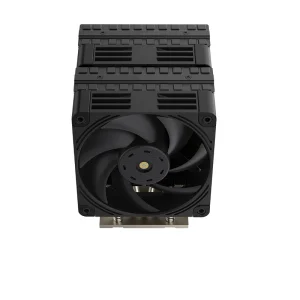
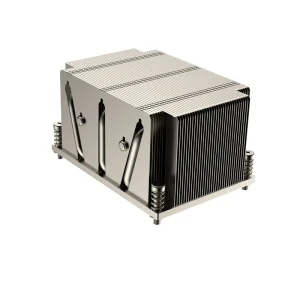
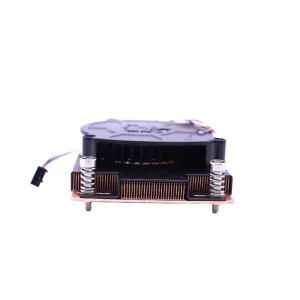
How engineering innovations solve the thermal envelopes of next-generation AI and compute nodes.
Standard data center racks historically managed thermal output through traditional air cooling up to 250W. However, the rise of intense AI computing, neural networks, and dense databases has pushed CPU and GPU thermal design power (TDP) targets beyond 350W and even up to 1000W. Air cooling remains popular because of its ease of deployment and lower initial investment. However, system builders are increasingly adopting hybrid liquid systems and direct-to-chip (D2C) liquid cooling blocks. Velmix's technology roadmap focuses on high-precision skived copper fins, customized heat pipe vacuum loops, and vacuum-brazed liquid cooling blocks featuring micro-channel dimensions below 0.2mm to ensure ultra-low thermal resistance.
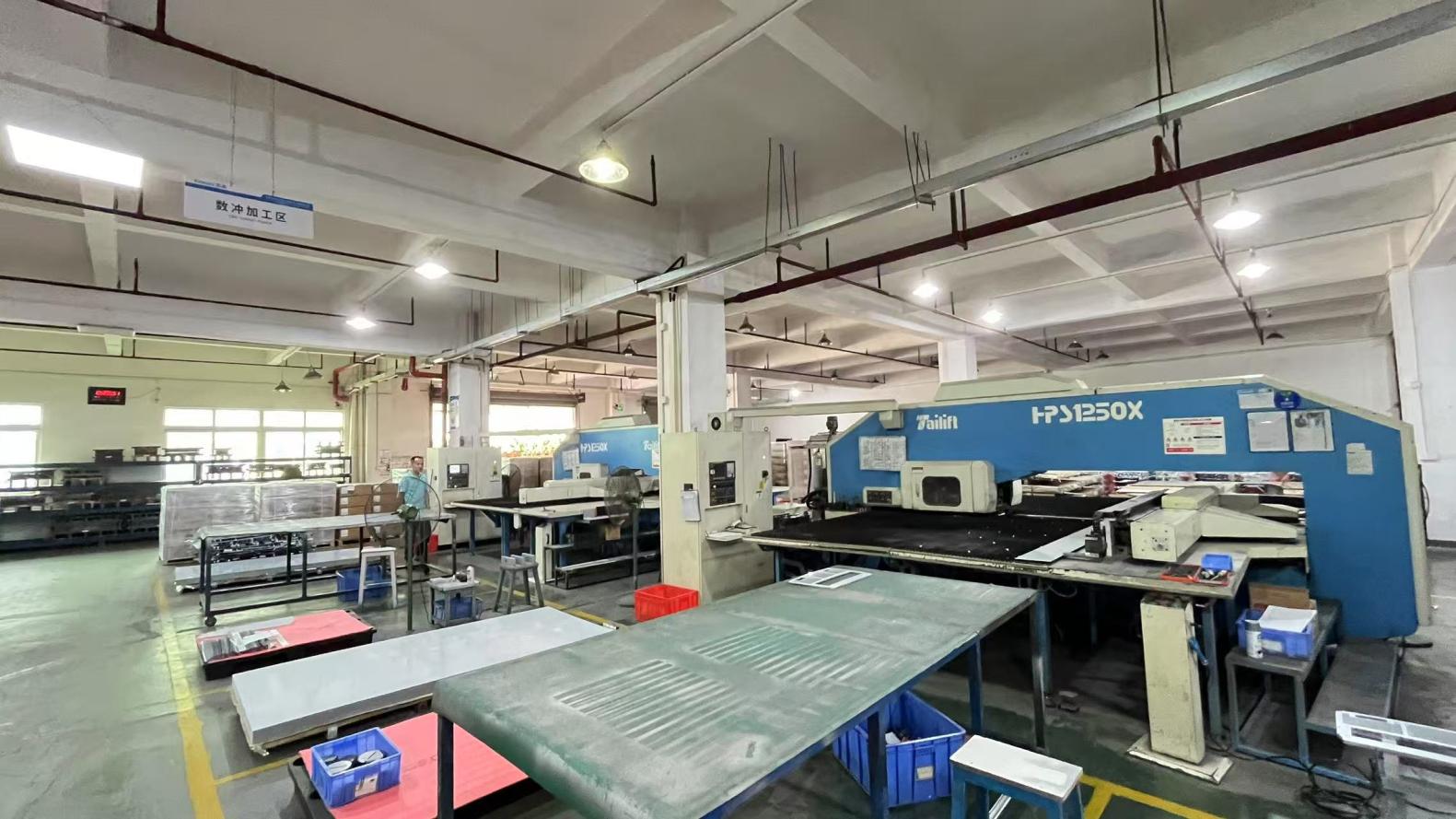
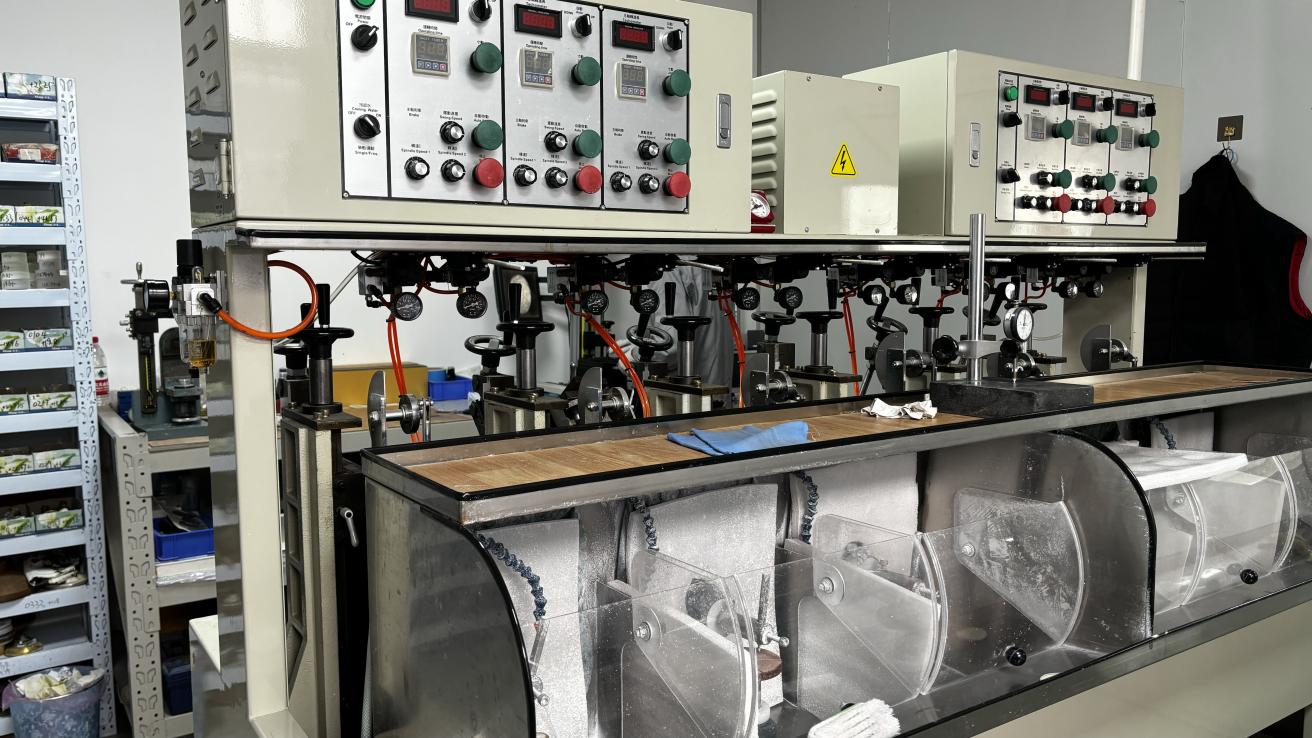
Headquartered in Shenzhen, the global hardware manufacturing hub, Velmix utilizes advanced automatic production lines. We operate specialized skiving machines, automatic stamping units, and vacuum brazing ovens. Thermal performance is verified using modern CFD (Computational Fluid Dynamics) simulation tools, followed by actual physical chamber stress testing. By managing structural design, materials sourcing, processing, and inspection under one roof, we eliminate supply chain bottlenecks and provide competitive wholesale pricing to Mexico's system integrators and distributors.
Established in 2017, Velmix Technology Co., Ltd. has expanded its technological footprint from high-reliability memory modules to integrated server hardware accessories and thermal solutions. With an annual export revenue of USD 18.6 million and operations in over 40 countries, our focus is on consistency. Our facility implements a 100% full inspection protocol before shipment, ensuring zero-defect installation for long-term server deployments in critical cloud systems.
| Item | Information |
|---|---|
| Company Name | Velmix Technology Co., Ltd. |
| Established | 2017 |
| Facility Area | 368㎡ (Thermal Integration & R&D facility) |
| Annual Export Revenue | USD 18.6 Million |
| Industry Experience | 15 Years |
| Quality Control | 100% Full Inspection Before Shipment |
| Product Inspection Methods | Signal Integrity Test, Burn-in Test, Compatibility Test, Functional Test & Random Sampling |
| QC Staff | 56 Employees |
| R&D Engineers | 84 Engineers |
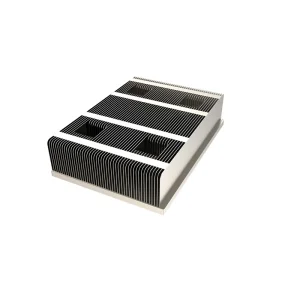
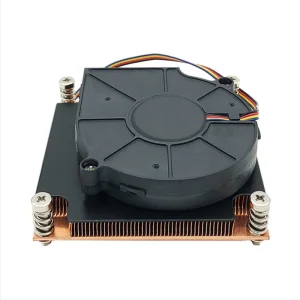
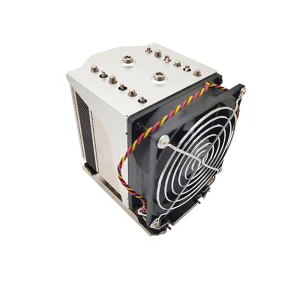
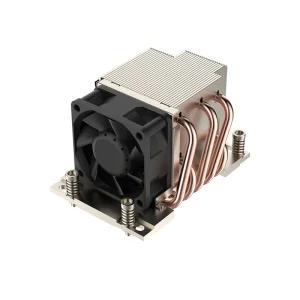
Select from our range of 1U, 2U, 4U, BGA, and custom-engineered industrial water blocks.
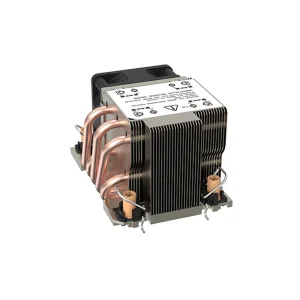
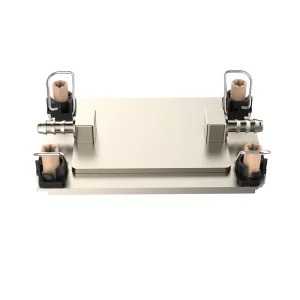
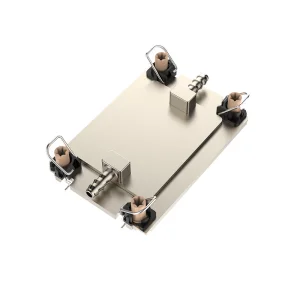
Ensuring transparent pricing, reliable shipping timelines, and compliance with import regulations.
Shipping industrial components to Mexico requires careful management to prevent delays at the border. Velmix utilizes direct shipping lines linking Shenzhen and Hong Kong with Mexico's major Pacific entry ports, Manzanillo and Lázaro Cárdenas. We supply comprehensive documentation, including detailed commercial invoices, HS codes (such as HS 8473.30 for data processing assembly parts), packing lists, and certificate of origins. This ensures smooth clearance through Mexican customs (Aduanas), minimizing transit delays for time-critical data center builds.
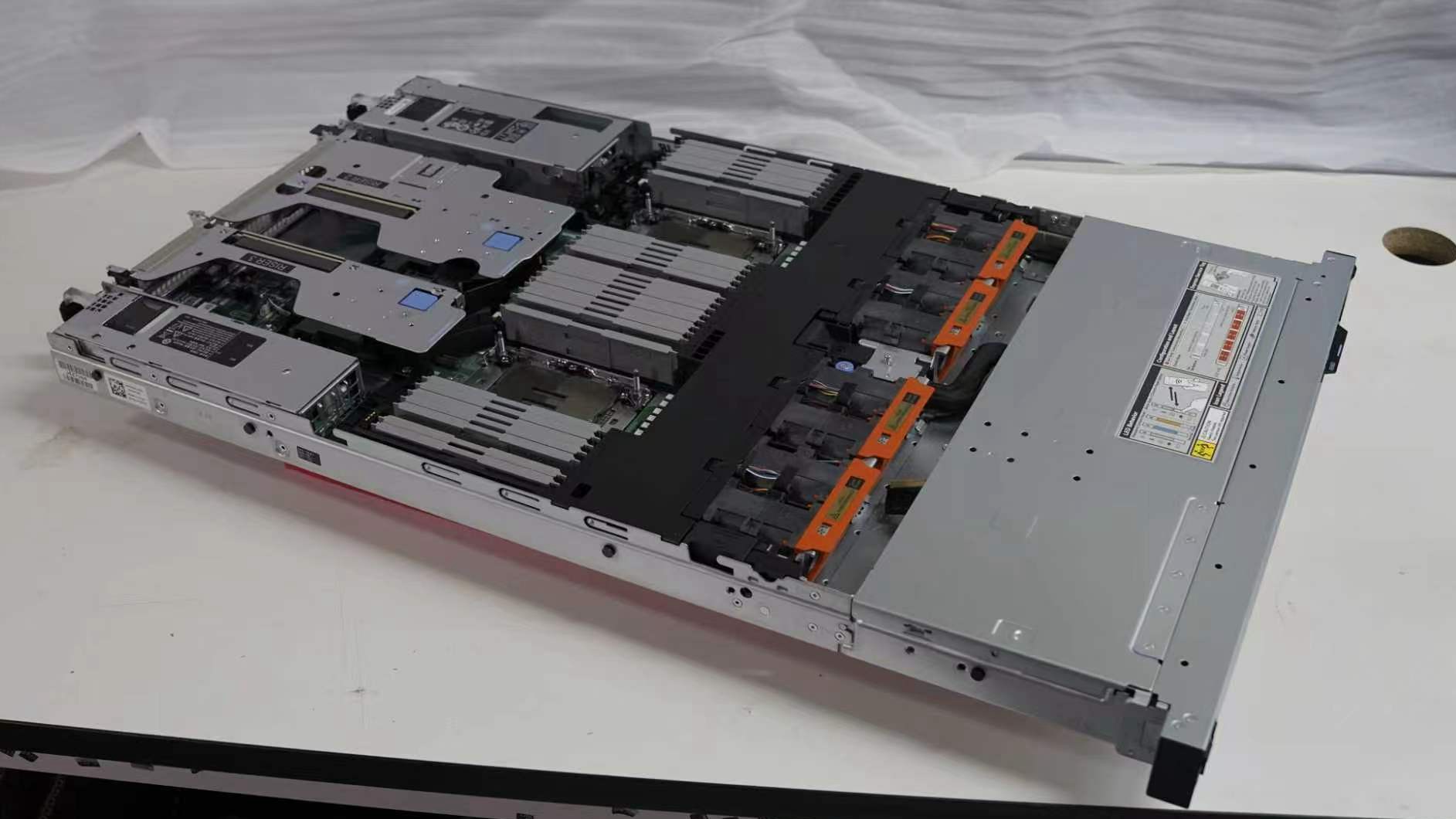
Every server layout has unique requirements. Whether you require low-profile 1U radiators for dense compute nodes, or 4U copper configurations for multi-GPU arrays, we offer full design integration. Our OEM/ODM capabilities include modifying baseplate geometries, adjusting mounting brackets to match proprietary motherboard footprints, and integrating custom liquid cooling distribution manifolds (CDUs) configured specifically for your facility's requirements.
Answers to common engineering and logistics questions from data center operators and hardware importers.
Higher altitudes have lower air density, which reduces the mass flow rate of cooling fans and decreases the heat transfer coefficient. In cities like Mexico City or Toluca, server radiators require larger heat transfer surface areas (higher fin count or thickness) or increased fan speeds to maintain equivalent cooling compared to sea-level installations. Velmix assists local engineers by performing altitude-adjusted thermal simulations during the design phase.
For high-volume sea freight, transit times to Manzanillo or Lázaro Cárdenas ports generally take 18 to 25 days. Customs clearance and inland transport via road or rail to Querétaro and Monterrey add another 5 to 7 days. For urgent prototypes or replacement shipments, air freight delivery through Mexico City (MEX) or Guadalajara (GDL) takes approximately 5 to 7 working days.
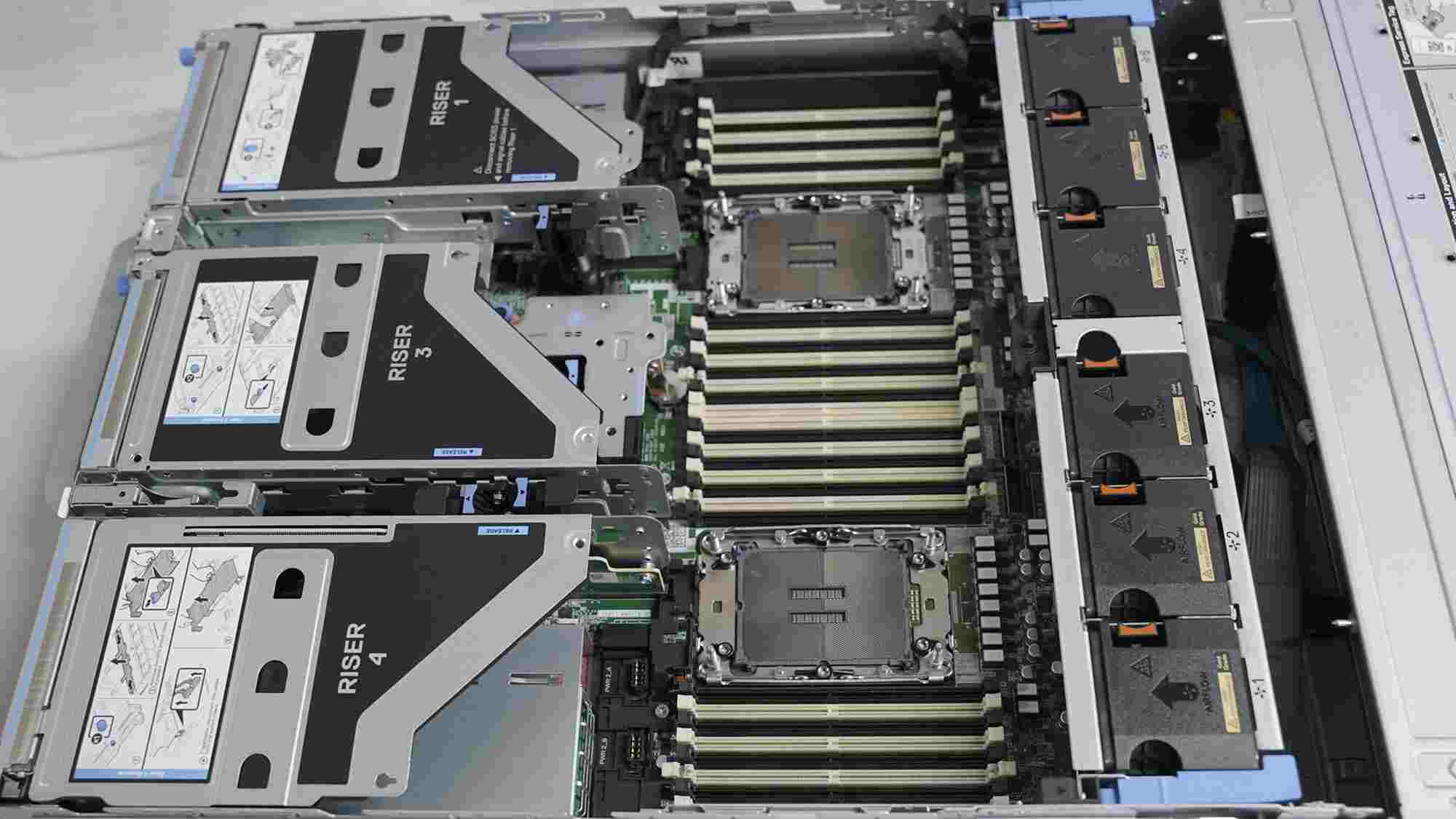
Yes. We offer server radiators designed specifically for major enterprise CPU sockets, including Intel LGA1700, LGA3647, LGA4189, LGA4677, LGA4926, and AMD SP3, SP5, and SP6. All configurations include precision-engineered mounting brackets that meet structural alignment specifications, ensuring reliable mounting force and optimal thermal interface material contact.
Absolutely. We offer complete OEM packaging, custom logo printing on top covers or fan brackets, and custom colored anodization for structural components. This allows system integrators to maintain consistent design languages across their server lineups.
Inside our advanced manufacturing center, showing testing setups and assembly line operations.
 Velmix