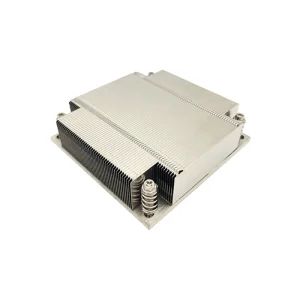
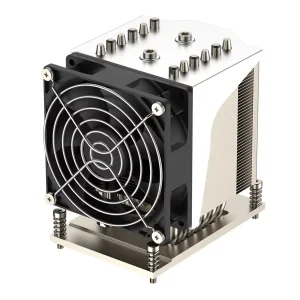
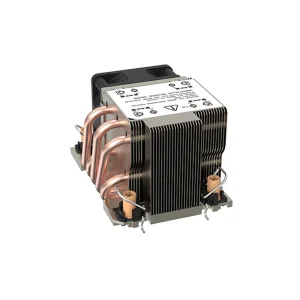
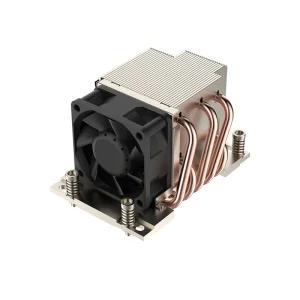
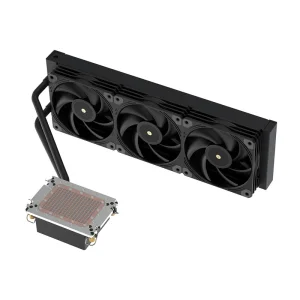
High-precision manufactured thermal components configured for Portugal's expanding high-density computing clusters.
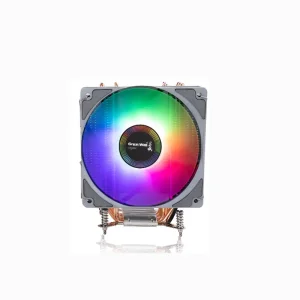
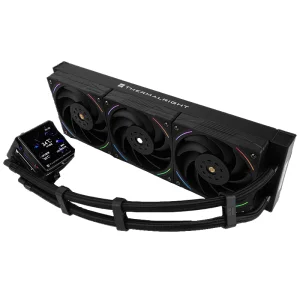
Portugal is experiencing an unprecedented surge in its digital infrastructure sector. Driven by strategic geopolitical positioning, the landing of ultra-high-capacity intercontinental subsea cables (such as the EllaLink connecting Europe to South America), and the construction of monumental green-energy-backed hyperscale datacenters in Sines (Sines 4.0 project) and the Lisbon metropolitan area, Portugal is quickly becoming a primary European data gateway.
However, running high-density compute infrastructure in the Iberian Peninsula presents serious thermal engineering issues. With ambient summer temperatures regularly exceeding 38°C in critical hubs, the reliance on traditional chillers is both environmentally unsustainable and financially punitive. To maintain optimal Power Usage Effectiveness (PUE) ratios below 1.2, Portuguese infrastructure operators must adopt custom, high-efficiency server radiators and heat sinks that optimize heat rejection using localized conduction, high-performance sintered heat pipes, and micro-skived fin profiles.
As a leading supplier of thermal solutions, we develop cooling components designed specifically to withstand high thermal loads in dense 1U, 2U, and 4U chassis configurations. Our architectures ensure continuous operational integrity under continuous high TDP profiles (ranging from 95W to 400W+), minimizing power consumption and preventing localized throttling of server silicon.
Modern processors (Intel Xeon Scalable, AMD EPYC, and GPU accelerators) generate concentrated thermal output requiring precise metallurgy and mechanical assembly. Below is our engineering roadmap for tackling heat management in dense rack mounts.
| Thermal Challenge | Traditional Solution | Velmix Advanced Technology (Portugal Standard) | Direct Efficiency Impact |
|---|---|---|---|
| High TDP Concentrated Heat (300W-400W+) | Standard extruded aluminum blocks with basic thermal grease. | Sintered copper powder heat pipes integrated directly with 3D Vapor Chambers. | Reduces junction temperature (Tj) by up to 14°C, avoiding CPU thermal throttling. |
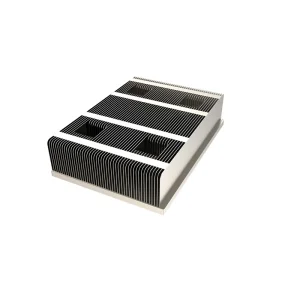
| Space Restrictions (1U/2U Form Factor) | Low-profile air heat sinks with high fan RPM (resulting in excessive noise and high power draw). | Micro-skived fin structures with zipper configurations to optimize airflow paths. | Saves fan energy consumption up to 35% under peak workload. |
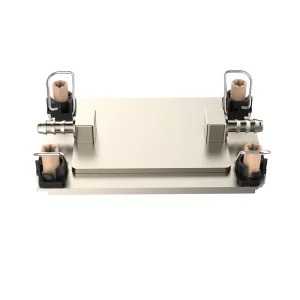
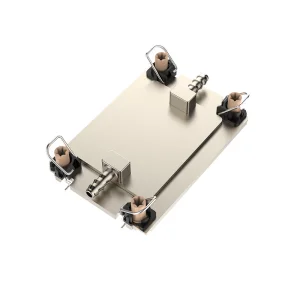
| Extreme Environmental Heat (Iberian Peninsula Summers) | Chilled water systems operating at high pressure. | Liquid-to-Air hybrid blocks combining high-grade C1100 copper micro-channel water blocks. | Ensures server operational reliability even in ambient facilities using free-air cooling designs. |
| Galvanic Corrosion & System Failure | Standard nickel plating with poor anti-oxidation properties. | Precision chemical vapor deposition (CVD) nickel plating & proprietary anti-corrosion barrier. | Extends component lifespan past 8+ years under high-humidity datacenter zones. |
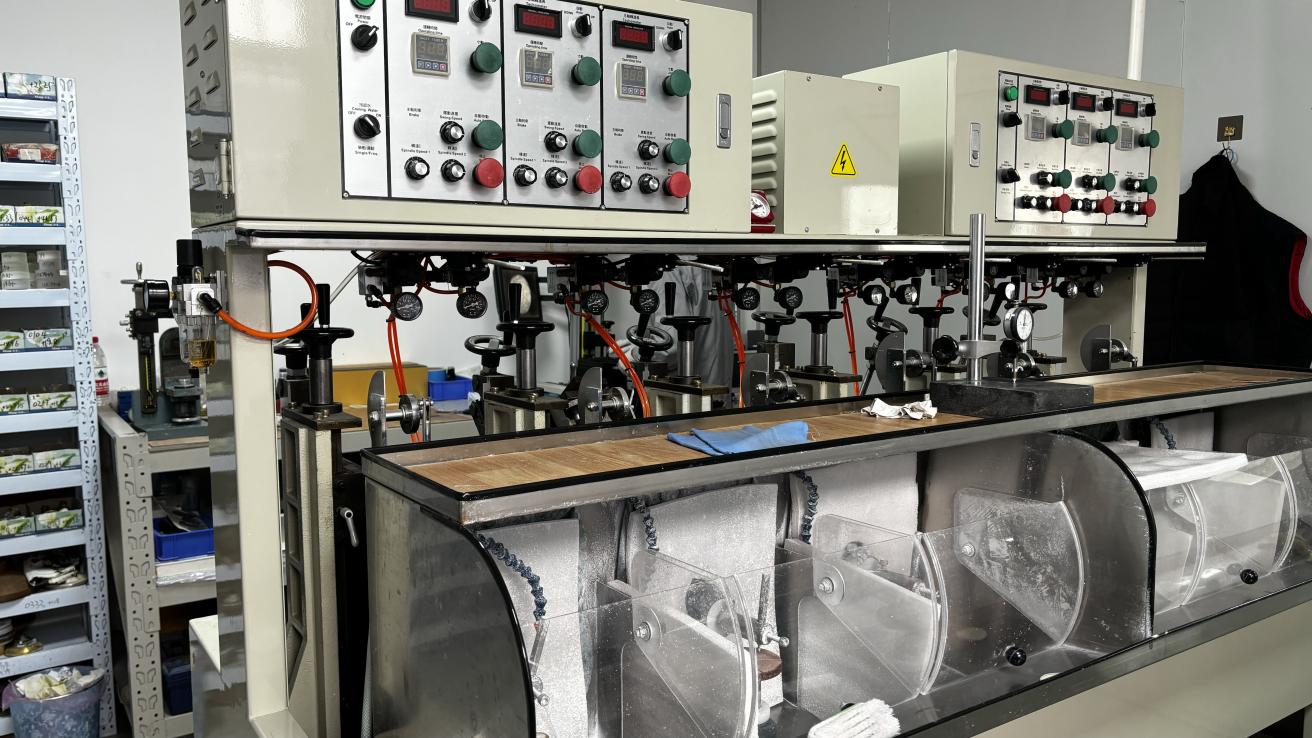
Our production lines leverage advanced skiving technology, shaving thin, high-density fins directly from solid copper or aluminum blocks. Unlike bonded fins, skived fins offer zero thermal resistance at the fin-to-base joint, facilitating instantaneous heat transfer. Furthermore, our sintered powder heat pipes utilize custom working fluids, optimized to undergo rapid phase transitions within vacuum-sealed tubes, ensuring heat is pulled away from the CPU die to the cooling fins in microseconds.
Tailoring server radiator components to fit the distinct industrial, maritime, and computing sectors of Lisbon, Porto, and Sines.
Specifically engineered for dense multi-socket rack servers. Optimized air routing designs maximize heat dissipation in massive server rooms leveraging hot/cold aisle containment.
Seaside and shipping control centers in Porto and Lisbon require robust edge installations. Anti-corrosive, nickel-plated heat sinks protect against salt fog and humidity degradation.
Portugal's solar and wind farm control servers process massive machine learning loads. Our high-TDP 300W-400W heatsinks sustain these heavy local calculations without cooling failure.
1U thin form factor servers housed in outdoor telecom enclosures. Highly engineered copper base units absorb instant heat spikes during high mobile data traffic periods.
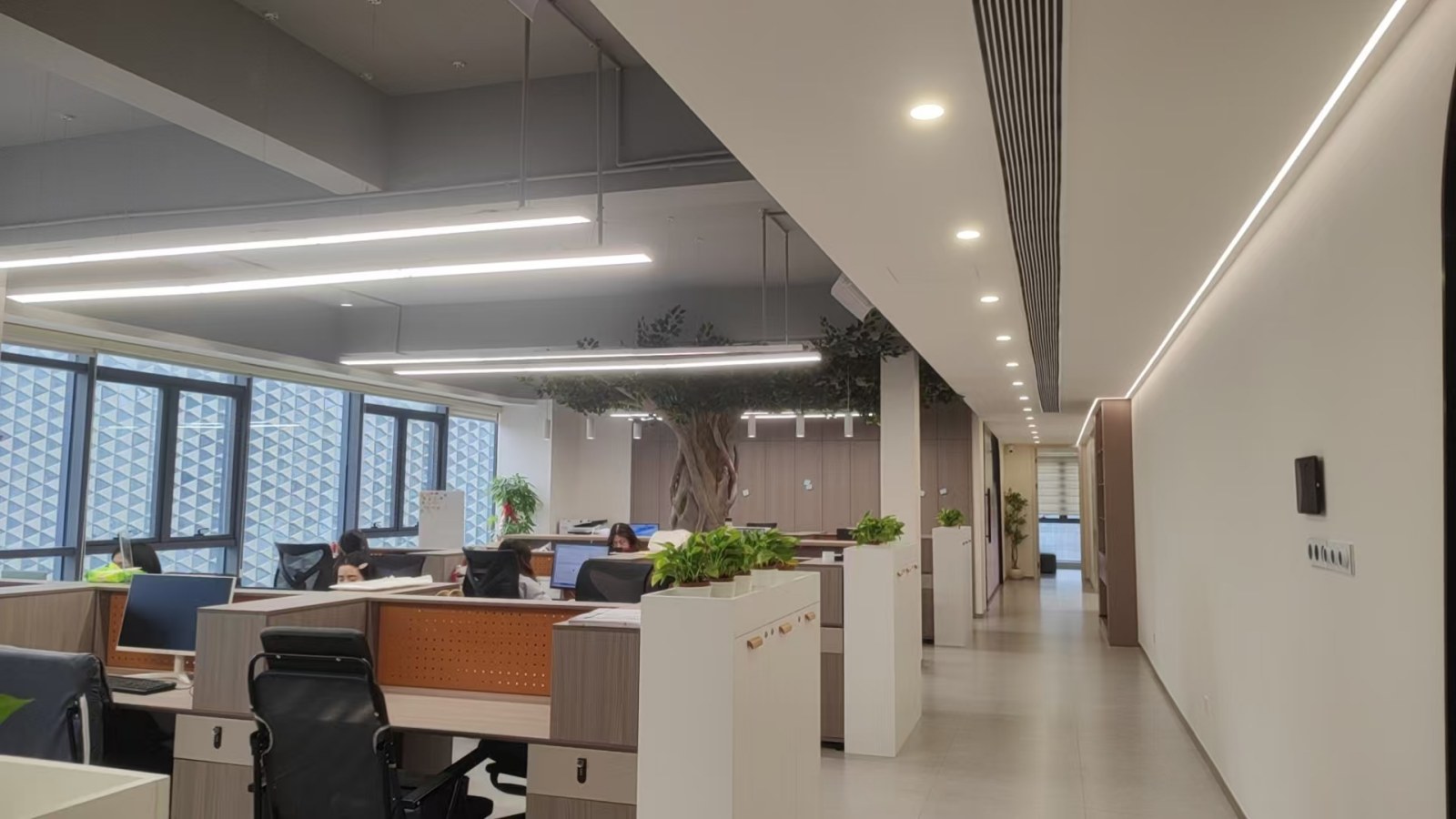
Originally established in 2017, Velmix Technology Co., Ltd. has developed into a premier industrial manufacturer and exporter specializing in high-speed, high-density hardware computing solutions. Driven by our deep core competencies in signal integrity, thermal dissipation interfaces, and heavy workload stability, we supply to system integrators, brand owners, and IT infrastructure distributors across 40 countries, including the European Union market.
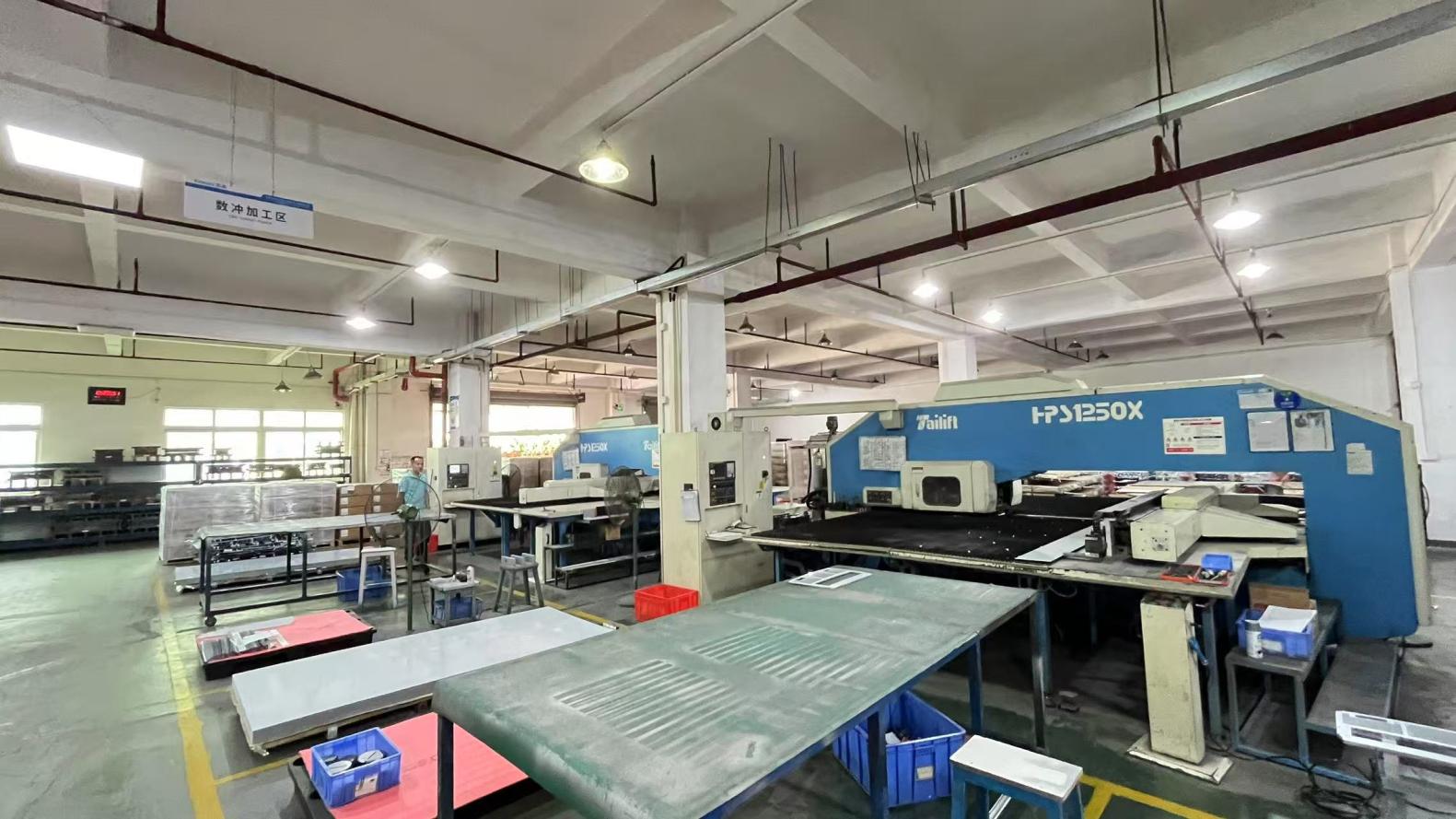
Operating a modernized facility, our thermal and electrical engineering divisions combine advanced manufacturing machinery with rigorous validation procedures to guarantee 100% full-inspection compliance before shipment. In partnership with over 986 supply chain alliances, we ensure consistent raw material sourcing, from high-grade electrolytic copper (C1100) to aerospace-spec AL6063-T5 aluminum, enabling us to launch 138 new models annually for next-generation socket designs like Intel's LGA4677/LGA4189 and AMD's SP6/SP3.
| Corporate Parameter | Technical Capability & QA Detail |
|---|---|
| Quality Control Protocol | 100% Full Inspection before shipping to European distributors. |
| Testing Methodologies | Thermal Simulation, Signal Integrity Test, Burn-in Test, Compatibility Test, Functional Test & Random Sampling. |
| R&D Strength | 84 in-house engineers specializing in independent thermal simulation (CFD), PCB layout design, and mechanical stress modeling. |
| Annual Export Capacity | USD 18.6 Million, with dedicated logistics routes to major Portuguese logistics hubs. |
| Customization Scope | OEM/ODM solutions, customized fin dimensions, heat pipe routing configurations, vapor chamber sizing, and custom mounting brackets. |
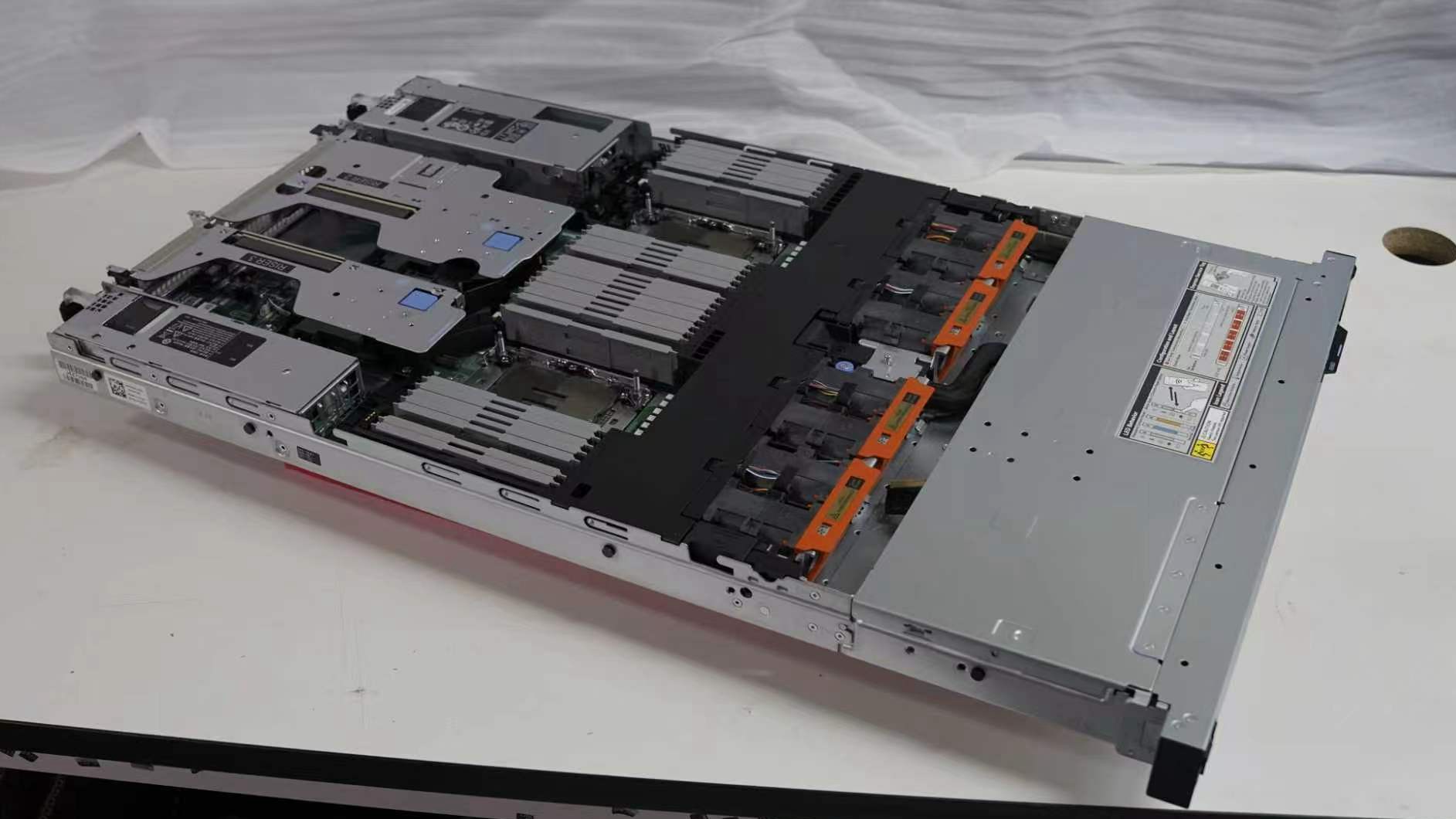
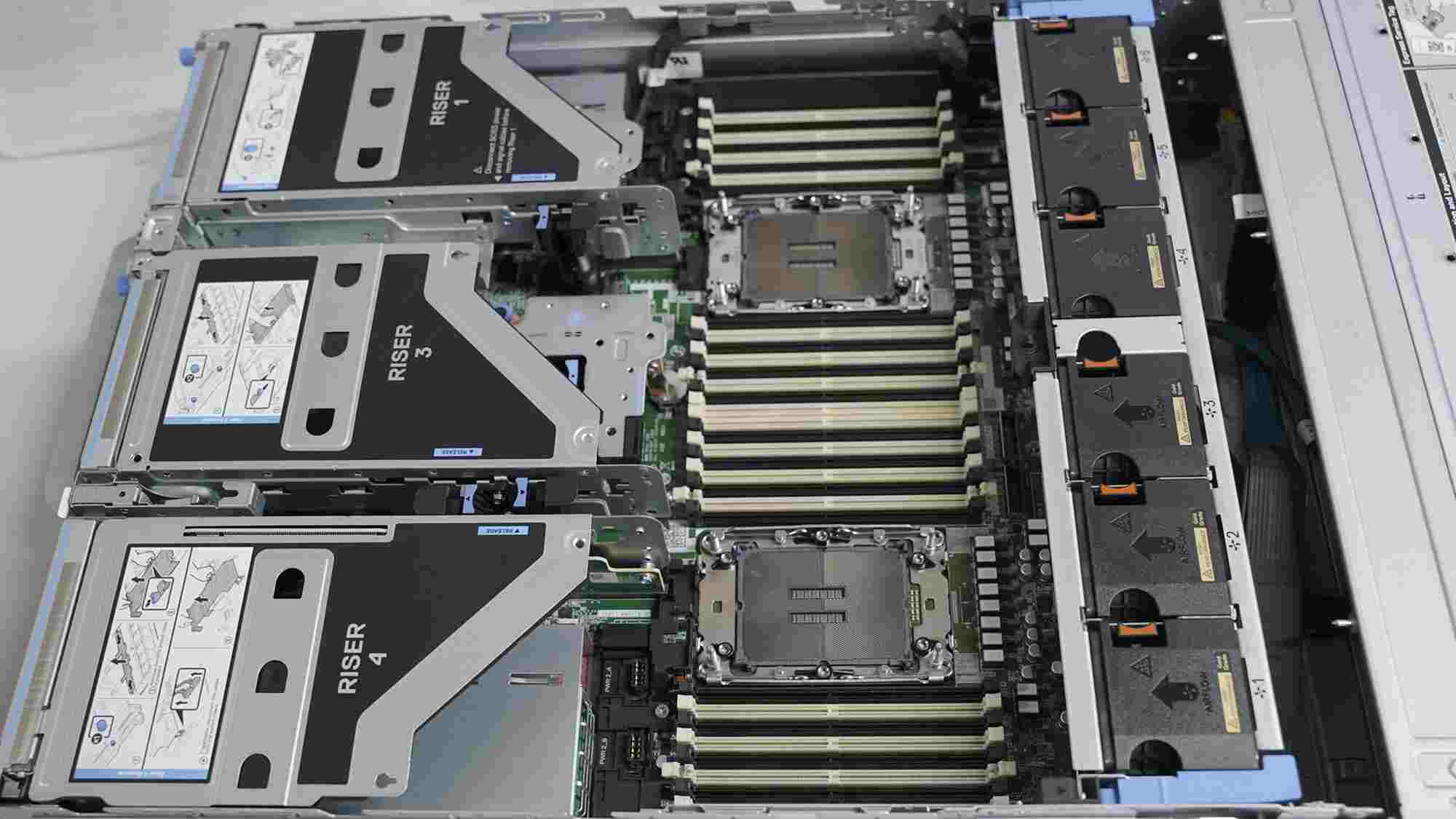
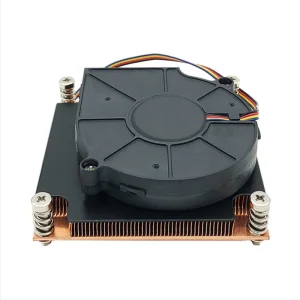
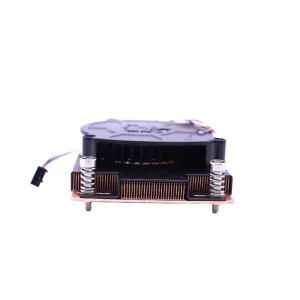
Engineered for extreme performance. Supported sockets include Intel Xeon LGA4677, LGA4189, LGA3647, and AMD EPYC platforms.
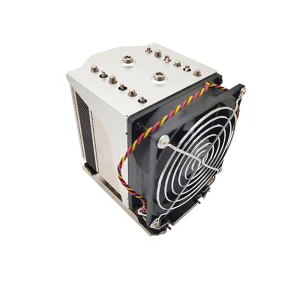
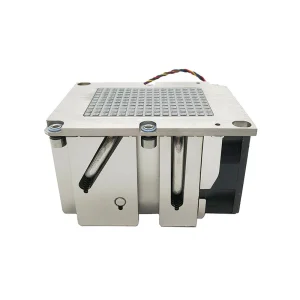
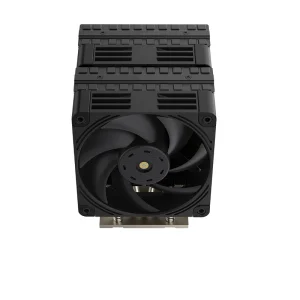
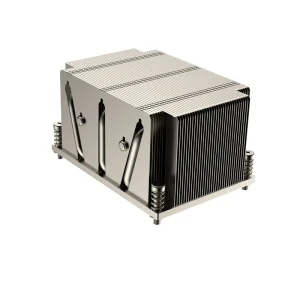
Resolving critical integration queries regarding high-performance server thermal dissipation technologies.
Power Usage Effectiveness (PUE) is heavily dependent on the power consumed by chilling infrastructure. When servers use inefficient, low-density heat sinks, local processor temperatures run hot, requiring server fans to spin at maximum RPMs and building ambient room heat. By implementing advanced sintered copper heat pipe systems and direct-contact vapor chambers, heat is removed from the silicon efficiently. This allows datacenter operators in Lisbon and Porto to utilize warmer inlet water or ambient free-air cooling, reducing chiller draw and keeping PUE ratios near the ideal 1.15 mark.
In standard 1U air-cooling configurations, high thermal density limits stable cooling to about 250W–300W per socket before fan noise and power consumption become unacceptable. For TDP values above 300W (like high-end Intel LGA4677 or AMD SP6 platforms), copper vapor chambers paired with direct-to-chip (D2C) liquid-cooling blocks are recommended. Our liquid-cooling block line supports workloads up to 400W within a compact 1U layout, reducing airflow restrictions.
C1100 copper has a thermal conductivity rating exceeding 390 W/m·K, which is nearly double that of typical aluminum alloys (approx. 200 W/m·K). While aluminum is lighter and more cost-effective for cooling fins, using a solid copper contact base is critical for absorbing fast heat spikes directly from the CPU die. This design prevents localized hotspots on the processor core.
Datacenter sites near coastal regions, such as Sines or Porto, face ambient humidity containing salt spray. To prevent galvanic corrosion at the copper-aluminum interfaces, all of our server radiators undergo a proprietary chemical vapor deposition (CVD) nickel plating process. This protective layer prevents surface oxidation without reducing thermal conductivity.
Yes. Our in-house engineering team uses advanced Computational Fluid Dynamics (CFD) simulation software to model thermal paths based on your chassis airflow and power constraints. We provide tailored modifications for mounting brackets, fin layouts, and custom heat pipe orientations for system builders and OEMs in Portugal and across Europe.
All Velmix thermal solutions conform strictly to European safety and environmental regulations. Our components carry CE, FCC, and RoHS certifications. We also perform rigorous insulation testing, high-stress pressure tests for water blocks, and burn-in chamber evaluations to guarantee failure-free performance over years of continuous use.
Contact our engineering desk today for a detailed assessment. We provide 3D thermal simulations, customized physical samples, and volume pricing configurations tailored to Portuguese infrastructure standards.
 Velmix