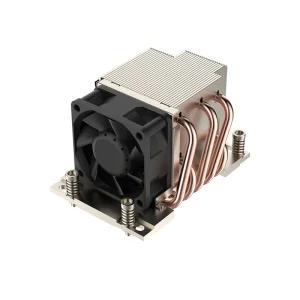
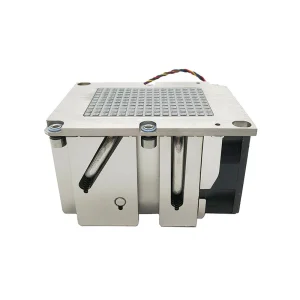
Engineered for continuous heavy loads, high TDP thresholds, and mission-critical server environments. Direct from factory supply chains.
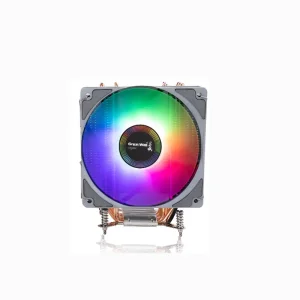
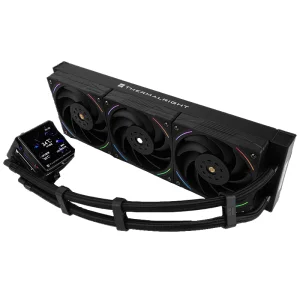
Why Metro Manila is evolving into the digital infrastructure heart of Southeast Asia and driving advanced thermal requirements.
Metro Manila, the vibrant economic capital of the Philippines, has emerged as a premier tier-2 data center market in the Asia-Pacific region. As hyper-scalers (including Amazon Web Services, Microsoft Azure, Google Cloud, and Alibaba Cloud) expand their regional footprints, and local telecom giants construct massive hyperscale server facilities, the demand for enterprise computing power has grown exponentially. However, operating state-of-the-art server infrastructure in a tropical maritime climate presents severe, non-negotiable thermodynamic challenges.
In Manila, where ambient temperatures regularly exceed 35°C alongside persistent high humidity, standard server cooling methodologies fail to deliver optimal Power Usage Effectiveness (PUE). Consequently, modern data centers require high-precision server radiators, advanced liquid cooling cold plates, and high-TDP rated heat sinks designed specifically to withstand regional climate extremes while maintaining zero hardware throttling. This necessity has established Manila as a critical hub for the procurement, deployment, and customization of industrial-grade server heat sinks and liquid blocks.
Designed to deliver maximum heat transfer coefficients even in high-humidity ambient environments typical of Southeast Asia, preventing thermal runaway.
By maximizing the heat-dissipation surface area using pure copper fins, our designs reduce reliance on high-draw server fans, lowering overall system energy footprint.
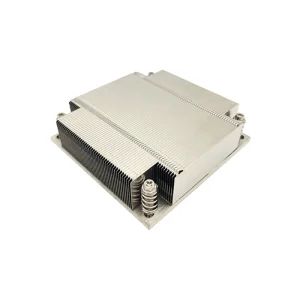
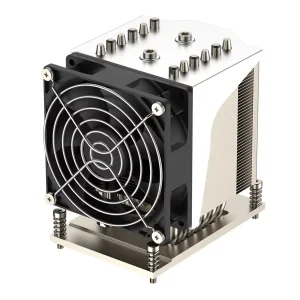
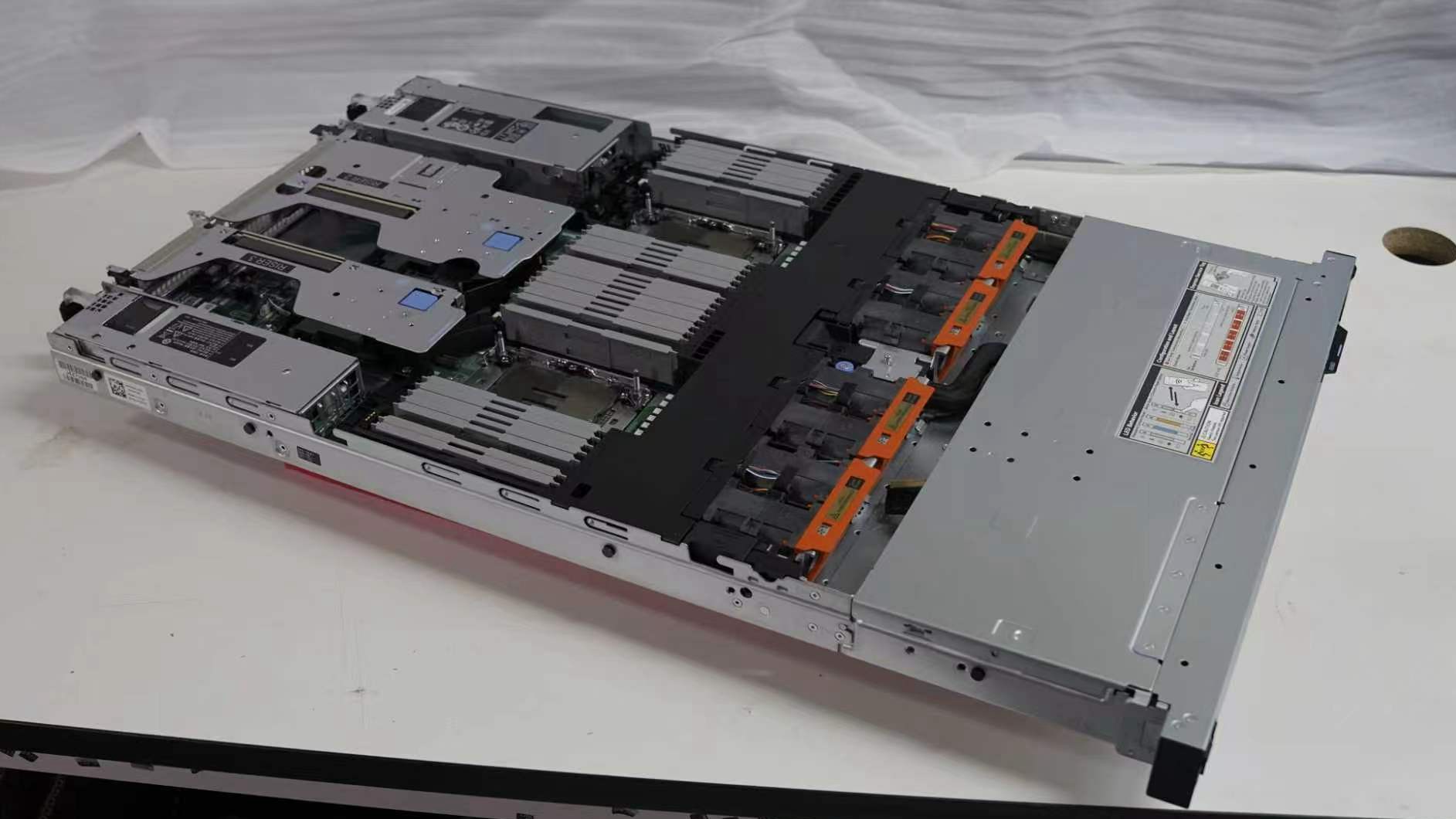
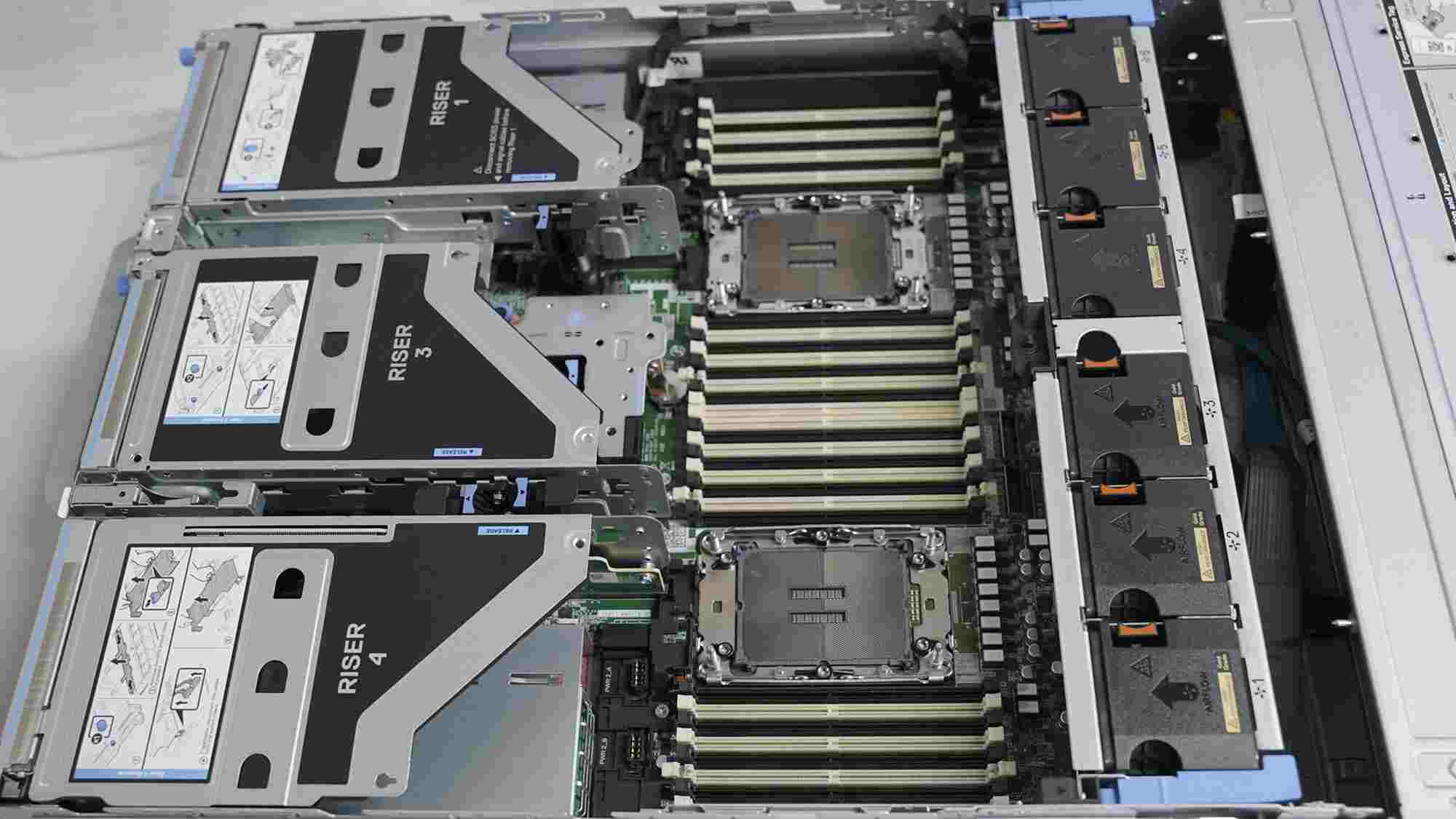
Tailored solutions matching standard 1U, 2U, 4U rackmount architectures for AMD EPYC, Intel Xeon, and customized ARM-based server blades.
Years Industry Experience
Cooling TDP Capacity
Signal & Heat Chamber Tested
Countries Exported Globally
Integrating ultra-fast computing components with high-performance thermal architecture to build the future of AI computing infrastructure.
Velmix Technology Co., Ltd. is a professional DDR5 memory manufacturer based in Shenzhen, China, specializing in the research, development, production, and global distribution of high-performance DRAM memory solutions. Since its establishment in 2017, Velmix has been committed to delivering reliable, high-speed memory products for consumer electronics, industrial applications, gaming systems, servers, and embedded computing.
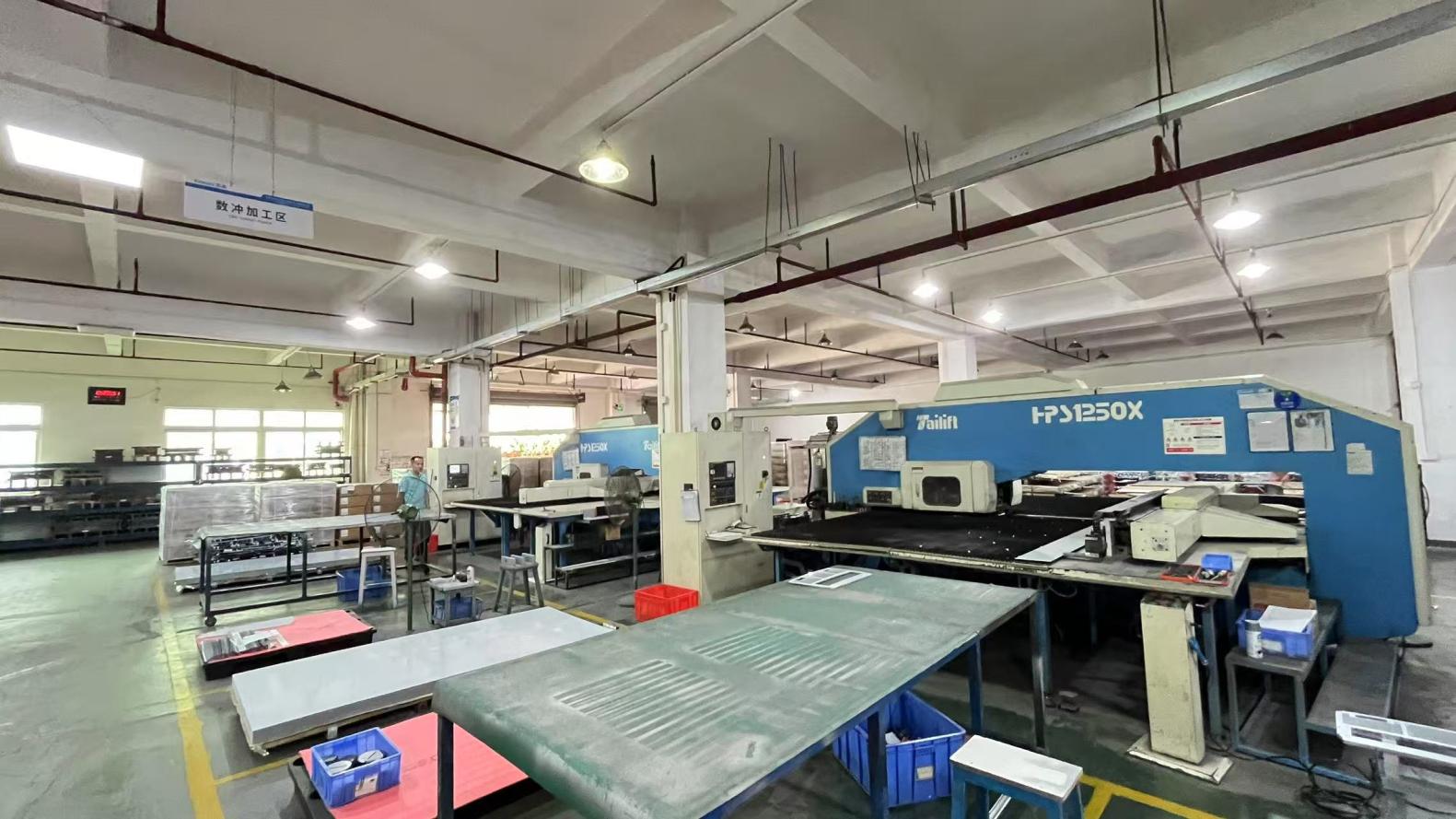
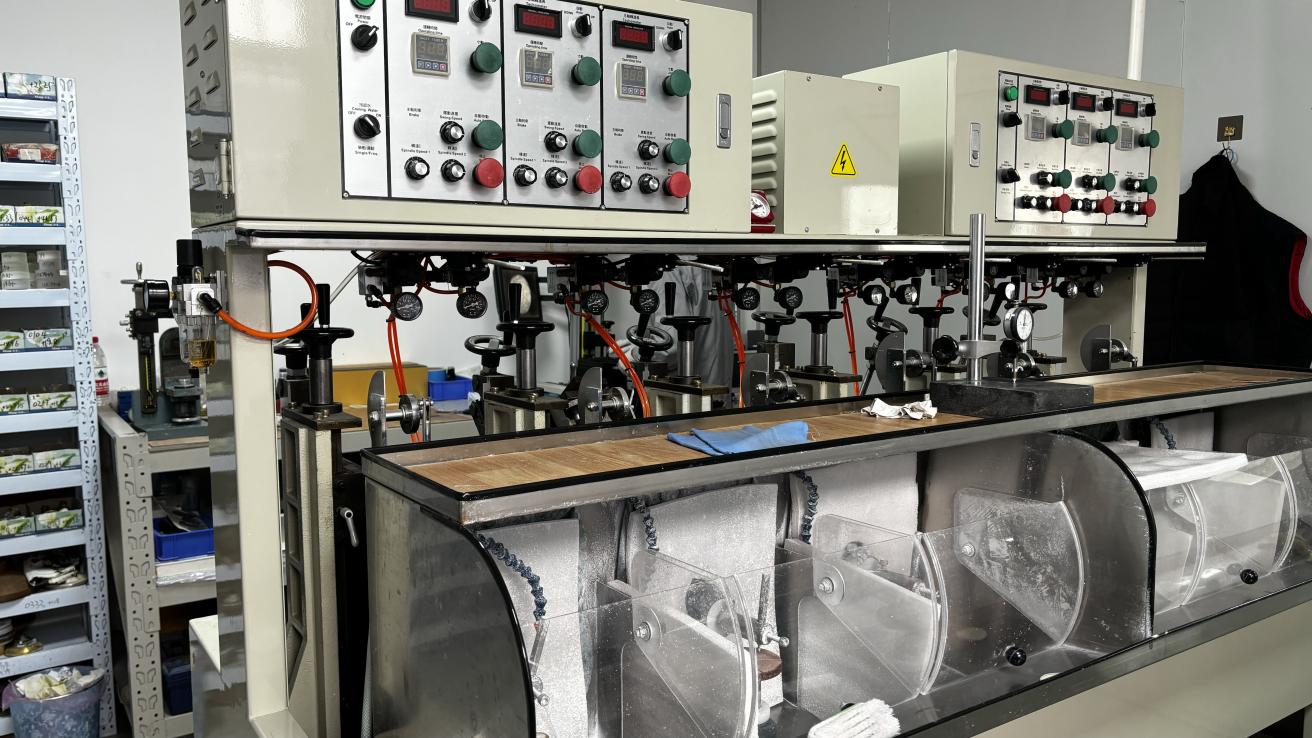
Operating from a modern manufacturing facility covering 368㎡, we combine advanced production technologies with strict quality management to ensure every memory module meets international performance and reliability standards. Our experienced engineering team continuously develops innovative DDR5 memory solutions to meet the evolving demands of AI computing, edge devices, cloud infrastructure, and next-generation computing platforms.
Today, Velmix serves customers in more than 40 countries and regions, offering flexible OEM and ODM manufacturing services for global brands, distributors, system integrators, and industrial equipment manufacturers. By focusing on product consistency, fast delivery, and technical innovation, we have built long-term partnerships across Europe, North America, Southeast Asia, and the Middle East. Driven by innovation, precision manufacturing, and customer-oriented service, Velmix continues to expand its portfolio of DDR5 memory products while helping global partners build faster, more reliable, and more efficient computing systems. We are dedicated to becoming a trusted long-term supplier of premium memory solutions for customers worldwide.
| Item | Information |
|---|---|
| Company Name | Velmix Technology Co., Ltd. |
| Established | 2017 |
| Facility Area | 368㎡ |
| Annual Export Revenue | USD 18.6 Million |
| Export Experience | 8 Years |
| Industry Experience | 15 Years |
| Quality Control | 100% Full Inspection Before Shipment |
| Product Inspection Methods | Signal Integrity Test, Burn-in Test, Compatibility Test, Functional Test & Random Sampling |
| QC Staff | 56 Employees |
| Business Type | Manufacturer & Exporter |
| Main Markets | North America, Europe, Southeast Asia, Middle East & South America |
| Supply Chain Partners | 986+ |
| Main Customer Types | Brand Owners, OEM Manufacturers, System Integrators, Distributors & Wholesalers |
| R&D Capability | Independent Product Design, PCB Development & Firmware Optimization |
| Customization Options | OEM, ODM, Private Label, Customized Capacity, Heat Spreader, PCB Color & Packaging |
| New Products Launched Last Year | 138 Models |
| R&D Engineers | 84 Engineers |
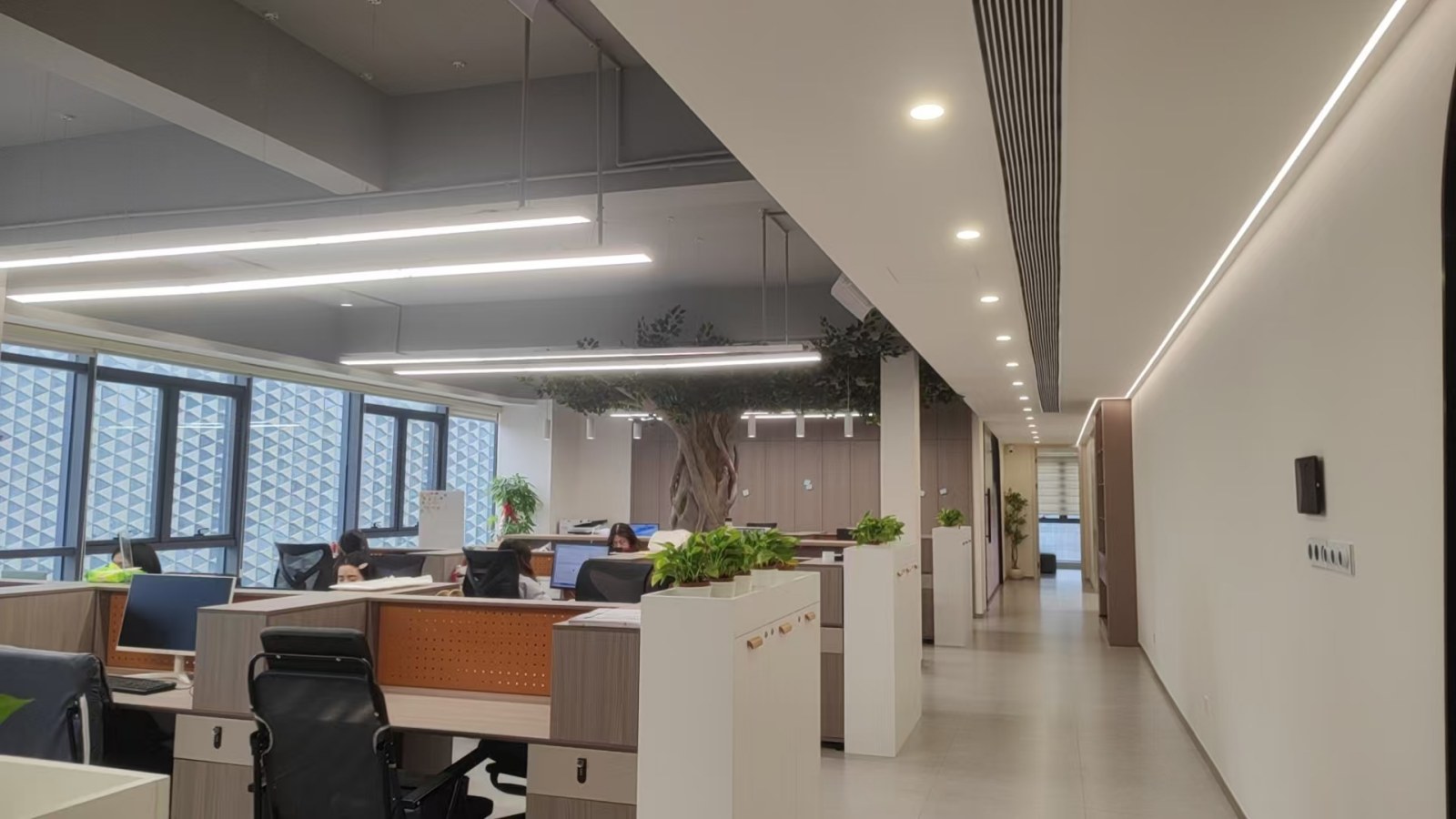
Navigating thermal dynamics from standard enterprise server racks to high-density AI clusters.
As server architectures transition from DDR4 to high-frequency DDR5, and CPU power levels climb beyond 300W and up to 500W+ TDP (Thermal Design Power), old-style passive aluminum heatsinks are no longer viable. Thermal engineering now dictates complex designs utilizing sintered heat pipes, vapor chambers (VC), and active micro-channel liquid cold blocks. The Manila server radiator landscape supports two primary technological paths:
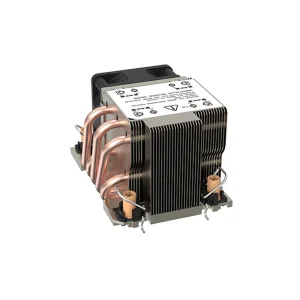
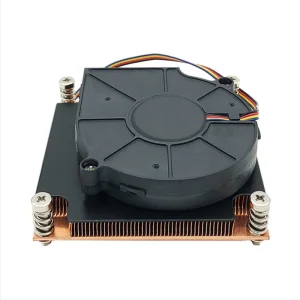
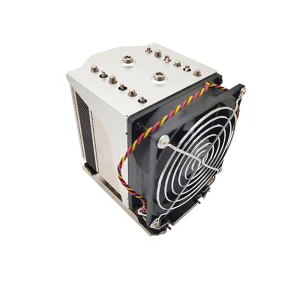
For standard 1U and 2U rackmount installations, optimization relies on maximizing surface area and utilizing high-conductivity copper bases. Sintered copper heat pipes filled with specialized working fluids transport heat away from CPU dies directly to thin-fin arrays, where rapid airflow removes it. Our systems implement custom stacked-fin alignments to guarantee low pressure drop and minimize fan power draws.
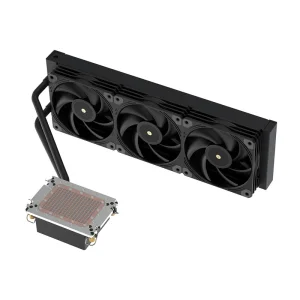
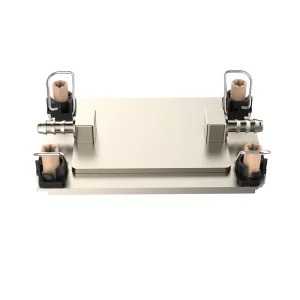
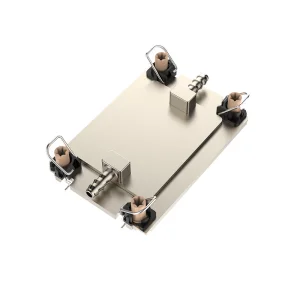
To support high-compute GPU nodes and AI workloads, direct-to-chip liquid cooling represents the modern standard. Micro-channels directly machined into copper blocks optimize the fluid-to-surface heat exchange. Utilizing custom manifolds, Manila enterprise customers can achieve near-silent operations with CPU and memory module temperatures staying well within safety zones, keeping PUE at historically low levels.
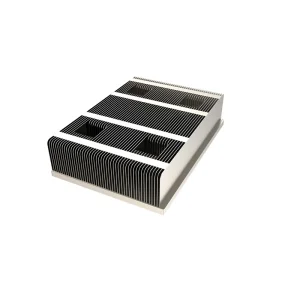
Designed for AMD SP3/SP6 sockets and Intel Scalable architectures. High thermal dissipation capacity configurations.
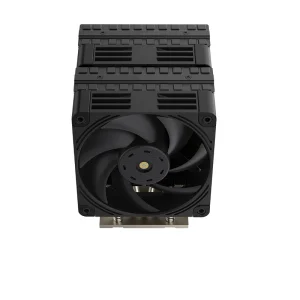
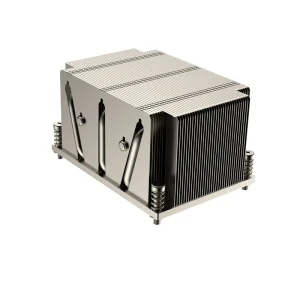
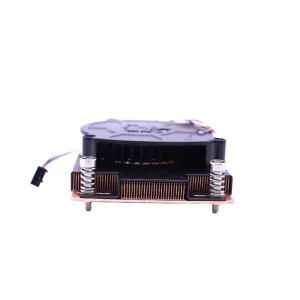
Navigating the complexity of export controls, quality management, and localization in the Philippines.
Procuring server thermal equipment at a global scale requires complete transparency and strict compliance with international standards. Server downtime can cost enterprise systems millions of dollars per minute. Therefore, all our production batches undergo rigorous quality gates including signal integrity tests, helium leak tests (for liquid blocks), environmental temperature-swing testing, and dimensional verification before delivery to Manila or global ports.
As a leading exporter, our logistics operations are integrated with the port of Manila and major global freight forwarders, ensuring smooth customs processing and rapid supply chain responses. Whether supplying standard 2U copper heat sinks or complex custom liquid cooling plates, we maintain certification compliance under CE, FCC, RoHS, and local electrical and thermal safety parameters.
Get professional technical insights on server cooling dynamics, custom design configurations, and regional logistics.
Copper features a thermal conductivity of approximately 401 W/mK, whereas aluminum provides around 205 W/mK. For high-TDP processor sockets (such as LGA4677 or LGA4189), copper transfers heat rapidly away from the silicon die. Aluminum is then utilized in the fins to optimize weight and facilitate airflow-based dissipation, offering an optimal performance-to-weight ratio.
We provide full design customization including vapor chamber sizing, heat pipe count, baseplate thickness, custom mounting brackets for non-standard sockets, custom-designed water blocks with personalized micro-channel geometries, and localized packaging for commercial redistribution.
High humidity accelerates oxidation in bare aluminum and copper interfaces. To counter this, all our server radiators and copper fins undergo surface treatments such as nickel plating or anti-oxidation coatings, guaranteeing persistent thermal conductivity over long deployment cycles.
Complete range of 1U, 2U, and 4U liquid and air-cooled solutions optimized for next-generation data architecture.
 Velmix