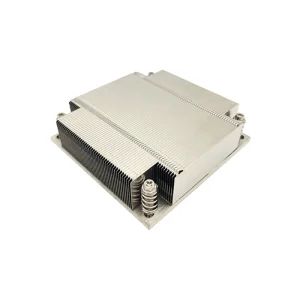
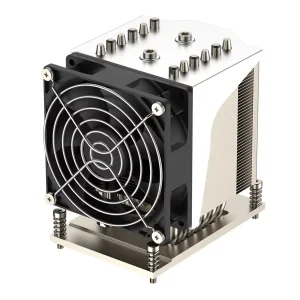
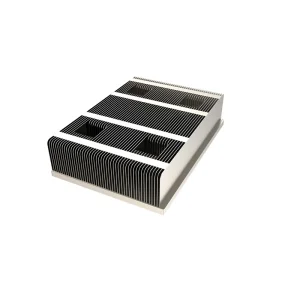
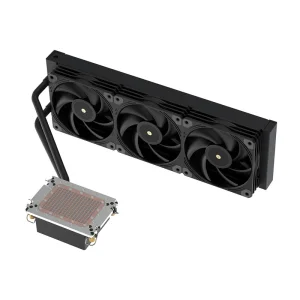
Engineered for immediate thermal balancing in high-density rack configurations. These modules support complex multi-socket deployments across NZ research and corporate clusters.
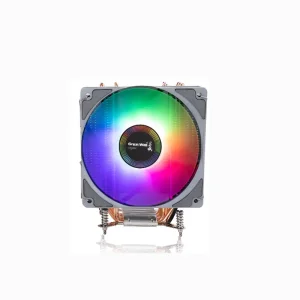
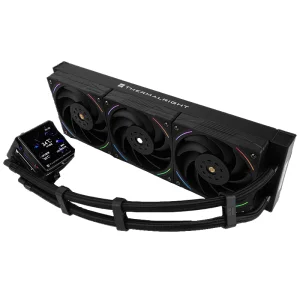
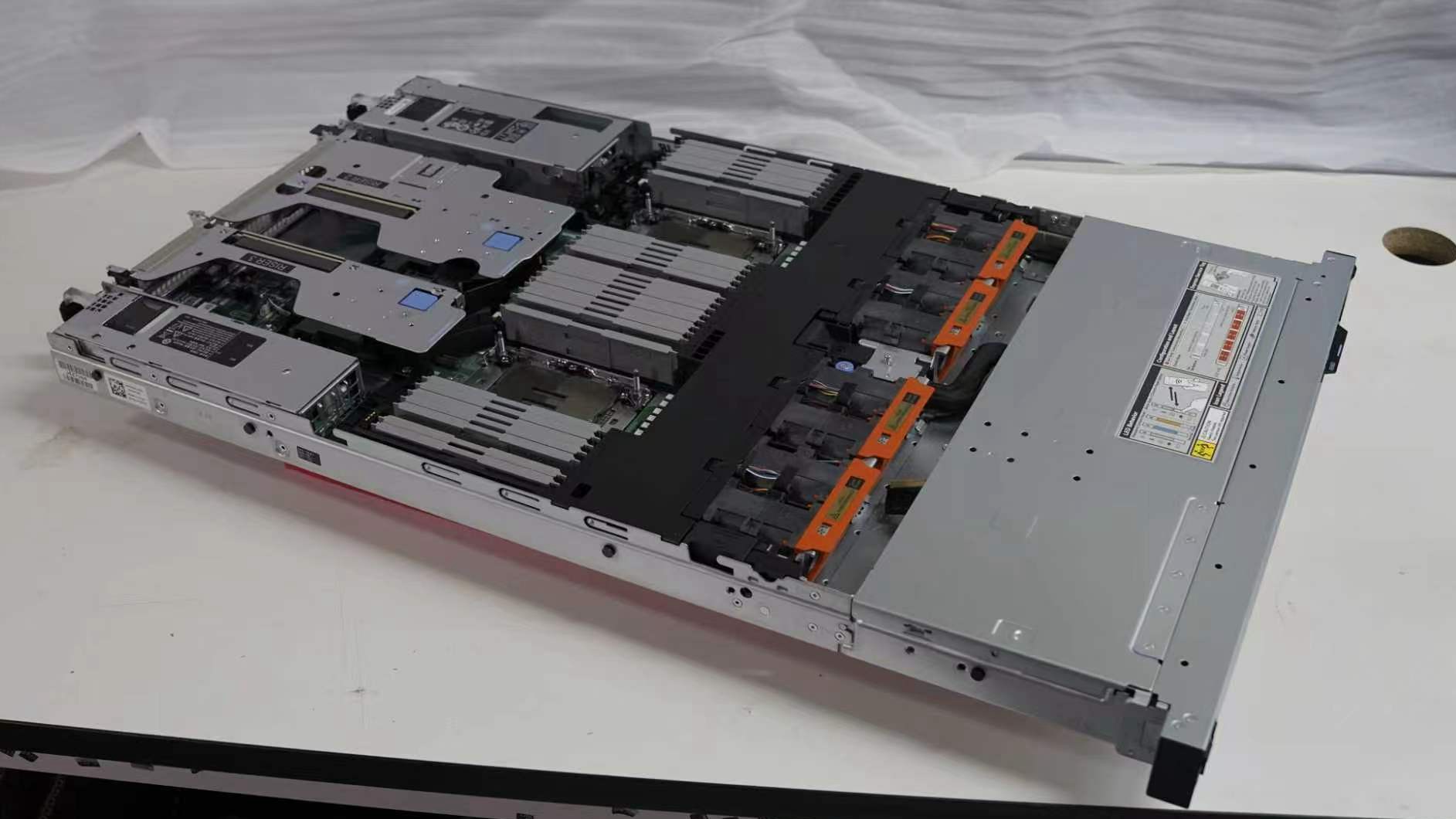
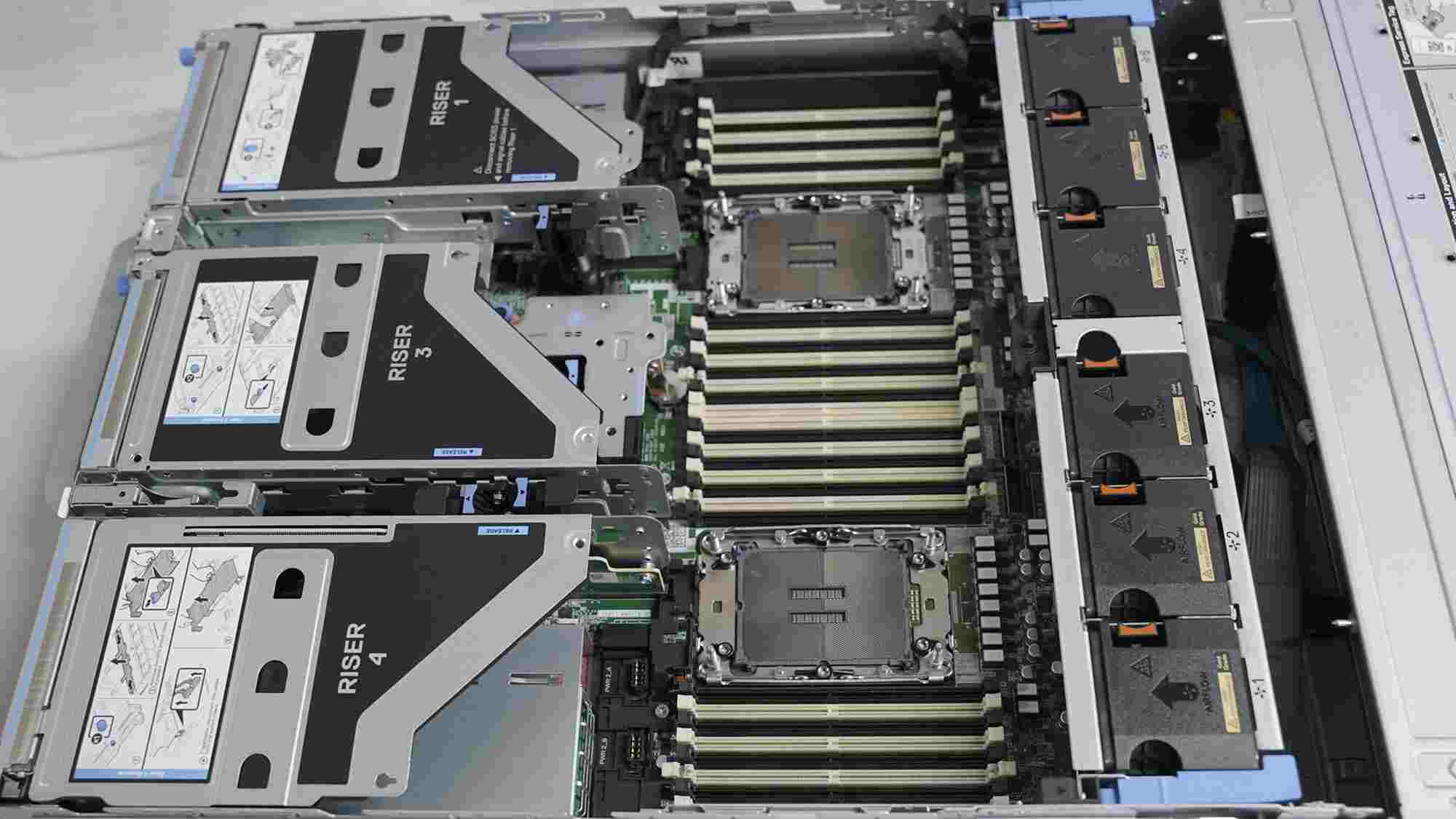
New Zealand's commercial landscape is undergoing a rapid, multi-billion dollar digital transformation. The establishment of localized hyperscale availability zones in Auckland—driven by major tech giants and domestic telecommunication hubs—has generated massive demand for efficient hardware configurations. Standard compute systems rely heavily on precision-engineered thermal designs to cope with the challenges of modern high-density processors (such as the AMD EPYC™ Genoa and 4th/5th Gen Intel® Xeon® Scalable processors) which frequently exceed thermal design powers (TDP) of 350W to 400W per socket.
While New Zealand's cool maritime climate offers natural opportunities for ambient-air free cooling, the localized humidity and coastal salt-spray profile demand advanced plating materials (such as high-grade nickel and specialized copper alloys). These ensure long-term structural integrity and prevent micro-galvanic corrosion within the heat sinks.
On the global stage, server radiator manufacturing is transitioning toward hybrid air-to-liquid solutions. Driven by AI, machine learning, and deep neural networks, graphic processing units (GPUs) require specialized liquid cold plates and dense copper radiator fin matrices.
As a reliable exporter, we bridge the gap between heavy-duty manufacturing and localized New Zealand implementation, ensuring strict compliance with CE, FCC, and RoHS standards. Our global logistics network minimizes Lead Times, enabling datacenters in Auckland, Wellington, and Christchurch to scale rapidly without hardware delivery bottlenecking.
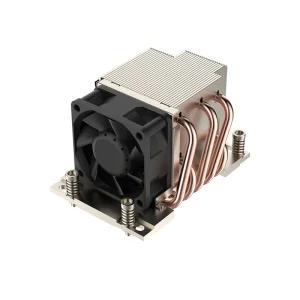
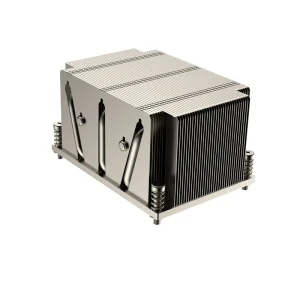
In high-density server chassis (1U and 2U configurations), the thermal resistance boundary between the CPU die and the air stream ($R_{jc}$) is minimized using oxygen-free high-conductivity copper (OFHC) bases. Our factory uses CNC-precision skiving technologies to create monolithic fin arrays. This eliminates the thermal interface resistance found in soldered or glued fins, providing maximum thermal transfer efficiency.
Custom engineered liquid-to-air heat exchangers and heavy-duty active cooling components for modern multi-threaded architectures.
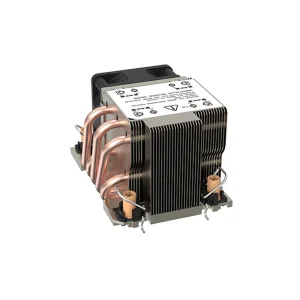
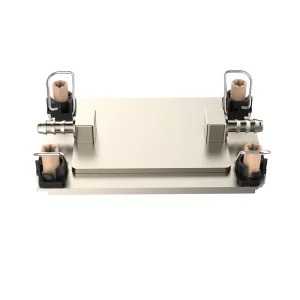
How our high-efficiency thermal cooling systems are deployed across various industries in New Zealand.
With strict Power Usage Effectiveness (PUE) target metrics set by regional planners in Auckland, datacenters use our passive copper radiators to optimize air pathways, reducing fan energy drawing while maintaining optimal operating junction temperatures.
New Zealand's pioneering agricultural automation relies on local edge computing units installed near farms. Our compact 1U and 2U server radiators operate in dust-resistant, sealed edge enclosures with high heat-dissipation stability.
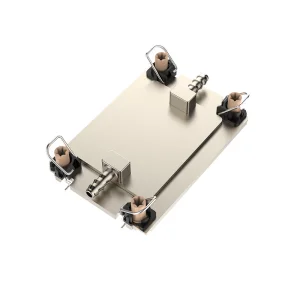
Academic cluster supercomputers require custom thermal blocks for processors exceeding 400W TDP. Our liquid water blocks allow seamless deployment of multi-node liquid cooling solutions in delicate scientific research facilities.
Thermal constraints are the primary bottleneck for next-gen silicon compute. Here is how our engineering pipeline addresses these challenges:
Traditional solid copper bases are being replaced by ultra-thin vapor chambers filled with working fluid. Under vacuum conditions, the fluid vaporizes directly above the hot silicon core, dispersing heat across the chamber base with a thermal conductivity coefficient that exceeds copper by up to ten times. This technology will be standard in all our 2U-4U configurations.
As chip designs transition to multi-die architectures (chiplets), concentrated hot spots occur. Our liquid cold plates feature targeted micro-channel designs (channels down to 0.1mm width) to route cold water directly over the high-heat areas, ensuring minimal thermal throttling during sustained peak workloads.
Velmix Technology Co., Ltd. — Seamless High-Frequency System Integration.
Velmix Technology Co., Ltd. is a professional DDR5 memory manufacturer based in Shenzhen, China, specializing in the research, development, production, and global distribution of high-performance DRAM memory solutions. Since its establishment in 2017, Velmix has been committed to delivering reliable, high-speed memory products for consumer electronics, industrial applications, gaming systems, servers, and embedded computing.
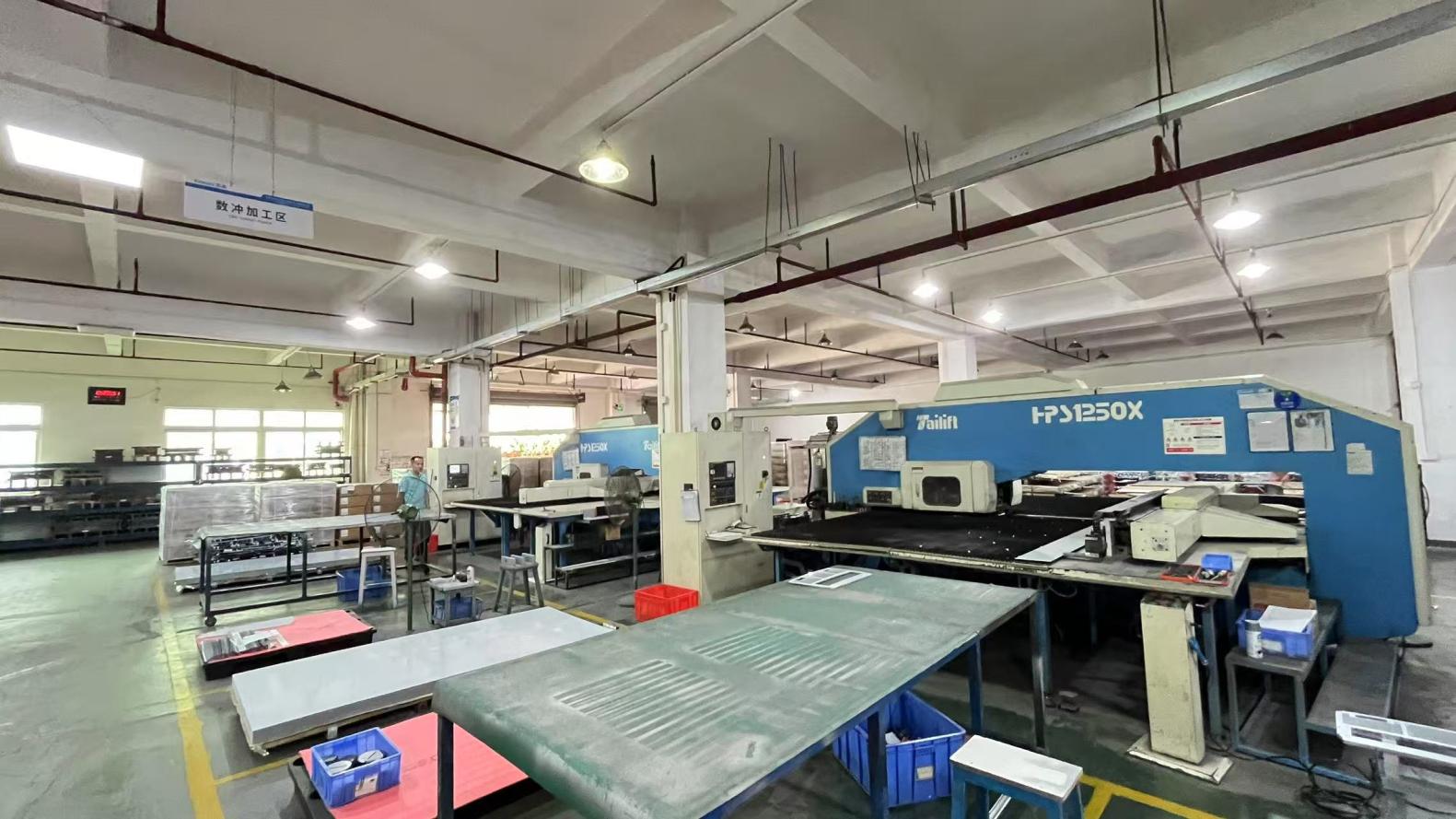
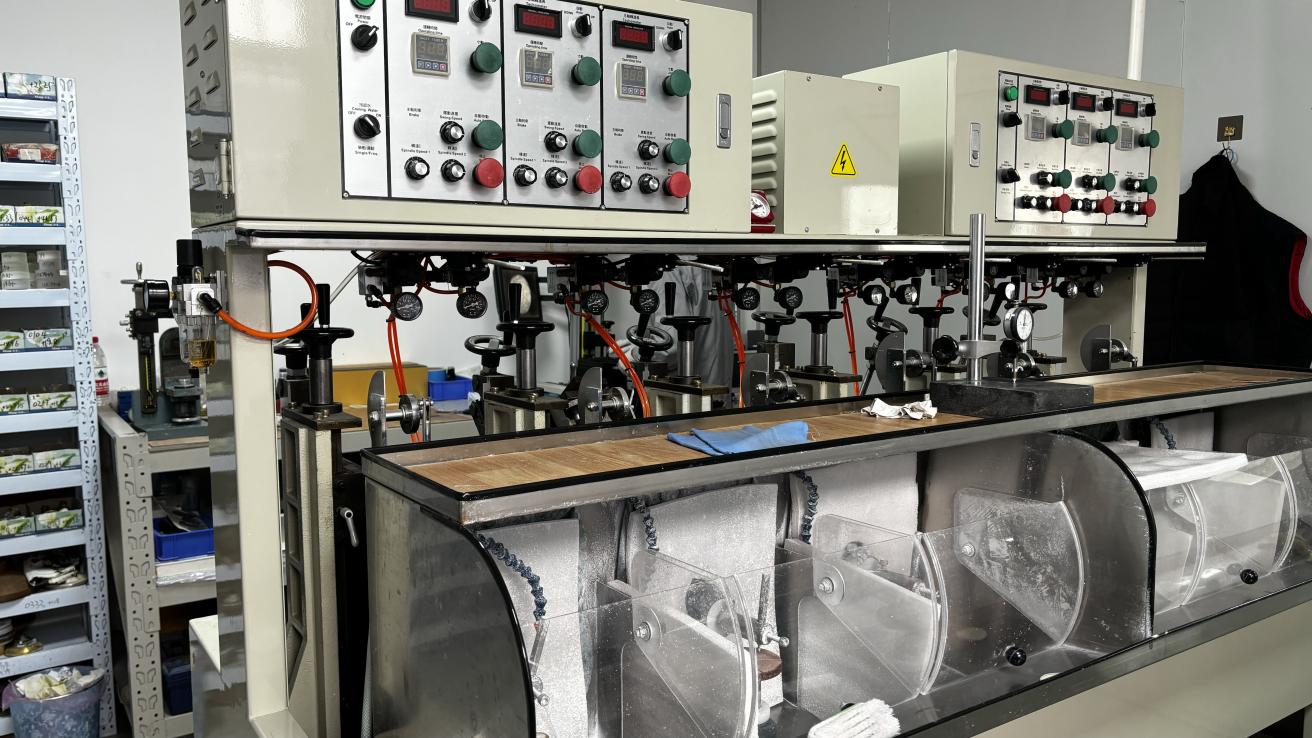
Operating from a modern manufacturing facility covering 368㎡, we combine advanced production technologies with strict quality management to ensure every memory module meets international performance and reliability standards. Our experienced engineering team continuously develops innovative DDR5 memory solutions to meet the evolving demands of AI computing, edge devices, cloud infrastructure, and next-generation computing platforms.
Today, Velmix serves customers in more than 40 countries and regions, offering flexible OEM and ODM manufacturing services for global brands, distributors, system integrators, and industrial equipment manufacturers. By focusing on product consistency, fast delivery, and technical innovation, we have built long-term partnerships across Europe, North America, Southeast Asia, and the Middle East.
| Item | Information |
|---|---|
| Company Name | Velmix Technology Co., Ltd. |
| Established | 2017 |
| Facility Area | 368㎡ |
| Annual Export Revenue | USD 18.6 Million |
| Export Experience | 8 Years |
| Industry Experience | 15 Years |
| Quality Control | 100% Full Inspection Before Shipment |
| Product Inspection Methods | Signal Integrity Test, Burn-in Test, Compatibility Test, Functional Test & Random Sampling |
| QC Staff | 56 Employees |
| Business Type | Manufacturer & Exporter |
| Main Markets | North America, Europe, Southeast Asia, Middle East & South America |
| Supply Chain Partners | 986+ |
| Main Customer Types | Brand Owners, OEM Manufacturers, System Integrators, Distributors & Wholesalers |
| R&D Capability | Independent Product Design, PCB Development & Firmware Optimization |
| Customization Options | OEM, ODM, Private Label, Customized Capacity, Heat Spreader, PCB Color & Packaging |
| New Products Launched Last Year | 138 Models |
| R&D Engineers | 84 Engineers |
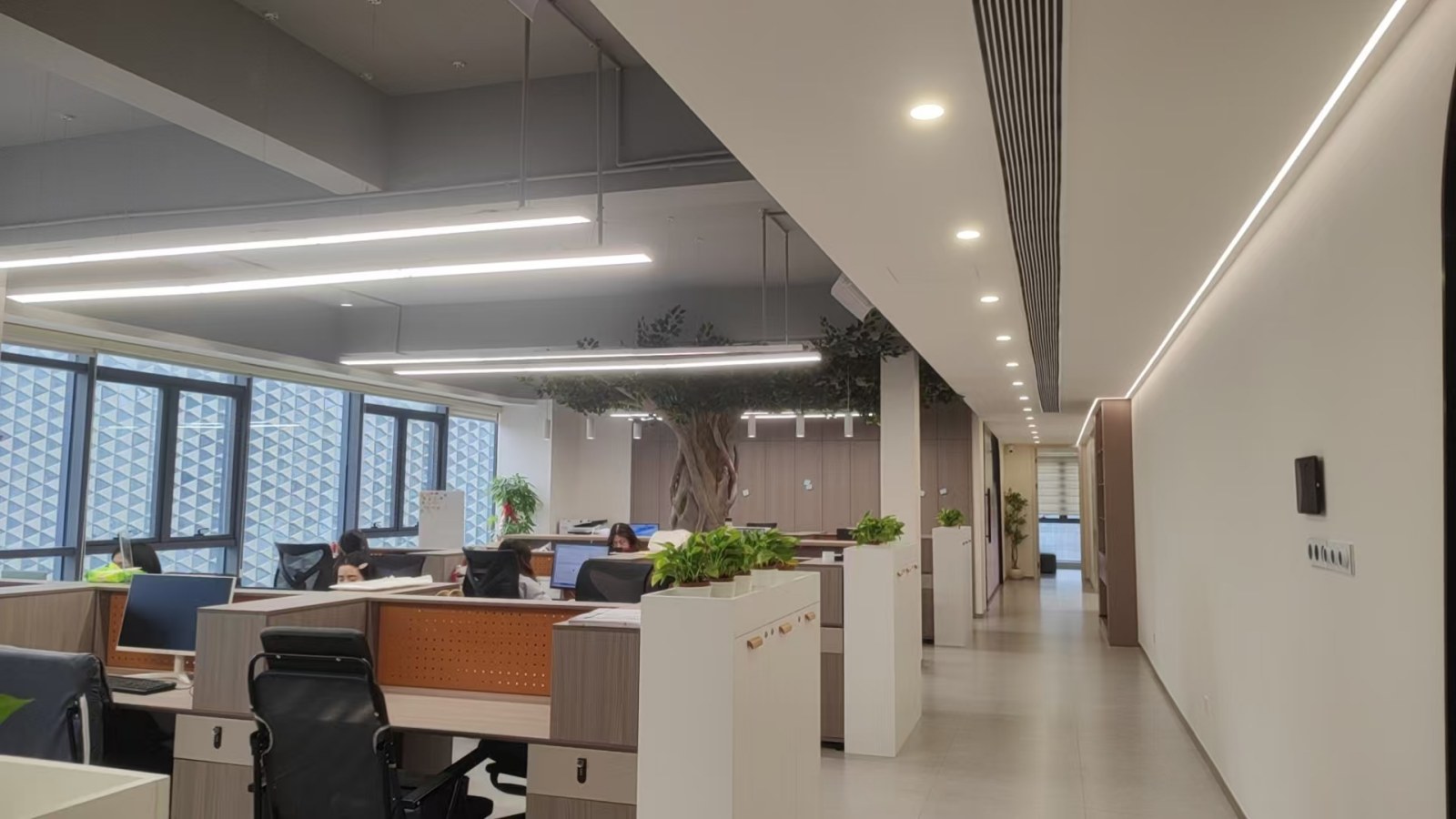
Driven by innovation, precision manufacturing, and customer-oriented service, Velmix continues to expand its portfolio of DDR5 memory products while helping global partners build faster, more reliable, and more efficient computing systems. We are dedicated to becoming a trusted long-term supplier of premium memory solutions for customers worldwide.
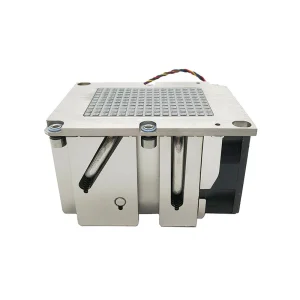
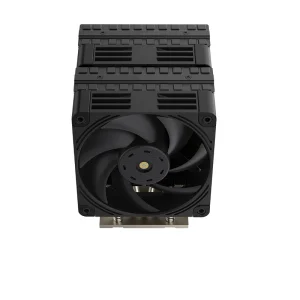
Full collection of copper/aluminum hybrid air radiators and active cooler fans designed for LGA platforms, SP3, SP6 and general server architectures.
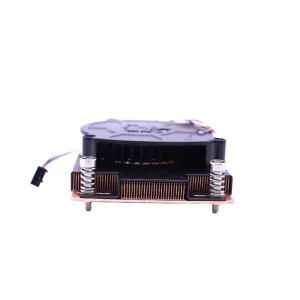
Answering standard technical, commercial, and operational queries for engineering teams sourcing radiators in New Zealand.
New Zealand's coastal environments pose risk factors due to airborne salinity and relative humidity. In free-air cooled datacenters, standard bare copper runs the risk of surface oxidation, which degrades thermal conductivity over time. We address this by using high-density nickel plating on our copper and aluminum components. Nickel electroplating acts as a robust barrier against galvanic corrosion while keeping interfacial thermal resistance minimal.
A solid copper heat sink spreads heat via conduction, which has a finite speed and creates a localized hotspot directly above the CPU. Vapor Chamber radiators introduce a phase-change cycle: liquid inside the vacuum chamber evaporates when heated by the CPU core, immediately spreading to all corners of the chamber, where it condenses back to liquid. This creates an isothermal distribution across the entire surface of the radiator fins, increasing overall cooling efficiency by up to 30% in space-constrained 1U/2U configurations.
Yes. Backed by our facility containing 84 R&D engineers, we specialize in customizing dimensions, fin pitches, pipe layouts, and mounting brackets for LGA4677, LGA4189, SP3, SP6, and upcoming socket footprints. We supply detailed CAD models and Thermal Simulation Reports (CFD analysis) before manufacturing begins to ensure perfect alignment with your chassis flow mechanics.
By operating as a memory manufacturer and thermal component exporter, Velmix provides pre-validated modular configurations. Memory heat dissipation is directly affected by surrounding CPU exhaust heat. Our design team models the CPU radiator airflow in conjunction with DDR5 memory modules to ensure that memory ICs do not exceed their maximum operating junction temperatures ($T_j$), preventing memory cycle degradation.
Every production batch undergoes a rigorous verification cycle: Helium Leak Testing for liquid blocks, Thermal Cycle Resistance Testing (simulating continuous thermal fluctuation between -40°C and 125°C), Salt Spray Testing to verify anti-corrosion surface treatments, and mechanical pressure testing to ensure robust mounting force without silicon stress fractures.
 Velmix