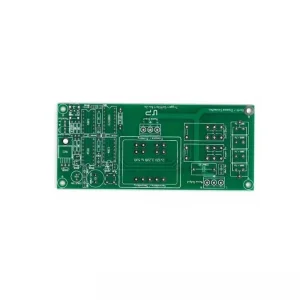
In modern electronic manufacturing, the glass transition temperature (Tg) represents the critical thermal boundary at which an amorphous polymer base (typically FR-4 epoxy resin) transitions from a rigid, glass-like state into a flexible, rubbery state. Standard PCBs normally operate under a Tg range of 130°C to 140°C. However, when electronic systems operate in severe environments characterized by prolonged thermal stress, elevated temperatures, and extreme power densities, standard boards suffer from structural degradation, warping, delamination, and electrical open-circuits.
To prevent these failures, High-TG PCBs (Classified by Tg ≥ 170°C and often reaching 180°C or higher) are engineered. By utilizing specialized resins with highly cross-linked polymer matrices, these circuit boards maintain exceptional mechanical stability, chemical resistance, and electrical integrity. High-TG materials boast a lower Z-axis Coefficient of Thermal Expansion (CTE), which significantly reduces the mechanical strain imposed on plated through-holes (PTH) and solder joints during thermal cycling.
At Velmix Technology, we specialize in fabricating PCBs using high-tier laminates such as Isola, Shengyi, ITEQ, and Rogers. Our High-TG PCBs offer superior time-to-delamination values (T260 and T288 tests) and higher decomposition temperatures (Td ≥ 340°C), making them the ideal choice for heavy-industry control units, high-frequency computing arrays, and telecom infrastructure.
Chile stands as a global hub for mining, astronomical observation, and renewable energy. These industries operate under localized climatic and geological conditions that demand extreme reliability from electronic modules.
Copper and lithium extraction processes in Northern Chile expose telemetry, heavy machinery controllers, and remote sensors to non-stop mechanical vibrations and significant thermal loads. Standard circuit boards running continuously in engine compartments or processing plants experience quick solder joint failure. High-TG PCBs prevent delamination caused by high ambient operating temperatures and micro-vibrations, ensuring continuous operation for mining fleets.
The solar photovoltaic plants in the Atacama Desert endure some of the highest solar irradiance rates globally, paired with dramatic day-night temperature swings (thermal cycling). Solar inverter systems and tracking electronics require High-TG substrates with low Z-axis CTE to absorb these repetitive thermal expansions and contractions without inducing micro-cracks in the multi-layer interconnects.
Furthermore, Chile's growing telecommunication infrastructure in mountainous terrains and the sub-Antarctic regions requires base stations, microwave backhauls, and power amplifiers to perform continuously under varying thermal loads. Standard substrates are prone to dielectric breakdown when exposed to these extreme fluctuations. Deploying High-TG PCBs is not an option—it is a baseline engineering standard for minimizing maintenance overhead in these remote geographical regions.
Below is a comparison of typical laminate material metrics used by B2B engineers to specify design tolerances for high-reliability projects.
| Material Parameter | Standard FR-4 | Mid-TG FR-4 | High-TG FR-4 (Velmix Spec) | Extreme Thermal Laminates |
|---|---|---|---|---|
| Glass Transition Temp (Tg) | 130°C - 140°C | 150°C - 160°C | 170°C - 180°C | > 200°C (Polyimide) |
| Decomposition Temp (Td) | 310°C | 325°C | ≥ 345°C | > 390°C |
| Z-Axis CTE (before Tg / after Tg) | 60 / 300 ppm/°C | 50 / 250 ppm/°C | 40 / 220 ppm/°C | 30 / 150 ppm/°C |
| Time to Delamination (T288) | < 5 min | 15 min | ≥ 30 min | > 60 min |
| Dielectric Constant (Dk at 1GHz) | 4.6 | 4.4 | 4.2 | 3.6 |
| Dissipation Factor (Df at 1GHz) | 0.020 | 0.016 | 0.012 | 0.004 |
The global electronics industry is shifting rapidly towards high-density interconnect (HDI) technologies, high-speed data transmission, and green electronics. Because of this progression, halogen-free, High-TG substrates are becoming standard across leading B2B segments:
1. Lead-Free Assembly Compatibility: Modern RoHS directives require the use of lead-free solders (like SAC305), which have a higher reflow temperature peak (~250°C to 260°C) compared to traditional tin-lead solders. Standard FR-4 boards degrade under these reflow conditions. High-TG materials are designed to resist multiple lead-free solder reflow cycles without board warping or internal copper micro-cracking.
2. High-Frequency Signal Demands: The integration of 5G infrastructure, edge AI computing nodes, and advanced server systems requires substrates that support high data rates with minimal signal loss. By combining High-TG properties with low dielectric loss (Df), engineers can build multi-layer stacks that maintain signal integrity across long distances and high temperatures.
Velmix Technology Co., Ltd. is an established manufacturer of high-reliability computing components, DDR5/DDR4 memory modules, and specialized PCB layouts. Headquartered in Shenzhen, China, and leveraging 15 years of industry experience, we service clients across North America, Europe, and South America, with a special focus on the expanding Chilean industrial sector.
Operating within our modern facility, we employ strict quality assurance and rigorous testing metrics to meet IPC Class 2 and Class 3 manufacturing standards. Our team of 84 experienced R&D engineers supports B2B buyers with comprehensive layout analysis, impedance matching simulations, and material selection consulting to ensure that the boards you deploy are ready for harsh local environments.
| Velmix Technology Co., Ltd. — Key Corporate Parameters | |
|---|---|
| Year Established | 2017 (with 15 years of technical industry experience) |
| Annual Export Revenue | USD 18.6 Million |
| Global Footprint | Exporting to 40+ countries (including specialized B2B mining corridors in Chile) |
| Engineering & QC Staff | 84 R&D Engineers / 56 Dedicated Quality Control Inspectors |
| Inspection Standards | 100% Full Inspection: Signal Integrity, Burn-in, Compatibility, and Thermal Stress Tests |
| Customization Options | OEM/ODM, Private Label, Multi-layer Stack-ups, High-TG Laminates, Specialized Copper Weights |
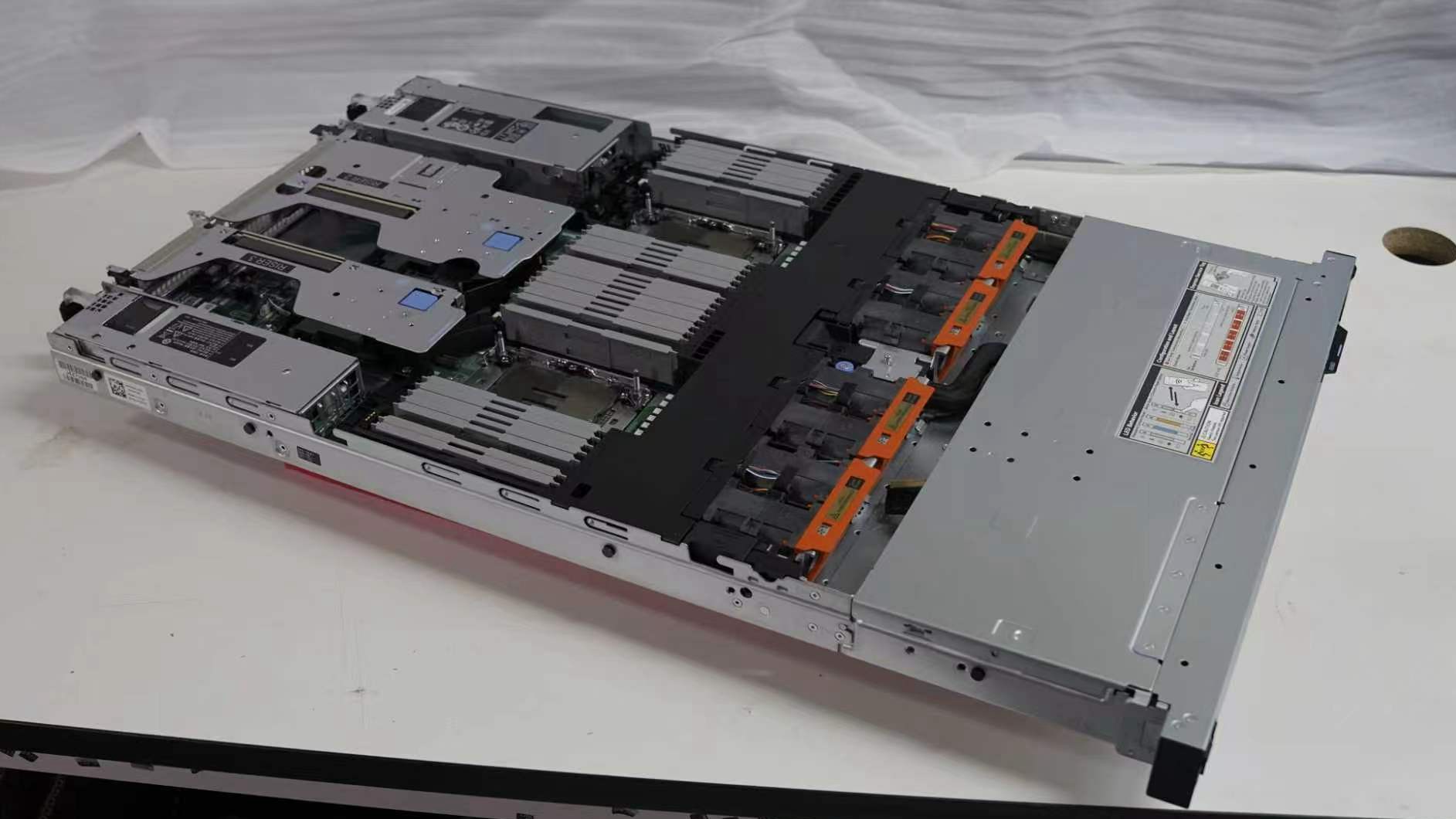
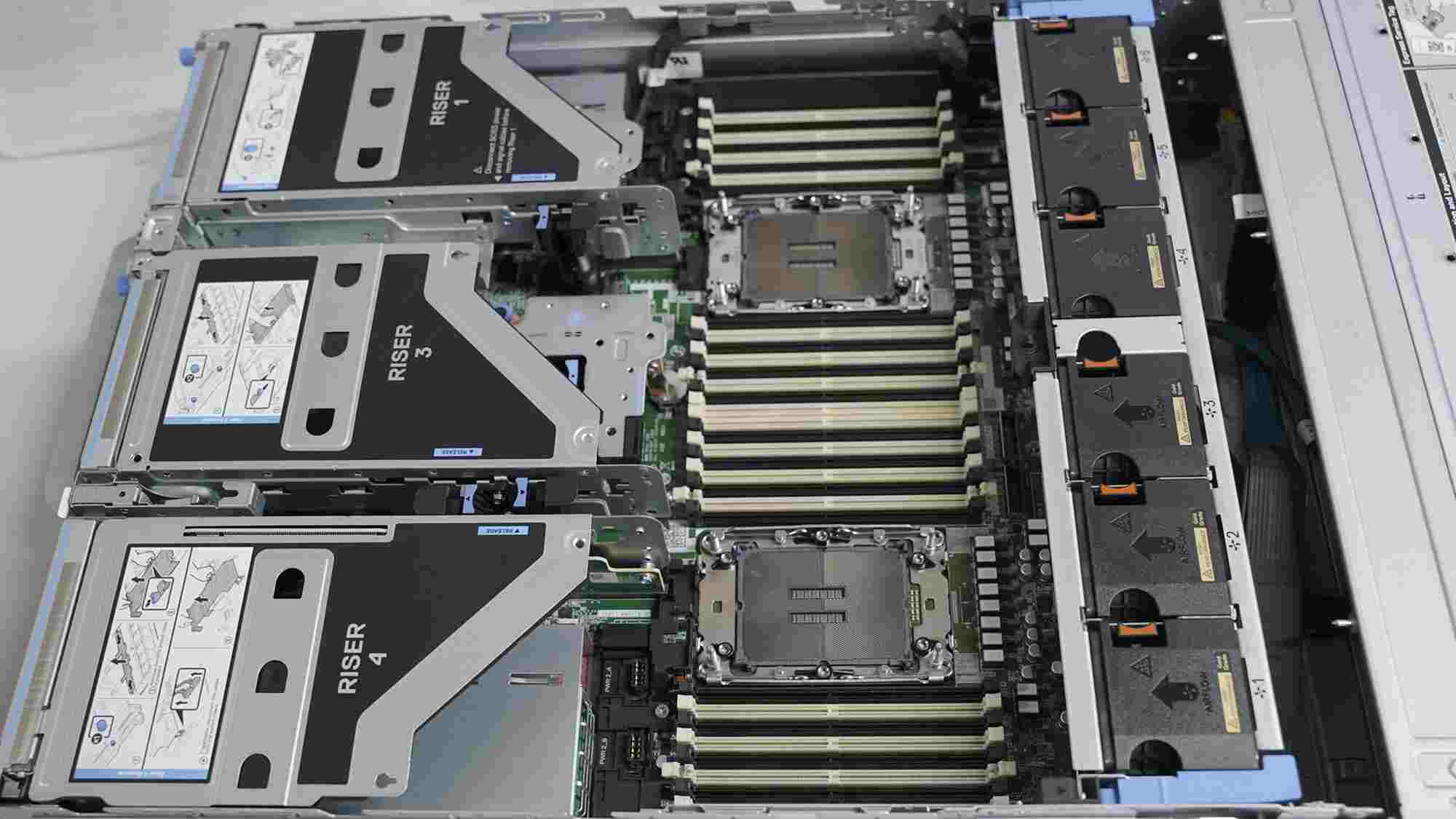
Whether your project requires custom impedance control for high-speed telecom lines, extra-thick copper planes for power distribution in mining pumps, or customized thermal management for high-output solar farms in Chile, Velmix has the machinery and the engineering expertise to manufacture, inspect, and ship your boards safely.
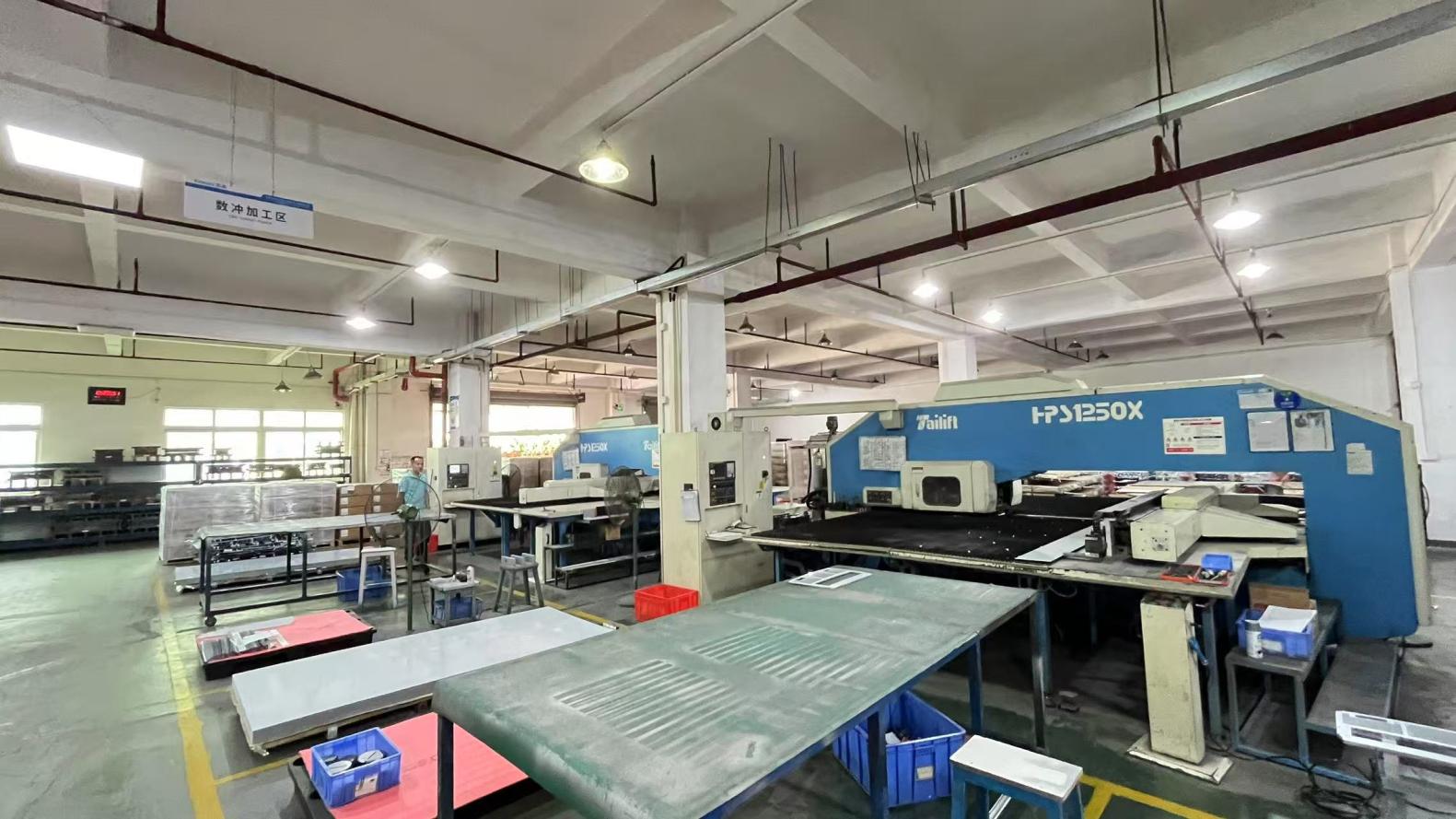
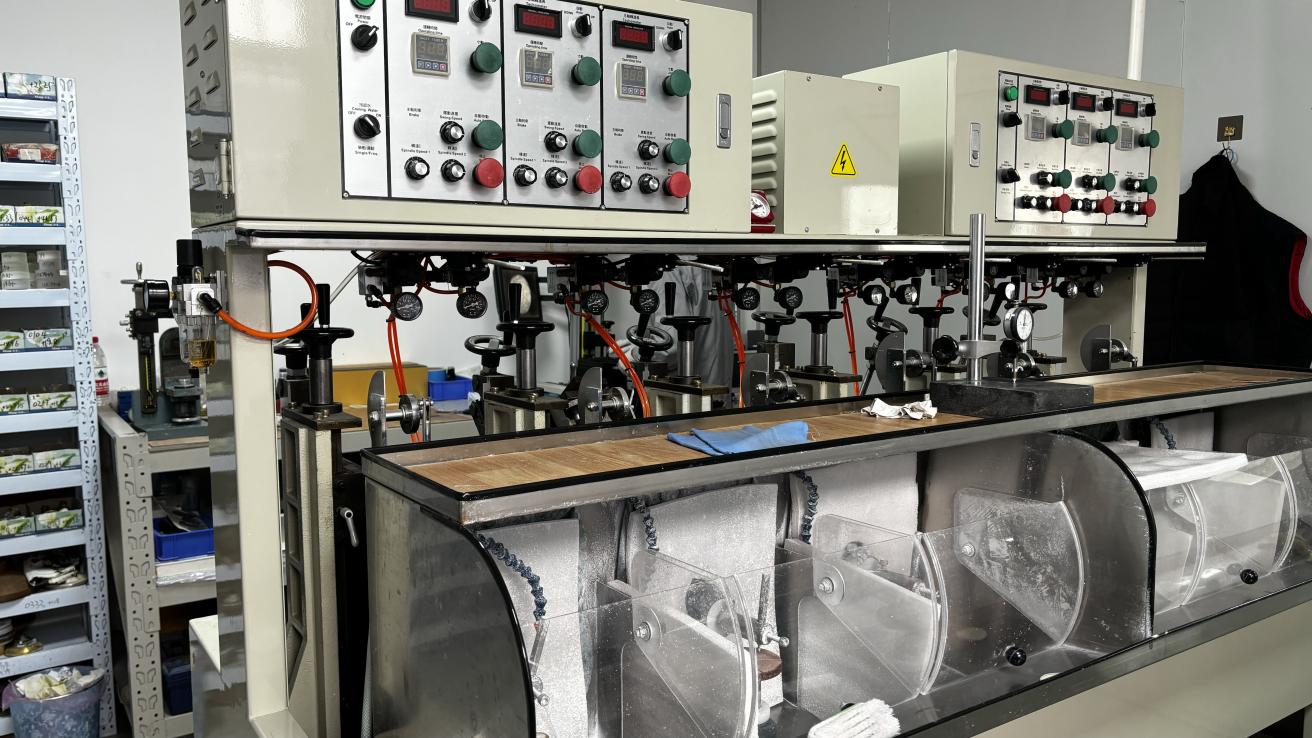
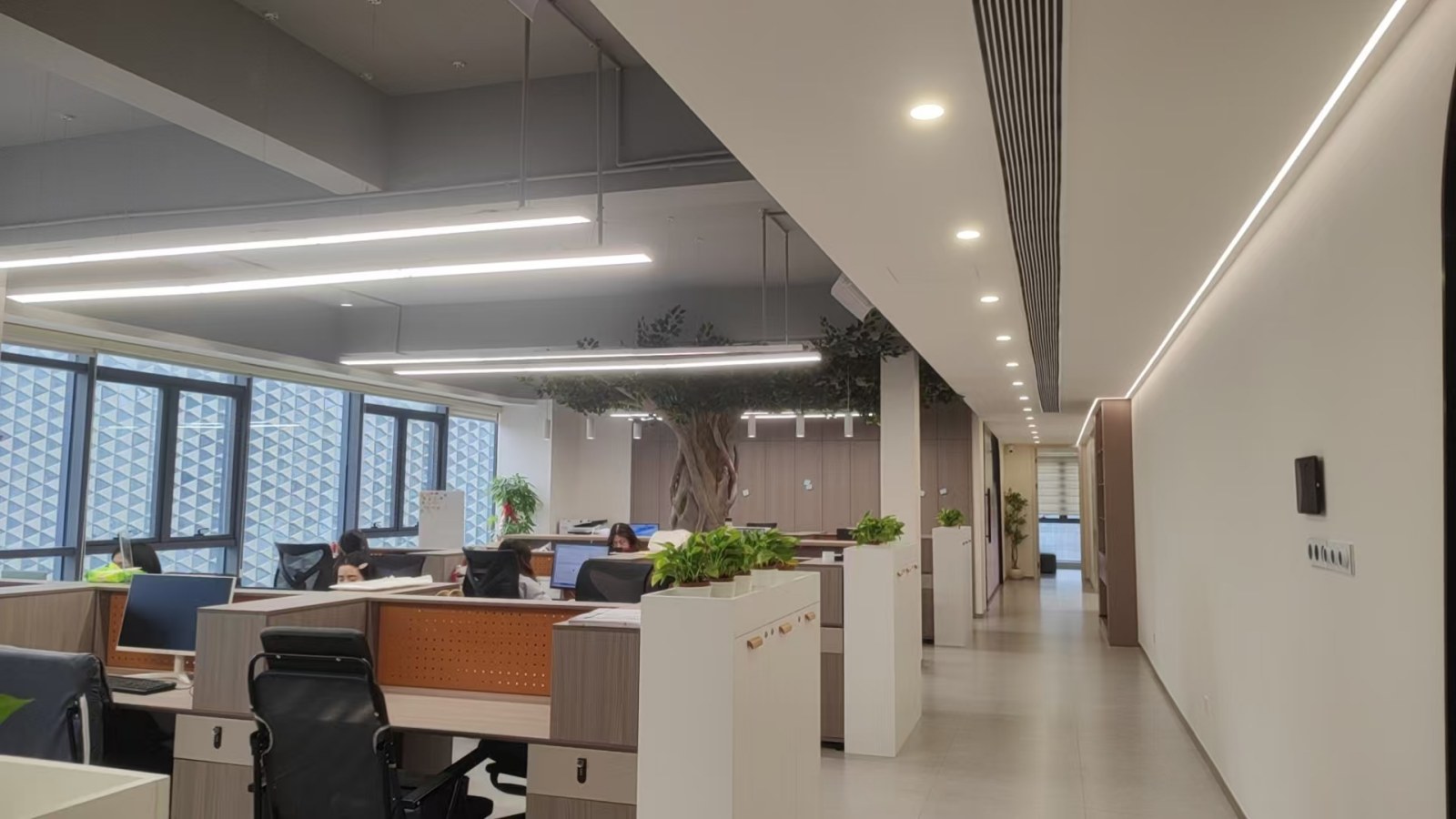
Step inside our manufacturing facility. We enforce clean-room production protocols, automated optical inspection (AOI), high-temperature aging chambers, and physical stress testing stations to guarantee that every batch matches your high-reliability needs.
 Velmix