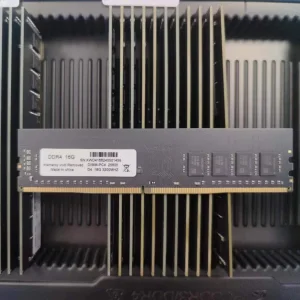
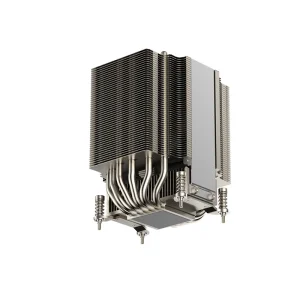
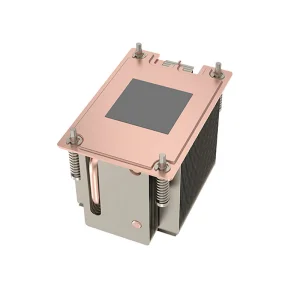
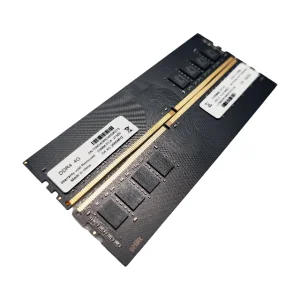
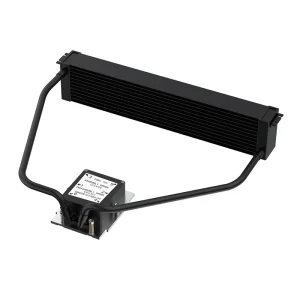
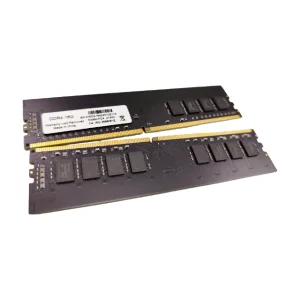
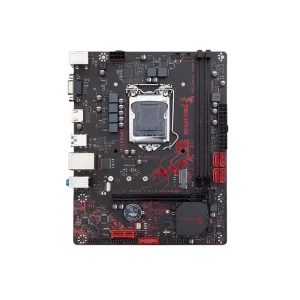
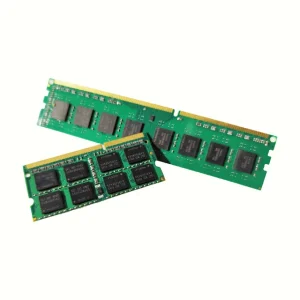
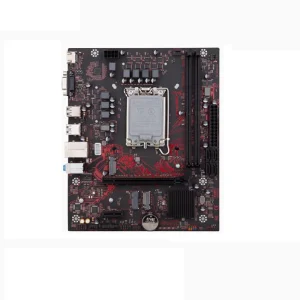
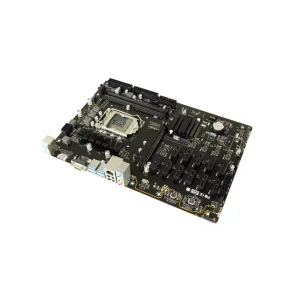
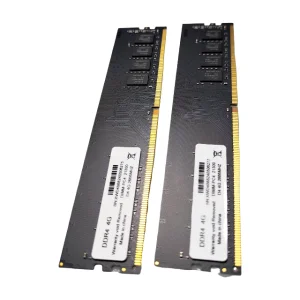
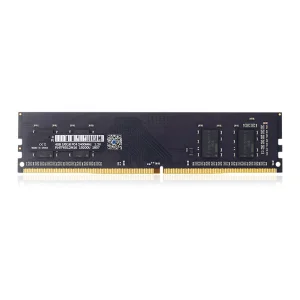
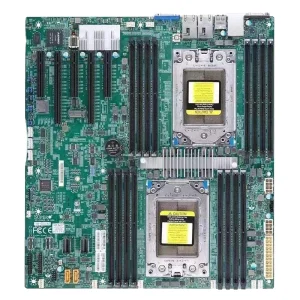
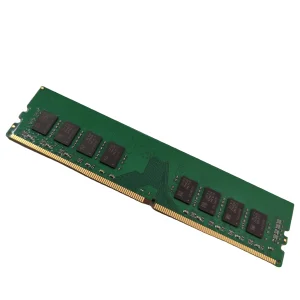
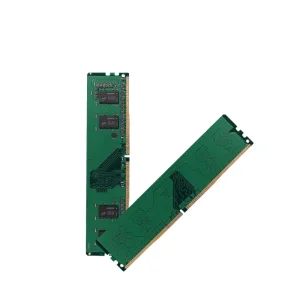
Designed for extreme thermal workloads, matching our high transition temperature PCB engineering standards.
Austria is globally recognized for its highly advanced industrial automation, high-end automotive supply networks (Vienna-Graz cluster), and smart electrical grids. The ongoing integration of Industry 4.0 relies heavily on robust electronics that operate continuously in challenging environments. Standard FR-4 circuit boards degrade rapidly under high thermal stress, leading to system failure and costly factory downtime.
As a leading High-TG (Glass Transition Temperature) PCB manufacturer and exporter, we provide high-performance multi-layer PCBs (Tg ≥ 170°C to 180°C) engineered to handle intense operating temperatures. Our substrates preserve dimensional stability and high electrical integrity, even when subjected to the strict thermal cycling environments of Austria's industrial plants.
By using premium high-TG laminates, we enable Austrian engineers to design compact, high-power-density controllers, heavy-duty sensor modules, and intelligent power electronics with absolute confidence.
Understanding the chemistry and physical properties required for modern high-performance electronics.
Standard boards feature a Tg of 130-140°C. Our specialized boards reach 170°C and 180°C. This ensures the structural glass polymer retains its hard, amorphous matrix during high-load processor heat peaks.
Measuring time to delamination (T260 and T288) determines how long a multilayer board handles extreme solder shock. High-TG materials boast delamination times exceeding 30 to 60 minutes.
Designed for high-frequency electronics (such as DDR5 interfaces and high-speed bus lines), our high-TG laminates keep dielectric loss factors minimal to protect signal clarity.
By blending the rapid operational speed of Shenzhen's hardware ecosystem with international quality standards, Velmix Technology delivers an optimized supply option for Austrian businesses. Our strategic location gives us direct access to high-grade raw laminates (e.g., Shengyi Technology, Kingboard, Rogers) and high-speed automated SMT assembly lines, helping us compress production lead times without sacrificing precision.
Our Quality Management Framework features a 100% full inspection strategy, utilizing Automated Optical Inspection (AOI), X-ray inspection for multilayer internal alignment, and real-time thermal stress verification. We bridge the distance to Austria through fast shipping options and flexible customer service, ensuring seamless delivery directly to Linz, Vienna, Graz, or Salzburg.
A professional high-performance hardware and memory module manufacturer specialized in high-frequency applications.
Velmix Technology Co., Ltd. is a professional DDR5 memory manufacturer based in Shenzhen, China, specializing in the research, development, production, and global distribution of high-performance DRAM memory solutions. Since its establishment in 2017, Velmix has been committed to delivering reliable, high-speed memory products for consumer electronics, industrial applications, gaming systems, servers, and embedded computing.
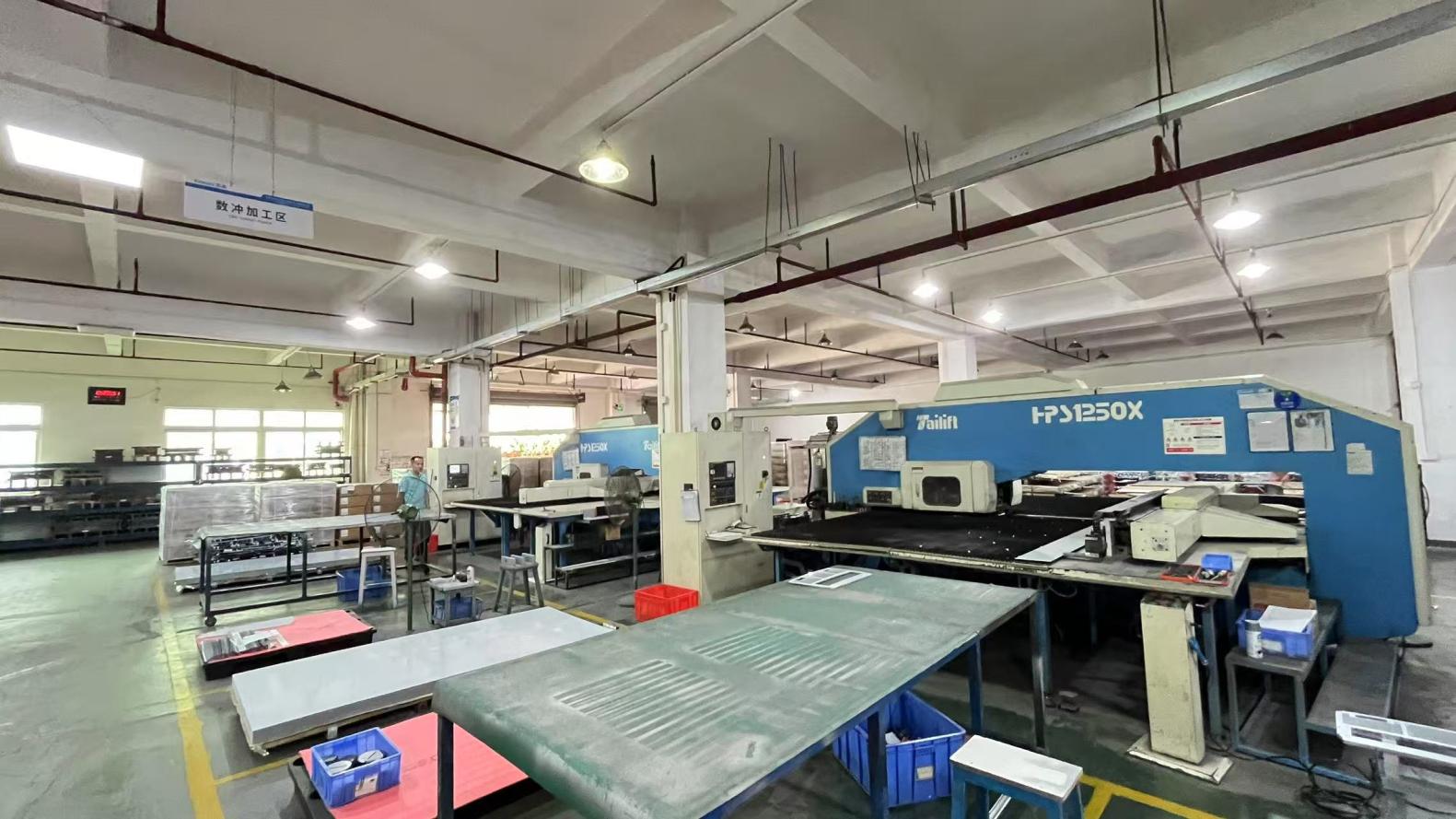
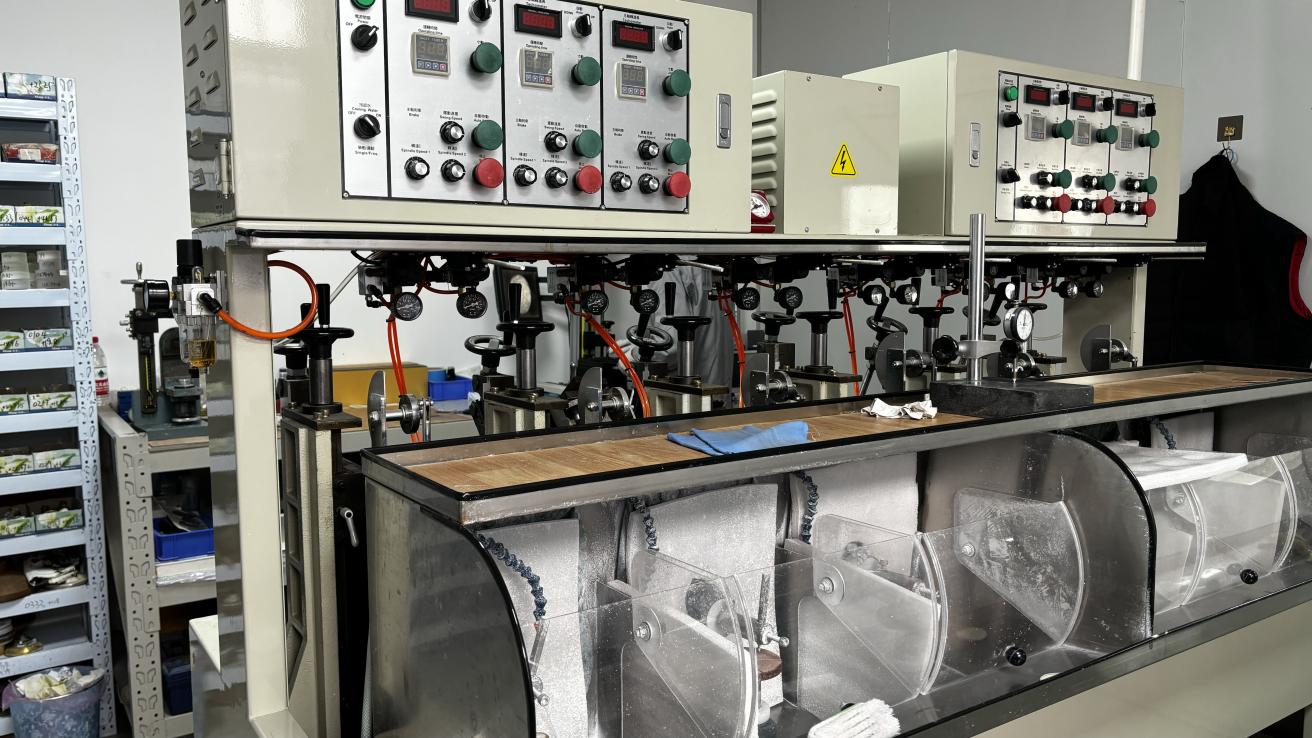
Operating from a modern manufacturing facility covering 368㎡, we combine advanced production technologies with strict quality management to ensure every memory module meets international performance and reliability standards. Our experienced engineering team continuously develops innovative DDR5 memory solutions to meet the evolving demands of AI computing, edge devices, cloud infrastructure, and next-generation computing platforms.
Today, Velmix serves customers in more than 40 countries and regions, offering flexible OEM and ODM manufacturing services for global brands, distributors, system integrators, and industrial equipment manufacturers. By focusing on product consistency, fast delivery, and technical innovation, we have built long-term partnerships across Europe, North America, Southeast Asia, and the Middle East.
| Item | Information |
|---|---|
| Company Name | Velmix Technology Co., Ltd. |
| Established | 2017 |
| Facility Area | 368㎡ |
| Annual Export Revenue | USD 18.6 Million |
| Export Experience | 8 Years |
| Industry Experience | 15 Years |
| Quality Control | 100% Full Inspection Before Shipment |
| Product Inspection Methods | Signal Integrity Test, Burn-in Test, Compatibility Test, Functional Test & Random Sampling |
| QC Staff | 56 Employees |
| Business Type | Manufacturer & Exporter |
| Main Markets | North America, Europe, Southeast Asia, Middle East & South America |
| Supply Chain Partners | 986+ |
| Main Customer Types | Brand Owners, OEM Manufacturers, System Integrators, Distributors & Wholesalers |
| R&D Capability | Independent Product Design, PCB Development & Firmware Optimization |
| Customization Options | OEM, ODM, Private Label, Customized Capacity, Heat Spreader, PCB Color & Packaging |
| New Products Launched Last Year | 138 Models |
| R&D Engineers | 84 Engineers |
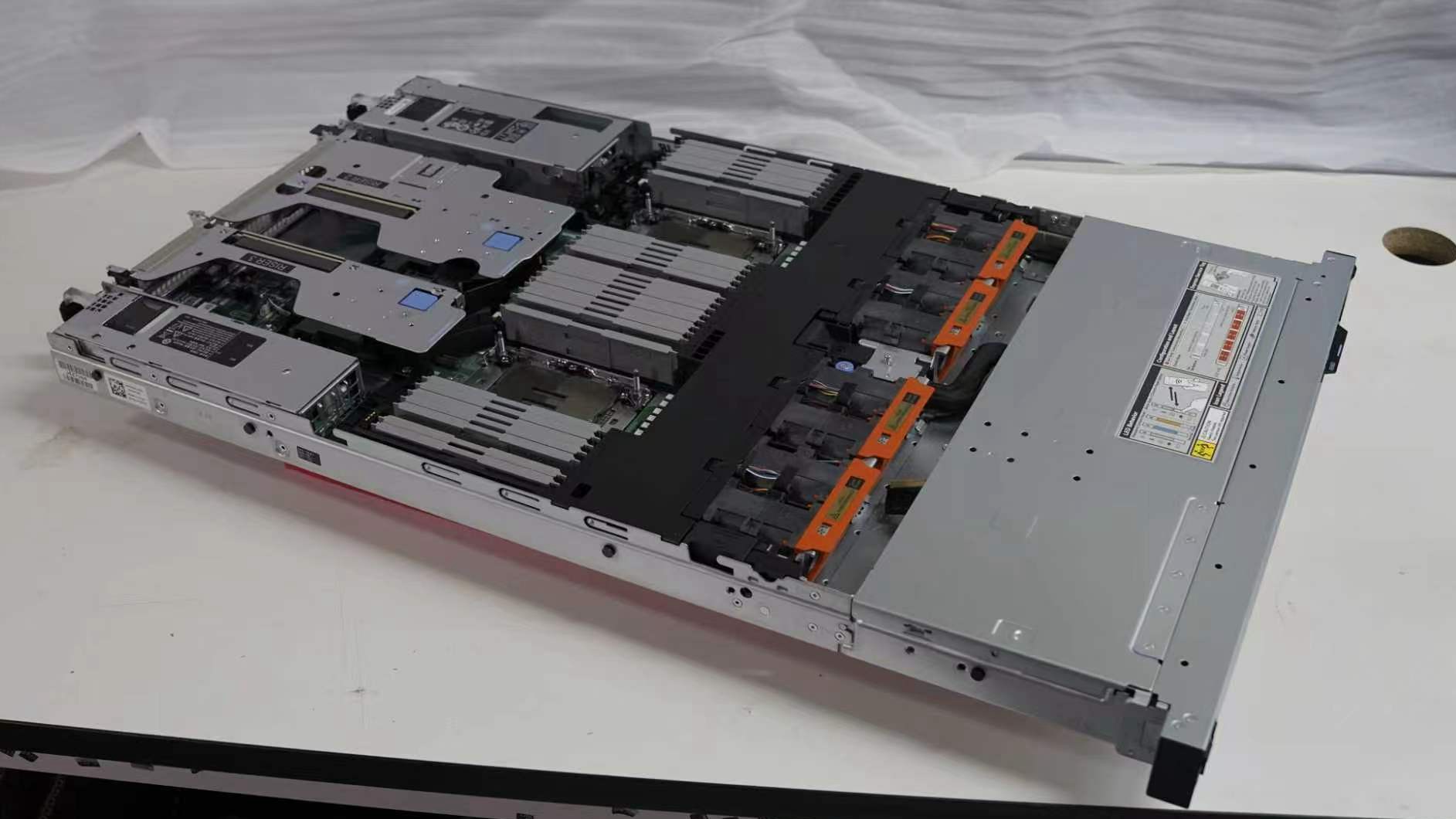
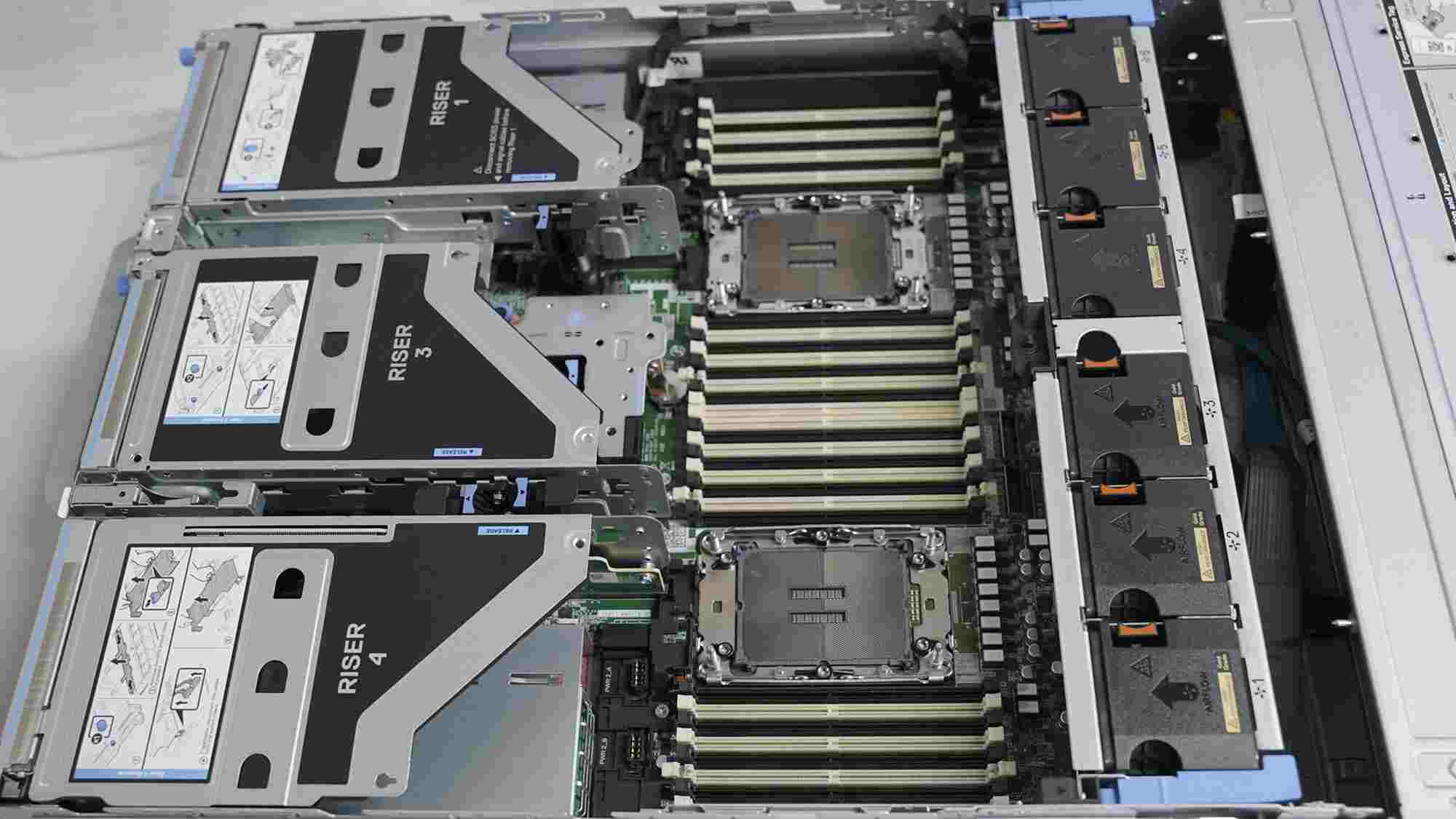
Where our High-TG PCB structures play a vital role in Austria's high-tech industrial ecosystems.
Styria's automotive engineering cluster relies heavily on high-frequency electronics. High-TG multi-layer boards provide the thermal resilience required for EV charging modules and drivetrain controllers.
High-TG boards protect mission-critical signalling systems, power supplies, and onboard passenger systems against high temperatures and mechanical vibrations.
Austria leads Europe in renewable hydro-power generation. High-TG circuit boards keep clean energy grid systems running reliably for decades without failure.
Answers to engineering and procurement questions regarding high-temperature circuit boards.
Additional memory modules, heavy copper motherboards, and cooling units suited for Austrian applications.
 Velmix