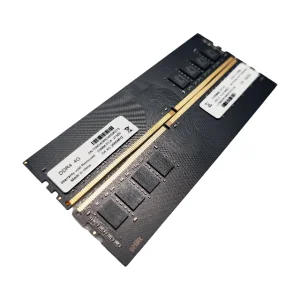
Premium high-performance server cooling setups, processing boards, and robust custom system interfaces.
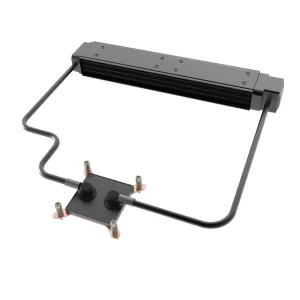
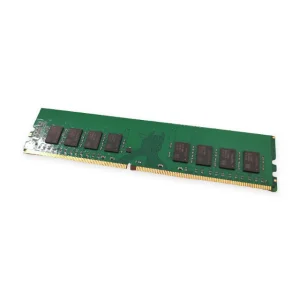
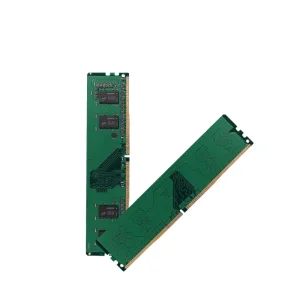
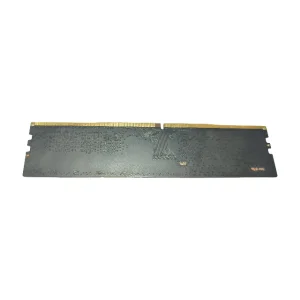
In modern electronic design and server infrastructure, heat dissipation is no longer a trivial consideration—it is a primary design driver. With the rise of high-speed AI computing, hyper-scale servers, and compact industrial systems, the thermal demands on core silicon have surged exponentially. Today's high-performance hardware, like the SP5 400W server architectures and massive GPU modules, operates at extreme power densities. Effective heat removal dictates the lifespan, efficiency, and reliability of complex compute nodes.
For procurement officers, hardware designers, and systems engineers, finding a top trusted heat sink manufacturer is critical. Thermal mitigation must align with systemic design constraints. Achieving low thermal resistance, mechanical stability, and cost-efficiency requires deep domain expertise. From simple aluminum extrusions used in AM5 CPU profiles to high-power liquid-cooled radiators pushing 350W+ TDP limits, thermal engineering is a multifaceted science that integrates fluid dynamics, metallurgy, precision tooling, and high-tolerance SMT interfaces.
Enterprise thermal solutions are heavily standardized under international directives. The reliability of server-class installations (e.g., DDR5/DDR4 server setups running 24/7) depends heavily on minimizing component junction temperatures ($T_j$). Excessive thermal loads trigger electromigration, accelerate dielectric breakdown in DRAM arrays, and prompt thermal throttling, leading to packet losses and degradation of cloud service uptime.
Providing customizable structural cooling platforms across key technological and industrial sectors.
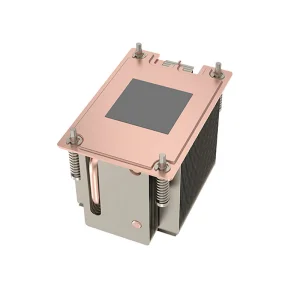
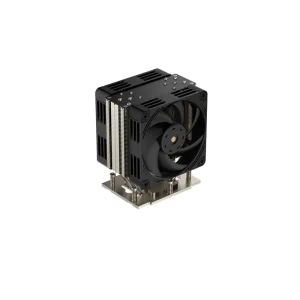
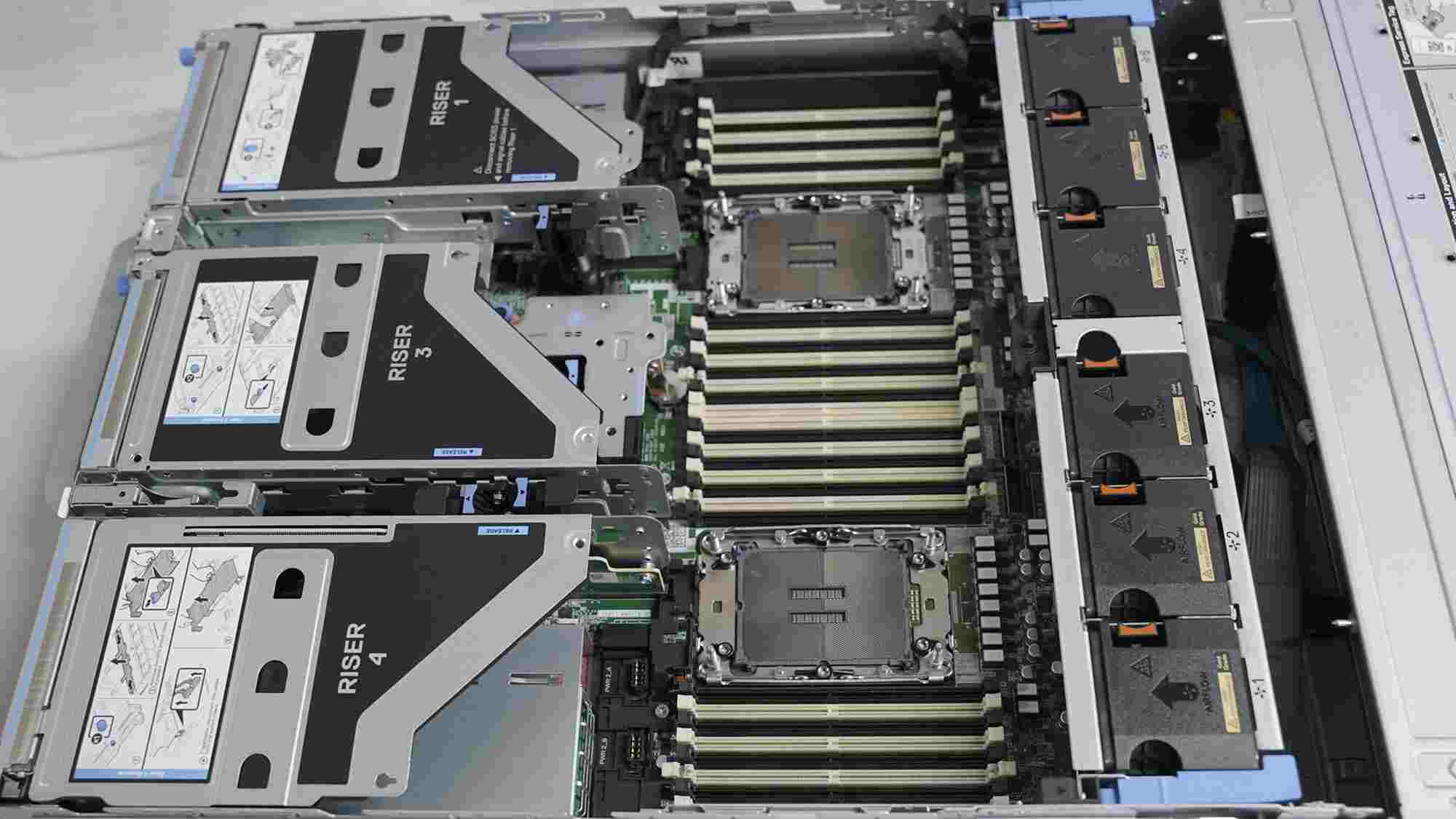
Deploying specialized active systems like SP5 N99 400W fan-driven heatsinks and AM5 processors. Formulated to fit standard 2U/4U blades, ensuring continuous high-TDP compute integrity.
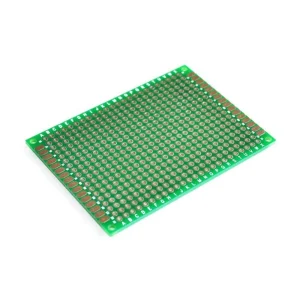
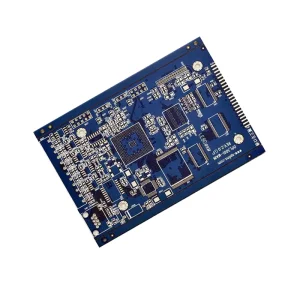
Custom control-board casings and integrated aluminum plates for heavy-duty appliances (e.g., high-speed PCBA applications) that require optimized airflow and dust resistance.
Closed-loop liquid liquid-cooling solutions designed for multi-socket LGA configurations, offering excellent thermal dissipation efficiency for heavy computing loads up to 350W.
The efficiency of an air-cooled aluminum heat sink is primarily determined by its surface area, fin design, and thermal conduction pathway. Aluminum extrusion remains the most popular manufacturing process due to its cost-efficiency and high thermal conductivity ($205 \text{ W/m}\cdot\text{K}$ for Aluminum 6063). However, when high-density fin pitches are required, skiving technology is utilized. In the skiving process, a tool shaves fins directly from a solid block of aluminum or copper. This eliminates interface resistance between the base and the fins, optimizing heat conduction.
For modern high-heat devices, relying solely on solid metal heat sinks creates a localized hot spot directly above the silicon die. To combat this, advanced manufacturers integrate phase-change cooling mechanisms:
As TDP ratings exceed the capability of air cooling, active liquid cooling takes precedence. Liquid cooling solutions (like the 350W CPU Radiator with 350x200x40mm sizing) leverage the high specific heat capacity of water/coolant mixtures. A water block containing micro-channels (0.1mm-0.2mm fin spacing) is clamped directly onto the CPU integrated heat spreader (IHS), transferring thermal energy to the liquid loop. The radiator then dissipates this heat to the ambient air using high-pressure fans.
| Material Type | Thermal Conductivity (W/m·K) | Common Process Methods | Primary Industrial Use Case |
|---|---|---|---|
| Pure Copper (C1100) | ~390 - 400 | CNC Machining, Cold Forging, Stamping | Vapor Chambers, Heat Pipe Bases, High-performance CPU cores |
| Aluminum 6063 | ~201 - 218 | Hot Extrusion, Anodizing | Standard extruded fins, structural housings, AM5 server modules |
| Aluminum 1050 | ~230 | Sheet metal stamping, skiving | High fin-density folded heat sinks for telecommunication cards |
| Composite Graphite | Up to 1500 (in plane) | Layering, bonding | Ultra-thin electronics, mobile PCB shielding, memory module coatings |
A premier manufacturer and exporter specializing in high-performance memory modules and electronics engineering.
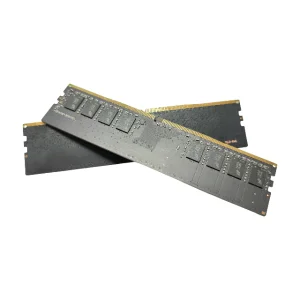
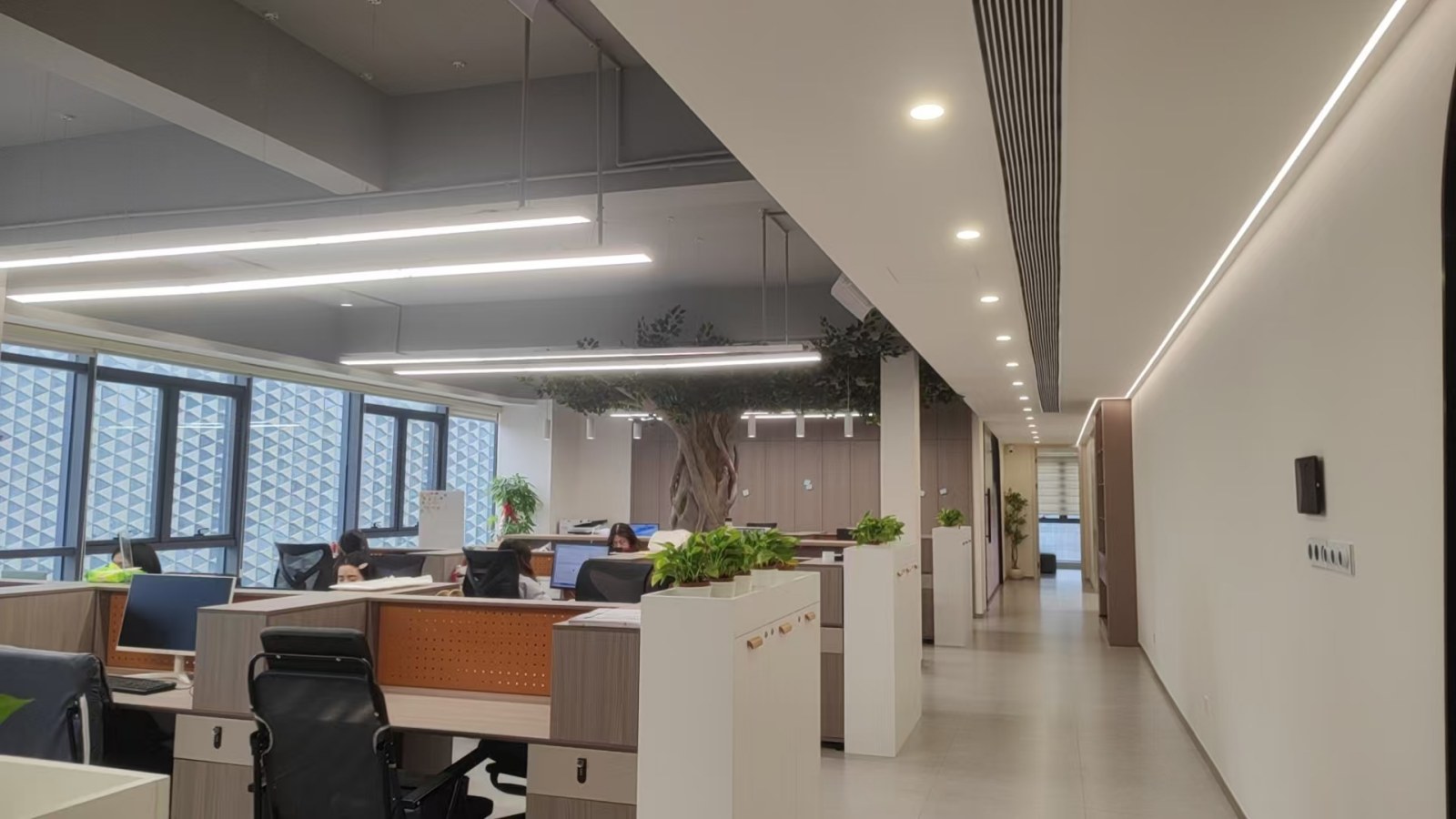
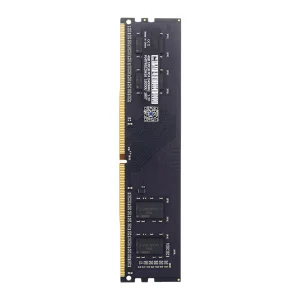
Established in 2017, Velmix Technology Co., Ltd. has developed into a reliable manufacturer of DDR5 and DDR4 memory modules, PCB assemblies, and thermal integration accessories. Based in Shenzhen, China, we operate out of a modern manufacturing facility covering 368㎡. We combine advanced SMT lines with strict thermal design inspections, ensuring that our products—ranging from high-speed gaming RAM to server memory—can withstand harsh, high-temperature computing environments.
Velmix has 8 years of export experience and 15 years of industry-wide engineering expertise, delivering hardware solutions to over 40 countries and regions worldwide. Our dedicated R&D team consisting of 84 engineers continuously develops new products (releasing 138 new models last year), ensuring we remain at the cutting edge of computing performance and hardware longevity.
| Item | Detailed Corporate Information & Capabilities |
|---|---|
| Company Name | Velmix Technology Co., Ltd. |
| Established | 2017 |
| Facility Area | 368㎡ manufacturing and engineering test area |
| Annual Export Revenue | USD 18.6 Million |
| Export Experience | 8 Years of global regulatory and logistics expertise |
| Industry Experience | 15 Years of engineering and assembly experience |
| Quality Control | 100% Full Inspection before shipment |
| Product Inspection Methods | Signal Integrity Test, Burn-in Test, Compatibility Test, Functional Test & Random Sampling |
| QC Staff | 56 Dedicated Quality Control personnel |
| Business Type | Manufacturer & Exporter |
| Main Markets | North America, Europe, Southeast Asia, Middle East & South America |
| Supply Chain Partners | 986+ global components and metal fabrication partners |
| R&D Capability | Independent Product Design, PCB Development & Firmware Optimization |
| Customization Options | OEM, ODM, Private Label, Customized Capacity, Heat Spreader, PCB Color & Packaging |
| New Models Launched | 138 Models last year across memory and PCBA categories |
| R&D Engineers | 84 Professional Hardware and Thermal Design Engineers |
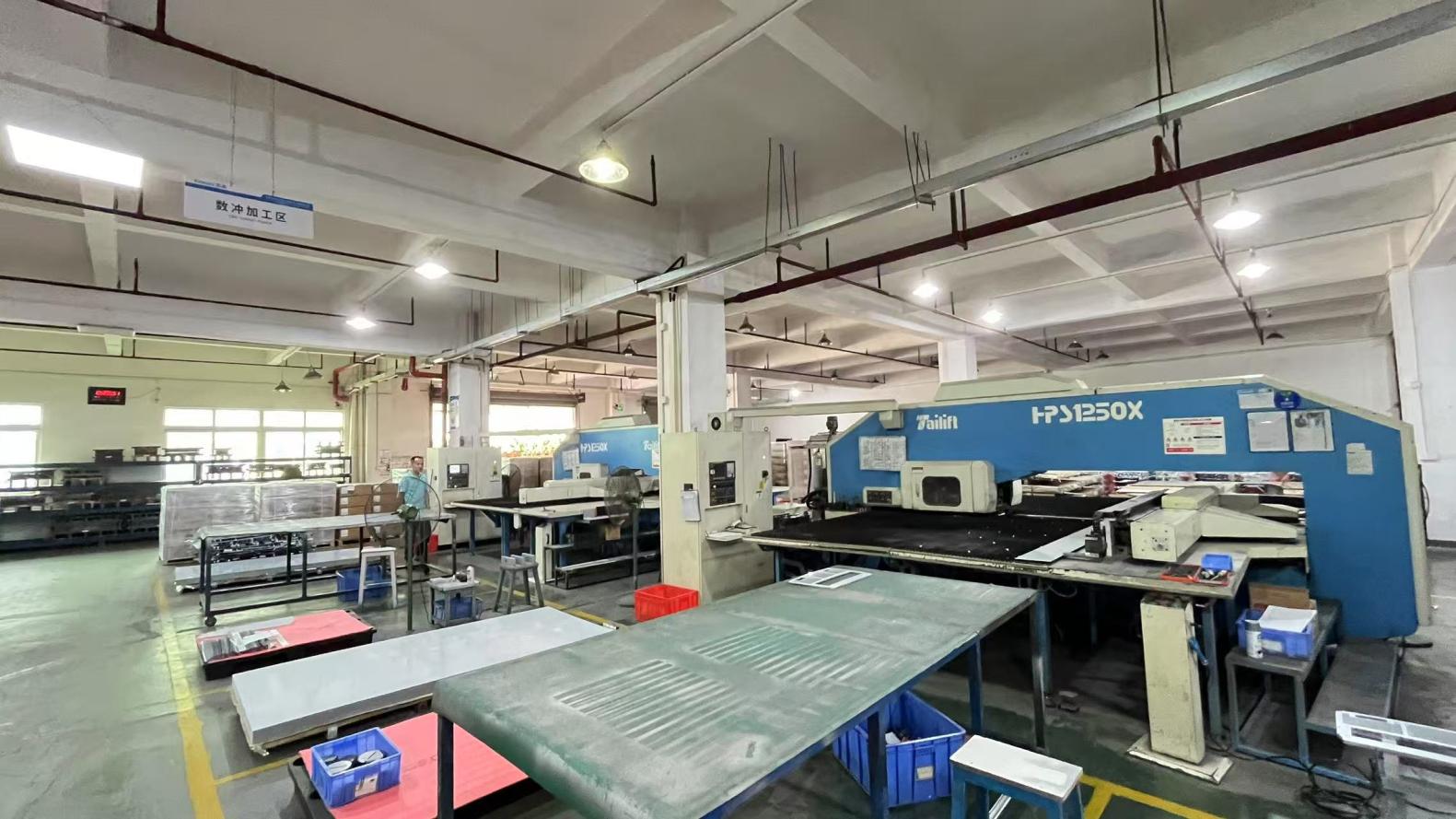
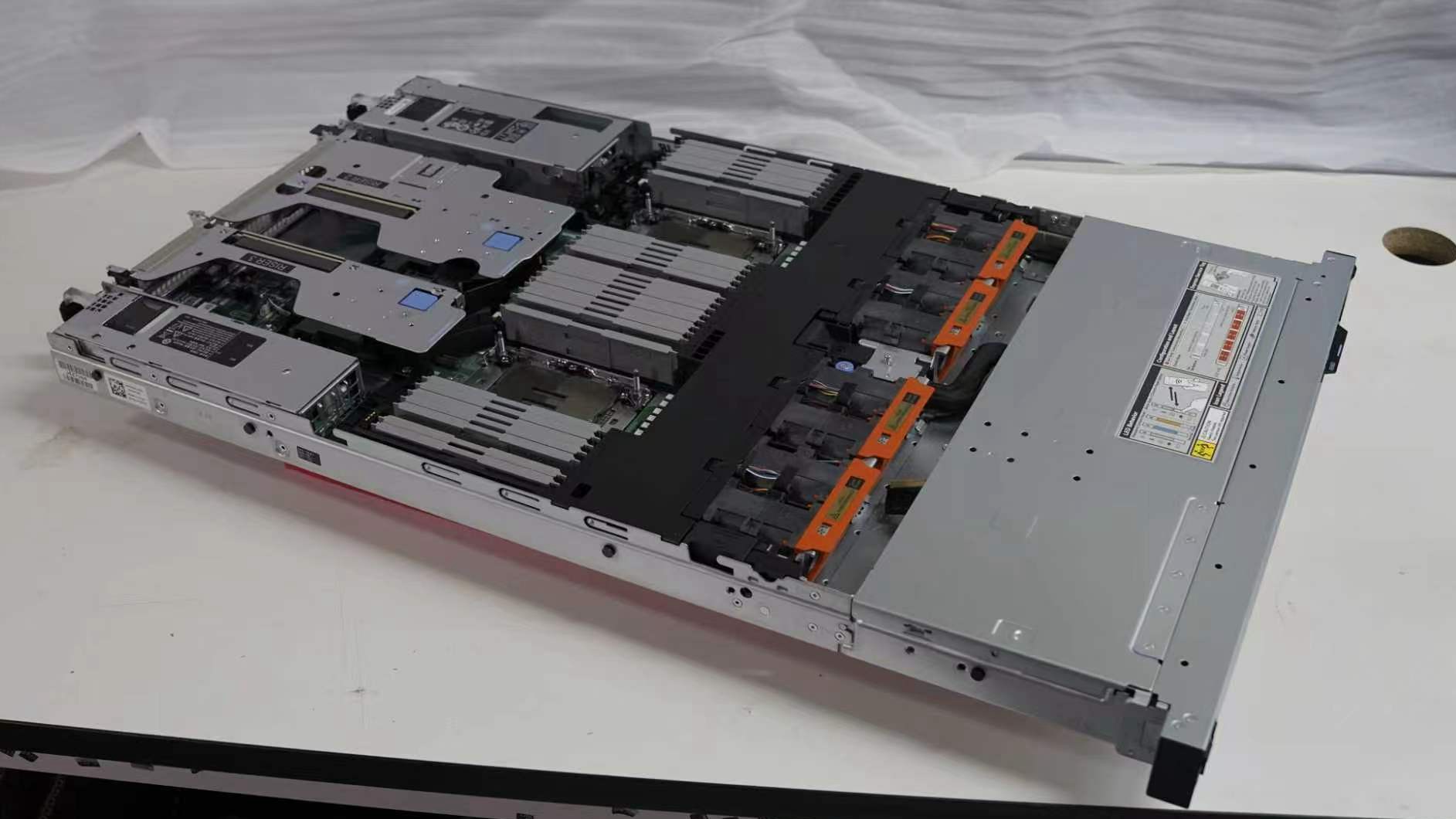
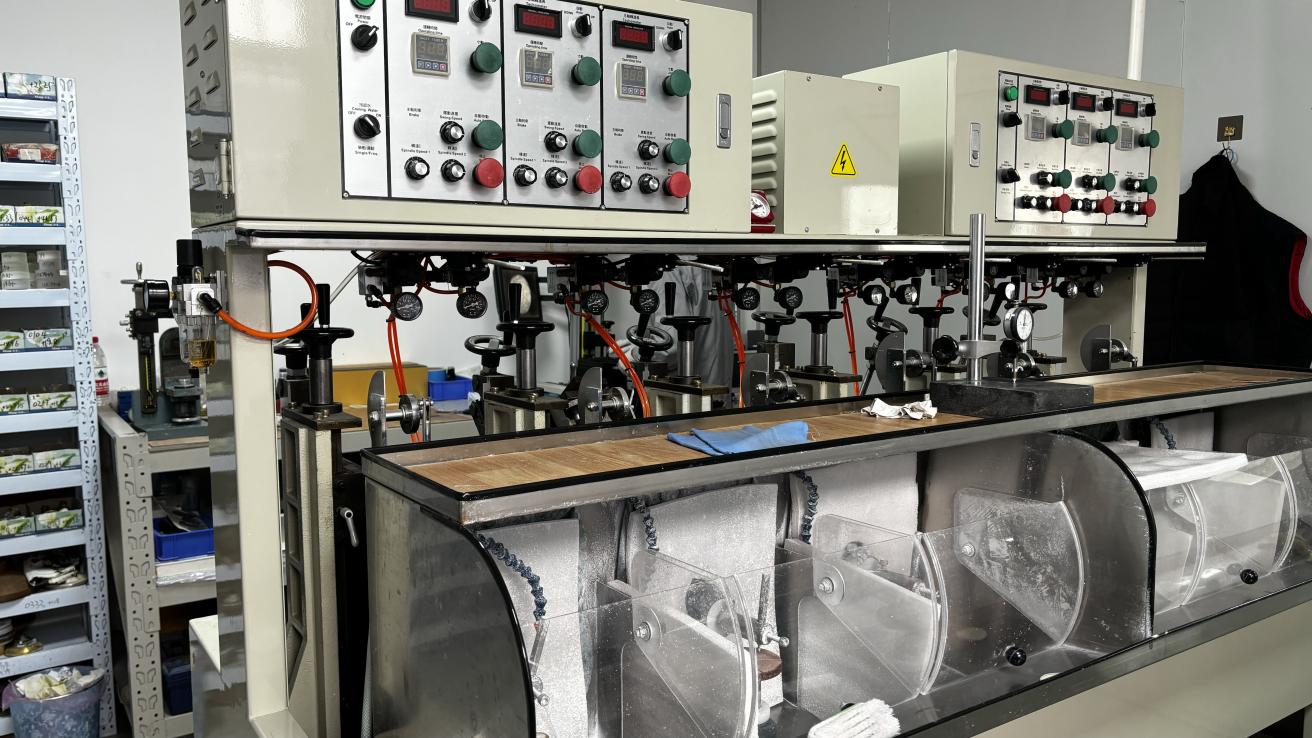
For hardware procurement managers, choosing a thermal management partner goes beyond price-per-unit. A qualified manufacturer must offer deep optimization support from concept to prototype, validation, and mass production. Important considerations include:
Using CFD (Computational Fluid Dynamics) tools like Icepak or FloTHERM to model air flow resistance and temperature distribution prior to tooling investment.
Evaluating design options like extrusion vs. skiving, choosing copper inserts for high-heat areas, and selecting appropriate Thermal Interface Materials (TIM).
Conducting thermal wind tunnel tests, vibration analyses for server compliance, and high-temperature stress tests to verify joint reliability (e.g., soldered heat pipe joints).
Ensuring raw material traceability (compliant with RoHS and REACH standards) and maintaining clean, high-precision assembly lines for consistent final products.
Under our strict E-E-A-T manufacturing framework, Velmix maintains long-term quality agreements with global logistics companies, guaranteeing that precision heat sinks and electronic assemblies arrive securely packed, protected from oxidation, and ready for deployment in server environments.
Expert technical answers regarding structural heat sink engineering, memory module heat control, and OEM/ODM services.
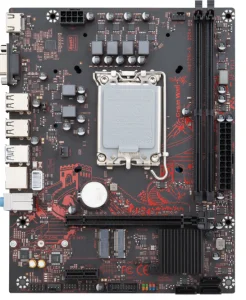
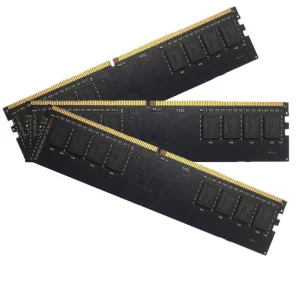
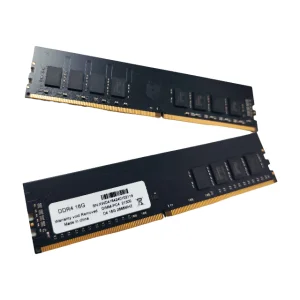
Browse our reliable memory upgrades, motherboards, and custom control board designs.
 Velmix