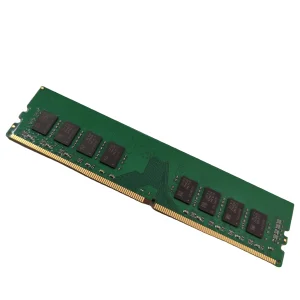
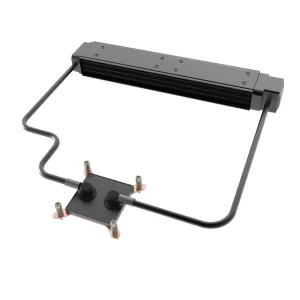
Explore our foundational PCB assemblies, thermal dissipation modules, and system controller boards driving high-efficiency professional audio amplification systems globally.
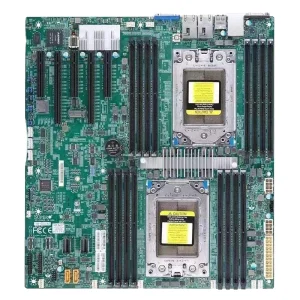
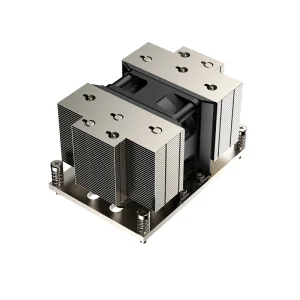
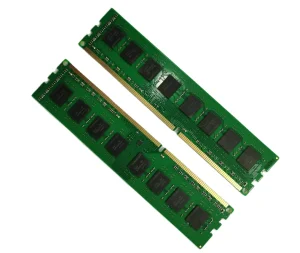
The global professional and consumer audio market is undergoing a structural transition. The demand is no longer just for raw wattage, but for unprecedented power efficiency, dynamic thermal control, and embedded DSP (Digital Signal Processing) functionality. High-fidelity Class D and Gallium Nitride (GaN)-powered amplifier modules are rapidly replacing traditional linear configurations due to their ultra-compact form factors and >90% energy conversion efficiency.
As a key driver in industrial component manufacturing, Velmix Technology Co., Ltd. leverages a highly optimized Shenzhen supply chain to deliver exceptional PCBA designs, audio decoding networks, and sophisticated cooling setups. Originally established as a high-density memory and micro-electronics developer, our core competencies in high-speed signal routing and complex layer stackups are directly implemented in advanced audio systems. We bridge the gap between heavy-duty thermal requirements and critical electro-acoustic performance.
Modern amplification relies heavily on reducing THD+N (Total Harmonic Distortion + Noise) and managing EM interference. Achieving this requires:
A professional manufacturer based in Shenzhen, China, specializing in the research, development, production, and global distribution of high-performance DRAM memory and precision PCB/PCBA solutions.
Since its establishment in 2017, Velmix has been committed to delivering reliable, high-speed memory and advanced control board products for consumer electronics, industrial applications, gaming systems, servers, and embedded computing. Operating from a modern manufacturing facility covering 368㎡, we combine advanced production technologies with strict quality management to ensure every hardware element meets international performance and reliability standards.
Our experienced engineering team continuously develops innovative, high-frequency PCB stackups and thermal dissipation modules to meet the evolving demands of AI computing, Edge DSP devices, cloud infrastructure, and next-generation professional audio processing. Today, Velmix serves customers in more than 40 countries and regions, offering flexible OEM and ODM manufacturing services for global brands, distributors, system integrators, and industrial equipment manufacturers.
| Item | Technical & Operational Information |
|---|---|
| Company Name | Velmix Technology Co., Ltd. |
| Established | 2017 |
| Facility Area | 368㎡ |
| Annual Export Revenue | USD 18.6 Million |
| Export Experience | 8 Years |
| Industry Experience | 15 Years |
| Quality Control | 100% Full Inspection Before Shipment |
| Product Inspection Methods | Signal Integrity Test, Burn-in Test, Compatibility Test, Functional Test & Random Sampling |
| QC Staff | 56 Employees |
| Business Type | Manufacturer & Exporter |
| Main Markets | North America, Europe, Southeast Asia, Middle East & South America |
| Supply Chain Partners | 986+ |
| Main Customer Types | Brand Owners, OEM Manufacturers, System Integrators, Distributors & Wholesalers |
| R&D Capability | Independent Product Design, PCB Development & Firmware Optimization |
| Customization Options | OEM, ODM, Private Label, Customized Capacity, Heat Spreader, PCB Color & Packaging |
| New Products Launched | 138 Models (Last Year) |
| R&D Engineers | 84 Engineers |
Uncovering the design shifts from legacy analog stages to hyper-integrated smart amplification architectures.
Traditional Class AB configurations exhibit massive thermal inefficiency. The industry has irreversibly pivoted to Class D architectures. By integrating GaN field-effect transistors, switching frequencies can surpass 1.5 MHz. This significantly reduces total harmonic distortion (THD) and enables smaller magnetic filtering elements, reducing device weight by up to 60% without sacrificing output power.
Amplifiers are no longer passive gain devices. The integration of high-performance DSPs allows for real-time room correction, speaker protection algorithms, and dynamic EQ curves. Integrated system firmware utilizes look-ahead limiters to prevent transducer damage, allowing commercial installers to maximize performance safely.
Networked audio transmission protocols such as Audinate Dante and IEEE AVB (Audio Video Bridging) have become standard for professional systems. Next-generation multi-channel amplifiers utilize dedicated Ethernet routing, allowing hundreds of discrete audio channels to traverse a single network switches with sub-millisecond latencies.
Located in the epicenter of the global electronics trade—Shenzhen, China—our manufacturing infrastructure leverages a vast ecosystem of certified passive component suppliers, custom alloy metal fabricators, and raw semiconductor sourcing networks.
Our SMT (Surface Mount Technology) assembly lines utilize SPI (Solder Paste Inspection) and automated AOI (Automated Optical Inspection) systems. This ensures solder joint integrity is flawless on 1.6mm FR4 multi-layer boards. By optimizing component placement tolerances down to ±0.03mm, we eliminate thermal stress points during bulk operation. This prevents trace fractures and failure modes under prolonged structural vibrations common in high-power subwoofers and touring rigs.
Furthermore, our dual-channel testing rigs verify power delivery thresholds using automated dynamic loads. This guarantees that our output modules can continuously deliver peak current requirements without failing regulatory EM tests or thermal safety thresholds.
How we support global audio brands, enterprise systems, and custom audio hardware configurations.
Supporting high-efficiency Class D multichannel modules with CAN-bus or A2B (Automotive Audio Bus) integration. Engineered to minimize vehicle weight while maximizing dynamic headroom in noisy cabin environments.
High-wattage solutions exceeding 5000W RMS per channel. Built with integrated PFC (Power Factor Correction) power supplies to stabilize voltage sags on long mains cables during live performances.
Compact, embedded boards with integrated Wi-Fi, Bluetooth 5.2, AirPlay, and Spotify Connect. These modules fit directly into walls or speaker enclosures, featuring automatic low-power standby modes.
Entering new regional markets requires navigating complex regulatory landscapes. Our operations ensure that every amplifier, decoder, and controller board meets strict certification criteria across North America, Europe, South America, and Asia.
From CE and RoHS to FCC Class B electromagnetic emission standards, our team conducts exhaustive lab testing on all designs. This limits interference with other local wireless networks. We also implement WEEE recycling regulations and UL/CSA safety certifications for mains-connected high-power models.
For large-scale enterprise distributors and system integrators, we provide end-to-end trace documentation, material safety data sheets (MSDS), and strict change control protocols to ensure year-over-year production consistency.
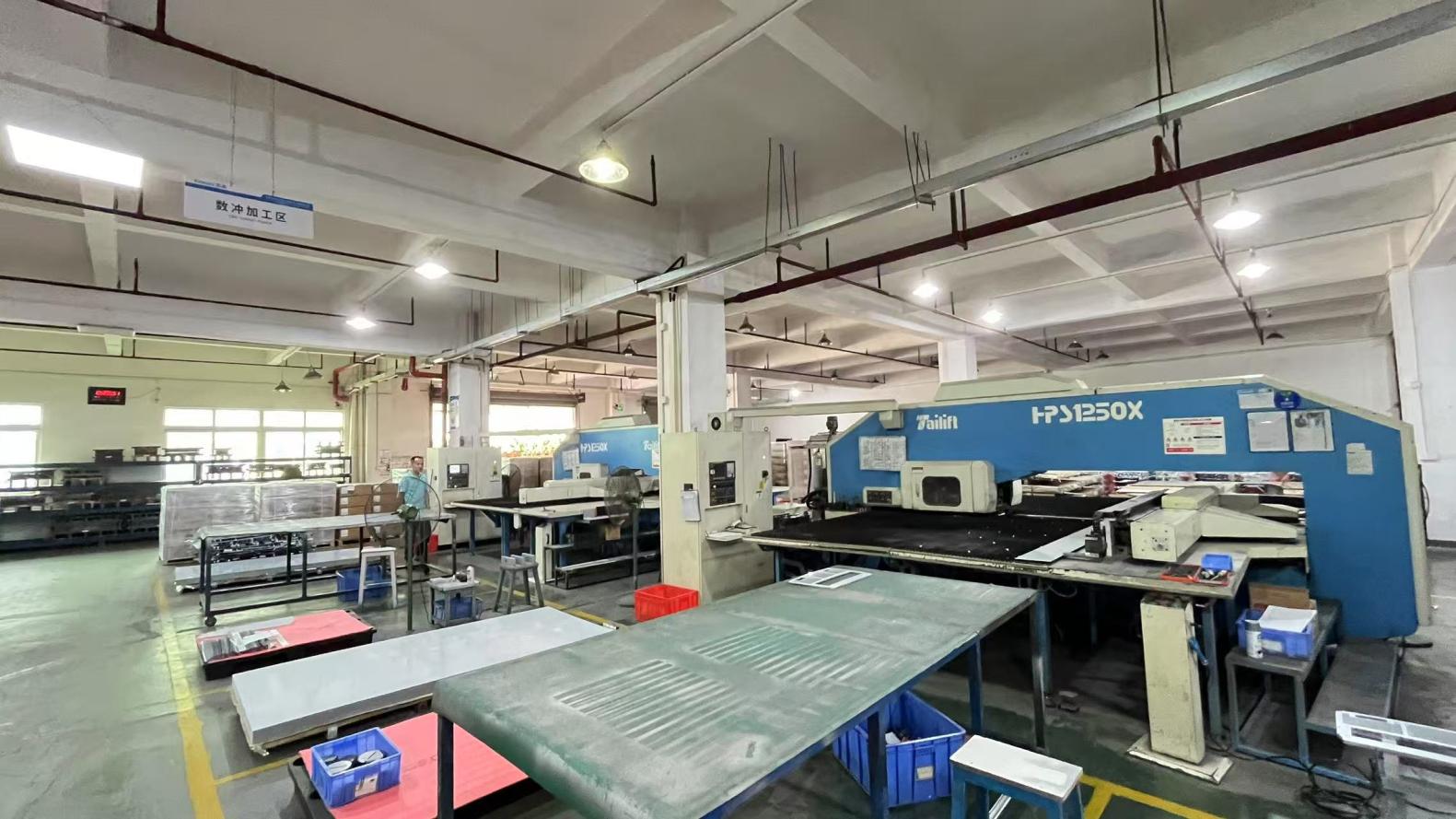
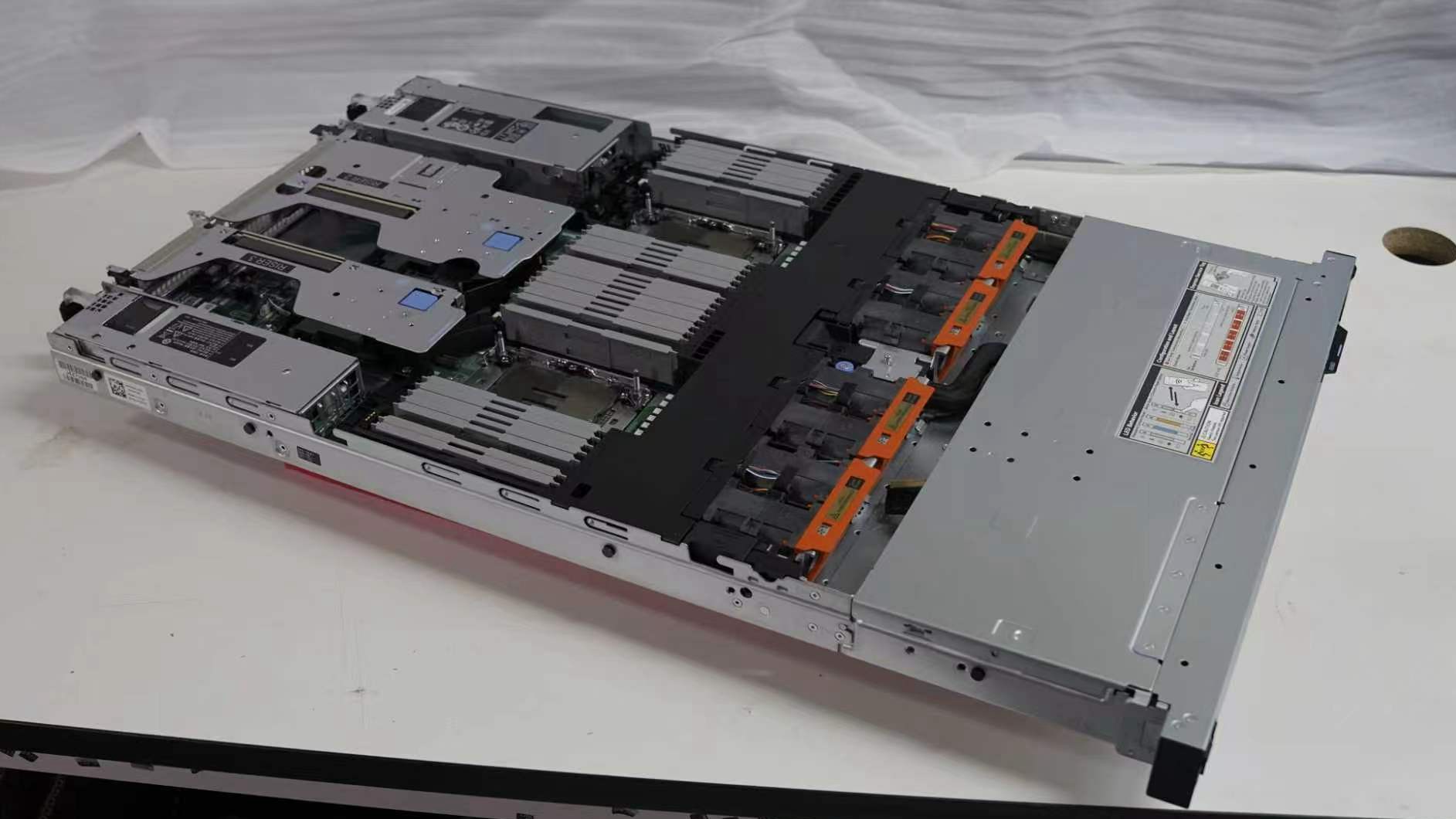
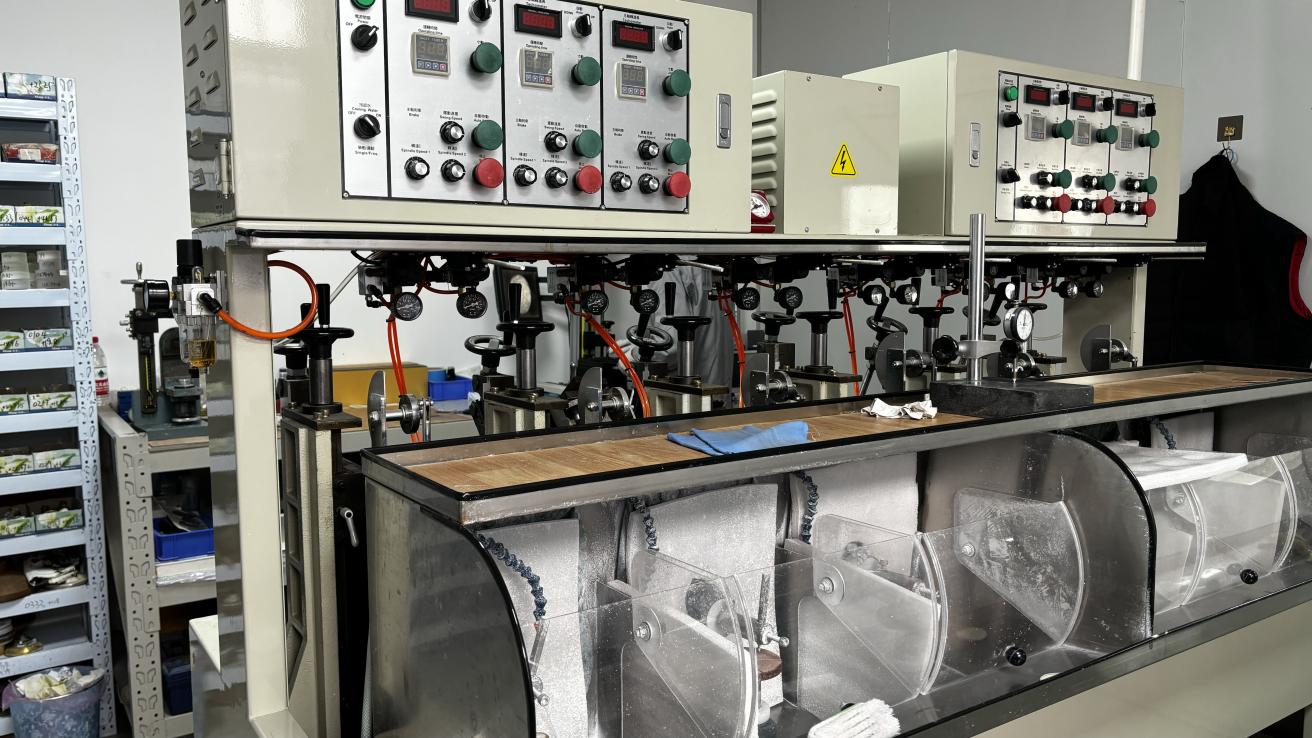
A visual look inside our precision testing laboratories, SMT assembly arrays, and technical warehouse.
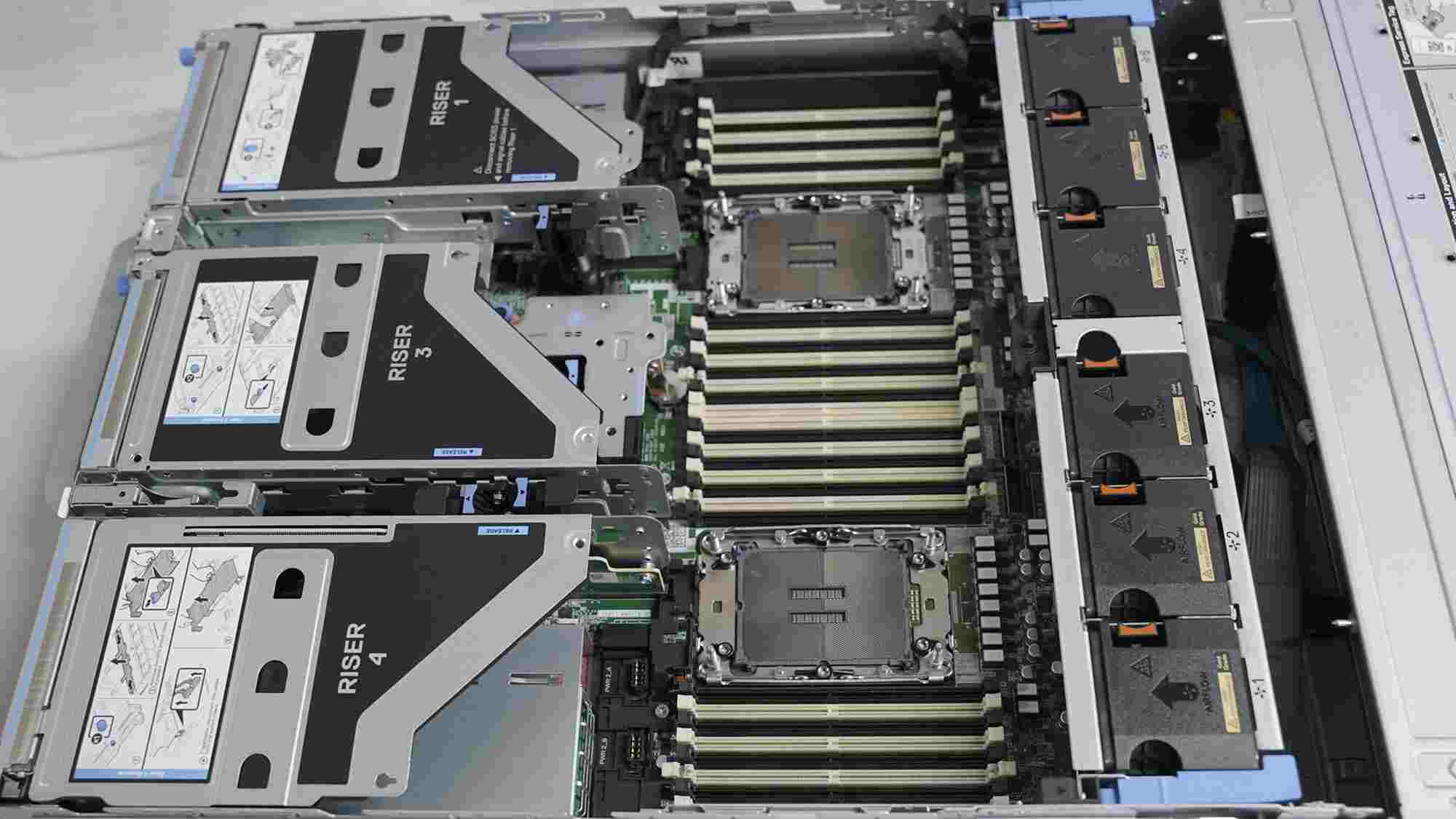

Years Industry Experience
Exporting Countries Served
In-House R&D Engineers
Supply Chain Partners
Answering crucial technical and logistical questions for international electronics buyers and system integrators.
Total Harmonic Distortion plus Noise (THD+N) in Class D amplifiers is primarily caused by non-linearities in the PWM modulator, timing dead-time in the output stage MOSFETs, and power supply ripple. We mitigate this through advanced multi-layer PCB design featuring localized high-speed decoupling capacitors, highly optimized dead-time control logic, and closed-loop feedback networks that correct for supply voltage fluctuations.
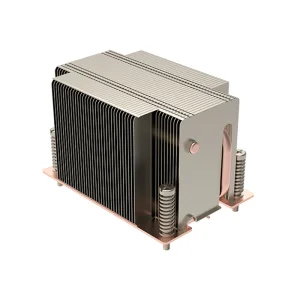
We design custom composite copper-aluminum heat sinks with thermal interfaces of high conductivity (>5.0 W/mK). Using simulated thermal profiles, we place thermal vias under high-dissipation components to conduct heat directly to bottom-mounted heat spreaders, ensuring junction temperatures remain well below critical limits even under continuous full-load output.
Yes. Our DSP-enabled decoder and amplifier motherboards can be loaded with custom firmware configurations supporting finite impulse response (FIR) and infinite impulse response (IIR) filtering. This allows system integrators to pre-program specific crossover points and delay alignments for specific acoustic cabinet designs.
Our typical development cycle begins with schematic capture and PCB layout optimization (1-2 weeks), followed by rapid prototyping and SMT sample production (1 week). Once initial prototypes pass functional, signal-integrity, and thermal stress tests, we proceed to compliance pre-scanning and mass production tooling, completing the entire process in under 6 to 8 weeks.
Select from our industry-grade decoder circuits, processing boards, thermal components, and high-frequency memory modules built for heavy-duty commercial deployment.
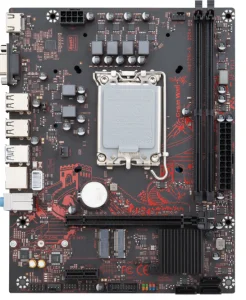
 Velmix