The modern data center industry is undergoing a monumental paradigm shift. As Artificial Intelligence (AI), Machine Learning (ML), and high-performance computing (HPC) platforms become central to commercial success, computational power requirements have surged. Consequently, thermal management has transitioned from a supporting engineering challenge to a core bottleneck in data center design and operational efficiency.
With CPU and GPU thermal design profiles (TDP) consistently exceeding 300W to 400W per socket, traditional cooling infrastructure is reaching its physical limits. Standard planar heatsinks struggle to maintain Junction Temperatures ($T_j$) within standard limits without incurring unsustainable parasitic power consumption from cooling fans. High PUE (Power Usage Effectiveness) metrics have become a regulatory and economic liability for global cloud providers.
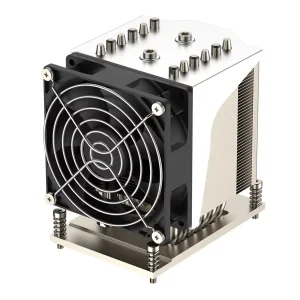
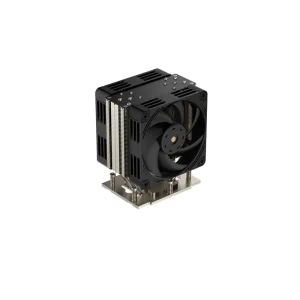
To address these macroeconomic pressures, our engineering department focuses on custom cooling assemblies designed for 1U, 2U, and 4U form factors. By integrating lightweight, high-density aluminum fins with high-conductivity copper bases and specialized thermal interface materials (TIMs), our custom server radiators achieve optimized heat dissipation efficiency. This ensures maximum server uptime and hardware longevity while lowering energy operational costs across global IT ecosystems.
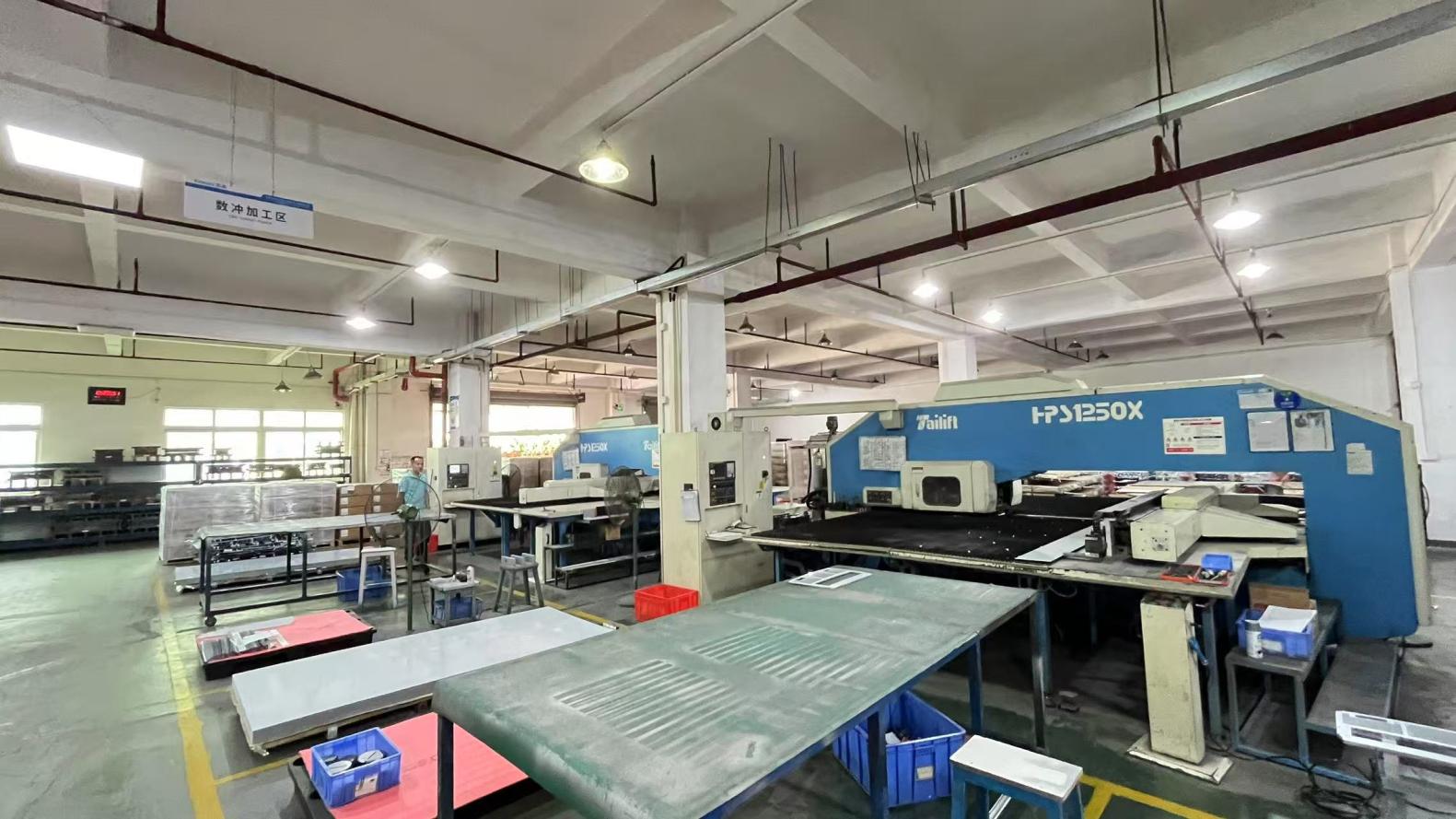
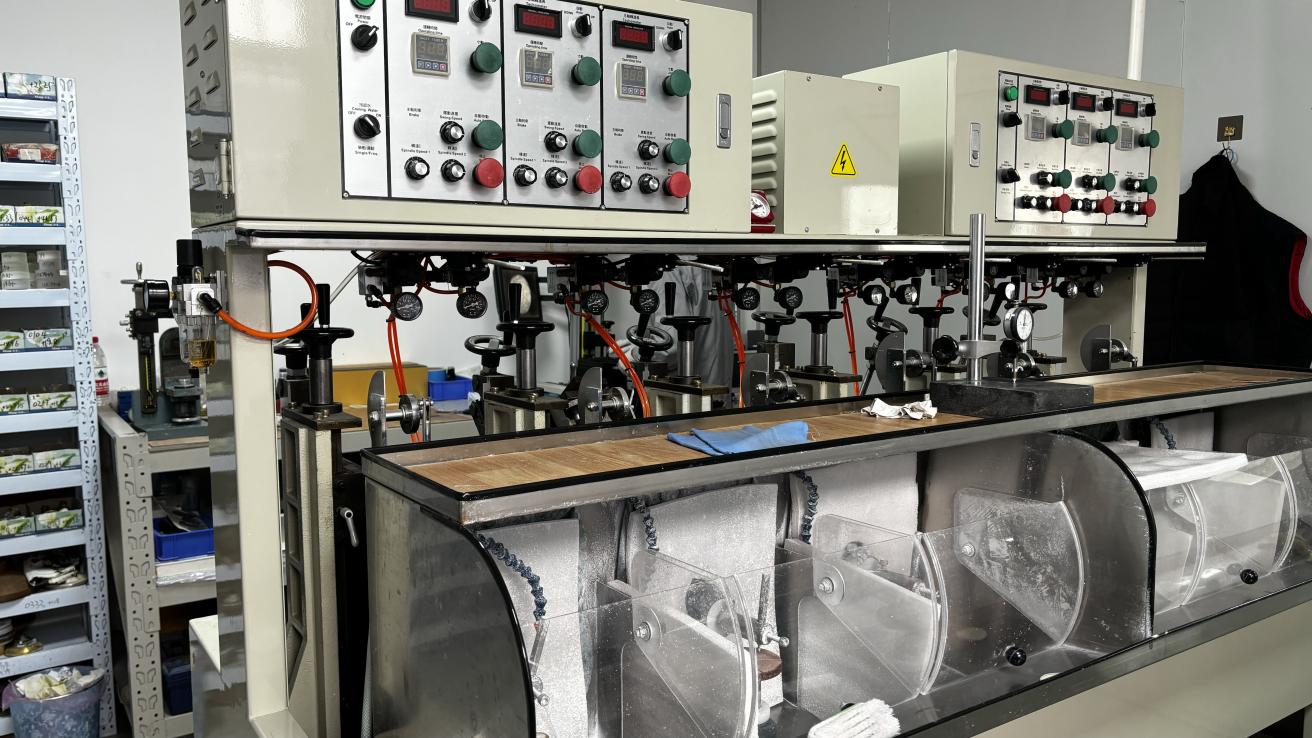
The global logistics and geopolitical landscape surrounding hardware procurement requires high supply chain resilience. High-precision machining centers in industrial hubs like Shenzhen, China, serve as the epicenter of global server thermal hardware manufacturing. These facilities support rapid prototyping, high-volume production, and strict quality control protocols required by system integrators and tier-one server brands.
For international buyers, the challenge lies in balancing manufacturing costs, material purity (such as high-conductivity oxygen-free copper and aerospace-grade aluminum), and lead times. Changes in global raw metal pricing require flexible sourcing networks. Our enterprise has established strategic long-term agreements with core smelting operations, ensuring price predictability and consistent delivery even during volatile market cycles.
Furthermore, global commercial demands vary significantly by region. North American and European cloud services focus on long-term reliability and low PUE compliance, while rapidly growing hyperscale centers in Southeast Asia and Latin America seek cost-effective, high-yield air-cooled architectures that can be quickly deployed in hot, humid environments. Addressing these varying demands requires customizable OEM and ODM service frameworks capable of fast modifications to meet local mechanical parameters.
Velmix Technology Co., Ltd. is a professional manufacturer based in Shenzhen, China, specializing in the research, development, production, and global distribution of high-performance hardware and memory solutions. Since its establishment in 2017, Velmix has been committed to delivering reliable, high-speed products for consumer electronics, industrial applications, gaming systems, servers, and embedded computing.
Operating from a modern manufacturing facility covering 368㎡, we combine advanced production technologies with strict quality management to ensure every product meets international performance and reliability standards. Our experienced engineering team continuously develops innovative thermal and electronic configurations to meet the evolving demands of AI computing, edge devices, cloud infrastructure, and next-generation computing platforms.
Today, Velmix serves customers in more than 40 countries and regions, offering flexible OEM and ODM manufacturing services for global brands, distributors, system integrators, and industrial equipment manufacturers. By focusing on product consistency, fast delivery, and technical innovation, we have built long-term partnerships across Europe, North America, Southeast Asia, and the Middle East.
| Item | Information |
|---|---|
| Company Name | Velmix Technology Co., Ltd. |
| Established | 2017 |
| Facility Area | 368㎡ |
| Annual Export Revenue | USD 18.6 Million |
| Export Experience | 8 Years |
| Industry Experience | 15 Years |
| Quality Control | 100% Full Inspection Before Shipment |
| Product Inspection Methods | Signal Integrity Test, Burn-in Test, Compatibility Test, Functional Test & Random Sampling |
| QC Staff | 56 Employees |
| Business Type | Manufacturer & Exporter |
| Main Markets | North America, Europe, Southeast Asia, Middle East & South America |
| Supply Chain Partners | 986+ |
| Main Customer Types | Brand Owners, OEM Manufacturers, System Integrators, Distributors & Wholesalers |
| R&D Capability | Independent Product Design, PCB Development & Firmware Optimization |
| Customization Options | OEM, ODM, Private Label, Customized Capacity, Heat Spreader, PCB Color & Packaging |
| New Products Launched Last Year | 138 Models |
| R&D Engineers | 84 Engineers |
Driven by innovation, precision manufacturing, and customer-oriented service, Velmix continues to expand its portfolio of server hardware and thermal-adapted products while helping global partners build faster, more reliable, and more efficient computing systems. We are dedicated to becoming a trusted long-term supplier of premium memory and thermal cooling integrations for customers worldwide.
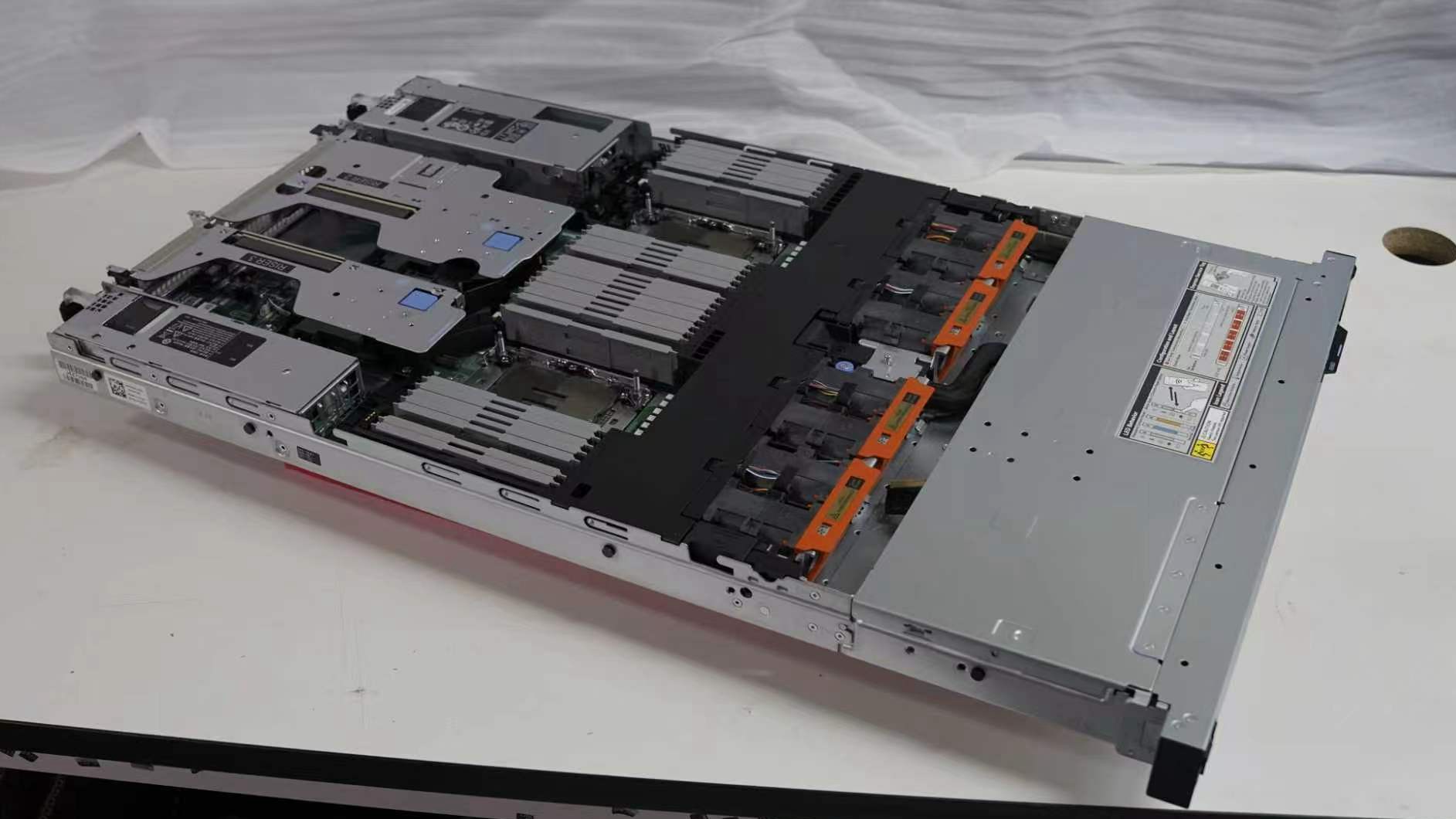
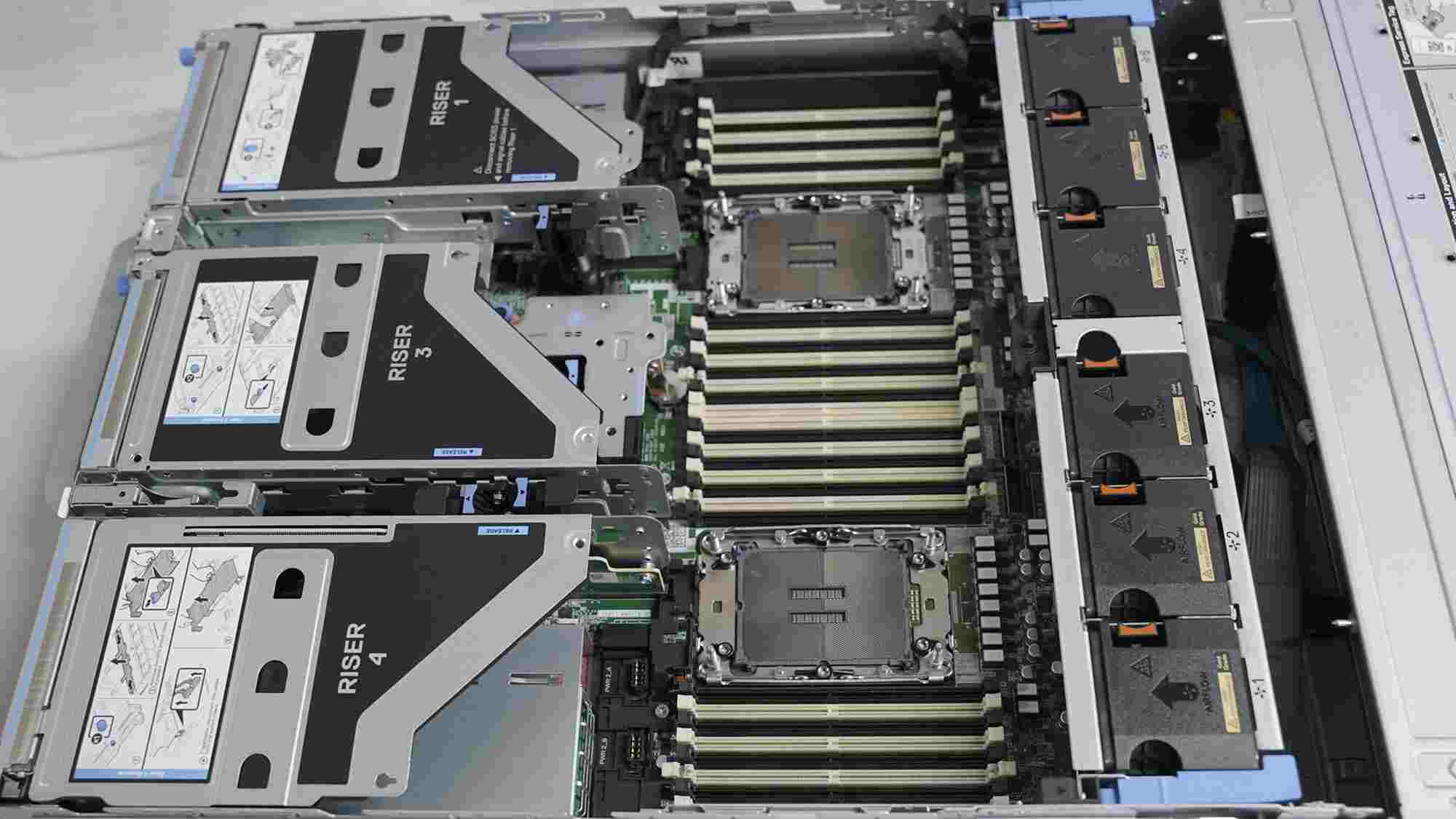
Modern server radiators must perform within tight spatial limits inside high-density server racks. The core physics of heat transfer relies on three fundamental mechanisms: conduction, convection, and phase change. By optimizing each stage of this cycle, engineers can build compact thermal systems capable of dissipating high heat loads.
Utilizing closed-loop two-phase heat transfer, vapor chambers spread heat evenly across the flat bottom of the radiator, preventing hotspots directly above high-power silicon chips.
Shaving thin, continuous fins from a single block of raw copper or aluminum removes interface thermal resistance, maximizing fin surface area per cubic centimeter.
By positioning copper heat pipes in direct contact with the CPU integrated heat spreader (IHS), we bypass baseplate thermal resistance for immediate heat absorption.
Standard aluminum extruded heatsinks are suitable for low-power processing units (TDP < 150W). However, as power scales past 250W, the thermal conductivity limits of solid aluminum ($~205 \text{ W/m·K}$) cause significant temperature differences across the fins. To overcome this, integrating high-vacuum copper vapor chambers (with effective thermal conductivity exceeding $2000 \text{ W/m·K}$) ensures uniform heat distribution to the outer fin structures, increasing overall cooling efficiency.
Operating as a global exporter requires deep familiarity with localized regulatory landscapes and compliance standards. Heatsinks and cooling assemblies intended for use in enterprise-level hardware must meet strict quality standards, including UL94-V0 for flame retardancy of materials, RoHS (Restriction of Hazardous Substances) for environmental safety, and CE/FCC compatibility certifications where active fans or monitoring components are integrated.
Our quality assurance framework starts with incoming material inspections. Every batch of raw copper and aluminum is tested using spectroscopy to confirm purity levels exceed 99.9%. Fin layouts undergo coordinate measurement machine (CMM) testing to verify tight mechanical tolerances (within $\pm 0.05 \text{ mm}$), ensuring clean fitment during integration into systems by clients like Dell, HP, or custom white-box integrators.
For large-scale enterprise deployments, we offer localized support programs. This includes providing engineering assets (like 3D STEP files and thermal simulation reports from ANSYS Icepak/FloTHERM) directly to development teams in Europe, East Asia, and the Americas. Providing this structural data helps shorten prototype development and validation timelines for custom-built server designs.
Thermal management is highly dependent on the environment in which servers are deployed. A standard radiator optimized for dry, cold data centers in Northern Europe may perform differently in high-humidity facilities in Southeast Asia, or in modular edge deployments located in industrial environments.
Edge nodes deployed on factory floors or within cellular base stations must operate without clean-room air filtration. In these setups, passive, dust-resistant coolers with wide fin gaps are preferred. This prevents airborne particulates from clogging the airflow channels, reducing the need for manual maintenance and onsite servicing.
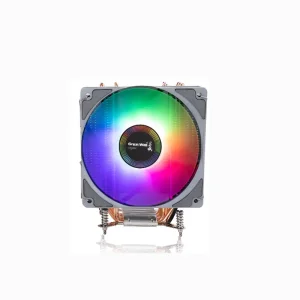
In high-density cloud data centers, cooling relies on powerful chassis fans generating high airflow. Radiators designed for these setups feature high-density, thin-fin designs (such as zippered aluminum fin stacks) to maximize surface area. These are paired with copper vapor chambers to efficiently transfer heat from multi-core processors into the fast-flowing air stream.
As computing requirements continue to scale, the industry is approaching a tipping point where air cooling alone cannot meet the thermal demands of next-generation chips. The transition toward liquid-assisted architectures is accelerating, and our development pipeline is designed to support this shifts.
Our long-term roadmap focuses on three main technological pillars:
 Velmix