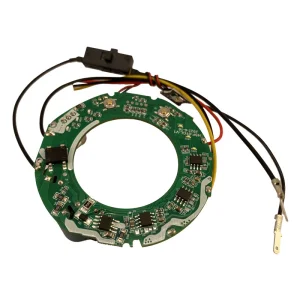
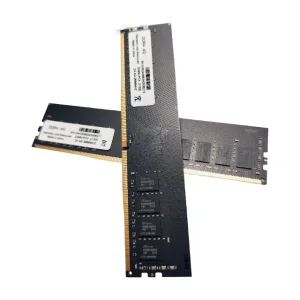
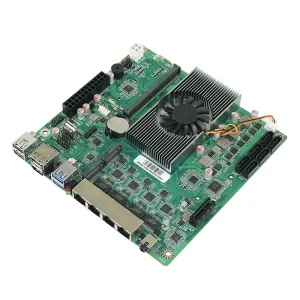
Dynamic transformations in enterprise hardware demand robust manufacturing protocols, advanced cooling technologies, and optimized silicon solutions.
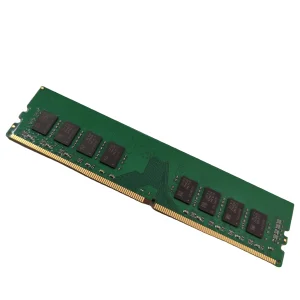
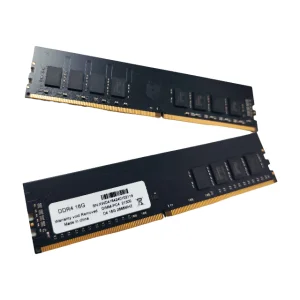
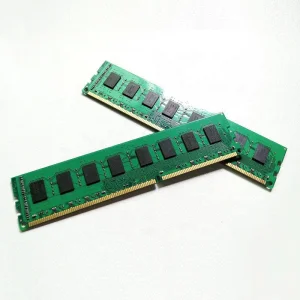
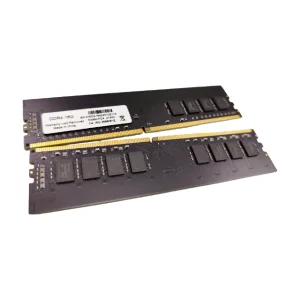
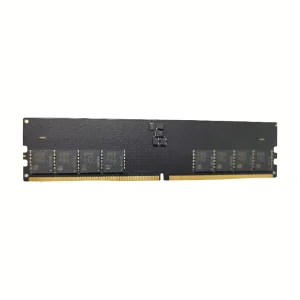
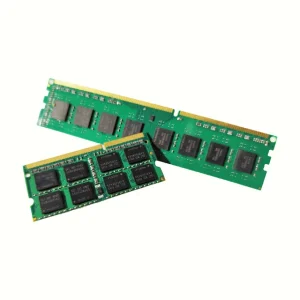
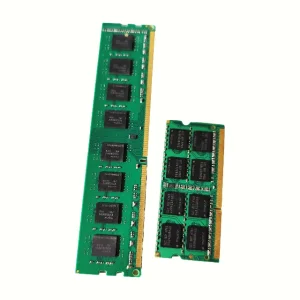
DDR5 memory modules represent a major technological leap, providing double the bandwidth of DDR4 and moving power management (PMIC) directly onto the DIMM PCB. This reduces power loss while ensuring highly stable voltage profiles. OEM and ODM integration requires meticulous trace layout designs to mitigate electromagnetic interference at high signal speeds (4800MHz to 6000MHz+).
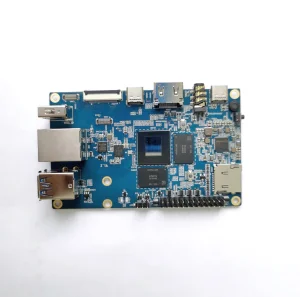
Next-generation embedded devices require SoCs with dedicated Neural Processing Units (NPUs), like the Rockchip RK3588S. Integrating memory, I/O interfaces, and AI acceleration onto a single custom board enables lower power latency and compact form factors, which are perfect for advanced edge computing, smart retail, and robotics.
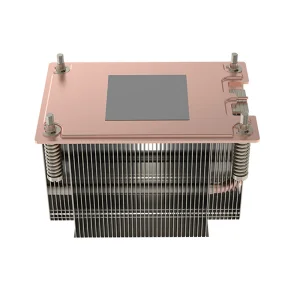
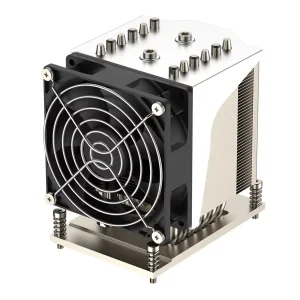
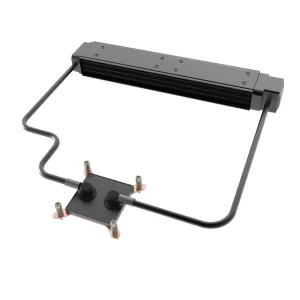
With processors and high-performance server components crossing 200W to 350W TDP limits, passive vapor chamber (VC) arrays and multi-pipe liquid cooling systems are becoming industry standards. High-density server platforms rely heavily on localized liquid loops and active cooling matrices to prevent thermal throttling and ensure stable processing performance.
A professional DRAM manufacturer, high-frequency PCB systems designer, and hardware thermal solutions supplier based in Shenzhen, China.
Established in 2017, Velmix Technology Co., Ltd. has established itself as an innovative force in the research, development, production, and global distribution of high-performance DRAM memory solutions. Since then, Velmix has focused on delivering reliable, high-speed memory products for consumer electronics, industrial applications, gaming systems, servers, and embedded computing systems.
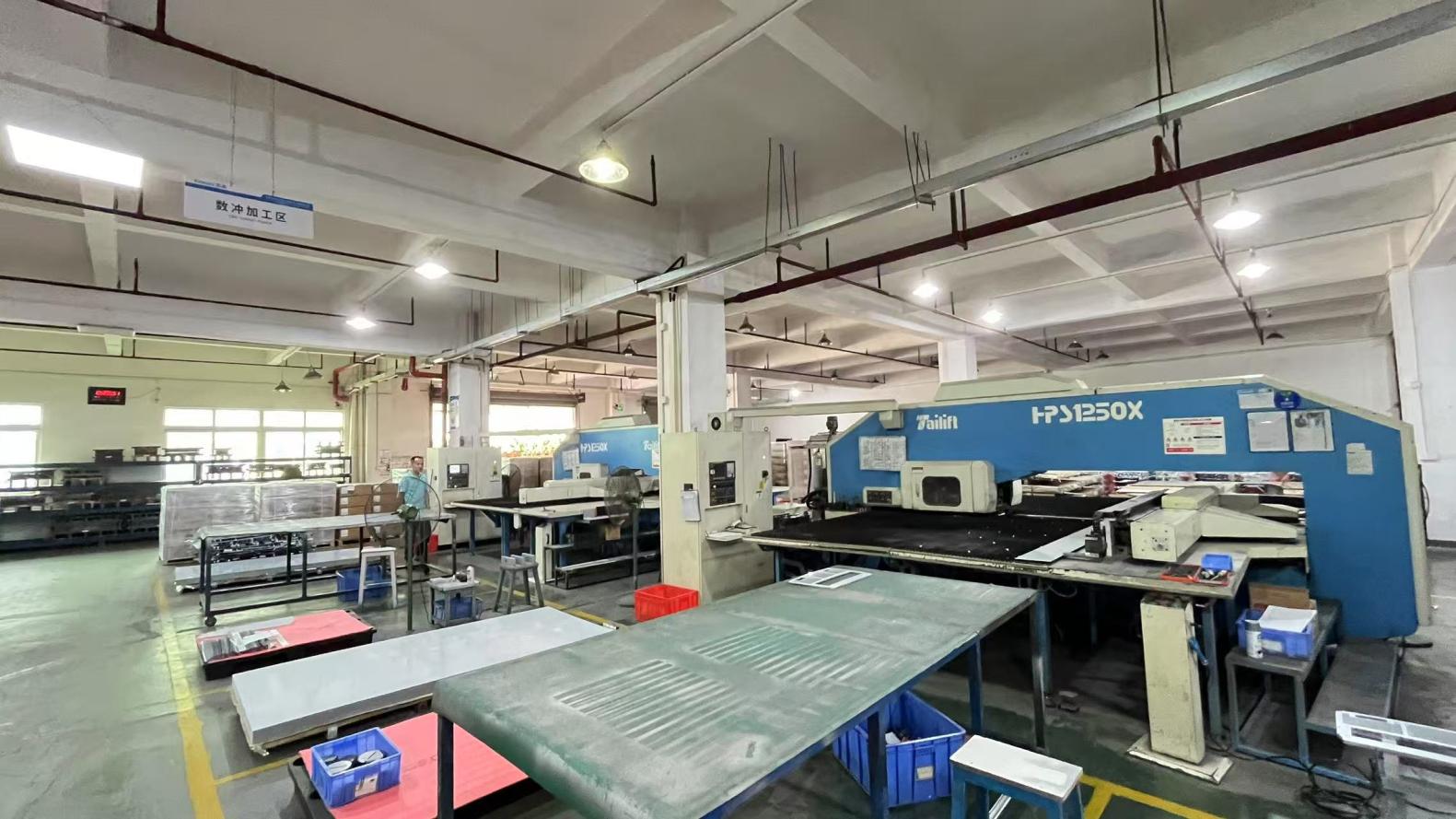
Operating from a modern manufacturing facility covering 368㎡, we combine advanced production technologies with strict quality management to ensure every memory module meets international performance and reliability standards. Our experienced engineering team continuously develops innovative DDR5 memory solutions to meet the evolving demands of AI computing, edge devices, cloud infrastructure, and next-generation computing platforms.
Today, Velmix serves customers in more than 40 countries and regions, offering flexible OEM and ODM manufacturing services for global brands, distributors, system integrators, and industrial equipment manufacturers. By focusing on product consistency, fast delivery, and technical innovation, we have built long-term partnerships across Europe, North America, Southeast Asia, and the Middle East.
| Corporate Metric | Operational Data |
|---|---|
| Company Name | Velmix Technology Co., Ltd. |
| Annual Export Revenue | USD 18.6 Million |
| Export Experience | 8 Years |
| Industry Experience | 15 Years |
| Supply Chain Partners | 986+ High-tier Suppliers |
| Inspection Assurance | 100% Quality Full Inspection |
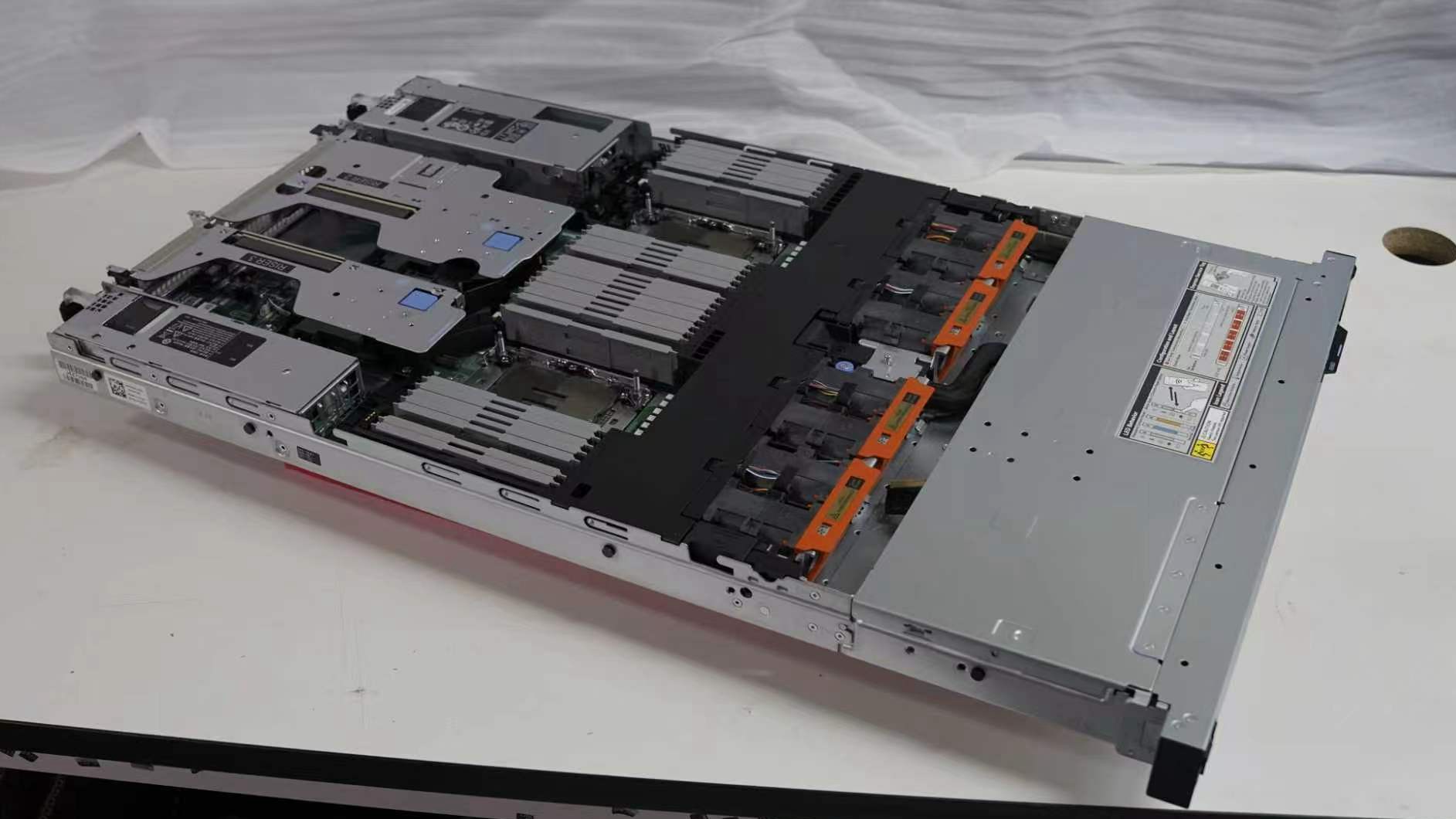
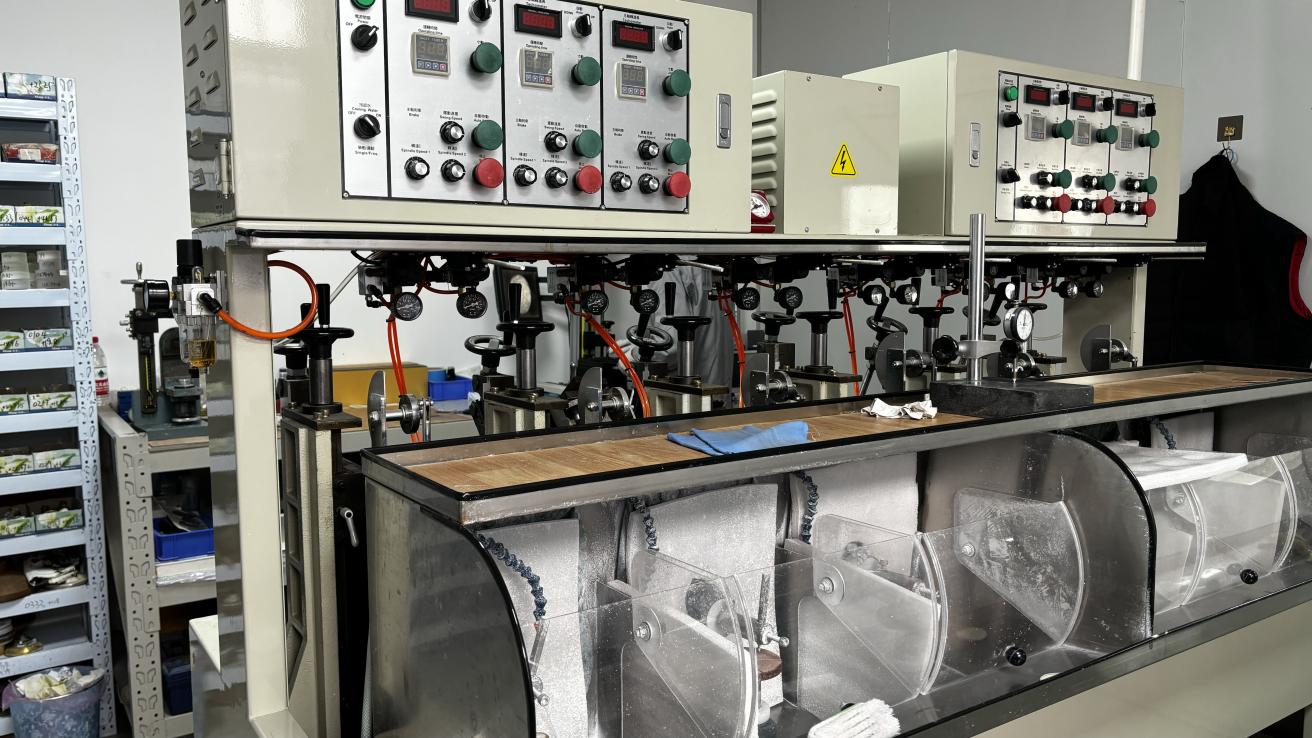
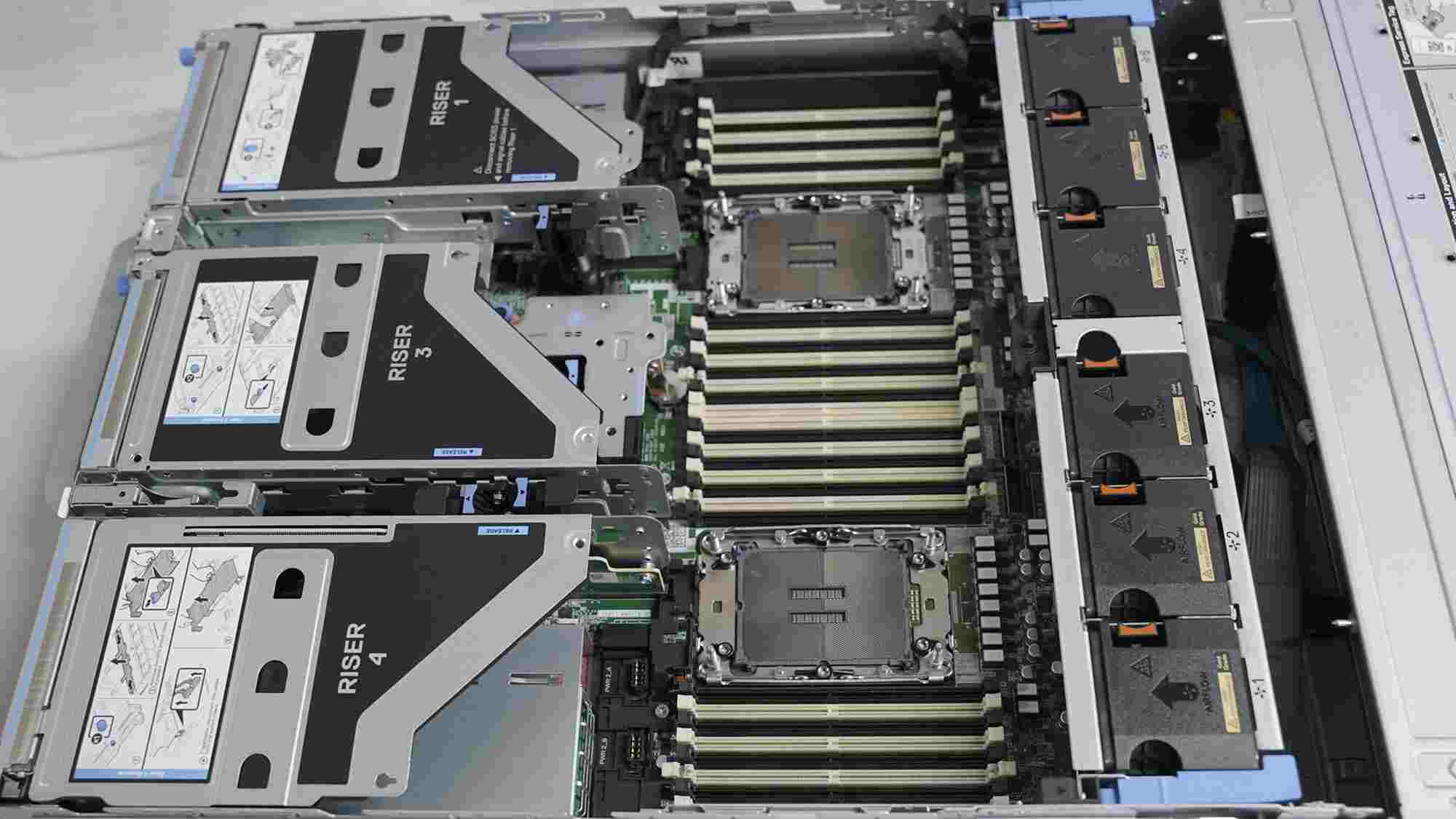

From design to high-volume manufacturing, our technical engineering team delivers custom layout designs, component selection, and optimized firmware solutions.
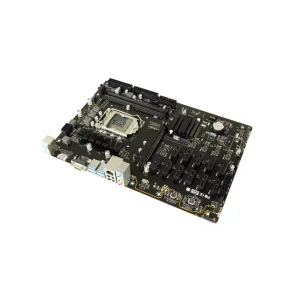
Our R&D department specializes in designing multi-layer PCBs (up to 12 layers for memory modules and motherboards) that control impedance and manage high signal integrity. Our designs undergo extensive testing to minimize crosstalk and noise in high-frequency environments, ensuring peak performance.
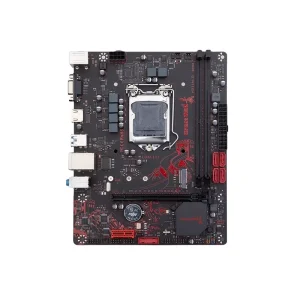
Custom memory modules require personalized Serial Presence Detect (SPD) parameters. We program SPD registers with customized timing profiles, voltage settings, and serial tracking data. Our customized motherboard designs also undergo BIOS-level optimizations to ensure perfect compatibility with complex operating environments.
We design custom cooling plates, fin densities, and specialized vapor chambers for high-end server deployments and fanless industrial computers. These designs keep thermal resistance levels low while fitting perfectly within tight space requirements, maximizing reliability.
Our testing labs conduct five levels of strict analysis on every active component before shipment to eliminate failures and maintain high reliability.
Ensures optimal signal transmission margins under fluctuating voltages and speeds. High-speed oscilloscopes analyze eye diagrams to prevent noise interference, keeping data transfers stable.
Exposes all hardware and memory modules to high-temperature test ovens (up to 85°C) under full workload loads. This process isolates and eliminates weak components, securing reliable performance.
We test component performance across a wide range of platforms, including Intel Core/Xeon, AMD Ryzen/EPYC, and ARM-based architectures. This guarantees out-of-the-box reliability.
Includes testing under extreme data load cycles, sudden power failure tests, and cold boot tests. These evaluations guarantee that our components perform reliably under demanding real-world conditions.
Ensuring steady supply, clear quality controls, and certified compliance with worldwide import-export and environmental standards.
To deliver high quality memory modules, we source our DRAM silicon chips directly from industry-leading manufacturers, including Samsung, SK Hynix, and Micron. This ensures steady chip yields, high binning tolerances, and reliable long-term supply cycles for our clients.
All manufacturing stages comply with CE, FCC, RoHS, and REACH guidelines. We apply Lead-Free (Pb-Free) soldering techniques and track hazardous chemicals closely, helping our partners meet local compliance requirements across Europe and North America.
With eight years of export experience, we manage efficient shipping routes, simplify customs clearance, and use protective ESD packaging. This process minimizes transport delays and protects components during global transit.
Driving processing efficiency and thermal performance through next-generation designs and hardware innovations.
Our upcoming engineering designs focus on increasing memory module speeds to 6400MHz and beyond. By upgrading layout designs, implementing high-performance PMICs, and selecting premium components, we help clients handle demanding data processing workloads with ease.
We are expanding our system-on-module designs with next-generation NPU architectures, targeting AI-driven edge platforms. These systems enable faster, local data processing for automated smart retail, visual identification, and IoT networks.
To manage growing processor heat loads, our team is developing advanced liquid cooling radiators and phase-change thermal heat sinks. These solutions are built to dissipate over 350W TDP, ensuring stable performance in dense rack environments.
Detailed technical answers addressing common manufacturing, customization, and engineering queries from international buyers.
ECC (Error-Correcting Code) memory features an extra memory chip designed to identify and resolve single-bit data errors. This feature is crucial for servers, financial systems, and industrial computers where data corruption can cause system instability. Non-ECC memory modules are best suited for standard laptops and gaming PCs where high speed is the primary focus and minor data faults do not disrupt critical operations.
We apply a comprehensive thermal testing process: first, we design multi-layer PCBs with optimized copper tracks that distribute heat evenly. Next, we install high-performance aluminum heat spreaders and subject modules to thermal stress burn-in testing. These tests run for extended periods at 85°C to ensure components maintain signal integrity under hot operating conditions.
Yes, our R&D team provides full ODM services, including customized board form factors (like mini-ITX), specialized trace paths, custom SPD timing profiles, and unique connector options. We also offer private labeling and customized packaging to meet your market specifications.
We build passive vapor chambers, high-density copper fins, and multi-pipe liquid coolers designed to manage heat loads from 200W up to 350W TDP. Our designs are optimized to keep thermal resistance low and fit into compact 2U, 4U, or custom server enclosures.
Our quality control involves five test stages: visual automated optical inspection (AOI), high-speed signal integrity analysis, thermal burn-in stress testing, multi-platform motherboard compatibility checks, and a final functional load validation. This thorough process ensures that only fully functional products are shipped to our clients.
 Velmix