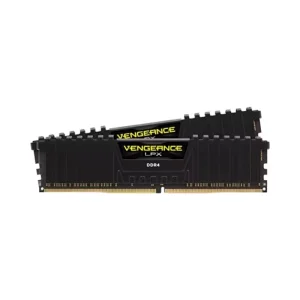
Advanced high-frequency DDR4/DDR5 enterprise memory modules and thermal management hardware engineered for high-performance computing.
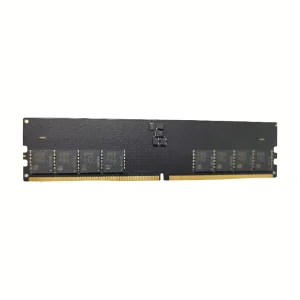
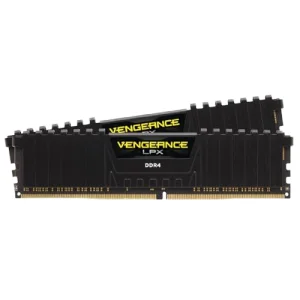
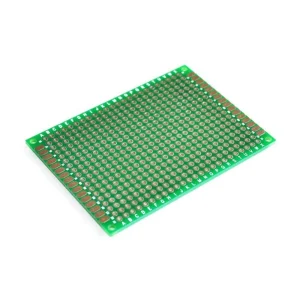
Analyzing critical performance metrics, bus dynamics, and power dissipation interfaces in modern datacenters.
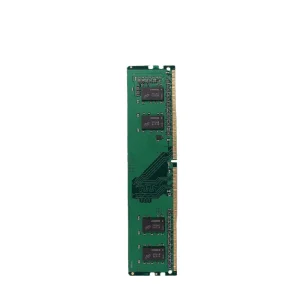
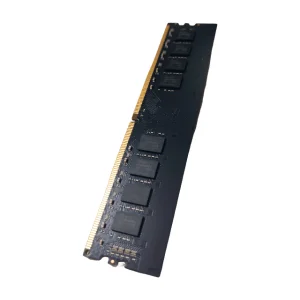
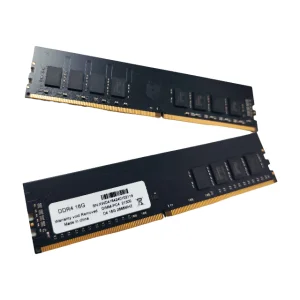
The modern landscape of High-Performance Computing (HPC) is defined by exponential data processing needs. With artificial intelligence models growing more complex, cloud service providers and enterprise database administrators require computing architectures that minimize bottleneck points. Memory subsystem latency and CPU thermal dissipation are key factors in limiting system speed. Dynamic RAM modules, such as DDR5 computer memory RAM and DDR4 PC4 ECC modules, act as the high-speed cache storage bridges for multicore server processors. If these modules cannot handle high workloads, processor cores sit idle, resulting in high latency and underutilized capital investments.
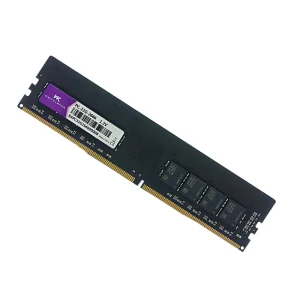
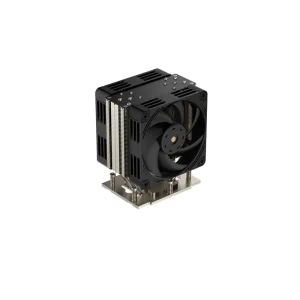
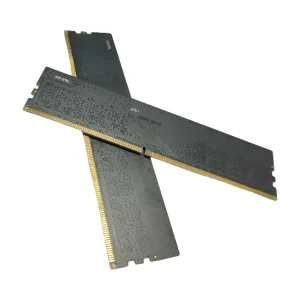
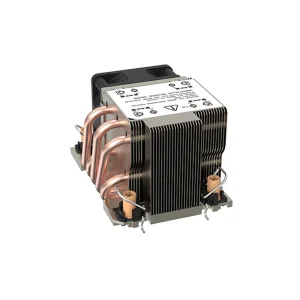
The transition from DDR4 to DDR5 is a significant architectural shift rather than a simple frequency upgrade. Modern DDR5 modules feature a maximum speed of up to 6000MHz. They move power management control directly onto the PCB utilizing a Power Management Integrated Circuit (PMIC). By adjusting voltage on-module instead of routing through the motherboard, system builders can achieve tighter power regulation, improved electrical efficiency, and less noise. In parallel, cooling capabilities must keep pace. As server CPUs exceed 300W thermal design profiles (TDP), high-performance thermal devices like the SP5 N99 Heatsink with dual 9025 fan coolers are required to prevent thermal throttling and ensure long-term hardware reliability.
DDR5 memory architecture doubles the burst length from 8 to 16, allowing for wider memory access channels and significantly improved multi-threaded processing speeds.
On-die Error Correcting Code (ECC) in DDR5 corrects bit-errors inside the chip, providing high-level system reliability for critical financial database infrastructure.
Lower operating voltages of 1.1V compared to DDR4's 1.2V reduce power requirements in large data centers, lowering ongoing operational expenses.
A trusted DDR5 memory manufacturer based in Shenzhen, China, specializing in R&D, production, and worldwide distribution of DRAM solutions.
Since its founding in 2017, Velmix Technology has specialized in high-performance memory modules. Operating from a modern facility in Shenzhen, China, the company provides DRAM solutions for consumer computing, industrial systems, gaming rigs, and high-density enterprise servers. Combining specialized production lines with rigorous testing procedures, we ensure every memory stick meets global standards for speed and reliability.
Our engineering team focuses on customized solutions to support new processing platforms. Velmix serves clients in more than 40 countries, providing OEM and ODM manufacturing services for brands, device integrators, and industrial partners. By focusing on consistency, short lead times, and engineering development, Velmix has established relationships across North America, Europe, South America, and the APAC region.
| Operation Details | Technical Capability & Standards |
|---|---|
| Company Name | Velmix Technology Co., Ltd. |
| Facility Area | 368㎡ Modern Integration and QA Center |
| Annual Export Revenue | USD 18.6 Million |
| Export Experience | 8 Years of Worldwide Logistics & Custom Clearance Compliance |
| Industry Experience | 15 Years of Memory Module Design and Engineering |
| Quality Control Protocol | 100% Inspection Prior to Shipping |
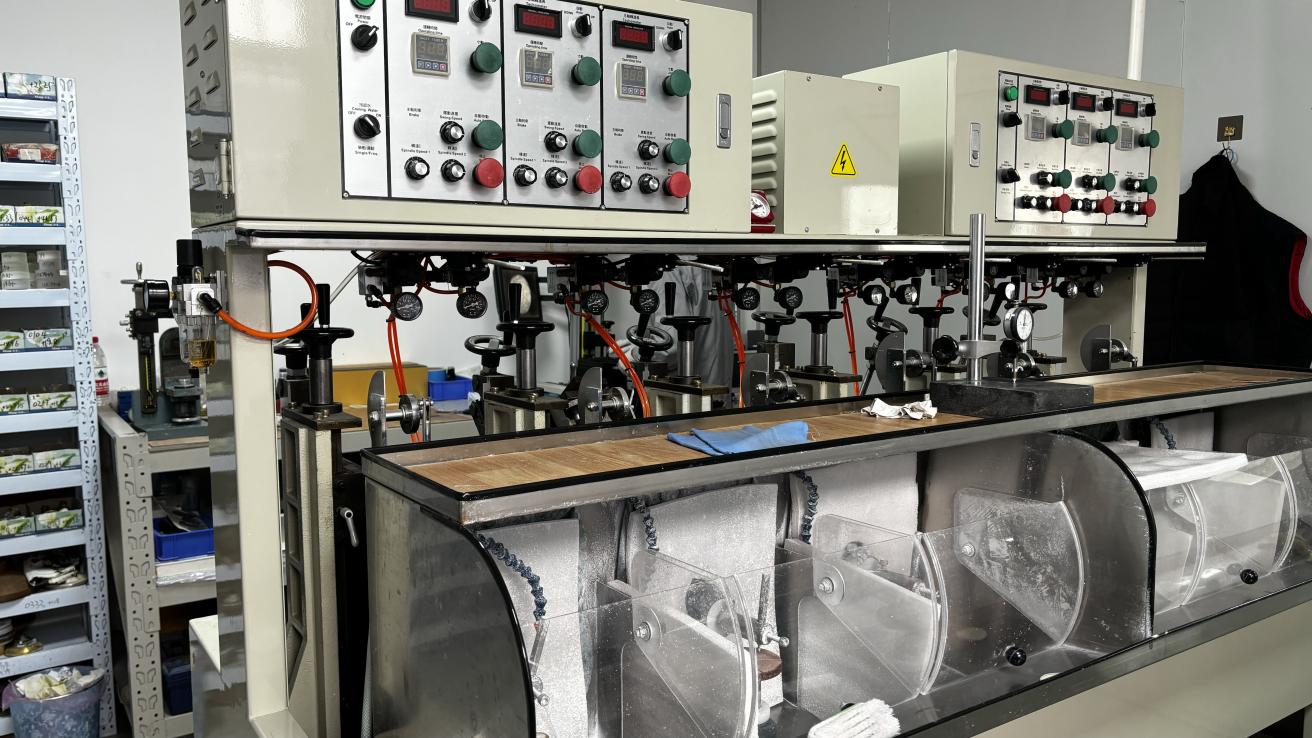
| Product Inspection Methods | Signal Integrity Test, Burn-in Test, Compatibility Test, Functional Test & Random Sampling |
| Dedicated QC Staff | 56 Specialized QA Engineers and Inspectors |
| Primary Customer Types | Brand Owners, OEM Manufacturers, System Integrators, Distributors & Wholesalers |
| R&D Scope | Independent Product Design, PCB Layout Customization & Firmware Tuning |
| Customization Options | OEM, ODM, Private Label, Customized Capacity, Heat Spreader, PCB Color & Packaging |
Operating out of Shenzhen puts Velmix in the center of the global electronics supply chain. Our manufacturing facilities leverage direct relationships with memory IC suppliers to source DRAM components from brands like Samsung, SK Hynix, and Micron. This direct sourcing reduces transit times and buffers our clients from chip market price volatility.
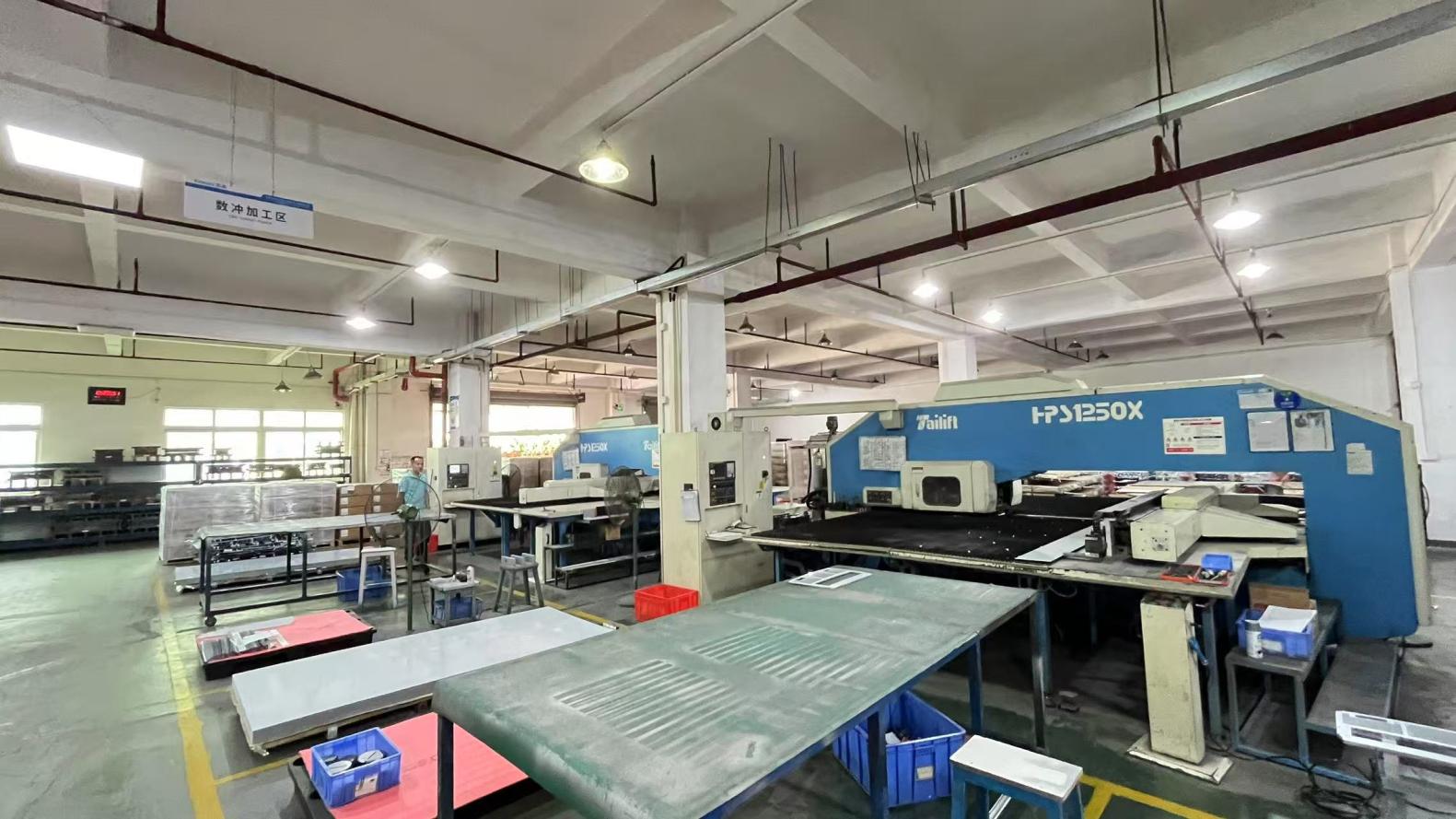
Our facility uses automated SMT lines capable of placing passive components and packaging BGA ICs with precision. By keeping design, validation, SMT, and testing in one location, we reduce production cycles for OEM orders. Because we source PCBs, ICs, logic controllers, and thermal heatsinks locally, we offer competitive production costs compared to manufacturers outside of major tech hubs.
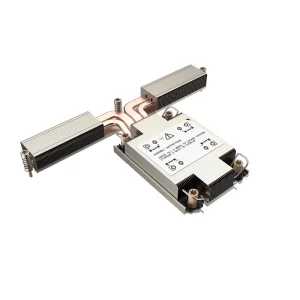
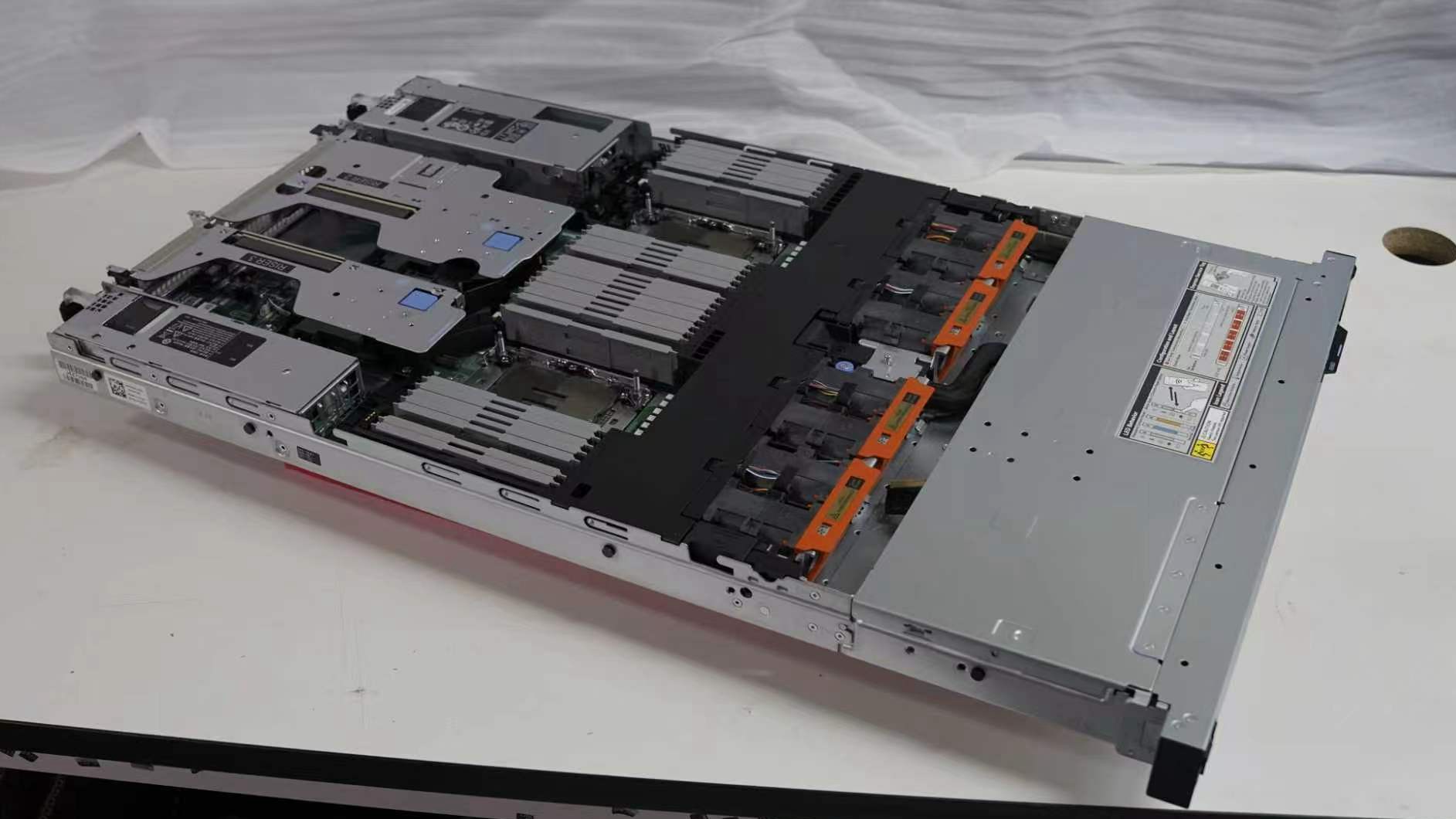
Additionally, our supply chain relationships allow us to source high-specification heatsinks, such as the LGA 4677 server coolers and passive extruded aluminum options. This enables us to package cooling solutions and memory modules together, offering a complete hardware option for server system builders.
Selling enterprise computing components globally requires adhering to localized regulatory standards. Velmix exports to Europe, North America, Southeast Asia, and South America, maintaining standard testing benchmarks to meet requirements like CE, FCC, RoHS, and WEEE.
Our localized support helps resolve common compatibility challenges with server hardware. When system integrators deploy DDR5 memory modules or thermal heatsinks, minor firmware mismatches can cause system errors. Our technical team works directly with engineers in North America and Europe to offer support, resolve BIOS firmware issues, and provide customized SPD configurations.
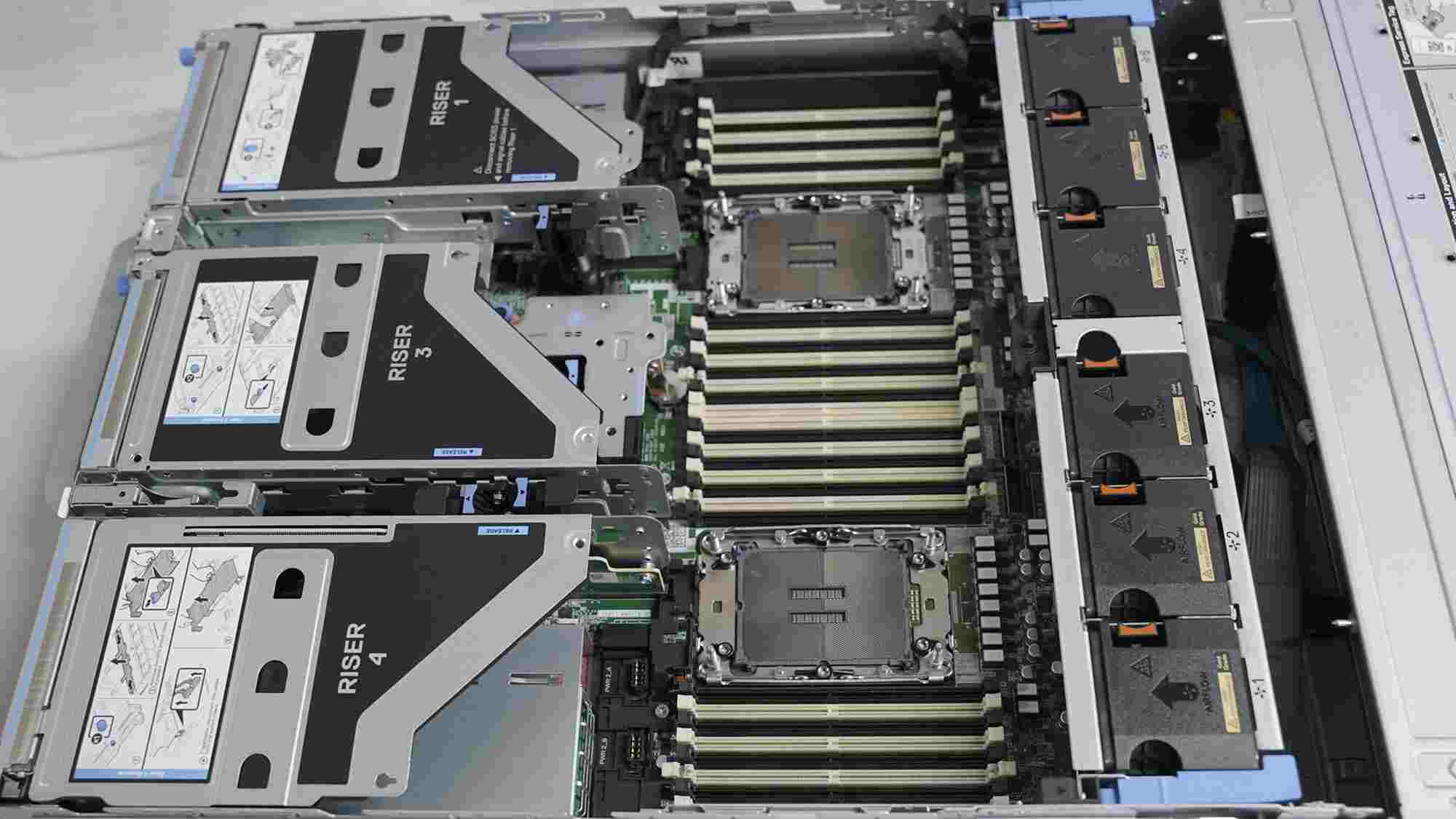
Our quality assurance process includes testing on multiple platforms to ensure stability when integrated into systems like Supermicro, Inspur, Dell EMC PowerEdge, and HPE ProLiant servers. This testing helps reduce hardware deployment issues for our clients.
Understanding how enterprise DRAM and active thermal cooling fit into modern tech infrastructure.
AI model training and inference require steady memory speeds and continuous operation. Large data centers deploy DDR5 32GB RAM at 5600MHz/6000MHz to handle data streams while utilizing high-airflow server heatsinks to manage CPU heat.
Industrial PCs in transportation hubs and smart grid facilities need rugged hardware. Specialized memory modules like DDR4 ECC memory maintain data integrity under vibrations and temperature swings, preventing corrupted log data.
Engineering stations processing large simulations require high system stability. High-capacity RAM, motherboards with PCIe expansions, and active cooling configurations allow engineers to run heavy visualization software continuously.
Three main trends shape the high-performance computing hardware sector:
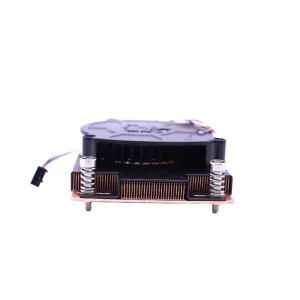
1. Increased Core Densities and Thermal Pressures: Modern processor design focuses on increasing core counts. With CPUs utilizing more cores, their thermal output increases, requiring advanced heat management. High-performance heatsinks, like our SP3 1U copper-bottom cooler fans and 300W LGA 4677 server coolers, are designed to handle these higher thermal levels within space-constrained server racks.
2. Adoption of DDR5 Standard: More architectures are moving from DDR4 to DDR5. Data centers are updating their systems to support DDR5's higher transfer rates and lower operating voltage, helping to meet throughput requirements and manage power costs.
3. Supply Chain Security and Customization: Procurement departments face issues with standard, off-the-shelf components. The market is shifting toward OEM partners that can adapt firmware, customize module colors, adjust memory timing profiles, and provide direct technical support.
View inside Velmix Technology's facility: SMT lines, automated test setups, and quality control systems.
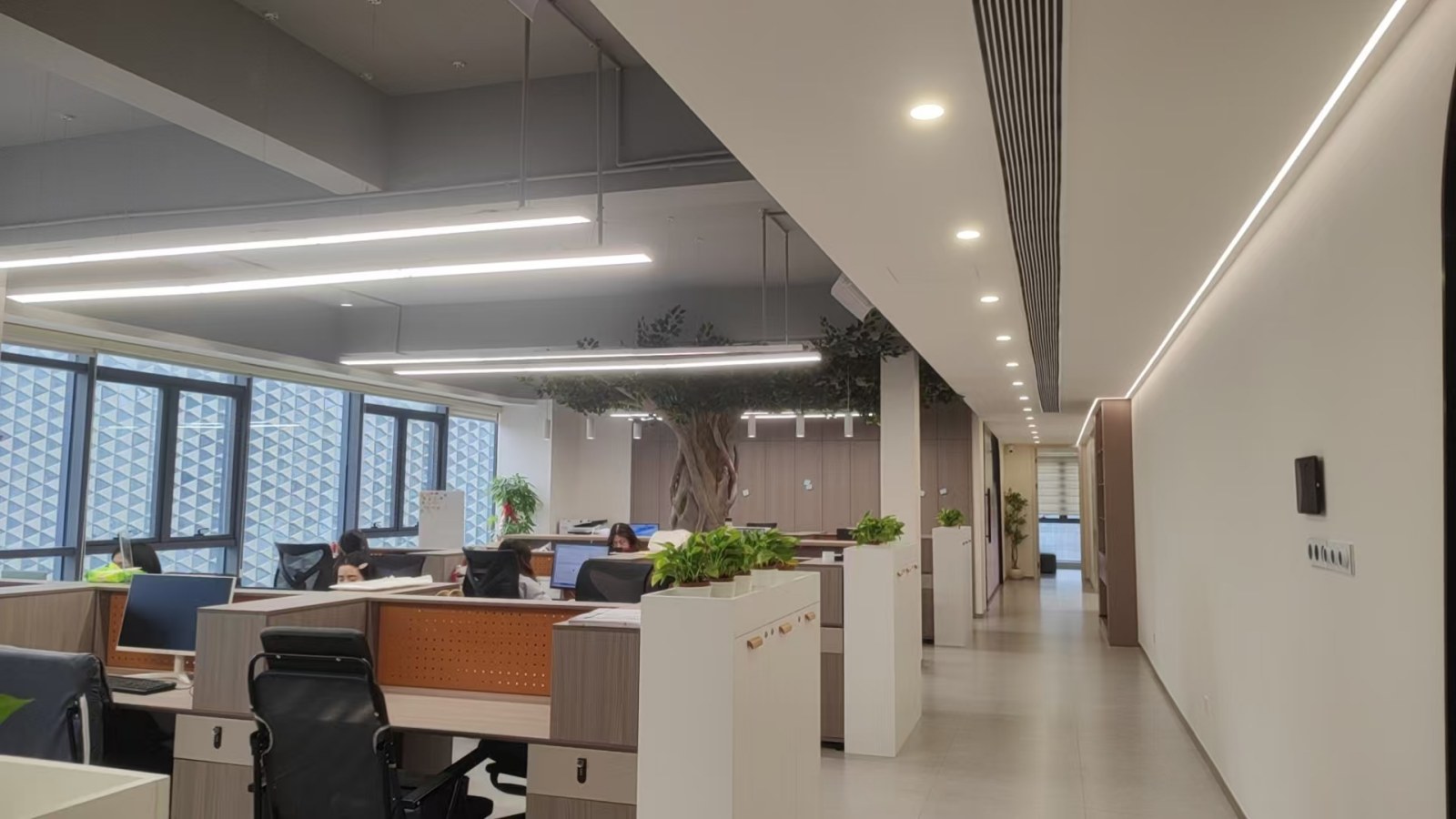
Common questions from server administrators and hardware buyers regarding specs, custom configurations, and testing.
Explore motherboard configurations, legacy server DDR4 modules, and passive cooling options designed for 2U and 4U rackmount servers.
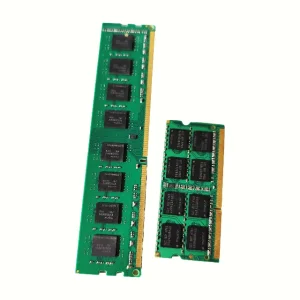
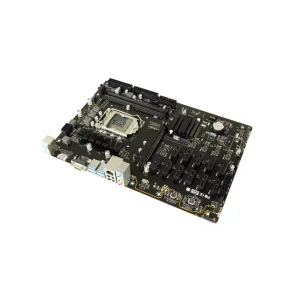
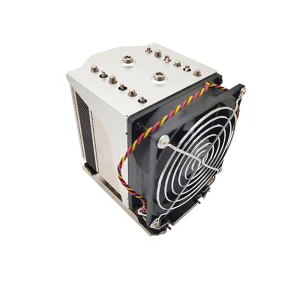
 Velmix