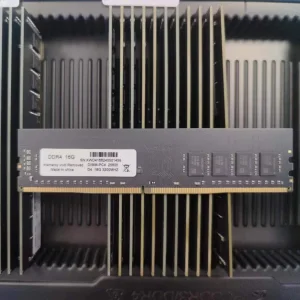
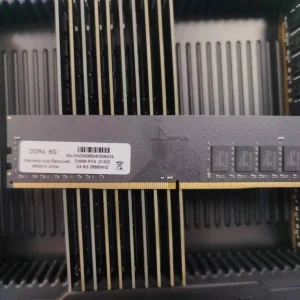
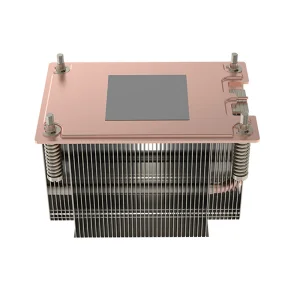
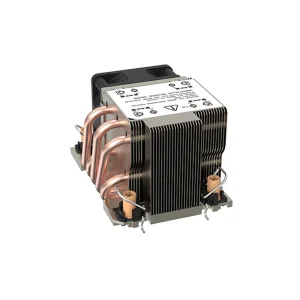
Featured Integrations & Hardware
Technical Whitepaper
Modern computational architectures are undergoing an unprecedented evolution. From hyperscale data centers driving complex Artificial Intelligence (AI) workloads to low-power edge computing systems, the efficiency of energy distribution at the silicon level is the primary bottleneck of modern hardware performance. At the center of this paradigm shift is the Power Management Integrated Circuit (PMIC).
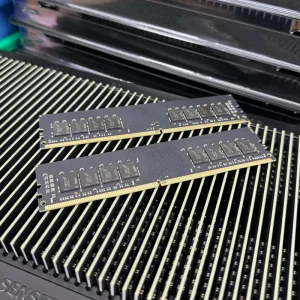
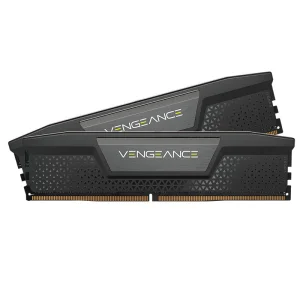
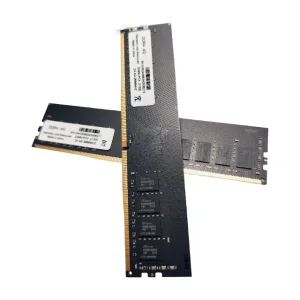
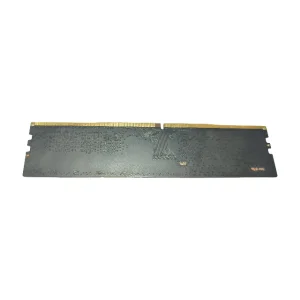
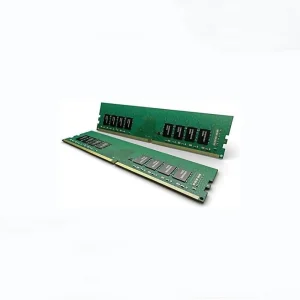
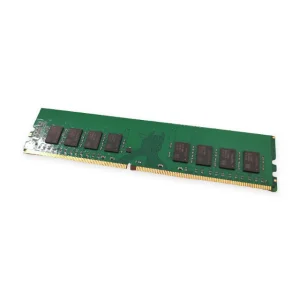
Historically, power conversion occurred at the system motherboard level, utilizing large buck regulators to deliver static voltages to CPU, memory, and auxiliary rails. However, advanced silicon nodes (sub-5nm) require dynamic, highly transient power supplies with voltages dropping below 1.0V and current densities soaring above hundreds of Amperes. Power delivery has thus moved closer to the silicon payload. A prime example is the transition from DDR4 memory architectures to DDR5 memory architectures. While DDR4 relied on the motherboard to provide 1.2V, DDR5 integrates the PMIC directly onto the DIMM module (on-board regulation), shifting the workload from 12V inputs and utilizing sub-regulation to supply precise, low-latency voltages (VDD, VDDQ, VPP) locally. This transition reduces power loss, enhances signal integrity, and mitigates overall system board complexity.
Global commercial and industrial demands are scaling fast. Industrial Automation, Automotive Advanced Driver Assistance Systems (ADAS), Smart Grid infrastructure, and high-density storage platforms demand highly integrated PMICs that combine multiple regulators, linear dropouts (LDOs), voltage references, and diagnostic telemetry systems into a single micro-die package. Consequently, choosing a reliable, technically competent, and highly scalable PMIC manufacturer is a critical procurement strategy for hardware OEMs and system integrators worldwide.
Manufacturer Profile
Velmix Technology Co., Ltd. is a professional memory and computing hardware manufacturer based in Shenzhen, China, specializing in the research, development, production, and global distribution of high-performance DRAM memory solutions and peripheral power-regulation environments. Since its establishment in 2017, Velmix has been committed to delivering reliable, high-speed memory modules and integrated hardware components for consumer electronics, industrial applications, gaming systems, enterprise servers, and embedded computing.
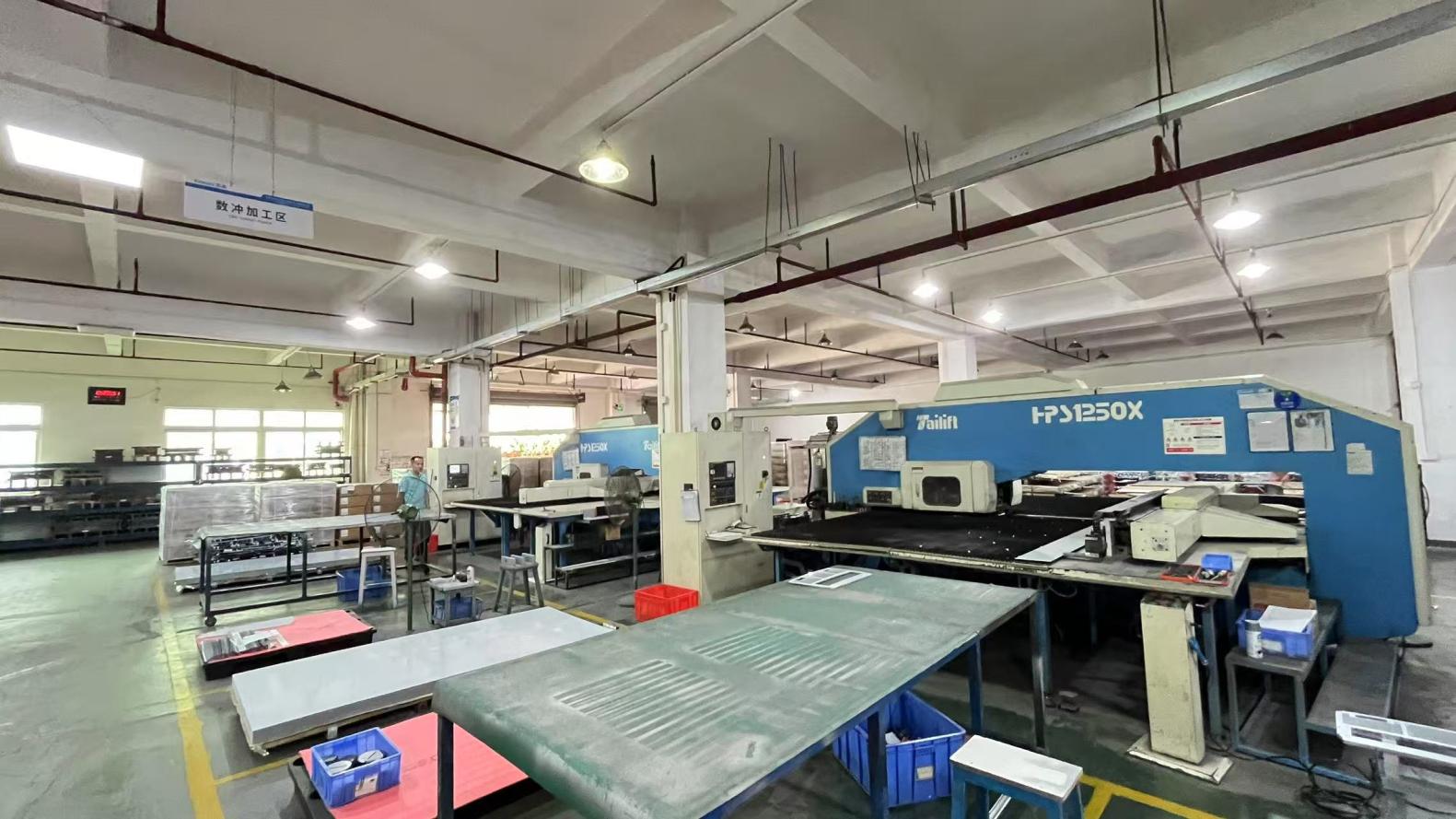
Operating from a modern manufacturing facility covering 368㎡ in China's electronics capital, Shenzhen, we combine advanced SMT production technologies with strict quality management to ensure every component and integrated module meets international performance and reliability standards. Our experienced engineering team continuously develops innovative DDR5 memory solutions—featuring direct PMIC-on-board architecture—to meet the evolving demands of AI computing, edge devices, cloud infrastructure, and next-generation computing platforms.
Today, Velmix serves customers in more than 40 countries and regions, offering flexible OEM and ODM manufacturing services for global brands, distributors, system integrators, and industrial equipment manufacturers. By focusing on product consistency, fast delivery, and technical innovation, we have built long-term partnerships across Europe, North America, Southeast Asia, and the Middle East. With 15 years of industry experience and 8 years of dedicated export experience, Velmix possesses the complete supply-chain network and technical know-how to deliver high-yield power management solutions and memory assemblies.
| Operating Metric | Technical & Operational Capability Detail |
|---|---|
| Company Name | Velmix Technology Co., Ltd. |
| Established | 2017 |
| Facility Area | 368㎡ SMT & Inspection Center |
| Annual Export Revenue | USD 18.6 Million |
| Export Experience | 8 Years of international logistics & regulatory compliance |
| Industry Experience | 15 Years of design, SMT, and testing experience |
| Quality Control (QC) | 100% Full Inspection Before Shipment |
| Product Inspection Methods | Signal Integrity Test, Burn-in Test, Compatibility Test, Functional Test & Random Sampling |
| QC Staff | 56 Dedicated Quality Control Engineers & Auditors |
| Business Type | Manufacturer & Exporter |
| Main Markets | North America, Europe, Southeast Asia, Middle East & South America |
| Supply Chain Partners | 986+ Integrated Silicon & Hardware Sourcing Partners |
| Main Customer Types | Brand Owners, OEM Manufacturers, System Integrators, Distributors & Wholesalers |
| R&D Capability | Independent Product Design, PCB Development & Firmware Optimization |
| Customization Options | OEM, ODM, Private Label, Customized Capacity, Heat Spreader, PCB Color & Packaging |
| New Products Launched Last Year | 138 Models |
| R&D Engineers | 84 Engineers (IC design verification, layout, thermal analysis, and firmware) |

Application Matrix
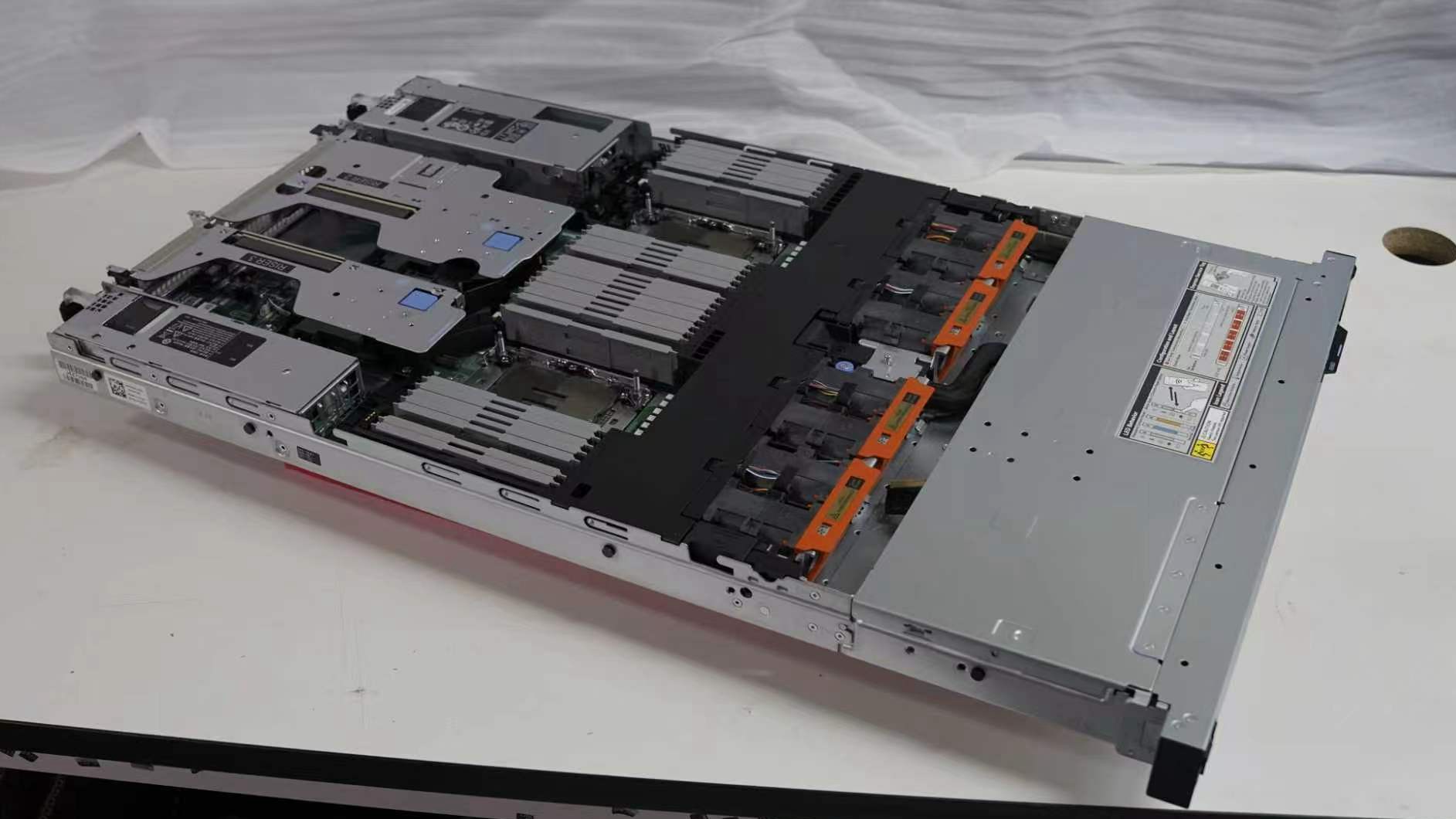
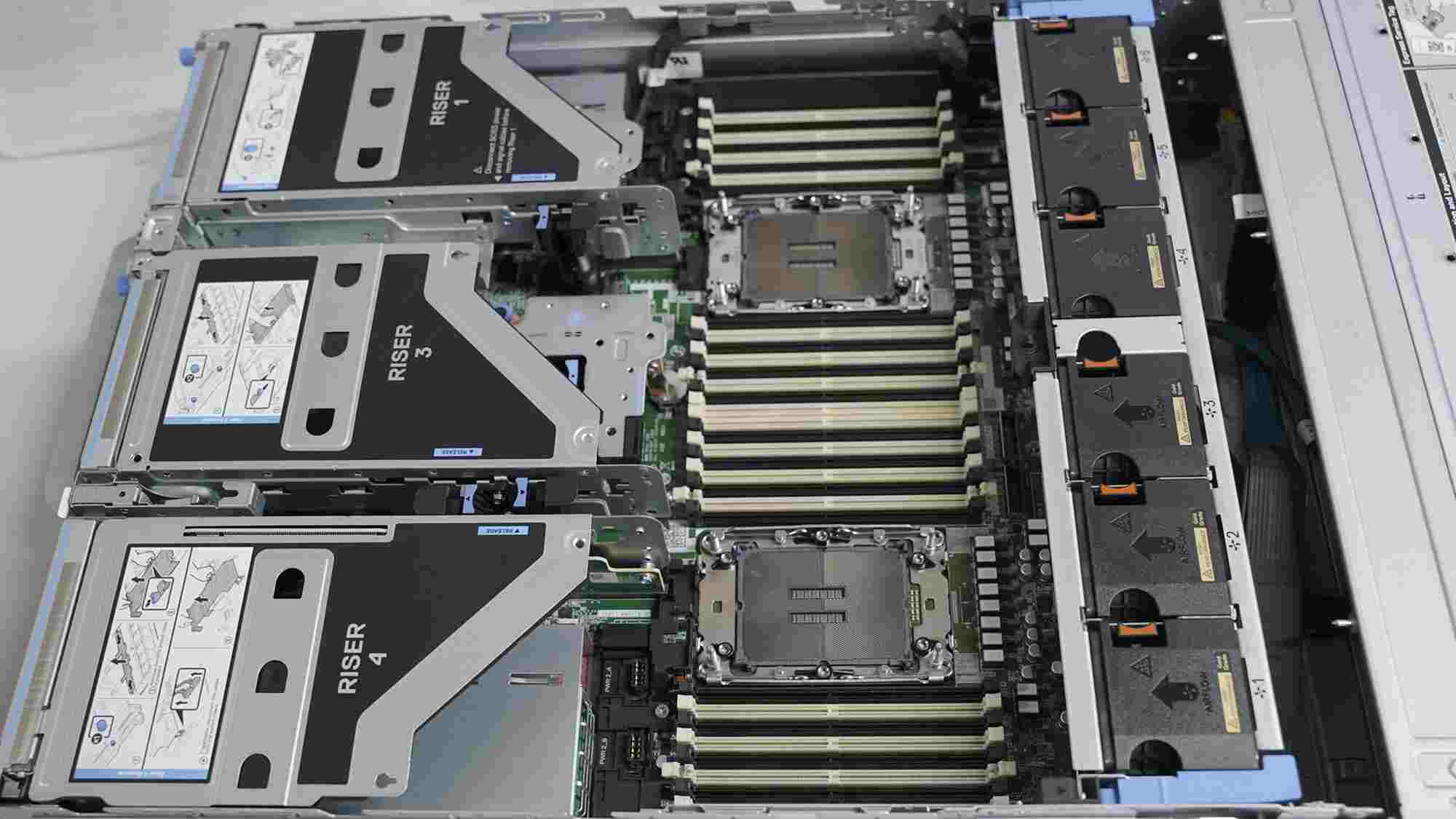
High-density, multi-rail PMICs are utilized to step down core voltages for Intel Xeon, AMD EPYC, and ARM architecture server processors. These units manage the strict power sequences required to initialize the CPU core, DRAM caches, PCIe controllers, and memory buffers, keeping transient voltage fluctuations under 1.5% during rapid CPU sleep-state changes.
Moving from system motherboard regulation to on-board PMIC regulation allows DDR5 modules to maintain highly precise voltage tolerances. The PMIC manages 12V input levels and steps them down dynamically. This local loop feedback provides instantaneous transient response, lowering overall module heat signatures and boosting DRAM speed to 6000MHz and beyond.
In low-power IoT sensing nodes, PMICs control buck-boost configurations that extract energy down to the micro-Volt range. These chips feature ultra-low quiescent current (Iq < 1.2μA) to extend battery life in industrial remote telemetry, asset tracking, and medical diagnostics equipment, managing sleep and wake sequences with minimal standby loss.
Silicon Innovation
As power density targets hit theoretical limits on silicon, manufacturers are adopting Gallium Nitride (GaN) and Silicon Carbide (SiC) switches within PMIC driver packages. These wide bandgap materials support switching frequencies above 5MHz, enabling designers to shrink external passive components (inductors and capacitors) by up to 60% while maintaining thermal efficiency.
The long-term roadmap focuses on the integration of inductive elements directly onto the semiconductor die (on-chip passives). FIVR technology eliminates external PCB parasitics, allows fine-grained per-core power supply adjustments on multi-core chiplets, and cuts sub-system latency in dynamic voltage and frequency scaling (DVFS) protocols.
Traditional analog loops are giving way to digital PMICs utilizing high-speed digital signal processors (DSPs) to run control loops. Using standardized bus interfaces like PMBus, I2C, or I3C, these devices report real-time current, temperature, and input/output voltages, allowing host software to dynamically balance thermal budgets and pre-empt system faults.
Procurement Security
Sourcing PMICs from China wholesale suppliers offers major strategic advantages to global OEMs. The core value of the Chinese semiconductor ecosystem lies in its comprehensive vertical integration. From initial raw wafer slicing and basic material supply to state-of-the-art packaging and testing (OSAT) facilities, the entire production chain is co-located in major industrial corridors such as Shenzhen, Dongguan, and Suzhou.
This integration significantly reduces transport lead times and component transit risks. In times of global component shortages, Chinese SMT fabricators maintain direct lines of communication and volume agreements with wafer foundries, guaranteeing stable allocation of baseline logic and power dies. Furthermore, the concentration of secondary component suppliers—such as makers of multi-layer ceramic capacitors (MLCCs), high-frequency power inductors, and specialized thermal substrates—guarantees that Bills of Materials (BOMs) can be filled locally, eliminating international shipping delays for minor parts.
For wholesale buyers, this vertical integration translates to:
E-E-A-T Framework
Providing high-performance power silicon requires strict adherence to quality and safety standards. High-voltage transients, electrical overstress (EOS), and excessive thermal loading can cause catastrophic failures in downstream computational engines. Thus, Velmix has implemented a multi-stage testing methodology designed to ensure defect-free silicon and assembly yields.
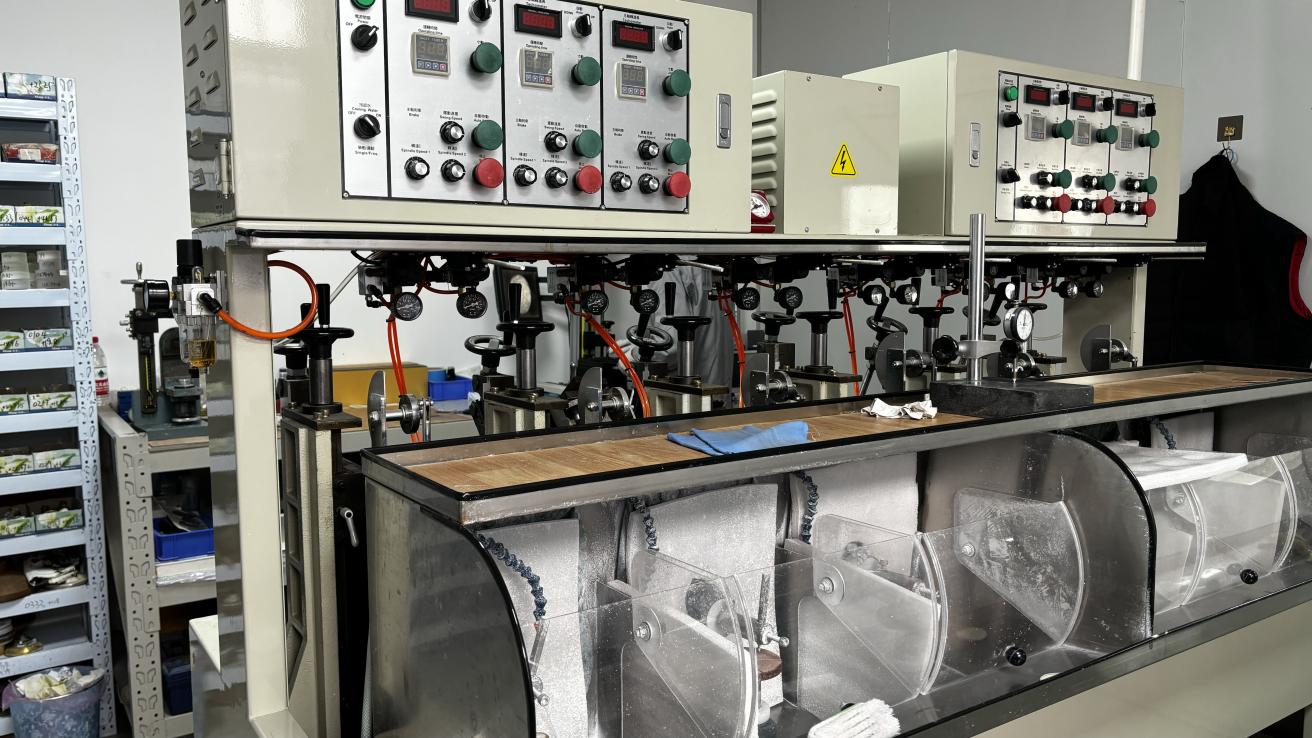
Every batch of PMICs undergoes static and dynamic parametric verification. Automated Test Equipment (ATE) checks basic characteristics, loop stability, feedback thresholds, and reference accuracy under variable loads to prevent out-of-spec voltage output.
To eliminate early failures, random batch samples are subjected to dynamic thermal stress tests under elevated temperatures (up to 125°C) and higher voltages for extended periods, simulating decades of real-world operational stress.
Power components are tested in target environments—such as DDR5 platforms, multi-phase server motherboards, and industrial computers—to verify cross-component compatibility and prevent electromagnetic interference (EMI) issues.
On a global regulatory level, all hardware produced by Velmix complies with international environmental and electrical safety protocols, including RoHS (Restriction of Hazardous Substances), CE (Conformité Européenne), FCC (Federal Communications Commission), and REACH directives. These certifications guarantee that wholesale components can be integrated into consumer and industrial systems sold in highly regulated markets, including the European Union and North America.
Technical FAQ
A Power Management IC (PMIC) is responsible for regulating, scaling, and distributing electrical power to various sub-systems on a chip or module. It handles duties such as DC-to-DC conversion, low-dropout (LDO) regulation, battery charging, power-up sequencing, and real-time current monitoring. By moving regulation closer to the processor cores or memory nodes, PMICs help minimize voltage drops and improve energy efficiency.
DDR5 memory modules use on-board PMICs to enable higher data rates (such as 4800MHz to 6000MHz+) by reducing routing distance, which improves signal integrity. On-DIMM PMICs provide tighter voltage tolerances, better power efficiency, and cleaner input signals compared to long-distance motherboard power traces. This design shift also reduces motherboard layout complexity and cost.
Velmix operates under a strict quality management system, conducting a 100% full inspection of all products before shipment. Testing methods include Signal Integrity Tests to verify timing margins, Burn-in Tests to identify early component failures under heat stress, Compatibility Tests across various host motherboards, and Functional parametric testing using advanced automated systems.
We offer comprehensive OEM and ODM customization services. This includes private label printing, customized memory module capacities, customized heatsink styles and colors, tailored PCB layouts, optimized firmware (such as SPD/PMIC settings), and bespoke commercial packaging options to suit different market requirements.
Yes, all products shipped globally are fully compliant with RoHS and REACH standards. This guarantees that all materials and manufacturing processes are free from restricted toxic compounds, allowing for seamless import and distribution across the European Union, North America, and other regulated international markets.
Active Infrastructure Sourcing
 Velmix