In the era of hyper-dense data transmission, software-level optimizations can only go so far. High-definition (4K/8K) live broadcasting, cloud-based interactive gaming, and real-time AI computer vision pipelines demand high performance from the bare-metal hardware. Velmix Technology Co., Ltd. addresses this industrial bottleneck by manufacturing specialized components for streaming servers, CDN edge appliances, and enterprise distribution systems.
Since our inception in 2017, Velmix has focused on high-speed DRAM development, server heat management, and specialized motherboard integrations. This hardware ecosystem supports massive multi-threaded video transcoding tasks. By providing high-density DDR5 memory modules and optimized CPU heatsinks, we help system builders globally minimize frame-drop rates and control thermal degradation in 24/7/365 operational settings.
Modern media streaming demands low latency, high bandwidth, and continuous uptime. Global network structures require custom hardware deployments at different levels:
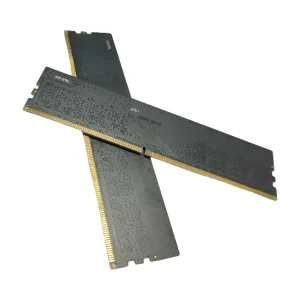
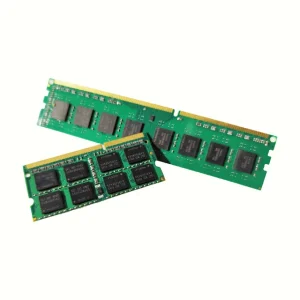
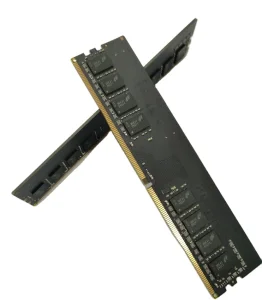
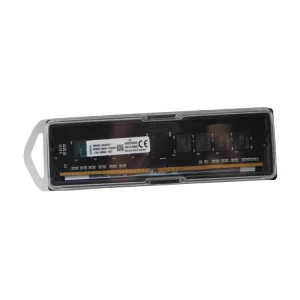
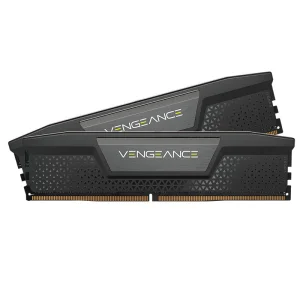
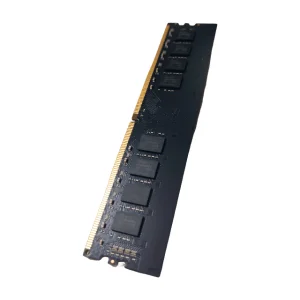
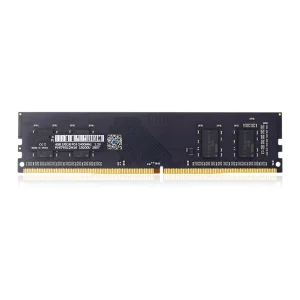
Deploying cache servers close to users requires stable, low-power DDR4/DDR5 ECC RAM modules to store transient hot-files, helping reduce buffering latency.
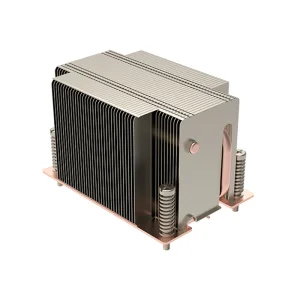
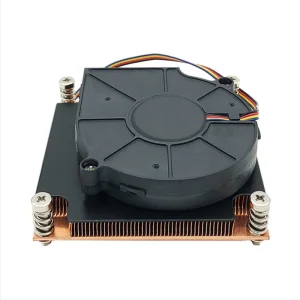
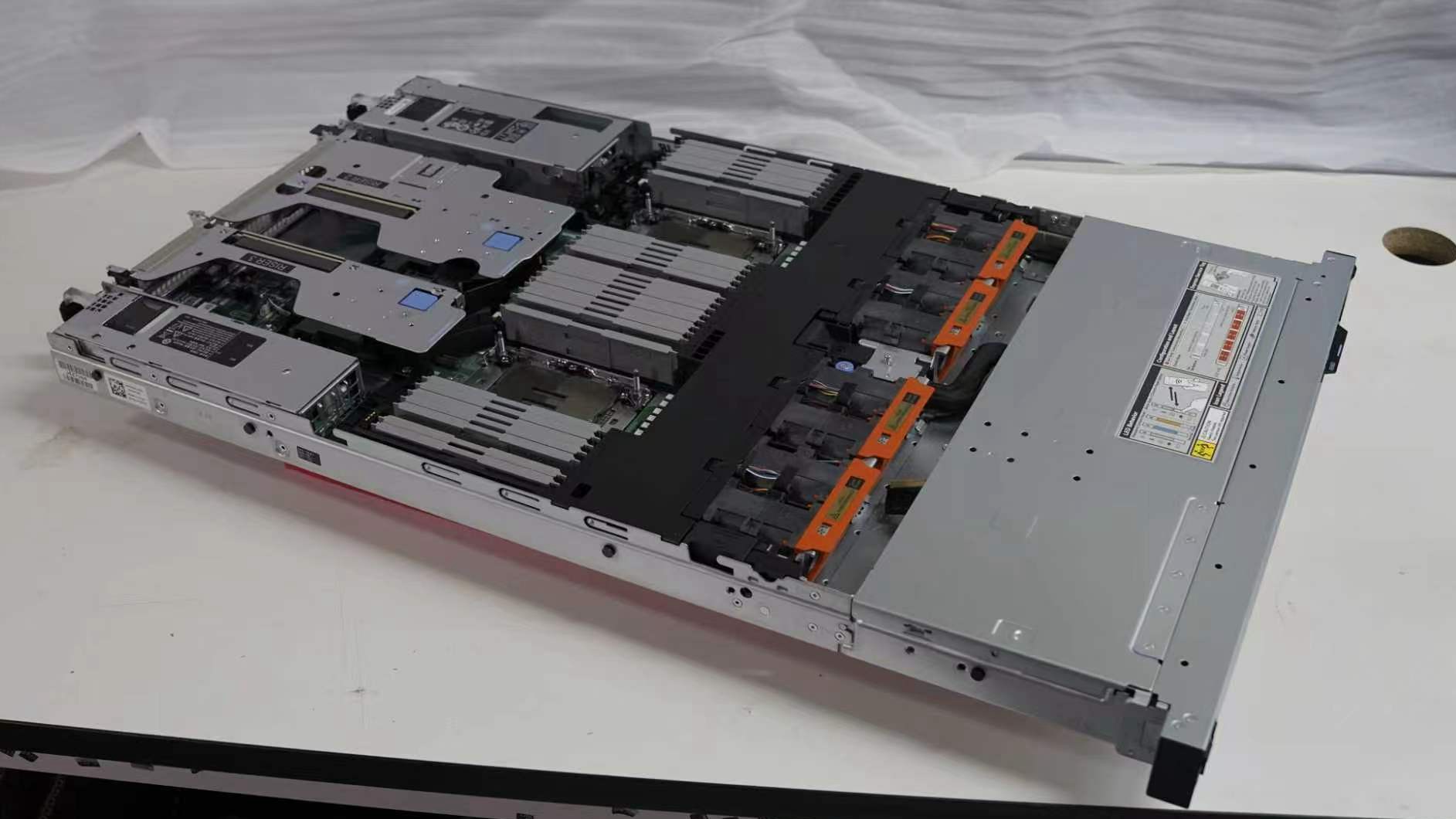
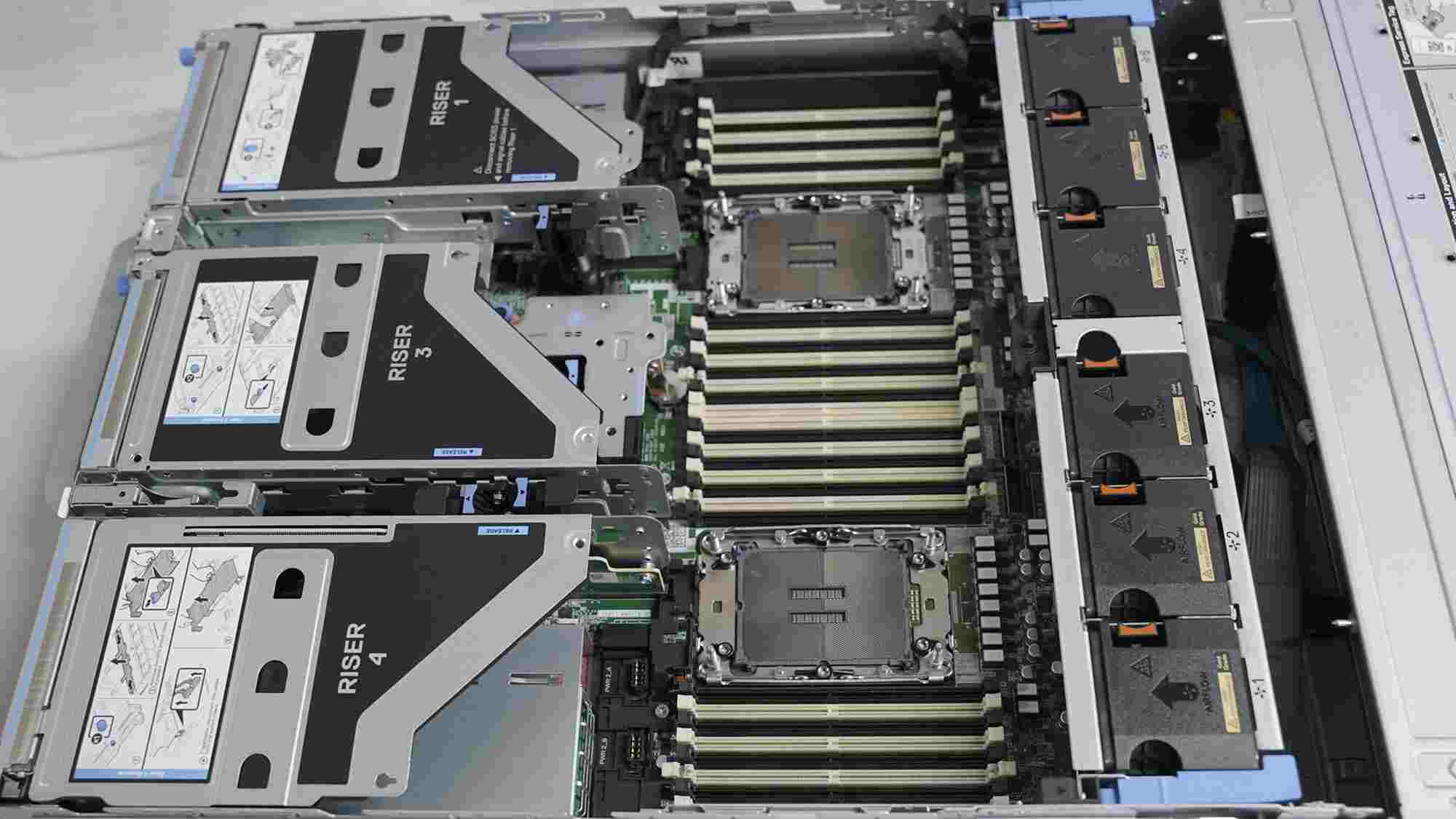
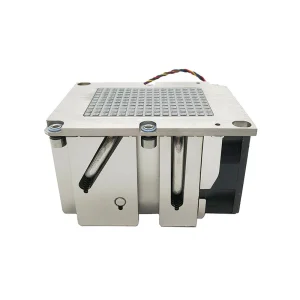
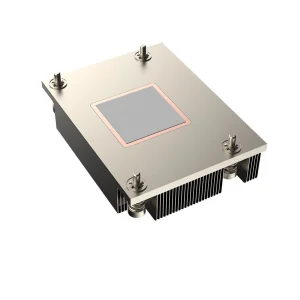
HEVC/AV1 encoding needs high-core-count CPUs. Our copper-based heatsinks, such as the LGA3647 2U series, dissipate thermal energy under sustained 100% CPU loads.
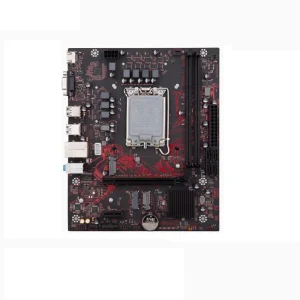
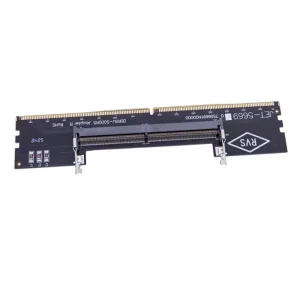
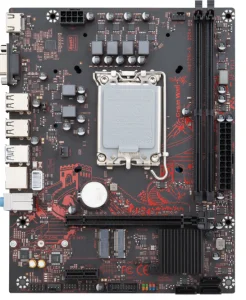
Real-time rendering systems need reliable motherboards (like B760M-G) with multiple high-speed PCIe lanes to accommodate GPU arrays and capture cards.
As a verified DDR5 memory manufacturer based in Shenzhen, China, Velmix Technology Co., Ltd. offers flexible OEM and ODM services. Below is a detailed breakdown of our manufacturing resources, engineering investments, and strict quality control processes.
| Strategic Parameters | Manufacturing & Operational Capability Details |
|---|---|
| Company Name | Velmix Technology Co., Ltd. (Shenzhen, China) |
| Established / Export History | Founded in 2017 | 8 Years of Direct Global Export Experience |
| Physical Facility Footprint | 368㎡ Specialized Testing, R&D, and Post-Assembly Calibration Facility |
| Main Customer Base | Brand Owners, OEM Manufacturers, System Integrators, Distributors & Wholesalers |
| Main Global Markets | North America, Europe, Southeast Asia, Middle East & South America |
| R&D & Engineering Teams | 84 On-site Engineers specializing in PCB Layout, Firmware Optimization, and Thermal Design |
| QC Staff & Protocols | 56 Dedicated QC Inspectors conducting Signal Integrity, Burn-in, Compatibility, and Functional Tests |
| Customization Options | OEM/ODM, Private Labeling, Custom PCB Colors, Custom Capacities & Specialized Heat Spreaders |
| Annual Product Innovation | 138 New Product Models launched during the last fiscal year |
Every packet of high-definition stream data traverses physical memory channels and is processed by silicon chips that operate at high thermal thresholds. When sourcing media streaming solutions, procurement officers must pay close attention to three critical hardware domains:
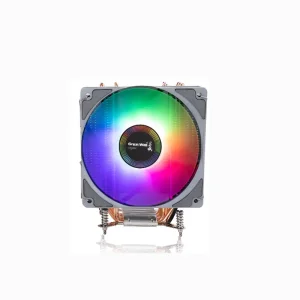
CPUs running constant H.264/H.265 compression generate immense heat. If CPU temperature climbs past 80°C, thermal throttling triggers, reducing clock speeds and causing dropped frames. Passive and active multi-pipe copper heatsinks (e.g., LGA3647 205W, AM5 1U Passive coolers) keep junction temperatures low under load.
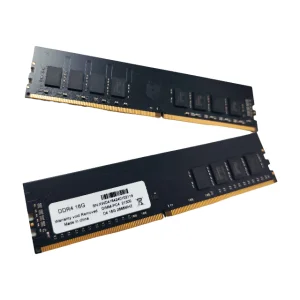
Video buffering requires high-speed memory interfaces. Velmix's DDR4 and DDR5 memory modules (from 8GB up to 32GB at 3200MHz/6000MHz) provide the bandwidth needed to handle concurrent streams. Registered ECC RAM mitigates soft errors, protecting memory-resident databases.
Using H610 and B760M motherboards with multiple M.2 slots allows systems to cache media content directly onto high-speed NVMe drives. This layout bypasses legacy SATA bottlenecks and keeps stream distribution running smoothly.
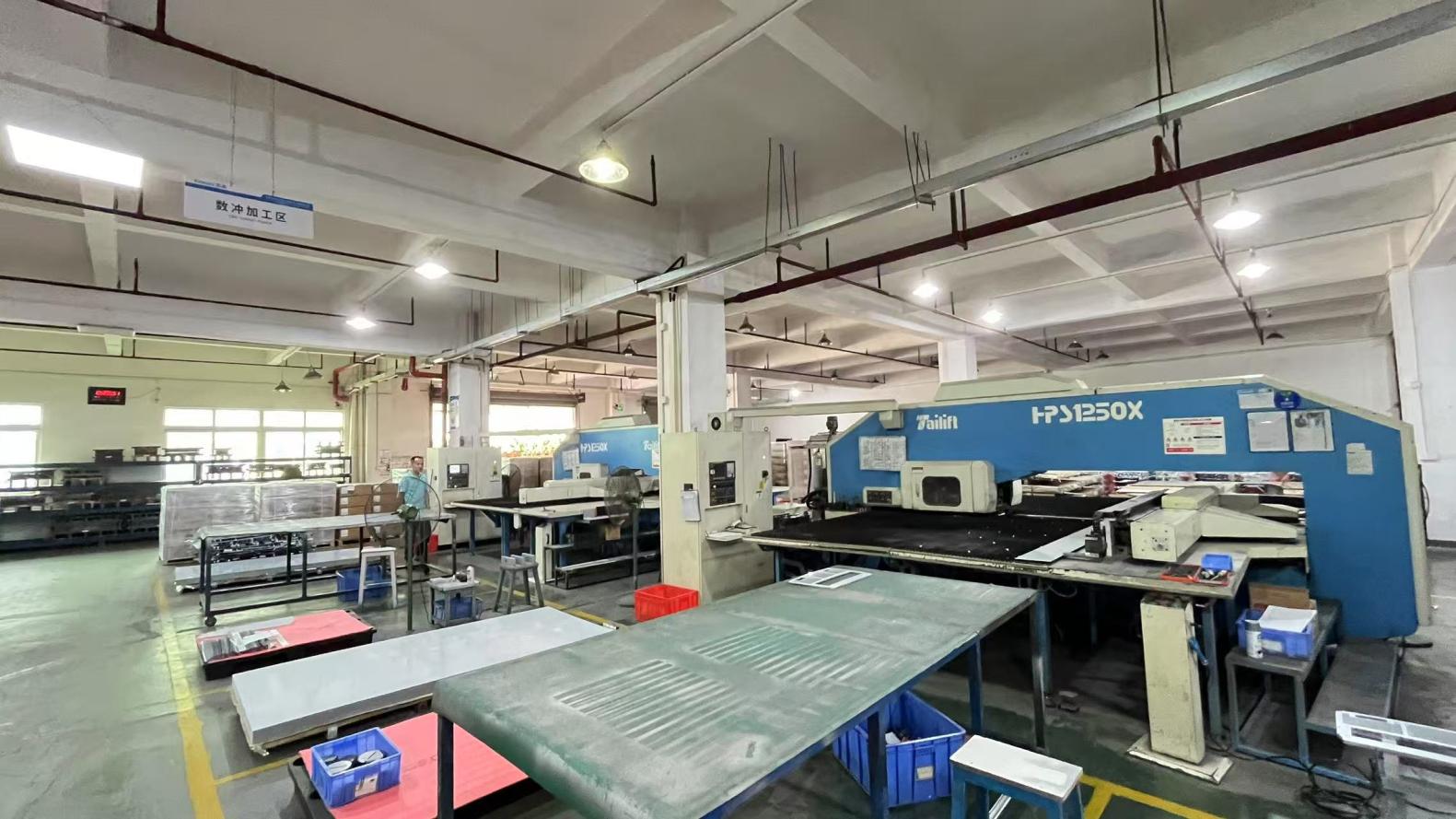
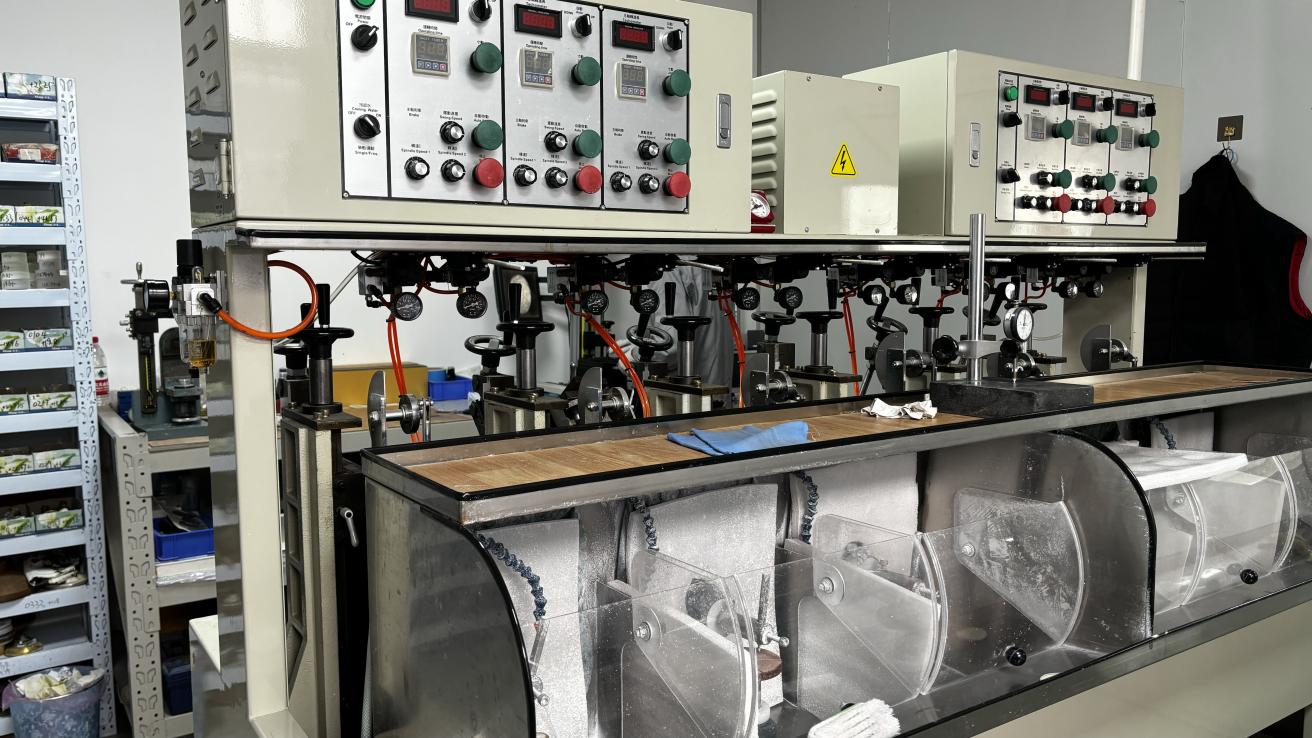
Velmix supports system builders and distributors with reliable logistics and compliance documentation. Because computer hardware components must meet strict import regulations globally, our production lines follow standardized quality control practices:

As the digital landscape evolves, the demand for high-capacity media streaming will continue to grow. Velmix's product development focuses on upcoming industry standards:
We are developing CXL-compatible memory expanders that allow media servers to share RAM dynamically across CPU and GPU nodes, optimizing real-time transcoding latency.
To support high-bandwidth applications cost-effectively, we are expanding our DDR5 lineup to include 24GB and 48GB modules, optimizing memory capacity for multi-channel streaming servers.
As server chassis become more compact, we are designing hybrid cooling solutions. These systems combine vapor chamber plates with thin-fin arrays to manage CPUs with TDPs exceeding 280W.
 Velmix