Top 10 High Frequency DDR5 Benefits for Global Buyers

Time:2026-10-05 Author:Aria
0%

High frequency DDR5 benefits are reshaping how global buyers evaluate memory for servers, workstations, gaming systems, and AI infrastructure. JEDEC’s JESD79-5 standard defines DDR5 starting at 3200 MT/s, with later specifications reaching substantially higher data rates. Compared with mainstream DDR4-3200, DDR5 can provide greater bandwidth while supporting larger memory capacities. That difference matters when processors handle real-time analytics, virtual machines, or high-resolution content.

Market evidence is also moving quickly. TrendForce has reported strong DDR5 adoption in data-center and PC markets, driven by new server platforms and artificial intelligence workloads. Micron’s technical publications describe DDR5 as a generation designed for higher bandwidth, improved power efficiency, and stronger reliability features. Kingston Technology senior technology manager David McAddie has described DDR5 as “not simply faster DDR4, but a platform change.” That distinction is important for international purchasers comparing total system value.

The practical picture is less perfect. High frequency does not guarantee better performance in every application. Latency, processor support, motherboard design, firmware, thermal conditions, and module quality still matter. A 7200 MT/s kit may look impressive on a product page, yet a poorly tuned system can waste much of its potential. Buyers should verify qualified vendor lists, error-correction requirements, warranty terms, and regional availability. Prices also change sharply across markets. These considerations make the High frequency DDR5 benefits conversation more useful when it focuses on measured workloads, not only headline speed. Performance gains are real, but careful validation remains essential.
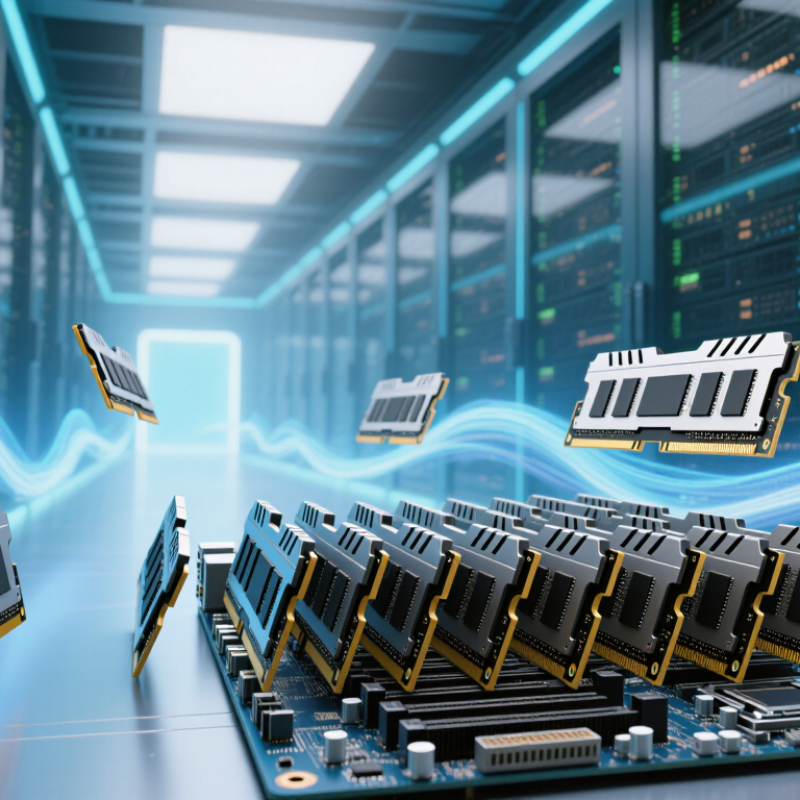
Top 10 High Frequency DDR5 Benefits for Global Buyers

Understanding High-Frequency DDR5 Memory

Top 10 High Frequency DDR5 Benefits for Global Buyers

Understanding High-Frequency DDR5 Memory means looking beyond the advertised speed. DDR5 transfers more data per cycle, helping demanding desktops, workstations, and gaming systems respond smoothly. Its two independent 32-bit subchannels can improve access efficiency, especially during multitasking. However, a higher number is not automatically better. Real performance depends on the processor, motherboard, memory capacity, timings, and workload.

In system testing, high-frequency modules often show clearer gains in content creation, simulation, and bandwidth-heavy applications. Games may improve less, particularly when the graphics processor limits performance. High-speed DDR5 can also support future upgrades, but compatibility deserves careful attention. Firmware settings, voltage requirements, and cooling conditions may affect stability. I have seen systems boot successfully yet fail during long memory tests. That is an easy detail to miss.

Tips: Check the platform’s supported memory speed before purchasing. Compare latency, not frequency alone. Run a reliable stability test after installation. Leave room for capacity upgrades if your workload may grow. Prices and specifications vary across regions, so verify local warranty terms and technical documentation. A slightly slower kit with stable operation can be the wiser choice.

How DDR5 Frequency Improves Data Transfer

Top 10 High Frequency DDR5 Benefits for Global Buyers

How DDR5 Frequency Improves Data Transfer

DDR5 frequency directly raises the number of transfers completed each second. The JEDEC JESD79-5 standard defines initial DDR5 data rates from 3200 to 6400 MT/s. At 4800 MT/s, one 64-bit module can deliver up to 38.4 GB/s of theoretical bandwidth. At 6400 MT/s, that figure reaches 51.2 GB/s. These gains help servers process larger datasets, video workloads, and virtual machines with fewer memory bottlenecks. The change feels practical: files move faster, and data queues clear sooner.

High frequency is not magic. Processor support, memory channels, timings, and motherboard design still matter. JEDEC’s DDR5 specifications also increase bank groups and burst length, improving parallel data access. Industry research from TrendForce has reported continuing DDR5 adoption in servers and high-performance computing, driven by bandwidth demand. However, buyers should compare effective bandwidth, not frequency alone. A higher MT/s rating may deliver limited benefits when latency or system cooling becomes restrictive. This is where testing matters. In real deployments, workload results can differ from laboratory figures. Careful validation remains essential.

Key Performance Benefits for Global Buyers

Top 10 High Frequency DDR5 Benefits for Global Buyers

Key Performance Benefits for Global Buyers

High-frequency DDR5 can improve data movement in servers, workstations, and gaming systems. JEDEC’s JESD79-5 standard begins DDR5 at 4,800 MT/s, compared with DDR4’s common 3,200 MT/s level. That represents 50% more theoretical transfer speed. For global buyers, this can shorten large-file transfers and support heavier multitasking. Video editing feels smoother. Virtual machines respond faster.

DDR5 also uses a lower standard voltage of 1.1V, versus 1.2V for DDR4. The reduction may support better energy efficiency in dense systems. According to TrendForce memory-market analysis, data-center demand increasingly favors higher-capacity and higher-bandwidth memory. This trend matters when rack space, cooling, and electricity costs affect procurement decisions. On-die error correction adds internal reliability support, but it is not the same as full system ECC.

Frequency alone can mislead buyers. Actual performance depends on latency, memory channels, processor design, firmware, and workload behavior. A 6,400 MT/s module may not outperform a slower kit in every application. I have seen specifications look impressive while real office gains stayed modest. Global purchasers should compare validated platforms, warranty terms, regional compliance, and long-term availability. Compatibility checks are not exciting. They prevent expensive surprises.

Top 10 High Frequency DDR5 Benefits for Global Buyers

DDR5-4800 is compared with the JEDEC DDR4-3200 reference. The index uses DDR4 as 100; voltage is shown as power-efficiency potential, while on-die ECC indicates the presence of an additional reliability feature. Values are based on standard technical specifications rather than company or brand data.

Compatibility, Capacity, and Power Considerations

High-frequency DDR5 memory can improve responsiveness in modern desktops, workstations, and compact servers. Yet frequency alone does not guarantee a better buying decision. Compatibility remains the first practical checkpoint. Check the motherboard manual, processor memory support, module type, and maximum validated capacity. A faster kit may boot at a lower setting if the platform cannot sustain its rated speed. That is normal. Firmware updates can also improve memory training, but results vary across systems.

Capacity should match the workload, not a promotional number. For office work and browsing, a balanced configuration may be enough. Video editing, virtual machines, large spreadsheets, and scientific tools need more headroom. Two matched modules can support dual-channel operation on compatible platforms. However, filling every memory slot may increase electrical load and reduce achievable frequency. I have seen stable systems become inconsistent after adding mixed modules. Identical specifications help, but they do not remove every risk.

Power considerations deserve attention in dense deployments. DDR5 generally uses lower module voltage than older generations, while onboard regulation changes how heat is managed. Lower voltage does not mean zero energy cost. High-frequency settings can increase power use and cooling demand. Monitor temperatures, airflow, and system stability during sustained workloads. A modest frequency reduction may deliver better reliability per watt. Peak benchmark scores are not final evidence; real applications can tell a less flattering story.

Choosing High-Frequency DDR5 for Different Applications

Top 10 High Frequency DDR5 Benefits for Global Buyers

Choosing high-frequency DDR5 depends on the application, not just the largest number on the specification sheet. For gaming systems, higher transfer rates can improve frame consistency when the processor and graphics card communicate frequently. Competitive players may notice smoother loading and fewer brief pauses. The improvement is not always dramatic.

Content creators often gain more from DDR5 bandwidth during video editing, 3D rendering, and large image projects. Multiple high-resolution files can remain active with less memory pressure. Developers running virtual machines also benefit from greater throughput and sufficient capacity. Capacity still matters more than frequency when workloads regularly exceed available memory.

Business workstations require a cautious approach. Check processor support, motherboard validation, module compatibility, and firmware maturity before purchasing. High-frequency settings may need manual adjustment, and stability can change across different systems. That detail is easy to overlook. In testing environments, a slightly slower kit with reliable timings may outperform an unstable faster one. Buyers should compare real application results, operating temperatures, power requirements, and warranty support in their region. I would not treat frequency alone as a performance guarantee.

FAQS

Does higher DDR5 frequency always improve system performance?

No. Performance also depends on the processor, motherboard, capacity, timings, and workload. A faster number can disappoint.

How can buyers check DDR5 compatibility?

Read the motherboard manual and processor memory specifications. Check the module type and maximum validated capacity. Some systems boot at lower settings. Firmware updates may improve memory training, but results vary.

What DDR5 capacity suits different workloads?

Browsing and office work usually need a balanced configuration. Video editing, virtual machines, large spreadsheets, and scientific tools need more headroom. Leave room for future upgrades.

Why are two matched memory modules useful?

Two matched modules can support dual-channel operation on compatible platforms. This may improve access efficiency during multitasking. Filling every slot can increase electrical load. Mixed modules may boot, then fail later tests.

Does high-frequency DDR5 significantly improve gaming?

Gains may remain modest when the graphics processor limits performance. Test several real games instead of trusting one benchmark. The result may feel less dramatic.

Does DDR5 always use less power?

DDR5 generally uses lower module voltage than older memory generations. High-frequency settings can still increase power use and cooling demands. Lower voltage is not zero energy. Monitor temperatures and airflow.

How should users test memory stability after installation?

Run a reliable memory test after installation. Repeat testing during sustained workloads. A successful boot proves little. I have seen systems start normally, then fail later. That detail is easy to miss.

Should buyers choose maximum frequency or stable operation?

Compare latency, capacity, warranty terms, and supported speed. A slightly slower kit with stable operation may be wiser. Peak benchmark scores can mislead. Real applications sometimes tell a less flattering story.

Conclusion

High frequency DDR5 benefits go beyond higher headline speeds. By increasing the rate at which memory transfers data, high-frequency DDR5 can improve responsiveness, multitasking, application loading, and performance in demanding workloads such as content creation, data analysis, gaming, simulation, and professional computing. Its modern architecture also supports greater memory capacity and improved efficiency, helping systems handle larger datasets while maintaining smooth operation.

For global buyers, selecting the right high-frequency DDR5 requires more than comparing speed ratings. Compatibility with the motherboard and processor, supported capacity, timing, module configuration, thermal conditions, and power requirements should all be evaluated. Different applications may prioritize low latency, maximum bandwidth, high capacity, or balanced energy use. By matching frequency and specifications to actual workloads, buyers can achieve reliable performance, easier system planning, and better long-term value across a wide range of computing environments.

Aria

Aria

Aria is a dedicated marketing professional with a deep passion for innovative strategies and a keen understanding of our company's product offerings. With a wealth of experience in the industry, Aria excels at crafting engaging content that highlights the unique features and benefits of our......