Is Your Motherboard DDR5 Compatible A Complete Guide?

Time:2026-08-01 Author:Liam
0%

In today's rapidly evolving tech landscape, understanding your motherboard's DDR5 compatibility is essential. With DDR5 memory becoming the norm, hardware enthusiasts and gamers alike must ensure their systems can utilize this advanced technology. A comprehensive study by IDC indicates that the adoption of DDR5 is expected to soar, with a projected market growth rate of over 150% in the next few years. This underscores the need for a detailed DDR5 compatibility guide.

Many users may overlook crucial factors when assessing their motherboard's specifications. Compatibility isn't just about fitting newer RAM modules; it involves understanding chipsets, memory slots, and even BIOS updates. Reports from TechRadar note that nearly 40% of consumers face compatibility issues when upgrading memory. This highlights the importance of verifying specifications to avoid costly errors.

The shift to DDR5 brings significant benefits, such as improved bandwidth and efficiency. However, many still find themselves confused about whether their current motherboard supports these advancements. It's imperative to research and identify potential compatibility pitfalls. Dive into our DDR5 compatibility guide to navigate the complexities of this important upgrade.
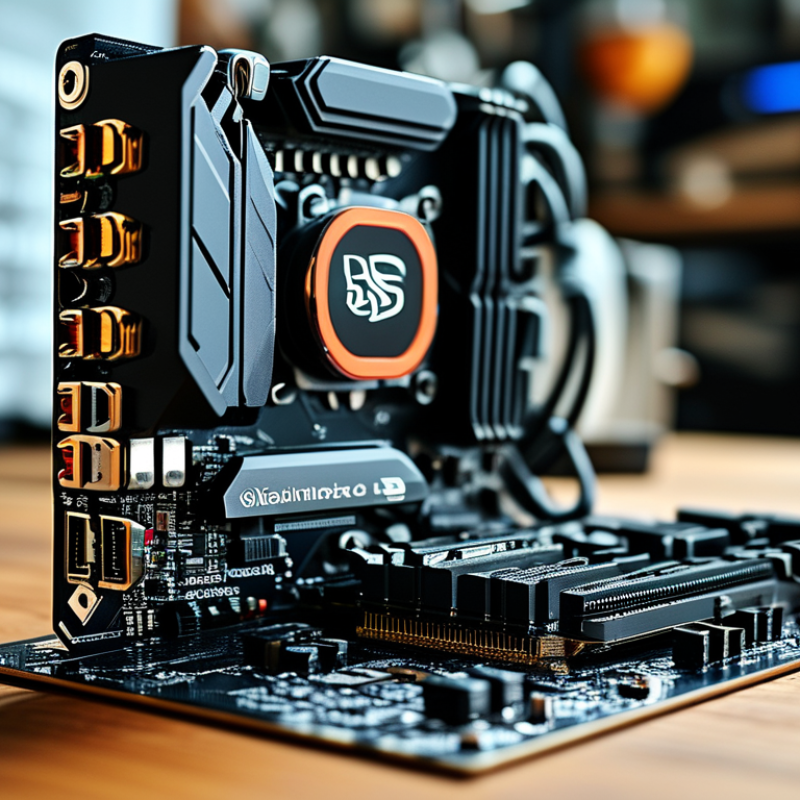
Is Your Motherboard DDR5 Compatible A Complete Guide?

Understanding DDR5 Technology and Its Benefits

Understanding DDR5 technology is essential for anyone looking to upgrade their system. DDR5 offers higher speeds and better efficiency compared to its predecessor. This new memory standard can provide data rates beyond 4800 MT/s, promising improved performance for gaming and heavy applications. Lower power consumption means less heat generation, which can enhance system stability.

When considering an upgrade, be aware of motherboard compatibility. Not all motherboards support DDR5. Check your specifications before purchasing. Installing DDR5 on unsupported hardware can lead to wasted investment.

Tips: Always review the motherboard's manual for compatibility. Updates from manufacturers could enhance support over time.

Moreover, while DDR5 improves speed, it's important to note that not all applications utilize these benefits. Some users may not notice a significant difference unless they run data-intensive tasks. Therefore, weigh your needs carefully against potential performance gains.

DDR5 Memory Technology Adoption Rate by Year

This chart illustrates the adoption rate of DDR5 memory technology from 2020 to 2025. It shows a significant increase in the percentage of devices supporting DDR5 over these years, indicating a growing trend towards advanced memory solutions.

Identifying Motherboards with DDR5 Compatibility

When it comes to building or upgrading your PC, DDR5 compatibility on motherboards is crucial. According to market analysis by Jon Peddie Research, the adoption of DDR5 will surpass 30% across gaming and workstation segments by 2024. This implies that choosing a motherboard that supports DDR5 is increasingly important for future-proofing your system.

Identifying whether a motherboard supports DDR5 is relatively straightforward. Most manufacturers list compatibility specifications on their websites or product manuals. You should look for motherboards that explicitly state support for DDR5 RAM in their specifications. Pay close attention to chipsets, as many Intel and AMD platforms are beginning to adopt DDR5. It’s also essential to check for updated BIOS versions that may enhance compatibility or performance.

Despite the clear trend toward DDR5, not all motherboards are created equal. Some may support DDR5 but lack optimal design for performance, such as having fewer memory slots or subpar power delivery systems. This inconsistency reveals a need for careful consideration when selecting a motherboard. Analysis shows that many users overlook these details, leading to potential limitations in performance.

Key Features to Look for in DDR5-Compatible Motherboards

When choosing a DDR5-compatible motherboard, several key features set a quality product apart. First, look at the memory slots. DDR5 memory requires specific slots that differ from older standards. Make sure the motherboard supports dual-channel memory. This allows better data transfer rates and overall performance. A motherboard with at least four DIMM slots offers flexibility for future upgrades.


Next, consider the power delivery system. A solid VRM design ensures stable power supply for high-performance tasks. A good motherboard will have ample phases for the CPU, helping to manage heat and maintain performance under load. Moreover, cooling options like heat sinks on VRMs play a critical role in maintaining system stability.


Lastly, pay attention to connectivity options. USB ports, PCIe lanes, and M.2 slots are essential for modern components. Adequate USB ports ensure you can connect multiple peripherals without hassle. The number of PCIe lanes impacts how many additional cards you can use, which is important for gaming or content creation. This selection may seem overwhelming, but taking the time to understand these features will enhance your build.

Upgrading from DDR4 to DDR5: What You Need to Know

Upgrading from DDR4 to DDR5 brings significant improvements, but it requires careful consideration. DDR5 offers higher bandwidth and increased efficiency. According to industry reports, DDR5 can reach speeds exceeding 8400 MT/s, compared to DDR4's maximum of around 3200 MT/s. This means faster data transfer rates, which is crucial for gamers and content creators.

However, not all motherboards support DDR5. Compatibility is a crucial factor to assess. Many existing systems with DDR4 cannot simply switch to DDR5. A study revealed that as of early 2023, only 20% of new motherboards are equipped to handle DDR5 modules. When making the transition, ensure your motherboard is compatible and consider potential BIOS updates.

Another aspect to ponder is the price difference. DDR5 memory sticks are generally more expensive than their DDR4 counterparts, sometimes by as much as 50%. This cost can impact budgets. For users upgrading, evaluating the overall performance gain versus the investment is essential. Balancing these factors can lead to a strategic upgrade for optimal performance.

Is Your Motherboard DDR5 Compatible? A Complete Guide

Motherboard Model DDR5 Support Memory Slots Max RAM Speed Form Factor Price Range
Model A Yes 4 6400 MHz ATX $200 - $250
Model B Yes 2 6000 MHz Micro ATX $150 - $200
Model C No 4 3200 MHz ATX $100 - $150
Model D Yes 4 7200 MHz ATX $250 - $300

Future-Proofing Your Build: The Importance of DDR5 Compatibility

As the tech landscape evolves, investing in DDR5 compatibility is crucial for future-proofing your system. Studies show that DDR5 memory offers increased bandwidth. It can reach speeds of up to 8400 MT/s compared to DDR4’s maximum of 3200 MT/s. This significant boost enhances performance in demanding tasks, such as gaming and video editing. A report by market analysts indicates that by 2025, over 50% of high-performance systems will utilize DDR5.

Moreover, DDR5 memory provides improved efficiency. Its dual-channel architecture allows for better data handling. This means faster load times and smoother operations, essential for power users. However, making the switch is not without challenges. Many current motherboards don’t support DDR5, limiting upgrade options. It’s vital to investigate your motherboard specifications carefully. Not every recent build is DDR5 ready, and this oversight can lead to wasted resources.

In a rapidly changing technology environment, choosing components wisely is essential. Gamers and professionals must consider longevity. While DDR5 can be more expensive initially, its long-term benefits cannot be ignored. Embracing this technology now can save you from frequent upgrades down the line. Balancing immediate cost and future performance is key to building a robust system.

FAQS

: What should I check in a DDR5 motherboard?

: Check the memory slots first. DDR5 requires different slots than older standards.

Why is dual-channel memory important?

Dual-channel memory enhances data transfer rates and overall system performance.

How many DIMM slots should a good motherboard have?

At least four DIMM slots provide flexibility for future upgrades.

What role does power delivery play in performance?

A solid VRM design ensures stable power, helping manage heat during high-performance tasks.

How can cooling options affect system stability?

Heat sinks on VRMs prevent overheating, maintaining performance under load.

Why are connectivity options important?

More USB ports and PCIe lanes allow connections for multiple peripherals and additional cards.

What gains does DDR5 offer over DDR4?

DDR5 provides higher bandwidth, reaching speeds above 8400 MT/s compared to 3200 MT/s for DDR4.

Are all motherboards compatible with DDR5?

No, only about 20% of new motherboards support DDR5 as of early 2023.

Is DDR5 memory more expensive than DDR4?

Yes, DDR5 can be around 50% more expensive than DDR4.

How should one evaluate the upgrade to DDR5?

Consider the performance gain versus the cost to determine if the upgrade is worth it.

Conclusion

This article serves as a comprehensive DDR5 compatibility guide, exploring the innovative DDR5 technology and the advantages it brings to modern computing. It explains how DDR5 enhances data transfer rates and efficiency compared to its predecessor, DDR4, making it a desirable upgrade for enthusiasts and gamers alike.

A significant portion of the guide is dedicated to identifying motherboards that support DDR5, detailing key features to consider when selecting a compatible board for your build. Additionally, the article offers insights on the upgrade process from DDR4 to DDR5, emphasizing best practices and considerations to ensure a smooth transition. Finally, it discusses the importance of future-proofing your system through DDR5 compatibility, ensuring your setup remains relevant as technology continues to evolve.

Liam

Liam

Liam is a dedicated marketing professional with a profound expertise in the industry, where he excels at highlighting the unique advantages of our core products. With a keen understanding of market trends and consumer needs, Liam frequently updates our company’s professional blog, providing......