The development of DDR5 technology marks a significant leap in memory performance. How DDR5 improves performance can greatly benefit global buyers looking for faster, more efficient systems. With its increased bandwidth and lower power consumption, DDR5 offers remarkable advantages for various applications.
Users will experience smoother multitasking and enhanced gaming performance. This improvement is vital for professionals in creative fields who require high-speed data processing. However, while DDR5 showcases impressive advancements, its integration into existing systems poses challenges. Compatibility issues may arise, demanding careful consideration from buyers.
Ultimately, understanding how DDR5 enhances performance requires evaluating specific needs. Buyers must balance cost, availability, and potential for future upgrades. As the technology evolves, reflecting on both its benefits and limitations can help guide informed purchasing decisions.
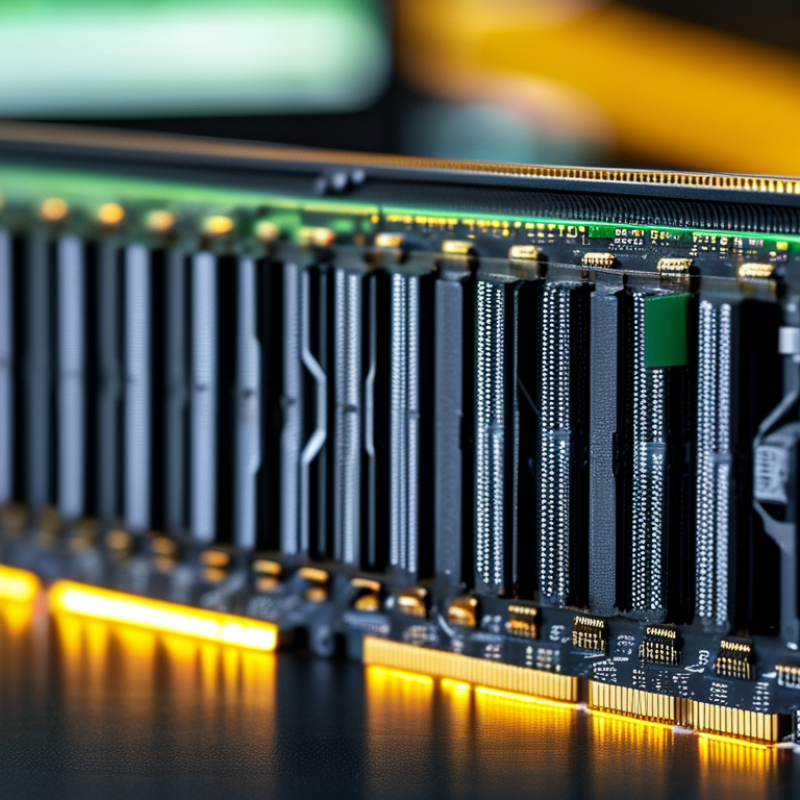
The evolution of DDR technology has been remarkable. DDR (Double Data Rate) memory has significantly advanced since its inception. Starting with DDR1, which emerged in the early 2000s, each generation has brought forth improvements in speed and efficiency. DDR2 increased data rates and reduced power consumption. By 2012, DDR3 became prevalent, boasting a 1600 MT/s speed. Current advancements, especially DDR5, represent the cutting edge of memory technology.
DDR5 offers substantial enhancements. According to industry reports, DDR5 can reach speeds of up to 8400 MT/s. It allows greater bandwidth and improved energy efficiency. This is a substantial leap compared to DDR4, which tops out around 3200 MT/s. Such improvements are critical for tasks requiring high memory performance. Gaming, video editing, and AI applications stand to gain remarkable advantages from this leap. However, the transition to DDR5 may present challenges. Not all systems are compatible with DDR5 yet, and adoption costs may hinder some users.
Data from memory market analyses indicates that DDR5 could comprise around 30% of total DRAM shipments by 2024. The demand for high-performance memory is growing. Yet, many users remain unaware of the advantages of upgrading their systems. Innovative technologies like DDR5 are here, urging a reevaluation of existing hardware.
| Feature | DDR4 | DDR5 | Performance Improvement (%) |
|---|---|---|---|
| Data Rate | Up to 3200 MT/s | Up to 8400 MT/s | 162% |
| Max Bandwidth | 25.6 GB/s | 67.2 GB/s | 162% |
| Capacity per Module | 8GB/16GB | 16GB/32GB/64GB | 100% - 400% |
| Power Consumption | 1.2V | 1.1V | -8.33% |
| Latency | 16-20 ns | 14-18 ns | -12.5% (Improvement) |
| Channel Architecture | Single Channel | Dual Channel | Significant Improvement |
DDR5 memory represents a significant leap in technology, especially for global buyers looking to enhance system performance. One key feature is its higher bandwidth. DDR5 can achieve speeds of up to 8400 MT/s, a dramatic increase compared to DDR4's maximum of 3200 MT/s. This increase translates into faster data transfer rates, ensuring smoother multitasking and high-performance computing.
Another important aspect of DDR5 is its improved efficiency. Operating at a lower voltage of 1.1V compared to DDR4's 1.2V not only reduces power consumption but also generates less heat. According to recent industry reports, this efficiency can lead to a remarkable 30% decrease in energy consumption. Such enhancements are vital for laptops and data centers striving for better energy usage and lower operational costs.
Moreover, DDR5 introduces features like on-die ECC (Error Correction Code), enhancing reliability. In high-demand applications, such as artificial intelligence and gaming, system stability becomes crucial. The use of on-die ECC can minimize system crashes and improve data integrity. However, the widespread adoption of DDR5 might face hurdles, such as compatibility issues and pricing challenges. These factors warrant careful consideration as buyers evaluate their options.
DDR5 offers significant enhancements over its predecessor, DDR4, particularly for global buyers seeking improved performance in computing. One notable difference is bandwidth. DDR5 typically provides double the bandwidth of DDR4. According to industry reports, DDR5 can reach speeds of 8400 MT/s, compared to DDR4’s maximum of around 3200 MT/s. This increase allows for faster data transfer rates, benefiting applications like gaming, video editing, and machine learning.
Latency is a critical concern as well. While DDR5 initially presents higher latency than DDR4 due to its advanced features, it compensates this with improved efficiency. A recent study indicated that DDR5 can enhance memory requests per second by 50%. This improvement is pivotal for users engaged in multitasking or running memory-intensive applications.
Still, transitioning to DDR5 may require a reassessment of system compatibility. Users must ensure that their motherboards support DDR5. This shift entails additional costs and potential technical hurdles. Moreover, the initial availability of DDR5 has seen inflated prices. Global buyers may ponder if the performance gains justify these costs. It’s essential to weigh the benefits against the reality of current market conditions.
DDR5 memory brings significant improvements to gaming and high-performance computing. Its increased bandwidth allows faster data transfer rates, crucial for demanding applications. Gamers benefit from quicker loading times, which enhances the overall experience. In competitive gaming, this reduction in latency can mean the difference between winning and losing. DDR5 also supports larger memory capacities, enabling more detailed graphics and smoother performance in modern titles.
High-performance computing applications also see marked advantages. Tasks like data analysis and simulations rely on speed and efficiency. DDR5's efficiency improvements lead to better energy management. This is vital for professionals working on intensive tasks, as it minimizes overheating and boosts reliability.
However, users should consider that upgrading to DDR5 may require compatible hardware, which could be a hurdle. While the benefits are clear, the transition may present challenges. Not all applications can fully utilize DDR5's capabilities yet. In some cases, users might not notice a drastic difference. Properly assessing one's needs can ensure that the investment in DDR5 is justified. This thoughtful approach is essential in a fast-evolving tech landscape.
The shift to DDR5 memory marks a significant evolution for next-gen devices. This newer generation offers enhanced bandwidth and speed, essential for demanding applications. DDR5 boasts a maximum bandwidth of 6400 MT/s, which is a noticeable increase from its predecessor, DDR4. This improvement is critical for environments needing rapid data access, such as gaming, content creation, and artificial intelligence.
In recent reports, experts project that the DDR5 market will grow significantly. It is expected to reach over $8 billion by 2025, underscoring its vital role in tech development. High-performance computing and cloud services are already benefiting from DDR5's capabilities. The integration of DDR5 in consumer electronics will lead to devices that handle multitasking more efficiently. However, the broader adoption may face challenges related to compatibility and costs.
Moreover, the energy efficiency of DDR5 presents a reflection point. While it improves performance, it also raises questions about power consumption in high-demand settings. Innovations in power delivery will be crucial to mitigate energy use while maximizing performance. The path forward offers both opportunities and hurdles for manufacturers and consumers alike. Balancing these aspects will determine the trajectory of DDR5 integration in future technologies.
: DDR memory technology allows for faster data transfer rates by transmitting data on both the rising and falling edges of the clock cycle.
DDR technology has progressed from DDR1 to DDR5, with improvements in speed and efficiency at each generation.
DDR5 memory achieves speeds up to 8400 MT/s, operates at lower voltages, and includes on-die ECC for enhanced reliability.
DDR5 reduces loading times and latency for gamers, improving overall experience and performance in competitive situations.
Yes, compatibility issues with existing hardware and higher adoption costs may hinder some users from upgrading to DDR5.
DDR5 operates at 1.1V versus DDR4's 1.2V, potentially reducing energy consumption by 30% and generating less heat.
High-performance computing, gaming, and AI applications can significantly benefit from DDR5's increased bandwidth and efficiency.
No, not all systems currently support DDR5 memory, and this might be a critical factor for users considering an upgrade.
In some cases, users may not see dramatic improvements; evaluating specific needs is crucial before upgrading.
Many users remain unaware of DDR5's benefits, making it crucial to assess how upgrading could enhance system performance.
DDR5 memory represents a significant leap in performance enhancements over its predecessor, DDR4. With advancements such as increased bandwidth, improved data rates, and enhanced power efficiency, DDR5 is designed to meet the demands of modern computing tasks. Notably, how DDR5 improves performance can be seen in its ability to support higher frequencies and larger capacities, which directly benefits applications in gaming and high-performance computing environments.
As technology evolves, DDR5 promises to play a crucial role in the development of next-generation devices by facilitating faster processing speeds and better multitasking capabilities. The transition from DDR4 to DDR5 is not just a mere upgrade; it signifies a pivotal shift in memory technology that caters to the growing needs of global buyers seeking superior performance in computing experiences.

Velmix